

W78N675 Wauwatosa Rd, Cedarburg, WI 53012
To contact a resident: (262) 377-6001
For more information about senior living options: (866) 208-4318
Lasata Heights Retirement Ctr Costs & Pricing
Lasata Heights Retirement Center offers competitive pricing for its services, particularly when compared to both Washington County and the broader state of Wisconsin. A one-bedroom unit at Lasata Heights is priced at $925 per month, significantly lower than the average costs in Washington County ($3,451) and the entire state ($3,412). Similarly, the two-bedroom option at Lasata Heights, priced at $1,145, remains well below the county average of $3,433 and the state average of $3,111. This remarkable difference underscores Lasata Heights' commitment to providing accessible and affordable housing options for seniors while ensuring high-quality care and community engagement.
| Floor plans | Lasata Heights Retirement Ctr | Washington County | Wisconsin |
|---|---|---|---|
| 1 Bedroom | $925 | $3,451 | $3,412 |
| 2 Bedrooms | $1,145 | $3,433 | $3,111 |
Independent Living communities with a similar price nearby
-
from +$70 / mo

Regency Brookfield
$995 to $3,845 / month19.2 miles away -
from +$160 / mo
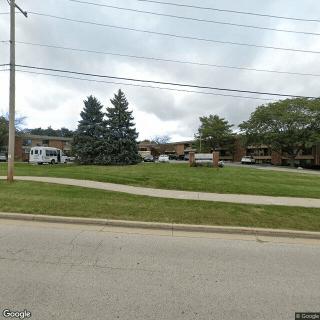
Heritage Place Brookfield, LLC
$1,085 to $1,375 / month17.5 miles away -
from +$95 / mo

Harbor Campus
$1,020 to $4,425 / month9.4 miles away -
from +$51 / mo
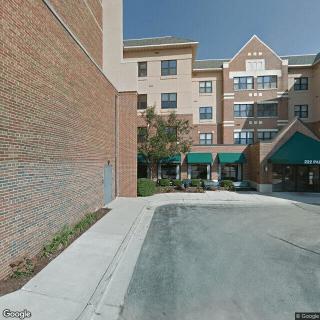
Avalon Square
$976 to $2,280 / month22.8 miles away -
from +$100 / mo
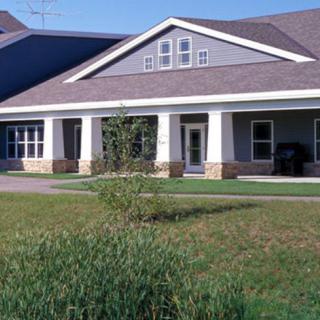
Kirkland Crossings
$1,025 to $2,620 / month19.7 miles away
Overall Review of Lasata Heights Retirement Ctr
Pros
 Lasata Heights is great.
- The staff were very accommodating, caring, and compassionate.
- The nursing and therapy teams took the time to understand residents' unique care needs.
- The therapists provided exceptional care and were experienced professionals.
- They worked collaboratively to achieve the best possible results.
- Communication with the nursing staff and therapists was excellent, with productive weekly care meetings.
- The Lasata staff provided exceptional care, giving families peace of mind that their loved ones were in capable hands.
- The facility has a wonderful and caring staff and is well-run.
- The care helped the patient recover well and return home.
Cons
 They are aloof, show little compassion, and have not taken the time to help the mother feel oriented after her stroke.
- A CNA rolled her eyes at the reviewer when reminded of the mother’s stroke in an attempt to offer explanations.
- Lasata Care Center is not great.
- The mother felt like dirt after the Saturday morning attendant arrived.
- There is no consistency in staff or level of care: sometimes a morning sponge bath is given, sometimes nothing.
- They lost her glaucoma medication.
- If you are bed-bound you cannot reach the light cord or the emergency cord.
- There is no air conditioning in the rooms; what a dump.
- The staff are overworked and miserable from the oppressive heat, unable to provide proper care.
- All of the administrators are a joke.
- They paid $10,000 for 1 month and only stayed 2 weeks; twice the price of most places with half the love and care.
- They warned not to bring loved ones there; if you care for grandparents, stay away.
Review
Lasata Heights is best suited for seniors who need short-term rehabilitation within the Lasata campus, where Lasata Care Center can supply focused therapy and nursing support. The standout value is the rehabilitative orientation: experienced therapists, nursing staff that takes time to understand individual needs, and formal care meetings that anchor family questions in a coherent plan. For families prioritizing a capable rehab track and clear, proactive communication, the Lasata rehabilitative team can deliver tangible progress and peace of mind during recovery. However, the Heights component of the campus does not consistently measure up for long-term living needs, and that mismatch should shape the decision.
Those who may want to explore alternatives are families seeking dependable, day-to-day care in a long-term assisted-living setting with predictable staffing, timely responses, and a well-managed, comfortable environment. Multiple reviewers flag inconsistent daily care, delays in assistance, and variable attention to routine tasks like bathing, medication safety, and room upkeep. The absence of reliable phone responsiveness, combined with reports of overworked staff and limited administrative oversight, makes Lasata Heights a riskier choice for someone needing steady, ongoing support without the safety net of close supervision.
The core positives, caring attitudes from many frontline workers, the emphasis the program places on therapeutic progress, and strong collaboration among nurses, RNs, and therapists, do offset some risk, but only to a point. When therapy needs are primary, the on-site therapists and care teams can deliver meaningful gains and a plan that translates into real function improvements. The weekly care meetings help families stay aligned with goals, and several residents and families express genuine gratitude for treatment that feels attentive and professional. Yet these strengths do not fully compensate for broader campus issues that recur in the reviews.
On balance, the repression of the broader campus experience becomes a decisive factor for most long-stay considerations. The habitat issues, no air conditioning in some rooms, heat that leaves staff and residents visibly strained, and parking-lot litter that signals inconsistent grounds maintenance, color the perception of safety and dignity. Reports of medication being misplaced, inconsistent morning routines, and difficulties locating a nurse or obtaining timely help undermine confidence, especially for residents who require steady daily routines or have complex medication needs. In short, the rehab gains can be meaningful, but they are not reliably protected by the broader administrative and operational environment.
To navigate a choice here, prospective families should request a candid, line-by-line plan for the intended resident’s stay, ideally with a dedicated care coordinator who can translate therapy goals into daily routines and response times. Inspect staffing patterns during different shifts, ask for recent med-pass audits, and verify how much of the care is delivered by Lasata Care Center staff versus Heights personnel. Inquire about room climate options, meal quality, and the availability of personal care services that extend beyond therapy sessions. Price remains a meaningful lever: reviewers indicate a perception of high cost relative to the care received, so demand transparency on what is included in the rate and what constitutes extra charges. If stability, predictability, and a consistently clean, responsive environment are non-negotiable, alternatives outside the Lasata campus should be on the short list.
Bottom line: Lasata Heights can be a viable choice for families prioritizing post-acute rehab within a capable care ecosystem, provided there is robust oversight and written guarantees around daily care and responsiveness. For those whose priority is steady, long-term assisted living with unwavering staff availability, clean facilities, and predictable day-to-day operations, this campus may fall short. Strong contenders elsewhere, whether within the same Lasata family or in nearby communities, will likely offer clearer daily reliability, better environmental conditions, and a more transparent price-to-service balance.
 Independent Living
 General Mitchell International (25 miles away)





 Caregiver Exhaustion: Recognizing the Signs and Restoring Your Well-Being
 Understanding Hospice Care at Home: Comprehensive Services, Key Benefits, and Eligibility
 Understanding the Full Cost of 24/7 In-Home Care: A Detailed Overview