StoryPoint Mequon offers competitively priced living options compared to both Ozaukee County and the broader state of Wisconsin. For a studio apartment, residents can expect to pay $1,200 per month, which is significantly more economical than the county average of $4,022 and the state average of $3,999. Similarly, a one-bedroom unit at StoryPoint is available for $1,450, well below the county's average of $3,263 and the state's average of $3,412. Even the two-bedroom apartments are attractively priced at $1,950 compared to local and state averages of $3,180 and $3,111 respectively. Overall, StoryPoint Mequon presents an appealing option for those seeking quality living at substantial savings in both county and statewide contexts.
Floor plans
StoryPoint Mequon
Ozaukee County
Wisconsin
Studio
$1,200
$4,022
$3,999
1 Bedroom
$1,450
$3,263
$3,412
2 Bedrooms
$1,950
$3,180
$3,111
Memory care communities with a similar price nearby
Residents and families describe staff as caring and responsive, though some reviews report communication and staffing problems.
Many reviews emphasize how staff interact day to day—helpful, patient, and respectful—with multiple mentions of good communication and caregivers who take time to build relationships. Several residents or families also highlight staff involvement in day-to-day needs and transitions, including dementia-related adjustment and ongoing reassurance. At the same time, a smaller set of reviews say staffing levels affected care, with concerns ranging from being short-staffed to lack of medical attention when needed. Reception coverage and follow-through are also called out in some reviews as inconsistent.
common8 reviews mention this
Clean spaces and well-kept rooms
Residents most often mention cleanliness, frequent cleaning, and well-maintained rooms as part of the day-to-day experience.
Cleanliness shows up repeatedly: residents and families describe apartments and common areas as clean, well-maintained, and frequently cleaned. Reviews also mention room comfort details such as spacious layouts, maintained bathrooms, and supportive housekeeping that keeps things in good order. Even within critical reviews, the concern is usually framed around care delivery rather than overall upkeep, which suggests cleanliness is a more reliable strength than staffing or medical responsiveness.
common9 reviews mention this
Meals receive strong reviews
Dining stands out in reviews, with many calling meals well planned and flavorful while a few report missed or mediocre food.
Several residents and families praise the food directly—describing it as very good, amazing, or well planned with a varied menu. Others also connect dining to a positive experience like meeting the chef, receiving updates, or enjoying planned meals and a dining room setting. On the negative side, a few reviews report mediocre food or that meals were not delivered as expected, which they tie to broader concerns about care follow-through. Overall, dining appears to be a frequent point of comparison in both positive and critical reviews.
common7 reviews mention this
Activities and outings vary by review
Residents describe regular activities and outings, but some reviews say the calendar and engagement can be insufficient.
Many reviews highlight an active schedule—events on the calendar, daily activity programming, outings, and exercise classes—along with family-visible participation. Some also describe a community feel through shared gatherings, music, and planned trips. Still, a couple of reviews criticize activity levels as lacking, including claims of zero activities or activities not being well developed. Taken together, activities seem dependable for many families, but not universally consistent.
caveat5 reviews mention this
Care concerns center on staffing and follow-through
A recurring concern in reviews is insufficient medical or daily-care follow-through, sometimes linked to understaffing.
A cluster of critical reviews describe major gaps in care—such as missed medication administration, not being fed, health issues not addressed, or residents being left in unsafe situations. Others describe understaffing and transport or medical-care limitations, framing them as serious issues rather than minor inconveniences. Even one review that alleges a serious incident emphasizes how families interpret the adequacy of elder-care oversight. These concerns stand in contrast to the many positive caregiving reviews, suggesting families may experience very different levels of support.
caveat2 reviews mention this
Pricing feels high despite low deltas
Some reviewers feel the community is more expensive than expected compared with what they saw offered.
At least a couple of reviews focus on cost, with one describing the community as more expensive without a significant difference in what was offered versus other places. Another critical review also flags affordability as a concern in the context of care not meeting expectations. While reviews frame pricing as a drawback, the available pricing summary indicates the listed ranges compare very favorably versus county and state benchmarks, which may explain why these experiences can feel inconsistent depending on care needs and unit selection.
How we summarize
Counts show how many written reviews mention each theme; a review can touch several themes, and only frequently mentioned themes are displayed.
Features
Housing
98 resident community capacity
Types of Care
Assisted Living
Hospice Agency
Independent Living
Memory Care
Respite Care
Amenities
Activities on-site
Air-conditioning
Beautician on-site
Beauty salon
Cable or satellite TV
Computer center
Devotional services off-site
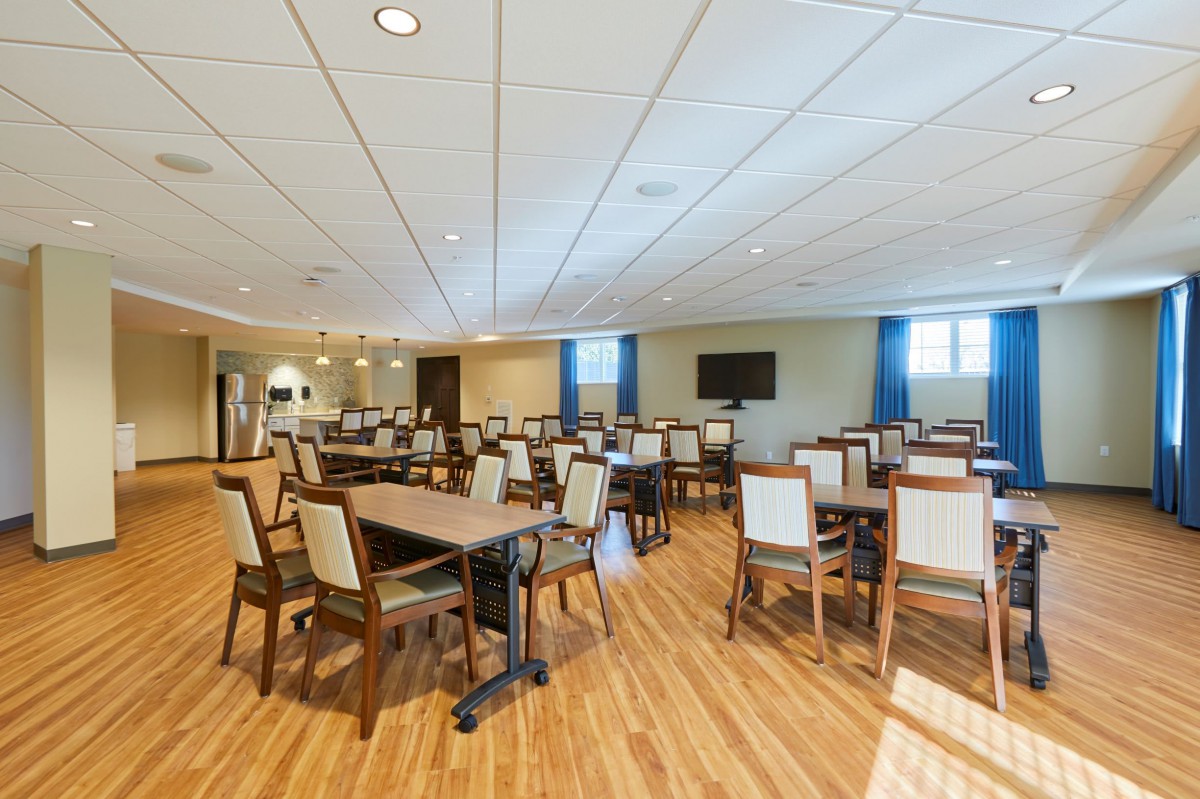
Dining room
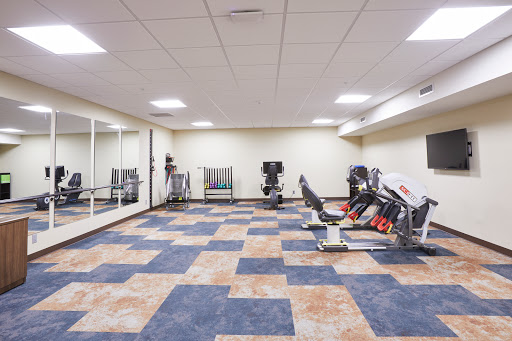
Fitness room
Fully furnished
Gaming room
Garden
Housekeeping services
Indoor common areas
Kitchenette
Move-in coordination
Outdoor space
Private bathrooms
Restaurant-style dining
Small library
Telephone
Wellness center
Wheelchair accessible showers
Wi-Fi/high-speed internet available
Transportation
General Mitchell International (20 miles away)
Community operated transportation
Transportation arrangement
Transportation arrangement (non-medical)
Transportation to doctors appointments
Care Services
12-16 hour nursing
24-hour call system
24-hour supervision
Activities of daily living assistance
Ambulatory care
Assistance with bathing
Assistance with dressing
Assistance with transfers
Coordination with health care providers
Dementia waiver
Diabetes diet
Diabetic care
Hospice waiver
Incontinence care
Meal preparation and service
Medication management
Mental wellness program
Mild cognitive impairment
Special dietary restrictions
Specialized memory care programming
Transportation arrangement (medical)
Transportation to doctors appointments
Dining
Diabetes diet
Meals provided
Special dietary restrictions
Activities
Activities on-site
Community-sponsored activities
Concierge services
Devotional activities offsite
Fitness programs
Planned day trips
Resident-run activities
Scheduled daily activities
Nearby Places of Interest
This part of Mequon, Wisconsin offers a variety of amenities and services that cater to seniors looking for a comfortable and convenient living environment. With several pharmacies, hospitals, physicians' offices, and cafes in close proximity, residents have easy access to healthcare services and daily essentials. The abundance of parks nearby provides opportunities for outdoor recreation and relaxation. Additionally, the presence of restaurants offering diverse cuisine options ensures that seniors can enjoy a variety of dining experiences. The area also boasts a cinema for entertainment and U-Haul moving & storage options for any relocation needs. Places of worship such as Redemption Lutheran Church offer spiritual support within the community. Overall, this part of Mequon is well-equipped to meet the needs and interests of seniors looking to settle in a vibrant and well-connected neighborhood.
Restaurants
Foxtown Brewing (0.2 miles)
St Paul Fish Co (0.3 miles)
Café Hollander Mequon (0.5 miles)
Daily Taco and Cantina (0.8 miles)
Libby Montana (1.1 miles)
Family Table Restaurant (2.9 miles)
Wendy's (3 miles)
Parks
Thiensville Village Park (1.1 miles)
A C Hanson Park (2.5 miles)
Mequon Rotary Park (2.8 miles)
Algonquin Park (4.2 miles)
Brown Deer Park (4.7 miles)
Cedar Creek Park (5.2 miles)
Kinderberg Park (5.2 miles)
Pharmacies
Walgreens (1.1 miles)
Walgreens (3 miles)
Walgreens (3.5 miles)
Metro Market Pharmacy (3.6 miles)
CVS Pharmacy (4.2 miles)
Walgreens (4.3 miles)
CVS Pharmacy (5.1 miles)
Hospitals
Rogers Memorial Hospital (2.6 miles)
Breastfeeding Support - Ascension Columbia St Mary's Hospital Ozaukee Birthing Center (4.2 miles)
Ascension Columbia St. Mary's Ozaukee - Cedarburg (4.2 miles)
StoryPoint Mequon offers competitively priced living options compared to both Ozaukee County and the broader state of Wisconsin. For a studio apartment, residents can expect to pay $1,200 per month, which is significantly more economical than the county average of $4,022 and the state average of $3,999. Similarly, a one-bedroom unit at StoryPoint is available for $1,450, well below the county's average of $3,263 and the state's average of $3,412. Even the two-bedroom apartments are attractively priced at $1,950 compared to local and state averages of $3,180 and $3,111 respectively. Overall, StoryPoint Mequon presents an appealing option for those seeking quality living at substantial savings in both county and statewide contexts.
StoryPoint Mequon offers a comprehensive suite of services tailored to the unique needs of residents experiencing dementia or Alzheimer's disease, promoting their well-being and comfort. Assistance with dressing, bathing, and transfers ensures that residents maintain dignity and safety in daily routines while receiving personalized support. Medication management helps avoid complications from misadministration, while meal preparation and service cater to nutritional needs, accommodating dietary restrictions. The arrangement for medical transportation ensures access to necessary healthcare appointments, reinforced by coordination with health care providers to create cohesive care plans. Activities of daily living assistance encourages independence where possible, bolstered by specialized memory care programming that engages residents cognitively and socially. The 24-hour supervision provides peace of mind for families, especially when combined with the dementia waiver that allows for tailored interventions based on individual needs. Additionally, mental wellness programs address emotional aspects of cognitive decline, while incontinence care respects privacy and promotes confidence among residents with advanced stages of memory impairment. Collectively, these features foster an environment conducive to maintaining quality of life throughout the varying stages of dementia or Alzheimer's disease.
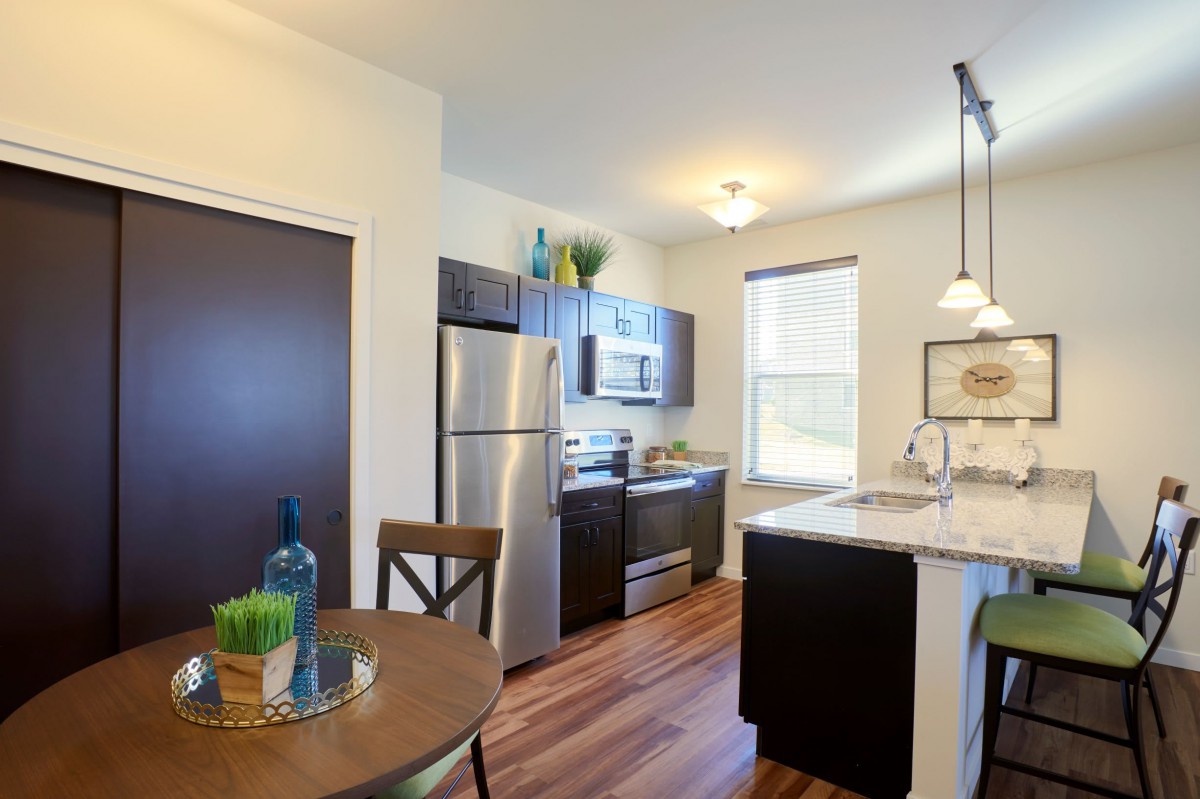
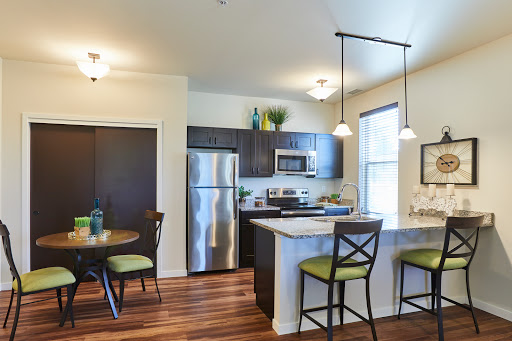
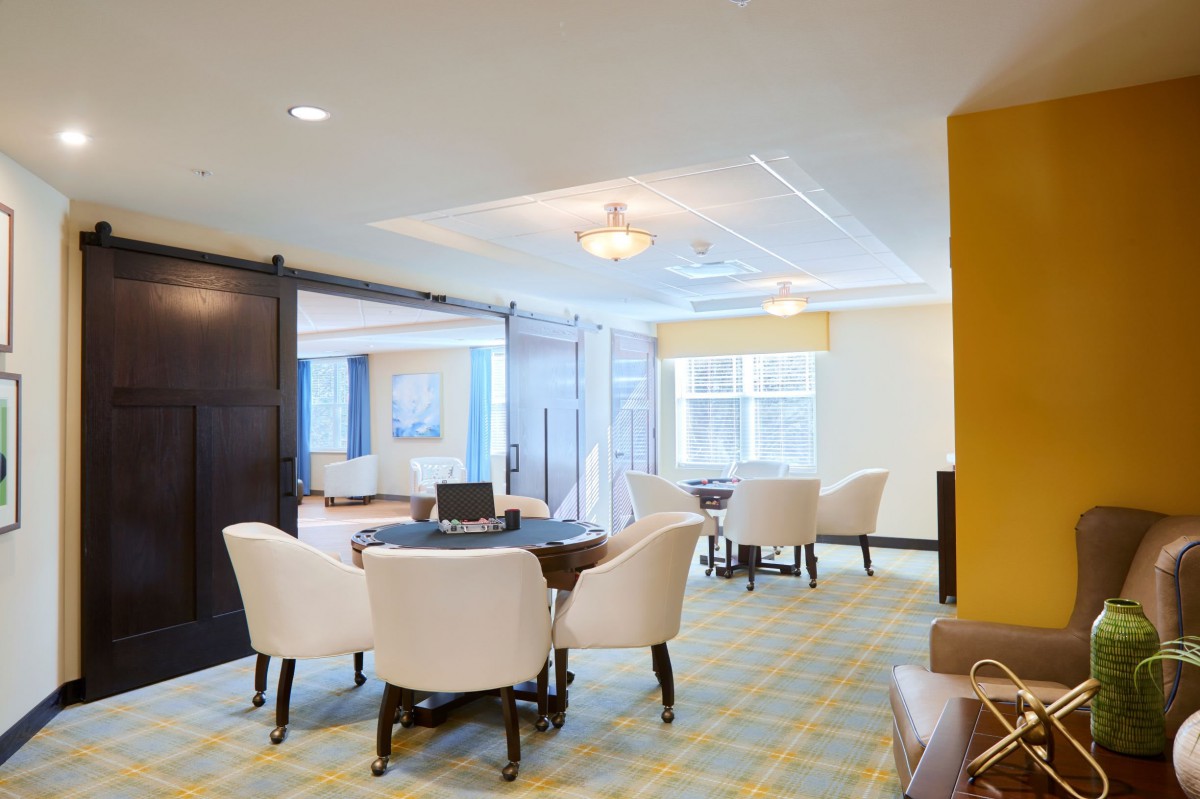
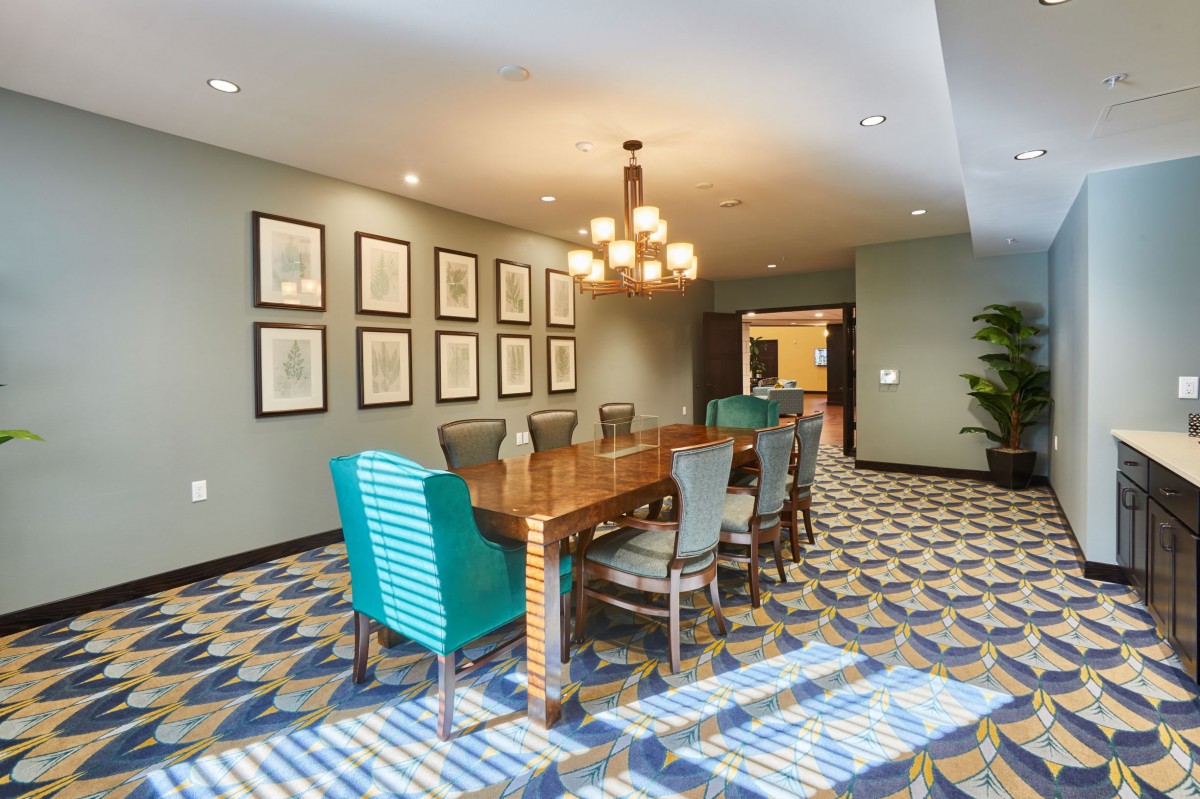
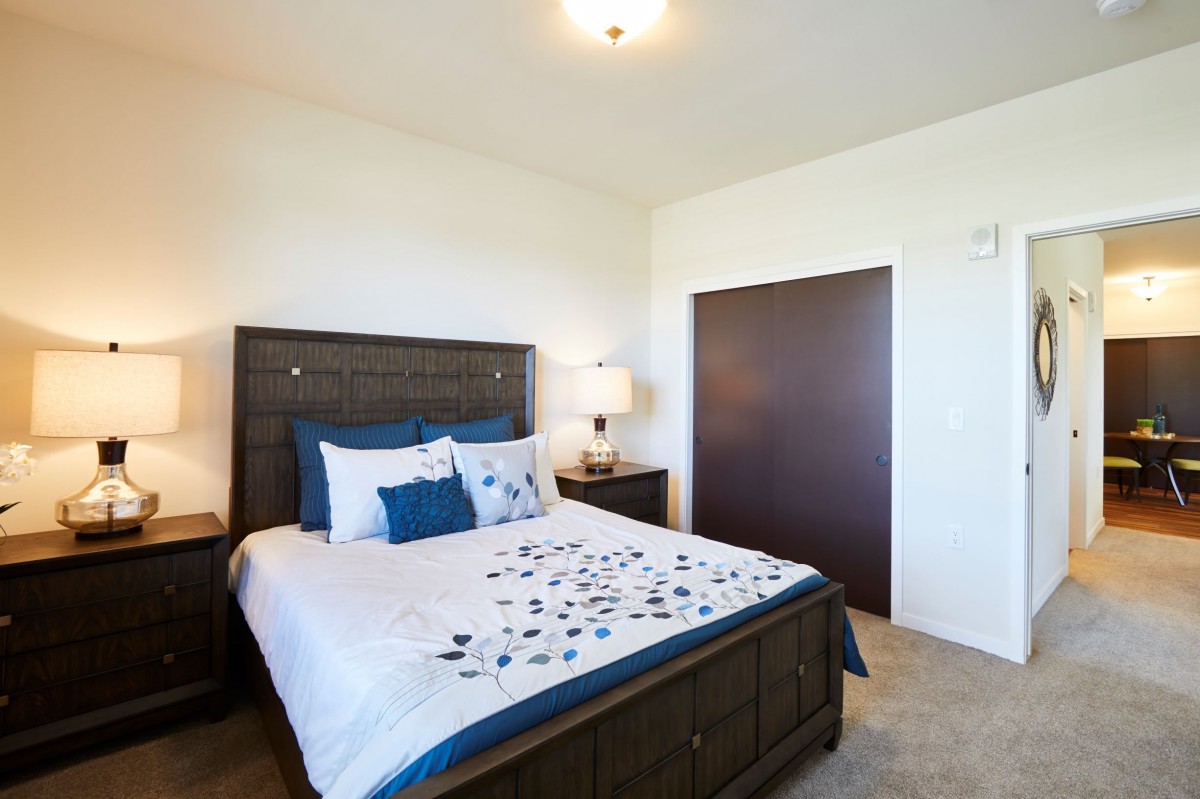
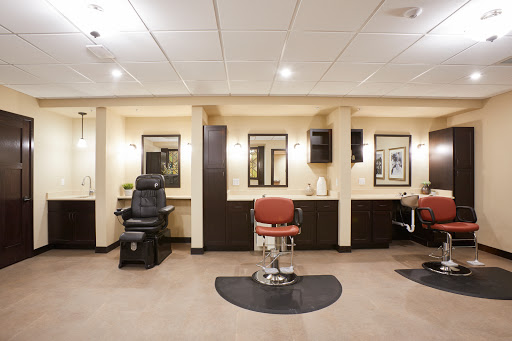
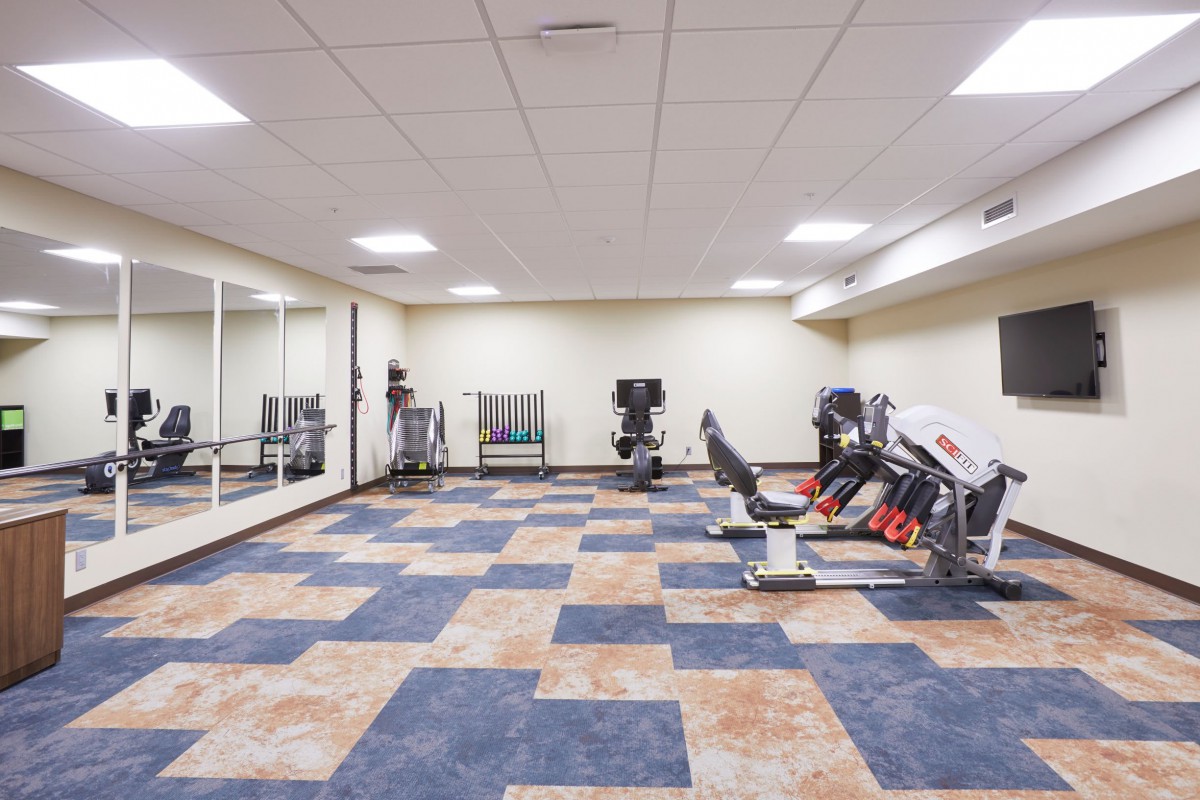
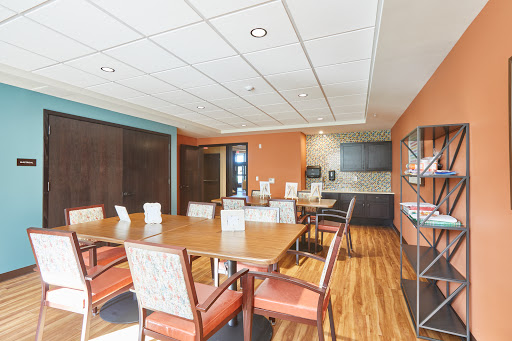
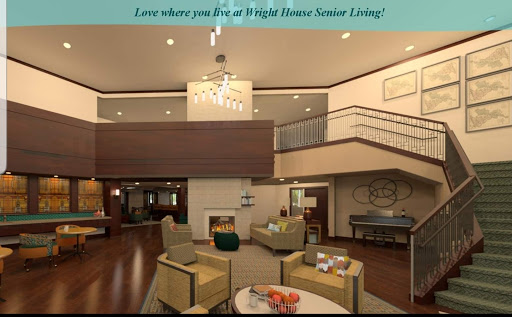
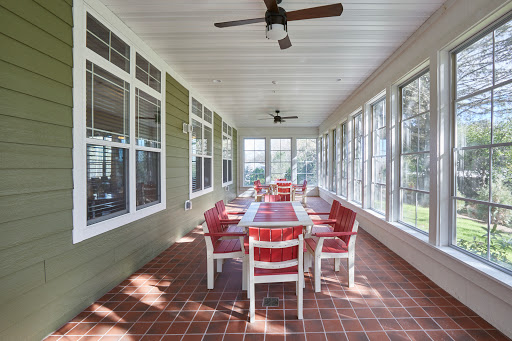
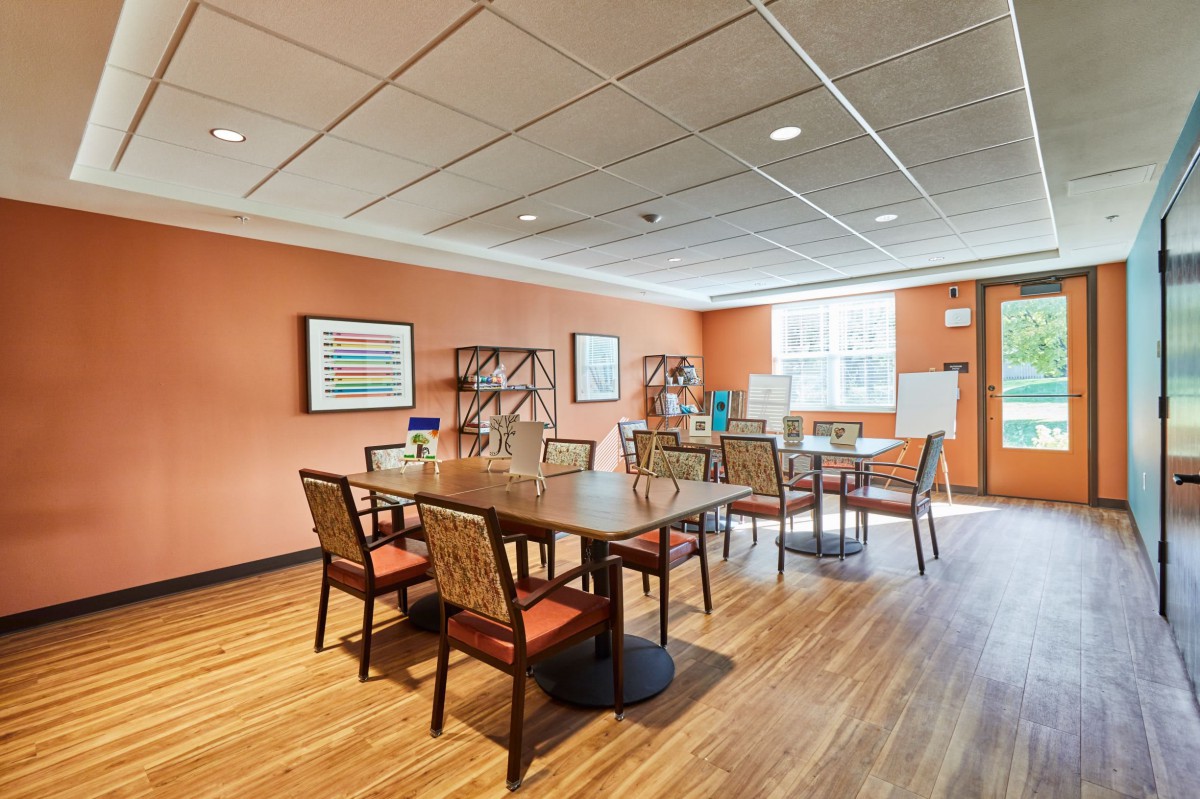
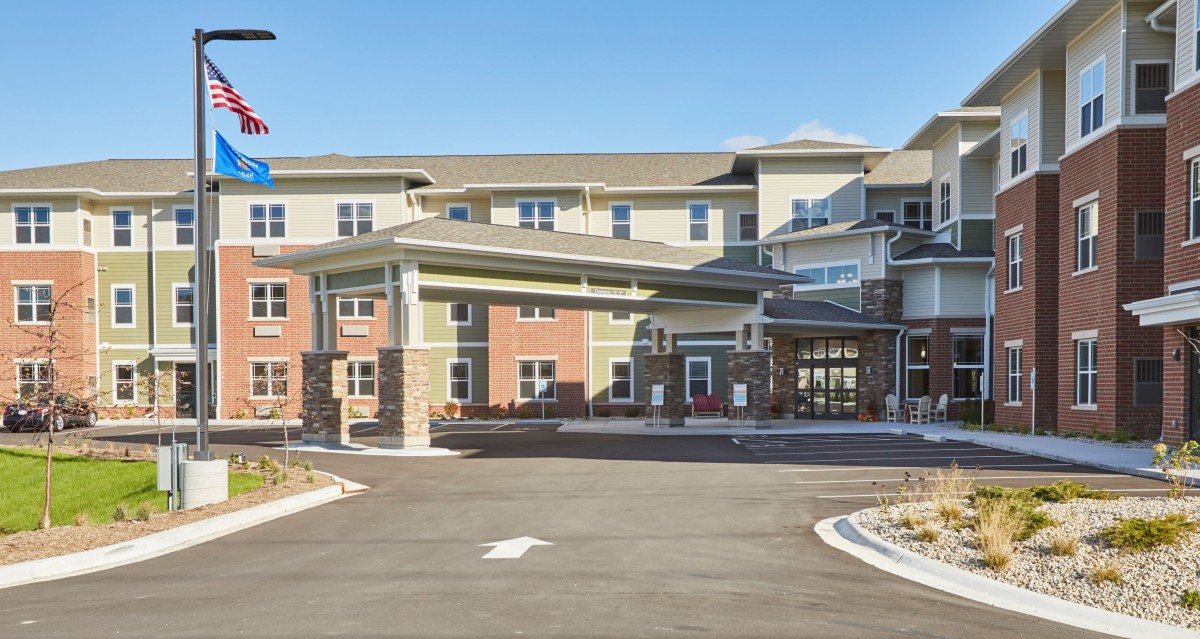
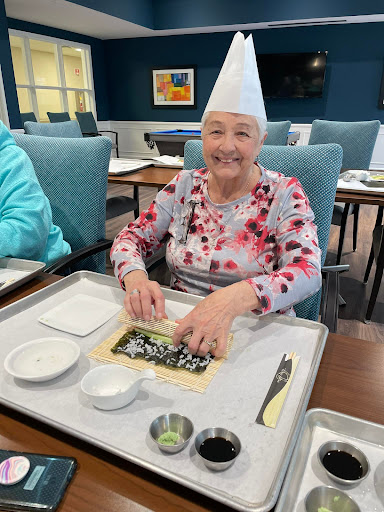
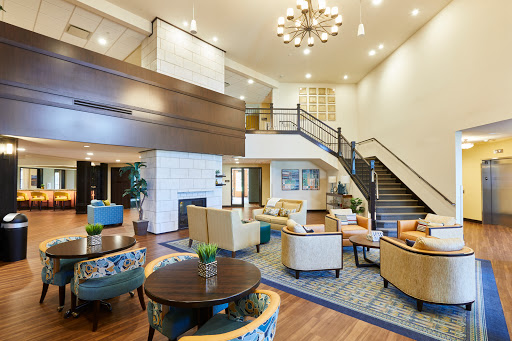
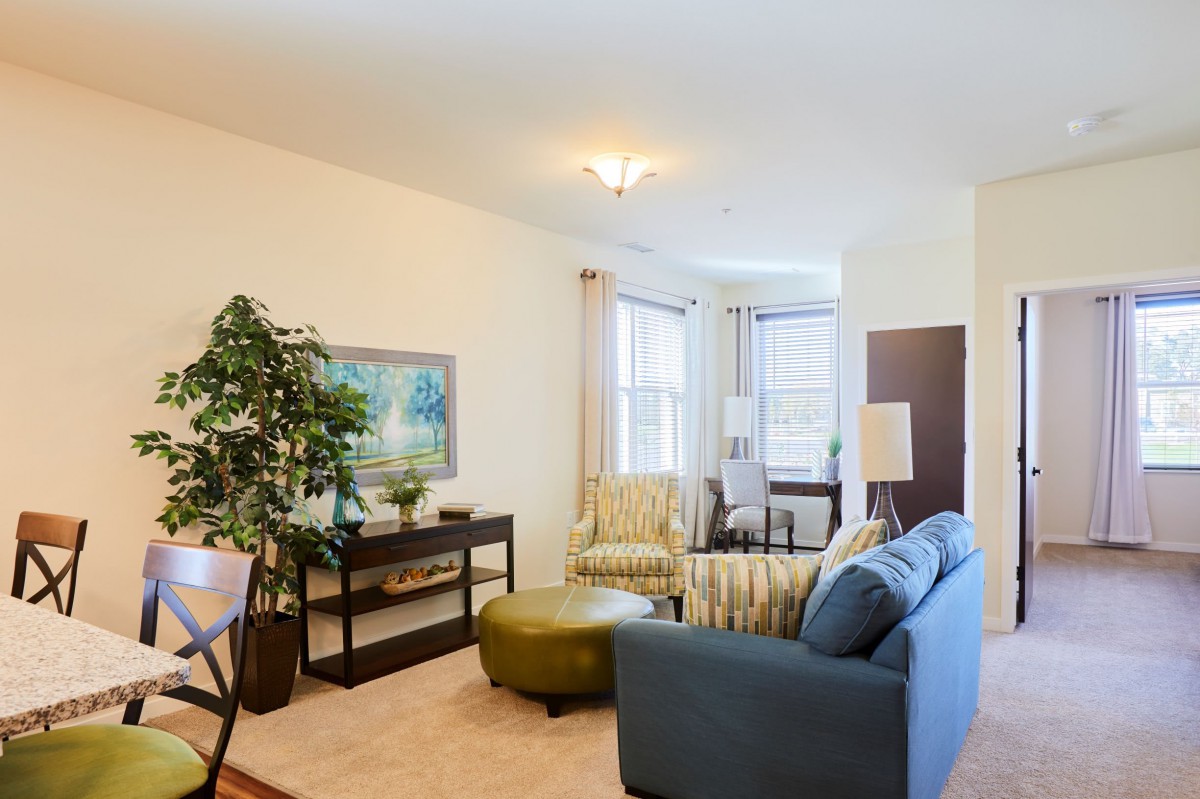
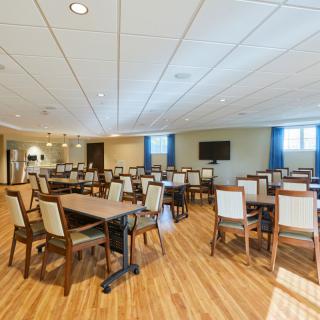
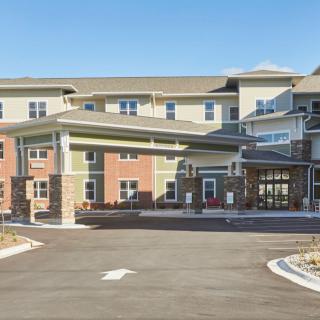
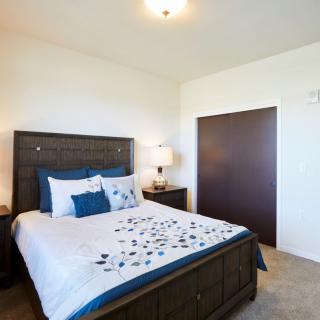
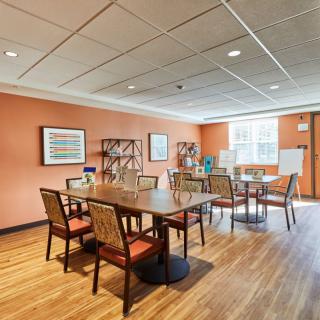
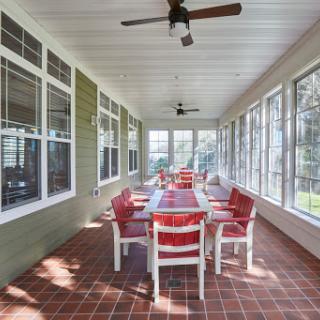
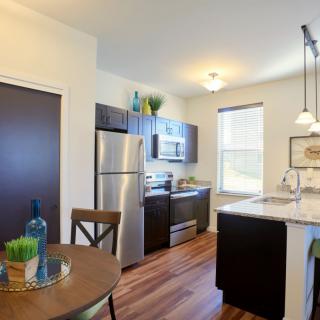
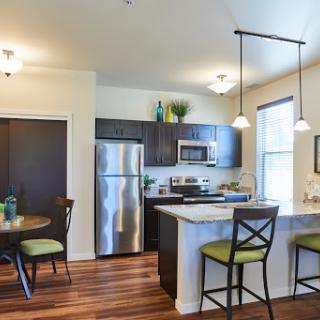
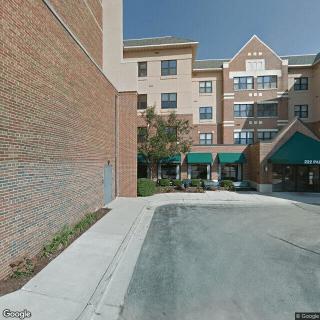
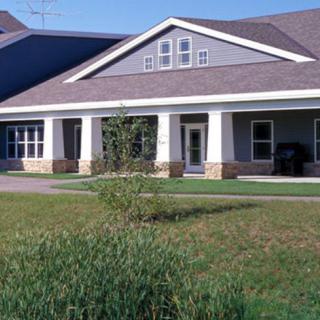
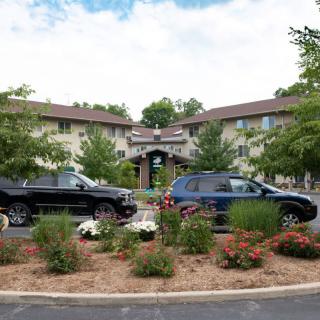
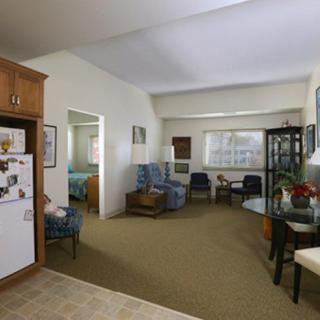
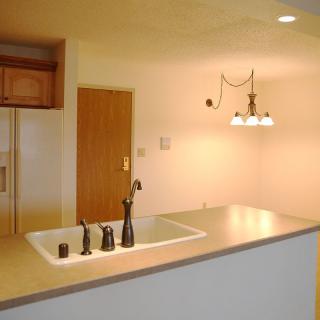
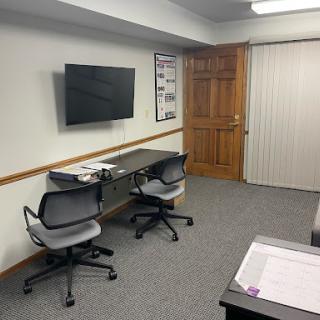
StoryPoint Mequon on seniors.fyi includes 21 photos including images showing interior, dining, building, bedroom, landscaping, mirrors, decor, lighting, and more.
Nearby Communities
Iconicare Of Mequon - Wright House Mem Care
Mequon, WI
3 from 3 reviews
Modern, attractive public spaces with generally helpful staff.
StoryPoint Mequon
Mequon, WI
4.5 from 113 reviews
$3,165 to $4,950 / month
Friendly, caring staff and a warm, community-oriented atmosphere with diverse activities.
Mequon Terrace II
Mequon, WI
4.6 from 35 reviews
Fully furnished units with 24-hour supervision, meals, and transportation to medical appointments.
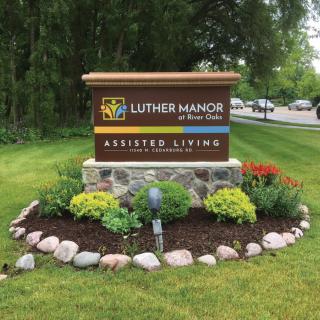
Luther Manor at River Oaks
Mequon, WI
4.2 from 10 reviews
$5,610 / month
Caring staff with attentive, personalized care and engaging activities.
New Care Family Services
Mequon, WI
Intimate, all-inclusive care with 24/7 supervision and robust memory care programming.
Highlands at Riverwalk Apartments 55+
Mequon, WI
4.7 from 65 reviews
$1,288 to $1,696 / month
Warm community with excellent staff and well-maintained, scenic grounds.
New Perspective Senior Living | North Shore
Brown Deer, WI
4.2 from 111 reviews
$1,850 to $3,538 / month
Warm, welcoming staff; clean, hotel-like apartments with engaging activities.
Luther Haven
Milwaukee, WI
3.7 from 14 reviews
$695 to $1,300 / month
Friendly staff and strong value with extensive amenities.
Home Helpers Home Care of Greater Milwaukee
Mequon, WI
5 from 1 review
Clean, bright environment with friendly staff and comfortable, well-equipped apartments plus regular resident gatherings.
The guide outlines the complexities of Medicaid coverage for assisted living, highlighting significant state-to-state variations, limited coverage often restricted to personal care services, and the existence of specialized waivers for certain needs like memory care. It advises families to consult local Medicaid offices for options while emphasizing the importance of understanding state-specific regulations and facility policies.
Medicaid coverage for assisted living varies by state and is primarily available to low-income individuals, with eligibility dependent on strict income and asset limits. Some states offer HCBS waivers for specific services in assisted living, but families must generally cover room and board costs, and should verify facility acceptance of Medicaid while considering potential waiting lists.
Medicaid waivers for assisted living services provide vital support for seniors and individuals with disabilities in need of long-term care, with varying state-specific eligibility criteria and benefits. These waivers cover personal care and case management but often do not fully cover room and board, leading to waiting lists for many applicants.
Get PricingAsk A QuestionSchedule A TourContact Senior Advisor
By clicking submit, you agree to our Partner's Terms of Use. You
also consent to receive calls and texts, which may be autodialed, from our Partner. Your consent is not a condition to
using our Partner's service. Please visit our Partner's Privacy Policy for information about their privacy practices.











 98 resident community capacity
 Assisted Living
 Hospice Agency
 Independent Living
 Memory Care
 Respite Care
 Activities on-site
 Air-conditioning
 Beautician on-site
 Cable or satellite TV
 Computer center
 Devotional services off-site
 Dining room
 Fitness room
 Fully furnished
 Gaming room
 Garden
 Housekeeping services
 Indoor common areas
 Kitchenette
 Move-in coordination
 Outdoor space
 Private bathrooms
 Restaurant-style dining
 Small library
 Telephone
 Wellness center
 Wheelchair accessible showers
 Wi-Fi/high-speed internet available
 General Mitchell International (20 miles away)
 Community operated transportation
 12-16 hour nursing
 24-hour call system
 Ambulatory care
 Assistance with bathing
 Assistance with dressing
 Assistance with transfers
 Diabetes diet
 Diabetic care
 Incontinence care
 Medication management
 Mental wellness program
 Special dietary restrictions
 Transportation arrangement (medical)
 Concierge services
 Planned day trips
 Modern, attractive public spaces with generally helpful staff.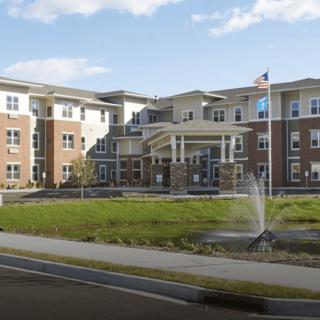


 Understanding Medicaid Coverage for Assisted Living: A Comprehensive Guide
 How and When Medicaid May Cover Assisted Living Costs
 A Detailed Exploration of Assisted Living Medicaid Waivers Across the United States