



8949 North 97 Th Street, Milwaukee, WI 53224
For more information about senior living options: (866) 208-4318
Luther Haven Costs & Pricing
Luther Haven offers a compelling value for those seeking accommodations, particularly when compared to the broader market in Milwaukee County and Wisconsin as a whole. For instance, a studio unit at Luther Haven is priced at just $695 per month, significantly lower than the county average of $3,841 and state average of $3,999. Similarly, its one-bedroom apartments are available for $995, which is well below the county's $3,057 and the state's $3,412. Even with its two-bedroom units priced at $1,300, Luther Haven remains a cost-effective option against Milwaukee County's average of $2,654 and Wisconsin's statewide average of $3,111. These competitive rates position Luther Haven as an attractive choice for individuals and families looking for affordable housing solutions without compromising on quality or comfort.
| Floor plans | Luther Haven | Milwaukee County | Wisconsin |
|---|---|---|---|
| Studio | $695 | $3,841 | $3,999 |
| 1 Bedroom | $995 | $3,057 | $3,412 |
| 2 Bedrooms | $1,300 | $2,654 | $3,111 |
Assisted Living communities with a similar price nearby
-
from +$110 / mo
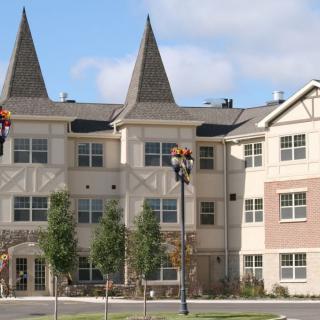
The Gables of Germantown
$805 to $6,410 / month5.1 miles away -
from +$31 / mo

Bria of Trinity Village
$726 to $2,800 / month1.8 miles away -
from +$135 / mo

Village At Manor Park Palmer House
$830 to $1,440 / month13.3 miles away
Overall Review of Luther Haven
Pros
 The facility is described as a great place to be a resident, with friendly and caring staff.
 - It offers a wide range of amenities that residents appreciate.
- The on-site wellness center and visiting medical professionals provide convenient health services.
- There are daily exercise classes and a variety of clubs that keep residents engaged.
- The maintenance and support teams are readily available, helping keep the property well maintained.
- The area is described as safe, with plans for local business growth that boost the community.
- The motto “where friends become family” is considered true by residents.
Cons
 The facility has turned into an apartment rental building with no activities or care services.
- The building is poorly maintained.
- The residents are no longer limited to age 55+; some have very small children, and there have been notices of drug use.
- It was bought by an individual and turned into a low-income housing facility, leaving seniors looking for other places to live.
- Long-time residents are leaving due to the building's condition, the lack of promised services, the resident mix, and the lack of security.
- There is no security; visitors can walk into the building without buzzing in.
- There are no posted visitor rules or enforced daily check-ins, and there are reports of people sneaking in through back doors.
- The website provides little information about policy, safety, security, or visitors rules.
Review
Luther Haven in Milwaukee is best suited for independent seniors who want a lively, amenity-rich environment at an affordable price, and who can tolerate a building that has drifted from a tightly age-restricted senior community toward mixed occupancy. The on-site wellness center, regular exercise classes, social clubs, and a robust slate of services historically anchored a retirement lifestyle that favors activity, connection, and convenience. For residents who thrive on camaraderie and do not require full-time care, the commons area, staff warmth, and value proposition create a compelling home base. The match falters for those needing consistent hands-on assistance or a traditionally age-restricted setting.
Those prioritizing predictable safety and senior-focused governance should consider alternatives. Several reviewers describe a shift away from a true senior-living model to mixed-age housing with limited or unclear activities, care services, and policies. Security concerns surface repeatedly, entry doors described as unmonitored, back doors left unsecured, and a lack of cameras, raising real risks for mobility-limited seniors. With children or non-senior residents present, questions about supervision and safety multiply. If a resident requires structured programming, assigned care staff, or clearly posted rules around visitors and behavior, exploring other communities with explicit age restrictions and consistent governance is prudent.
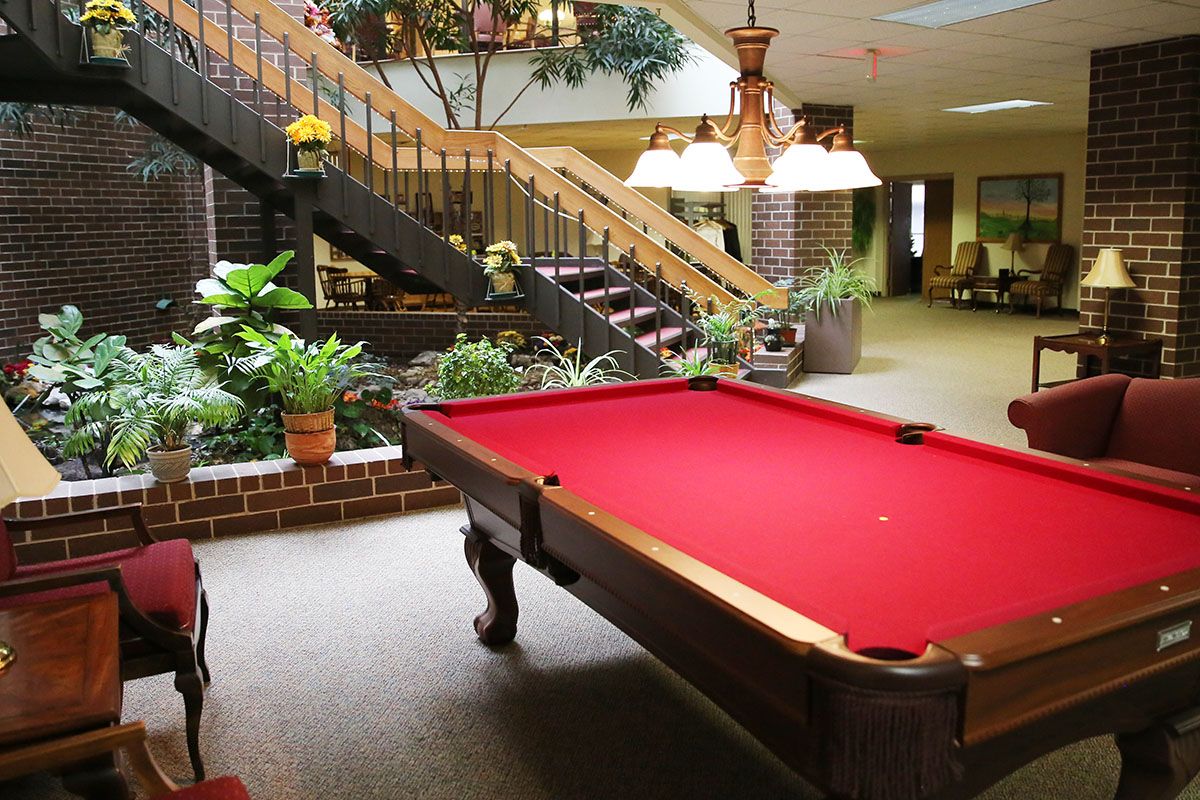
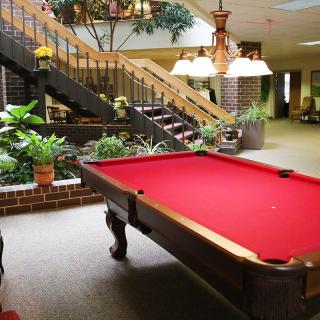
On the upside, long-term residents consistently praise warmth, accessibility, and the breadth of on-site conveniences. The appeal includes inexpensive coffee and beverage options, a well-stocked common library and video collection, a small general store, and a dramatic, multi-level common area that supports gatherings and celebrations. Health-related services are on hand: weekly doctor visits, monthly audiology and podiatry, nail care, and occasional manicures, with beauty services and dry-cleaning support available. The activity calendar is comprehensive, daily classes in yoga, Zumba, line dancing, tai chi, balance work, and water-based options, plus clubs, Bible studies, and arts programming. For many, this is a compelling value.
Yet the negatives cannot be ignored. Reports of poor policy communications, lack of check-ins, and insufficient visitor controls degrade perceived safety. The absence of posted safety rules or clear signage about policies leaves families uncertain. The sense that the building operates more like a low-income, mixed-use property than a dedicated senior living campus undermines confidence in long-term stability. The mix of residents, some under 55 or who bring children, stirs concerns about noise, care expectations, and the ability to preserve a quiet environment that seniors often need. Maintenance problems or a perceived neglect of upkeep further complicate this picture.
How the positives weigh against the negatives depends on individual needs and risk tolerance. For a self-managing senior who values on-site health access and a robust social structure, the advantages can offset security and policy concerns, provided current management keeps access controlled and policies clearly enforced. For anyone requiring regular assistance, a controlled environment, or a strict age mix, the balance tips away quickly. Prospective residents should conduct a rigorous, two-step vetting: tour at different times, interrogate staff about entry procedures and safety monitoring, and speak with several residents about daily routines, maintenance, and responsiveness.
In short, Luther Haven offers undeniable value for the right resident: strong social life, broad amenities, and affordable, on-site services that reduce the friction of daily living. However, the reality hinges on security and governance. If the current operation maintains secure access, clear rules, and reliable care options, it remains an attractive option for independent seniors seeking community and convenience. If not, alternatives that deliver tighter security, explicit age restrictions, and dependable care should be pursued. Families should verify age mix, safety measures, maintenance standards, and the availability of on-site clinicians before deciding, treating Luther Haven as a potential win when governance matches promise, and a potential misalignment when it does not.
 60 resident community capacity
 Assisted Living
 Independent Living
 Respite Care
 Cats allowed
 Dogs allowed
 Activities off-site
 Air-conditioning
 Bath tubs
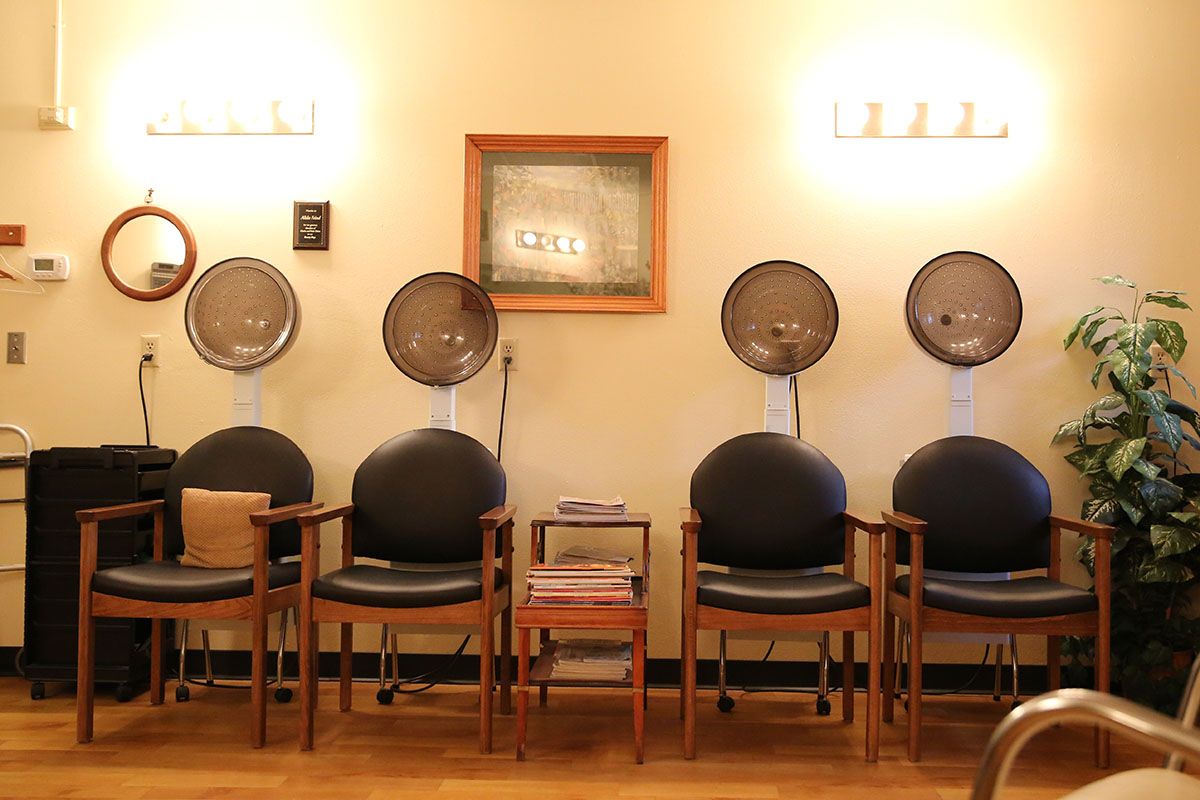
 Beautician on-site
 Cable or satellite TV
 Computer center
 Devotional services off-site
 Dining room
 Fitness room
 Fully furnished
 Gaming room
 Garden
 Housekeeping services
 Indoor common areas
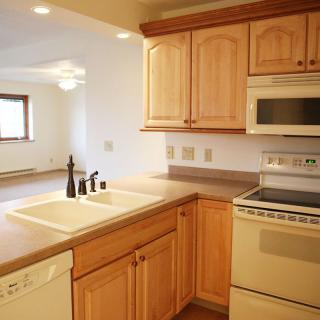
 Kitchenette
 Move-in coordination
 Outdoor common areas
 Private bathrooms
 Restaurant-style dining
 Small library
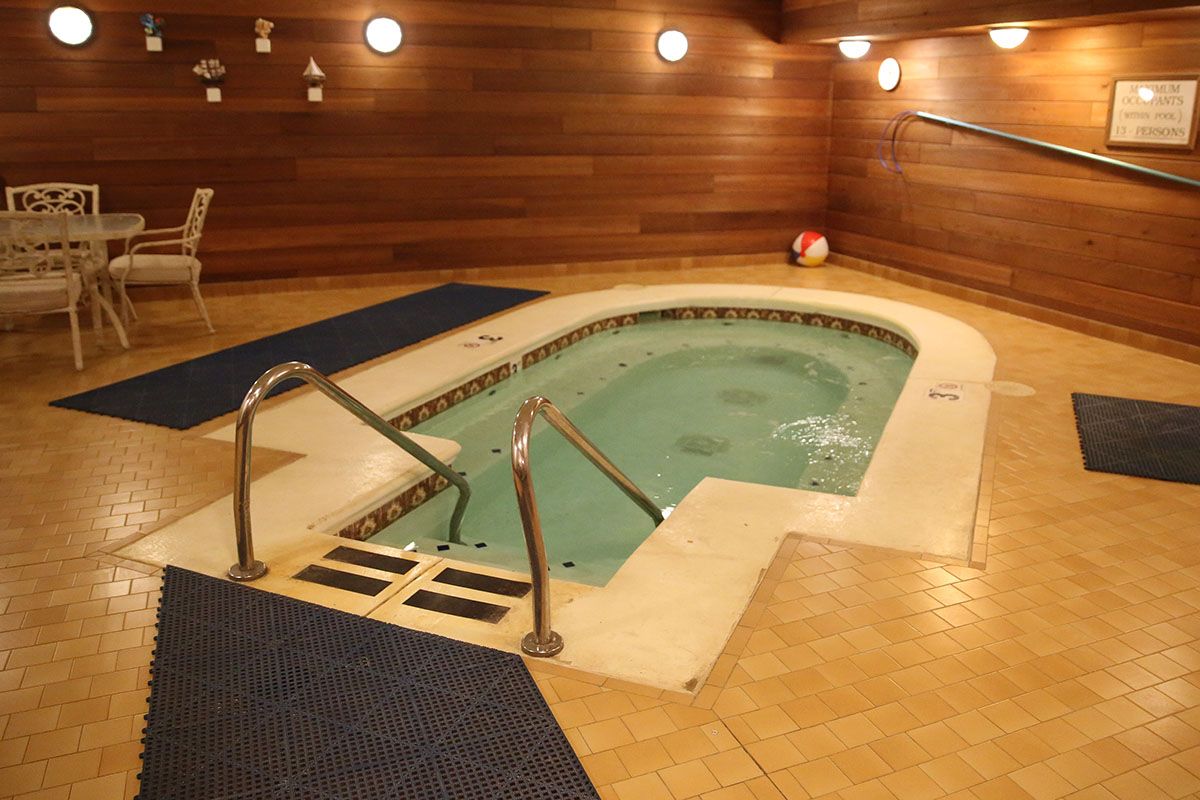
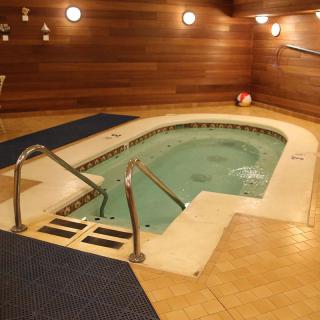
 Swimming pool / hot tub
 Telephone
 Wellness center
 Wheelchair accessible showers
 Wi-Fi/high-speed internet available
 General Mitchell International (18 miles away)
 Community operated transportation
 12-16 hour nursing
 24-hour call system
 Ambulatory care
 Assistance with bathing
 Assistance with dressing
 Assistance with transfers
 Diabetes diet
 Medication management
 Mental wellness program
 Special dietary restrictions
 Christian services
 Concierge services
 Planned day trips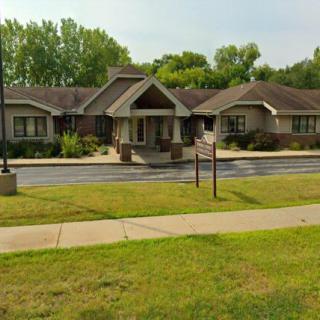


 Assisted Living Support for Veterans: A Complete and Detailed Overview
 Exploring the Contrasts Between Assisted Living and Skilled Nursing
 8 Key Indicators That Suggest It May Be Time to Transition from Assisted Living to Skilled Nursing Care