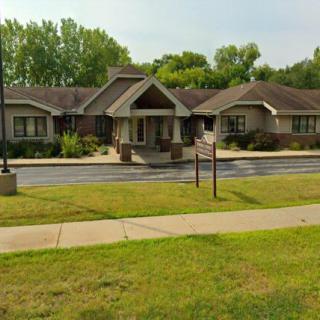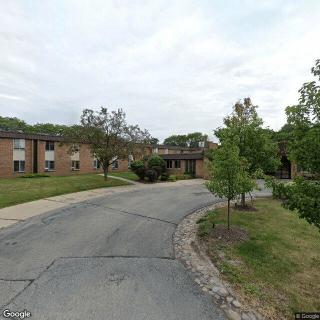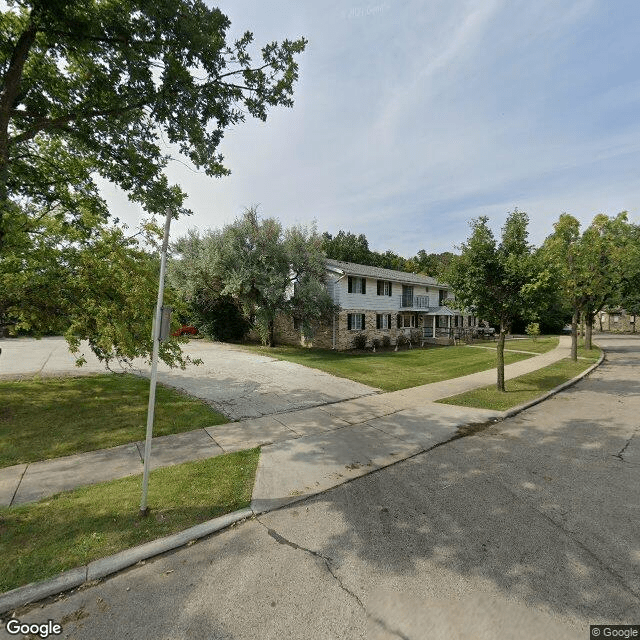
Magnolia House in Milwaukee, WI

Save
Magnolia House

Magnolia House in Milwaukee, WI

8919 North Michele Street, Milwaukee, WI 53224

For more information about senior living options: (844) 490-3973

3.4 from 5 reviews
5 stars
3
4 stars
0
3 stars
0
2 stars
0
1 stars
2

Assisted Living Board and Care Home Memory Care

Magnolia House Costs & Pricing

Magnolia House offers competitive pricing compared to both Milwaukee County and the broader state of Wisconsin. For a studio room, residents can enjoy a cost of $2,675 per month, which is significantly lower than the county average of $3,841 and the state average of $3,999. For those seeking more privacy, the private room option at Magnolia House is priced at $3,995 - again more economical than Milwaukee County's rate of $4,513 and slightly higher than the state's average of $4,339. This pricing structure reflects Magnolia House's commitment to providing quality accommodations while remaining accessible within the local market.

Floor plansMagnolia HouseMilwaukee CountyWisconsin
Studio$2,675$3,841$3,999
Private$3,995$4,513$4,339

What level of care are you interested in?

Assisted Living

Memory Care

Independent Living

Skilled Nursing Facility

Continuing Care Retirement Community (CCRC)CCRC

Other


Request a tour at Magnolia House

    Overall Review of Magnolia House

    Pros

    • pro Magnolia House provides a caring family environment for everyone who lives and works there.
    • pro The staff are professional, knowledgeable, and consistently deliver quality care with compassion.
    • pro Families feel reassured that their loved ones are in great and caring hands.
    • pro The staff are proactive and honest in dealing with situations as they arise.
    • pro The facility accommodates dog visits, indicating flexibility and a pet-friendly policy.
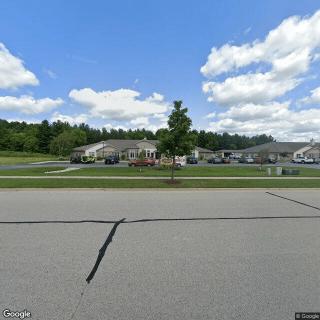
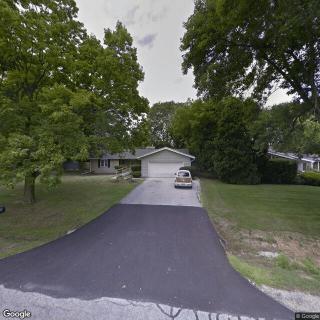
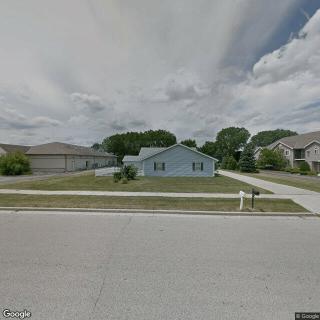
    • pro The building is a converted four-family apartment, offering a manageable, home-like size.
    • pro A first-floor room is available near amenities, providing convenient access.

    Review

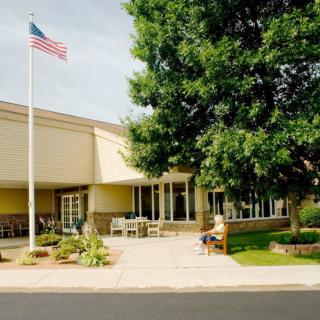
    Magnolia House, part of Willowbrook Senior Living in Milwaukee, is best suited for seniors and families who prize a warm, home-like setting where caregivers know residents personally and care feels consistently compassionate. The converted four-family apartment vibe keeps the community intimate rather than institutional, with a layout that does not pretend to be a campus but rather a single, contained home base. A first-floor room near common areas and private bedrooms are notable conveniences, and the environment is clearly oriented toward everyday comfort and personal attention. The ability to visit with a dog, managed through scheduled visits, and the option of a private room reinforce the sense of a small, homelike living arrangement rather than a clinical setting.

    Those who may want to consider alternatives are clear: if large-scale amenities, a broad slate of daily activities, or guaranteed, multi-wing campus accessibility are priorities, Magnolia House might fall short. The reviews signal a small footprint with limited on-site breadth, which can translate into fewer elective programs or ancillary services than larger communities offer. Availability can be murky in a smaller, intimate setting, and prospective residents who require predictable admission timing or a "one-stop" solution for diverse needs may prefer a provider with more expansive capacity and scheduling certainty. Families seeking a highly standardized experience across residents or a more formal, institution-style atmosphere should look elsewhere.

    The most persuasive positives center on the staff and the atmosphere. Comments consistently highlight a caring, family-like environment and staff who are professional, knowledgeable, and capable of delivering quality care with genuine compassion. Families express relief and confidence when staff respond proactively and honestly as situations arise, which matters deeply for trusted care in the near term and in potential future needs. The small, homey design supports close day-to-day interaction, which can reduce miscommunication and speed up problem-solving when issues do occur. In short, Magnolia House earns its best marks by prioritizing human warmth and honest, direct engagement over glossy amenities.

    Yet, the main drawbacks are tied to the very traits that create the strengths. The intimate, converted-home setting inherently limits the scale of programming, social options, and on-site services typical of larger assisted living campuses. Availability can be inconsistent simply because space is tight, and a first-floor room with convenient access may be a premium that changes quickly. The small footprint can magnify the impact of any staffing gaps, and for families requiring a broad menu of activities, off-campus excursions, or specialized care teams on standby, Magnolia House may feel restrictive. The two low-rated reviews in the broader rating suggest there are experiences where expectations were not met, underscoring the need for careful due diligence in a tour and a precise discussion of care plans, schedules, and accountability.

    The prospective resident can reconcile these dynamics by weighing the humans first: Magnolia House excels where intimate care, direct communication, and a home-like routine trump size and spectacle. The staff's ability to deliver consistent care with honesty and compassion can offset the trade-offs of a smaller environment, provided that the resident's needs stay within the scope of what a converted four-family setup can sustain. For families prioritizing safety, personalized attention, and a welcoming, family-style culture, Magnolia House offers a compelling match. For those seeking abundant activities, campus-scale amenities, or guaranteed admission timelines, it's prudent to compare other communities that deliver a more expansive service menu.

    A practical decision approach follows: arrange a face-to-face tour focused on staff interactions, observe the pace of daily routines, and verify current room availability, costs, and any incremental fees. Clarify the caregiver-to-resident ratio for the shift most residents will experience, confirm the exact terms of the dog-visitation policy, and request a sample care plan to see how medical needs would be addressed day-to-day. If the goal is a tight-knit, responsive, and genuinely caring environment, Magnolia House delivers with conviction; if the objective is a broad activity calendar and expansive amenities, alternative options should be weighed with comparable transparency.

    Features

    Housing

    • 20 resident community capacity 20 resident community capacity

    Types of Care

    • Assisted Living Assisted LivingAssisted living facilities provide crucial support and care for seniors who may need help with daily tasks such as medication management, bathing, and meal preparation. These communities offer a safe and comfortable environment where seniors can maintain their independence while receiving the assistance they need to thrive in their golden years.
    • Board and Care Home Board and Care HomeBoard and care homes provide a smaller, more intimate setting for seniors who require assistance with daily tasks but do not need the level of care offered by a nursing home. They offer personalized care, meals, and social activities in a homelike environment, ensuring that seniors receive individualized attention and support in their golden years.
    • Memory Care Memory CareMemory care is crucial for seniors as it provides specialized support and services for individuals with dementia or Alzheimer's disease. These programs offer a safe and secure environment where residents receive personalized care, cognitive stimulation, and help with daily activities. Memory care helps seniors maintain their independence, quality of life, and dignity while also providing peace of mind for their families.

    Amenities

    • Activities on-site Activities on-siteActivities on-site are important for seniors because they provide opportunities for socialization, mental stimulation, physical activity, and overall well-being. Engaging in activities can help seniors stay active, maintain their independence, and improve their quality of life.
    • Beauty salon Beauty salonBeauty salons are important for seniors because they provide a space for them to feel pampered, socialize, and maintain their personal grooming and hygiene. Regular visits to a beauty salon can help boost seniors' self-esteem and overall well-being.
    • Cable or satellite TV Cable or satellite TVCable or satellite TV is important for seniors because it provides entertainment, news, and companionship, helping to combat loneliness and boredom. It also offers a wide range of programming options tailored to different interests and preferences.
    • Devotional services off-site Devotional services off-siteDevotional services off-site are important for seniors as they provide spiritual nourishment, social engagement, and a sense of community outside of the senior living facility. This can enhance overall well-being and help combat feelings of isolation and loneliness often experienced by older adults.
    • Devotional services on-site Devotional services on-siteDevotional services on-site provide seniors with spiritual support and a sense of community, as well as an opportunity for reflection and guidance during their senior living experience. This can promote emotional well-being and connection to others, leading to a more fulfilling and enriching lifestyle in their later years.
    • Dining room Dining roomDining rooms are important for seniors as they provide a space for socialization, connection, and nutritious meals. They offer opportunities for residents to bond over shared meals, foster a sense of community, and promote healthy eating habits. Dining rooms also ensure that seniors have access to well-balanced meals tailored to their dietary needs and preferences.
    • Fully furnished Fully furnishedFully furnished senior living communities are important for seniors because they provide convenience, comfort, and a hassle-free moving experience. Seniors can easily settle into their new living space without the stress of having to buy and move furniture. This allows them to focus on enjoying their new home and community.
    • Garden GardenGardens are important for seniors as they provide a peaceful and therapeutic environment for relaxation, physical activity, and socialization. Being in nature has been shown to reduce stress, improve mood, and promote overall well-being. Gardens also offer opportunities for seniors to engage in gardening activities, which can improve mobility, flexibility, and cognitive function. Additionally, gardens create a sense of community and connection with others who share a passion for plants and outdoor spaces.
    • Housekeeping services Housekeeping servicesHousekeeping services are important for seniors because they help maintain a clean and safe living environment, promote independence, and reduce the risk of accidents or illnesses. Additionally, having assistance with household chores can alleviate physical strain and allow seniors to focus on other aspects of their well-being.
    • Indoor common areas Indoor common areasIndoor common areas are crucial for seniors as they provide a space for socialization, recreation, and community engagement, promoting overall well-being and reducing feelings of isolation and loneliness.
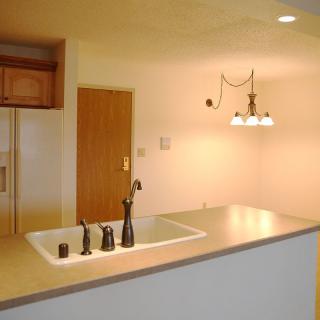
    • Kitchenette KitchenetteKitchenettes are important for seniors living in senior living communities because they provide the convenience and independence of being able to prepare simple meals and snacks in the comfort of their own living space. This can help promote a sense of autonomy and well-being for seniors, allowing them to maintain some level of control over their dietary choices and daily routines.
    • Move-in coordination Move-in coordinationMove-in coordination is important for seniors because it helps ease the transition into their new living environment. It ensures that all logistics, such as packing, organizing movers, and setting up utilities are taken care of, allowing seniors to focus on settling in and adjusting to their new home. Having a smooth move-in process can alleviate stress and anxiety, making the transition smoother and more enjoyable for seniors.
    • Outdoor common areas Outdoor common areasOutdoor common areas are important for seniors as they provide a space for socialization, physical activity, and relaxation. Being outside in nature can improve mood and overall well-being, while also encouraging movement and engagement with others. These spaces can help combat feelings of isolation and promote a sense of community among residents.
    • Outdoor space Outdoor spaceOutdoor spaces are important for seniors as they provide opportunities for physical activity, social interaction, exposure to natural light and fresh air, and a sense of connection to nature. Having access to outdoor spaces can improve overall well-being and quality of life for older adults living in senior communities.
    • Telephone TelephoneTelephones are important for seniors as they provide a lifeline for communication with loved ones, emergency services, and healthcare providers. They offer a sense of security and independence, enabling seniors to stay connected and access assistance when needed.
    • Wi-Fi/high-speed internet available Wi-Fi/high-speed internet availableWi-Fi/high-speed internet is important for seniors to stay connected with loved ones, access online resources, and participate in virtual activities to combat feelings of loneliness and isolation. It also allows them to easily manage healthcare needs, access entertainment, and engage in lifelong learning opportunities.

    Transportation

    • General Mitchell International (17 miles away) General Mitchell International (17 miles away)

    Care Services

    • 24-hour call system 24-hour call system24-hour call systems are important for seniors because they provide peace of mind and immediate assistance in case of emergencies. This technology ensures that help is always available, promoting safety and security for elderly individuals living alone or in assisted living facilities.
    • 24-hour supervision 24-hour supervision24-hour supervision is important for seniors to ensure their safety, well-being, and access to immediate assistance in case of emergencies or health issues. This constant support provides peace of mind for both seniors and their loved ones, allowing them to age in place with dignity and security.
    • Activities of daily living assistance Activities of daily living assistanceActivities of daily living assistance are important for seniors because they provide essential support with tasks such as eating, bathing, dressing, and mobility. This assistance helps seniors maintain their independence, dignity, and overall quality of life as they age.
    • Ambulatory care Ambulatory care"Ambulatory care services provide essential medical support and treatment to seniors without requiring hospitalization, allowing them to maintain their independence and quality of life while managing chronic conditions or receiving routine medical care."
    • Assistance with bathing Assistance with bathingAssistance with bathing is crucial for seniors as it helps maintain personal hygiene, prevents infections, and ensures their overall well-being and comfort. It also provides a sense of dignity and independence for seniors who may struggle with this task on their own.
    • Assistance with dressing Assistance with dressingAssistance with dressing is important for seniors because it helps maintain their independence, promotes personal hygiene, prevents accidents and injuries, and improves overall quality of life. This service ensures that seniors can continue to dress comfortably and confidently, despite any physical limitations they may have.
    • Assistance with transfers Assistance with transfersAssistance with transfers is crucial for seniors as it helps prevent falls and injuries, maintains their independence, and ensures they can safely navigate their living environment. It also provides peace of mind for both seniors and their loved ones.
    • Coordination with health care providers Coordination with health care providersCoordination with health care providers is crucial for seniors to ensure proper medical care, medication management, and overall well-being. This collaboration helps prevent overlapping treatments, track progress more effectively, and provide comprehensive support tailored to individual needs.
    • Dementia waiver Dementia waiverDementia waivers are essential for seniors as they provide critical protections and accommodations for those experiencing cognitive decline. These waivers ensure individuals with dementia receive appropriate care, support, and resources to maintain their quality of life and dignity as they navigate the challenges of this progressive condition.
    • Diabetes diet Diabetes dietA diabetes diet is crucial for seniors as it helps manage blood sugar levels, reduce risks of complications, and improve overall health and well-being. By following a balanced and nutritious diet tailored to their specific needs, seniors can better control their diabetes and enhance their quality of life.
    • Diabetic care Diabetic careDiabetic care is crucial for seniors as they are more susceptible to developing diabetes due to aging and other health conditions. Proper management of diabetes can help prevent complications such as heart disease, vision loss, and nerve damage, improving the overall quality of life for seniors in senior living communities.
    • Hospice waiver Hospice waiverHospice waivers are important for seniors because they allow individuals to receive specialized end-of-life care and support at home or in a hospice facility. This waiver ensures that seniors can access the necessary resources and services to maintain comfort and dignity during their final days.
    • Incontinence care Incontinence careIncontinence care is essential for seniors to maintain their dignity, hygiene, and overall quality of life. By addressing incontinence issues promptly and effectively, seniors can enjoy a sense of independence and comfort in their daily activities.
    • Meal preparation and service Meal preparation and serviceMeal preparation and service are crucial for seniors as they may have limited mobility or energy to cook nutritious meals. Having access to healthy and convenient food options can ensure they are getting the proper nutrition needed to maintain their overall health and well-being.
    • Medication management Medication managementMedication management is crucial for seniors to ensure they are taking the right medications at the correct dosages and times. This helps prevent adverse drug interactions, reduces the risk of medication errors, and promotes overall health and well-being. Proactive management also allows for adjustments as needed based on changing health conditions or new prescriptions.
    • Mental wellness program Mental wellness programMental wellness programs are essential for seniors as they promote cognitive stimulation, emotional support, and social engagement. These programs help prevent isolation, depression, and cognitive decline, ultimately enhancing the overall quality of life for older adults.
    • Mild cognitive impairment Mild cognitive impairment"Mild cognitive impairment" is important for seniors because it is an early stage of cognitive decline that can potentially progress to more severe conditions such as dementia. Recognizing and addressing mild cognitive impairment can help seniors receive appropriate care and support to maintain their quality of life and independence for as long as possible.
    • Special dietary restrictions Special dietary restrictionsSpecial dietary restrictions are important for seniors because age-related changes in metabolism and health conditions can make it difficult for their bodies to process certain foods. By following a diet tailored to their specific needs, seniors can maintain their overall health and well-being, manage chronic conditions, and reduce the risk of complications such as malnutrition or food interactions with medications.
    • Specialized memory care programming Specialized memory care programmingSpecialized memory care programming is crucial for seniors with cognitive impairments such as dementia or Alzheimer's disease. These programs provide a safe and supportive environment tailored to the unique needs of individuals with memory loss, helping them maintain their independence, dignity, and quality of life.
    • Transportation arrangement (medical) Transportation arrangement (medical)Transportation arrangements for medical purposes are essential for seniors as they may have difficulty driving themselves to appointments or accessing public transportation. Having reliable and safe transportation options ensures that seniors can receive timely medical care and maintain their health and well-being.
    • Transportation to doctors appointments Transportation to doctors appointmentsTransportation to doctors' appointments is crucial for seniors as it ensures they have access to necessary medical care and support for their health needs. Without reliable transportation, seniors may struggle to attend important appointments, leading to potential delays in treatment and health complications. Providing transportation services helps seniors maintain their overall well-being and quality of life.
    Dining

    • Diabetes diet Diabetes dietA diabetes diet is crucial for seniors as it helps manage blood sugar levels, reduce risks of complications, and improve overall health and well-being. By following a balanced and nutritious diet tailored to their specific needs, seniors can better control their diabetes and enhance their quality of life.
    • Meals provided Meals provided"Meals provided" are crucial for seniors in assisted living communities as it ensures they have access to nutritious, balanced meals without the stress of meal planning and preparation. This can help promote overall health and well-being for seniors who may have limited mobility or cognitive abilities.
    • Special dietary restrictions Special dietary restrictionsSpecial dietary restrictions are important for seniors because age-related changes in metabolism and health conditions can make it difficult for their bodies to process certain foods. By following a diet tailored to their specific needs, seniors can maintain their overall health and well-being, manage chronic conditions, and reduce the risk of complications such as malnutrition or food interactions with medications.

    Activities

    • Activities on-site Activities on-siteActivities on-site are important for seniors because they provide opportunities for socialization, mental stimulation, physical activity, and overall well-being. Engaging in activities can help seniors stay active, maintain their independence, and improve their quality of life.
    • Community-sponsored activities Community-sponsored activitiesCommunity-sponsored activities are important for seniors as they provide opportunities for social interaction, mental stimulation, and physical activity. These activities can help improve overall well-being, combat loneliness and isolation, and promote a sense of belonging and purpose among older adults.
    • Devotional activities offsite Devotional activities offsiteDevotional activities offsite are important for seniors because they provide social engagement, spiritual growth, and a sense of community outside of their living environment. This can improve overall well-being, mental health, and combat feelings of isolation or loneliness.
    • Devotional activities on-site Devotional activities on-siteDevotional activities on-site provide seniors with a sense of community, spiritual fulfillment, and emotional support, promoting overall well-being and a positive sense of purpose in their lives.
    • Scheduled daily activities Scheduled daily activitiesScheduled daily activities are important for seniors because they provide structure, socialization, mental stimulation, and physical activity. Engaging in regular activities can improve overall well-being and quality of life for seniors living in a community setting.

    Description

    Magnolia House is an exceptional assisted living community located in Milwaukee, Wisconsin. With a focus on providing high-quality care and a comfortable environment, Magnolia House offers both board and care home services as well as specialized memory care for individuals with dementia or Alzheimer's disease.

    Residents at Magnolia House can enjoy a wide range of amenities to enhance their quality of life. These include access to a beauty salon for personal grooming needs, cable or satellite TV for entertainment, devotional services off-site and on-site for spiritual fulfillment, and the convenience of having meals served in a spacious dining room. The rooms are fully furnished for comfort and convenience, and there are indoor common areas where residents can socialize or engage in activities.

    The community also boasts a beautiful garden and outdoor common areas where residents can relax and enjoy nature. A kitchenette is available for those who prefer to prepare their own snacks or drinks. Additionally, Wi-Fi/high-speed internet is provided throughout the facility to keep residents connected with family and friends.

    At Magnolia House, exceptional care services are available around the clock. Trained staff provides 24-hour supervision to ensure the safety and well-being of residents. Assistance with daily activities such as bathing, dressing, and transfers is provided as needed. The dedicated team at Magnolia House coordinates with healthcare providers to ensure that residents receive appropriate medical care. For individuals with specific dietary needs, special dietary restrictions can be accommodated.

    Engaging residents in meaningful activities is an important aspect of life at Magnolia House. Community-sponsored activities are organized regularly to encourage social interaction and bring joy to residents' lives. Devotional activities both on-site and off-site cater to spiritual needs. Scheduled daily activities provide opportunities for engagement and mental stimulation.

    Convenience is another advantage offered by Magnolia House's location. There are two cafes nearby along with numerous parks where residents can enjoy outdoor recreation. Access to nine pharmacies ensures that medication needs are easily met, while the proximity of two physicians and two hospitals provides peace of mind in case of any healthcare emergencies. Transportation is readily available for medical appointments.

    In summary, Magnolia House in Milwaukee, WI, provides a compassionate and comfortable assisted living community where residents can receive personalized care and support. With an array of amenities, exceptional care services, engaging activities, and convenient access to nearby establishments, Magnolia House offers a warm and inviting environment for seniors to thrive.

    Nearby Places of Interest

    This part of Milwaukee, Wisconsin offers a variety of amenities and services that cater to senior living. With several restaurants such as Wendy's, McDonald's, and Family Table Restaurant nearby, seniors have convenient dining options. There are also numerous parks like A C Hanson Park and Algonquin Park for outdoor recreation and relaxation. Additionally, pharmacies like Walgreens and CVS Pharmacy are easily accessible for medication needs. For medical care, there are hospitals such as Rogers Memorial Hospital and Ascension Columbia St. Mary's Ozaukee - Cedarburg within a short distance. Seniors can also enjoy cafes like Starbucks and Panera Bread for socializing or grabbing a coffee. Transportation options such as U-Haul Moving & Storage are available for convenience. With physicians offices like Froedtert Orthopaedic Center and places of worship like Redemption Lutheran Church nearby, this area provides a comprehensive range of services tailored to senior residents.

    Restaurants

    • Wendy's (0.9 miles)
    • McDonald's (1 miles)
    • Taco Bell (1 miles)
    • Family Table Restaurant (2 miles)
    • McDonald's (2.6 miles)
    • Libby Montana (3.2 miles)
    • Wendy's (3.3 miles)

    Parks

    • A C Hanson Park (2.1 miles)
    • Algonquin Park (3.1 miles)
    • Kinderberg Park (3.9 miles)
    • Brown Deer Park (4.3 miles)
    • Thiensville Village Park (4.4 miles)
    • Mequon Rotary Park (6.2 miles)

    Pharmacies

    • Walgreens (2.2 miles)
    • Walgreens (2.3 miles)
    • Walgreens (3.3 miles)
    • CVS Pharmacy (3.7 miles)
    • Walgreens (3.8 miles)
    • Walgreens (4.3 miles)
    • Walgreens (4.5 miles)

    Hospitals

    • Ambulatory EEG Recordings (2.3 miles)
    • Rogers Memorial Hospital (3.2 miles)
    • Ascension Columbia St. Mary's Ozaukee - Cedarburg (7.3 miles)
    • Breastfeeding Support - Ascension Columbia St Mary's Hospital Ozaukee Birthing Center (7.5 miles)

    Cafes

    • Starbucks (2.6 miles)
    • Starbucks (3.9 miles)
    • Panera Bread (6 miles)
    • Starbucks (6.1 miles)
    • Starbucks (6.5 miles)

    Transportation

    • U-Haul Moving & Storage (3.2 miles)

    Physicians

    • Froedtert Orthopaedic, Sports and Spine Center (3.8 miles)
    • Aurora Nephrology (4.7 miles)
    • Town Hall Health Center (5.3 miles)
    • Froedtert Germantown Health Center (5.3 miles)
    • Advanced Health Care (5.8 miles)
    • Premier Vision (5.9 miles)
    • Mequon Clinical Associates (6.2 miles)

    Places of Worship

    • Redemption Lutheran Church (4.5 miles)
    • Northwest Baptist Church (5.8 miles)

    Theaters

    • Menomonee Falls Cinema Menomonee Falls, Wi (5.2 miles)
    • North Shore Cinema Mequon, Wi (6.5 miles)

    Frequently Asked Questions

    How much does it cost to live at Magnolia House in Milwaukee, WI?
    Where is Magnolia House?
    Does Magnolia House provide care for residents with dementia or Alzheimer's disease?

    Nearby Communities

    • Luther Haven

      Luther Haven

      Milwaukee, WI

      3.7 from 14 reviews
      $695 to $1,300 / month

      pro Friendly staff and strong value with extensive amenities.

    • Bright Care

      Bright Care

      Milwaukee, WI

       
      $3,900 to $4,500 / month

      pro Personalized care with diabetic and incontinence support, strong on-site activities, and easy access to dining, parks, pharmacies, and medical services.

    • Wisconsin Lutheran Living Center

      Wisconsin Lutheran Living Center

      Milwaukee, WI

      3.9 from 7 reviews
       

      pro Strong administration and caring staff create a warm, resident-focused environment.

    • Golden Path Senior Living

      Golden Path Senior Living

      Milwaukee, WI


      pro Comprehensive care (including memory care) with 24/7 supervision in an intimate setting.

    • Burbank Place

      Burbank Place

      Milwaukee, WI


      pro Small, personalized setting with 24-hour supervision, memory care, and comprehensive daily living support.

    • Trusted Hands Adult Family Home

      Trusted Hands Adult Family Home

      Milwaukee, WI


      pro Small, intimate 4-bed home with 24/7 supervision and full ADL support.

    • Villa At Bradley Estates

      Villa At Bradley Estates

      Milwaukee, WI

       
      $6,536 / month

      pro Extensive amenities with 24/7 care and private rooms.

    • New Perspective Senior Living | North Shore

      New Perspective Senior Living | North Shore

      Brown Deer, WI

      4.2 from 111 reviews
      $1,850 to $3,538 / month

      pro Warm, welcoming staff; clean, hotel-like apartments with engaging activities.

    • Algonquin Manor

      Algonquin Manor

      Brown Deer, WI

      2.4 from 11 reviews
      $850 to $995 / month

      pro Friendly staff (e.g., Cathryn) and attentive maintenance; active social events.

    Related Resources

    • does my mom have dementia quizFive Subtle Dementia Indicators to Observe: An In-Depth Guide to Understanding “Does My Mom Have Dementia?”

      The article presents five subtle indicators of dementia, such as memory lapses and mood swings, to help families assess cognitive decline in loved ones. It emphasizes early detection, open communication, and seeking professional help while providing practical support steps.

    • dementia paranoiaDementia, Paranoia, and Caregiver Guidance: Understanding the Connection

      Dementia encompasses progressive neurological disorders that impair cognitive functions and can lead to paranoia due to cognitive decline and emotional changes. The article discusses the triggers of paranoia in dementia, caregiver strategies for managing it, and the importance of distinguishing between dementia-related paranoia and other psychiatric conditions.

    • memory care activitiesEngaging Memory Care Activities That Enhance Quality of Life

      Memory care activities are essential for improving the quality of life of seniors with cognitive impairments, as they stimulate cognitive function, promote well-being, and encourage social interaction through tailored strategies. These activities combine structured exercises with spontaneous tasks, sensory engagement, physical workouts, creative pursuits, and intergenerational interactions to enhance emotional connection and a sense of purpose.


    Get Pricing Ask A Question Schedule A Tour Contact Senior Advisor