

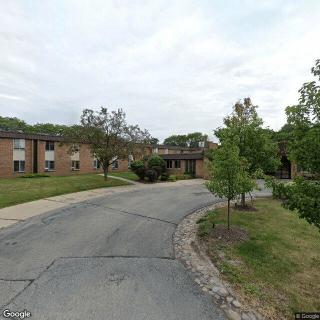
9035 North 97 Th Street, Milwaukee, WI 53224
For more information about senior living options: (866) 208-4318
Overall Review of Wisconsin Lutheran Living Center
Pros
 The facility has an amazing administration.
- The residents are wonderful.
- The staff are caring.
- Amy gives the facility two thumbs up.
Cons
 The reviewer criticizes Luther Haven for having poor policy information.
- The reviewer notes there is no visitor sign-in system and questions the lack of posted visitor rules.
- The reviewer expresses concern that kids and babies are left unattended with the elders.
- The reviewer claims people are sneaking in from the back door at night and staying with the occupants.
- The reviewer suggests hiring a security officer at the front and back doors.
- The reviewer points out there are no cameras in the hallways.
- The reviewer states the website does not indicate policy, safety, security, or visitors rules.
Review
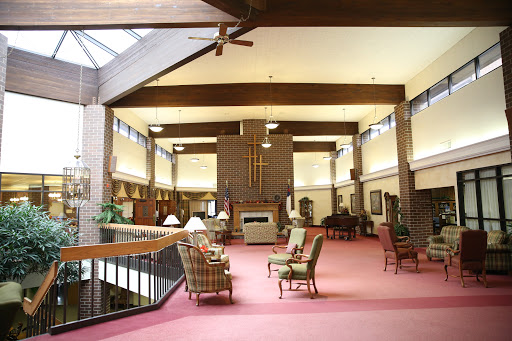
Wisconsin Lutheran Living Center in Milwaukee is best suited for seniors who prize a warm, person-centered atmosphere guided by a dedicated administration. This community leans into relationships, residents are described as wonderful, and staff as genuinely caring, creating daily life that feels personally attended to rather than institutionally scripted. The strongest appeal lies in leadership that is visible and engaged, translating into consistent, compassionate caregiving and a sense of stability for families seeking reassurance that a loved one will be treated with dignity and respect. For those who value meaningful social connection, respectful interactions, and a home-like environment over high-tech convenience, this setting can be a compelling match.
However, families that require airtight safety protocols and crystal-clear visitor rules should proceed with caution. One thread of concern centers on policy information and how visitor access is managed. Reports suggest that there is little posted guidance about rules for visitors, and questions arise about whether children are allowed unaccompanied near elders. Instances of back-door access and unattended youths have been cited, fueling worries about who is allowed in and how daily checks are performed. The lack of visible security measures, no cameras noted by critics and no explicit front-line security presence, leaves a number of questions about safeguarding that cannot be ignored by risk-conscious families.
On balance, the strongest positives, an administrator who is praised for responsiveness and a caregiving staff that genuinely cares, along with residents who appear to thrive in this environment, form a solid foundation for quality daily life. These elements soften the sting of policy ambiguity because consistent, attentive interactions can substantially improve day-to-day well-being, reduce anxiety for families, and help elders feel known. Yet the weight of the cons is not irrelevant; when policy clarity is missing, trust can erode even in the midst of good hands. The daily experience may be excellent, but the assurance layer around safety and rules remains a legitimate concern that must be addressed openly.
Clarity around rules matters because it governs who visits, when, and how that presence is monitored. The absence of clearly posted guidelines invites inconsistent experiences and can create uncertainty among families about how visits will be handled and what security measures exist. The critiques point to a gap that could be closed with a straightforward visitor policy, a visible sign-in process, and a defined security plan for both main and secondary entrances. In a setting where outsiders can potentially blend into the daily routine, the absence of cameras or described monitoring further underscores the risk. While these issues are not unique among smaller community facilities, they are salient here and deserve direct attention.
Prospective residents will want to see whether administration is willing to address these gaps with concrete steps. The offsetting factors suggest a practical path: insist on a written, accessible visitor policy; request documentation on any security personnel or surveillance plans; tour during times when assistant staff are on duty to observe the flow of check-ins; and ask for conversation with the administrator about how safety and privacy are balanced with family access. If management demonstrates a proactive commitment to transparency, the strong interpersonal climate can carry significant weight and compensate for some policy ambiguities. Without that engagement, the cited concerns may overshadow the everyday warmth that already exists.
Bottom line: Wisconsin Lutheran Living Center suits families who place high value on compassionate care, a respectful culture, and steady administrative leadership, and who are willing to engage in a candid discussion about safety policies. For those who require explicit, published safety protocols and visible security infrastructure, alternatives with clearer visitor rules and security commitments should be considered. The decision hinges on how important policy transparency is relative to daily experiential quality. If choosing this community, plan a thorough tour focused on policy access, request written materials upfront, and confirm how visitor management will be handled to protect loved ones while preserving the personal, caring environment that defines the place.
 28 resident community capacity
 Assisted Living
 Memory Care
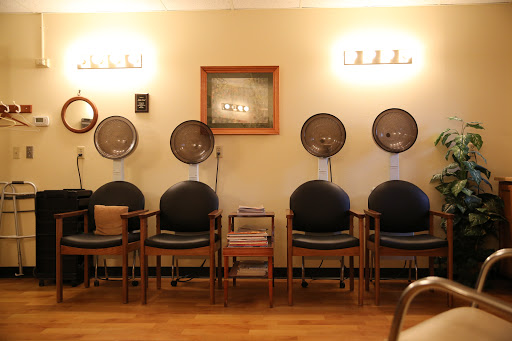
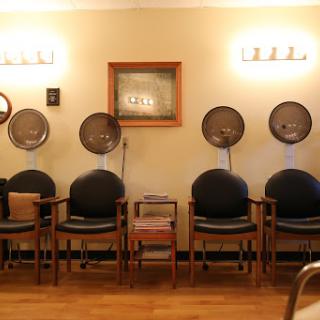
 Beauty salon
 Cable or satellite TV
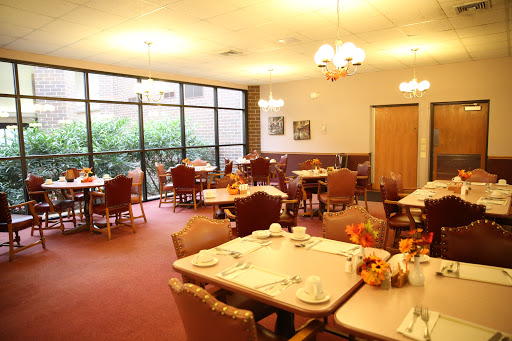
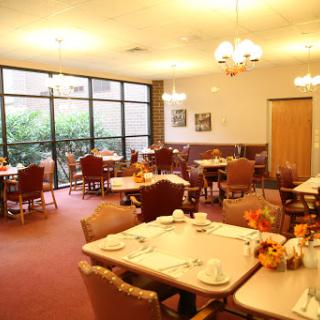
 Dining room
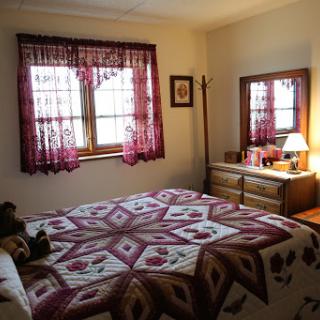
 Fully furnished
 Garden
 Housekeeping services
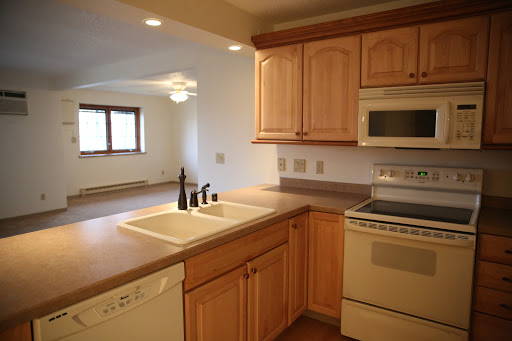
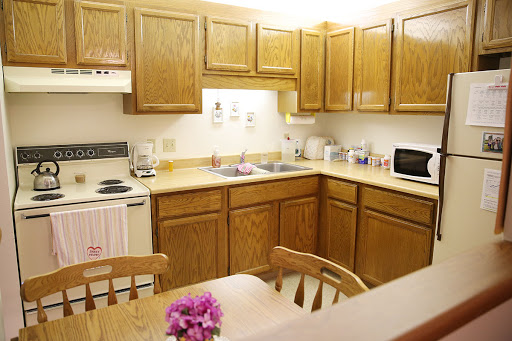
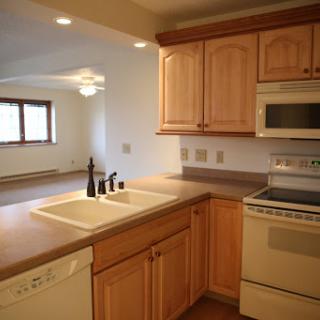
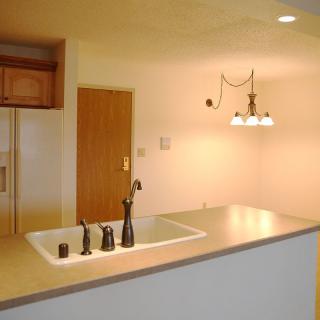
 Kitchenette
 Move-in coordination
 Outdoor space
 Restaurant-style dining
 Small library
 Telephone
 Wi-Fi/high-speed internet available
 General Mitchell International (18 miles away)
 24-hour call system
 Activities of daily living assistance
 Assistance with bathing
 Assistance with dressing
 Assistance with transfers
 Diabetes diet
 Medication management
 Mental wellness program
 Special dietary restrictions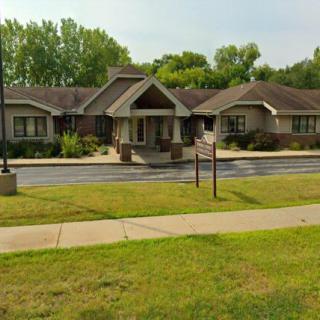



 Engaging Memory Care Activities That Enhance Quality of Life
 When to Transition from Assisted Living to Memory Care: Key Indicators, Steps, and Finding the Right Community
 Understanding the Distinctions: Assisted Living and Memory Care Explained