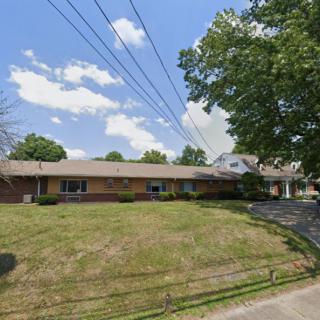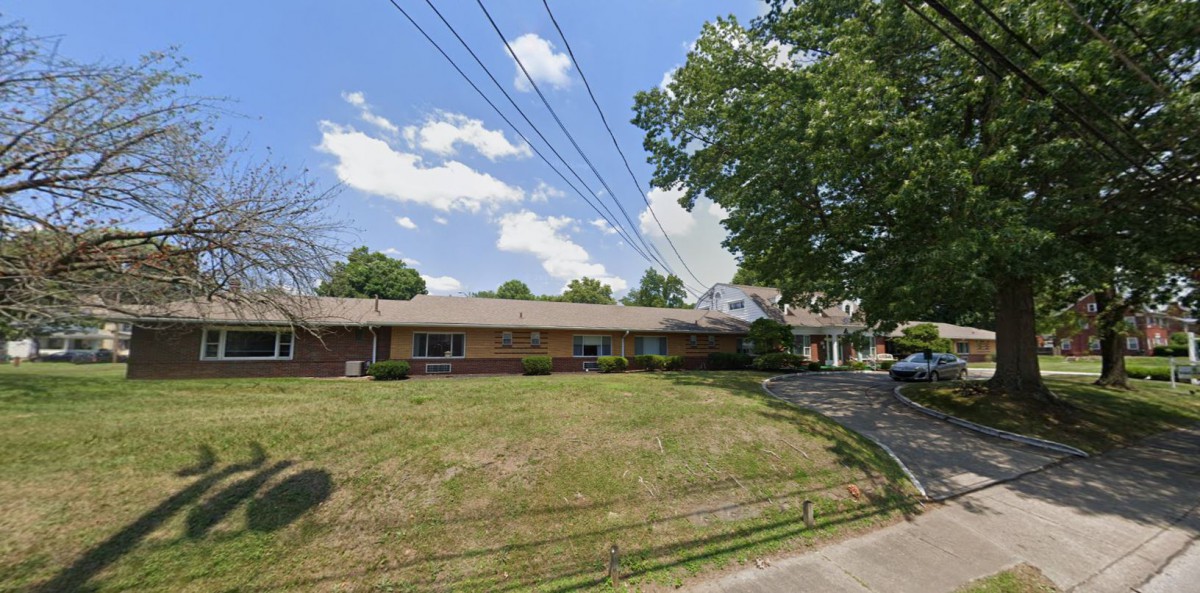
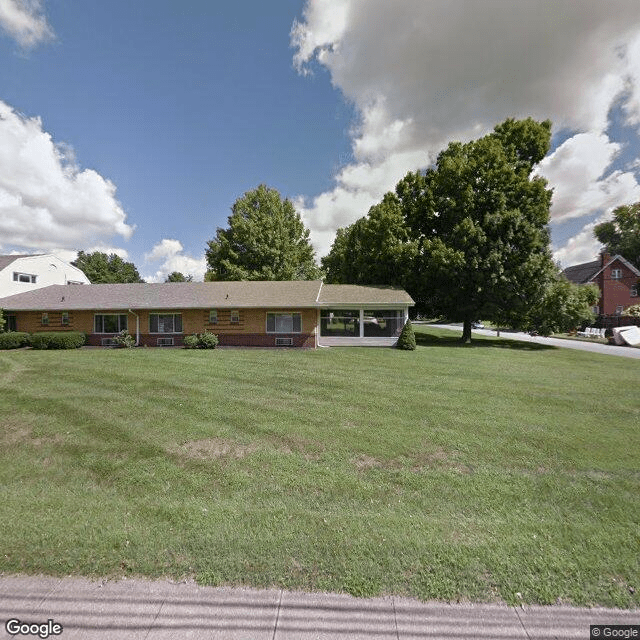
1517 23rd St, Parkersburg, WV 26101
To contact a resident: (304) 428-6575
For more information about senior living options: (866) 208-4318

Colonial House Costs & Pricing
At Colonial House, the monthly cost for a studio apartment is set at $2,000, which presents a more affordable option compared to the average rates in Wood County and across West Virginia. Specifically, residents in Wood County can expect to pay approximately $2,810 per month for similar accommodations, while the state average rises significantly to around $4,207. This competitive pricing positions Colonial House as an attractive choice for those seeking quality living arrangements without compromising on budget.
| Floor plans | Colonial House | Wood County | West Virginia |
|---|---|---|---|
| Studio | $2,000 | $2,810 | $4,207 |
Assisted Living communities with a similar price nearby
-
from -$200 / mo
Hannas Home
$1,800 to $2,040 / month10.8 miles away
Overall Review of Colonial House
Pros
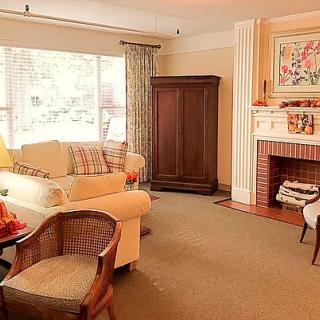
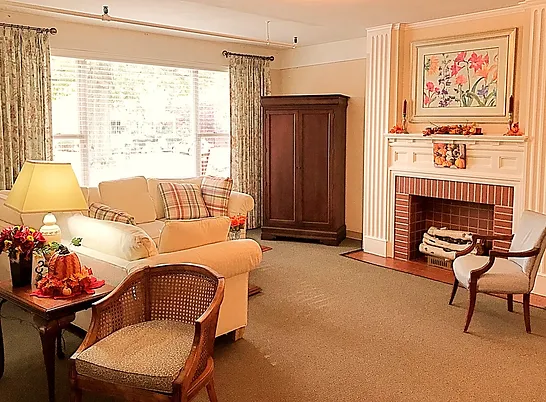
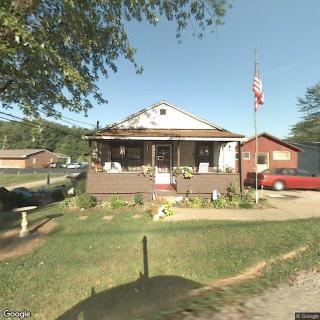
 Colonial House has a beautiful, homely and comfortable atmosphere.
- The staff are accommodating, polite, and helpful.
- The meals are catered to everyone’s taste.
- The rooms are clean and spacious.
- It offers independent senior living at an amazing price with wonderful atmosphere, delicious food, many activities, and clean, comfortable, customizable living spaces.
- The food is home-cooked daily.
- The kitchen staff know each resident’s likes and dislikes and provide nutritious, balanced meals.
- Colonial House feels more like a family than an independent facility.
- The director and staff are friendly, warm, and caring.
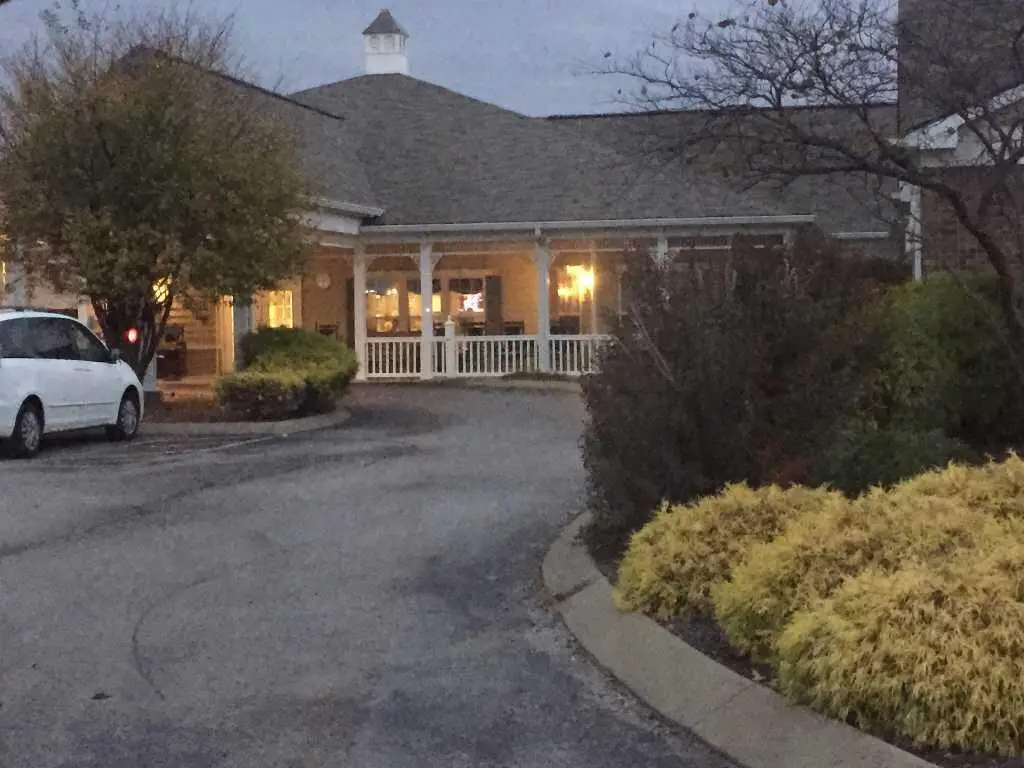
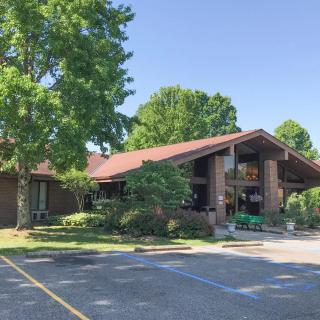
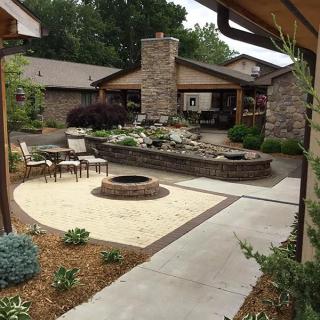
- The facility is beautiful, updated, and well maintained.
- It provides good value with meals, laundry facilities, and numerous activities.
- It is a unique, cozy place where residents feel at home and safe.
Review
Colonial House in Parkersburg, West Virginia is best suited for independent seniors who want a warm, home-like setting where daily life centers on companionship, comfort, and practical support rather than formal care programs. The community is intentionally intimate, housing roughly 18 residents, which preserves a family feel that is consistently echoed by families and volunteers alike. Residents enjoy clean, spacious rooms and a dining atmosphere that feels like a true kitchen-to-table home, with meals prepared to meet individual tastes. The staff are described as accommodating, polite, and reliably present, handling housekeeping, laundry, and routine maintenance with a quiet sense of pride. For anyone looking to downsize without surrendering autonomy, Colonial House offers a straightforward, affordable pathway to settle in, stay connected, and control personal routines in a setting where people actually know your name and your preferences.
Those weighing options should recognize that Colonial House is not an assisted living or memory-care campus. If the expectation is constant on-site medical oversight, 24/7 caregiving, or robust support with activities of daily living, a larger, care-focused facility will likely be a better fit. The small scale is a strength for safety and social closeness, but it also means fewer beds and fewer on-site health resources. Families who want a bustling, campus-like environment with extensive programming, or who anticipate needing substantial daily assistance soon, should consider communities designed around higher levels of care. In other words, Colonial House excels as a downsize-and-stettle option for independent living, while those with evolving care needs would be well served by exploring alternatives that provide more comprehensive medical and support services.
The strongest pros are consistently clear: a genuinely homey atmosphere, a sense of belonging among residents, and a staff culture that makes people feel cared for. The kitchen stands out for home-cooked, nutritious meals and for taking the time to learn each resident’s likes and dislikes, with family-style dining that reinforces social bonds. The intimate size means everyone can participate in activities without crowding, and the programing, ranging from music and entertainment to community projects, feels lighter and more personal than what larger campuses offer. Cleanliness and safety are repeatedly praised, reinforcing the impression that this is a peaceful, predictable place to live. Volunteers and staff regularly contribute to a robust activity calendar, and residents often describe the environment as peaceful, welcoming, and genuinely caring. The overall effect is a sense of being welcomed into a well-functioning, extended family.
Where the discussion turns to trade-offs, the small footprint becomes the defining con. The upside, personal attention, strong relationships, predictable routines, also implies limited breadth in services and amenities. There is no explicit emphasis on on-site healthcare or memory-support options, so families must plan for potential transitions if medical needs escalate. Some residents may prefer a more active, high-energy social calendar, and the intimate setting can feel too quiet or too small for those craving a larger peer network. A sense of exclusivity can also emerge: newcomers may need time to integrate into established circles, which could feel constraining for seniors who want rapid variety and broader social opportunities. In short, the model prioritizes dignity, safety, and personal connection over scale or medical intensity.
Yet the advantages can significantly outweigh these drawbacks for the right buyer. The intimate scale translates into timely, individualized attention, staff who know names, preferences, and daily routines, so care feels proactive rather than reactive. The price point is repeatedly highlighted as an exceptional value for what’s included: three meals daily, comfortable accommodations, laundry access, and a steady flow of social options. The result is not just a place to live, but a living arrangement that supports independent living while preserving a sense of community and identity. For families seeking a low-friction transition where dignity is preserved and daily life remains controllable, Colonial House delivers value that is hard to replicate in larger, more clinical settings. The combination of a refreshed facility, a thoughtful kitchen, and a genuinely caring staff creates a compelling case to choose this path.
When making a decision, focus on priorities: is independence the core objective, and is a tight-knit, supportive environment worth compromising on scale? Prospective residents should visit and probe daily routines, meal planning, safety checks, and the practical steps in place if needs ever increase. Inquire about one-on-one staff interactions, the availability of medical or emergency resources, and how much daily assistance can realistically be expected. Clarify monthly costs, what is included beyond rent, and whether transportation or laundry services are part of the package. For those who prize warmth, home-like meals, and an affordable lifestyle with a strong sense of community, Colonial House stands out as a rare find in the region. Families with higher medical needs or a preference for a bustling campus should use this community as a benchmark, then compare others that can deliver more comprehensive care without sacrificing the intimate, neighborly feel that makes Colonial House so distinctive.
 Assisted Living
 Activities on-site
 Devotional services off-site
 Indoor common areas
 Ambulatory care
 Diabetic care
 Meals provided



 Is Assisted Living Deductible on Your Taxes? Understanding the Complexities of Assisted Living Expenses and Deductions
 Assisted Living Support for Veterans: A Complete and Detailed Overview
 Exploring the Contrasts Between Assisted Living and Skilled Nursing