Worthington Healthcare Center in Parkersburg, WV

Save

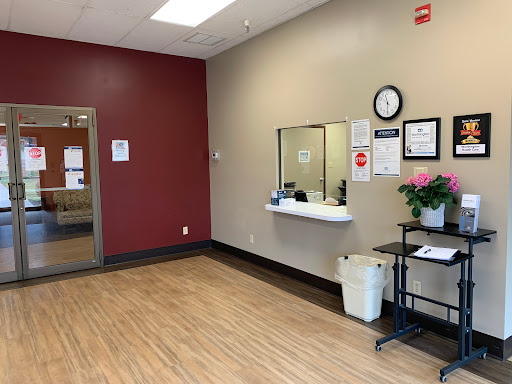
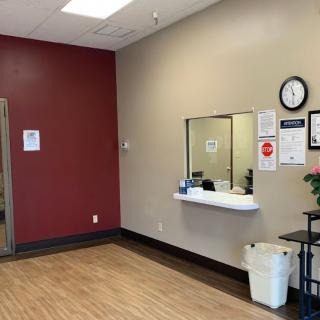
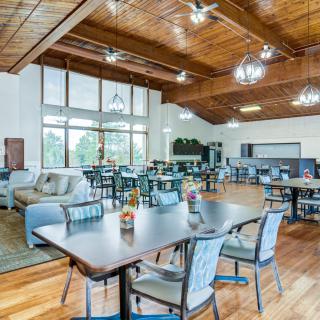
  • Interior

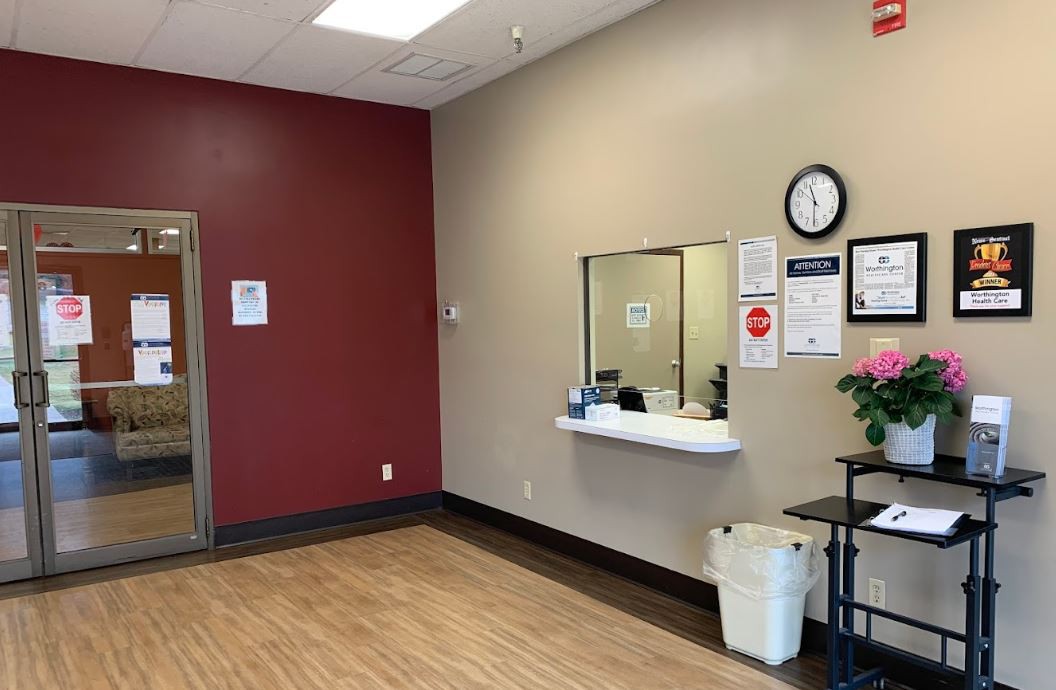
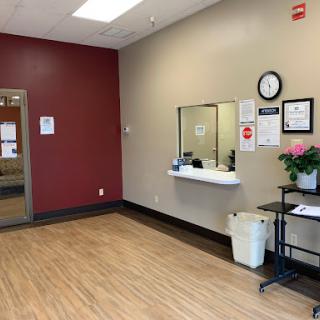
    A clean and simple waiting area of a healthcare facility, featuring a reception window and modern decor.
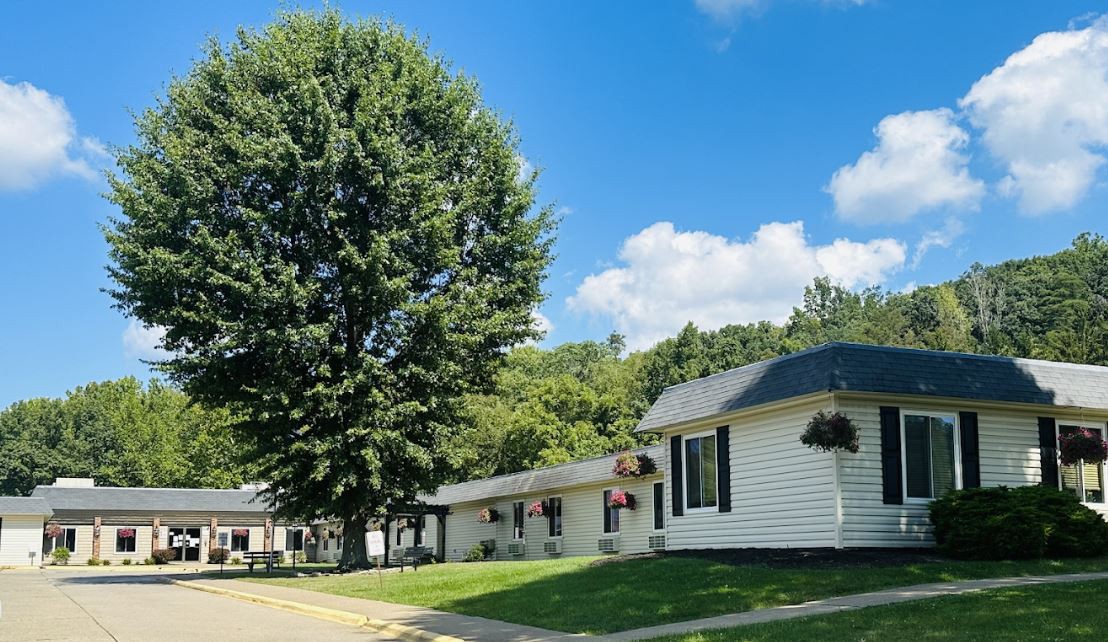
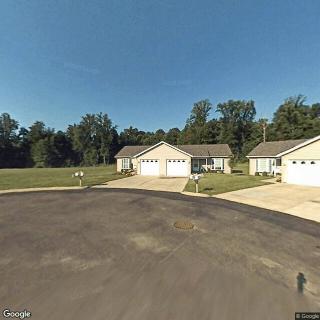
  • Outdoors

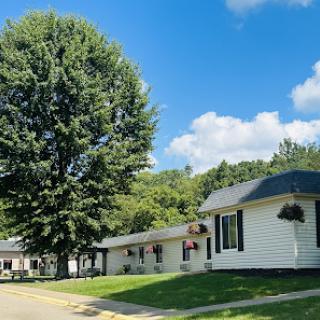
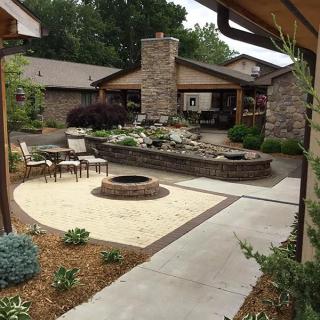
    A peaceful suburban scene featuring residential houses under a clear blue sky.
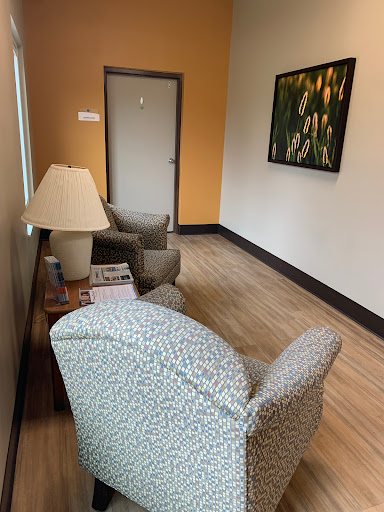
  • Decor

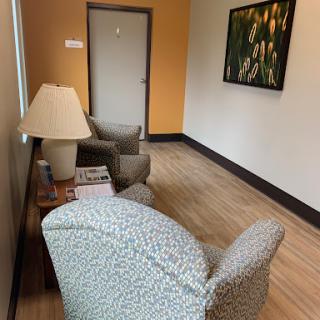
    A cozy waiting area featuring comfortable chairs, a lamp, and wall art.
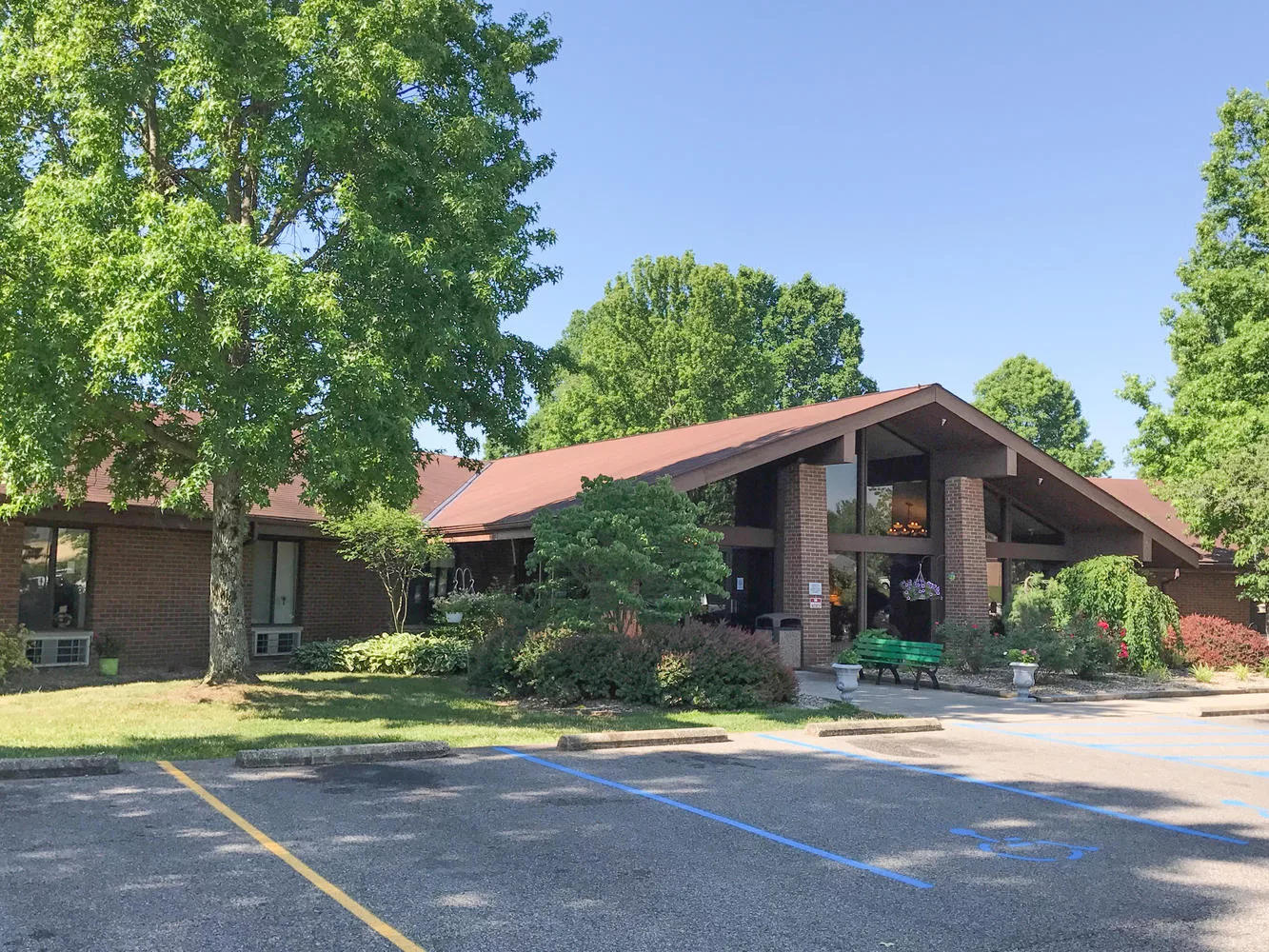
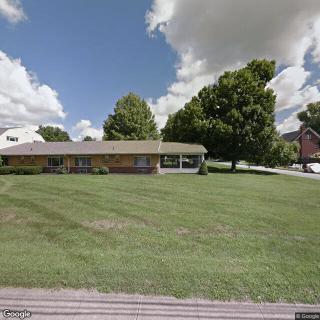
  • Building

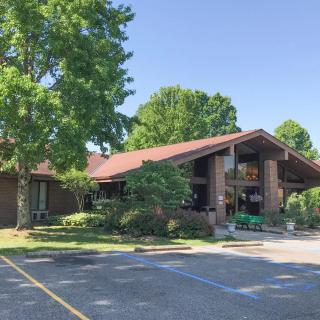
    A library building surrounded by greenery with a parking lot in front.
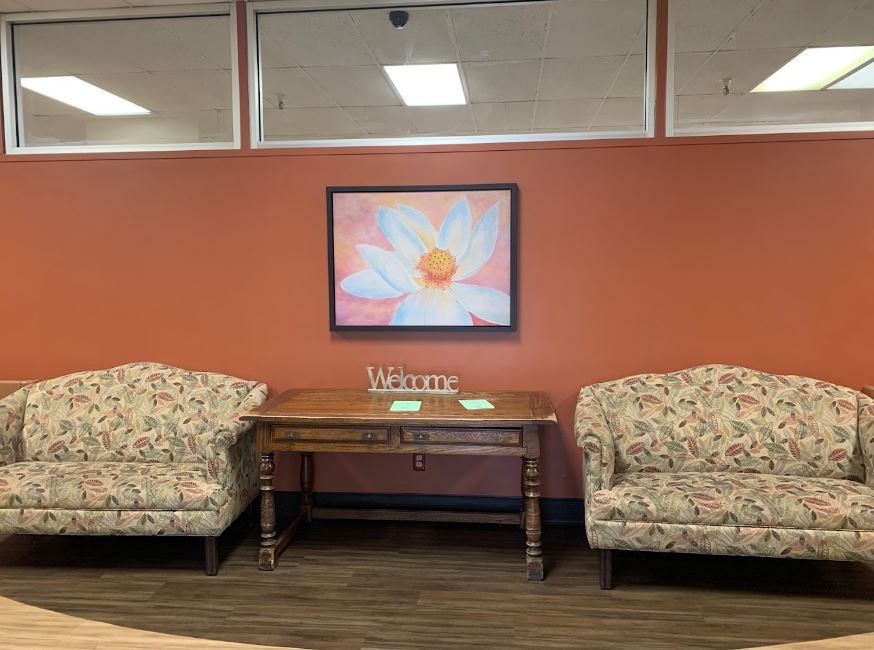
  • Artwork

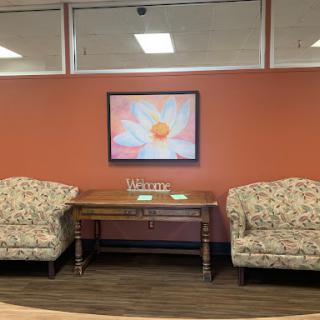
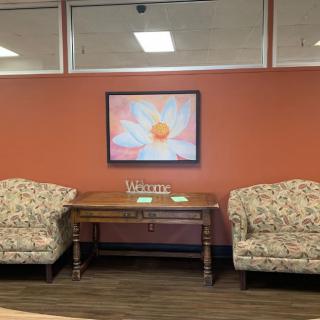
    A cozy waiting area featuring floral artwork against an orange wall, complemented by two upholstered chairs and a wooden table.
  • Seating Area

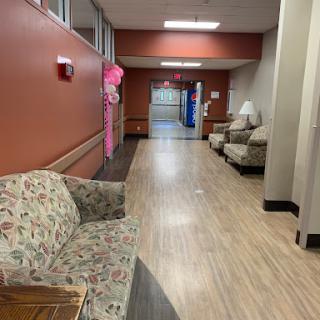
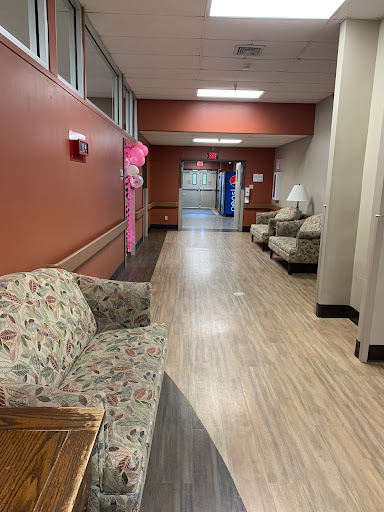
    A quiet corridor featuring a seating area with floral-patterned chairs, leading to a door at the end.
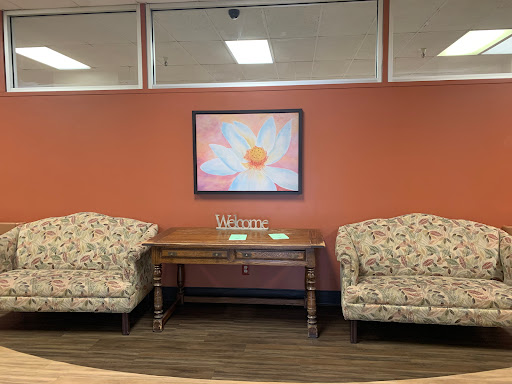
  • Painting

    A cozy waiting area with floral upholstery chairs and a vibrant flower painting on the wall.
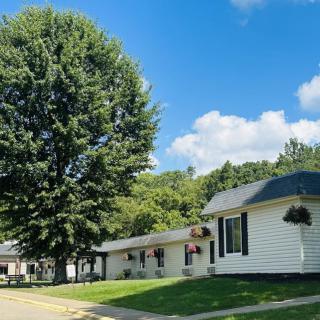
  • Tree

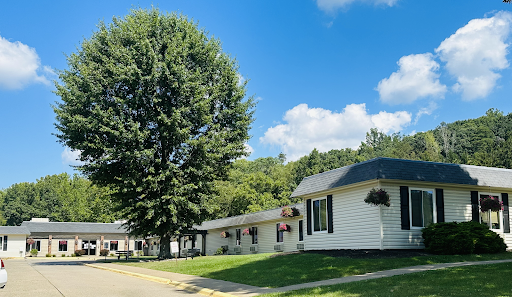
    A peaceful suburban neighborhood with houses and a large tree under a blue sky.
  • Office

    A simple waiting room with a reception window, wall clock, and waste bin.

Worthington Healthcare Center in Parkersburg, WV

Information last verified:

2675 36Th Street, Parkersburg, WV 26104

For more information about senior living options: (844) 490-3973

2.9 from 33 reviews
5 stars
14
4 stars
2
3 stars
0
2 stars
2
1 stars
15

Overall Review of Worthington Healthcare Center

Pros

  • pro Worthington Center’s staff are long-term, usually smiling, and pleasant.
  • pro The center has provided excellent, compassionate care for residents, according to family members.
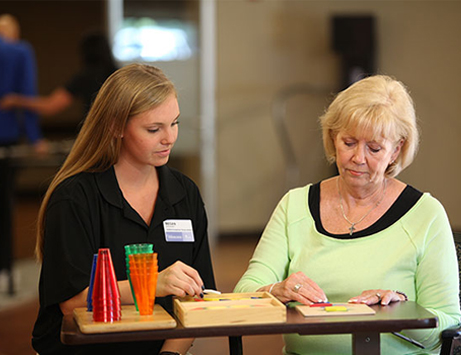
  • pro The therapy department cares about residents and offers dedicated OT and PT services.
  • pro The facility is recommended for quality care by those who have had loved ones there.
  • pro The staff are helpful, responsive, and go the extra mile to assist with residents’ needs.
  • pro Worthington Center is moving to an electronic system that improves access to residents’ treatment information for families.

Cons

  • pro The facility does not have enough staff and the staff are burnt out and overworked, and residents are not treated like humans.
  • pro Worthington Center allegedly withholds medical records and illegally releases them to CPS attorneys and judges without consent.
  • pro The place is not a safe environment for residents; it’s advisable to keep loved ones away.
  • pro A nurse in charge allegedly lied about a patient’s condition, leading to a deterioration and worse outcomes.
  • pro A resident’s death occurred after neglect, with essential equipment not functioning and the patient left in urine.
  • pro A staff member named Sara should not work with the elderly and should be fired.
  • pro The facility has roaches, bed bugs, and harassment, with residents left in their own feces for long shifts.
  • pro Not enough staff and poor care quality, with overwhelmed doctors and nurses and no restorative care.

Review

Worthington Healthcare Center in Parkersburg, WV is best suited for families who plan to stay deeply engaged in daily care and governance. This community can work for residents who need steady assistance with activities of daily living and some skilled nursing, but only if family members are ready to monitor care, review records, and press for timely responses. The clearest path to stability here depends on consistent, involved oversight. For seniors who require a highly reliable, hands-off environment with meticulous attention to safety, ambiance, and routine, this is not the optimal choice. The positives tend to surface when staffing is adequate and engaged, especially around therapy-led progress and personal touches, but those advantages are fragile and hinge on day-to-day staffing realities.

Alternatives should be strongly considered for anyone uncomfortable with a facility that often feels understaffed, inconsistent, or opaque in its operations. Families who cannot visit regularly or who worry about communication, record-keeping, or documentation should look elsewhere. Those whose loved ones have complex medical needs, significant risk of malnutrition, or require dependable monitoring for safety and comfort will want to compare options with stronger staffing ratios, clearer accountability, and demonstrable quality metrics. In short, this community rewards vigilance and advocacy; otherwise the risk of neglect or miscommunication rises markedly.

On the upside, Worthington does show merit in certain facets. When the therapy team is involved, residents can receive attentive rehabilitation services that staff members in that department appear to care about, and some long-tenured staff members bring a steadier presence and a more personal approach. Families that can be present and perceptive often observe small, meaningful gestures, someone remembering a resident’s usual preferences, or quick responses to a request, that make a meaningful difference in daily life. In addition, a recent move toward an electronic system promises better access to treatment histories and easier sharing of information with families, a potential bridge for those who must rely on external advocacy to stay informed.

Yet, the weight of the negatives in this setting cannot be ignored. The most persistent concerns center on staffing levels and the corresponding impact on safety and daily dignity. Numerous accounts describe aides and nurses who are stretched too thin to provide consistent, timely care, with frequent gaps in supervision, assistance, and restorative services. Nutrition and weight stability emerge as recurrent themes, suggesting that malnutrition and under-monitoring can occur when oversight is insufficient. Compounding these issues are troubling reports about record handling and communication, claims that medical information is mishandled or withheld from families and authorized parties, undermining trust and delaying critical decisions. The lived experience for many residents hinges on whether a family is there to advocate, which is a telling signal about the environment’s reliability for unsupervised or less-capable individuals.

That combination of fragile reliability and episodic care quality often counteracts the few areas where Worthington shines. The therapy program and certain compassionate staff can produce tangible gains for some residents, and a few reviews describe encounters where care felt attentive and respectful. However, these positives are inconsistent and fragile in the face of ongoing understaffing, reported safety issues, and management challenges. In practice, the facility can deliver value for residents whose families are ready to vigilantly participate in care planning, but a substantial portion of reviews paints a stark contrast, a cautionary picture that raises legitimate questions about the likelihood of uniform, dependable care for all residents, particularly those who cannot advocate for themselves.

Decision-makers should approach Worthington with a clear checklist. Before any move, request and review staffing data, hours per resident, turnover rates, and the specific coverage on each shift. Seek out recent state inspection findings and any corrective action plans, then interview the administrator and several frontline caregivers about day-to-day routines, nutrition management, and how emergencies are handled. Ask to speak with current residents’ families about communication frequency, responsiveness, and the transparency of billing. Demand a transparent path for medical-record access and consent processes, and verify how dietary plans and weight changes are tracked and acted upon. Finally, arrange multiple visit windows, including times when possible staff shortages might be visible, so the true day-to-day rhythm can be observed rather than the surface impression of a guided tour.

In the end, Worthington Healthcare Center represents a landscape of considerable risk balanced against pockets of competent, compassionate care. For families prepared to commit to close oversight, insist on admission terms that guarantee reliable staffing, clear communication protocols, and rigorous nutrition and safety monitoring, it can function as a workable placement. For anyone who cannot maintain daily accountability or who seeks a consistently risk-free, transparent environment, strong reasons exist to look elsewhere. The decision hinges on whether a care plan anchored by vigilant advocacy, clear documentation, and deliberate staffing can be sustained over time, because without that foundation, the gaps in care and the inconsistencies in operation are likely to redefine the resident experience.

Features

Housing

  • 105 resident community capacity 105 resident community capacity

Types of Care

  • Skilled Nursing Facility Skilled Nursing FacilitySkilled Nursing Facilities are crucial for seniors as they provide round-the-clock medical care, rehabilitation services, and assistance with daily activities. These facilities ensure that seniors receive the specialized care they need to maintain their health and well-being as they age.

Amenities

  • Air-conditioning Air-conditioningAir conditioning is important for seniors as they are more vulnerable to heat-related illnesses and may have underlying health conditions that make it difficult for them to regulate their body temperature. It helps to keep them comfortable, safe, and healthy in hot weather.
  • Beauty salon Beauty salonBeauty salons are important for seniors because they provide a space for them to feel pampered, socialize, and maintain their personal grooming and hygiene. Regular visits to a beauty salon can help boost seniors' self-esteem and overall well-being.
  • Cable or satellite TV Cable or satellite TVCable or satellite TV is important for seniors because it provides entertainment, news, and companionship, helping to combat loneliness and boredom. It also offers a wide range of programming options tailored to different interests and preferences.
  • Computer center Computer centerA computer center is essential for seniors as it provides access to technology, communication tools, and resources that can enhance their daily lives. It allows them to stay connected with loved ones, engage in online activities, and learn new skills, ultimately promoting socialization and mental stimulation.
  • Dining room Dining roomDining rooms are important for seniors as they provide a space for socialization, connection, and nutritious meals. They offer opportunities for residents to bond over shared meals, foster a sense of community, and promote healthy eating habits. Dining rooms also ensure that seniors have access to well-balanced meals tailored to their dietary needs and preferences.
  • Fitness room Fitness roomHaving a fitness room in a senior living community is essential for seniors to stay active, maintain their physical health, and improve their overall well-being. Regular exercise can help prevent falls, reduce the risk of chronic diseases, and promote mental sharpness. It also provides social opportunities for residents to connect with others and enjoy a sense of community.
  • Fully furnished Fully furnishedFully furnished senior living communities are important for seniors because they provide convenience, comfort, and a hassle-free moving experience. Seniors can easily settle into their new living space without the stress of having to buy and move furniture. This allows them to focus on enjoying their new home and community.
  • Gaming room Gaming roomGaming rooms are important for seniors as they provide a fun and engaging environment for socializing, cognitive stimulation, and physical activity. Games can improve memory, problem-solving skills, and overall mental well-being while fostering friendships and reducing feelings of isolation.
  • Garden GardenGardens are important for seniors as they provide a peaceful and therapeutic environment for relaxation, physical activity, and socialization. Being in nature has been shown to reduce stress, improve mood, and promote overall well-being. Gardens also offer opportunities for seniors to engage in gardening activities, which can improve mobility, flexibility, and cognitive function. Additionally, gardens create a sense of community and connection with others who share a passion for plants and outdoor spaces.
  • Housekeeping services Housekeeping servicesHousekeeping services are important for seniors because they help maintain a clean and safe living environment, promote independence, and reduce the risk of accidents or illnesses. Additionally, having assistance with household chores can alleviate physical strain and allow seniors to focus on other aspects of their well-being.
  • Kitchenette KitchenetteKitchenettes are important for seniors living in senior living communities because they provide the convenience and independence of being able to prepare simple meals and snacks in the comfort of their own living space. This can help promote a sense of autonomy and well-being for seniors, allowing them to maintain some level of control over their dietary choices and daily routines.
  • Move-in coordination Move-in coordinationMove-in coordination is important for seniors because it helps ease the transition into their new living environment. It ensures that all logistics, such as packing, organizing movers, and setting up utilities are taken care of, allowing seniors to focus on settling in and adjusting to their new home. Having a smooth move-in process can alleviate stress and anxiety, making the transition smoother and more enjoyable for seniors.
  • Outdoor space Outdoor spaceOutdoor spaces are important for seniors as they provide opportunities for physical activity, social interaction, exposure to natural light and fresh air, and a sense of connection to nature. Having access to outdoor spaces can improve overall well-being and quality of life for older adults living in senior communities.
  • Private bathrooms Private bathroomsPrivate bathrooms are important for seniors in senior living communities because they provide independence, dignity, and comfort. Having a private bathroom allows seniors to maintain their personal hygiene routines without the need for assistance, promoting a sense of autonomy and privacy. Additionally, private bathrooms help prevent the spread of infections and provide a safe and clean environment for seniors to navigate safely.
  • Restaurant-style dining Restaurant-style diningRestaurant-style dining is important for seniors because it allows them to enjoy delicious, nutritious meals in a social and upscale setting. This enhances their dining experience, promotes healthy eating habits, and fosters socialization with fellow residents, ultimately contributing to their overall well-being and quality of life.
  • Small library Small librarySmall libraries are important for seniors as they provide access to a variety of reading materials, including books, newspapers, and magazines. This can help stimulate their minds, keep them engaged, and provide a sense of community through book clubs and other social activities. Additionally, reading has been shown to improve cognitive function and overall mental well-being in older adults.
  • Telephone TelephoneTelephones are important for seniors as they provide a lifeline for communication with loved ones, emergency services, and healthcare providers. They offer a sense of security and independence, enabling seniors to stay connected and access assistance when needed.
  • Wellness center Wellness centerWellness centers are important for seniors because they offer a variety of programs and services that promote physical, mental, and emotional well-being. These centers provide opportunities for exercise, socialization, education, and relaxation, helping seniors maintain their overall health and quality of life.
  • Wi-Fi/high-speed internet available Wi-Fi/high-speed internet availableWi-Fi/high-speed internet is important for seniors to stay connected with loved ones, access online resources, and participate in virtual activities to combat feelings of loneliness and isolation. It also allows them to easily manage healthcare needs, access entertainment, and engage in lifelong learning opportunities.

Transportation

  • Community operated transportation Community operated transportationCommunity operated transportation is crucial for seniors as it provides them with the means to access essential services, social activities, and medical appointments. It allows seniors to maintain their independence and quality of life by ensuring they can participate in activities outside of their homes. Additionally, community-operated transportation services offer a safe and reliable way for seniors to travel without having to rely on family or friends for assistance.
  • Transportation arrangement Transportation arrangementTransportation arrangements are crucial for seniors as they may face challenges with driving, mobility, or access to public transportation. Having reliable transportation services ensures that seniors can easily attend appointments, social activities, and maintain their independence and quality of life.
  • Transportation arrangement (non-medical) Transportation arrangement (non-medical)Transportation arrangements are essential for seniors as they provide access to essential services, activities, and social interactions outside the home. This service helps maintain independence, mobility, and overall well-being for seniors who may have limited transportation options.
  • Transportation to doctors appointments Transportation to doctors appointmentsTransportation to doctors appointments is crucial for seniors as it ensures they have access to necessary medical care and support, promoting their health and well-being. It allows them to receive timely treatment, monitor existing conditions, and address any new health concerns efficiently. Additionally, transportation services can help seniors maintain their independence and quality of life by enabling them to stay connected with their healthcare providers.

Care Services

  • 12-16 hour nursing 12-16 hour nursing12-16 hour nursing care is crucial for seniors in order to ensure around-the-clock monitoring, timely medication administration, and prompt response to any health concerns or emergencies. This level of care helps to promote the overall well-being and safety of seniors living in senior living communities.
  • 24-hour call system 24-hour call system24-hour call systems are important for seniors because they provide peace of mind and immediate assistance in case of emergencies. This technology ensures that help is always available, promoting safety and security for elderly individuals living alone or in assisted living facilities.
  • 24-hour supervision 24-hour supervision24-hour supervision is important for seniors to ensure their safety, well-being, and access to immediate assistance in case of emergencies or health issues. This constant support provides peace of mind for both seniors and their loved ones, allowing them to age in place with dignity and security.
  • Activities of daily living assistance Activities of daily living assistanceActivities of daily living assistance are important for seniors because they provide essential support with tasks such as eating, bathing, dressing, and mobility. This assistance helps seniors maintain their independence, dignity, and overall quality of life as they age.
  • Assistance with bathing Assistance with bathingAssistance with bathing is crucial for seniors as it helps maintain personal hygiene, prevents infections, and ensures their overall well-being and comfort. It also provides a sense of dignity and independence for seniors who may struggle with this task on their own.
  • Assistance with dressing Assistance with dressingAssistance with dressing is important for seniors because it helps maintain their independence, promotes personal hygiene, prevents accidents and injuries, and improves overall quality of life. This service ensures that seniors can continue to dress comfortably and confidently, despite any physical limitations they may have.
  • Assistance with transfers Assistance with transfersAssistance with transfers is crucial for seniors as it helps prevent falls and injuries, maintains their independence, and ensures they can safely navigate their living environment. It also provides peace of mind for both seniors and their loved ones.
  • Diabetes diet Diabetes dietA diabetes diet is crucial for seniors as it helps manage blood sugar levels, reduce risks of complications, and improve overall health and well-being. By following a balanced and nutritious diet tailored to their specific needs, seniors can better control their diabetes and enhance their quality of life.
  • Meal preparation and service Meal preparation and serviceMeal preparation and service are crucial for seniors as they may have limited mobility or energy to cook nutritious meals. Having access to healthy and convenient food options can ensure they are getting the proper nutrition needed to maintain their overall health and well-being.
  • Medication management Medication managementMedication management is crucial for seniors to ensure they are taking the right medications at the correct dosages and times. This helps prevent adverse drug interactions, reduces the risk of medication errors, and promotes overall health and well-being. Proactive management also allows for adjustments as needed based on changing health conditions or new prescriptions.
  • Mental wellness program Mental wellness programMental wellness programs are essential for seniors as they promote cognitive stimulation, emotional support, and social engagement. These programs help prevent isolation, depression, and cognitive decline, ultimately enhancing the overall quality of life for older adults.
  • Special dietary restrictions Special dietary restrictionsSpecial dietary restrictions are important for seniors because age-related changes in metabolism and health conditions can make it difficult for their bodies to process certain foods. By following a diet tailored to their specific needs, seniors can maintain their overall health and well-being, manage chronic conditions, and reduce the risk of complications such as malnutrition or food interactions with medications.

Dining

  • Diabetes diet Diabetes dietA diabetes diet is crucial for seniors as it helps manage blood sugar levels, reduce risks of complications, and improve overall health and well-being. By following a balanced and nutritious diet tailored to their specific needs, seniors can better control their diabetes and enhance their quality of life.
  • Special dietary restrictions Special dietary restrictionsSpecial dietary restrictions are important for seniors because age-related changes in metabolism and health conditions can make it difficult for their bodies to process certain foods. By following a diet tailored to their specific needs, seniors can maintain their overall health and well-being, manage chronic conditions, and reduce the risk of complications such as malnutrition or food interactions with medications.

Activities

  • Community-sponsored activities Community-sponsored activitiesCommunity-sponsored activities are important for seniors as they provide opportunities for social interaction, mental stimulation, and physical activity. These activities can help improve overall well-being, combat loneliness and isolation, and promote a sense of belonging and purpose among older adults.
  • Concierge services Concierge servicesConcierge services are essential for seniors as they provide assistance with daily tasks and errands, enhance their quality of life by offering convenience and personalized care, and promote a sense of safety and security.
  • Fitness programs Fitness programsFitness programs are crucial for seniors as they help improve strength, flexibility, balance, and overall well-being. Staying active can reduce the risk of chronic diseases, improve mental health, and enhance quality of life in older adults.
  • Planned day trips Planned day tripsPlanned day trips are important for seniors because they offer opportunities for socialization, mental stimulation, and physical activity. They provide a change of scenery and help seniors stay engaged and connected to their community, promoting overall well-being and quality of life.
  • Resident-run activities Resident-run activitiesResident-run activities are important for seniors as they encourage social interaction, creativity, and a sense of autonomy. These activities empower seniors to stay engaged and active in their community while fostering meaningful connections with their peers.
  • Scheduled daily activities Scheduled daily activitiesScheduled daily activities are important for seniors because they provide structure, socialization, mental stimulation, and physical activity. Engaging in regular activities can improve overall well-being and quality of life for seniors living in a community setting.

Description

Worthington Healthcare Center in Parkersburg, WV is a vibrant and well-equipped assisted living community that offers a range of amenities and care services to ensure the comfort and well-being of its residents.

The community boasts a variety of amenities to cater to the needs and interests of its residents. These include a beauty salon, where residents can pamper themselves and maintain their personal grooming, and a fully furnished space with cable or satellite TV for entertainment. The community also offers community-operated transportation for easy access to nearby attractions, as well as a computer center for staying connected with loved ones.

Residents can enjoy their meals in the elegant dining room, where restaurant-style dining is provided. Special dietary restrictions are accommodated, ensuring that every resident's unique needs are met. Additionally, there is a kitchenette available for those who prefer to prepare their own meals.

There are numerous opportunities for recreation within the community. Residents can stay active in the fitness room or engage in various activities offered throughout the day. They can also indulge in games in the gaming room or unwind in the small library with a good book. Outdoor spaces and gardens provide tranquil settings for relaxation.

Care services at Worthington Healthcare Center are comprehensive and personalized, with 24-hour call systems and supervision ensuring the safety of residents at all times. Assistance is readily available for activities of daily living such as bathing, dressing, and transfers. Medication management is provided to ensure proper administration and adherence to prescribed medications.

The community places a strong emphasis on mental wellness through its mental wellness program, which promotes emotional well-being among residents. In addition, transportation arrangements are made not only for non-medical purposes but also specifically for doctors' appointments.

Close proximity to essential amenities further enhances the convenience of residing at Worthington Healthcare Center. With cafes, parks, pharmacies, physicians' offices, restaurants, places of worship, theaters, and hospitals all nearby, residents have easy access to a wide range of services and leisure activities.

Overall, Worthington Healthcare Center in Parkersburg, WV offers a comfortable and engaging assisted living community where residents can enjoy a fulfilling lifestyle and receive the personalized care they need.

Nearby Places of Interest

This area of Parkersburg, West Virginia offers a convenient and accessible location for seniors looking to settle down. With a variety of dining options nearby such as Mexican cuisine at Los Agaves, fast food options like Hardee's and Wendy's, and even local favorites like North End Tavern and Emerald Isle II, there are plenty of choices for dining out. Medical care is also easily accessible with physicians specializing in retina, neurology, hearing aids, dermatology, and more within a short distance. Pharmacies like Walgreens and CVS are nearby for medication needs. For spiritual support, several places of worship including churches and ministries are within a few miles. Parks like Parkersburg City Park provide opportunities for outdoor recreational activities while the Regal Grand Central Mall offers entertainment options. Overall, this area provides a mix of services and amenities that cater to the needs of seniors looking for a comfortable living environment in Parkersburg.

Restaurants

  • Los Agaves Mexican Restaurant (0.7 miles)
  • Hardee's (0.8 miles)
  • Wendy's (1 miles)
  • North End Tavern (1.1 miles)
  • Pizza Hut (1.1 miles)
  • Emerald Isle II (1.1 miles)
  • McDonald's (1.4 miles)

Physicians

  • Retina Consultants (0.7 miles)
  • Parkersburg Neurological Associates (1 miles)
  • Camp Hearing Aid Center (1.3 miles)
  • Dr Lantz (1.5 miles)
  • Ohio Valley Medical Quick Care (2 miles)
  • Dermatology Outreach (2 miles)
  • Wv Asthma & Allergy Ce (2.1 miles)

Pharmacies

  • Walgreens (1.1 miles)
  • CVS Pharmacy (2 miles)
  • Cox Family Pharmacy (2.2 miles)
  • Rite Aid (3.3 miles)
  • Dutton Pharmacy (3.3 miles)
  • CVS Pharmacy (3.8 miles)
  • Fruth Pharmacy (4.2 miles)

Places of Worship

  • Apostolic Church (1.2 miles)
  • Ministries Spreading Truth (1.2 miles)
  • Sunrise Baptist Church (1.3 miles)
  • Seventh-Day Adventist Church (1.9 miles)
  • End Time Harvest Full Gospel (2 miles)
  • Liberty Street Church of God (2 miles)
  • Calvary Temple Evangelical Church (2.6 miles)

Parks

  • Parkersburg City Park (1.5 miles)
  • Jackson Memorial Park (2.9 miles)
  • Fort Boreman Park (3.5 miles)
  • Civitan Park (4.3 miles)

Transportation

  • Budget Truck Rental (1.9 miles)

Hospitals

  • River Valley Medicine & Pediatrics (2.2 miles)
  • William Paul Tomlinson MD (2.2 miles)
  • Camden Clark Community Comprehensive Cancer Center (2.9 miles)

Theaters

  • Regal Grand Central Mall (2.3 miles)

Cafes

  • The Daily Grind (2.9 miles)
  • CrazyCakeCafe (3.2 miles)

Frequently Asked Questions

Where is Worthington Healthcare Center?
What photos are available for Worthington Healthcare Center in Parkersburg, West Virginia?

Nearby Communities

  • Milestone Senior Living

    Milestone Senior Living

    Parkersburg, WV

    3.9 from 8 reviews
     

    pro All-inclusive services (meals, housekeeping, 24/7 supervision, daily living support) with a mental wellness program in a fully furnished setting.

  • Eagle Point

    Eagle Point

    Parkersburg, WV

    3.5 from 17 reviews
     

    pro Excellent access to healthcare, dining, parks, and transportation in a convenient neighborhood.

  • Eagle Pointe

    Eagle Pointe

    Parkersburg, WV

    3.3 from 24 reviews
     

    pro Friendly staff with engaging activities and a cottage-style, home-like setting.

  • Colonial House

    Colonial House

    Parkersburg, WV

    4.7 from 25 reviews
    $2,000 / month

    pro Affordable pricing relative to local averages.

  • The Wyngate Senior Living Community

    The Wyngate Senior Living Community

    Parkersburg, WV

    4.1 from 38 reviews
    $3,082 to $5,258 / month

    pro Friendly staff and a clean, engaging environment.

  • Wyngate Senior Living Comm Of Parkersburg

    Wyngate Senior Living Comm Of Parkersburg

    Parkersburg, WV

    3.2 from 13 reviews
     

    pro Friendly, helpful staff; clean facility with spacious rooms and engaging activities.

  • Belpre Landing

    Belpre Landing

    Belpre, OH

    3.2 from 45 reviews
    $3,500 / month

    pro Fairly new, clean facility with modern amenities and attentive staff.

  • Ohio Valley Health Care

    Ohio Valley Health Care

    Parkersburg, WV

    4.6 from 9 reviews
     

    pro Pleasant, well-maintained environment with quality dining, a garden, and engaging activities.

  • Elison of Marietta

    Elison of Marietta

    Marietta, OH

    4.4 from 52 reviews
    $3,031 to $3,940 / month

    pro Caring staff, warm home-like atmosphere, and engaging activities.

Related Resources

  • caring for elderly parentsNurturing Our Elders: Linda's Journey of Supporting Her Mother

    Linda's caregiving journey for her elderly mother, Joan, is marked by deep love and challenges as she navigates health changes, emotional support, and practical arrangements while learning to prioritize self-care and utilize community resources. Their evolving relationship highlights resilience and the universal themes of empathy and preparedness in caregiver experiences.

  • obtaining power of attorney without consentA Comprehensive Exploration of Common Misunderstandings about Powers of Attorney

    The article clarifies common misconceptions about Powers of Attorney (POA), highlighting the necessity of the principal's consent, the limitations on an agent's authority, and the importance of mental capacity when signing. It also distinguishes between various types of POAs, addresses concerns about potential abuse, and emphasizes the need for legal consultation to ensure valid and up-to-date documents.

  • senior move managementSenior Move Management: Understanding the Role, Value, and Associated Costs
    Senior move management provides specialized support for older adults relocating by assisting with logistics, emotional challenges, and downsizing decisions to ensure a smooth transition to new living environments. These services address the unique needs of seniors and have become increasingly important as baby boomers retire and seek to downsize.