The Wyngate Senior Living Community Costs & Pricing
The Wyngate Senior Living Community offers competitive pricing for its various room types compared to both Wood County and the broader state of West Virginia. For a two-bedroom apartment, residents pay $3,082 per month, which aligns with the county average but is significantly lower than the state average of $4,784. The studio option comes at a monthly cost of $3,979, surpassing the county's rate of $2,810 yet remains within a reasonable range compared to the state's $4,207. Meanwhile, the one-bedroom units are priced at $5,258 monthly - higher than both county and state averages - indicating that while some options may be more costly or offer premium features not reflected in other facilities, they still provide value within the local context. Overall, The Wyngate Senior Living Community presents a mix of affordability and premium offerings designed to cater to varying needs among seniors in Wood County and beyond.
Floor plans
The Wyngate Senior Living Community
Wood County
West Virginia
2 Bedrooms
$3,082
$3,082
$4,784
Studio
$3,979
$2,810
$4,207
1 Bedroom
$5,258
$4,884
$4,017
Assisted Living communities with a similar price nearby
Overall Review of The Wyngate Senior Living Community
caveat4 reviews mention this
Memory care falls short for some
Several residents’ families say memory care support is not meeting needs.
Some reviews criticize how the community handles memory care, including reports that residents with Alzheimer’s or dementia were not adequately cared for. A few families also describe higher charges paired with problems like rooms not staying clean and staff struggling to manage specific conditions. One reviewer also notes there is no locked-down memory area, which they frame as a mismatch for certain situations.
common13 reviews mention this
Staff are kind and responsive
Many reviewers describe staff as kind, patient, and helpful.
Across multiple reviews, families and residents describe staff who are friendly, patient, and genuinely caring. Several mention day-to-day support that helps loved ones feel comfortable, including improvements in social engagement and overall wellbeing. A couple of reviews specifically highlight frequent family communication, including being kept up to date and the ability to call at any time for information.
common6 reviews mention this
Activities and events keep residents engaged
Reviews commonly mention organized activities and social events.
Residents and families describe a steady calendar of activities, including games and movie nights, plus off-site and on-site options. Multiple reviews mention lots of planned activities and community events, and one family emphasizes that their loved one became more social after moving in. Overall, activities come up as a regular part of daily life for people who can participate.
common6 reviews mention this
Food quality varies by reviewer
Dining gets mixed feedback, from “awful” to “excellent.”
Some reviews complain about food quality, including statements that the food is awful or that it does not meet expectations. Other reviewers describe meals positively, saying food was excellent, fantastic, or made fresh, and one notes it felt like restaurant-style dining. The community also offers meal service with options such as vegetarian and kosher meals.
caveat3 reviews mention this
Costs can run higher than expected
A few reviewers say pricing is higher than they expected.
Pricing is a recurring concern, with reviews calling out higher costs during move-in or over time. One family also mentions rent increasing quickly, while another notes the price was above what they were looking for. The listing’s current pricing range varies by unit type.
How we summarize
Counts show how many written reviews mention each theme; a review can touch several themes, and only frequently mentioned themes are displayed.
Features
Types of Care
Assisted Living
Independent Living
Pets
Cats allowed
Dogs allowed
Amenities
Activities off-site
Activities on-site
Beautician on-site
Devotional services off-site
Devotional services on-site
Indoor common areas
Outdoor common areas
Respite or short term stays offered
Wheelchair accessible showers
Care Services
Diabetic care
Incontinence care
Medication management
Dining
Kosher
Meals provided
Vegetarian
Activities
Activities off-site
Activities on-site
Christian services
Devotional activities offsite
Devotional activities on-site
Sensory-based programs
Nearby Places of Interest
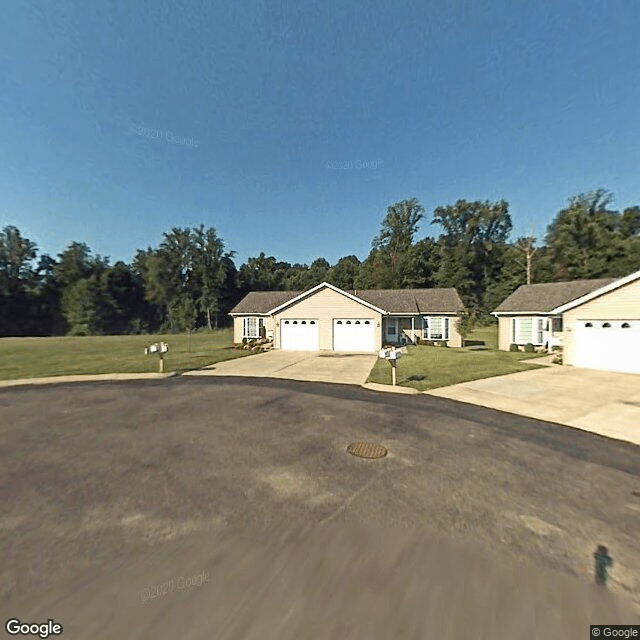
This area of Parkersburg, West Virginia offers a variety of amenities and services that may be of interest to seniors. With several restaurants nearby such as Chick-Fil-A, Olive Garden, and Logan's Roadhouse, there are plenty of dining options for residents to enjoy. In terms of healthcare, there are multiple physicians' offices including dermatology and allergy specialists alongside quick care clinics for medical needs. Additionally, there are pharmacies like Walgreens and CVS for convenient access to medications. For leisure activities, there are parks like Jackson Memorial Park and Parkersburg City Park for outdoor enjoyment. The Regal Grand Central Mall theater is also close by for entertainment options. Overall, this area provides a mix of essential services and recreational opportunities that could make it a comfortable place for senior living in Parkersburg.
Restaurants
Chick-Fil-A (0.5 miles)
Taco Bell (0.5 miles)
Popeyes Louisiana Kitchen (0.5 miles)
Olive Garden (0.6 miles)
Qdoba Mexican Eats (0.6 miles)
Logan's Roadhouse (0.8 miles)
McDonald's (0.8 miles)
Physicians
Dermatology Outreach (0.6 miles)
Wv Asthma & Allergy Ce (0.6 miles)
Mountain State Dermatology (0.7 miles)
Ohio Valley Medical Quick Care (0.7 miles)
Mid Ohio Valley Medical Group (0.9 miles)
E. N. T. & Allergy Associates (0.9 miles)
Eye Doctors (1 miles)
Theaters
Regal Grand Central Mall (0.7 miles)
Pharmacies
Walgreens (1.3 miles)
CVS Pharmacy (1.6 miles)
Dutton Pharmacy (1.7 miles)
Cox Family Pharmacy (1.7 miles)
Rite Aid (2.7 miles)
CVS Pharmacy (3.1 miles)
Fruth Pharmacy (3.3 miles)
Parks
Jackson Memorial Park (1.4 miles)
Parkersburg City Park (2.3 miles)
Fort Boreman Park (3.3 miles)
Civitan Park (3.5 miles)
Cafes
CrazyCakeCafe (1.5 miles)
The Daily Grind (2.8 miles)
Places of Worship
Wayside United Methodist Church (1.6 miles)
City Soul Ministries (2.1 miles)
Fellowship Baptist Church (2.1 miles)
End Time Harvest Full Gospel (2.2 miles)
Seventh-Day Adventist Church (2.5 miles)
Liberty Street Church of God (2.6 miles)
Calvary Temple Evangelical Church (2.6 miles)
Hospitals
William Paul Tomlinson MD (1.7 miles)
River Valley Medicine & Pediatrics (1.9 miles)
Camden Clark Community Comprehensive Cancer Center (2.6 miles)
Physicians Outpatient Surgery Center (3.8 miles)
Marietta Memorial Hospital (4.1 miles)
Marietta Memorial Hospital - Belpre Medical Campus (4.2 miles)
The Wyngate Senior Living Community offers competitive pricing for its various room types compared to both Wood County and the broader state of West Virginia. For a two-bedroom apartment, residents pay $3,082 per month, which aligns with the county average but is significantly lower than the state average of $4,784. The studio option comes at a monthly cost of $3,979, surpassing the county's rate of $2,810 yet remains within a reasonable range compared to the state's $4,207. Meanwhile, the one-bedroom units are priced at $5,258 monthly - higher than both county and state averages - indicating that while some options may be more costly or offer premium features not reflected in other facilities, they still provide value within the local context. Overall, The Wyngate Senior Living Community presents a mix of affordability and premium offerings designed to cater to varying needs among seniors in Wood County and beyond.
Assisted living facilities offer crucial support for older adults needing help with daily activities but come with varying and significant costs, which can be financed through personal savings, government assistance programs, long-term care insurance, and home equity options. Professional guidance from experts can aid families in navigating these financial complexities to establish a sustainable budgeting approach for assisted living services.
Assisted living costs often exceed Social Security benefits, necessitating a combination of funding sources like state aid and Medicaid. Understanding the interaction between Social Security programs and available financial support is essential for affording such care.
The VA Aid and Attendance benefit provides financial support to veterans needing assistance with daily living due to medical conditions or disabilities, augmenting standard VA pensions for services like in-home care. Eligibility is based on service duration, wartime status, income, and medical needs, with a detailed application process required to access funds for caregiving and home modifications.
Get PricingAsk A QuestionSchedule A TourContact Senior Advisor
By clicking submit, you agree to our Partner's Terms of Use. You
also consent to receive calls and texts, which may be autodialed, from our Partner. Your consent is not a condition to
using our Partner's service. Please visit our Partner's Privacy Policy for information about their privacy practices.


 Assisted Living
 Independent Living
 Cats allowed
 Dogs allowed
 Activities off-site
 Beautician on-site
 Devotional services off-site
 Indoor common areas
 Outdoor common areas
 Respite or short term stays offered
 Wheelchair accessible showers
 Diabetic care
 Incontinence care
 Medication management
 Kosher
 Christian services
 Sensory-based programs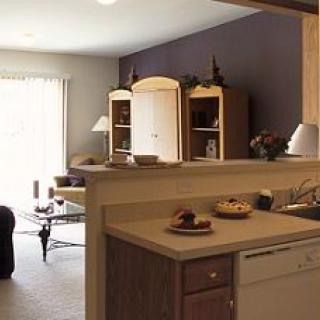
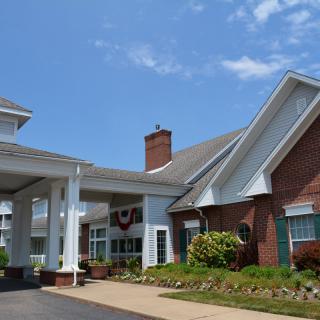
 Friendly, helpful staff; clean facility with spacious rooms and engaging activities.
 Securing Financial Support for Assisted Living: A Comprehensive Overview
 Social Security Benefits and Assisted Living: Navigating Options Across the U.S.
 An Extensive Exploration of the VA Aid and Attendance Benefit