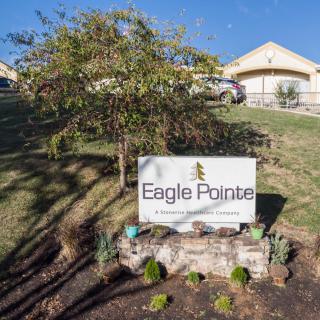
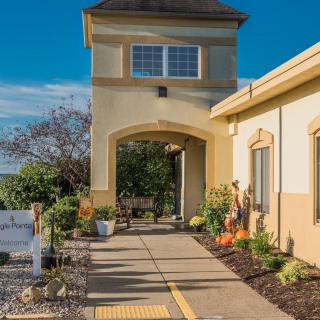
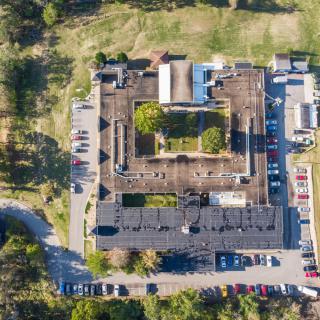


1600 27Th Street, Parkersburg, WV 26101
For more information about senior living options: (866) 208-4318
Overall Review of Eagle Pointe
Pros
 The staff are incredibly kind and take excellent care of residents.
- The physical therapy team is wonderful and supportive during recovery.
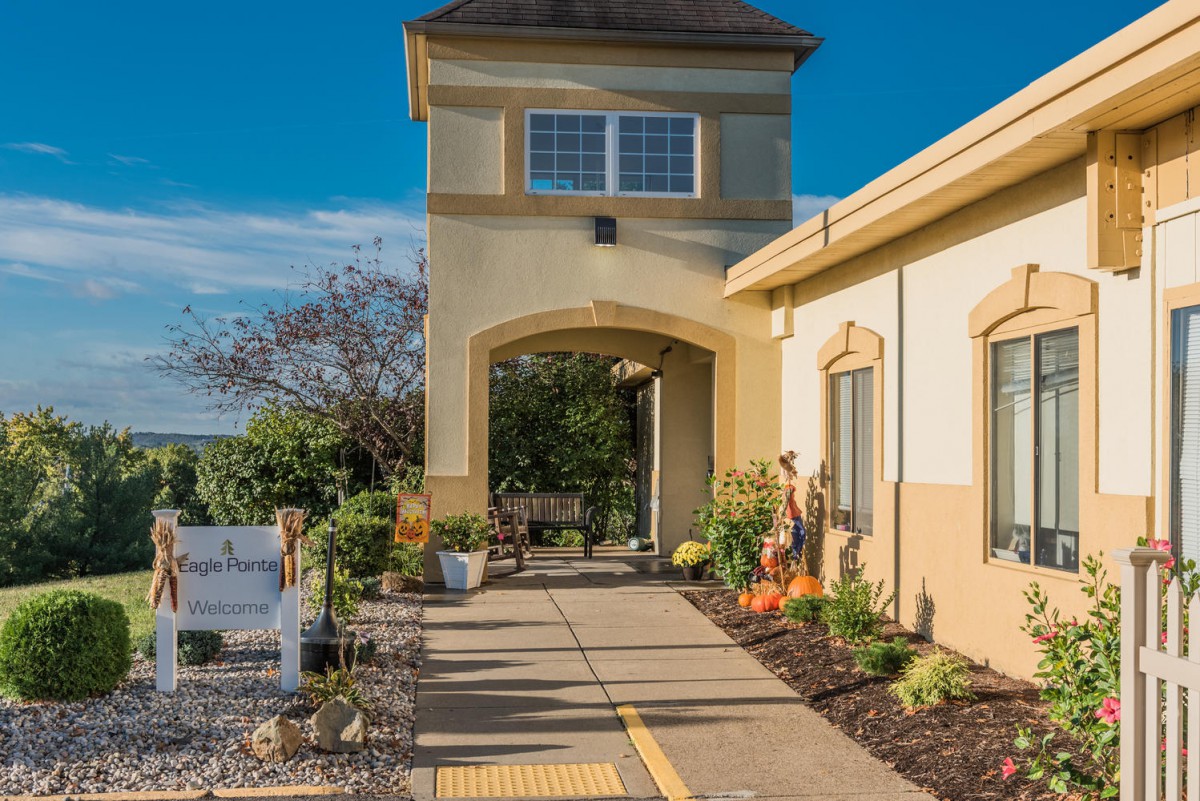
- It is a top-notch facility with caring professionals and thoughtful seasonal decor.
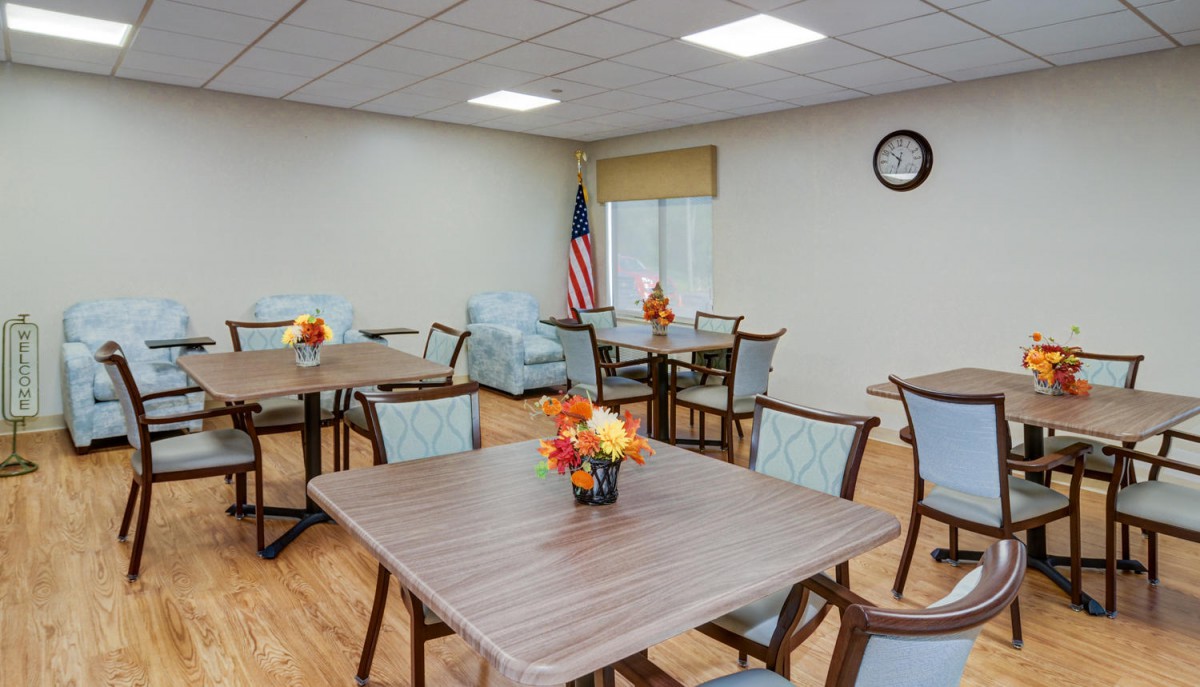
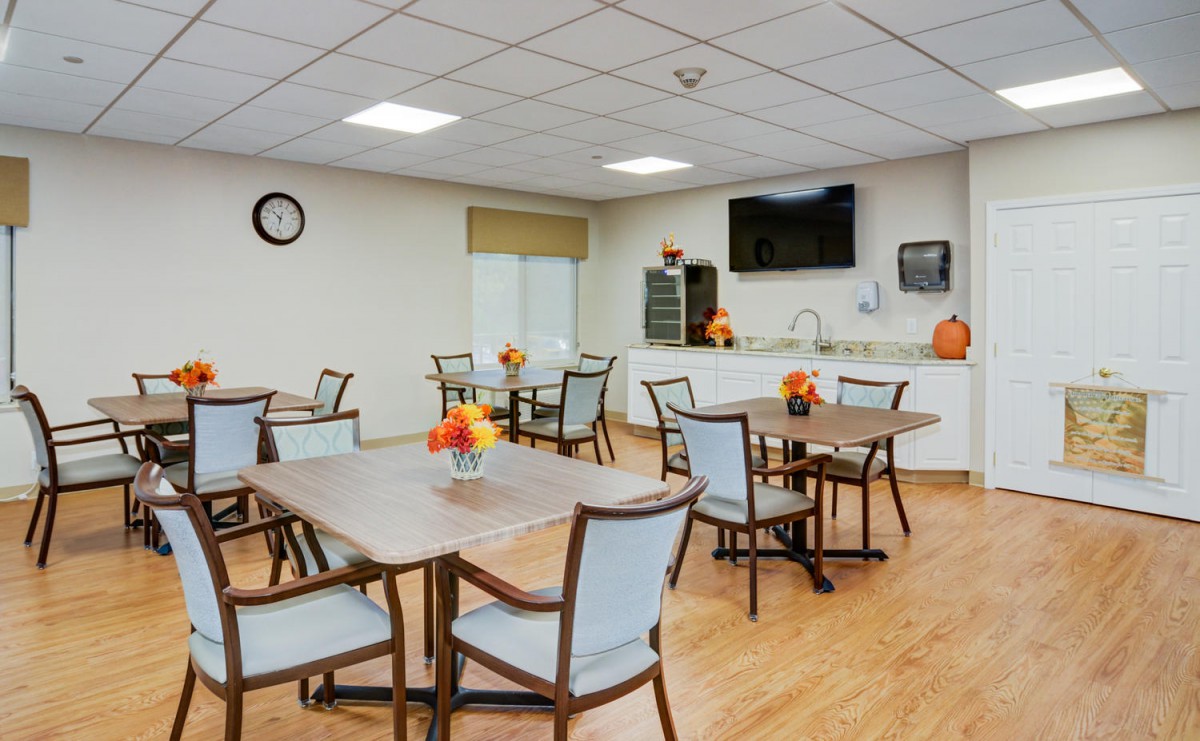
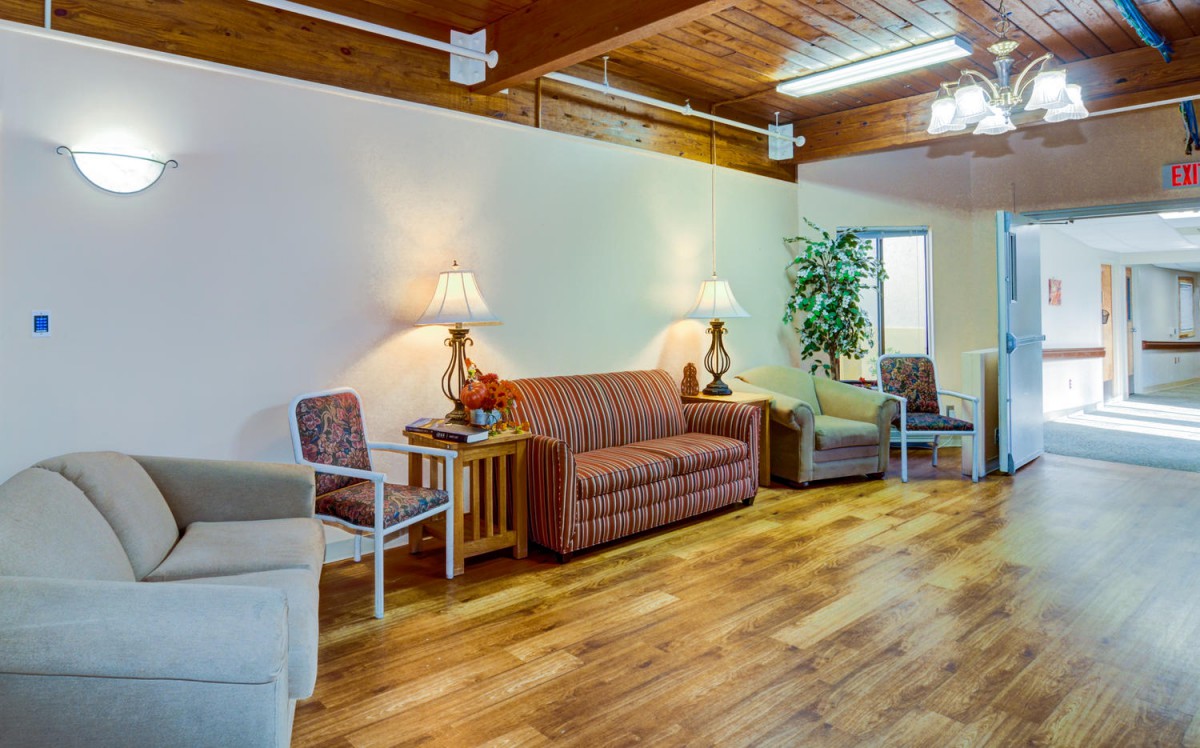
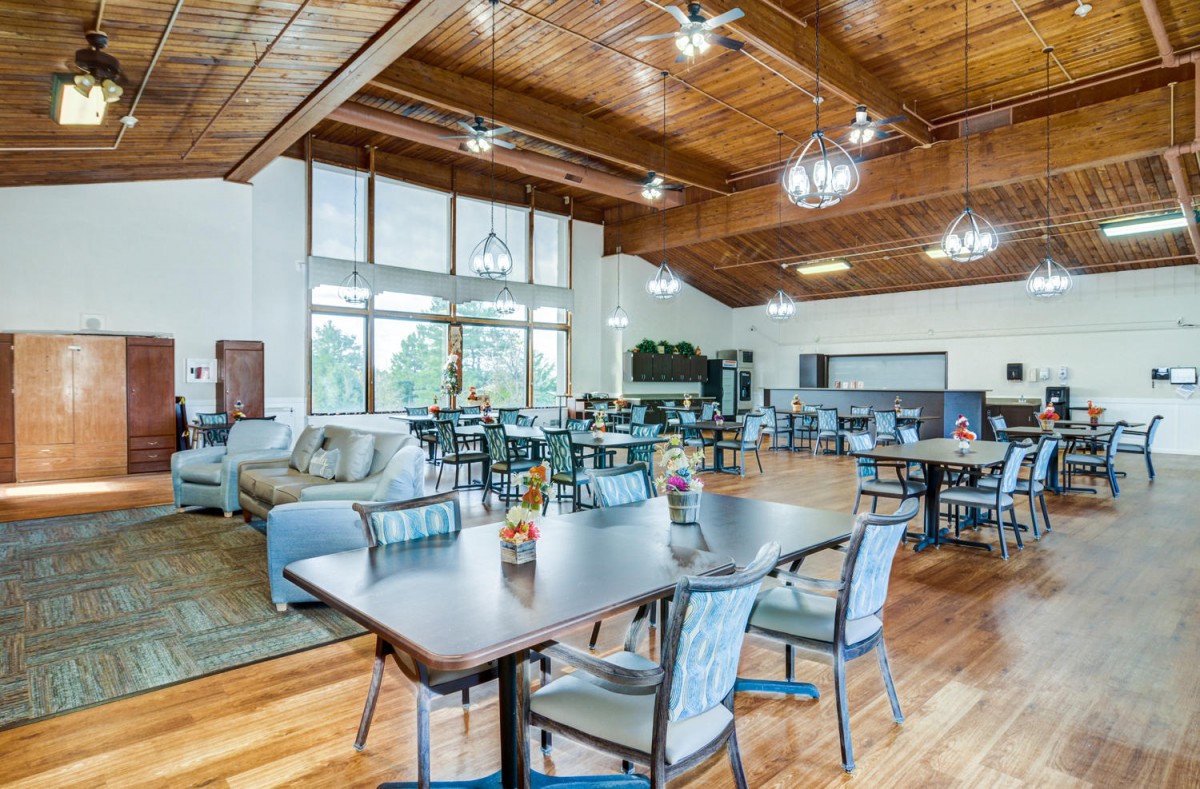
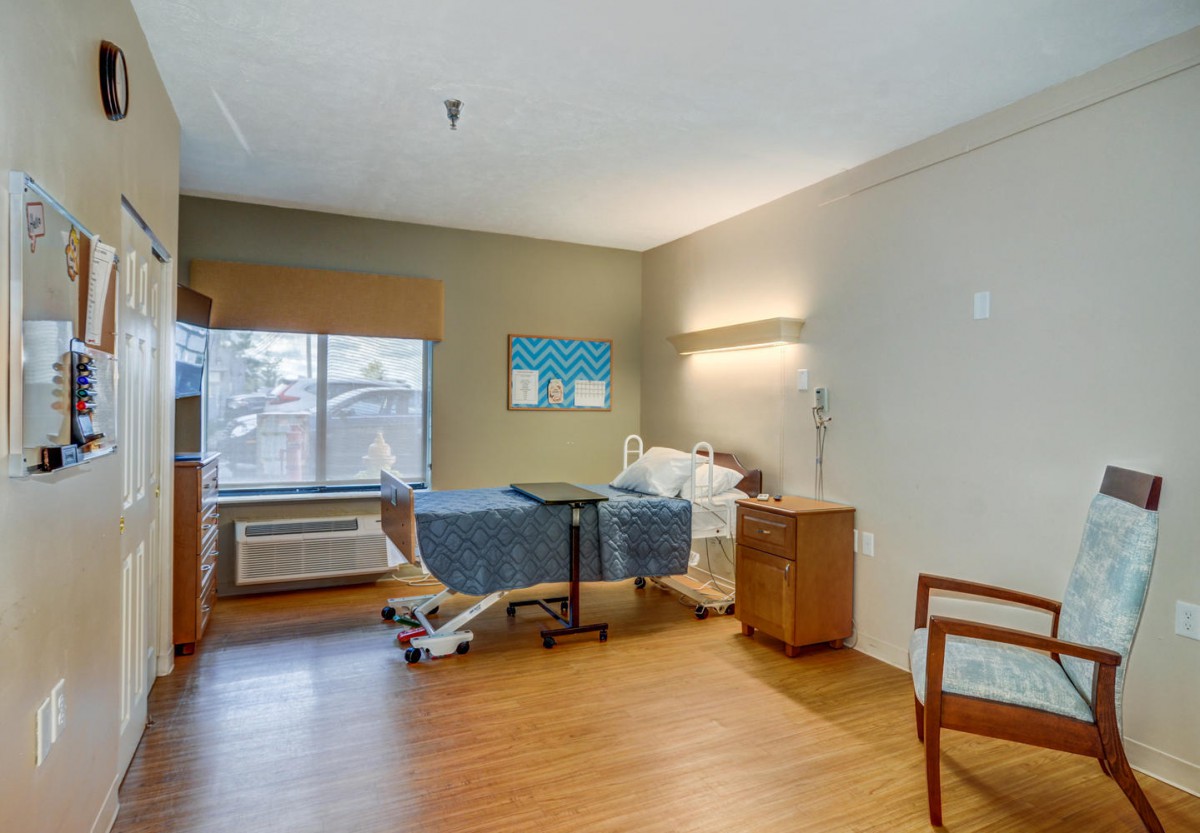
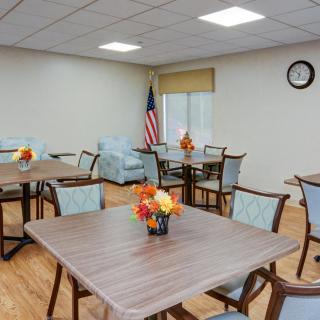
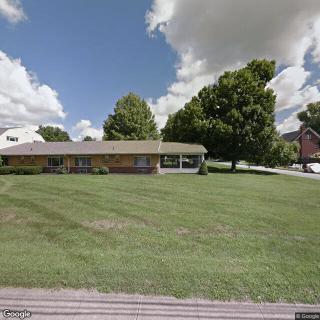
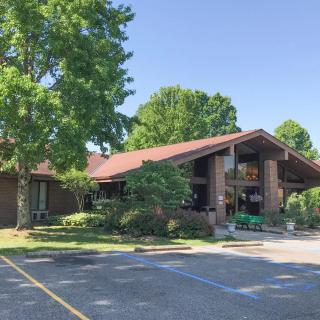
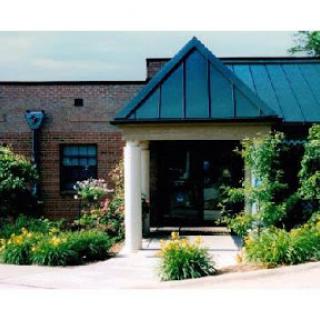
- The facility is clean and welcoming, with pleasant dining hall views.
- The staff are friendly, and the Director of Nursing is knowledgeable, with nurse practitioners available daily.
- The cottage unit functions as a family-like environment, with management ensuring a good fit for new residents and ongoing family communication.
- The team provides daily PT/OT in residents’ rooms, making care personal and accessible.
- Families describe the staff as caring and attentive, with constant care and kindness from all team members.
- The food is very good and residents have engaging activities to participate in.
Cons
 The facility is terrible; a resident lost 20 pounds, left with an infection, and was hospitalized.
- The food was repulsive, and only one nurse seemed to truly care about her.
- The facility is run down and understaffed, leaving residents with little attention.
- The smell is not pleasant, and there is little to no therapy offered.
- Medications were dispensed incorrectly or not at all, and records were not provided when requested.
- Call buttons were pressed at night with no response for hours, leaving residents unassisted.
- Staff refused to share medication records or discharge paperwork with the family.
- Residents were left unattended for extremely long periods in the bathroom.
Review
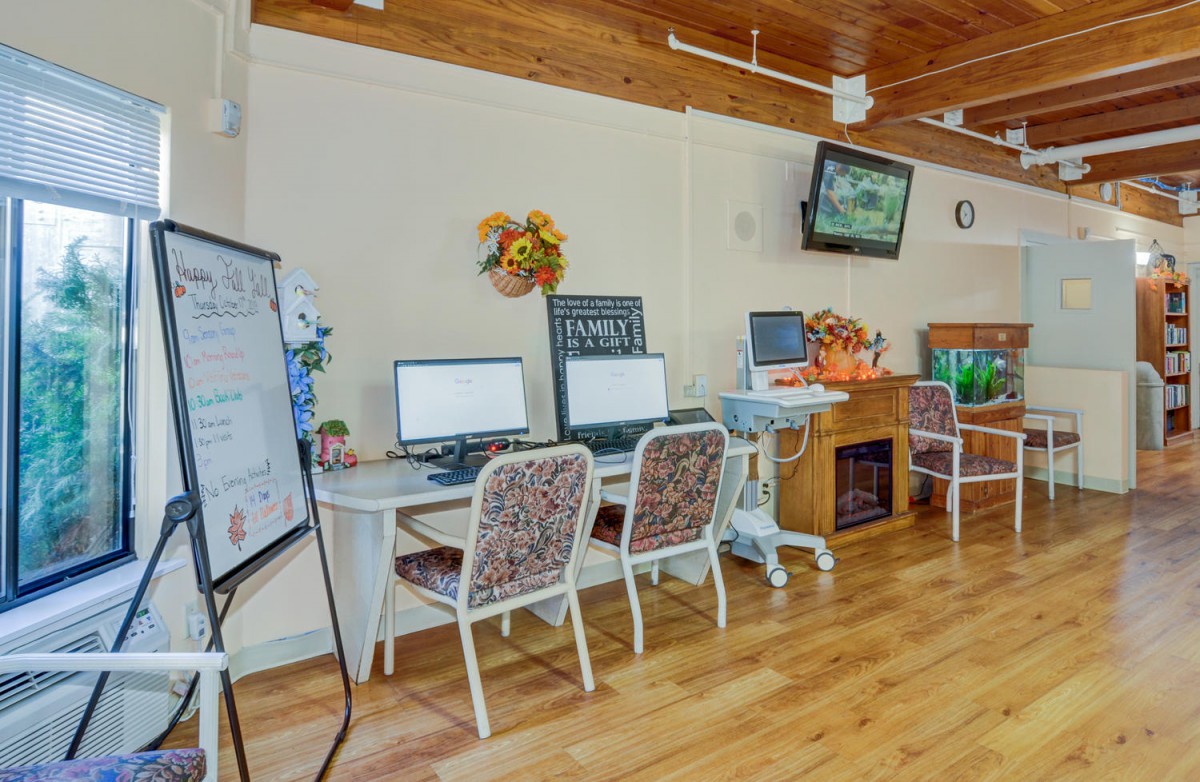
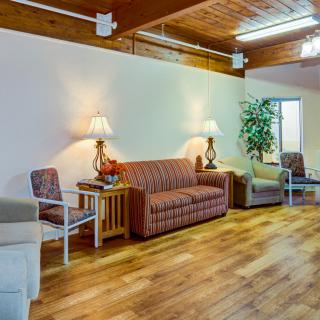
Eagle Pointe in Parkersburg, WV is best suited for families pursuing a rehab-centric stay where targeted therapy, responsive staff, and a warm, home-like atmosphere are non-negotiables. The community shines for seniors who need physical therapy and strengthening, offering a clearly focused path to recovery with a capable therapy team and daily structure. Visitors will notice a facility that feels less clinical and more lived-in, seasonal decorations, multiple dining rooms, and a setting that supports routine, social engagement, and progress toward mobility goals. For short-term rehab after a hospital stay, and for residents who respond well to consistent routines and attentive caregivers, Eagle Pointe can deliver meaningful gains and comfort.
That said, долгожданные alternatives should be on the radar for families prioritizing ironclad clinical oversight and consistently reliable daily care. Across multiple accounts, concerns cluster around gaps in responsiveness, occasional medication issues, and questions about nutrition and overall oversight. Instances of call bells going unanswered, delays in medication administration, and perceptions of under-staffed shifts create real anxiety around safety and daily quality of life. For loved ones who require a strict, transparent medical management routine or who cannot tolerate variability in staffing and accountability, searching for options with stronger clinical reliability is prudent.
The strongest positives at Eagle Pointe lie in the human side: staff who come across as genuinely caring and a therapy program that produces tangible progress. Families frequently commend the compassion and accessibility of nurses, aides, and therapists, and they point to the physical therapy and occupational therapy teams as a core driver of recovery. The environment itself supports dignity, cleanliness is noted, décor is thoughtful, and the dining experience can be pleasant with favorable views. Leadership is seen as engaged, with praise for the Director of Nursing and the addition of nurse practitioners who strengthen daily medical oversight. For residents whose priorities center on rehabilitation momentum, clinician attentiveness, and ongoing social stimulation, these elements carry substantial weight.
Yet the worrisome reports cannot be dismissed. Several accounts describe medication mishaps, incomplete orders, and slow or inconsistent communication with families, raising serious questions about medication safety and continuity of care. Food quality, while praised in some excerpts, is also described by others as unappealing, with diet concerns contributing to a sense of neglect about basic nourishment. The most challenging notes involve perceived understaffing on certain shifts, delayed responses to urgent needs, and gaps in information sharing with families, factors that undermine trust when navigating medical plans, discharge expectations, and daily routines. When such issues surface, even impressive therapy gains and a caring demeanor may not be enough to offset the risk and discomfort they create.
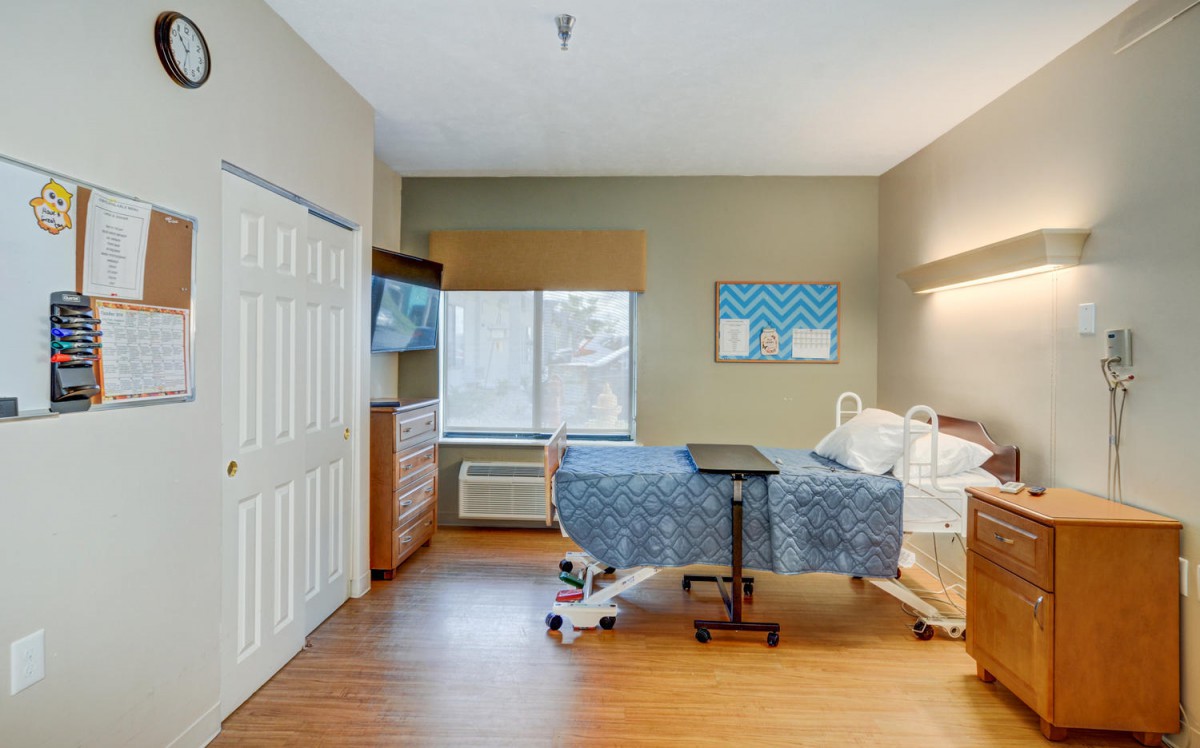
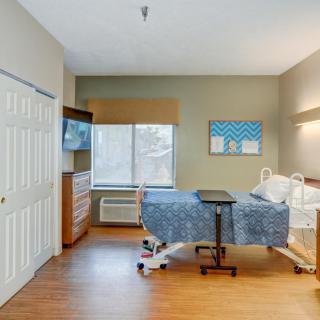
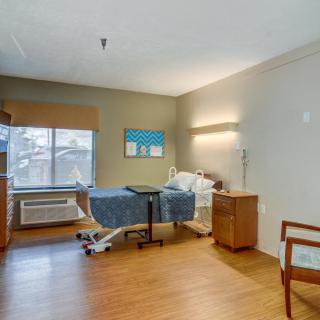
To make an informed decision, prospective residents should press Eagle Pointe for concrete, verifiable assurances. Key questions include the current nurse-to-patient ratios by shift, a direct contact in nursing leadership, and the facility’s exact medication administration protocols plus how incidents are logged and reviewed. Schedule a live tour to assess room options, verify the availability of private rooms, and test the responsiveness of the call system in real time. Seek clarity on dining standards, nutrition oversight, and how therapy goals translate into day-to-day activities. If a cottage-style unit exists, evaluate its care model and family communication cadence to ensure it aligns with expectations for a home-like environment rather than a clinical setting.
In practical terms, Eagle Pointe serves as a solid option for families who prize a rehab-forward atmosphere and are capable of maintaining oversight to ensure consistent care. The combination of compassionate frontline staff and a proven therapy framework represents its strongest asset, offering real potential for recovery and engagement. However, for those whose priority is an unassailable safety record, impeccably reliable medication management, and uniformly strong staffing across all shifts, alternatives should be pursued with equal diligence. The ultimate choice should hinge on verifying staffing stability, nutrition standards, and transparent family communication, ensuring the care plan aligns with the loved one’s medical needs, personal preferences, and the family’s risk tolerance.
 164 resident community capacity
 Skilled Nursing Facility
 Air-conditioning
 Beauty salon
 Cable or satellite TV
 Computer center
 Dining room
 Fitness room
 Fully furnished
 Gaming room
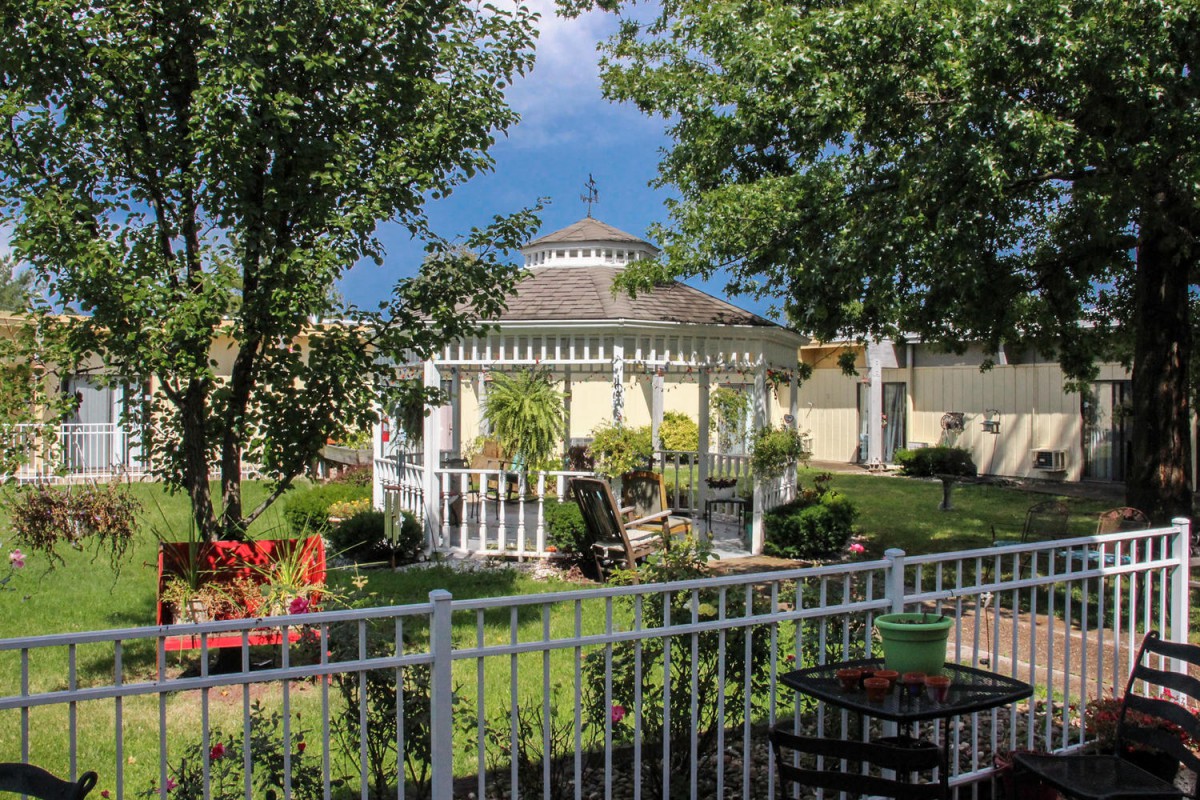
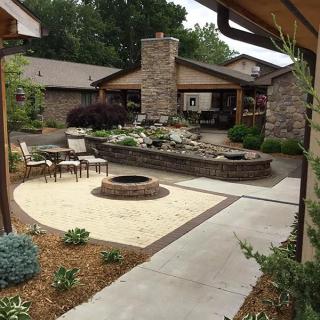
 Garden
 Housekeeping services
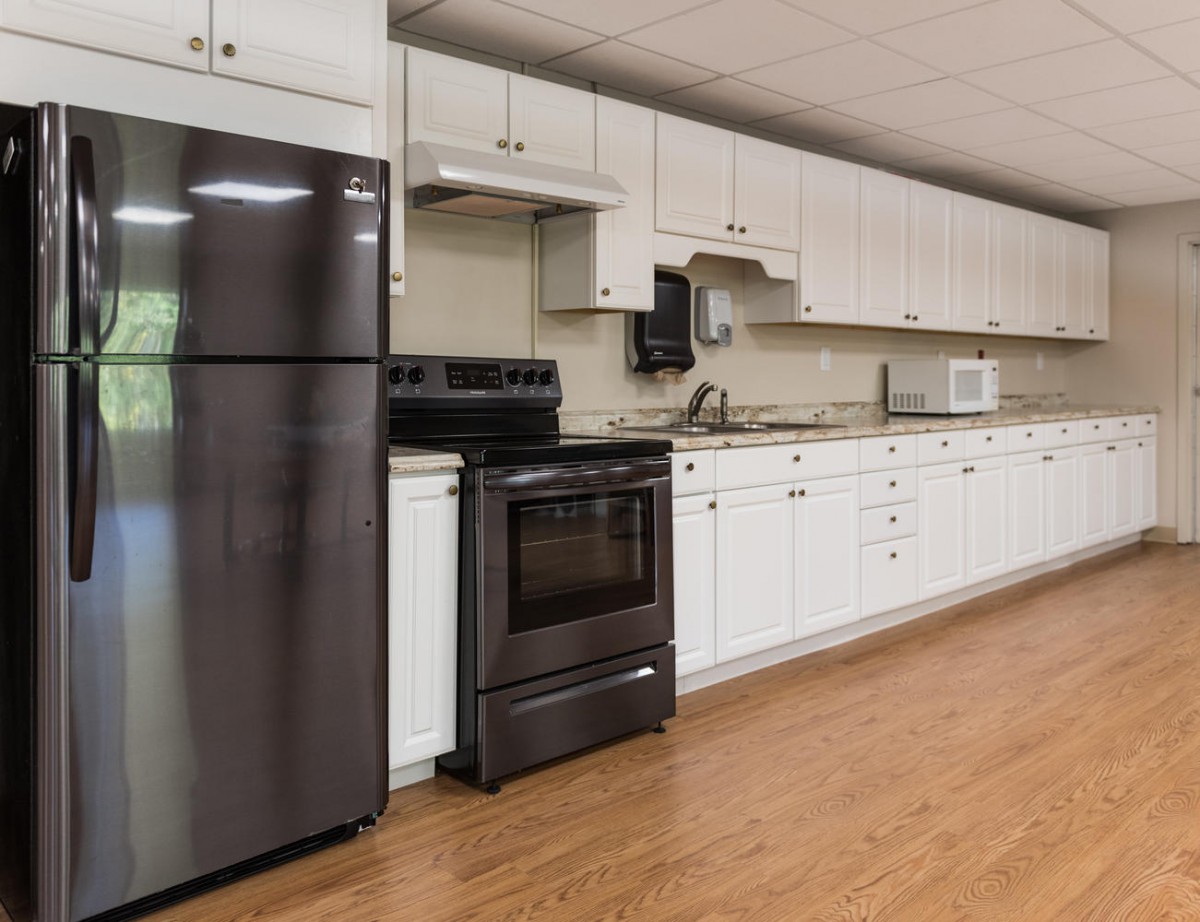
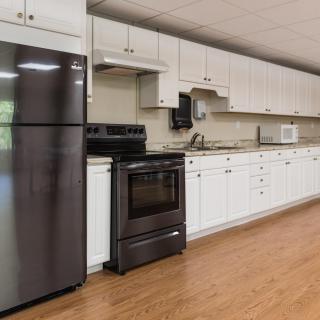
 Kitchenette
 Move-in coordination
 Outdoor space
 Private bathrooms
 Restaurant-style dining
 Small library
 Telephone
 Wellness center
 Wi-Fi/high-speed internet available
 Community operated transportation
 12-16 hour nursing
 24-hour call system
 Activities of daily living assistance
 Assistance with bathing
 Assistance with dressing
 Assistance with transfers
 Diabetes diet
 Medication management
 Mental wellness program
 Special dietary restrictions
 Concierge services
 Planned day trips


 Comprehensive Insights and Practical Strategies to Help Older Adults Avoid Falls
 6 Crucial Ways an Elder Law Attorney Assists Families
 Navigating the Tax Landscape of Caregiving: Credits, Deductions, and Beyond