For more information about senior living options: (866) 208-4318
5 from 112 reviews
5 stars
109
4 stars
3
3 stars
0
2 stars
0
1 stars
0
Overall Review of Senior Helpers - Parkersburg, WV
differentiator2 reviews mention this
Care coverage is dependable
Residents and families describe backup coverage when a caregiver is unavailable.
Several reviewers mention that when a caregiver was out—such as for surgery—other staff stepped in. Others also describe the agency arranging another caregiver if someone calls off, which helped reduce stress for their family or for themselves.
common2 reviews mention this
Daily help goes beyond basics
Reviews highlight hands-on personal support during everyday routines.
Reviewers describe caregivers assisting with day-to-day needs, including bathing, hygiene, meal preparation, and light housekeeping. A separate review also mentions regular bathing support delivered in the home, describing it as a practical help for a stroke recovery routine.
common2 reviews mention this
Office support feels helpful
People describe office staff as friendly and responsive when questions come up.
One reviewer specifically calls out the support staff as friendly and helpful, noting it matters in a stressful business. Another review says the office is easy to work with and willing to help when paperwork issues or questions arise.
How we summarize
Counts show how many written reviews mention each theme; a review can touch several themes, and only frequently mentioned themes are displayed.
Nearby Places of Interest
This neighborhood in Parkersburg, West Virginia, offers a convenient and accessible location for senior living. With a variety of transportation options nearby, including Budget Truck Rental and U-Haul Neighborhood Dealer, getting around the area is easy. There are also several restaurants within walking distance, such as Rubi's Pizza & Grill and Wendy's, providing plenty of dining choices. For those who are religious, there are multiple places of worship in the vicinity like Seventh-Day Adventist Church and Calvary Temple Evangelical Church. In terms of healthcare, there are several physicians' offices and hospitals close by, offering convenient medical services. Additionally, there are cafes, pharmacies, and even a theater nearby for leisure activities. Overall, this neighborhood provides seniors with a range of amenities to enhance their daily lives.
Transportation
Budget Truck Rental (0.1 miles)
U-Haul Neighborhood Dealer (3.4 miles)
Restaurants
Rubi's Pizza & Grill (0.1 miles)
Wendy's (0.2 miles)
Taco Bell (0.6 miles)
Polo Club (0.6 miles)
Subway (0.6 miles)
Helen's Family Restaurant (0.8 miles)
McDonald's (1.2 miles)
Places of Worship
Seventh-Day Adventist Church (0.2 miles)
Liberty Street Church of God (0.2 miles)
End Time Harvest Full Gospel (0.5 miles)
Calvary Temple Evangelical Church (1 miles)
Zion Baptist Church (1 miles)
Saint Francis Xavier Parish Center (1.2 miles)
Epworth United Methodist Church (1.3 miles)
Parks
Parkersburg City Park (0.4 miles)
Fort Boreman Park (1.8 miles)
Civitan Park (3 miles)
Physicians
Audiology Services (0.9 miles)
Parkersburg Orthopedic Associates (1.1 miles)
Cornerstone Health Care (1.1 miles)
Optometric Physicians (1.2 miles)
Camden Clark Diabetes & Endocrine Center (1.2 miles)
Dr Frank Schwartz (1.3 miles)
Parkersburg Radiology Services (1.3 miles)
Hospitals
River Valley Medicine & Pediatrics (1.1 miles)
Camden Clark Community Comprehensive Cancer Center (1.3 miles)
Nonmedical home care provides assistance with daily activities and companionship for individuals wishing to maintain independence and quality of life at home, without medical intervention. Its growing popularity is driven by an aging population, the need for supportive environments for recovery, and the emotional benefits of caregiver companionship, while costs vary based on service frequency and location.
Maintaining cognitive fitness through engaging in various brain games, both traditional and digital, is crucial for seniors as it enhances memory retention, problem-solving abilities, and emotional well-being while helping to protect against age-related decline. A holistic approach that includes diverse activities, physical exercise, a balanced diet, and social interaction further supports mental health and cognitive function.
The article outlines strategies for keeping seniors' minds active through brain games and apps, highlighting the importance of cognitive exercises, social engagement, and a healthy lifestyle in combating cognitive decline. It emphasizes the benefits of various types of games and offers practical tips for maintaining mental wellness through enjoyable activities while acknowledging their limitations.
Get PricingAsk A QuestionSchedule A TourContact Senior Advisor
By clicking submit, you agree to our Partner's Terms of Use. You
also consent to receive calls and texts, which may be autodialed, from our Partner. Your consent is not a condition to
using our Partner's service. Please visit our Partner's Privacy Policy for information about their privacy practices.

 Affordable pricing relative to local averages.
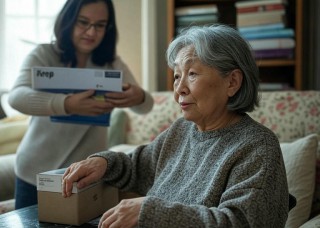 Exploring Nonmedical Home Care: Understanding Services, Costs, and Financial Approaches
 Engaging Brain Games and Innovative Apps to Keep Senior Minds Active
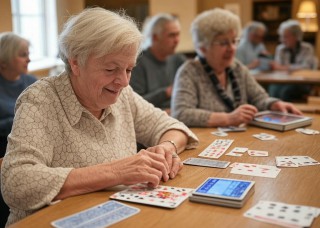 Effective Strategies for Keeping Seniors' Minds Active: A Deep Dive into Brain Games and Apps