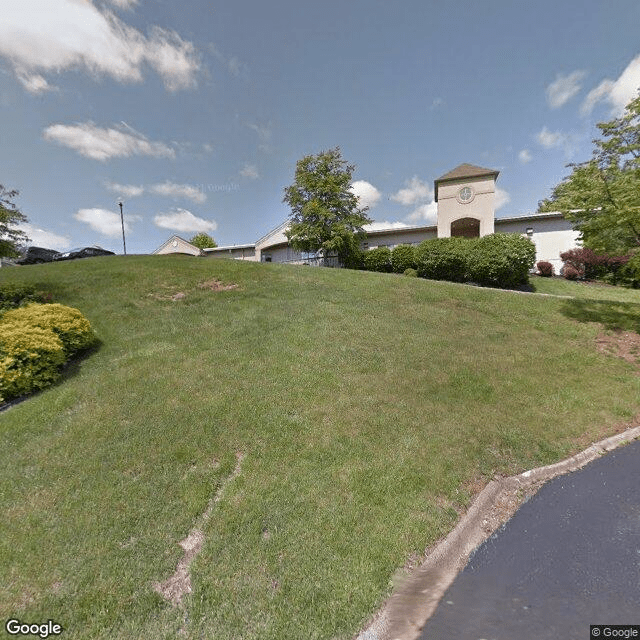
1600 27th St, Parkersburg, WV 26101
To contact a resident: (304) 485-6476
For more information about senior living options: (866) 208-4318
Overall Review of Eagle Point
Pros
 The staff is friendly, and his brother has been well taken care of there.
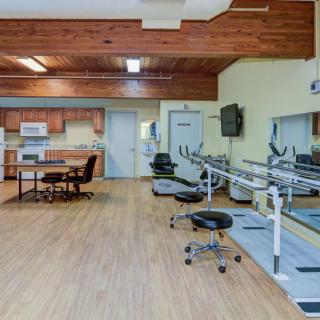
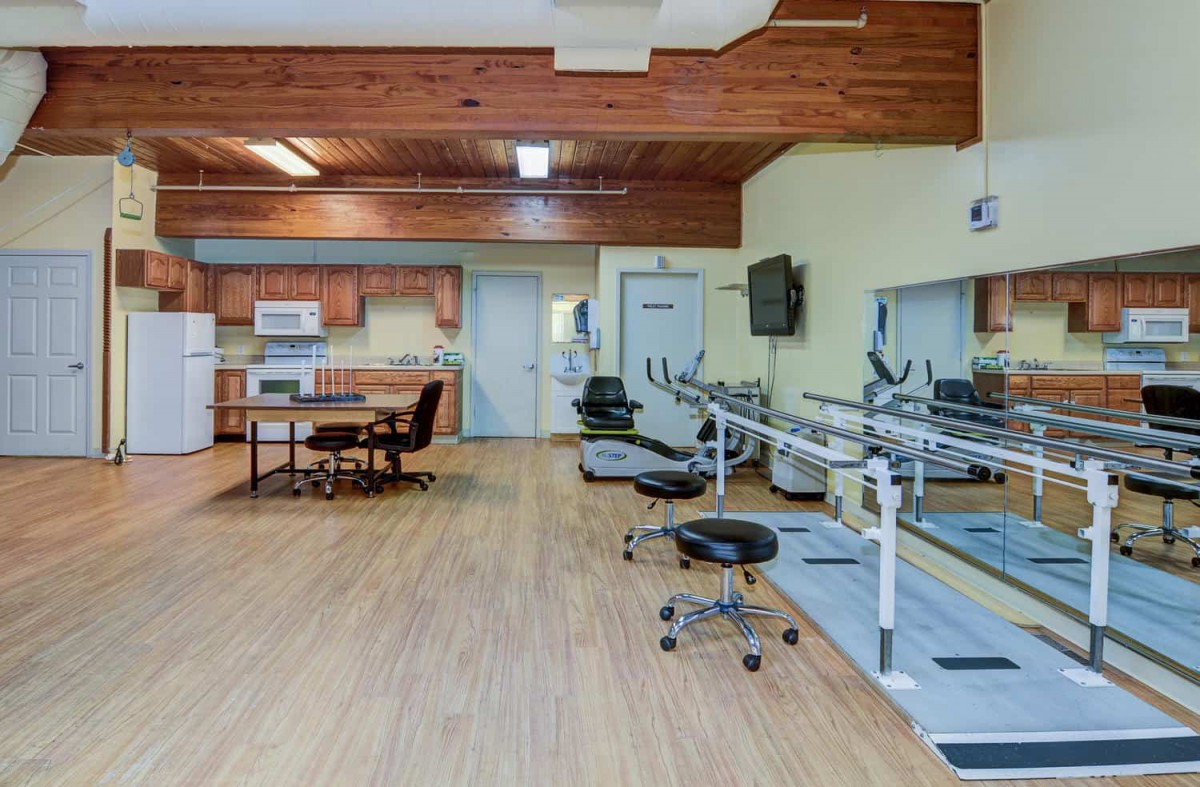
- The physical therapy team is wonderful with him, and he enjoys staying there during recovery.
- The staff is incredible and very compassionate, taking great care of residents on the road to recovery.
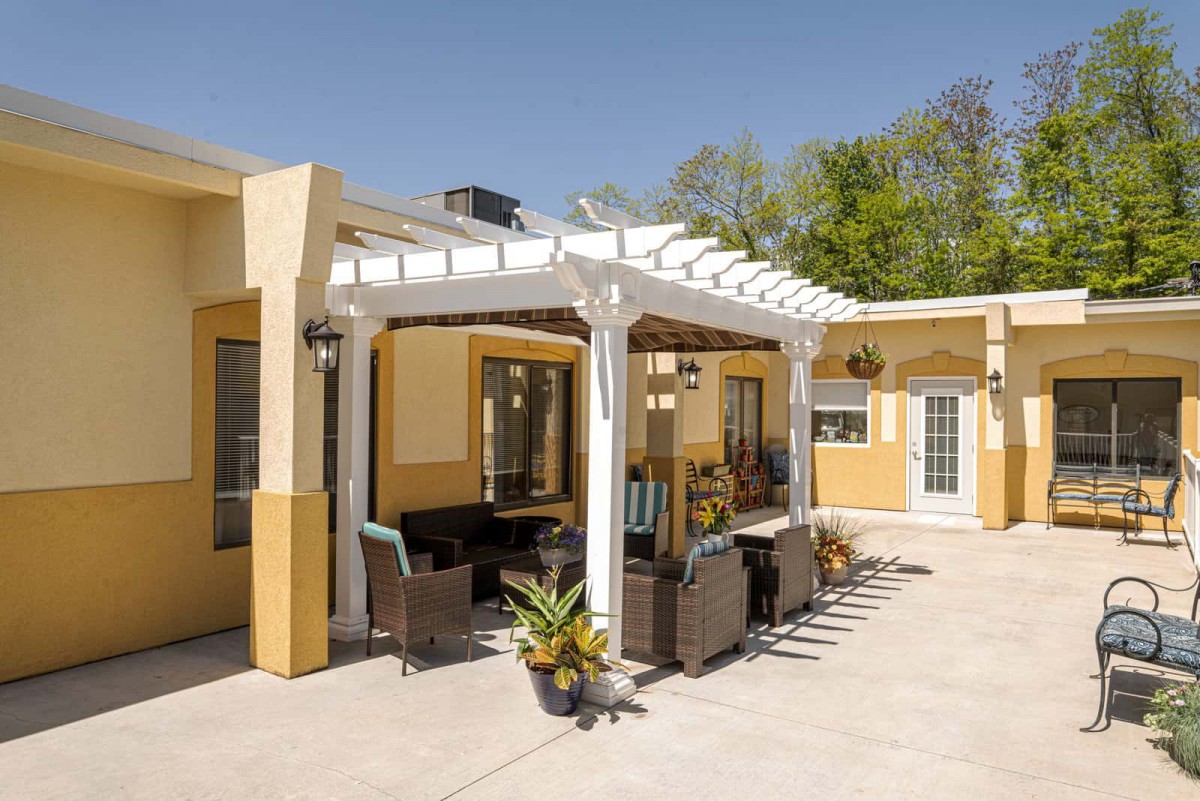
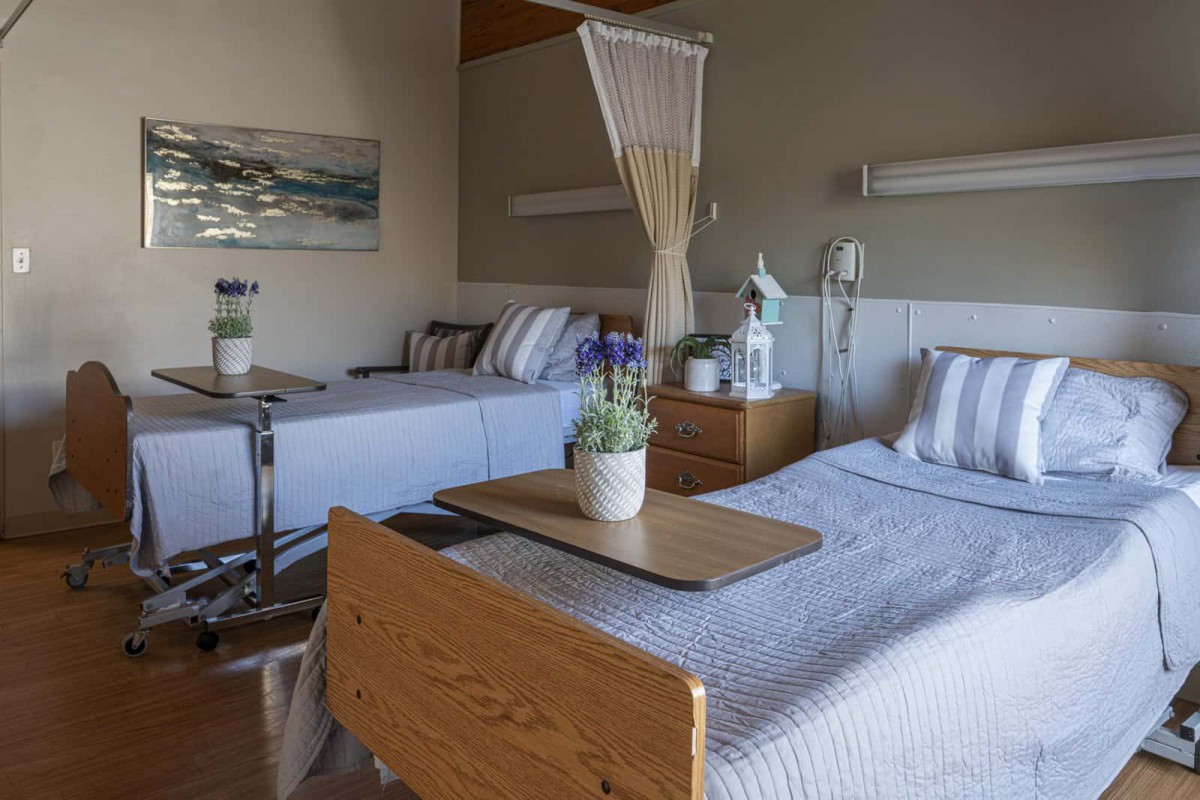
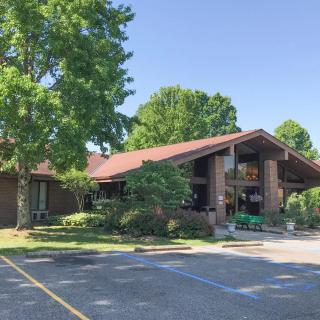
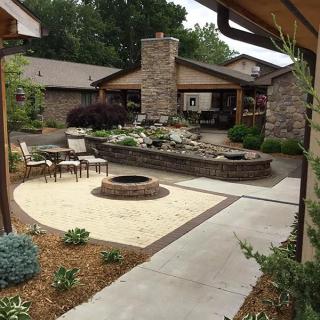
- The facility is clean and decorated for the seasons, with amazing dining hall views.
- The facility is top-notch and staffed by excellent, caring professionals.
- The elderly mother finds the facility nicer and cleaner than others, with many activities for residents.
- The separate sealed-off wing for Alzheimer's/Dementia patients helps keep the main area safer while allowing others to move about freely.
- The team was awesome, understanding, and PT/OT came daily to his room to exercise and walk.
Cons
 The facility was terrible; the reviewer’s mother-in-law reportedly lost 20 pounds, developed an infection, and was hospitalized.
- The food is terrible, and only one nurse seemed to truly care about her.
- They didn’t do anything for her while she was supposed to be in rehab.
- The front desk yelled at a delivery driver over a strict no-camera policy, suggesting something was being hidden.
- The facility is a joke; the reviewer wouldn’t even bring a deceased person there.
- The doctor took the dad off all meds without informing anyone, and it took months to recover.
- The reviewer would never go back to or recommend the facility.
Review
Eagle Point in Parkersburg is best suited for families seeking a rehab-forward stay after hospitalization, where the focus is on physical therapy and a steady path to recovered function. The community tends to reward a friendly, attentive staff and a clean, pleasant environment, with therapy progression and daily nursing attention playing a central role in the experience. It is a solid option for seniors who want visible recovery momentum and a comfortable setting, but it is not designed for residents whose needs require sustained, highly complex medical management or long-term memory care.
Positive indicators are clear on the therapy and atmosphere front. The staff is frequently described as compassionate and engaged, and the physical therapy team is highlighted as effective and supportive in helping residents regain mobility. Families note a clean facility that takes care in its ambiance, including seasonal decorations and dining hall views that brighten the rehabilitation journey. For many, these elements translate into meaningful daily progress and a more hopeful recovery environment.
However, the experience spectrum is broad, and not every review mirrors the ideal rehab story. Several families report serious concerns, including weight loss and infections that led to hospitalization, suggesting gaps in acute care or monitoring during recovery stays. There are also complaints about the consistency of care and, in some cases, dissatisfaction with medical decisions or medication management. A policy-driven friction point about cameras at the front desk further colored some perceptions of the facility’s responsiveness and transparency. Taken together, these anecdotes underscore real risks that cannot be ignored.
These pros, while meaningful for rehab-focused outcomes, do not completely neutralize the notable cons. The presence of strong therapy and a welcoming environment can make a tangible difference for residents aiming to regain independence, yet safety and clinical judgment concerns cast a long shadow over reliability. When a stay hinges on dependable daily oversight and consistent medical decisions, the variability reported in reviews becomes a critical factor. For families prioritizing predictable, physician-led care, this variability may be a deciding deterrent.
Practical due diligence is essential before committing. Prospective residents should press for transparent staffing patterns during peak hours, review therapy scheduling, and query how physicians monitor ongoing medications and respond to acute changes. Inquire about meal quality and overall nutrition management, infection control protocols, and the escalation process for concerns. Conversations with current residents or families can illuminate day-to-day caregiving realities, and a live tour should include questions about how care plans are communicated and adjusted. For those with memory-care needs, verify the existence and safety controls of any separate wing to ensure appropriate independence without sacrificing security.
Bottom line: Eagle Point offers a pragmatic option for rehab-focused care in a bright, patient-friendly setting, with tangible advantages in therapy engagement and daily staff contact. It delivers value for short-term recovery when the goal is to reclaim mobility and function with a supportive team. Yet for seniors requiring continuous medical oversight, stable medication management, or specialized long-term memory care, alternatives deserve serious consideration. Looking beyond Eagle Point to facilities with stronger clinical oversight or dedicated memory-care programs can help ensure the chosen path aligns with safety, stability, and long-term wellbeing.
 Skilled Nursing Facility


 Compassionate Conversations: How to Comfort Someone Who Is Grieving
 Home Health Care Aides: Understanding Their Role and Supporting Your Family
 Urinary Tract Infections in Older Adults: Comprehensive Insights on Symptoms, Treatment, and Prevention