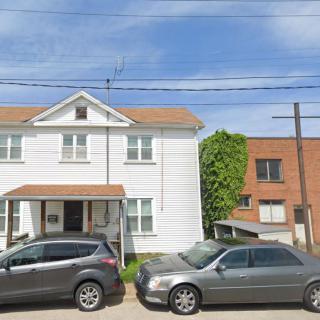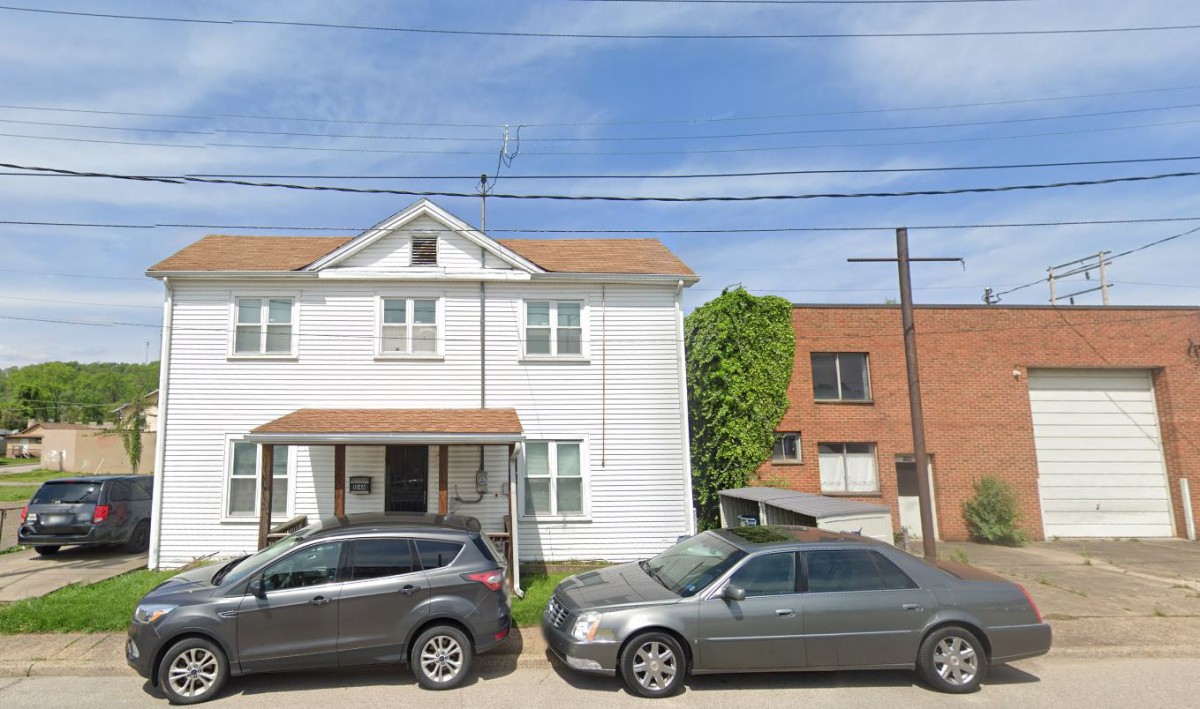


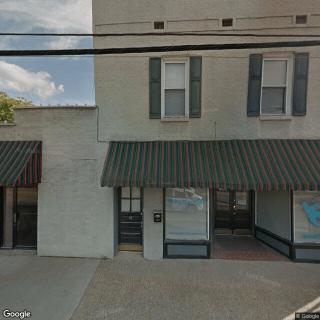
1046 Central Avenue, Charleston, WV 25302
For more information about senior living options: (866) 208-4318
Overall Review of Central Ave Assisted Living
Cons
 The company is very unprofessional.
- The company has no communication.
- They promise workers, but they never show up.
- The company never calls, adding stress to a loved one.
- Most of the workers who come to clients’ residences cannot clean.
- Some of their cars are not legally allowed to transport clients.
- The reviewer would not recommend this company to anyone.
Review
Central Ave Assisted Living in Charleston is best suited for seniors who want a comfortable, socially active environment with reliable daily support, and who do not require constant, on-site medical supervision. Families looking for built-in routines, a sense of community, and convenient access to local amenities will likely find the setting appealing. The posted rating, 3.9 from seven reviews, with a clear tilt toward positive experiences despite a couple of sharp concerns, suggests that, for many residents, life here feels organized, welcoming, and manageable within the level of care provided. This is a community where companionship and structured daily life can translate into meaningful quality of life when expectations match the reality on the ground.
On the flip side, those whose priorities center on flawless communication and unflinching reliability should carefully weigh alternatives. The standout caveat in the feedback is a perception of poor communication and inconsistent coordination, particularly around staffing and transportation. If a family cannot tolerate missed appointments, last‑minute changes, or uncertainty about who will arrive and when, other options, especially those with more direct control over in-house staffing and scheduling, may be more fitting. For seniors with complex medical needs, or for households that require meticulous, transparent updates, this may not be the strongest match.
The pros implied by the strong end of the ratings do matter when life runs smoothly. Several reviewers describe experiences that feel thoughtful, caring, and engaging, hinting at a warm community atmosphere and a staff presence that can be very supportive once systems are functioning well. Those positive notes matter because they signal that, when operations align, residents can enjoy meaningful interaction, routine, and a sense of belonging that eases daily living. The challenge is that the same strengths can be undermined if communication falters or if staffing becomes inconsistent, turning what should be a straightforward, reassuring arrangement into a source of stress for families coordinating care.
That risk is particularly acute around how care is coordinated. If outside caregivers or transportation services are involved, lapses in scheduling or reliability can compound daily stress and create gaps in care. The negative review signals potential friction between expectations and execution in the logistics of caregiving, which is a critical consideration for families who rely on predictable, timely support. In a setting like this, the centerpiece of decision-making becomes: can the facility demonstrate clear, proactive communication channels and stable staffing patterns that ensure consistent daily coverage, even when external arrangements are part of the care plan?
For families weighing this community, a practical due-diligence checklist can translate intention into clarity. Ask about staff-to-resident ratios during peak hours, and request recent turnover statistics so expectations about consistency are realistic. Probe the exact channels used for updates, do families receive daily summaries, event calendars, and proactive alerts about changes? If outside caregivers are part of the plan, request documented protocols for scheduling, eligibility, and safety, including vehicle and driver qualifications. Request a trial period or a clearly defined transition plan with milestone reviews to assess whether communication and reliability meet the family’s standards before committing.
Ultimately, the decision rests on matching the resident’s needs with the facility’s demonstrated strengths and gaps. Central Ave Assisted Living appears well-suited for seniors who value community, routine, and accessible city life, and who can tolerate a potential trade-off: excellent days when staffing and communication align, versus stressful days when coordination slips. For families where unwavering reliability and transparent, proactive communication are non-negotiables, it pays to compare alternatives with stronger guarantees in those domains. If choosing Central Ave, pursue a concrete plan that locks in expectations, secures regular updates, and creates a clear pathway to escalate concerns, so the positives can consistently outweigh the negatives in daily life.
 8 resident community capacity
 Assisted Living
 Cable or satellite TV
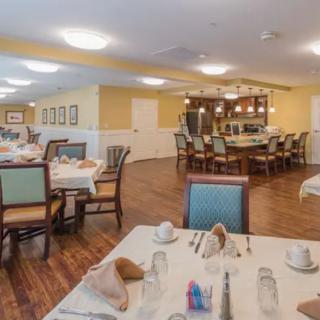
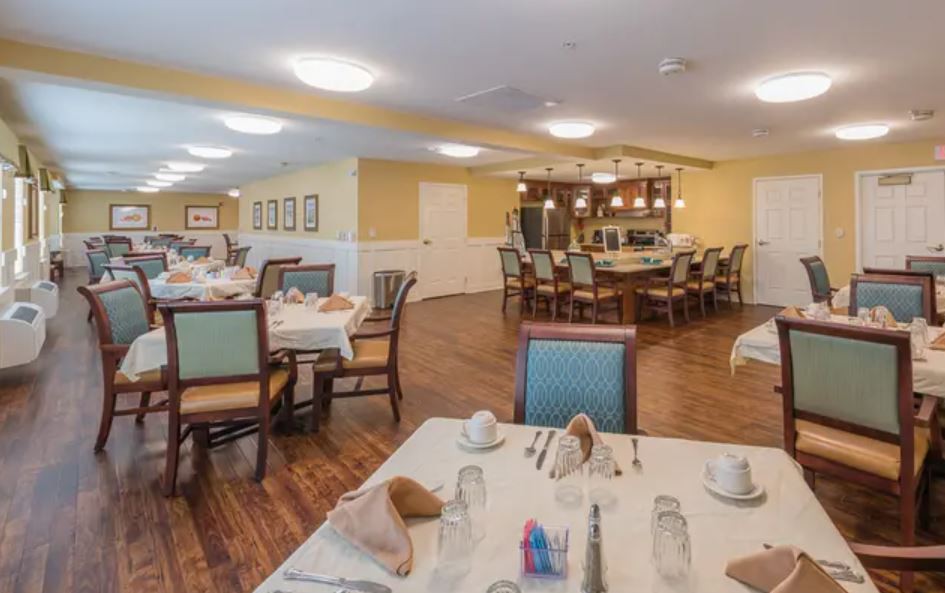
 Dining room
 Fully furnished
 Garden
 Housekeeping services
 Move-in coordination
 Outdoor space
 Telephone
 Wi-Fi/high-speed internet available
 Yeager (4 miles away)
 24-hour supervision
 Activities of daily living assistance
 Assistance with bathing
 Assistance with dressing
 Assistance with transfers
 Diabetes diet
 Meal preparation and service
 Medication management
 Special dietary restrictions
 Transportation arrangement (medical)
 Transportation to doctors appointments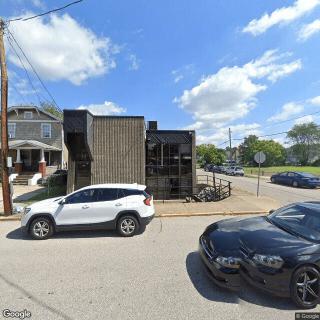
 Time to listen to clients and build meaningful, client-centered relationships in a compassionate, home-like setting.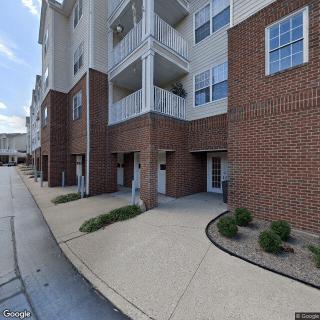

 Beyond the Bingo Hall: 50+ Enriching Activities for Seniors in Assisted Living
 Understanding the Distinctions: Assisted Living and Memory Care Explained
 Guiding Elderly Parents Who Refuse Assisted Living: 6 Practical Steps