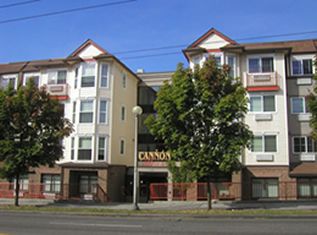
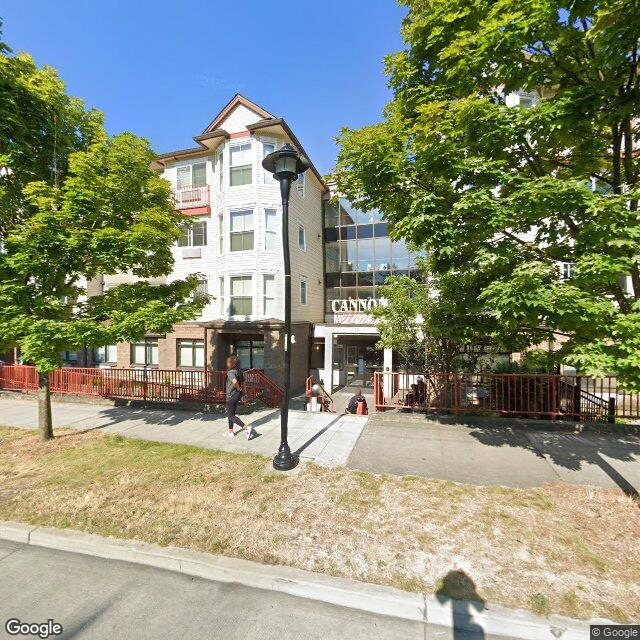
113 23rd AVENUE SOUTH, Seattle, WA 98144
For more information about senior living options: (866) 208-4318
The Cannon House Costs & Pricing
The Cannon House offers competitive pricing for its accommodations, with monthly costs that are significantly lower than both King County and the broader Washington state averages. For instance, a studio at The Cannon House is priced at $2,600, which is notably more affordable compared to the county's average of $4,464 and the state average of $4,126. Similarly, the one-bedroom units at The Cannon House are listed at $3,000, while King County residents generally face an average rent of $5,127 and the statewide figure sits at $4,632. This positions The Cannon House as an attractive option for those seeking quality living spaces without the hefty price tag typically associated with this region.
| Floor plans | The Cannon House | King County | Washington |
|---|---|---|---|
| Studio | $2,600 | $4,464 | $4,128 |
| 1 Bedroom | $3,000 | $5,127 | $4,634 |
Assisted Living communities with a similar price nearby
-
About the same
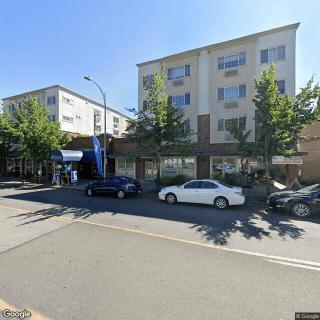
Admiral Heights
$2,575 to $2,975 / month4.1 miles away -
from -$263 / mo

Marine Courte Memory Care
$2,337 to $3,228 / month17.1 miles away -
from +$200 / mo
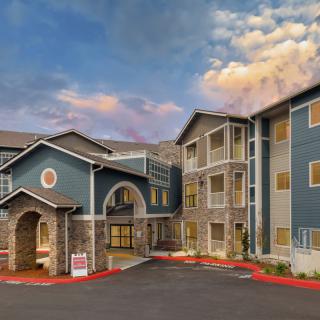
Cadence at Kent Meridian
$2,800 to $5,200 / month16.1 miles away -
About the same

Sound Vista Village
$2,550 to $3,150 / month23.5 miles away -
from +$400 / mo

Cogir of Mill Creek
$3,000 to $5,200 / month18.5 miles away
Overall Review of The Cannon House
Pros
 The facility offers a blend of assisted living and independent living options to suit different needs.
- Residents have access to nearby medical services.
- The community provides activities to keep residents engaged.
- The facility presents itself as a comprehensive senior living community.
- The environment is oriented toward supporting resident well-being and daily living.
Cons
 The staff are rude.
- They had to wait ten minutes to be admitted, and a resident had to let them in.
- They were not escorted to where they needed to go and were given directions with an attitude.
- The service was horrible.
- The staff do not speak enough English to help residents obtain prescribed medications.
- There is short staffing and non-compliance with state regulations; the facility is closed to new residents by the state.
- Nobody speaks English.
Review
The Cannon House in Seattle is best suited for independent seniors who can navigate daily life with minimal hands-on support and for families that are prepared to supervise care, manage communication gaps, and tolerate uneven service in exchange for lower costs and some programming. The community appears to attempt a blended model with a mix of residents and a focus on activities and nearby medical resources, but the execution falls short in reliability and clarity. In short, it works for residents who can self-advocate and for families willing to police quality, rather than for those needing steady hands-on assistance.
Those evaluating alternatives should note that this is not the right fit for anyone who depends on consistent medication management, clear English-language communication from staff, or strict adherence to regulatory standards. The reviews repeatedly flag language barriers among service staff and medication-support personnel, along with concerns about short-staffing and state-regulatory compliance. If safety, predictable operations, and easy access to English-speaking caregivers are priorities, other communities with proven staffing metrics and stronger oversight deserve consideration.
On the upside, some reviewers acknowledge there is a large, active community and a stated emphasis on near-medical support and programming. The presence of activities and a sizable resident mix can offer social opportunities for those who can participate without requiring intensive supervision at all times. The cited line about “100 assisted living – 20 independent + near medical + activities” hints at a structured environment that could serve residents who want social engagement and a reminder of medical proximity, if staffing and communication barriers can be navigated effectively.
The core drawbacks are hard to overlook. Rudeness by staff, lengthy delays at entry, and directions given with attitude undermine confidence in daily operations. The most troubling issues center on language barriers: staff reportedly do not communicate sufficiently in English to coordinate medications or understand residents’ needs, which raises questions about safe medication administration and accurate care planning. Short staffing and alleged non-compliance with state regulations compound these concerns, while reports that the state has restricted new admissions point to instability or ongoing compliance scrutiny. The sense across several reviews is that the environment can feel chaotic, unwelcoming, and difficult to rely upon for consistent care.
These cons are not easily offset by the positives. The potential for near-medical oversight and an active program is meaningful for some, but it cannot compensate for persistent communication gaps, safety risks around medication handling, or ongoing regulatory questions. In practical terms, the risk profile here centers on operational reliability: if staff communication is unreliable and regulatory compliance is in question, the daily experience of residents, especially those needing help with meds or frequent supervision, will struggle to meet basic expectations. The overall impression is of a facility with pockets of life and purpose, overshadowed by fundamental service deficits that can erode trust and safety over time.
For families weighing options, the recommendation is to approach The Cannon House with a detailed due-diligence plan. Seek the most recent state inspection and any corrective action reports, request conversations with multiple staff shifts to gauge language proficiency, and verify the processes for medication administration and regulatory compliance. If opting to visit, insist on practical demonstrations of how staff handle meds, scheduling, and access to English-speaking caregivers. Have a clear exit or transition plan in case care needs escalate or dissatisfaction remains high. If these assurances cannot be obtained, or if the family cannot supervise day-to-day care effectively, it is prudent to explore other communities in Seattle with stronger staffing stability, clearer communication, and proven regulatory track records.
 91 resident community capacity
 Assisted Living
 Independent Living
 Activities off-site
 Air-conditioning
 Bath tubs
 Beautician on-site
 Cable or satellite TV
 Computer center
 Devotional services off-site
 Dining room
 Fitness room
 Fully furnished
 Gaming room
 Garden
 Housekeeping services
 Indoor common areas
 Kitchenette
 Move-in coordination
 Outdoor common areas
 Private bathrooms
 Restaurant-style dining
 Small library
 Telephone
 Wellness center
 Wheelchair accessible showers
 Wi-Fi/high-speed internet available
 Seattle-Tacoma International (10 miles away)
 Community operated transportation
 12-16 hour nursing
 24-hour call system
 Ambulatory care
 Assistance with bathing
 Assistance with dressing
 Assistance with transfers
 Diabetes diet
 Diabetic care
 Medication management
 Mental wellness program
 Special dietary restrictions
 Concierge services
 Planned day trips





 Is Assisted Living Deductible on Your Taxes? Understanding the Complexities of Assisted Living Expenses and Deductions
 Assisted Living Support for Veterans: A Complete and Detailed Overview
 Exploring the Contrasts Between Assisted Living and Skilled Nursing