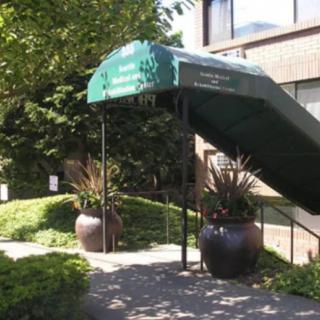
Seattle Medical Post Acute Care in Seattle, WA

Save

Seattle Medical Post Acute Care in Seattle, WA

555 16Th Avenue, Seattle, WA 98122

For more information about senior living options: (844) 490-3973

3.9 from 33 reviews
5 stars
22
4 stars
2
3 stars
1
2 stars
1
1 stars
7

Skilled Nursing Facility

Overall Review of Seattle Medical Post Acute Care

Pros

  • pro Seattle Medical has a great caring team, and the collaboration between the respiratory team and the nursing staff creates positive experiences for patients.
  • pro Seattle Medical is a wonderful, caring facility where the staff go above and beyond to care for the residents.
  • pro The respiratory department at Seattle Medical is professional and compassionate.
  • pro The center features a remarkable clinical team and offers comprehensive therapies, including physical therapy, occupational therapy, and speech therapy.
  • pro The director is working hard to update systems and programs and is great to work with.
  • pro The staff, especially Cary, are doing a terrific job - even in difficult circumstances.
  • pro Seattle Medical Post Acute Care offers 24-hour care that supports patients during recovery.

Cons

  • pro The facility is disgusting and uncaring toward patients.
  • pro Patients have contracted serious infections and wounds due to poor care.
  • pro The staff are often lazy, disrespectful, and lacking proper credentials.
  • pro The building is old, dirty, and rooms are unsanitary (urine on floors, stained sheets).
  • pro Care focuses on following rules and doing as little as possible rather than rehabilitation.
  • pro Ambulances are delayed or blocked, and emergency care is not promptly provided.
  • pro Billing and insurance practices are described as fraudulent or misleading.
  • pro Families are advised not to bring loved ones here.
  • pro There are reports of abuse, neglect, and even deaths tied to the facility.
  • pro Management is criticized as profit-driven and lacking empathy.

Review

Seattle Medical Post Acute Care is best suited for families seeking intensive post-acute rehab and medical oversight in a setting that can deliver a broad rehab menu and close respiratory-nursing collaboration, provided there is an expectation of active family involvement. The facility yields value when staff are engaged, the therapy team is accessible, and a 24-hour care framework is reliably in place. This is not a cookie-cutter skilled-nursing option; it is a center where progress hinges on robust interaction among nurses, therapists, and clinicians, plus a willingness from families to monitor care and advocate for clear goals. Those who want a consistently quiet, risk-free environment with instant, flawless daily care may want to look elsewhere.

Explicitly, families who may want to consider alternatives include those whose top priorities are rock-solid safety, precise infection control, and spotless day-to-day operations with minimal family oversight. Several reviews flag serious lapses in basic care - delays in responding to needs, cleanliness concerns, and periods of apparent neglect or mismanagement. For anyone whose tolerance for variability in staffing and accountability is low, or who cannot dedicate time to vigilantly review care plans and outcomes, more highly regulated or more uniformly staffed facilities could be a safer fit. In short, the best match is a family prepared to supervise care closely and push for transparent, consistent service.

On the upside, when Seattle Medical Post Acute Care functions at its strongest, the key advantages are clear and meaningful. A substantial cohort of staff members - nurses, aides, and therapy teams - works in a collaborative culture, with positive mentions of the respiratory team coordinating with nursing and therapy to support recovery. The rehab portfolio - physical therapy, occupational therapy, and speech therapy - appears available and capable, with some residents benefiting from dedicated therapists who help drive measurable gains. Residents who value 24-hour attention, comprehensive wound care, and a holistic approach with activities and social engagement can find appreciable quality here, especially when administration is proactive about updating systems and programs.

However, the most sobering part of the picture is the frequency and severity of negative experiences voiced by families. Accounts allege prolonged response times to calls, neglect of wounds or essential care, or lapses in basic hygiene and daily living tasks like laundry and room cleanliness. There are repeated claims of patients deteriorating after admission, with infections, bedsores, or insufficient therapy, and in some cases, long hospitalizations or worse. Several reviewers describe discharge practices that feel rushed or misaligned with medical needs, and accusations of miscommunication or even fraud regarding insurance use. These narratives are not mere complaints; they represent real risks that demand serious scrutiny.

Yet the facility also garners praise from others who emphasize heartfelt care, dependable clinical teams, and meaningful progress. Positive comments point to staff who "go above and beyond," to nurses and aides who provide steady presence, and to therapists who help patients regain function and gain confidence. Families have highlighted transportation support for treatments, the presence of social workers who advocate for goals, and the leadership's willingness to address problems when they surface. The contrast is stark: a place capable of outstanding, compassionate care in favorable conditions, paired with episodes that signal deep structural vulnerabilities.

For families weighing a decision, a practical framework helps separate the strong signals from the noise. If choosing Seattle Medical Post Acute Care, insist on a concrete, written care plan with daily goals and a clear escalation path for any decline in status. Request transparent, prompt communication from nursing and therapy teams, and verify staffing levels and turnover patterns. Probe the wound-care protocol, infection-control practices, and the cadence of doctor visits. Seek recent patient outcomes data, discharge planning clarity, and a track record of timely, appropriate responses to emergencies. It is essential to have a designated family liaison who can advocate, document progress, and ensure that care stays aligned with medical needs and stated goals.

In the end, Seattle Medical Post Acute Care can be a powerful option for rehabilitation-focused families willing to engage actively in care management. The upside of strong rehab, collaborative clinical teams, and genuine kindness is real, and several reviews affirm that experience. The downside is equally real and nontrivial: inconsistent care, safety lapses, and troubling anecdotes that can culminate in serious harm. The decisive question is whether the family can establish a robust oversight plan, demand accountability, and maintain a relentless focus on safety and outcomes. If yes, the facility can deliver substantial recovery - but if not, alternatives that offer steadier daily operations and more predictable oversight may be the wiser choice.

Features

Housing

  • 103 resident community capacity 103 resident community capacity

Types of Care

  • Skilled Nursing Facility Skilled Nursing FacilitySkilled Nursing Facilities are crucial for seniors as they provide round-the-clock medical care, rehabilitation services, and assistance with daily activities. These facilities ensure that seniors receive the specialized care they need to maintain their health and well-being as they age.

Amenities

  • Air-conditioning Air-conditioningAir conditioning is important for seniors as they are more vulnerable to heat-related illnesses and may have underlying health conditions that make it difficult for them to regulate their body temperature. It helps to keep them comfortable, safe, and healthy in hot weather.
  • Beauty salon Beauty salonBeauty salons are important for seniors because they provide a space for them to feel pampered, socialize, and maintain their personal grooming and hygiene. Regular visits to a beauty salon can help boost seniors' self-esteem and overall well-being.
  • Cable or satellite TV Cable or satellite TVCable or satellite TV is important for seniors because it provides entertainment, news, and companionship, helping to combat loneliness and boredom. It also offers a wide range of programming options tailored to different interests and preferences.
  • Computer center Computer centerA computer center is essential for seniors as it provides access to technology, communication tools, and resources that can enhance their daily lives. It allows them to stay connected with loved ones, engage in online activities, and learn new skills, ultimately promoting socialization and mental stimulation.
  • Dining room Dining roomDining rooms are important for seniors as they provide a space for socialization, connection, and nutritious meals. They offer opportunities for residents to bond over shared meals, foster a sense of community, and promote healthy eating habits. Dining rooms also ensure that seniors have access to well-balanced meals tailored to their dietary needs and preferences.
  • Fitness room Fitness roomHaving a fitness room in a senior living community is essential for seniors to stay active, maintain their physical health, and improve their overall well-being. Regular exercise can help prevent falls, reduce the risk of chronic diseases, and promote mental sharpness. It also provides social opportunities for residents to connect with others and enjoy a sense of community.
  • Fully furnished Fully furnishedFully furnished senior living communities are important for seniors because they provide convenience, comfort, and a hassle-free moving experience. Seniors can easily settle into their new living space without the stress of having to buy and move furniture. This allows them to focus on enjoying their new home and community.
  • Gaming room Gaming roomGaming rooms are important for seniors as they provide a fun and engaging environment for socializing, cognitive stimulation, and physical activity. Games can improve memory, problem-solving skills, and overall mental well-being while fostering friendships and reducing feelings of isolation.
  • Garden GardenGardens are important for seniors as they provide a peaceful and therapeutic environment for relaxation, physical activity, and socialization. Being in nature has been shown to reduce stress, improve mood, and promote overall well-being. Gardens also offer opportunities for seniors to engage in gardening activities, which can improve mobility, flexibility, and cognitive function. Additionally, gardens create a sense of community and connection with others who share a passion for plants and outdoor spaces.
  • Housekeeping services Housekeeping servicesHousekeeping services are important for seniors because they help maintain a clean and safe living environment, promote independence, and reduce the risk of accidents or illnesses. Additionally, having assistance with household chores can alleviate physical strain and allow seniors to focus on other aspects of their well-being.
  • Kitchenette KitchenetteKitchenettes are important for seniors living in senior living communities because they provide the convenience and independence of being able to prepare simple meals and snacks in the comfort of their own living space. This can help promote a sense of autonomy and well-being for seniors, allowing them to maintain some level of control over their dietary choices and daily routines.
  • Move-in coordination Move-in coordinationMove-in coordination is important for seniors because it helps ease the transition into their new living environment. It ensures that all logistics, such as packing, organizing movers, and setting up utilities are taken care of, allowing seniors to focus on settling in and adjusting to their new home. Having a smooth move-in process can alleviate stress and anxiety, making the transition smoother and more enjoyable for seniors.
  • Outdoor space Outdoor spaceOutdoor spaces are important for seniors as they provide opportunities for physical activity, social interaction, exposure to natural light and fresh air, and a sense of connection to nature. Having access to outdoor spaces can improve overall well-being and quality of life for older adults living in senior communities.
  • Private bathrooms Private bathroomsPrivate bathrooms are important for seniors in senior living communities because they provide independence, dignity, and comfort. Having a private bathroom allows seniors to maintain their personal hygiene routines without the need for assistance, promoting a sense of autonomy and privacy. Additionally, private bathrooms help prevent the spread of infections and provide a safe and clean environment for seniors to navigate safely.
  • Restaurant-style dining Restaurant-style diningRestaurant-style dining is important for seniors because it allows them to enjoy delicious, nutritious meals in a social and upscale setting. This enhances their dining experience, promotes healthy eating habits, and fosters socialization with fellow residents, ultimately contributing to their overall well-being and quality of life.
  • Small library Small librarySmall libraries are important for seniors as they provide access to a variety of reading materials, including books, newspapers, and magazines. This can help stimulate their minds, keep them engaged, and provide a sense of community through book clubs and other social activities. Additionally, reading has been shown to improve cognitive function and overall mental well-being in older adults.
  • Telephone TelephoneTelephones are important for seniors as they provide a lifeline for communication with loved ones, emergency services, and healthcare providers. They offer a sense of security and independence, enabling seniors to stay connected and access assistance when needed.
  • Wellness center Wellness centerWellness centers are important for seniors because they offer a variety of programs and services that promote physical, mental, and emotional well-being. These centers provide opportunities for exercise, socialization, education, and relaxation, helping seniors maintain their overall health and quality of life.
  • Wi-Fi/high-speed internet available Wi-Fi/high-speed internet availableWi-Fi/high-speed internet is important for seniors to stay connected with loved ones, access online resources, and participate in virtual activities to combat feelings of loneliness and isolation. It also allows them to easily manage healthcare needs, access entertainment, and engage in lifelong learning opportunities.

Transportation

  • Seattle-Tacoma International (11 miles away) Seattle-Tacoma International (11 miles away)
  • Community operated transportation Community operated transportationCommunity operated transportation is crucial for seniors as it provides them with the means to access essential services, social activities, and medical appointments. It allows seniors to maintain their independence and quality of life by ensuring they can participate in activities outside of their homes. Additionally, community-operated transportation services offer a safe and reliable way for seniors to travel without having to rely on family or friends for assistance.
  • Transportation arrangement Transportation arrangementTransportation arrangements are crucial for seniors as they may face challenges with driving, mobility, or access to public transportation. Having reliable transportation services ensures that seniors can easily attend appointments, social activities, and maintain their independence and quality of life.
  • Transportation arrangement (non-medical) Transportation arrangement (non-medical)Transportation arrangements are essential for seniors as they provide access to essential services, activities, and social interactions outside the home. This service helps maintain independence, mobility, and overall well-being for seniors who may have limited transportation options.
  • Transportation to doctors appointments Transportation to doctors appointmentsTransportation to doctors appointments is crucial for seniors as it ensures they have access to necessary medical care and support, promoting their health and well-being. It allows them to receive timely treatment, monitor existing conditions, and address any new health concerns efficiently. Additionally, transportation services can help seniors maintain their independence and quality of life by enabling them to stay connected with their healthcare providers.

Care Services

  • 12-16 hour nursing 12-16 hour nursing12-16 hour nursing care is crucial for seniors in order to ensure around-the-clock monitoring, timely medication administration, and prompt response to any health concerns or emergencies. This level of care helps to promote the overall well-being and safety of seniors living in senior living communities.
  • 24-hour call system 24-hour call system24-hour call systems are important for seniors because they provide peace of mind and immediate assistance in case of emergencies. This technology ensures that help is always available, promoting safety and security for elderly individuals living alone or in assisted living facilities.
  • 24-hour supervision 24-hour supervision24-hour supervision is important for seniors to ensure their safety, well-being, and access to immediate assistance in case of emergencies or health issues. This constant support provides peace of mind for both seniors and their loved ones, allowing them to age in place with dignity and security.
  • Activities of daily living assistance Activities of daily living assistanceActivities of daily living assistance are important for seniors because they provide essential support with tasks such as eating, bathing, dressing, and mobility. This assistance helps seniors maintain their independence, dignity, and overall quality of life as they age.
  • Assistance with bathing Assistance with bathingAssistance with bathing is crucial for seniors as it helps maintain personal hygiene, prevents infections, and ensures their overall well-being and comfort. It also provides a sense of dignity and independence for seniors who may struggle with this task on their own.
  • Assistance with dressing Assistance with dressingAssistance with dressing is important for seniors because it helps maintain their independence, promotes personal hygiene, prevents accidents and injuries, and improves overall quality of life. This service ensures that seniors can continue to dress comfortably and confidently, despite any physical limitations they may have.
  • Assistance with transfers Assistance with transfersAssistance with transfers is crucial for seniors as it helps prevent falls and injuries, maintains their independence, and ensures they can safely navigate their living environment. It also provides peace of mind for both seniors and their loved ones.
  • Diabetes diet Diabetes dietA diabetes diet is crucial for seniors as it helps manage blood sugar levels, reduce risks of complications, and improve overall health and well-being. By following a balanced and nutritious diet tailored to their specific needs, seniors can better control their diabetes and enhance their quality of life.
  • Meal preparation and service Meal preparation and serviceMeal preparation and service are crucial for seniors as they may have limited mobility or energy to cook nutritious meals. Having access to healthy and convenient food options can ensure they are getting the proper nutrition needed to maintain their overall health and well-being.
  • Medication management Medication managementMedication management is crucial for seniors to ensure they are taking the right medications at the correct dosages and times. This helps prevent adverse drug interactions, reduces the risk of medication errors, and promotes overall health and well-being. Proactive management also allows for adjustments as needed based on changing health conditions or new prescriptions.
  • Mental wellness program Mental wellness programMental wellness programs are essential for seniors as they promote cognitive stimulation, emotional support, and social engagement. These programs help prevent isolation, depression, and cognitive decline, ultimately enhancing the overall quality of life for older adults.
  • Special dietary restrictions Special dietary restrictionsSpecial dietary restrictions are important for seniors because age-related changes in metabolism and health conditions can make it difficult for their bodies to process certain foods. By following a diet tailored to their specific needs, seniors can maintain their overall health and well-being, manage chronic conditions, and reduce the risk of complications such as malnutrition or food interactions with medications.

Dining

  • Diabetes diet Diabetes dietA diabetes diet is crucial for seniors as it helps manage blood sugar levels, reduce risks of complications, and improve overall health and well-being. By following a balanced and nutritious diet tailored to their specific needs, seniors can better control their diabetes and enhance their quality of life.
  • Special dietary restrictions Special dietary restrictionsSpecial dietary restrictions are important for seniors because age-related changes in metabolism and health conditions can make it difficult for their bodies to process certain foods. By following a diet tailored to their specific needs, seniors can maintain their overall health and well-being, manage chronic conditions, and reduce the risk of complications such as malnutrition or food interactions with medications.

Activities

  • Community-sponsored activities Community-sponsored activitiesCommunity-sponsored activities are important for seniors as they provide opportunities for social interaction, mental stimulation, and physical activity. These activities can help improve overall well-being, combat loneliness and isolation, and promote a sense of belonging and purpose among older adults.
  • Concierge services Concierge servicesConcierge services are essential for seniors as they provide assistance with daily tasks and errands, enhance their quality of life by offering convenience and personalized care, and promote a sense of safety and security.
  • Fitness programs Fitness programsFitness programs are crucial for seniors as they help improve strength, flexibility, balance, and overall well-being. Staying active can reduce the risk of chronic diseases, improve mental health, and enhance quality of life in older adults.
  • Planned day trips Planned day tripsPlanned day trips are important for seniors because they offer opportunities for socialization, mental stimulation, and physical activity. They provide a change of scenery and help seniors stay engaged and connected to their community, promoting overall well-being and quality of life.
  • Resident-run activities Resident-run activitiesResident-run activities are important for seniors as they encourage social interaction, creativity, and a sense of autonomy. These activities empower seniors to stay engaged and active in their community while fostering meaningful connections with their peers.
  • Scheduled daily activities Scheduled daily activitiesScheduled daily activities are important for seniors because they provide structure, socialization, mental stimulation, and physical activity. Engaging in regular activities can improve overall well-being and quality of life for seniors living in a community setting.

Description

Seattle Medical Post Acute Care is a premier assisted living community located in Seattle, WA. With a wide range of amenities and care services, we strive to provide a comfortable and enjoyable environment for our residents.

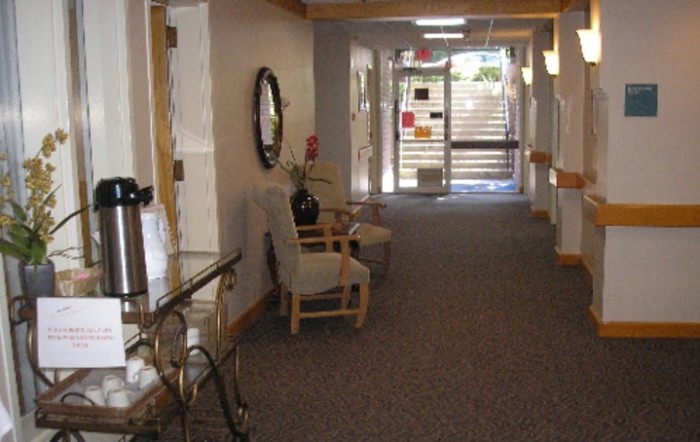
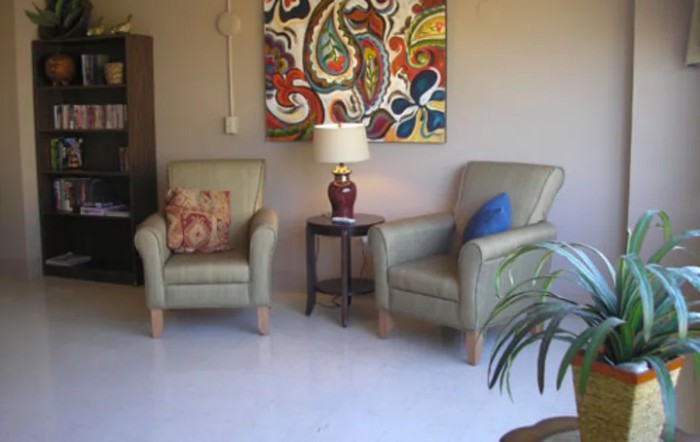
Our community offers various amenities designed to enhance the quality of life for our residents. From a beauty salon where they can pamper themselves to a fully furnished living space, our residents can enjoy the comforts of home. They can also stay entertained with cable or satellite TV, gaming room, small library, and computer center. Outdoor enthusiasts can relax in the garden or make use of the outdoor space available.

We understand the importance of good nutrition and offer restaurant-style dining with special dietary restrictions taken into account. Our dedicated kitchen staff prepares delicious meals that cater to diabetic diets and other specific needs. Additionally, housekeeping services ensure that our residents' living spaces are always tidy and well-maintained.

At Seattle Medical Post Acute Care, we provide 24-hour call system and supervision to ensure the safety and wellbeing of our residents at all times. Our caring staff is available to assist with activities of daily living such as bathing, dressing, transfers, and medication management. We also offer transportation arrangements for non-medical purposes as well as to doctors' appointments.

To foster an active lifestyle, we organize various activities on a daily basis. From fitness programs to planned day trips and resident-run activities, there is always something engaging for our residents to participate in. Additionally, concierge services are available to assist with any personal needs or inquiries.

With numerous cafes, pharmacies, restaurants, parks, theaters nearby along with easy transportation options and hospitals in close proximity; Seattle Medical Post Acute Care provides convenient access to various amenities and medical facilities.

We take pride in providing excellent care in a welcoming environment that promotes wellbeing and independence for our residents. Choose Seattle Medical Post Acute Care for exceptional assisted living experience in Seattle.

Nearby Places of Interest

Hospitals

  • Swedish Medical Center (0.4 miles)
  • Harborview Medical Center (0.6 miles)
  • Uw Medical Center Cafeteria (2.9 miles)

Restaurants

  • Chuck's Hop Shop (0.5 miles)
  • Optimism Brewing Company (0.5 miles)
  • Molly Moon's Homemade Ice Cream (0.6 miles)
  • Salt & Straw (0.7 miles)
  • Linda's Tavern (0.7 miles)
  • Seattle Fish Guys (0.7 miles)
  • Dick's Drive-In (0.9 miles)

Cafes

  • Squirrel Chops (0.5 miles)
  • Oddfellows Cafe & Bar (0.6 miles)
  • Starbucks (0.9 miles)
  • Analog Coffee (1.1 miles)
  • Nana’s Green Tea (1.2 miles)
  • Espresso Vivace (1.2 miles)
  • Seattle Aquarium Cafe (1.4 miles)

Pharmacies

  • Bartell Drugs - Ebt (0.6 miles)
  • Walgreens (0.7 miles)
  • Walgreens (0.8 miles)
  • Bartell Drugs (1 miles)
  • Bartell Drugs (1 miles)
  • Rite Aid (1 miles)
  • Walgreens (1.1 miles)

Transportation

  • Capitol Hill LINK Station (0.9 miles)
  • King Street Station (1.1 miles)
  • Stadium Station (1.3 miles)
  • Seattle Center Monorail (2 miles)
  • Mount Baker Station (2.3 miles)
  • University of Washington LINK Station (3 miles)
  • Columbia City Station (3.4 miles)

Theaters

  • Regal Meridian & 4DX (1.1 miles)
  • AMC Pacific Place 11 (1.2 miles)

Parks

  • Blue Dog Pond (1.4 miles)
  • Space Needle Park (2 miles)
  • Seattle Center Playground (2 miles)
  • Madison Park (2.3 miles)
  • Kerry Park (2.7 miles)
  • Little Howe Park (2.8 miles)
  • Genesee Park & Playground (3.4 miles)

Physicians

  • Fred Hutchinson Cancer Research Center (1.7 miles)
  • Queen Anne Eye Clinic (3 miles)
  • Seattle Gastroenterology Associates (3.5 miles)

Frequently Asked Questions

Where is Seattle Medical Post Acute Care?
What photos are available for Seattle Medical Post Acute Care in Seattle, Washington?

Nearby Communities

  • Spring Manor

    Spring Manor

    Seattle, WA


    pro Extensive memory care options with on-site dining, transportation, fitness, and engaging activities.



  • American Healthcare Service,  Inc

    American Healthcare Service, Inc

    Seattle, WA


    pro Health-focused dining options and convenient access to nearby amenities.

  • Keiro Northwest

    Keiro Northwest

    Seattle, WA

    4.2 from 13 reviews
     

    pro Vibrant activities and attentive dining with dietary accommodations.

  • Swedish Orthopedic Institute

    Swedish Orthopedic Institute

    Seattle, WA


    pro Excellent access to dining, parks, pharmacies, hospitals, and theaters nearby.

  • Council House Retirement Home

    Council House Retirement Home

    Seattle, WA

    4.2 from 30 reviews
     

    pro Initial commitment to a smoke-free, health-focused community with active resident advocacy

  • Hilltop House Retirement Home

    Hilltop House Retirement Home

    Seattle, WA

    4 from 33 reviews
     

    pro Ideal location with remodeled interiors and a diverse, active resident community.

  • Murano Senior Living

    Murano Senior Living

    Seattle, WA

    4.7 from 84 reviews
    $5,345 to $8,300 / month

    pro Friendly staff, upscale ambiance, and a robust activity program.

  • Fred Lind Manor

    Fred Lind Manor

    Seattle, WA

    3.7 from 26 reviews
    $2,300 to $3,900 / month

    pro Caring staff, well-maintained facilities, and engaging activities in a convenient Seattle location.

  • Aegis on Madison

    Aegis on Madison

    Seattle, WA

    4.2 from 33 reviews
    $2,795 to $11,000 / month

    pro Responsive, caring staff in a well-maintained memory-care community with elegant surroundings.

Related Resources

  • does medicare cover hospiceComprehensive Guide to Medicare Coverage for Hospice Care

    Hospice care focuses on providing comfort and support for individuals nearing the end of life, with Medicare Part A covering services like nursing care and counseling for patients with a terminal illness and a life expectancy of six months or less. While most hospice services are low-cost for eligible patients, families should be aware that certain expenses, such as room and board, may not be covered.

  • caregiver burnoutCaring for Those Who Care: Recognizing, Understanding, and Overcoming Caregiver Burnout

    Caregiver burnout is a common issue resulting from the intense physical, emotional, and mental demands of caregiving, leading to symptoms like fatigue and social withdrawal. To prevent burnout, caregivers should recognize early warning signs and implement self-care strategies, seek support, and prioritize their own well-being alongside that of those they care for.

  • caregiver burnoutCaregiver Exhaustion: Recognizing the Signs and Restoring Your Well-Being

    Caregiver exhaustion, or burnout, stems from the relentless demands of caregiving, leading to emotional and physical depletion characterized by stress, frustration, and neglect of personal needs. Addressing this burden is essential to prevent long-term consequences, with early recognition and support being crucial for caregivers to maintain balance and implement self-care.