
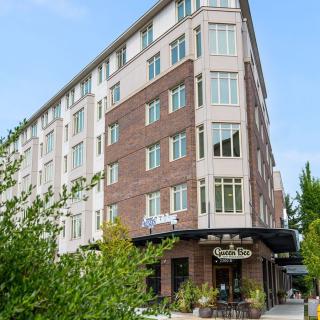
1601 East Yesler Way, Seattle, WA 98122
For more information about senior living options: (866) 208-4318
Overall Review of Keiro Northwest
Pros
 The space is great, with good food options and super friendly staff.
- The place is amazing.
- The facility is one of the best hospitals in Seattle, with high-quality care.
- Daytime staff and healthcare professionals are great.
- There are many activities for the elders, led by optimistic leaders that add a good vibe.
- The food selection is good, and the chefs are attentive to residents' dietary needs.
- A wide range of services is provided, including physical therapy, exercise circles, and occupational therapy.
- Socializing with residents is encouraged, helping them form friendships.
Cons
 Matcha was out of stock.
- Nighttime staff were not as responsive.
- Communication between family members, staff, and patients was not as good as it should be.
- The facility lacked adequate nighttime coverage.
- Two showers a week were not appropriate.
- A few individual staff were sometimes unfriendly.
Review
Keiro Northwest in Seattle is best suited for families seeking a dynamic, therapy-forward environment where daily life encourages activity, social engagement, and practical support for ongoing rehabilitation. This community tends to appeal to residents who value a lively atmosphere, robust daytime staffing, and readily available services that support independence through physical, occupational, and exercise programs. The combination of a spacious setting, pleasant dining options, and approachable staff makes it a compelling choice for seniors who thrive on structured activities, frequent interaction with peers, and convenient access to therapy and transportation for medical appointments.
Those weighing alternatives should note that Keiro Northwest may not be ideal for families prioritizing unwavering night-time vigilance or a uniformly calm, low-key pace. Several reviews highlight weaker responsiveness during night shifts and a desire for stronger, clearer communication among family, staff, and residents. While daytime teams are praised, the perception that night staff and some individual employees can be less reliable or unfriendly introduces enough variability to matter for loved ones who expect near-constant attentiveness, or for residents who have greater needs after hours. Additionally, a concern about biweekly bathing schedules points to staffing realities that may not align with every family’s hygiene expectations and routines.
The strongest evidence of value here centers on the facility’s advantages in activity programming, therapy services, and social integration. Families report plentiful activities led by optimistic coordinators that cultivate engagement and help residents form friendships. The breadth of therapies, physical, occupational, and exercise-oriented, appears both accessible and practical, supporting mobility and daily function. Transportation to appointments is routinely noted as a real convenience, reducing the burden on families and enabling residents to maintain independence in managing external care. Food quality and dietary accommodation are repeatedly cited as solid, with kitchen access and staff responsiveness to dietary needs further strengthening daily life for residents.
Yet the practical realities of staffing and tone cannot be ignored. Night-time coverage remains a recurring theme in resident care discussions, and it can influence perceived safety and responsiveness, particularly for residents who depend on help during late hours. Communication gaps between families and the care team can complicate understanding of daily progress, care planning, and changes in condition. The occasional report of unfriendly staff, though not universal, underscores that consistency in interpersonal interactions is uneven. Taken together, these factors temper the otherwise strong programmatic offerings and require families to weigh the comfort of a busy, activity-rich environment against the desire for steadier, more predictable after-hours care.
In sum, Keiro Northwest stands out for families seeking a vibrant, therapy-enabled setting where social life, mobility-focused care, and practical conveniences like transportation and adaptable meals are clear strengths. It delivers meaningful value for residents who benefit from daytime reliability and an active schedule, and who can tolerate some variability after hours. For those whose loved one needs continuous, highly responsive night-care, or whose family communications require highly proactive, tightly coordinated updates, a less dynamic pace or different staffing pattern elsewhere may be preferable.
To make a well-founded decision, prospective families should prioritize specific questions during tours: how night-shift staffing is allocated and measured, what protocols exist to ensure timely after-hours responses, and how family communications are structured, whether through regular updates, care conferences, or transparent incident reporting. Observe during visits how the day staff interact with residents, how activities are organized and personalized, and whether dietary needs are met with consistent attention. Compare Keiro Northwest to nearby options by evaluating the balance of its extensive activity and therapy calendar against a facility’s after-hours responsiveness, clarity of communication, and overall tone among caregivers. This approach will reveal whether the community’s strengths align with the loved one’s needs and the family’s expectations.
 150 resident community capacity
 Skilled Nursing Facility
 Air-conditioning
 Beauty salon
 Cable or satellite TV
 Computer center
 Dining room
 Fitness room
 Fully furnished
 Gaming room
 Garden
 Housekeeping services
 Kitchenette
 Move-in coordination
 Outdoor space
 Private bathrooms
 Restaurant-style dining
 Small library
 Telephone
 Wellness center
 Wi-Fi/high-speed internet available
 Seattle-Tacoma International (11 miles away)
 Community operated transportation
 12-16 hour nursing
 24-hour call system
 Activities of daily living assistance
 Assistance with bathing
 Assistance with dressing
 Assistance with transfers
 Diabetes diet
 Medication management
 Mental wellness program
 Special dietary restrictions
 Concierge services
 Planned day trips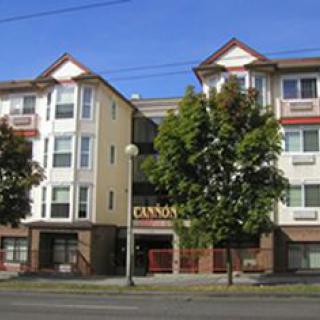




 Exploring Nonmedical Home Care: Understanding Services, Costs, and Financial Approaches
 Engaging Brain Games and Innovative Apps to Keep Senior Minds Active
 Effective Strategies for Keeping Seniors' Minds Active: A Deep Dive into Brain Games and Apps