
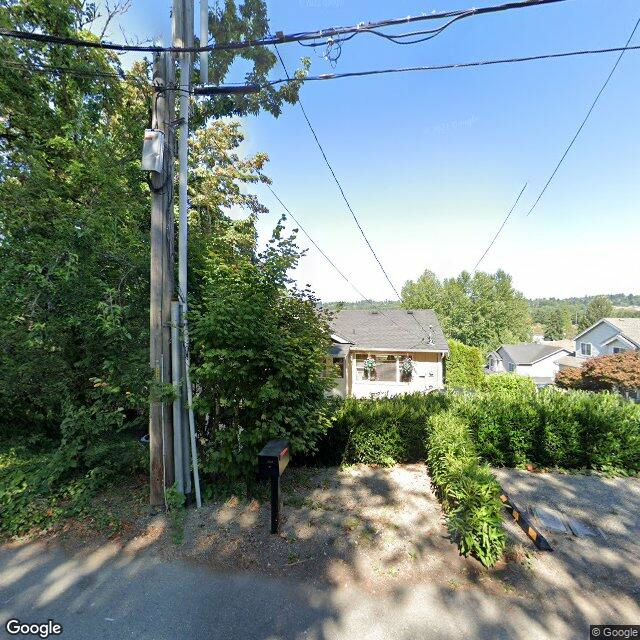
13534 Macadam Rd S, Tukwila, WA 98168
To contact a resident: (206) 992-1271
For more information about senior living options: (866) 208-4318
Macadam Court LLC Costs & Pricing
Macadam Court LLC offers competitive pricing for its private rooms at $3,000 per month, which stands in contrast to the higher costs observed in both King County and the broader state of Washington. In King County, the average monthly cost for similar accommodations reaches $5,034, while the statewide average is approximately $4,772. This substantial difference not only underscores Macadam Court LLC's value proposition but also highlights its commitment to providing quality housing options at a more accessible price point. By positioning itself well below these regional benchmarks, Macadam Court LLC serves as an attractive alternative for those seeking affordability without compromising on quality.
| Floor plans | Macadam Court LLC | King County | Washington |
|---|---|---|---|
| Private | $3,000 | $5,034 | $4,774 |
Senior living communities with a similar price nearby
-
from +$500 / mo
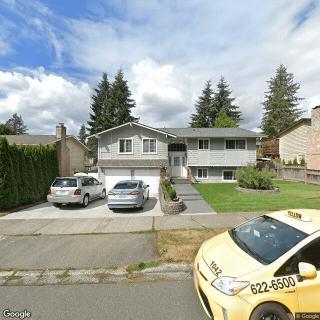
Dignity Life
$3,500 / month24.9 miles away -
from +$375 / mo
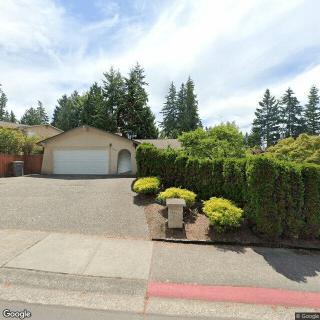
Evergreen Manor Senior Care Inc
$3,375 to $7,500 / month15.5 miles away -
About the same

Hummingbird Homecare
$3,000 / month15.4 miles away -
from -$200 / mo
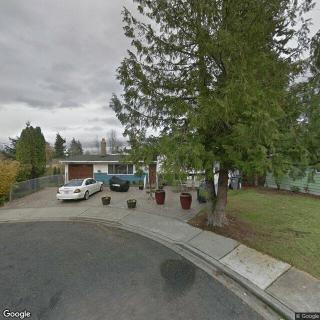
Gold Standard Care
$2,800 / month22.3 miles away -
About the same
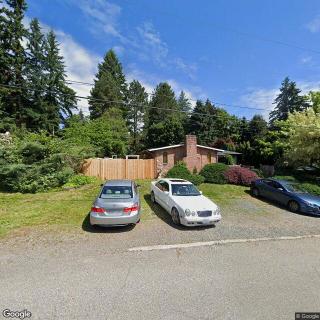
Caring Adult Family Home #1
$3,000 / month19.8 miles away
Overall Review of Macadam Court LLC
Pros
 The facility is well run.
- The facility is air conditioned and the patients are well taken care of.
- The staff treat their patients like resort guests.
- The owners, Daryl and Rebecca, attentively manage medications and treat residents’ needs as their own.
- The caretakers and owners provide support and sympathy to families during difficult times.
- The home offers good food and a cheerful, home-like environment.
- The family is grateful for the quality of care and attention from the Macadam Adult Family Home team.
Cons
 She was transferred from another Home Senior Living facility due to lack of care and communication.
Review
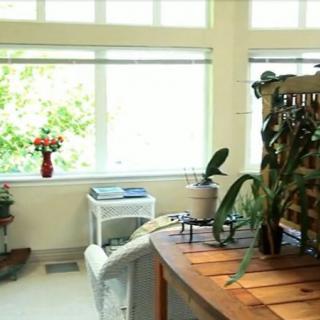
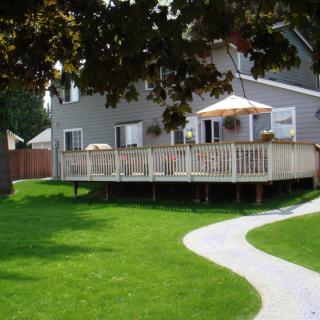
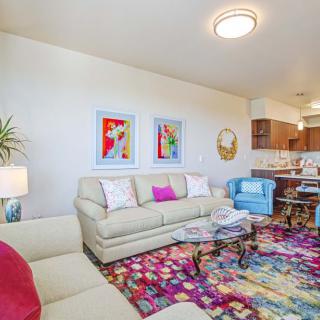
Macadam Court in Tukwila, WA, is best suited for seniors who want a small, hands-on, family-style living arrangement where the owners and a devoted caregiving team directly oversee daily care and medication management. It appeals to families prioritizing transparent communication, rapid responsiveness, and a home-like atmosphere over a large, resort-like campus. Residents who thrive on close-knit routines, personal attention, and staff who remember individual preferences will feel at home here. As an Adult Family Home, the setting typically delivers a calmer pace and highly individualized attention that larger facilities cannot always match.
Those weighing alternatives should consider options if 24/7 licensed nursing on site, comprehensive memory-care programming, or a broad array of on-site therapies are non-negotiable. Larger assisted living campuses can offer more extensive activities, more varied medical staffing and coordinated therapies, and a wider daily social calendar, benefits that matter for residents with complex medical needs or a desire for a robust programming slate. Proximity to family, cost considerations, and the availability of on-site specialists are practical factors that may push families toward other communities if those resources are priorities.
The strongest positives center on leadership and care culture. Owners Daryl and Rebecca are described as deeply involved in individualized medication management and care planning, with a track record of listening and taking action on families’ requests. The caregiving team is portrayed as compassionate, treating residents like family, which reduces family stress and enhances emotional security for residents. The environment’s air-conditioned comfort, together with good food and a cheerful, home-like mood, reinforces a sense of well-being that many families rely on when choosing a long-term home. These elements collectively mitigate the potential fragility of a smaller operation by signaling consistent oversight and genuine concern for each resident.
Despite the clear strengths, the small-scale nature of an AFH introduces tradeoffs. The inherently limited on-site medical resources and smaller staffing pool can constrain the ability to respond to rapid changes in health status or to provide intensive medical supervision. For seniors who anticipate needing more frequent clinical intervention, therapy, or highly specialized care, these constraints may become limiting. The mix of ratings, while dominated by strong endorsements, does include a couple of lower scores, which suggests that occasional hiccups can occur in practice. Prospective families should verify current staffing levels, care planning processes, and the pathways for weekend or after-hours coverage to ensure alignment with expected needs.
Visiting with a prepared checklist will clarify fit. Request a meeting with the owners and the primary caregivers, review current residents’ routines, mealtime experiences, and medication administration procedures, and confirm how doctor visits and emergency responses are coordinated. Assess the everyday atmosphere: sustained staff engagement, resident comfort, social activity quality, and meal presentation. Given the emphasis on communication and accountability in the testimonials, verifying a clear family-update process and predictable escalation paths will distinguish whether the experience matches expectations in day-to-day life.
In sum, Macadam Court offers a practical, compassionate option for families seeking a smaller, home-like environment with hands-on leadership and reliably attentive care. The setting excels in personal attention, responsive problem-solving, and a genuinely cheerful atmosphere that many elders value. It is a compelling choice for those who prize close-knit community living and a direct line to owners who are actively involved in care decisions. However, for seniors requiring extensive medical supervision, rapid escalation of care, or broad-based programming, exploring alternatives with greater clinical resources remains prudent. With careful evaluation, a visit that confirms current realities, and clear expectations set, Macadam Court can serve as a stable, peace-of-mind choice for the right resident.
 Board and Care Home
 Private
 Seattle-Tacoma International (3 miles away)
 Diabetic care




 Understanding the Nuances of Palliative Care and Hospice: A Comprehensive Exploration
 Fecal Incontinence in Older Adults: A Comprehensive Guide
 Recognizing the Journey: Understanding and Navigating Anticipatory Grief