
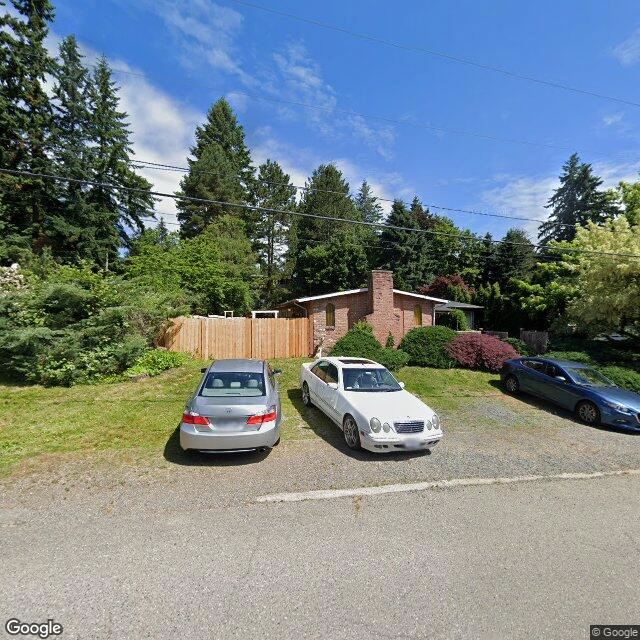
10706 NE 187th St cell 206-351-7635, Bothell, WA 98011
To contact a resident: (425) 806-0544
For more information about senior living options: (866) 208-4318
Caring Adult Family Home #1 Costs & Pricing
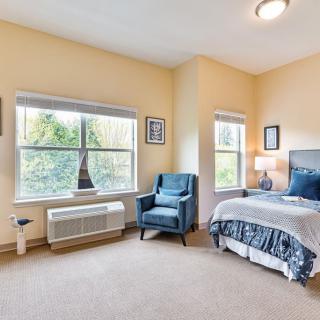
Caring Adult Family Home #1 offers competitive pricing for its services, with both private and studio rooms available at $3,000 per month. This rate stands in stark contrast to the average costs in Snohomish County and across the state of Washington, where private rooms typically range from $4,772 to $4,834, and studio accommodations are priced between $4,126 and $4,443. By positioning itself significantly below these averages, Caring Adult Family Home #1 not only provides a cost-effective solution for those seeking quality care but also reflects a commitment to accessibility without compromising on the standard of living for its residents.
| Floor plans | Caring Adult Family Home #1 | Snohomish County | Washington |
|---|---|---|---|
| Private | $3,000 | $4,834 | $4,774 |
| Studio | $3,000 | $4,443 | $4,128 |
Memory care communities with a similar price nearby
-
from +$500 / mo
Dignity Life
$3,500 / month5.2 miles away -
from +$375 / mo
Evergreen Manor Senior Care Inc
$3,375 to $7,500 / month4.9 miles away -
from -$500 / mo
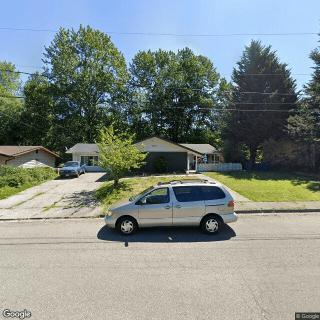
Freedom Care
$2,500 to $3,000 / month21.9 miles away -
from -$500 / mo
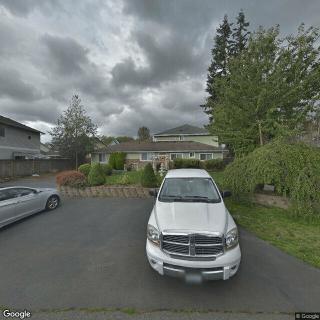
Silver Pond AFH
$2,500 to $3,500 / month9.4 miles away -
About the same

Fairwood Gardens AFH
$3,000 to $6,500 / month22.3 miles away
Overall Review of Caring Adult Family Home #1
Pros
 Veronica and her staff are the kind of caregivers you’d want looking after your loved ones.
- Veronica is truly the best of the best—meticulous about details and full of infectious energy.
- She advocates for residents’ care and ensures each client lives their very best life.
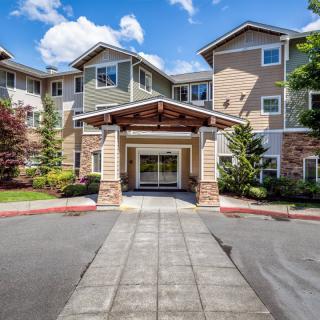
- The home is warm, welcoming, and bright, with residents who are happy, well cared for, and thriving.
- The staff are knowledgeable, kind, and compassionate, taking time to address each resident’s unique needs.
- The facility is exceptionally clean, well maintained, and feels like a home rather than a corporate setting.
- Veronica is deeply engaged with families, keeping them informed and involved in care decisions.
- The environment promotes socialization and around-the-clock attentive care with a solid nurse-to-patient ratio.
- Families feel confident and reassured knowing their loved one is cared for at Elderly Home Care.
Cons
 Finding an adult family home for their father was stressful.
- The initial assisted living arrangement, followed by memory care, didn’t work out well and left their mother unhappy.
- The memory care placement didn’t last long.
Review
Caring Adult Family Home #1 is best suited for families seeking a tightly run, home-like setting where a senior can receive intensely personalized, relationship-driven care. The community shines when a resident benefits from a small, tightly supervised environment with daily hands-on attention, direct oversight by a devoted owner-operator, and a staff that truly treats residents like family. It is especially well-matched for individuals with memory care needs or those who require vigilant daily routines, frequent check-ins, and consistently warm, proactive caregiving. The reviews repeatedly affirm that Veronica and her caregivers create a lively but intimate atmosphere where residents are known, cared for, and engaged in meaningful activities, with meals and social time integrated into the day.
Those who should consider alternatives are residents who require a larger campus with broader clinical resources, a wider menu of specialized therapies, or more formalized programming that comes with bigger assisted living facilities or memory-care campuses. The small size, roughly six to seven residents, means fewer on-site specialties and fewer tiered program tracks than larger communities. Families weighing options for someone who needs intensive, around-the-clock medical oversight, frequent in-house physician visits, or a guaranteed breadth of therapy options may find more robust systems elsewhere. For residents with highly complex medical needs beyond what a small home can sustainably provide, alternatives may be prudent.
The strongest pros reinforce the core value proposition: a genuine, home-like setting paired with meticulous caregiving and transparent communication. The owner’s leadership translates into consistently high standards for medication administration, caregiver training, and daily supervision. Families are kept in the loop, and visits from nurses and a monthly doctor visit provide a dependable medical rhythm without sacrificing the warmth of a small, social environment. Residents eat together, share spaces that feel comfortable rather than clinical, and receive frequent personal attention. Cleanliness, safety, and the sense that “there is always someone watching out for you” permeate the daily routine, turning care into a reliable, predictable experience.
That same intimate model presents the principal trade-off: while the environment makes excellent care feel almost effortless, it naturally comes with limited capacity and scope. The care team cannot match the scale of resources found in larger facilities, and program breadth is more limited. Yet the reviews show that Veronica’s proactive approach and the caregivers’ attentiveness offset these gaps by delivering tailored care plans, quick adjustments for changing needs, and ongoing family involvement. In practice, this means the advantages of a small, caring home, fast communication, personal attention, and a warm, familiar atmosphere, often outweigh the potential downsides of lesser size and fewer specialized programs.
Testimonials from hospice partnerships and long-tenured family relationships underscore a deeper trust: residents are not only well cared for but genuinely loved, safe, and happy. The caregiver team earns confidence through consistency, with feedback loops that involve families and ensure that health changes are addressed promptly. The home’s layout, private rooms, shared dining, accessible outdoor spaces, supports dignity and socialization, while the presence of weekly nursing oversight and monthly physician contact keeps medical needs in focus without sacrificing the homelike feel. These elements contribute to a compelling picture for families prioritizing comfort, stability, and heartfelt care over architectural scale.
For families facing a decision, the bottom line is clear: this AFH is a strong fit when the priority is a nurturing, attentive, and consistent care relationship in a small, welcoming setting. Prospective residents and families should verify that the resident’s medical needs align with what a six-to-seven resident home can sustain, confirm the cadence of medical oversight, and assess whether the resident would benefit from the level of daily personal interaction that Veronica and her team reliably provide. Schedule a direct conversation with Veronica, tour the home, observe meal times and activities, and ask for specific examples of how memory care needs are addressed. If those elements align, this is a choice that tends to deliver peace of mind and lasting well-being for a loved one.
 Board and Care Home
 Memory Care
 Private
 Seattle-Tacoma International (22 miles away)
 Ambulatory care
 Diabetic care
 High acuity care
 Incontinence care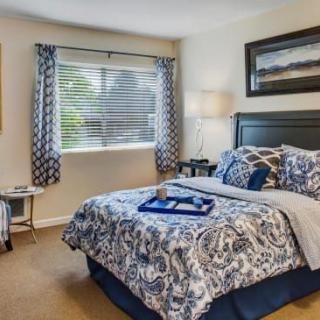
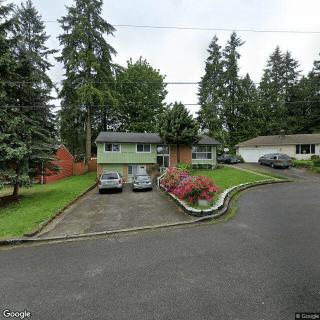

 Memory Care Pathways: A Holistic Guide to Dementia Support
 Comprehending Evening Confusion in Dementia: Causes, Manifestations, and Support
 Delirium and Dementia: Unraveling the Key Differences