Kenmore Senior Living offers competitive pricing compared to both Snohomish County and the broader state of Washington. The monthly rates at Kenmore for studio apartments are $3,000, significantly lower than the county's average of $4,443 and the state's average of $4,126. For semi-private rooms, Kenmore's charge of $3,700 again presents a more affordable option relative to the county's $4,320 and the state's $4,267. Even in the one-bedroom category, at $3,900, Kenmore remains advantageous against regional averages of $5,080 in Snohomish County and $4,632 statewide. Interestingly, for two-bedroom accommodations priced at $4,700, Kenmore surpasses Snohomish County's average of $3,924 but still maintains proximity to the state's average of $4,301. Overall, Kenmore Senior Living positions itself as an attractive choice for those seeking quality senior living at a reasonable price point within its market context.
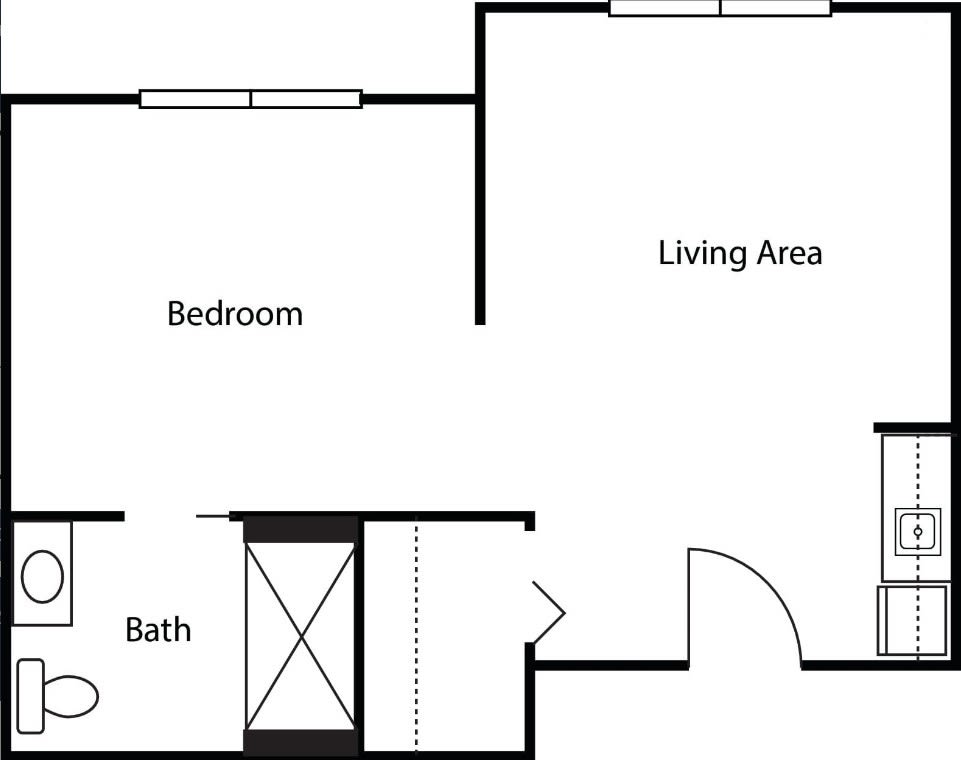
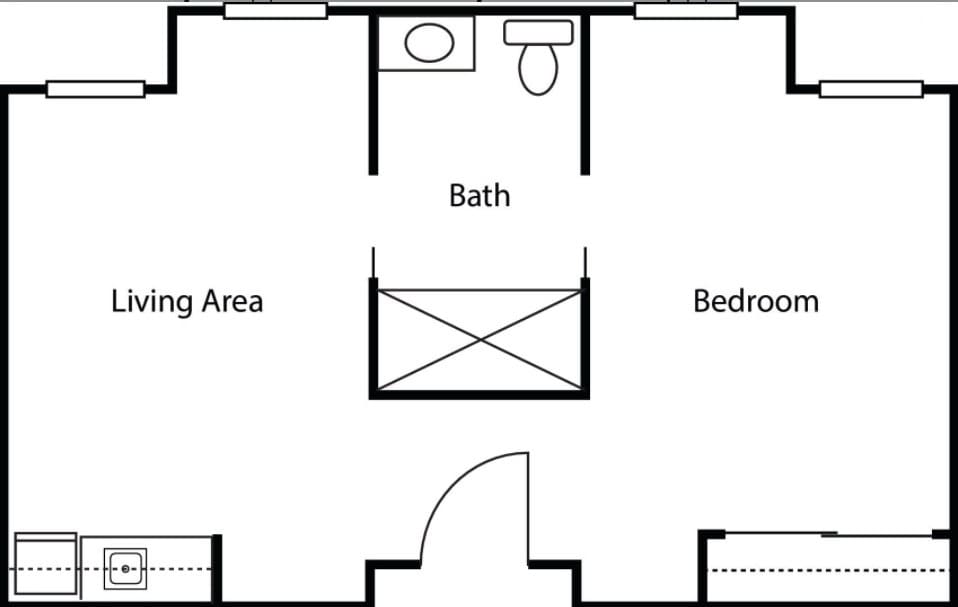
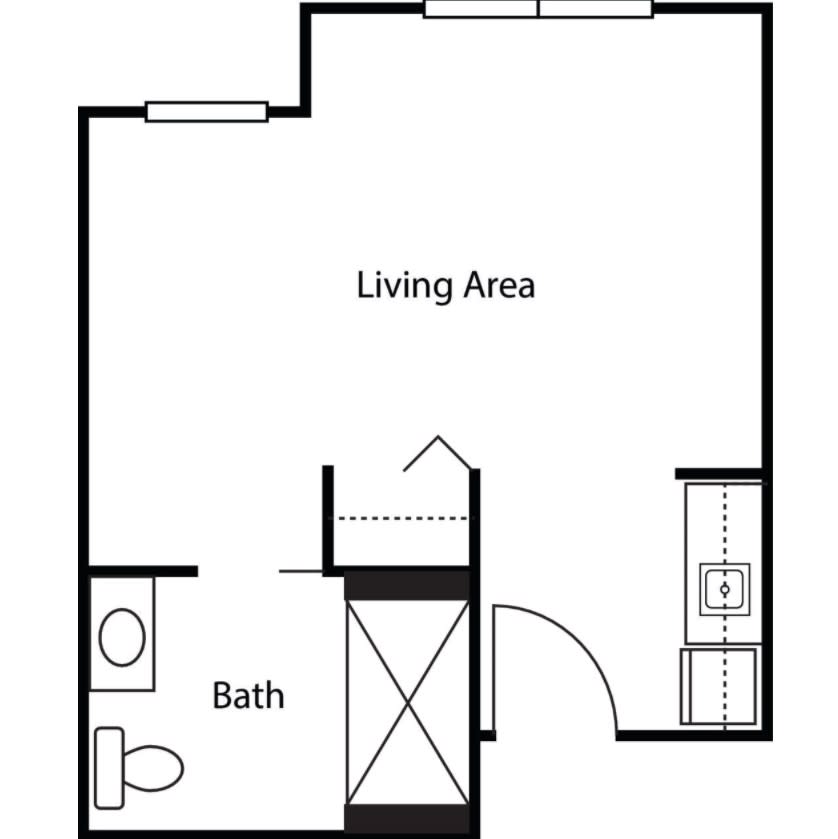
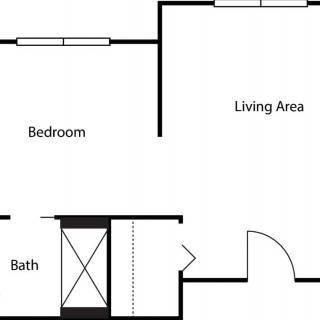
Floor plans
Kenmore Senior Living
Snohomish County
Washington
Studio
$3,000
$4,443
$4,128
Semi-Private
$3,700
$4,320
$4,272
1 Bedroom
$3,900
$5,080
$4,634
2 Bedrooms
$4,700
$3,924
$4,301
Memory care communities with a similar price nearby
Residents and families describe attentive memory care support and prompt health follow-ups.
Several reviews mention memory care, with families describing staff who were patient and caring, and who contacted them about health concerns as they noticed them. In dementia-related situations, residents’ needs were addressed with additional care and help coordinating with outside professionals.
caveat4 reviews mention this
Dining quality seems inconsistent
Dining quality is sometimes described as cold, dry, or disappointing.
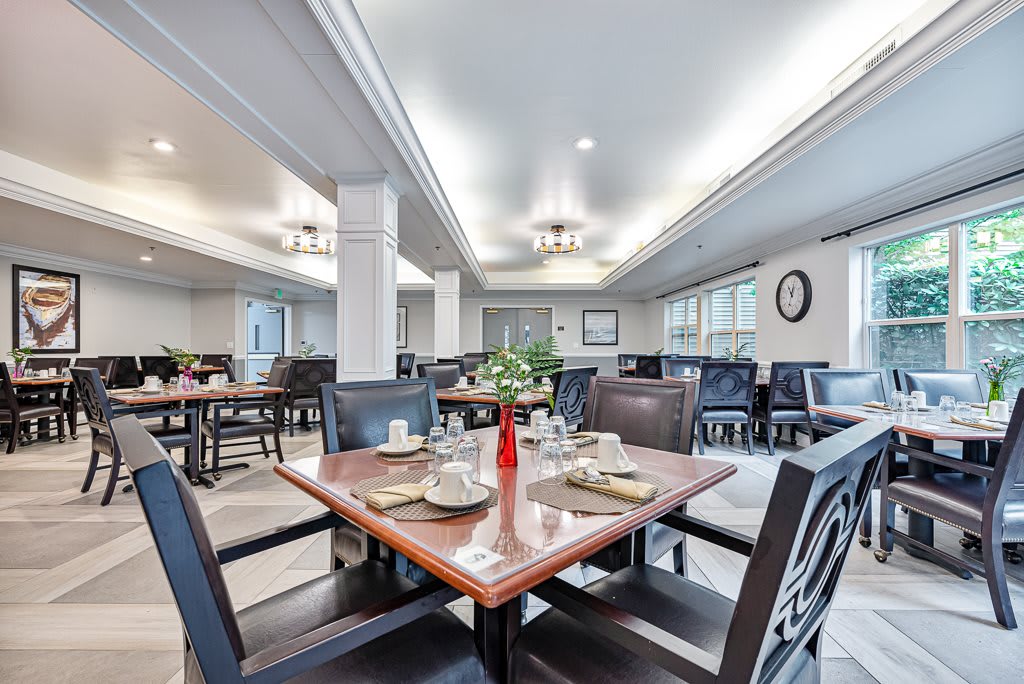
A handful of reviews complain that meals are served cold and that desserts or baked goods can be dry. Some also describe the dining experience as noisy, with lukewarm or cold meals. Other residents describe food positively, so the feedback appears mixed rather than uniformly negative.
caveat5 reviews mention this
Rooms can feel small
Room size and setup are recurring concerns for some families.
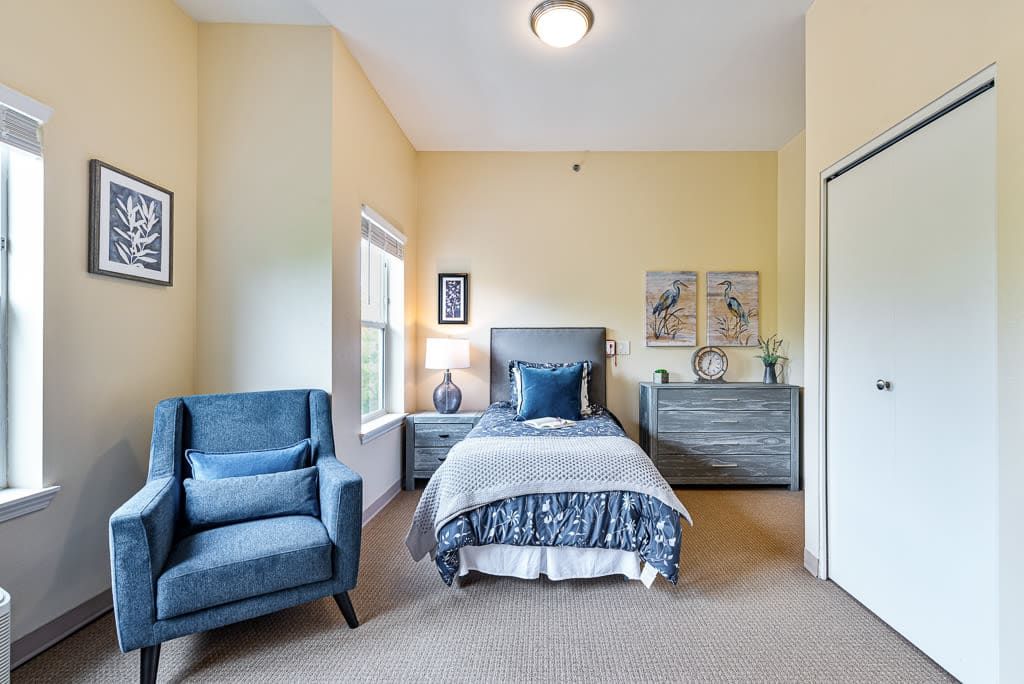
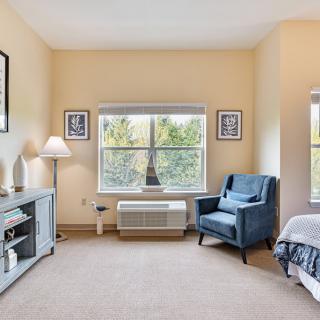
Multiple reviewers mention apartments that are small or not configured like they expected, including one comment that rooms were not furnished. Others describe limited space and distance from key areas like the dining room, and one review notes a lack of privacy due to the layout. A few reviews balance this by describing rooms as clean and adequate, but the “small” theme shows up repeatedly.
common20 reviews mention this
Staff responsiveness gets praise
Staff friendliness and responsiveness are frequently praised across reviews.
Across many reviews, residents and families describe staff as kind, welcoming, and easy to talk with about care needs. Several also highlight how responsive the team was during move-in or transitions, including arranging assessments and supporting families with ongoing updates. Even when reviews had concerns, many still described polite, attentive staff members.
common12 reviews mention this
Activities keep residents engaged
Residents describe a steady mix of activities and exercise.
Reviews frequently mention scheduled activities and entertainment, including classes and games, and several point to fitness or morning exercise. Some residents say they enjoy social time and group events, while families mention community planning that helps residents stay engaged. A few reviews focus on specific interests like art or puzzles, but the overall theme is that there is a regular activities calendar.
common3 reviews mention this
Pricing comes up as a plus
Some families describe the community as more affordable than alternatives.
A few reviews bring up cost directly, with comments that the price felt reasonable or that the community was less expensive than another place they considered. Other reviewers focus more on tours, cleanliness, or care quality than on pricing, so affordability is more of a secondary theme than a dominant one. The community also appears to be positioned for multiple care types in the listing.
How we summarize
Counts show how many written reviews mention each theme; a review can touch several themes, and only frequently mentioned themes are displayed.
Features
Housing
100 resident community capacity
1-bedroom apartments
2-bedroom apartments
Studio apartments
Types of Care
Assisted Living
Independent Living
Memory Care
Pets
Cats allowed
Dogs allowed
Amenities
Activities off-site
Activities on-site
Air-conditioning
Beautician on-site
Beauty salon
Cable or satellite TV
Computer center
Devotional services on-site
Dining room
Fitness room
Fully furnished
Gaming room
Garden
Guasts at mealtime
Handicap accessible
Housekeeping services
Indoor common areas
Kitchenette
Move-in coordination
Outdoor common areas
Outdoor space
Private bathrooms
Respite or short term stays offered
Restaurant-style dining
Small library
Telephone
Wellness center
Wheelchair accessible showers
Wi-Fi/high-speed internet available
Transportation
Seattle-Tacoma International (22 miles away)
Community operated transportation
Transportation & parking
Transportation arrangement
Transportation arrangement (non-medical)
Transportation to doctors appointments
Care Services
12-16 hour nursing
24-hour call system
24-hour supervision
Activities of daily living assistance
Ambulatory care
Assistance with bathing
Assistance with dressing
Assistance with transfers
Coordination with health care providers
Dementia waiver
Diabetes diet
Diabetic care
High acuity care
Hospice waiver
Incontinence care
Meal preparation and service
Medication management
Mental wellness program
Mild cognitive impairment
Special dietary restrictions
Specialized memory care programming
Transportation arrangement (medical)
Transportation to doctors appointments
Dining
Diabetes diet
Gluten-free
Guest meals
Kosher
Low / no sodium
Meals provided
Restaurant style dining
Room service
Special dietary restrictions
Special dining programs
Vegetarian
Activities
Art classes
Brain fitness
Catholic services
Community-sponsored activities
Concierge services
Cooking classes
Day trips and outings
Devotional activities on-site
Fitness programs
Gardening club
Happy hour
Karaoke
Live dance or theater performances
Live musical performances
Other religious services
Planned day trips
Resident-run activities
Scheduled daily activities
Tai Chi
Trivia games
Languages Spoken
English
Nearby Places of Interest
Located in Kenmore, Washington, this neighborhood offers a variety of amenities that cater to seniors looking for convenient living options. With multiple pharmacies nearby such as Rite Aid and Ostroms Drug & Gifts, residents have easy access to their medication needs. There are also several dining options including Seaplane Kitchen & Bar and The Cottage for those who enjoy dining out or grabbing a quick bite. For outdoor enthusiasts, the neighborhood is surrounded by parks like Blyth Park and Saint Edward State Park, providing ample opportunities for leisurely walks or picnics. Additionally, there are healthcare facilities like Lakeshore Clinic and Bellevue Vision Clinic in close proximity for medical needs. Overall, this area offers a mix of practical conveniences and recreational opportunities suitable for seniors looking to enjoy a vibrant community in Kenmore.
Kenmore Senior Living offers competitive pricing compared to both Snohomish County and the broader state of Washington. The monthly rates at Kenmore for studio apartments are $3,000, significantly lower than the county's average of $4,443 and the state's average of $4,126. For semi-private rooms, Kenmore's charge of $3,700 again presents a more affordable option relative to the county's $4,320 and the state's $4,267. Even in the one-bedroom category, at $3,900, Kenmore remains advantageous against regional averages of $5,080 in Snohomish County and $4,632 statewide. Interestingly, for two-bedroom accommodations priced at $4,700, Kenmore surpasses Snohomish County's average of $3,924 but still maintains proximity to the state's average of $4,301. Overall, Kenmore Senior Living positions itself as an attractive choice for those seeking quality senior living at a reasonable price point within its market context.
Kenmore Senior Living's comprehensive features are designed to create a supportive environment for residents with dementia or Alzheimer's disease. The 24-hour supervision ensures safety and security, while assistance with activities of daily living, such as bathing, dressing, and transfers, promotes dignity and independence in personal care. Meal preparation and service cater to nutritional needs, essential for overall health, alongside medication management which ensures adherence to prescribed treatments. The specialized memory care programming coupled with brain fitness activities stimulates cognitive function and enhances mental well-being. Coordination with healthcare providers guarantees that medical needs are continuously addressed, and the dementia waiver allows tailored support for varying stages of cognitive decline. Furthermore, incontinence care provides compassion while maintaining comfort and dignity. Transportation arrangements facilitate access to medical appointments, supporting continuity of care. Overall, these services collectively enhance the quality of life for residents by creating a nurturing space that addresses both physical and emotional needs associated with memory loss conditions.
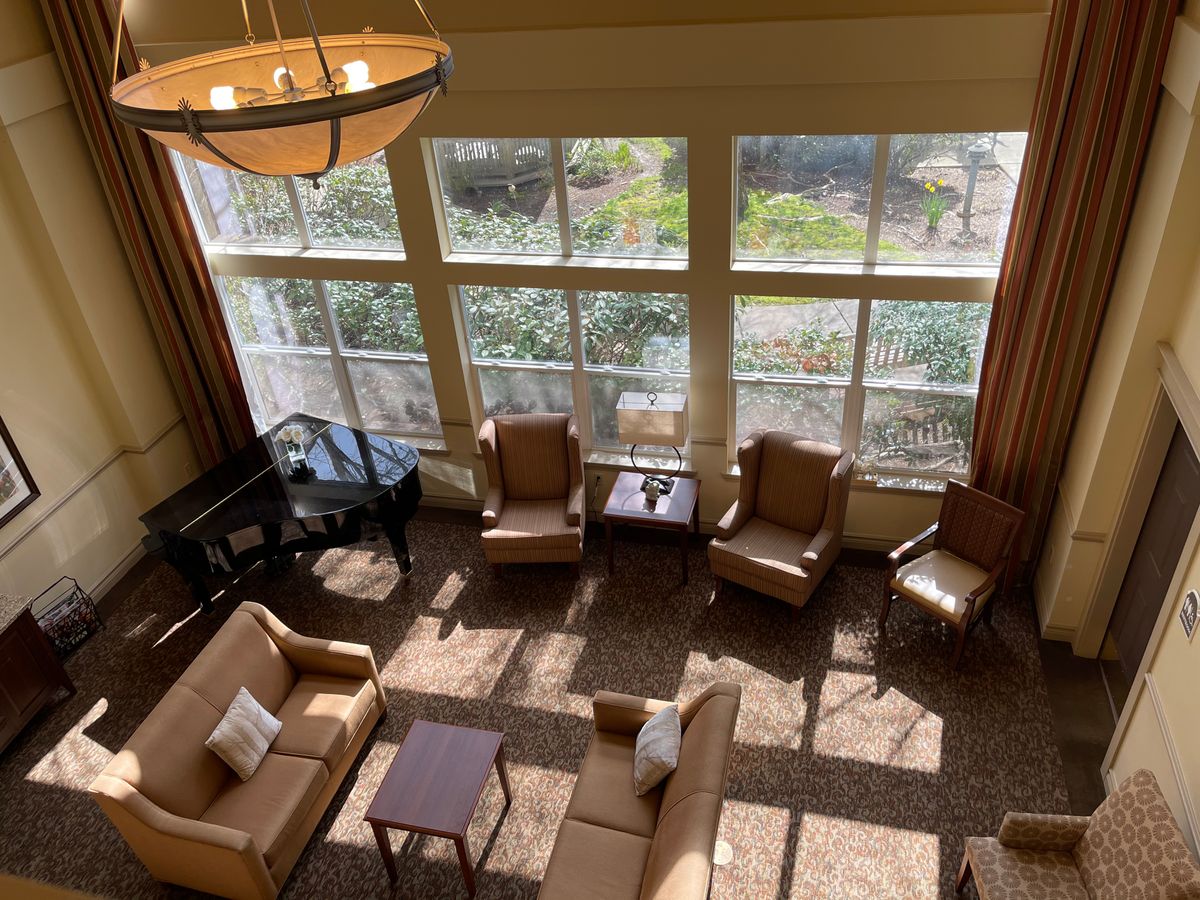
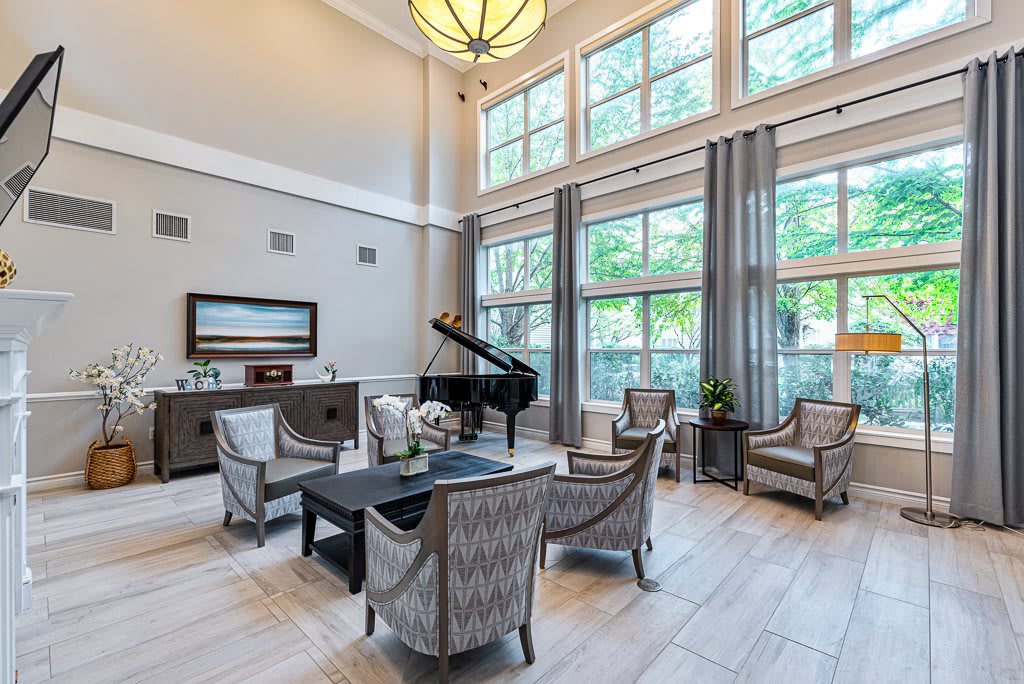
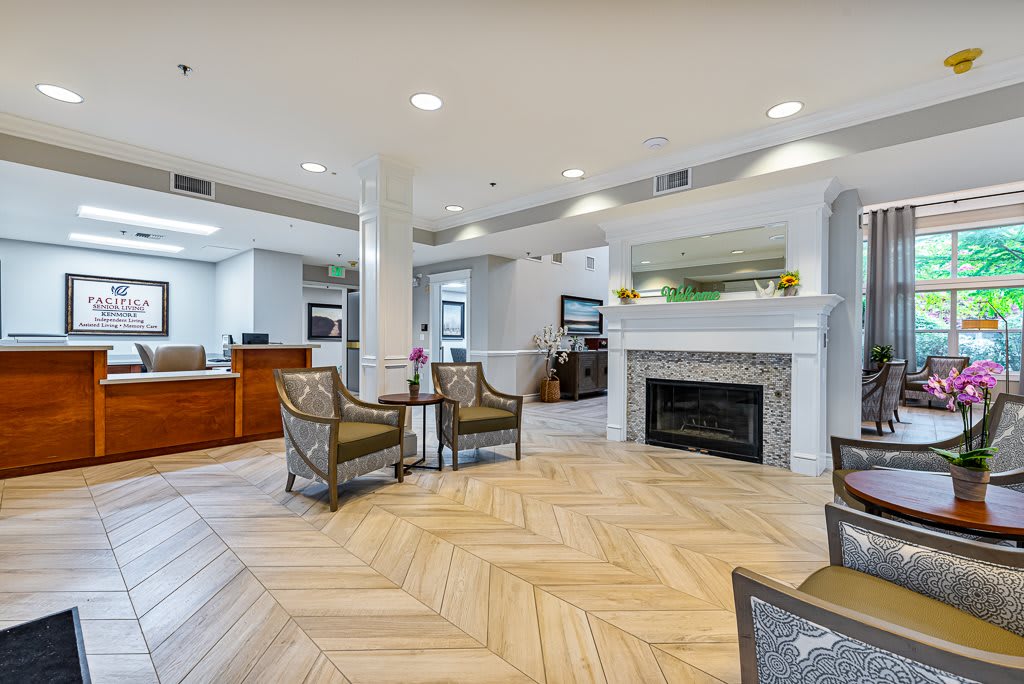
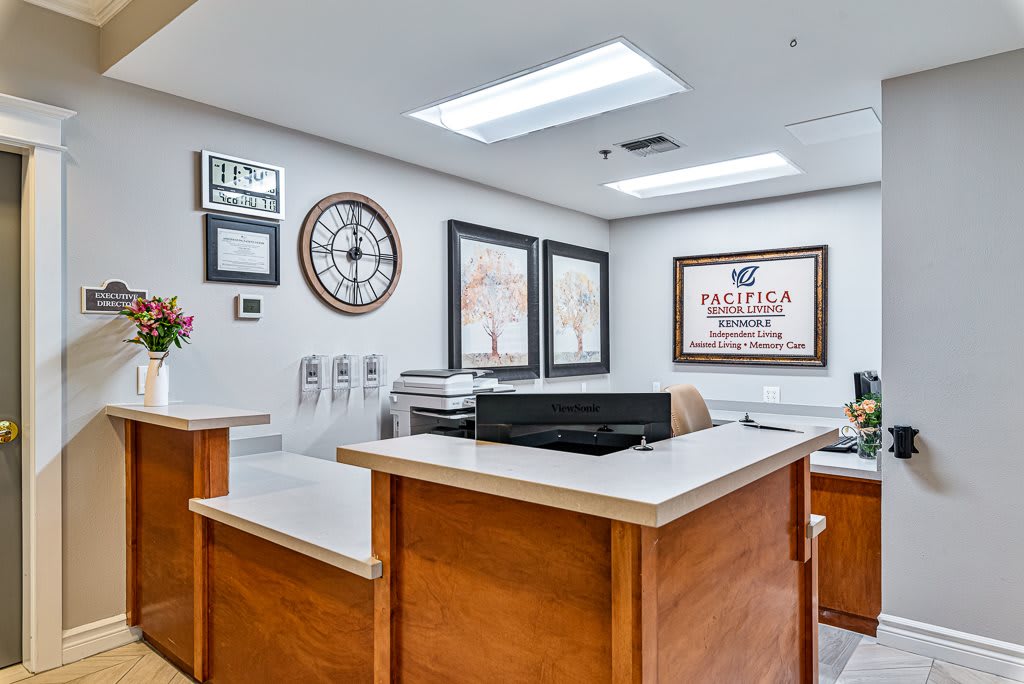
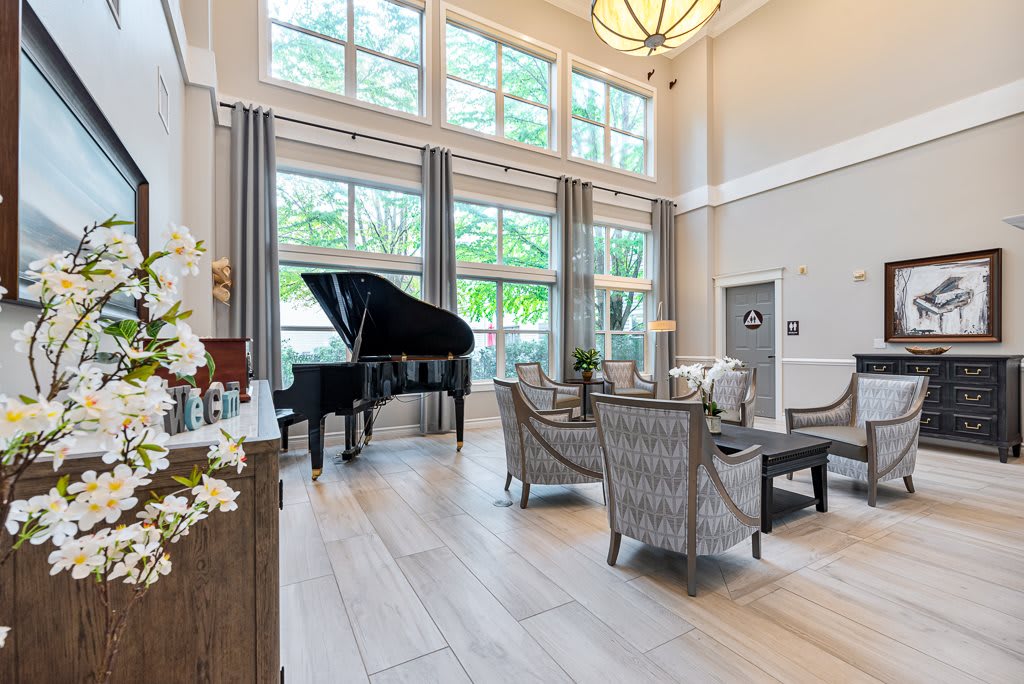
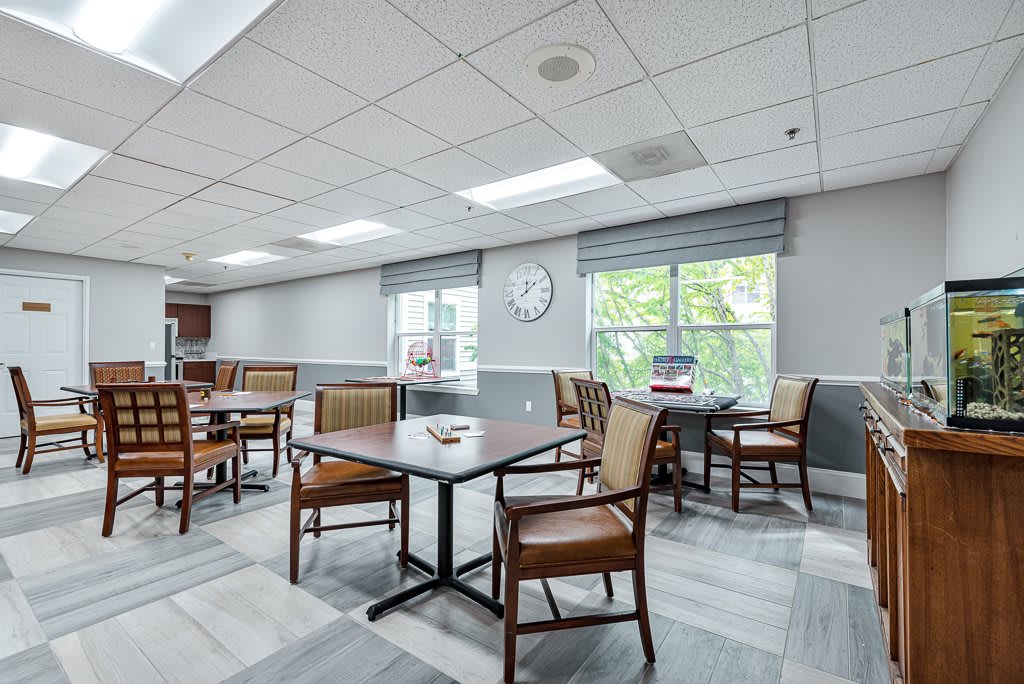
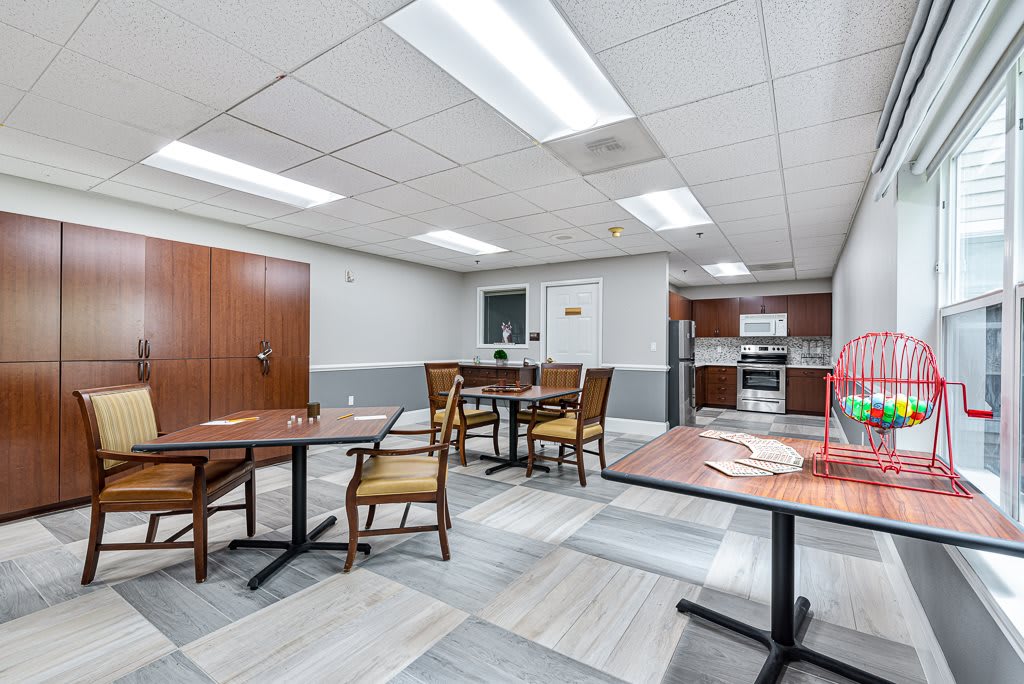
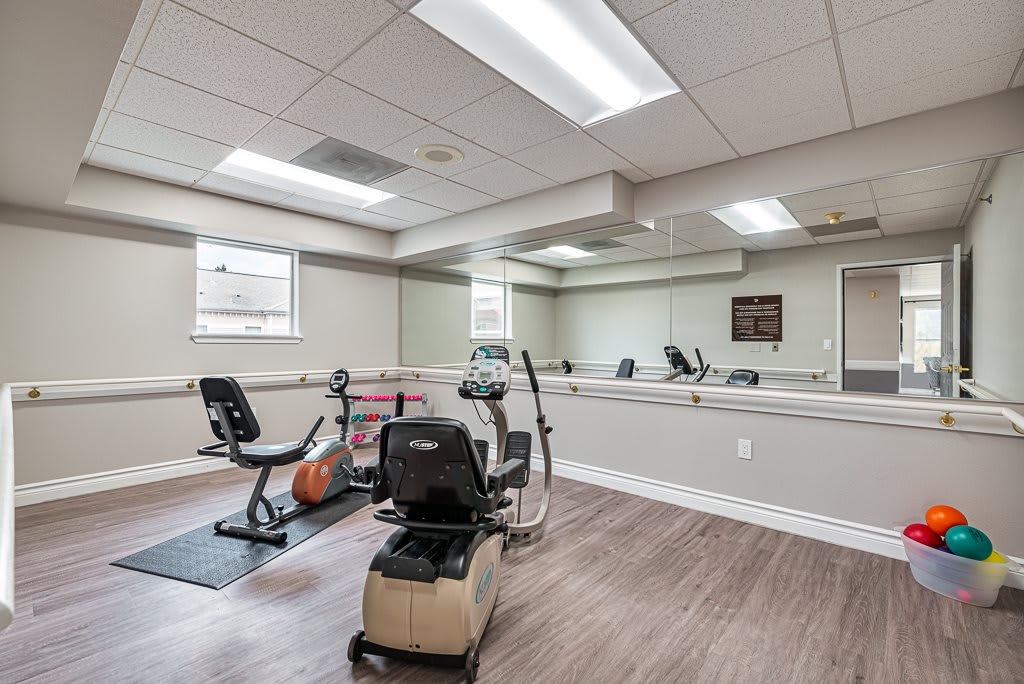
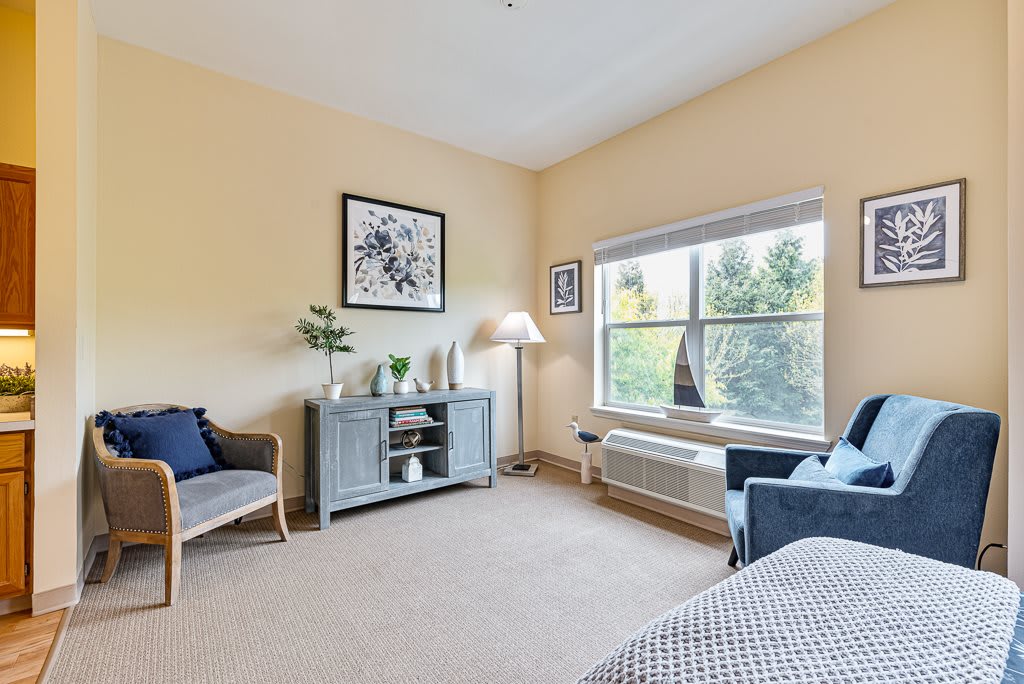
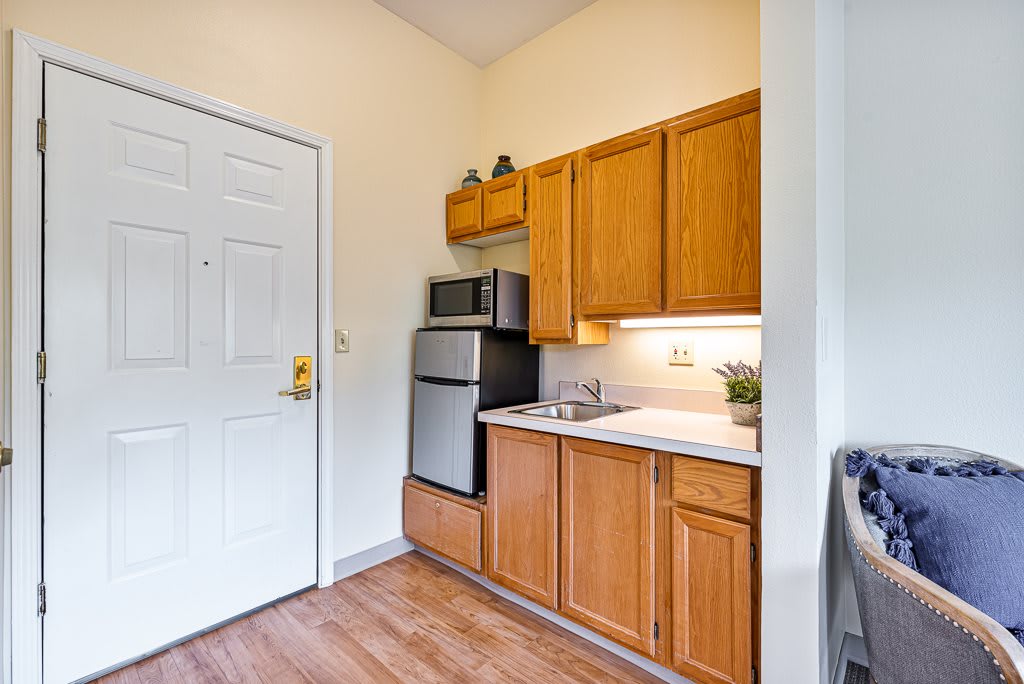
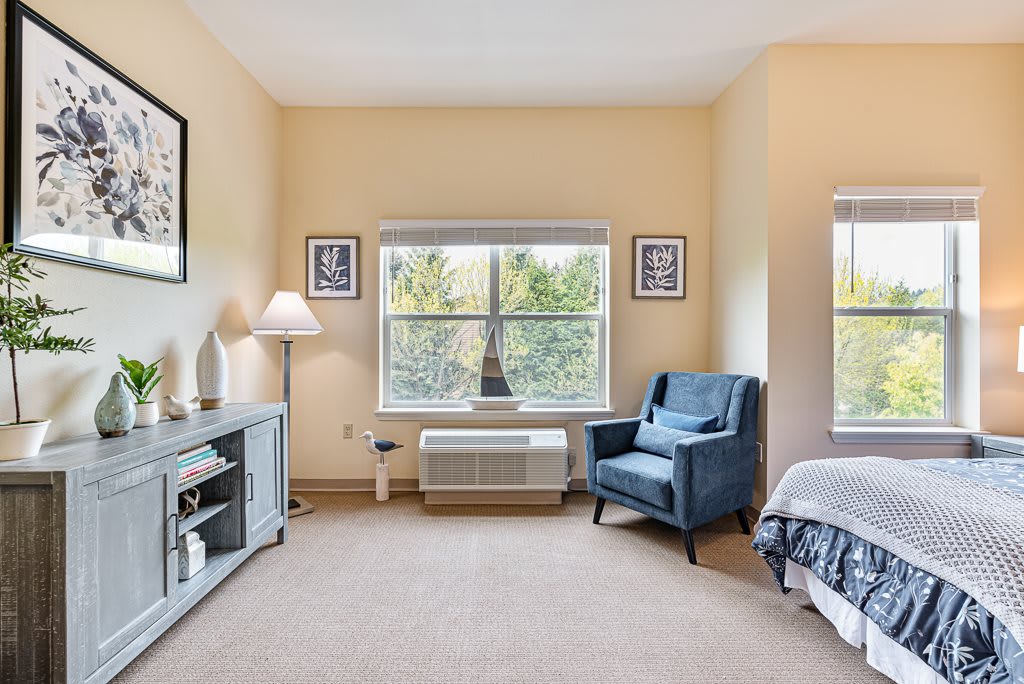
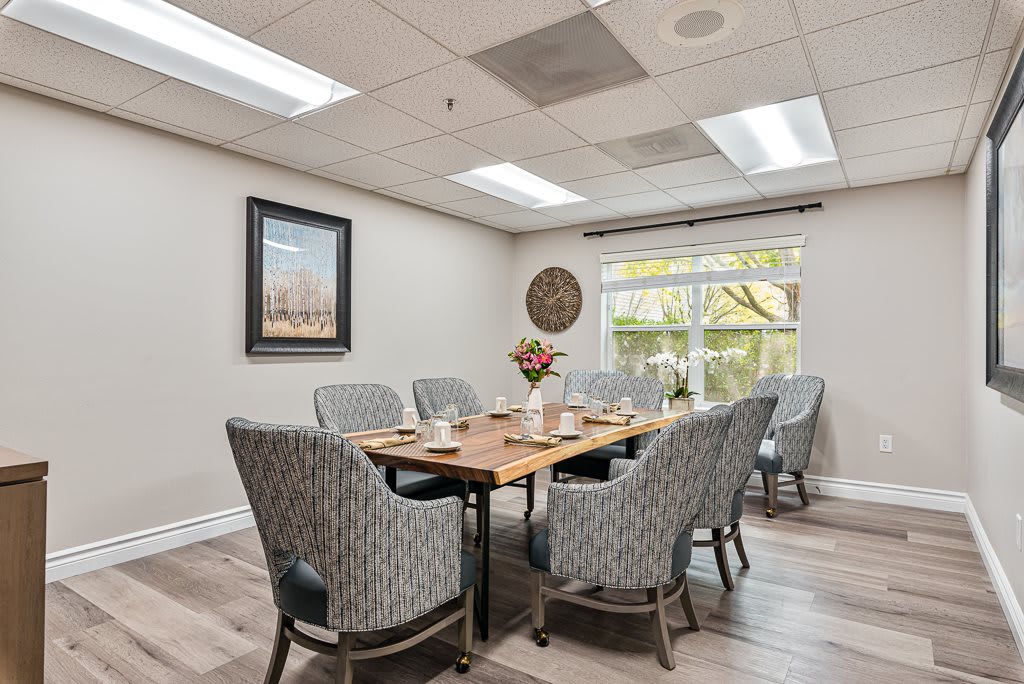
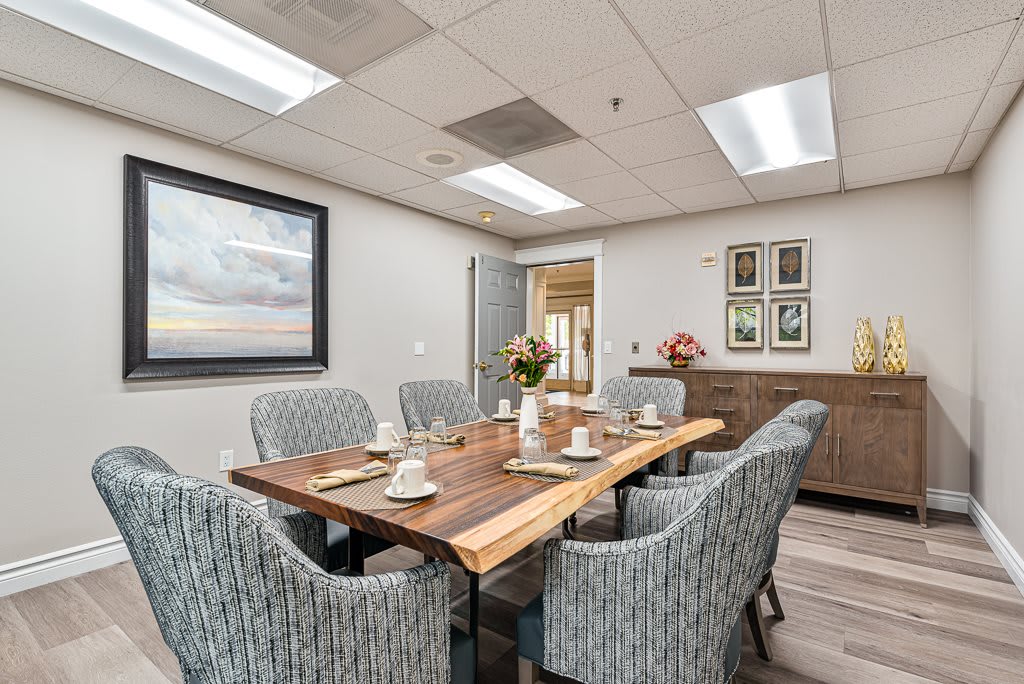
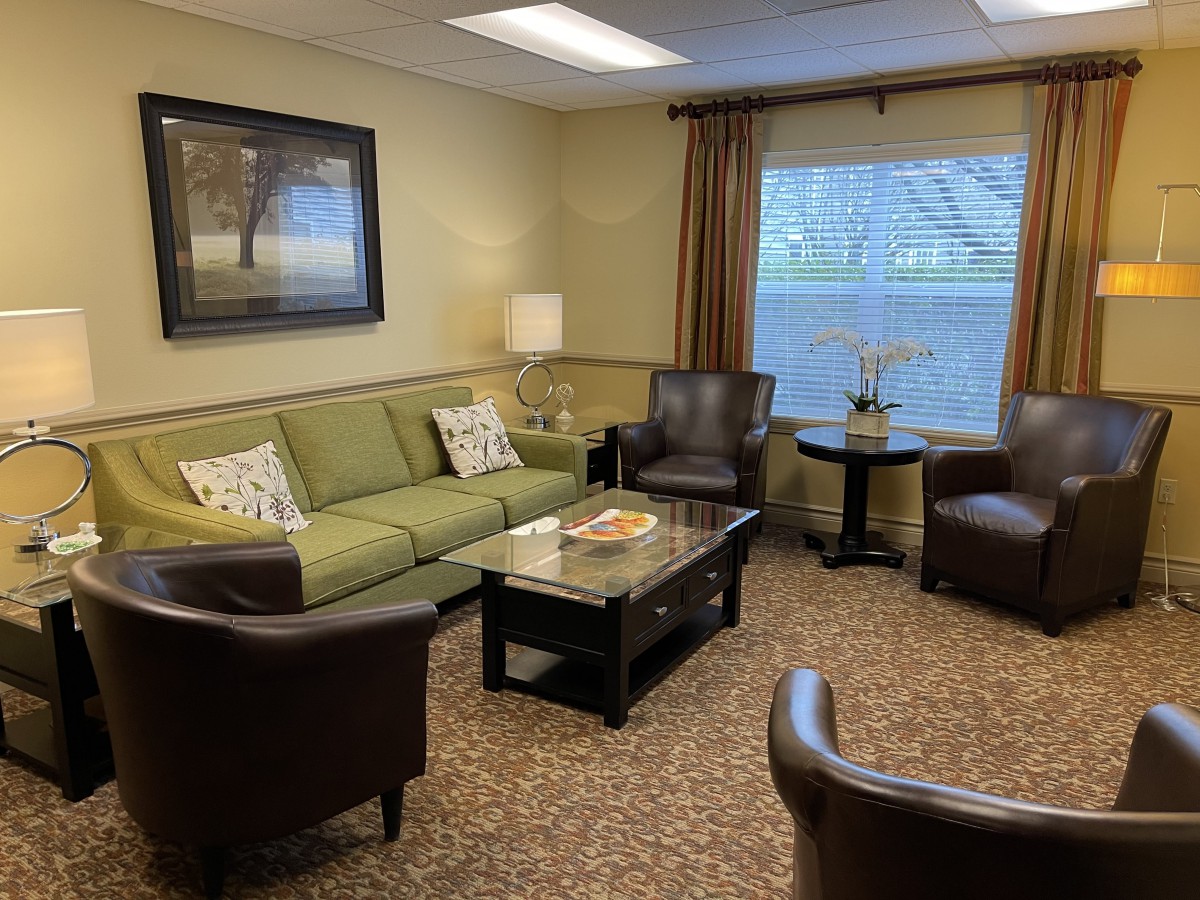
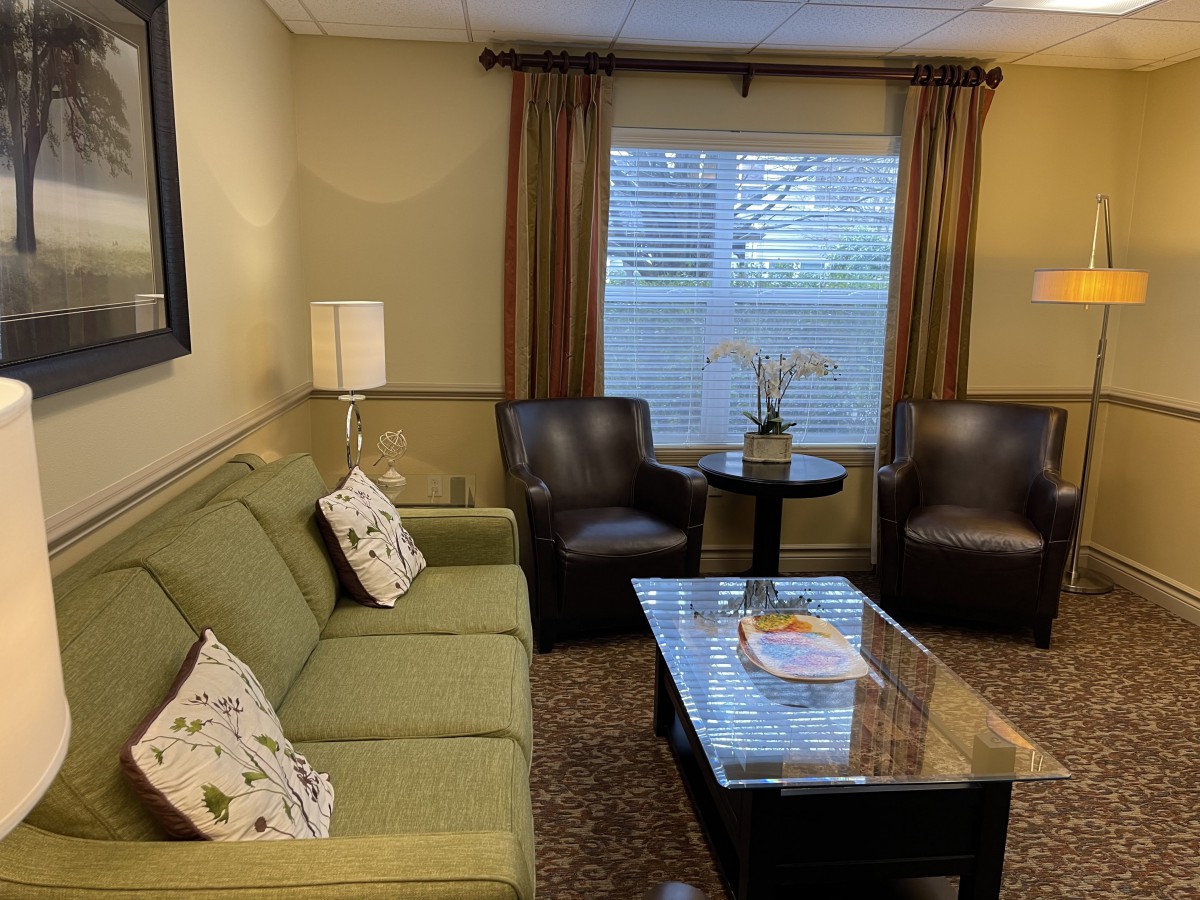
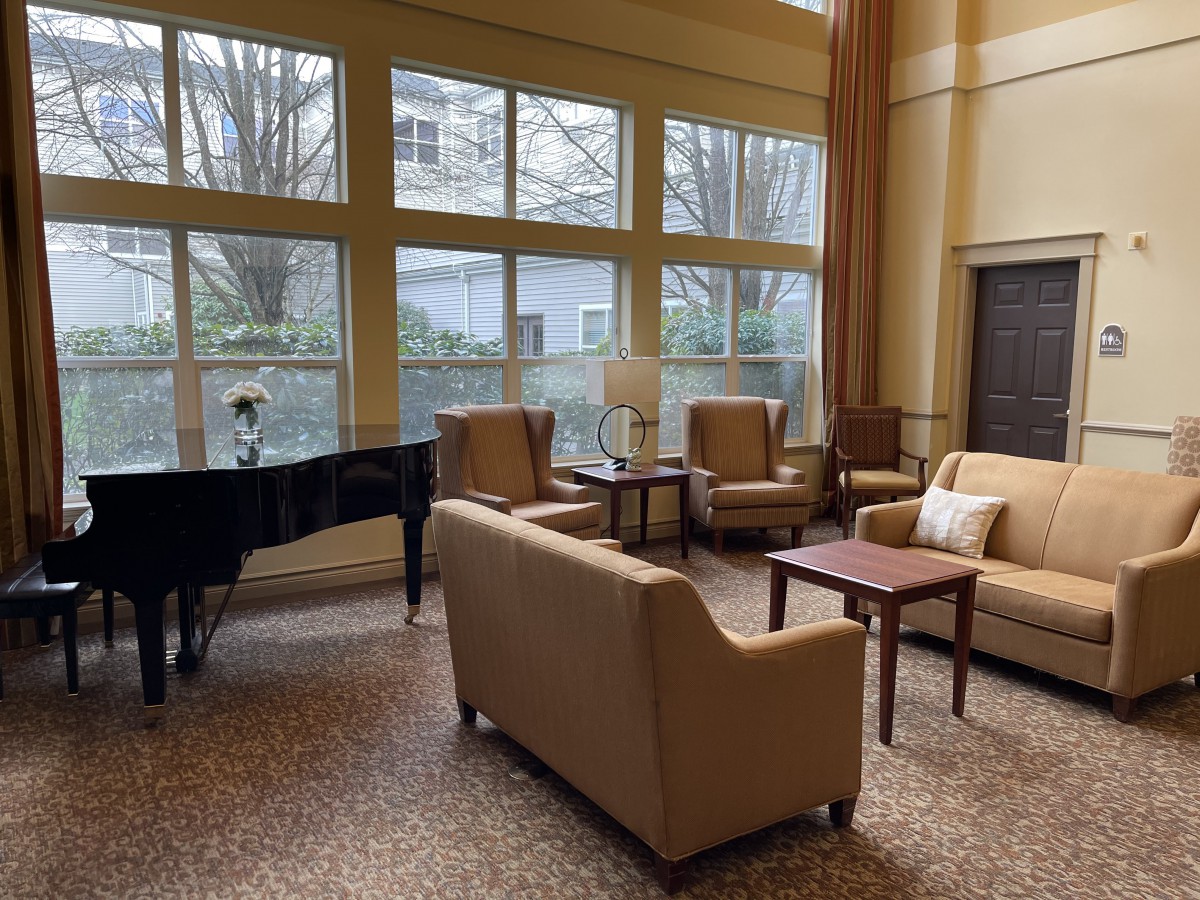
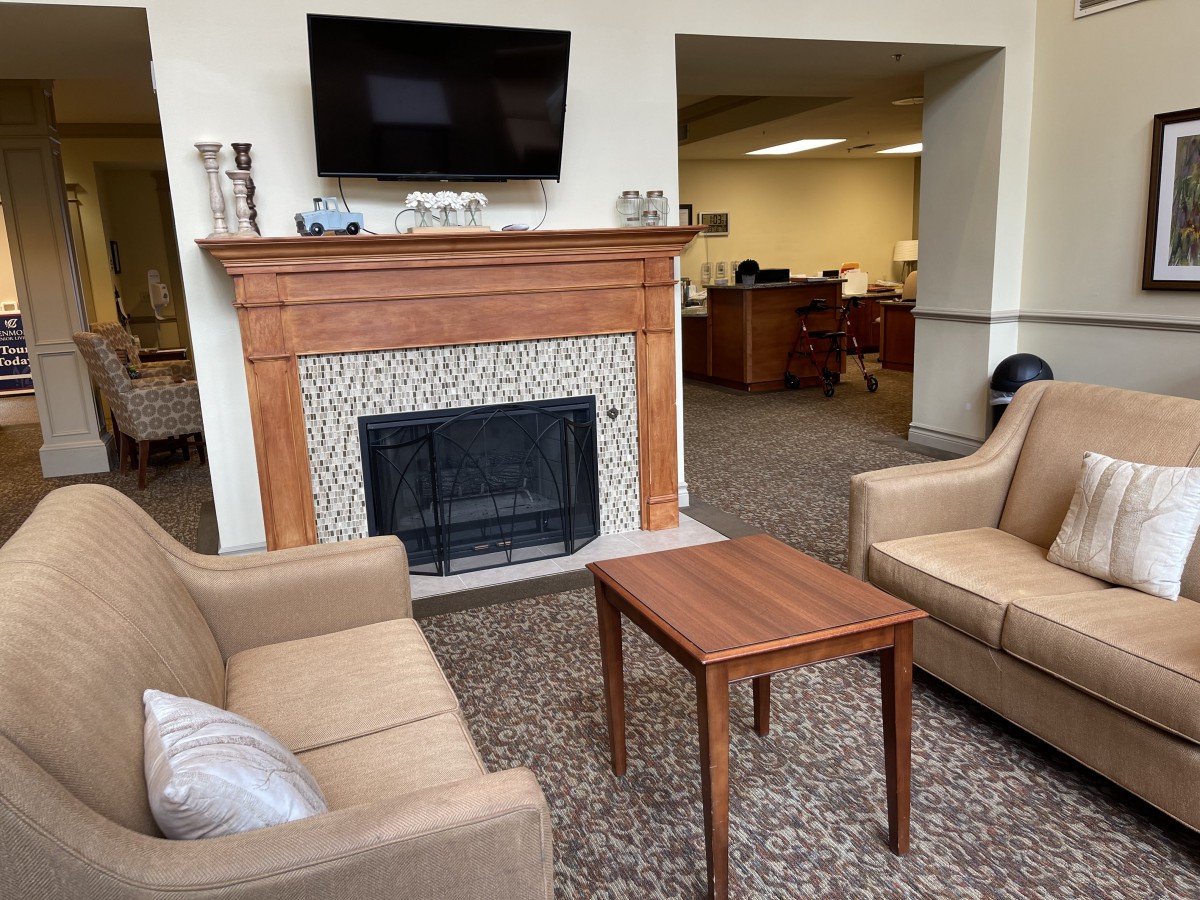
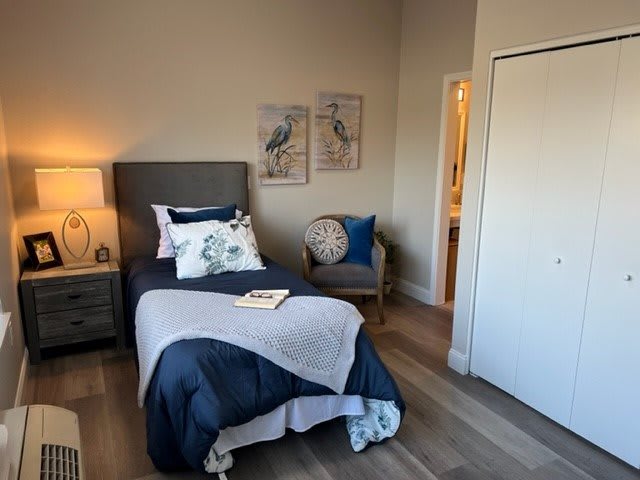
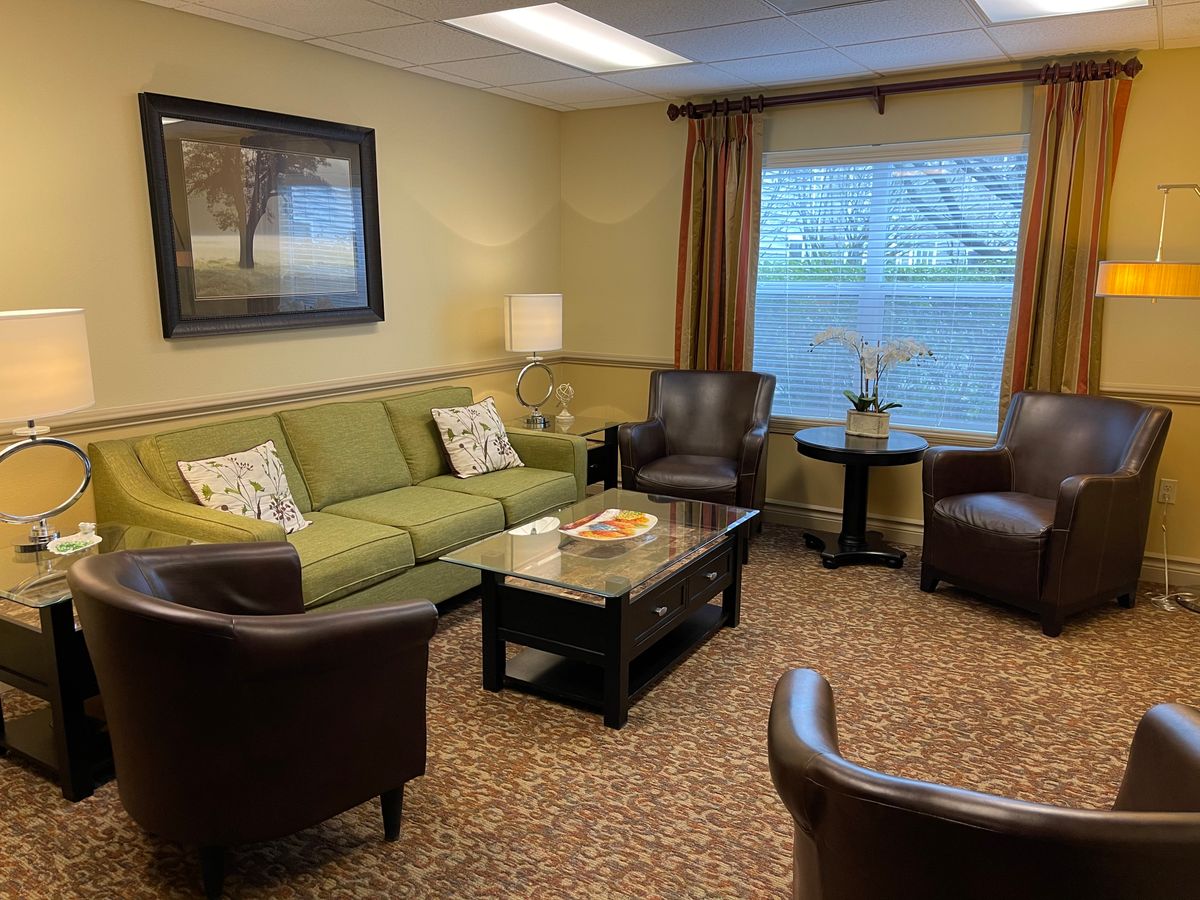
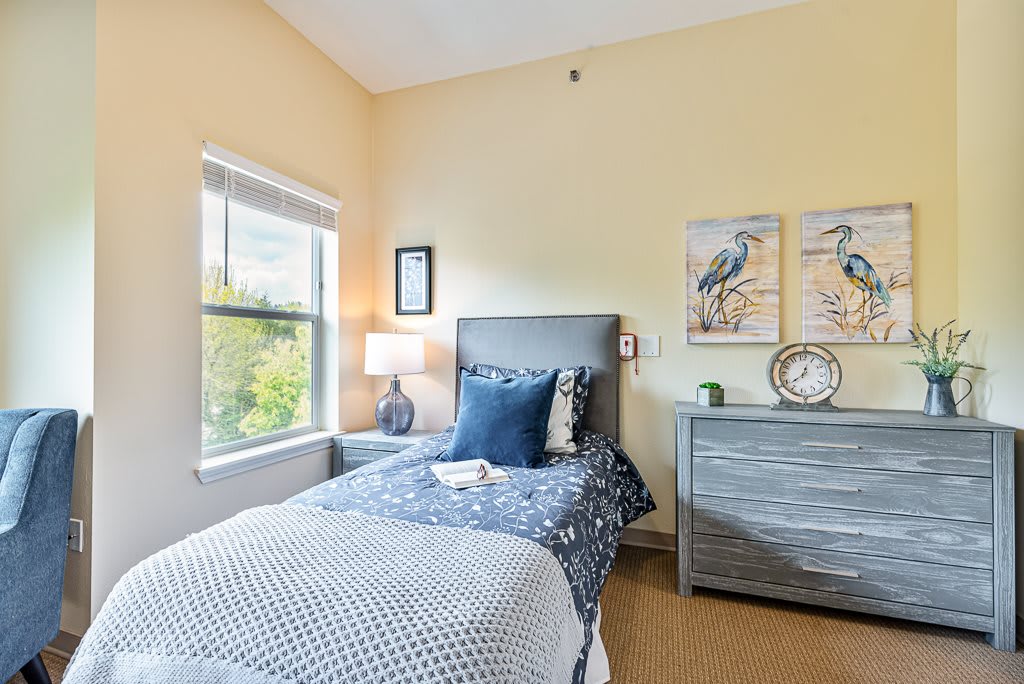
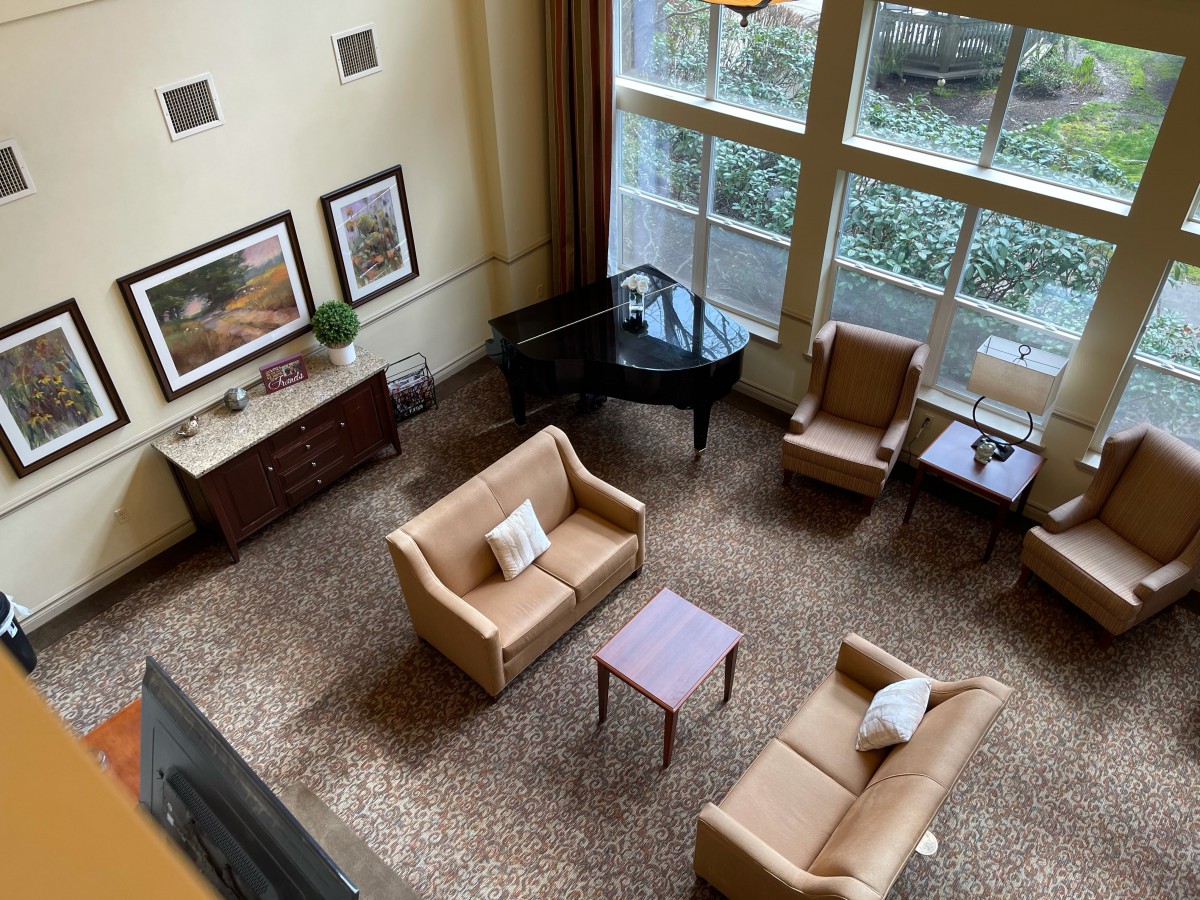
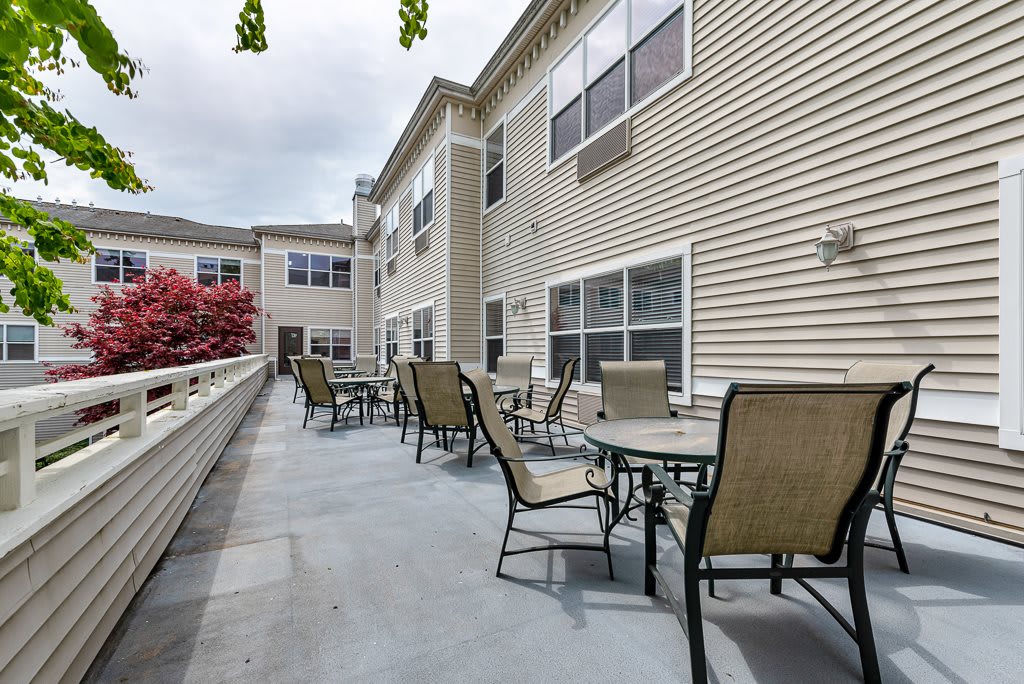
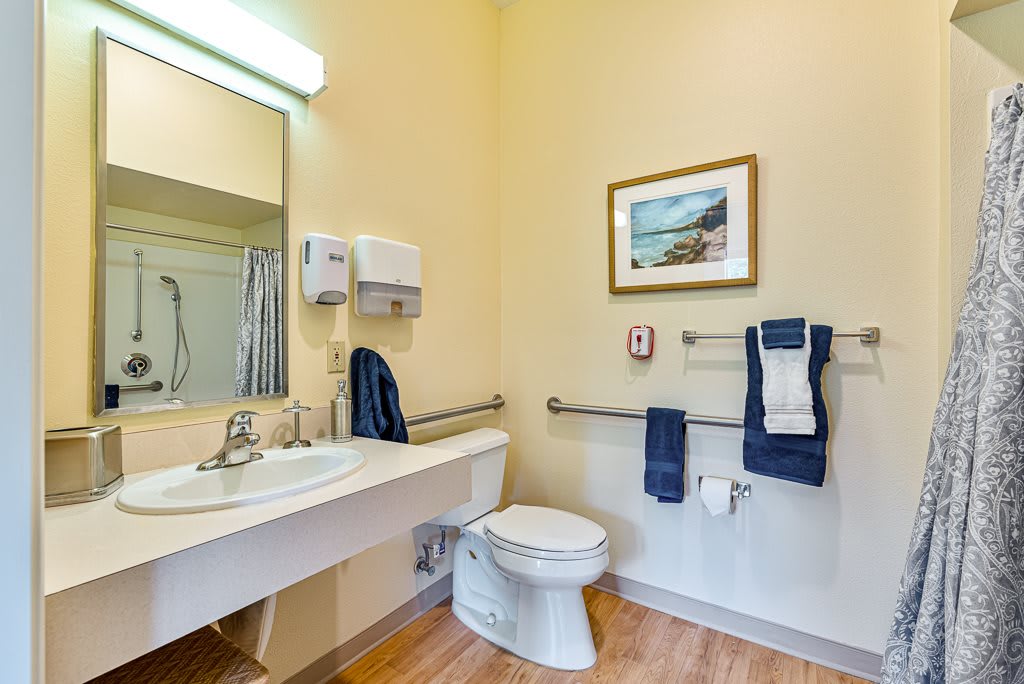
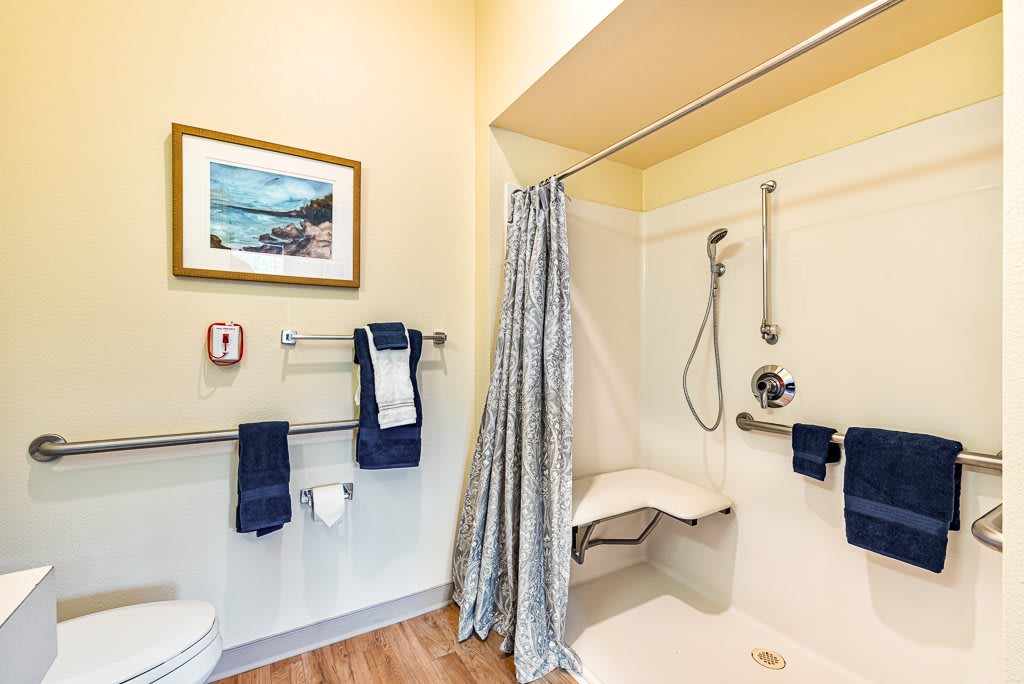
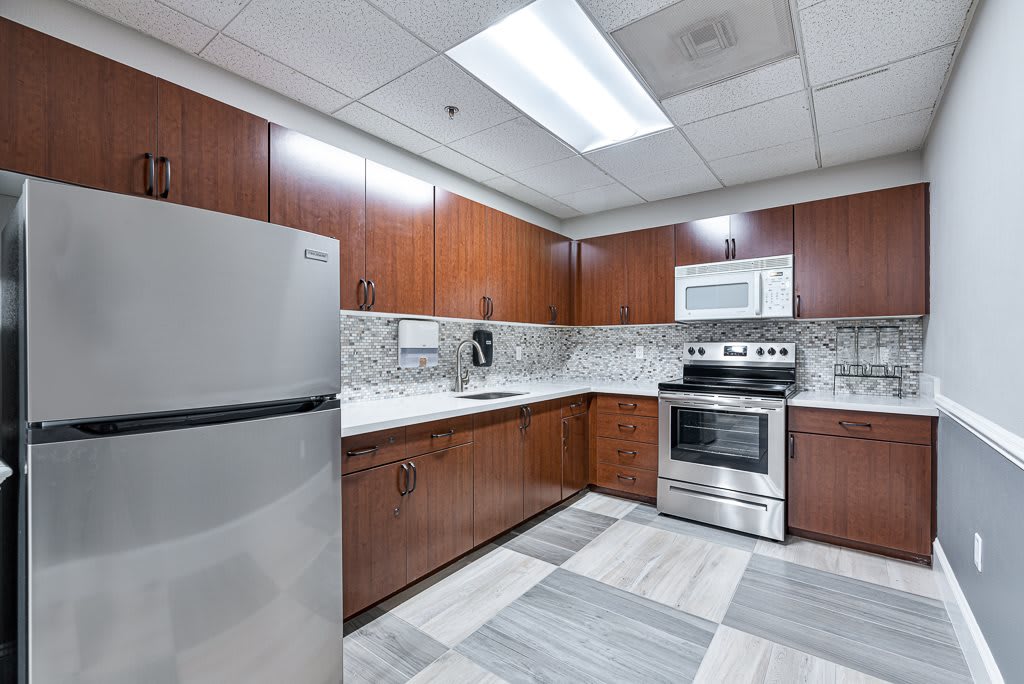
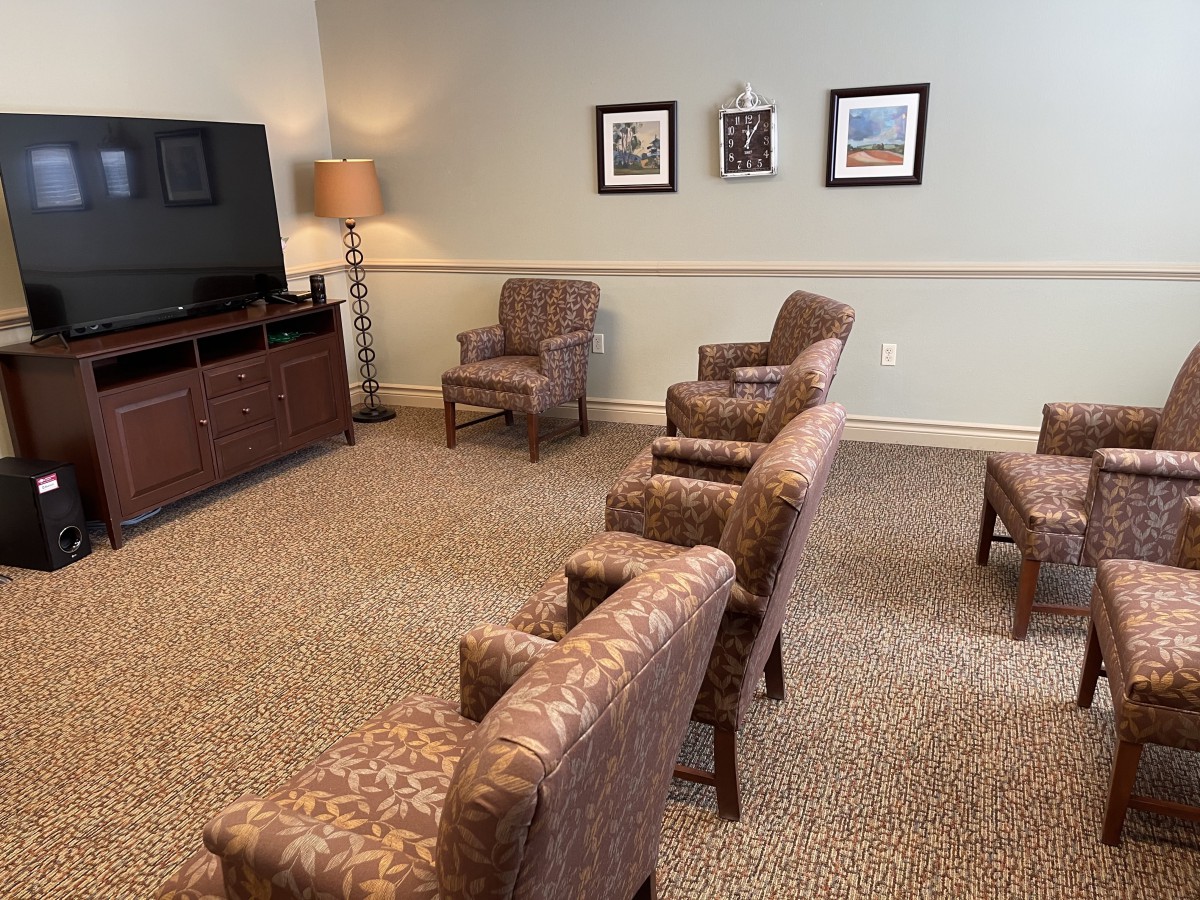
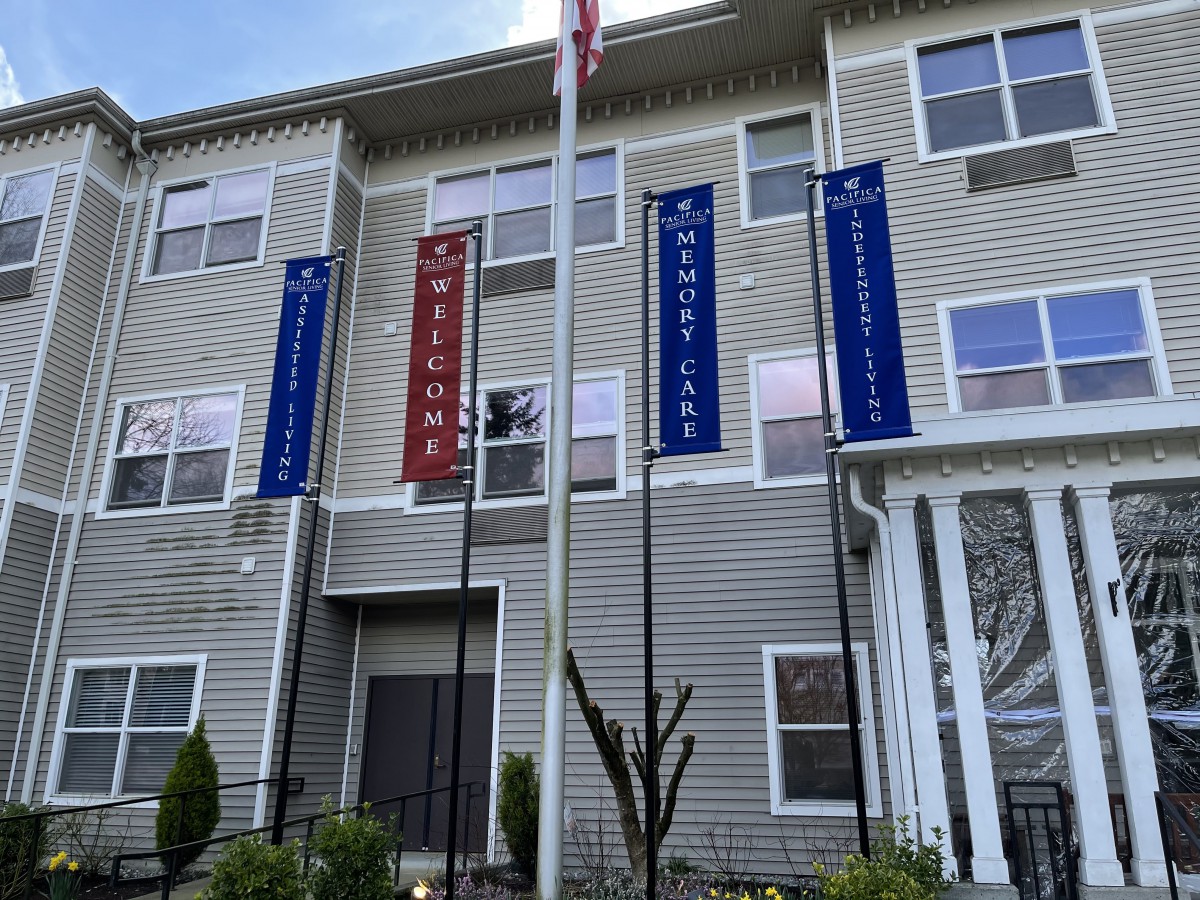
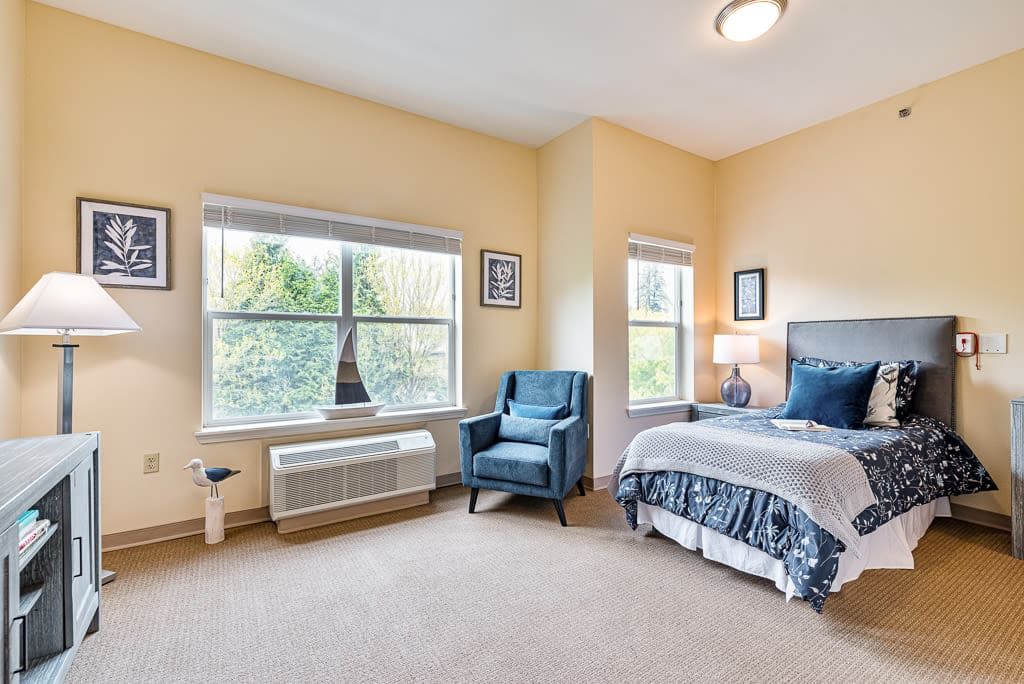
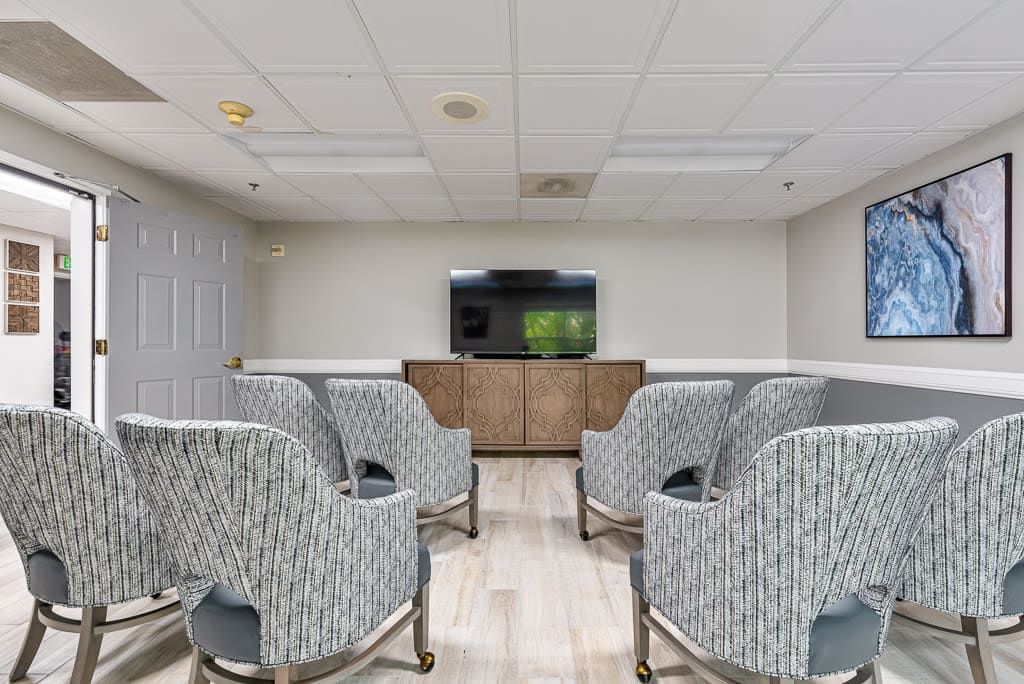
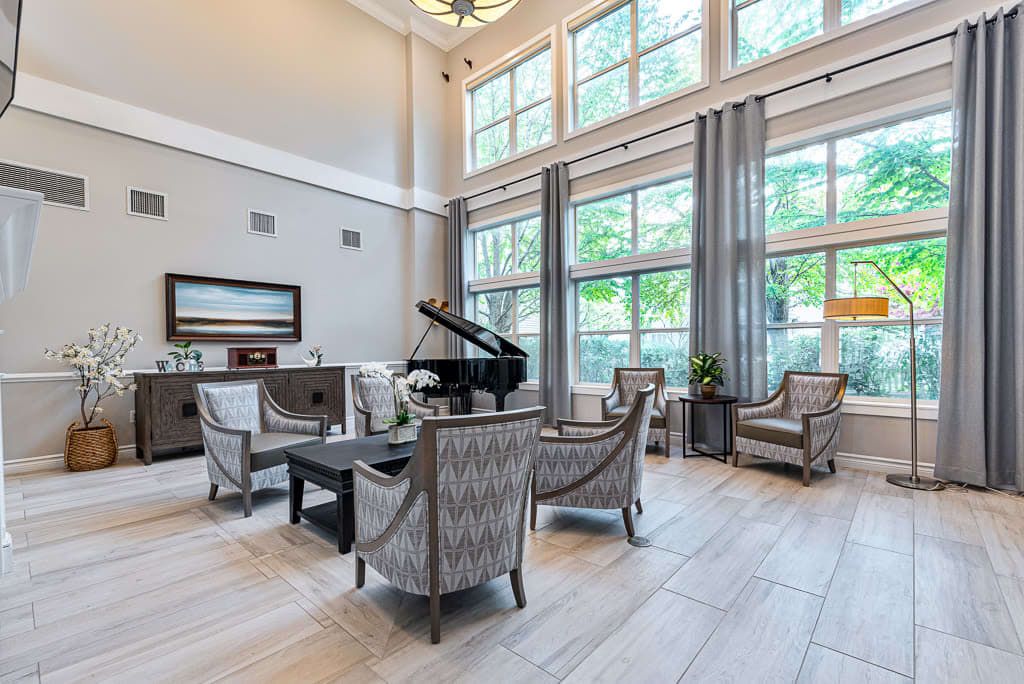
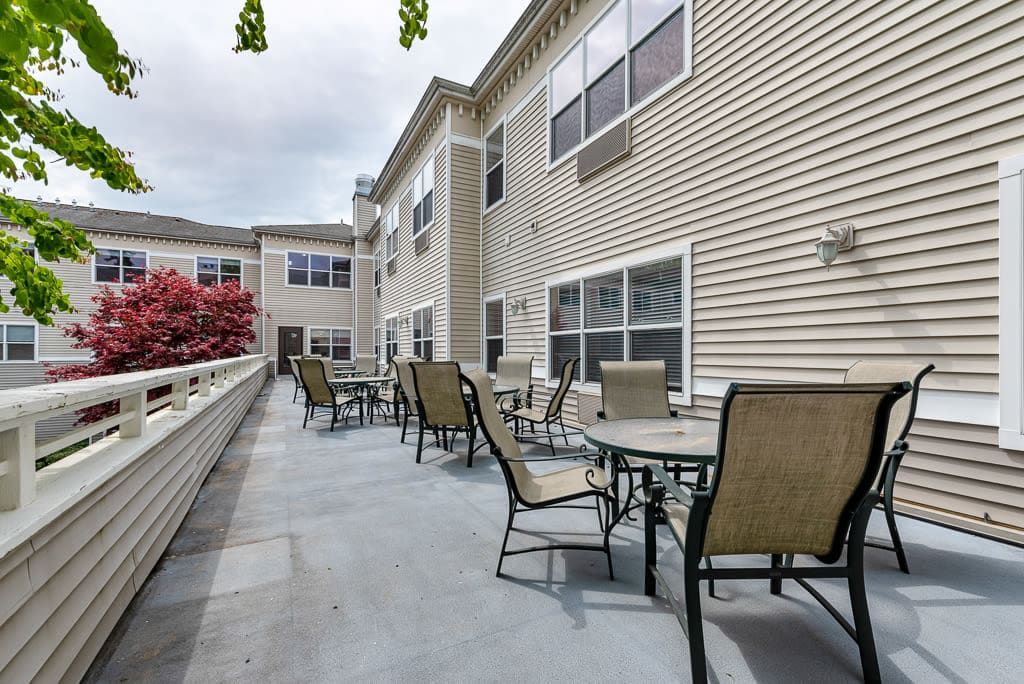
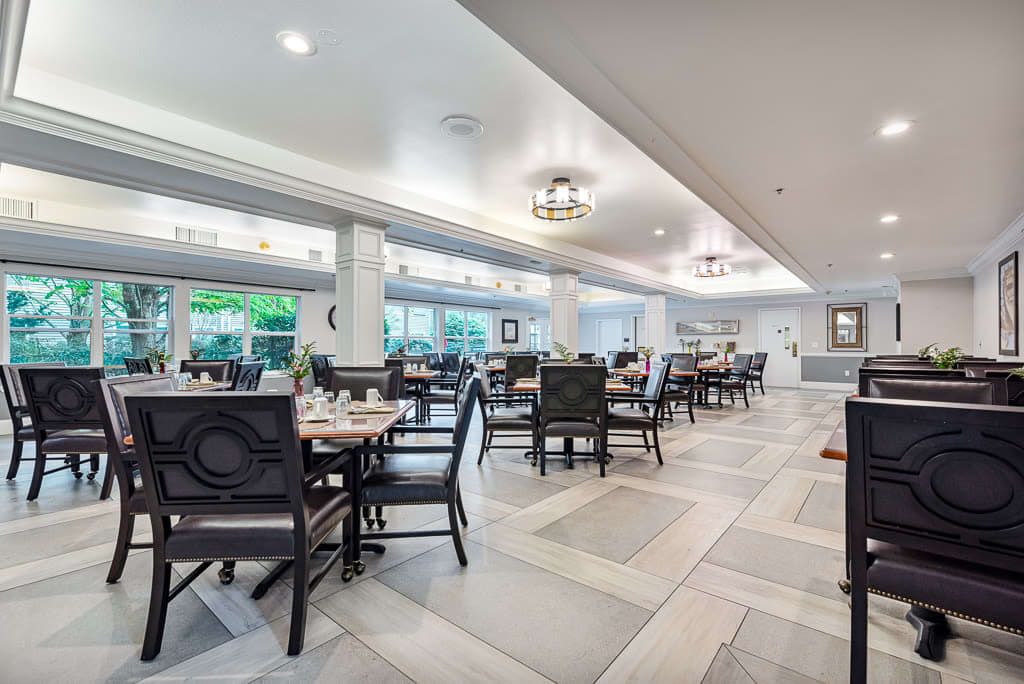
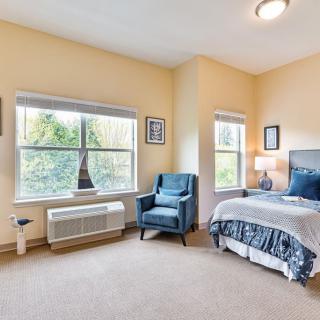
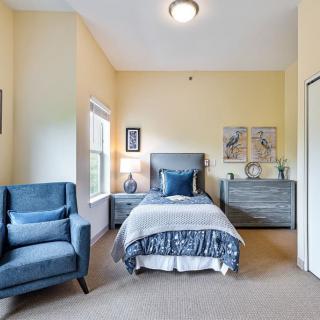
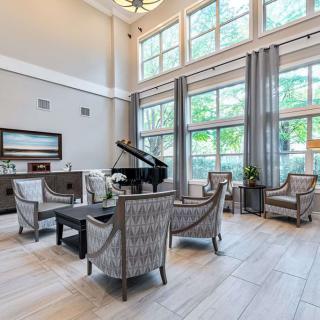
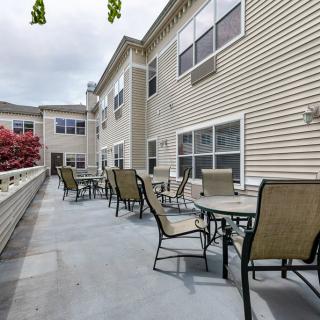
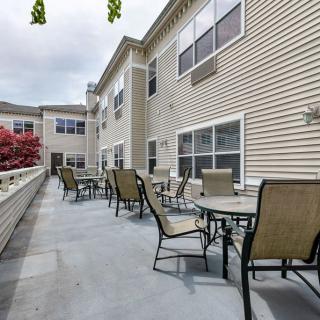
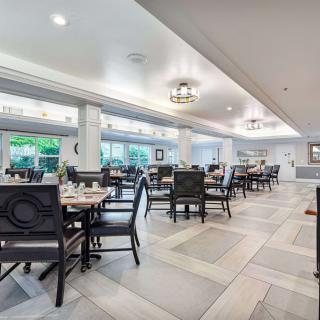
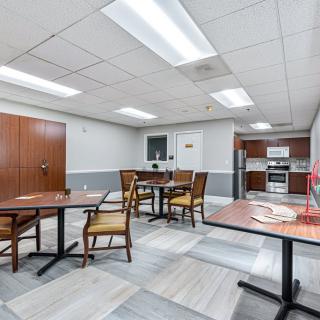
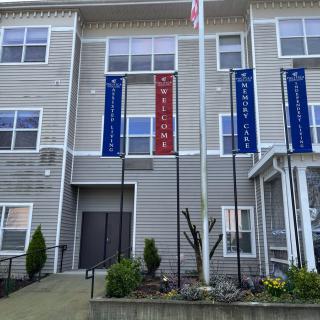
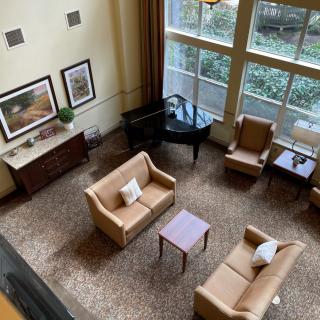
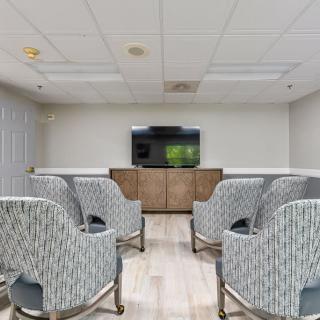
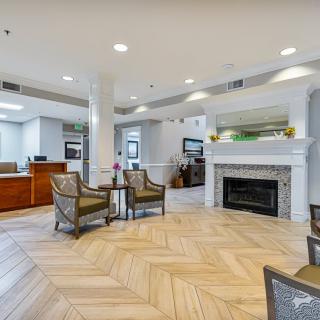
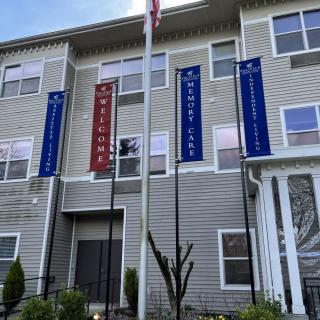
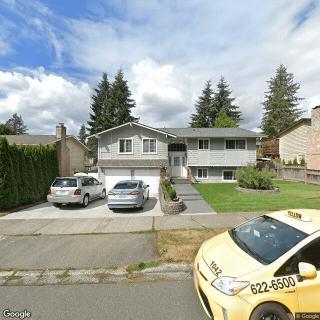
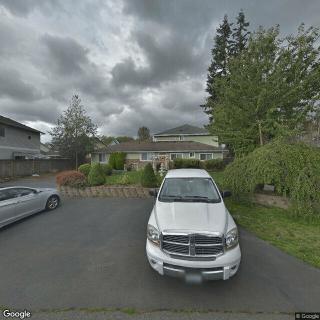
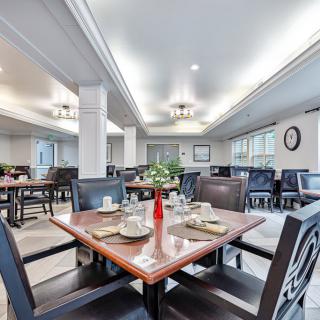
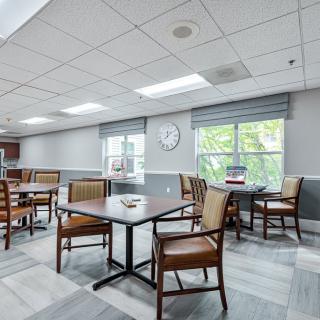
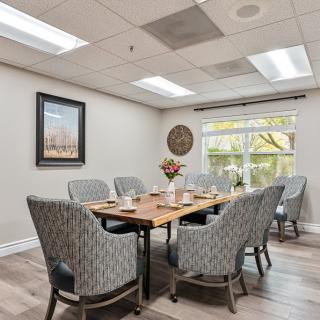
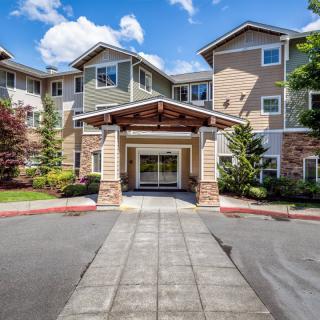
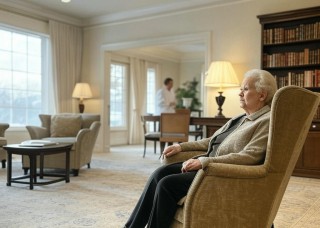
Kenmore Senior Living on seniors.fyi includes 39 photos including images showing interior, windows, bedroom, decor, living room, natural light, bathroom, dining, and more.
Nearby Communities
Eagle Healthcare Inc
Kenmore, WA
Vibrant, amenity-rich location with easy healthcare access.
Rose Park Manor, RN
Kenmore, WA
4.6 from 9 reviews
$4,500 to $5,000 / month
Compassionate, experienced staff in a clean, home-like memory-care setting.
Bavarien Home Care
Kenmore, WA
$2,500 / month
Affordable pricing at $2,500/month with comprehensive high-acuity, incontinence, and medication management care.
Mary's Villa AFH
Kenmore, WA
5 from 3 reviews
Friendly staff, pristine spaces, and well-maintained grounds.
St. Maria AFH
Kenmore, WA
3 from 1 review
$3,500 to $4,000 / month
Delightful ambiance with compassionate, dedicated staff; more affordable care options.
Inglewood Group Home
Kenmore, WA
5 from 3 reviews
Comprehensive, personalized care with 24/7 supervision and daily living assistance.
The Legacy of Bothell
Bothell, WA
4.6 from 9 reviews
$8,800 / month
Specialized memory care with 24/7 supervision and high-acuity services.
Nazarene Adult Family Home LLC
Kenmore, WA
4.2 from 9 reviews
$6,500 to $9,000 / month
Warm, attentive staff in a clean, welcoming home.
Woodland Terrace
Bothell, WA
4.7 from 67 reviews
$3,895 to $5,595 / month
Friendly staff, excellent dining, and an active, well-maintained community.
Dementia encompasses progressive neurological disorders that impair cognitive functions and can lead to paranoia due to cognitive decline and emotional changes. The article discusses the triggers of paranoia in dementia, caregiver strategies for managing it, and the importance of distinguishing between dementia-related paranoia and other psychiatric conditions.
Memory care activities are essential for improving the quality of life of seniors with cognitive impairments, as they stimulate cognitive function, promote well-being, and encourage social interaction through tailored strategies. These activities combine structured exercises with spontaneous tasks, sensory engagement, physical workouts, creative pursuits, and intergenerational interactions to enhance emotional connection and a sense of purpose.
Transitioning from assisted living to memory care is driven by an individual's cognitive decline and specific needs, requiring careful evaluation of indicators like increased confusion and wandering. The process involves consulting medical professionals, researching suitable communities, considering financial and legal aspects, and ensuring effective communication for personalized care plans.
Exercise Equipment, Mirrors, Fitness, Exercise Room, and Workout Space
Outdoor Seating and Building Exterior
Appliances
Natural Light
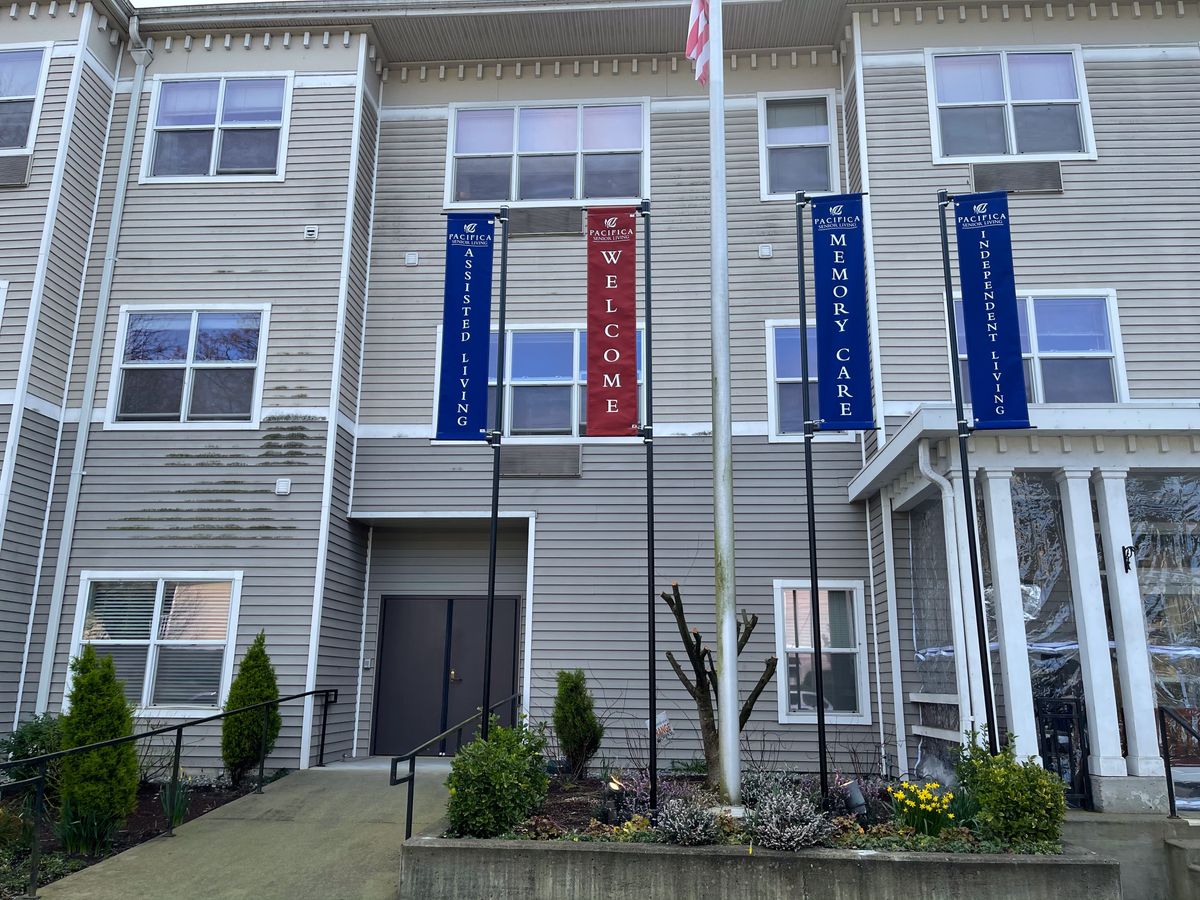
Flag and Apartment Building
Wall Art
Piano
Office, Waiting Area, and Reception Desk
Lounge
Rug
Refrigerator and Minimalist
Conference Room
Meeting Room
Grab Bars and Accessible
Oven and Fridge
Meeting Space
Modern Furniture
Paintings
Office Space
High Ceiling
Architectural Design
Handrails, Shower Chair, and Accessible Shower
Get PricingAsk A QuestionSchedule A TourContact Senior Advisor
By clicking submit, you agree to our Partner's Terms of Use. You
also consent to receive calls and texts, which may be autodialed, from our Partner. Your consent is not a condition to
using our Partner's service. Please visit our Partner's Privacy Policy for information about their privacy practices.



 100 resident community capacity
 1-bedroom apartments
 Assisted Living
 Independent Living
 Memory Care
 Cats allowed
 Dogs allowed
 Activities off-site
 Air-conditioning
 Beautician on-site
 Cable or satellite TV
 Computer center
 Devotional services on-site
 Dining room
 Fitness room
 Fully furnished
 Gaming room
 Garden
 Handicap accessible
 Housekeeping services
 Indoor common areas
 Kitchenette
 Move-in coordination
 Outdoor common areas
 Private bathrooms
 Respite or short term stays offered
 Restaurant-style dining
 Small library
 Telephone
 Wellness center
 Wheelchair accessible showers
 Wi-Fi/high-speed internet available
 Seattle-Tacoma International (22 miles away)
 Community operated transportation
 12-16 hour nursing
 24-hour call system
 Ambulatory care
 Assistance with bathing
 Assistance with dressing
 Assistance with transfers
 Diabetes diet
 Diabetic care
 High acuity care
 Hospice waiver
 Incontinence care
 Medication management
 Mental wellness program
 Special dietary restrictions
 Transportation arrangement (medical)
 Art classes
 Brain fitness
 Catholic services
 Concierge services
 Cooking classes
 Day trips and outings
 Happy hour
 Karaoke
 Live dance or theater performances
 Live musical performances
 Trivia games
 English
 Vibrant, amenity-rich location with easy healthcare access.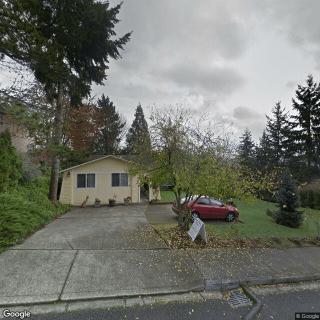
 Dementia, Paranoia, and Caregiver Guidance: Understanding the Connection
 Engaging Memory Care Activities That Enhance Quality of Life
 When to Transition from Assisted Living to Memory Care: Key Indicators, Steps, and Finding the Right Community