
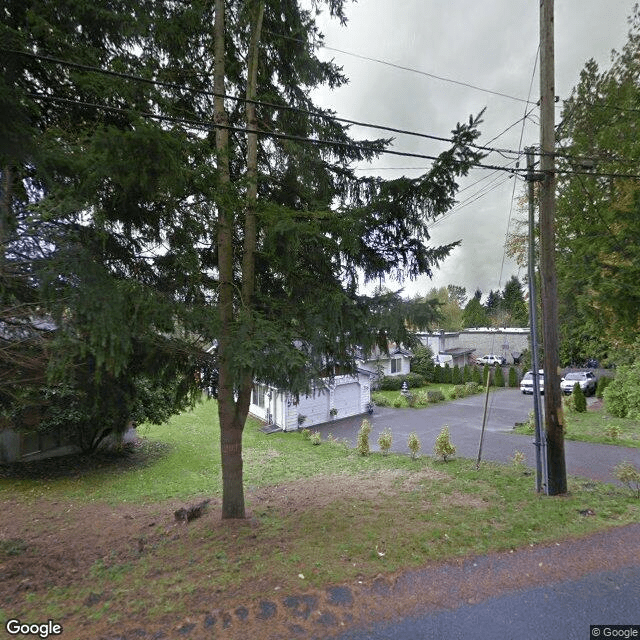
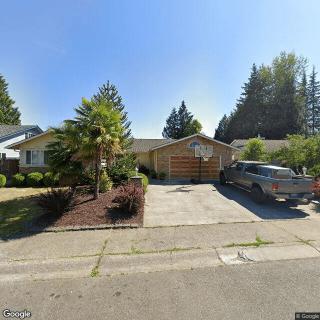
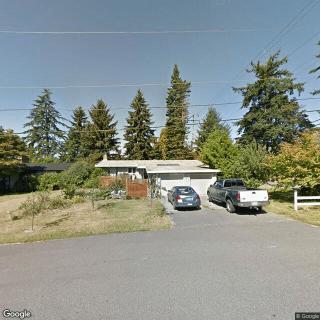
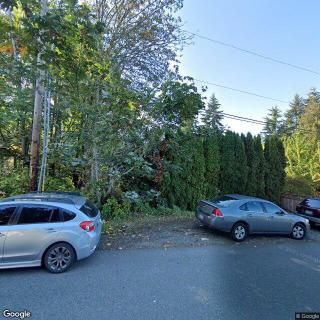
17607 83rd Ave. NE, Kenmore, WA 98028
To contact a resident: (425) 402-1424
For more information about senior living options: (866) 208-4318
St. Maria AFH Costs & Pricing
St. Maria AFH offers competitive pricing for its accommodations, significantly below the average costs for similar facilities in Snohomish County and across Washington state. For a semi-private room, residents can expect to pay $3,500 per month, which is considerably lower than the county's average of $4,320 and the state average of $4,267. Private rooms at St. Maria AFH are priced at $4,000, also more affordable than the local and state rates of $4,834 and $4,772 respectively. Furthermore, their one-bedroom options are similarly priced at $4,000, well below the county's average of $5,080 and slightly above the state's mean cost of $4,632. These rates position St. Maria AFH as an economically sensible choice for those seeking quality care without compromising on comfort or dignity.
| Floor plans | St. Maria AFH | Snohomish County | Washington |
|---|---|---|---|
| Semi-Private | $3,500 | $4,320 | $4,272 |
| Private | $4,000 | $4,834 | $4,774 |
| 1 Bedroom | $4,000 | $5,080 | $4,634 |
Memory care communities with a similar price nearby
-
About the same
Dignity Life
$3,500 / month5.9 miles away -
from -$125 / mo
Evergreen Manor Senior Care Inc
$3,375 to $7,500 / month5.0 miles away -
from -$500 / mo
Caring Adult Family Home #1
$3,000 / month1.6 miles away -
from +$500 / mo

Riverton Home Care
$4,000 to $5,000 / month19.5 miles away -
from +$500 / mo
Gentle Care Home
$4,000 to $5,500 / month21.6 miles away
Overall Review of St. Maria AFH
Pros
 The home is lovely and has dedicated staff.
Cons
 The reviewers were not confident that the staff could adequately manage a patient with a complicated medical history.
Review
St. Maria AFH in Kenmore, WA is best suited for seniors who want a small, family-style living environment with consistently attentive, hands-on caregiving, and whose care needs are manageable within an assisted-living framework. The home-like setting and devoted staff create daily routines that feel personal rather than institutional, supporting dignity, continuity, and social connection. In practice, this means residents who mainly need help with daily activities, companionship, meal support, medication reminders, and safety monitoring, but do not require around-the-clock medical interventions or complex care coordination. For families prioritizing a quiet atmosphere, predictability, and everyday warmth, this community can be a reassuring fit.
Those weighing alternatives should consider residents with more complex medical histories or high-acuity needs. If a resident requires frequent physician oversight, rapid response to medical changes, wound care, IV therapies, or intensive medication management, a larger assisted living with on-site nursing, a memory-care focus, or even skilled-nursing options may be more appropriate. The reality reflected in the available feedback points to a setting that shines in warmth and attentiveness but is not positioned to be the sole solution for residents whose health status demands robust, proactive clinical oversight and highly coordinated care.
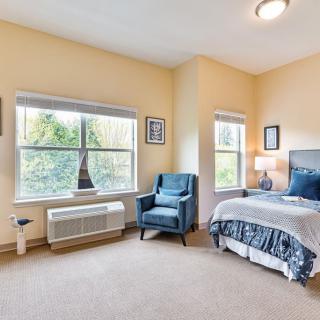
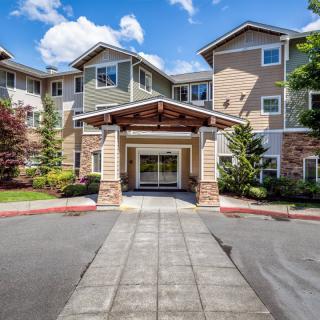
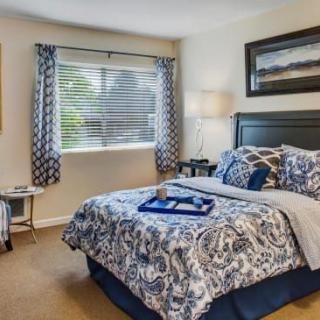
The primary positives here are undeniable: a lovely, homelike environment and a staff that shows dedication and consistent attention. This combination translates into reliable daily living support, with caregivers who know residents well, maintain routines, and foster social engagement. For families seeking a place where a resident can settle into familiar rhythms, meals, activities, and caretaking performed with genuine care, St. Maria AFH delivers warmth, personal touch, and a sense of belonging that can ease transitions from independent living or hospitalization. The intimacy of the setting also means fewer transfers and a tighter social loop, which can be a meaningful non-medical antidote to isolation.
The main drawback is the implied limitation in handling complicated medical histories. The concern that staff may not be fully equipped to stay on top of complex conditions without strong external medical coordination is a legitimate consideration. In small-format homes like this, the benefit of close relationships and near-constant interaction can be offset by limited on-site clinical resources, slower escalation pathways, and fewer nurses available for acute or nuanced medication management. For a resident whose health status fluctuates or who requires regular, intensive medical interventions, this gap can translate into risk and stress for families.
Yet the strengths can meaningfully offset the drawbacks when viewed through the right lens. A dedicated team and a calm, home-like milieu can significantly reduce agitation, improve mood, and promote adherence to simple care plans, as long as there is a robust external medical strategy in place. For residents with stable conditions, clear routines, and a well-structured care plan, the personal attention and predictable environment may maintain quality of life at a high level. The key is implementing strong physician and family oversight, reliable med-management arrangements, and a clear plan for emergencies, so that the warmth of the staff is not undercut by medical ambiguity.
Practical next steps for families are clear. Ask about staff-to-resident ratios, the training and experience of caregivers with medical tasks, and the availability of on-site nursing or nurse consultants. Seek a formal care plan that includes medication management, doctor visit coordination, and emergency response protocols. Inquire how changes in health status are monitored and who leads adjustment of care plans, as well as what happens during nights and weekends. Clarify what services are included in the base rate versus add-ons, and request a trial period or a detailed transition plan if moving from a higher-acuity setting. The verdict is straightforward: St. Maria AFH is a sound option for seniors seeking a warm, intimate environment with dependable daily support, best suited for stable or low-acuity needs. For families confronting complex medical histories or frequent care changes, alternatives with stronger on-site nursing capability will reduce risk and provide greater peace of mind.
 Board and Care Home
 Memory Care
 Cats allowed
 Dogs allowed
 Activities off-site
 Beautician on-site
 Devotional services off-site
 Indoor common areas
 Outdoor common areas
 Private
 Respite or short term stays offered
 Wheelchair accessible showers
 Seattle-Tacoma International (22 miles away)
 Diabetic care
 High acuity care
 Incontinence care
 Medication management
 Kosher
 Christian services

 Engaging Memory Care Activities That Enhance Quality of Life
 When to Transition from Assisted Living to Memory Care: Key Indicators, Steps, and Finding the Right Community
 Understanding the Distinctions: Assisted Living and Memory Care Explained