

8627 NE 180th St. 425-486-3848 RCH, Bothell, WA 98011
To contact a resident: (425) 486-3848
For more information about senior living options: (866) 208-4318
A Loving Heart AFH Costs & Pricing
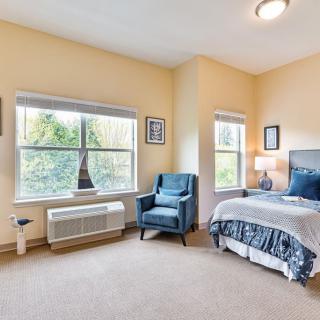
A Loving Heart AFH offers a private room at a competitive rate of $3,995 per month, which is notably lower than the average costs in Snohomish County at $4,834 and the broader Washington state average of $4,772. This pricing not only reflects A Loving Heart's commitment to providing quality care but also positions it as an attractive option for families seeking affordable assisted living solutions without compromising on comfort or service. The facility's pricing structure underscores its dedication to meeting the needs of residents while remaining accessible within the regional market.
| Floor plans | A Loving Heart AFH | Snohomish County | Washington |
|---|---|---|---|
| Private | $3,995 | $4,834 | $4,774 |
Senior living communities with a similar price nearby
-
from -$495 / mo
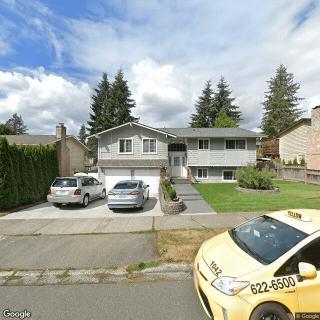
Dignity Life
$3,500 / month5.7 miles away -
from -$620 / mo

Evergreen Manor Senior Care Inc
$3,375 to $7,500 / month5.0 miles away -
About the same
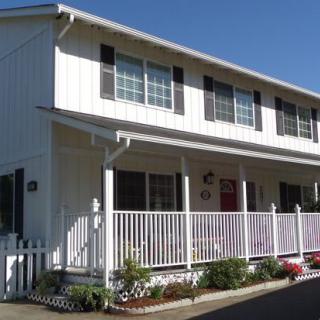
Meadow Crest Senior Home
$4,000 to $6,000 / month17.5 miles away -
About the same

Riverton Home Care
$4,000 to $5,000 / month19.7 miles away -
About the same
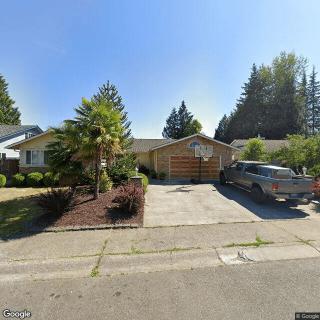
Gentle Care Home
$4,000 to $5,500 / month21.7 miles away
Overall Review of A Loving Heart AFH
Pros
 The home provides excellent care.
- Caregivers are compassionate and competent.
- The house is beautiful, and the staff is extremely helpful.
Review
A Loving Heart AFH in Bothell, Washington, is best suited for seniors who want a small, home-like environment where caregivers know residents by name and routines can be tailored to individual needs. This is not a high-tech campus; it is a hands-on, relationship-driven setting where daily life feels comfortable, predictable, and intimate. Families seeking steady, compassionate companionship, reliable help with daily tasks, and a sense that someone notices small changes in well-being will find alignment here. The format benefits those who want frank accessibility to caregivers and a setting that feels more like a well-loved home than a clinical facility. For residents who prize personalized attention over breadth of services, A Loving Heart AFH typically fits like a glove.
However, this intimacy comes with trade-offs. Alternatives should be considered for seniors needing broader medical oversight, a wider array of structured activities, or dementia-specific programming. Larger assisted living communities can offer on-site nursing, more robust activity calendars, and redundancy in staffing, which matters on busy days or during staff vacations. Families weighing options should be mindful of whether a small, owner-operated home can sustain the level of engagement and emergency responsiveness required by the individual resident, especially if medical needs evolve quickly. Those seeking intensive memory care should look for facilities dedicated to that specialty rather than an AFH setting.
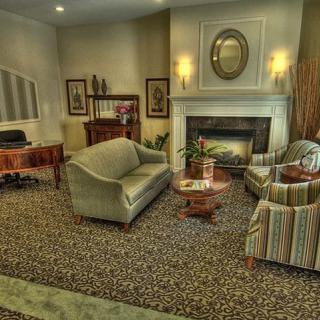
On the upside, the strongest draws are indisputable. The home’s beauty and warm ambiance create a relaxing, non-institutional backdrop that lightens the burden of transition. Reviewers repeatedly point to compassionate and competent caregivers, and to staff who are attentive and genuinely helpful in day-to-day tasks. This translates into smoother mornings, more consistent medication reminders, and a sense of real connection that reduces anxiety for residents and reassurance for families. The small scale means issues are spotted and addressed rapidly, with direct lines of communication to the caregiving team and the family.
Still, the limited scale inevitably introduces potential downsides. The lone one-star rating among the three reviewed signals that expectations may not always align with reality, underscoring the need for careful diligence. With fewer staff hours and less redundancy than larger homes, turnover or absence can have a bigger impact on daily life and service quality. Availability of specialized services, podiatry, physical therapy, or memory-specific activities, may differ from what a larger facility can routinely offer. Families should probe what happens when caregivers are off-site, how shifts are covered, and whether medical needs beyond basic assistance can be managed on-site or require external coordination.
That said, the pros tend to offset these cons for many residents. The combination of a beautiful, homelike setting and consistently attentive staff tends to produce calmer days and stronger trust between residents and caregivers. Personal attention means meal pacing, safety checks, and reminders can be tailored precisely, reducing the risk of confusion or frustration for seniors who dislike institutional rigidity. Families gain confidence from open, accessible communication, direct contact with the caregiving team, and visible accountability in a small operation. When expectations revolve around warmth, respect, and a responsive, family-like culture, the main drawbacks become manageable rather than deal-breakers.
For families deciding whether A Loving Heart AFH is the best fit, anchor the choice to care style: intimate, relationship-based care in a home setting suits those who value daily warmth and personal touch over a broad service menu. It is less ideal for residents requiring extensive medical management, complex memory care, or a rich slate of structured activities. Key questions should cover staff ratios, on-call medical support, care planning, contingency staffing, and the availability of specialized services. A thoughtful visit, meeting caregivers, observing interactions, and assessing how the home handles routine changes, will reveal whether the advantages align with the resident’s needs and the family’s expectations.
 Board and Care Home
 Private
 Private bathrooms
 Seattle-Tacoma International (22 miles away)
 Ambulatory care
 Diabetic care
 Christian services




 Seniors and Modern Transportation: Exploring Uber, Lyft, and Other Ride-Hailing Options
 Comprehensive Guide to Qualifying for Home Health Care Services
 Powerful Realities of Elder Abuse and the Most Effective Ways to Report It