
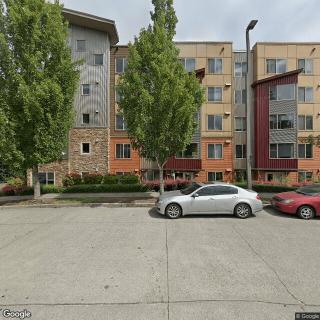
1018 S 130th St, Burien, WA 98168
To contact a resident: (206) 696-9928
For more information about senior living options: (866) 208-4318
Raena Adult Family Home Costs & Pricing
Raena Adult Family Home offers competitive pricing in comparison to the broader market rates in King County and the state of Washington. For semi-private rooms, Raena charges $4,000 per month, which is notably lower than both the county average of $4,430 and the state average of $4,267. Similarly, for private rooms and one-bedroom accommodations, Raena maintains consistent pricing at $5,000 per month - slightly undercutting King County's private rate of $5,034 while remaining above the statewide average of $4,772 for these room types. Overall, residents can find a cost-effective living option at Raena without compromising on quality or care.
| Floor plans | Raena Adult Family Home | King County | Washington |
|---|---|---|---|
| Semi-Private | $4,000 | $4,430 | $4,272 |
| Private | $5,000 | $5,034 | $4,774 |
| 1 Bedroom | $5,000 | $5,127 | $4,634 |
Memory care communities with a similar price nearby
-
from -$500 / mo
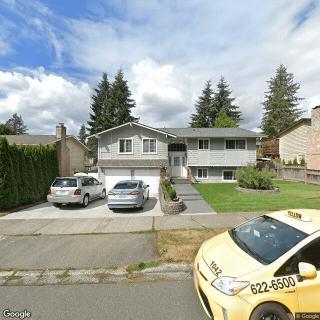
Dignity Life
$3,500 / month24.5 miles away -
from -$625 / mo
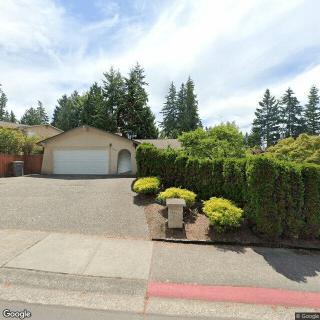
Evergreen Manor Senior Care Inc
$3,375 to $7,500 / month15.3 miles away -
About the same

Riverton Home Care
$4,000 to $5,000 / month0.9 miles away -
About the same
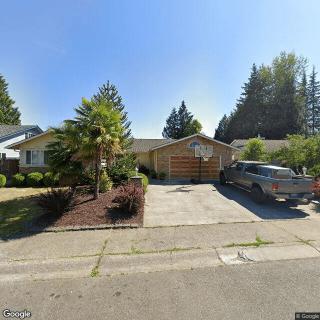
Gentle Care Home
$4,000 to $5,500 / month8.1 miles away -
from -$500 / mo

Twin Lakes Haven Adult Family Home
$3,500 to $8,000 / month12.4 miles away
Overall Review of Raena Adult Family Home
Pros
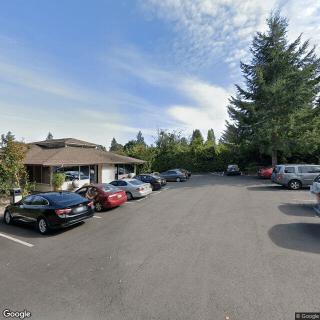
 The location of the facility is wonderful and beautiful.
- The staff are great.
- They prepare home-cooked meals and celebrate holidays and birthdays, with entertaining musicians.
- The proprietor stays in touch with residents' families.
- The home is always clean and the staff are like family.
- The care is compassionate and attentive.
- Blue Haven staff provide fantastic care for residents.
- There is always a caregiver in the kitchen cooking wonderful meals, and residents participate in daily activities.
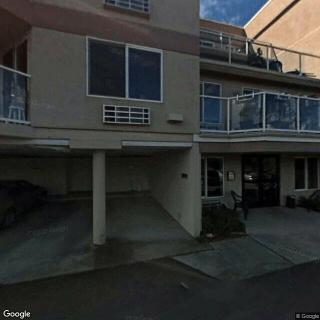
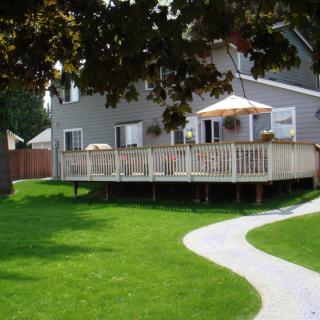
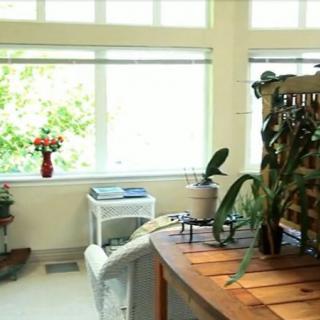
- The facility is exceptionally clean, bright, and cheery, with private bedrooms and spaces for activity.
- Mariza and her staff genuinely care for residents and are dedicated.
Review
Raena Adult Family Home in Burien is best suited for families prioritizing an intimate, home‑like setting where caregiving feels personal, consistent, and deeply attentive. This community shines for seniors who want daily warmth and individualized support rather than a clinical, institutional vibe. Based on the experiences shared by families, the environment tends to be clean, bright, and welcoming, with meals prepared on site and celebrations that foster a sense of belonging. Residents often participate in meaningful activities, and staff are described as kind, patient, and genuinely engaged. For families navigating the transition from independent living to assisted living, Raena offers a reassuring rhythm of daily life that feels more like home than a facility.
Those whose priority includes robust medical oversight or specialized memory care may want to consider alternatives. Raena-style homes excel at warmth, privacy, and personalized attention, but they typically do not provide the breadth of clinical programming or the larger social calendar found in bigger assisted living campuses. For residents with complex clinical needs, frequent nurse supervision, or rehab services, a larger community with on-site physicians and a formal memory care track could be more appropriate. Similarly, families who value a wide range of on-site amenities and scheduled outings over a strictly intimate setting might look elsewhere.
From the core positives, several elements consistently rise to the top. Cleanliness and a tidy, inviting environment are repeatedly highlighted, creating a sense of safety and pride in the home. Caregivers are described as compassionate, attentive, and available, with staff stability and a hands-on approach that makes residents feel known and valued. The meals are a focal point, home-cooked, varied, and tailored to preferences, so nutrition becomes part of daily joy rather than a routine. The small-scale structure enables real relationships: families stay informed and connected, celebrations are meaningful, and residents are encouraged to stay engaged through daily activities rather than passively occupying a chair.
Where a potential downside could appear, the absence of a large staff or heavy medical infrastructure is the obvious gap. Yet the advantages of a close-knit team often compensate: leadership that is accessible, routines that can adapt to changing needs, and a culture that prioritizes privacy and personal dignity. The proportional caregiver-to-resident attention tends to translate into quicker responses, more individualized care plans, and a sense that care is tailored rather than cookie-cutter. In practice, that means fewer days feeling like merely a number and more days where a resident’s preferences, routines, and celebrations drive the day.
Practical steps for evaluating Raena include asking for a transparent overview of daily staffing, including who handles evenings and weekends; observing meal prep for signs of dietary accommodation; and assessing how often family updates occur and through what channels. Prospective residents should inquire about care planning, medication management, and how activities are chosen to fit individual interests. Visitors should look for a homey atmosphere, accessible common spaces, and opportunities to participate in daily life, as well as obvious signs of cleanliness and safety. Importantly, request to meet several staff members and speak with current families to gauge consistency of care and the quality of interpersonal connections.
In sum, Raena is a compelling choice for families prioritizing an intimate, high‑touch care model in Burien. It suits seniors who want to feel at home every day, with caregivers who know their routines, meals that feel like home cooking, and a community where birthdays and holidays are celebrated with genuine warmth. Those needing extensive clinical support, memory-care specialization, or a broad array of on-site amenities should consider larger or more medically focused options. Arranging a visit, asking pointed questions about staffing, care plans, and family communication, and talking with current residents’ families will illuminate whether this intimate setting aligns with the resident’s needs and goals.
 Board and Care Home
 Memory Care
 Seattle-Tacoma International (3 miles away)
 Assisted Living and Memory Care: Understanding Their Core Differences
 Choosing the Right Senior Care: A Detailed Exploration of Assisted Living and Nursing Homes
 Safeguarding Your Memory Through the Golden Years: Eight Ways to Preserve Cognitive Health