
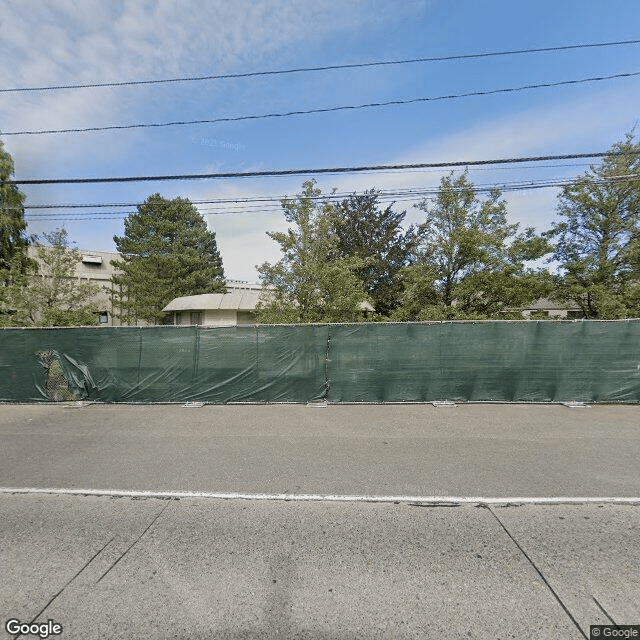
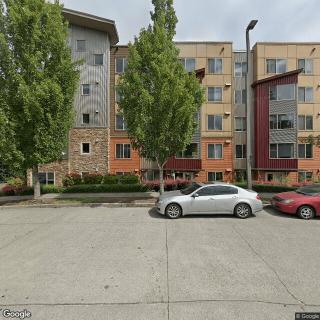
12844 Military Rd S, Tukwila, WA 98168
To contact a resident: (206) 244-0180
For more information about senior living options: (866) 208-4318
Overall Review of Dup Highline Community Hospital Specialty Campus
Pros
 The review is helpful for locating a nearby emergency facility.
- The reviewer provides clear guidance to the High Line ER’s Burien location.
- The information is practical and easy for readers seeking emergency care to follow.
Cons
 They claim that this is not an ER.
- They note that a search for emergency rooms will lead them here.
Review
Dup Highline Community Hospital Specialty Campus in Tukwila is best suited for families prioritizing hospital-linked medical support for an older adult, rather than for those seeking a traditional, fully social senior living setting. This campus functions as a medical hub tied to a hospital system, not a stand-alone assisted living community. It is a practical choice for residents whose care plan hinges on ready access to specialists, routine testing, imaging, and coordinated discharge planning, all within a campus environment. Those who want ample everyday social programming, overt assisted living amenities, or a true 24/7 on-site ER should look elsewhere. The facility’s identity as a specialty campus means medical resources are central, but that comes with a specific set of expectations about how care is delivered.
Some families will want to consider alternatives because the core services and setting here do not align with every senior living need. If true emergency access is the top priority, a facility with a dedicated 24/7 emergency department or a standalone urgent care option is a better fit. If the resident requires a traditional, home-like living environment with expansive assisted living services, memory care programming, and robust daily activity calendars, a conventional senior living community is likely to deliver more of what is expected day-to-day. In short, this campus should be weighed against options that emphasize either leisure-focused living or acute-care access in a more conventional residential setting.
The strongest positives center on medical integration. Proximity to hospital resources means scheduling visits, tests, and follow-up care can be streamlined, with the likelihood of smoother coordination between physicians, labs, and imaging services. For a medically complex senior who anticipates ongoing specialist consultations or frequent hospital-based procedures, the on-site connection to hospital systems can reduce the friction of care transitions. There is also a potential advantage in discharge planning and care continuity should hospital admission become necessary, given the campus’ inherent alignment with hospital staff and protocols. One positive review aligns with this reality, signaling that some residents experience meaningful value from the hospital-affiliated framework.
Yet the identified drawbacks are not negligible. The clear caveat from the available feedback is the risk that some families may treat the campus as an ER, only to discover it is not one. That misperception can lead to confusion, delayed decisions, or mismatched expectations about what services are available on-site. Another meaningful con is the possible gap between the hospital-centric environment and the social, daily living needs typically highlighted by traditional senior communities. If the resident thrives on rich social programming, a vibrant activities calendar, and highly tailored on-site care plans, those elements may feel secondary on a hospital campus. The overall atmosphere can skew clinical and procedural, which matters when quality of life is part of the decision calculus.
The pros offset the cons most convincingly for families who come prepared with clear medical goals and realistic expectations. When the priority is medical oversight, direct access to specialists, and a streamlined route to hospital-based care, the campus delivers tangible value. The integrated system can reduce coordination headaches, shorten wait times for tests, and improve continuity of care across visits and treatments. However, this upside rests on understanding the facility’s actual service scope and verifying specifics with administrators, particularly which on-site services exist beyond routine outpatient care. The mixed feedback, one high-rated experience, one more cautious take, underscores the need to align personal expectations with what the campus can realistically provide.
Bottom line: for medically oriented families where the plan centers on hospital-connected care and opportunistic access to specialists, Dup Highline Community Hospital Specialty Campus offers a coherent, efficiency-driven path. If, instead, the senior’s needs are dominated by social programming, full-service assisted living amenities, or immediate 24/7 on-site nursing in a non-clinical setting, alternatives will likely serve better. Before deciding, demand explicit clarity on what services are truly on-site, whether inpatient beds or dedicated nursing support exist, how discharge planning operates, and how emergencies would be handled in practice. In the end, the right choice hinges on whether the resident’s care trajectory benefits from hospital-system integration or from a living environment designed primarily around daily living and social engagement.
 Skilled Nursing Facility
 Seattle-Tacoma International (3 miles away)



 Navigating the Tax Landscape of Caregiving: Credits, Deductions, and Beyond
 Highly Beneficial Low-Impact Exercises for Senior Living Residents
 Is In-Home Healthcare Tax Deductible? Your Comprehensive Guide