
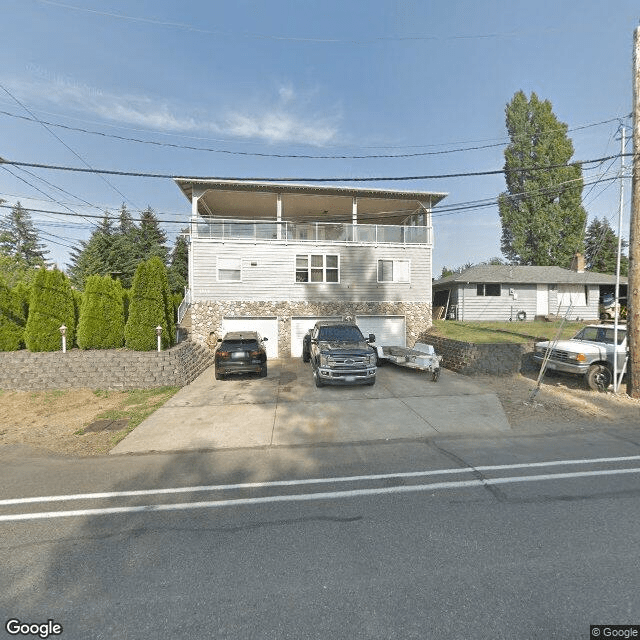
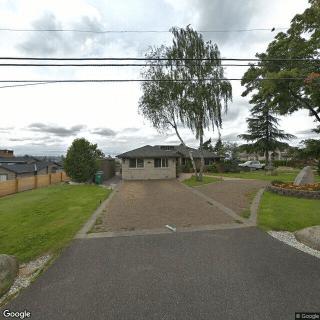
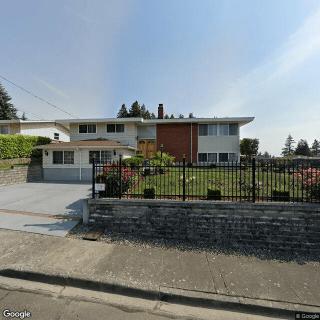
1924 Aberdeen Avenue Northeast, Renton, WA 98056
To contact a resident: (425) 254-2781
For more information about senior living options: (866) 208-4318
Best Quality Home Care AFH Costs & Pricing
At Best Quality Home Care AFH, the monthly cost for a private room is $7,000, which reflects the facility's commitment to providing high-quality services and personalized care. This price point is notably higher than both the average costs in King County, where private rooms typically run around $5,034, and the statewide average in Washington at approximately $4,772. While these figures may indicate a premium pricing strategy, they also suggest that residents at Best Quality Home Care AFH benefit from enhanced amenities and specialized care tailored to meet individual needs. Potential residents and their families should weigh these costs against the exceptional level of service offered to make an informed decision about their care options.
| Floor plans | Best Quality Home Care AFH | King County | Washington |
|---|---|---|---|
| Private | $7,000 | $5,034 | $4,774 |
Senior living communities with a similar price nearby
-
from -$500 / mo
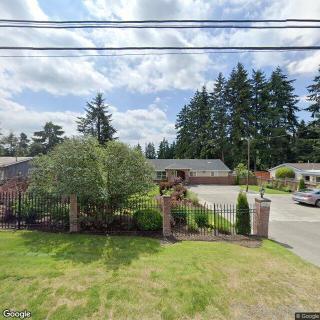
The Promised Land
$6,500 / month18.8 miles away -
from +$1000 / mo
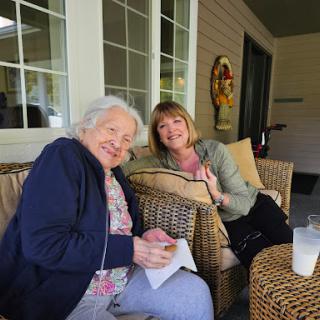
Grace Senior Care of Issaquah
$8,000 / month8.3 miles away -
from +$1000 / mo
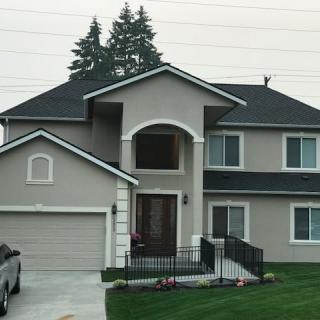
Golden Cottage AFH, Inc
$8,000 / month14.9 miles away -
from -$600 / mo
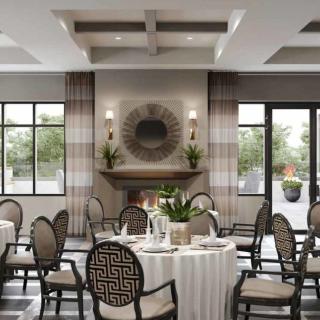
The Park at Belle Harbour
$6,400 to $15,500 / month8.3 miles away -
from -$1000 / mo
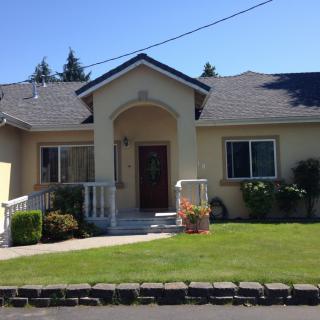
Elderly Home Care
$6,000 to $8,000 / month15.8 miles away
Overall Review of Best Quality Home Care AFH
Pros
 The staff at Best Quality Home Care AFH is warm, caring, and professional.
- The home is clean and well maintained.
- Residents settle in quickly at Best Quality Home Care AFH.
- The food is very good.
- The care team consistently shows care and compassion for residents.
- The family had a long, positive experience at this Adult Family Home.
- The staff welcomed the resident back with open arms and cared for him until his death.
- The facility is highly recommended for anyone seeking care for a loved one.
Cons
 He couldn't regain his independence and return home after trying for about 5–6 months.
Review
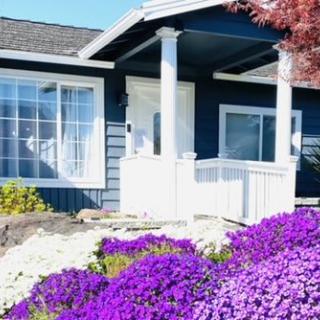
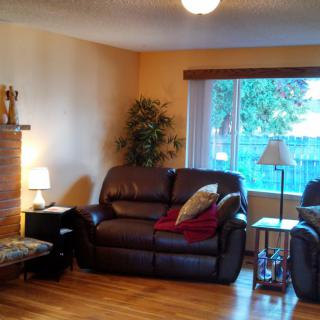
Best Quality Home Care AFH in Renton is best suited for families seeking a small, home-like setting where intimate, hands-on attention, steady routines, and everyday warmth drive care. This Adult Family Home model thrives on close relationships between residents and a stable, locally oriented caregiving team. It is ideal for seniors who are relatively stable, prefer a daily rhythm that feels like a private home, and value quick, personal communication with staff who know their needs well. Proximity matters here, with the house-like environment and nearby location supporting frequent family involvement and easy oversight. Families prioritizing trust, continuity, and a neighborly feel will find this community particularly compelling.
The strongest positives center on the people who work there and the environment they cultivate. The staff are consistently described as warm, professional, and genuinely caring, delivering comfort through attentive daily interactions and clear responsiveness to questions or concerns. The home itself is kept clean and well maintained, creating a sense of safety and dignity in daily life. Food quality is singled out as a notable plus, contributing to overall well-being and satisfaction. The owner or lead caregiver earns frequent praise for being exceptionally caring, kind, and gentle, which translates into a treatment philosophy that feels respectful and personal. Taken together, these elements generate a rare level of reassurance for families who worry about neglect or indifference in care.
The reviews imply a few trade-offs inherent to the small-scale AFH model, even though no major drawbacks are explicitly cited. A small, home-based setting naturally focuses on individualized attention, with fewer on-site resources than larger communities. That can mean limited on-site medical equipment, fewer formalized therapy programs, and a greater reliance on external providers for complex needs. Yet the flip side is that the same intimate team and setting reduces the risk of disconnection, increases responsiveness, and fosters a sense of being truly cared for, often offsetting the absence of a hospital-style service array. For families managing chronic conditions or post-acute needs, this balance leans toward the reassurance that every care decision receives thoughtful, continuous attention rather than bureaucratic delays.
Those considering alternatives should be mindful of what different paths offer. For residents requiring round-the-clock skilled nursing, comprehensive rehabilitation, or highly specialized memory care programming, larger assisted living campuses or dedicated memory care communities may better match the anticipated intensity and breadth of services. The Renton AFH’s strengths, consistency, personal attention, and a genuine home atmosphere, can feel insufficient to families seeking expansive activity calendars, on-site specialist staff, or more formalized care coordination. In short, ongoing high-acuity needs or a preference for robust, campus-wide programming are legitimate reasons to explore other options.
Practical next steps help determine fit. Prospective families should schedule a thorough, in-person visit and observe how staff interact with residents, noting whether conversations and care plans feel collaborative and respectful. Ask about staff-to-resident ratios across shifts, the process for updating individualized care plans, and how medical coordination is arranged with external providers. Taste and variety matter, request a sample menu and inquire about dietary accommodations, appetite trends, and oral care routines. Clarify how emergencies are managed, what support is available after hours, and how families receive updates. Collect references and, if possible, speak with current residents or other families to gauge day-to-day satisfaction beyond what marketing words convey.
Overall, Best Quality Home Care AFH stands out as a superb choice for families who prize a heartfelt, high-touch, home-centered approach to senior care. It delivers warmth, consistency, and a sense of safety that many families seek but seldom find in larger facilities. For loved ones who benefit from stable routines, visible caregiver dedication, and a strong sense of belonging, this Renton community offers an exceptional match. Those with greater needs for clinical complexity or expansive programming should evaluate alternatives, but for the vast majority seeking genuine compassion in a small setting, this AFH earns a confident, practical recommendation.
 Board and Care Home
 Cats allowed
 Dogs allowed
 Activities off-site
 Beautician on-site
 Devotional services off-site
 Indoor common areas
 Outdoor common areas
 Private
 Private bathrooms
 Respite or short term stays offered
 Swimming pool / hot tub
 Wheelchair accessible showers
 Seattle-Tacoma International (7 miles away)
 Diabetic care
 High acuity care
 Incontinence care
 Medication management
 Kosher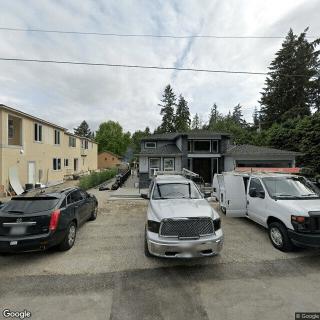
 A Detailed Examination of Nursing Home Costs Across the U.S.
 Exploring Nonmedical Home Care: Understanding Services, Costs, and Financial Approaches
 Engaging Brain Games and Innovative Apps to Keep Senior Minds Active