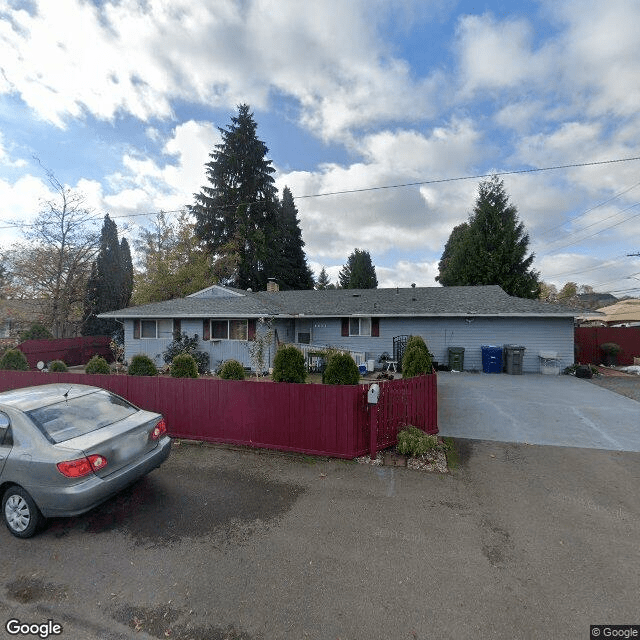
1171 Camas Ave NE, Renton, WA 98056
To contact a resident: (425) 757-0661
For more information about senior living options: (866) 208-4318
Grace at Camas Adult Family Home Costs & Pricing
At Grace at Camas Adult Family Home, the monthly costs for residents reflect both the quality of care provided and the local market conditions. For a private room, Grace charges $6,000 per month, which is notably higher than the average rates in King County ($5,034) and throughout Washington State ($4,772). If one opts for a one-bedroom accommodation, the cost rises to $6,500 - again above King County's average of $5,127 and Washington's overall rate of $4,632. These figures suggest that while Grace offers competitive pricing within its specific context, potential residents may find themselves paying premiums for superior amenities or specialized services associated with this particular adult family home.
| Floor plans | Grace at Camas Adult Family Home | King County | Washington |
|---|---|---|---|
| Private | $6,000 | $5,034 | $4,774 |
| 1 Bedroom | $6,500 | $5,127 | $4,634 |
Memory care communities with a similar price nearby
-
from +$500 / mo

The Promised Land
$6,500 / month19.3 miles away -
About the same
Elderly Home Care
$6,000 to $8,000 / month16.3 miles away -
from -$250 / mo

Fieldstone Rolling Bay and Fieldstone Memory Care
$5,750 to $8,895 / month18.3 miles away -
from -$500 / mo

Twin Lake Adult Family Home
$5,500 to $6,500 / month16.2 miles away -
About the same
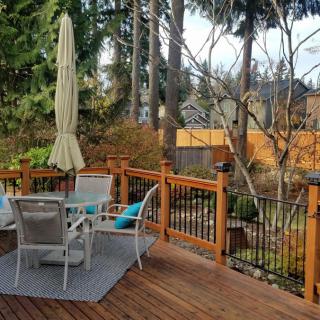
Blue Horizon Adult Family Home
$6,000 to $7,000 / month10.3 miles away
Overall Review of Grace at Camas Adult Family Home
Pros
 Grace at Camas family home is a great place for mom’s care.
- The care provided is compassionate and gentle.
- The home is small and well-run, meeting residents’ individual needs.
- The staff keep families informed about changes and are always available to discuss questions.
- The owner is fantastic and consistently goes above and beyond to be thoughtful and caring.
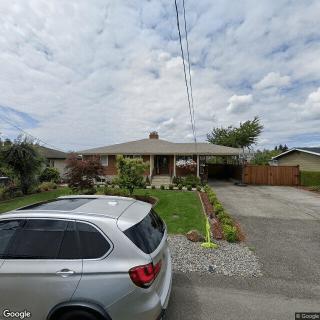
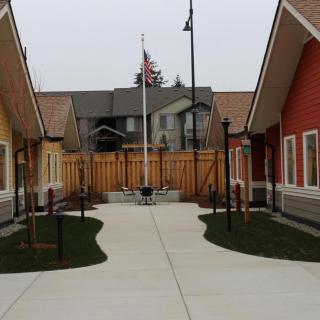
- The improvements to the exterior and yard make it nicer for residents to venture outside.
- The home is clean inside and outside.
Cons
 The reviewer thinks that caregiving services are overrated.
- The reviewer claims they have the advantage and can charge whatever they want.
Review
Grace at Camas Adult Family Home in Renton is best suited for families seeking a small, intimate, home-like environment where staff deliver compassionate, individualized care. This is a setting where residents are treated as people first, with attentive daily oversight and a clear emphasis on tailored support rather than a bustling institutional cadence. The community shines for seniors who thrive on a predictable routine, appreciate direct access to caregivers and the owner, and value clear, ongoing communication with family. It suits residents who need help with activities of daily living but do not require the scale or clinical infrastructure of a larger facility. The warmth of a single-family home, combined with a focused, hands-on approach, often translates into real peace of mind for relatives who want to know who is looking after mom or dad at every shift.
Anyone evaluating Grace at Camas should also consider who may want to look elsewhere. Those who expect a wide-ranging activity calendar, frequent outings, or a resort-like atmosphere may be disappointed. Residents with advanced medical needs, complex therapies, or memory-care requirements may need a facility with more robust clinical staffing and structured programming. Families seeking a facility with extensive on-site programming, diverse social events, or highly scheduled activities might find a larger community with a formal activity staff to be a better match. The same applies to households prioritizing cutting-edge amenities or expansive outdoor facilities; the home’s neighborhood-scale footprint naturally limits those offerings.
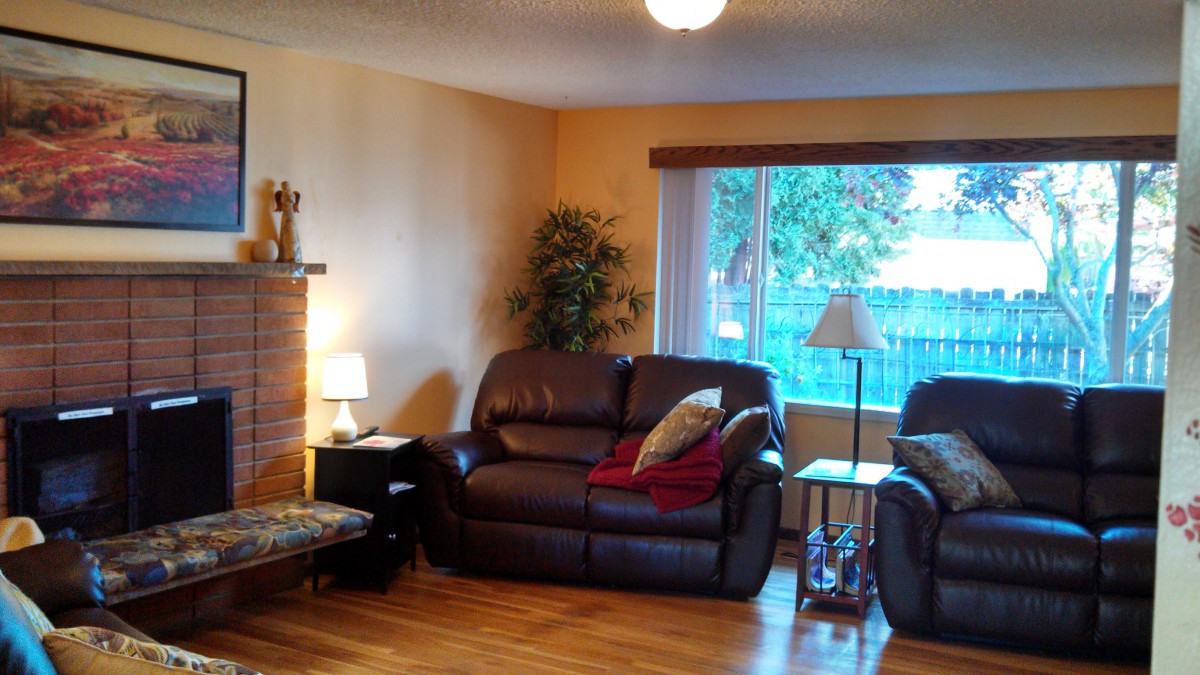
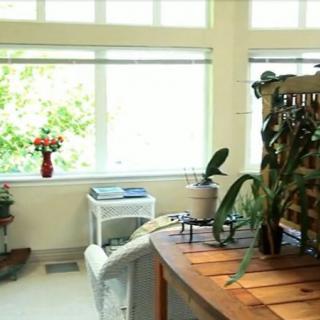
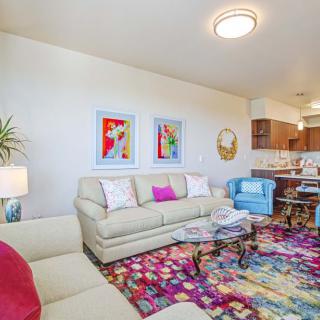
The strongest attributes of Grace at Camas, its attentive owner, the calm, well-maintained environment, and the high caregiver presence, offset many potential drawbacks. The owner’s responsiveness and willingness to go “above and beyond” create a dependable safety net for families, and the care teams are consistently described as pleasant, serious about their duties, and easy to reach. The home’s interior and common areas are welcoming and navigable, with ample light, uncluttered spaces, and furniture arranged to accommodate walkers and wheelchairs. Meals are regular, balanced, and thoughtfully planned to meet dietary needs, with snacks available throughout the day. The combination of a clean facility, a simpler layout that reduces confusion, and the reassurance of one-on-one or near-one-on-one caregiving coverage means residents often receive personal attention that larger communities struggle to match.
Those positives do not erase notable limitations. Activity options can be limited by weather and the small scale of the house, resulting in more time spent socializing, reading, or watching television than participating in structured activities. The same intimate setting that supports close caregiver-resident relationships can feel quiet or predictable for residents who crave a busier day or frequent excursions. A candid line in one review touches a persistent concern about valuation: the sense that the facility leverages its advantages to justify higher charges. While the care delivered is genuine and the environment secure, prospective families should verify what is included in the price, understand any ongoing cost increases, and compare the total expected spend against alternative options with more expansive programming or tiered care levels. The combination of limited activity breadth and cost sensitivity is the central tension to weigh.
For families actively choosing a community, a practical decision framework helps. Schedule a visit with specific questions about staffing patterns: how many caregivers are on site per shift, how often residents are checked, and who handles meals and medication administration. Inspect the floor plan for accessibility, door widths, hallway turns, and bathroom setups that accommodate mobility aids. Review the dining experience, not just the menu: are meals prepared to accommodate dietary restrictions, and is there flexibility in meal timing? Probe the activity rhythm: what kinds of social interactions occur daily, and are there opportunities for outdoor time when weather permits? Ask about communication protocols: how and when families are informed of changes in health status, and who serves as the primary point of contact. Also verify the exterior grounds and safety features, since improvements have been ongoing and reflect a commitment to making the outdoor space inviting for residents.
Ultimately, Grace at Camas offers a compelling value proposition for the right resident: a small, carefully run home where care is tangible, communication is open, and the owner’s leadership remains a constant, reassuring presence. It is a place where the human element, cleanliness, attentiveness, and a calm living environment, takes center stage, and where families gain confidence in a team that treats daily care as a reliable partnership. The trade-off is clear: the same intimate setting that enables personal attention can limit the breadth of activities and the scale of amenities, and price considerations call for careful budgeting and explicit understanding of what is included. For households prioritizing a warm, family-like atmosphere and dependable, thoughtfully delivered care, Grace at Camas stands out as a prudent, steady choice. For those chasing a busier social calendar or expansive campus facilities, alternatives with more extensive programming will likely be a better fit.
 Board and Care Home
 Memory Care
 Cats allowed
 Dogs allowed
 Activities off-site
 Bath tubs
 Devotional services off-site
 Indoor common areas
 Outdoor common areas
 Private
 Private bathrooms
 Respite or short term stays offered
 Wheelchair accessible showers
 Seattle-Tacoma International (7 miles away)
 Ambulatory care
 Diabetic care
 High acuity care
 Incontinence care
 Medication management
 Meals provided

 Dementia, Paranoia, and Caregiver Guidance: Understanding the Connection
 Engaging Memory Care Activities That Enhance Quality of Life
 When to Transition from Assisted Living to Memory Care: Key Indicators, Steps, and Finding the Right Community