
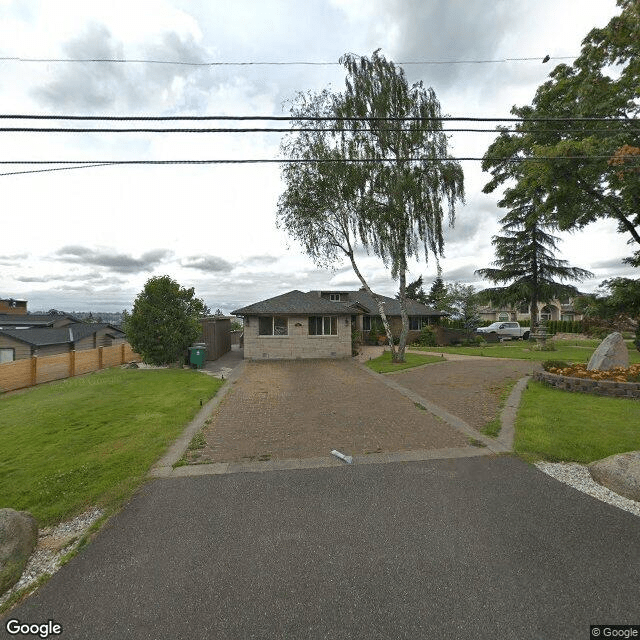
1917 Jones Ave. NE, Renton, WA 98056
To contact a resident: (425) 226-2354
For more information about senior living options: (866) 208-4318
Overlake View AFH Costs & Pricing
At Overlake View Adult Family Home, the monthly costs for accommodation reflect a premium experience in an exceptional setting, with both studio and private rooms priced at $6,000. This is notably higher than the average costs in King County, where studios average around $4,464 and private rooms are approximately $5,034. Similarly, when compared to state averages in Washington, which stand at around $4,126 for studios and $4,772 for private accommodations, Overlake View's pricing indicates a commitment to providing top-tier services and amenities that cater to residents' needs. While the costs may be above local and statewide averages, they encompass a level of care and quality that many families seek for their loved ones.
| Floor plans | Overlake View AFH | King County | Washington |
|---|---|---|---|
| Studio | $6,000 | $4,464 | $4,128 |
| Private | $6,000 | $5,034 | $4,774 |
Memory care communities with a similar price nearby
-
from +$500 / mo
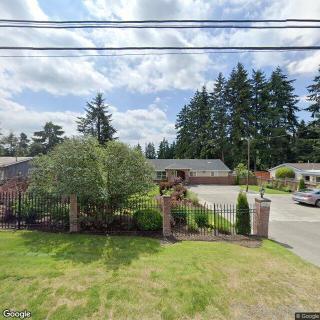
The Promised Land
$6,500 / month18.8 miles away -
About the same
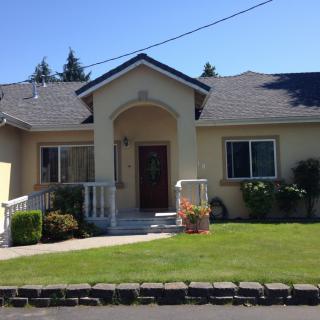
Elderly Home Care
$6,000 to $8,000 / month15.8 miles away -
from -$250 / mo
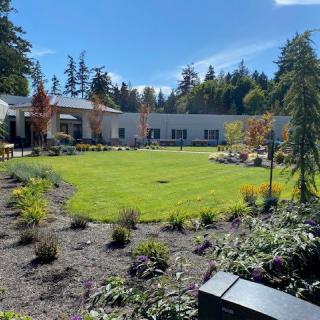
Fieldstone Rolling Bay and Fieldstone Memory Care
$5,750 to $8,895 / month17.7 miles away -
from -$500 / mo

Twin Lake Adult Family Home
$5,500 to $6,500 / month16.4 miles away -
About the same
Blue Horizon Adult Family Home
$6,000 to $7,000 / month10.8 miles away
Overall Review of Overlake View AFH
Pros
 The owner was an amazing person who was super nice.
- The care given there is like family.
- They take care of loved ones and treat them like family.
- The food is made from scratch and tastes amazing.
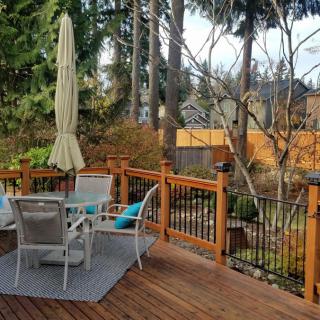
- The view is worth seeing again and again.
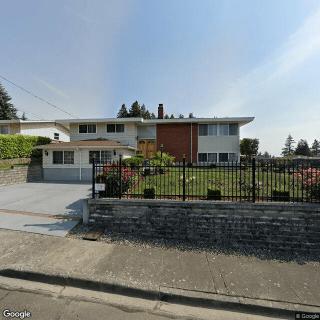
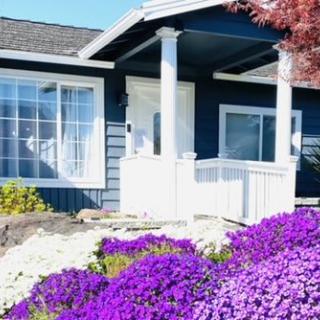
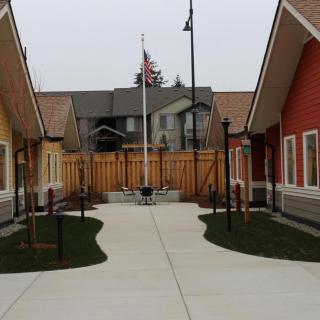
- The Adult Family Home has a beautiful front yard and a big back yard.
Cons
 The residents seemed to require a higher level of care than the loved one would require.
- It had a very gloomy, depressive feel.
- The facility was not a good fit for the loved one's needs.
- They chose another community because this one was not a good fit for their loved one's needs.
Review
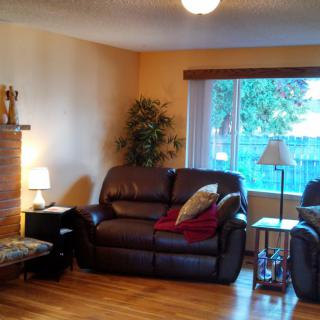
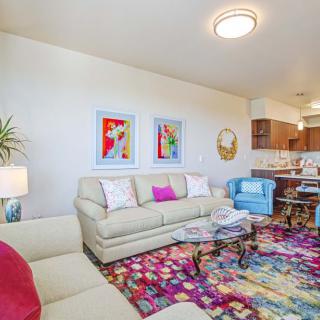
Overlake View AFH in Renton is best suited for families seeking a small, home-like elder care option where the caregiver relationship is central. This community shines for seniors who thrive on individualized attention, consistent daily routines, and meals cooked from scratch in a setting that feels private and intimate. The six-room footprint fosters a sense of belonging and predictability, which can be a major comfort for loved ones who prioritize a calm, predictable day-to-day over a bustling campus atmosphere.
Those who should consider alternatives include families whose loved one requires higher levels of medical oversight or frequent nursing support. The feedback suggests the setting may not align with residents needing advanced care or continuous clinical supervision. Additionally, families seeking a more social, energetic environment with a broader activity calendar or more visible opportunities for group engagement may find the small-scale format limiting. In short, this is not a fit for someone who needs robust medical staffing or a lively, highly structured program.
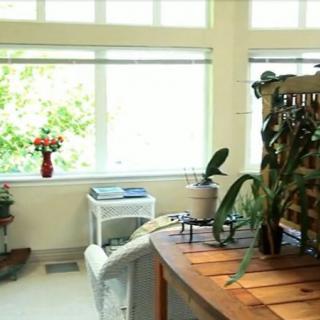
The strongest pros center on care ethos and homelike warmth. Caregivers are described as treating residents like family, delivering attention that feels personal and dependable. The owner’s warmth is repeatedly highlighted as a standout asset, underpinning trust and consistency in daily interactions. The kitchen’s scratch-made meals are a tangible benefit, supporting both comfort and nutrition, while the appealing views and well-kept outdoor spaces add to overall well-being. The combination of a beautiful front yard and a sizable back yard enhances opportunities for outdoor time, which can lift mood and provide safe, low-stress activity for residents.
Yet, the main cons echo a practical reality: the very strengths that make the place feel like home can also reveal its limits. The perception that residents may need a higher level of care than the loved one anticipated points to a misalignment between medical needs and the home’s capacity. The atmosphere has been described as gloomy or depressive, a serious consideration for anyone who prioritizes mood, mental engagement, and a bright social vibe. The small, intimate scale, while comforting for some, may restrict spontaneous social interaction and the breadth of activities available to residents who crave more stimulation or peer engagement.
In weighing options, families should quantify how important clinical oversight and day-to-day programming are to their loved one. If medical needs are minimal and companionship, routine, and home-cooked meals are paramount, Overlake View AFH offers a compelling blend of warmth, food quality, and comfortable surroundings that can offset a slower tempo. For those prioritizing medical reliability, on-site nursing, and a dynamic activity calendar, alternatives with larger staff teams and more structured programming deserve serious consideration. The decision hinges on the resident’s exact care requirements and personality, whether they will flourish in a serene, family-style home or fare better in a setting with more clinical resources and social opportunities.
The bottom line is pragmatic: Overlake View AFH is a strong match for families seeking a genuinely affectionate, low-key environment where caregivers treat residents like family, meals nourish daily life, and a pleasant view supports calm days. It is less suited for individuals needing advanced medical care, rapid clinical response, or a highly active social scene. Pros offset cons when the priority is a dependable, intimate caregiver relationship and homelike routines; pros do not fully offset the risk of mood, social, and care-pressure gaps for those with higher care needs. Prospective families should visit with concrete questions about staffing patterns, care plans, and activity options to confirm whether this particular home will align with the loved one’s health trajectory and personality.
 Board and Care Home
 Memory Care
 Activities on-site
 Devotional services on-site
 Indoor common areas
 Outdoor common areas
 Private
 Wheelchair accessible showers
 Seattle-Tacoma International (7 miles away)
 Diabetic care
 High acuity care
 Incontinence care
 Medication management
 Meals provided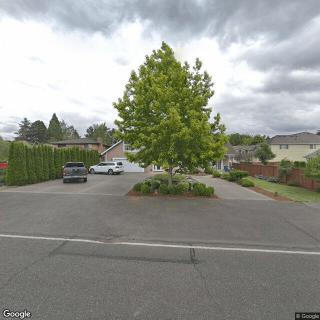
 Exploring the Contrasts Between Assisted Living and Skilled Nursing
 Vibrant Senior Living: A Comprehensive Guide for Active Older Adults
 Assisted Living and Memory Care: Understanding Their Core Differences