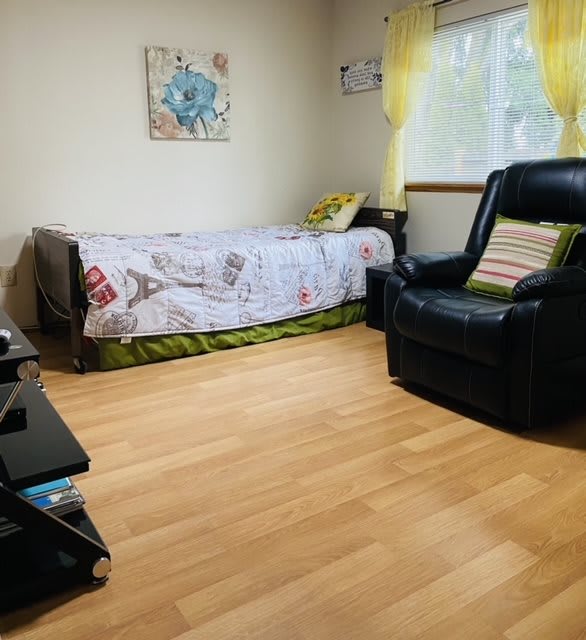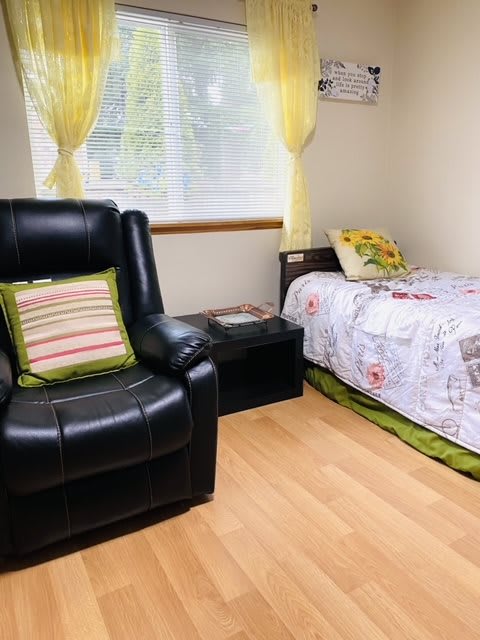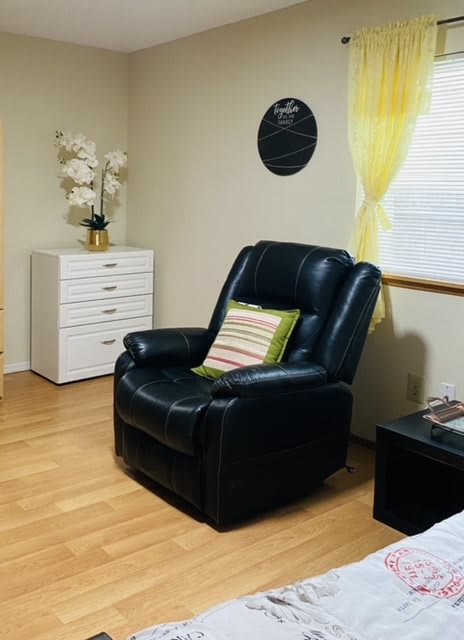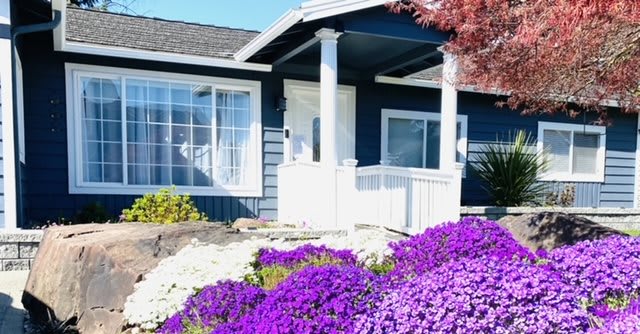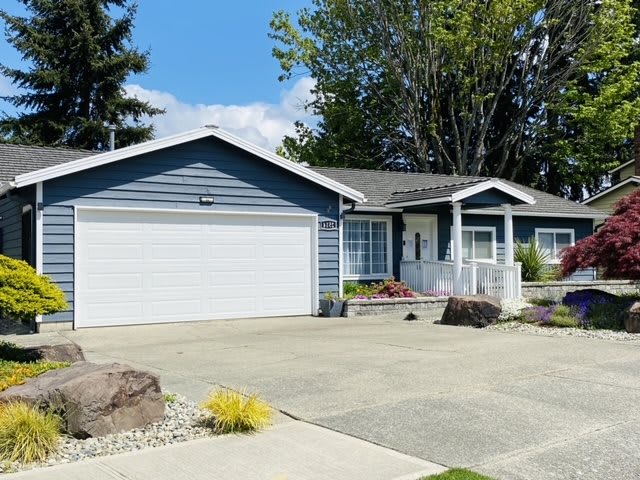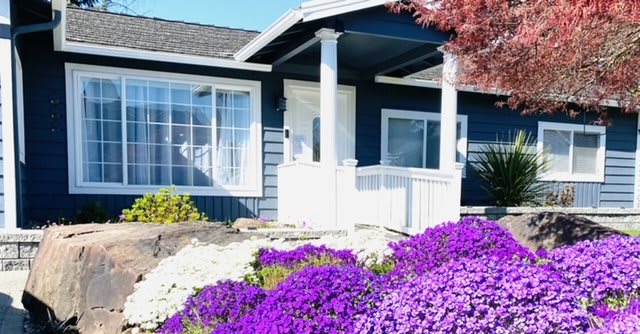


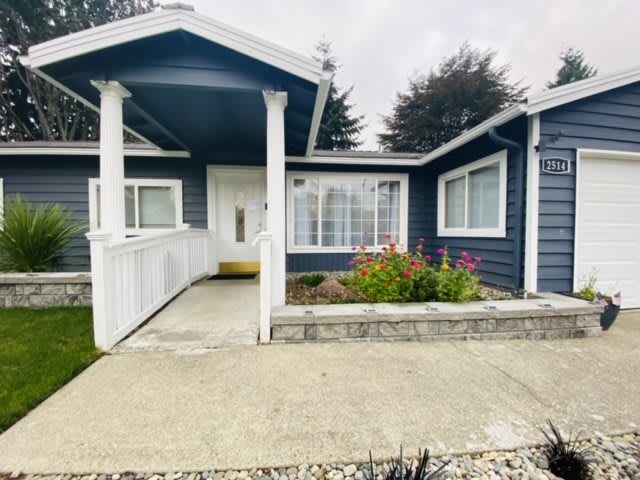

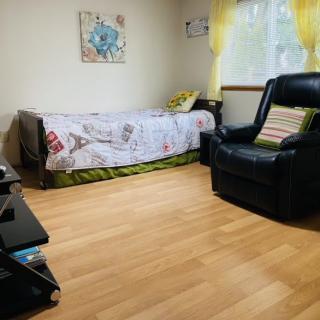
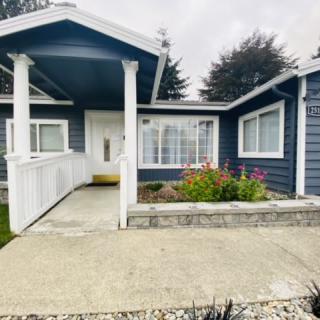

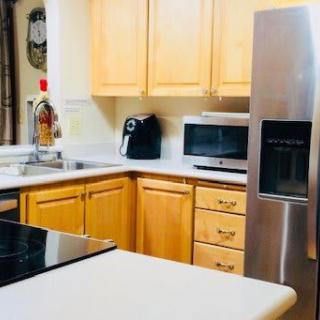
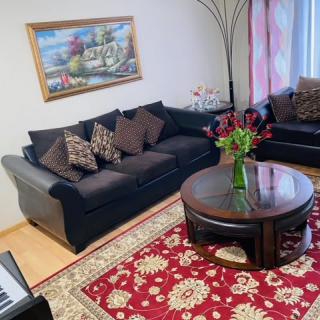
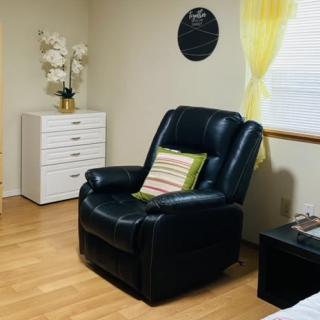
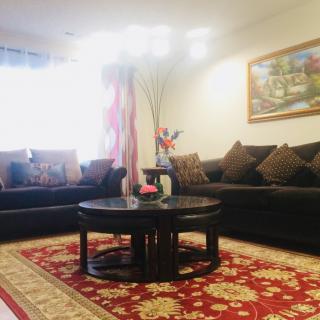
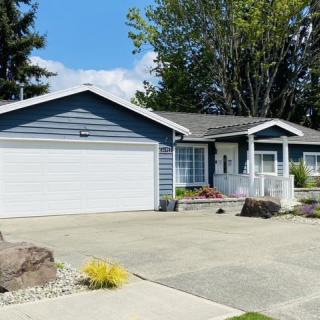

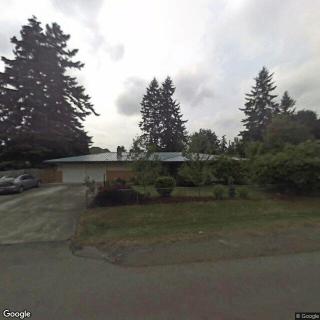
2514 NE 23rd Pl, Renton, WA 98056
To contact a resident: (206) 637-9482
For more information about senior living options: (866) 208-4318
Advanced Care Costs & Pricing
In King County, Washington, the costs for advanced care services reveal a notable premium compared to broader state averages. For a semi-private room, residents can expect to pay around $6,000 per month in King County, significantly higher than the state average of approximately $4,267. The disparity is even more pronounced for private rooms, where King County rates reach $8,000 monthly compared to the statewide average of $4,772. This trend highlights the elevated expenses associated with advanced care facilities in this urban area, reflecting both demand and the cost of living in a major metropolitan region.
| Floor plans | Advanced Care | King County | Washington |
|---|---|---|---|
| Semi-Private | $6,000 | $4,430 | $4,272 |
| Private | $8,000 | $5,034 | $4,774 |
Senior living communities with a similar price nearby
-
from +$500 / mo

The Promised Land
$6,500 / month18.6 miles away -
About the same

Home Away From Home LLC
$6,000 to $7,000 / month24.9 miles away -
from +$400 / mo

The Park at Belle Harbour
$6,400 to $15,500 / month8.1 miles away -
About the same
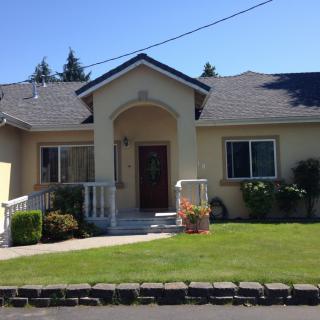
Elderly Home Care
$6,000 to $8,000 / month15.6 miles away -
from -$250 / mo

Fieldstone Rolling Bay and Fieldstone Memory Care
$5,750 to $8,895 / month18.0 miles away
Overall Review of Advanced Care
Pros
 The doctors are kind and listen, showing genuine care for patients' health.
- The care team is professional, understanding, and deeply caring.
- Scheduling is easy and the customer service is excellent.
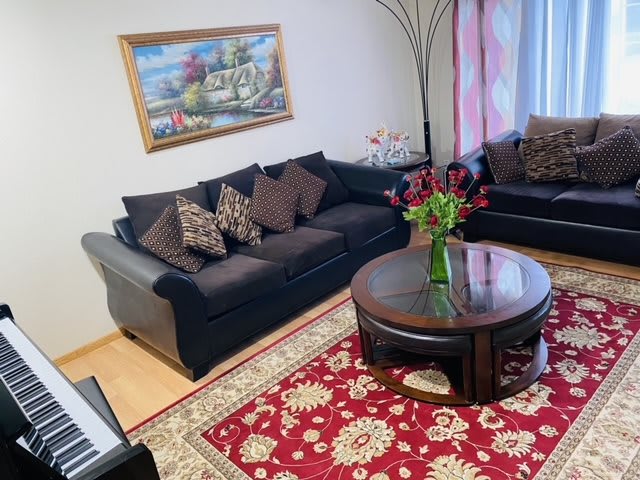
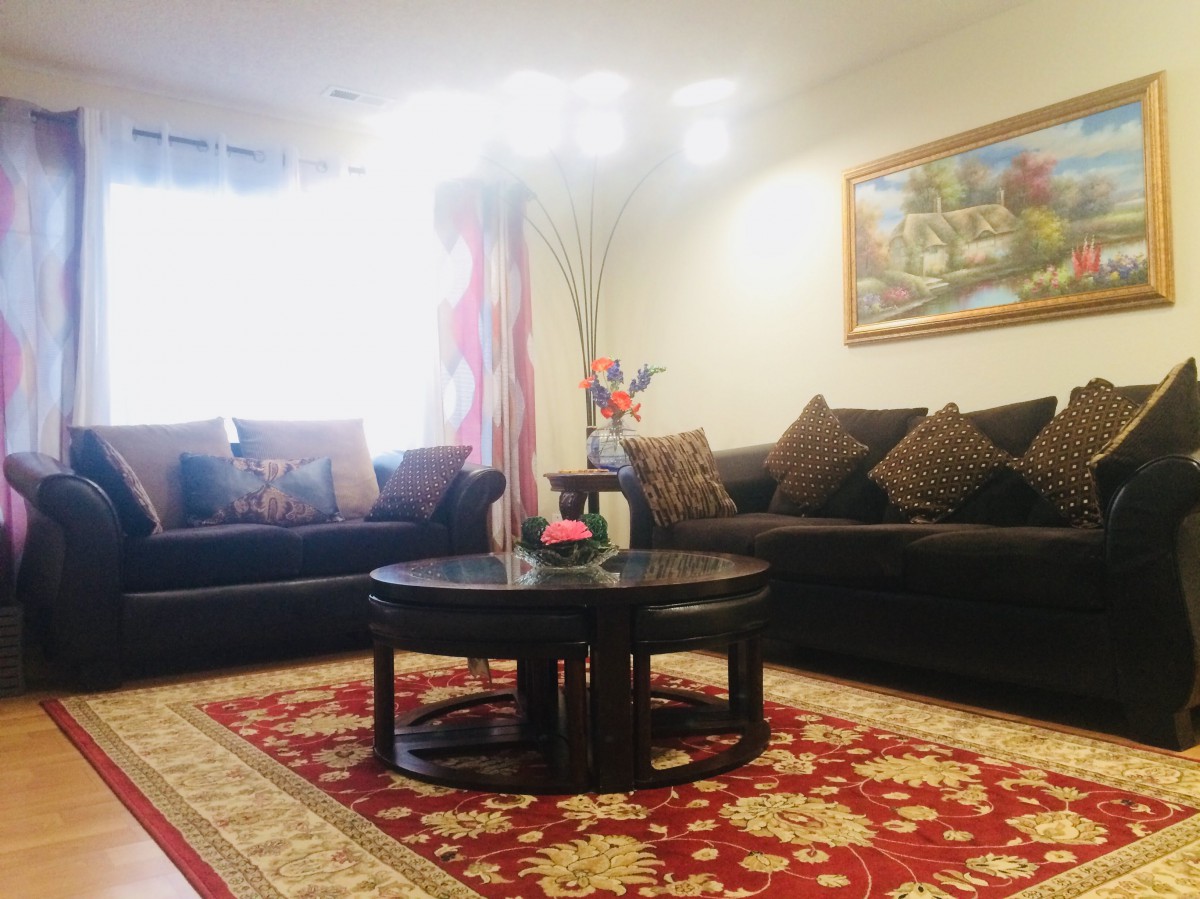
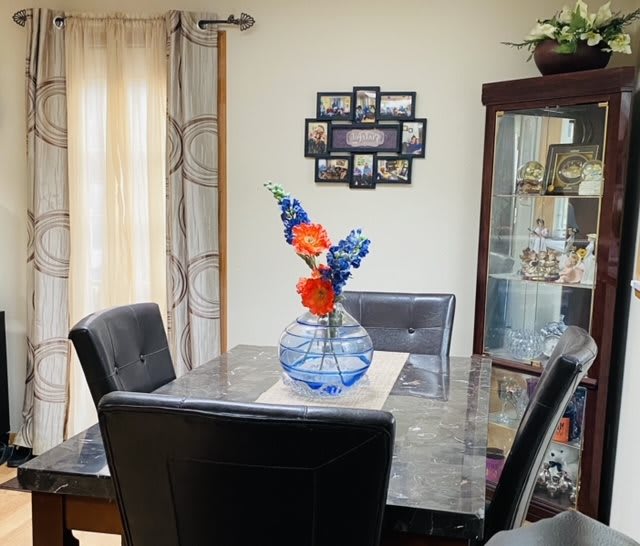
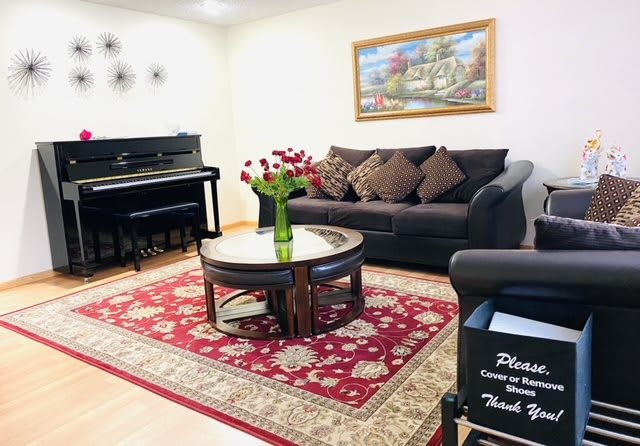
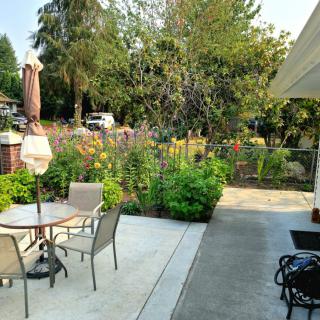
- The environment is friendly, clean, and well-maintained with good food and a nice location.
- The main caregiver has 30 years of experience, reflecting high-quality care.
Review
Advanced Care in Renton is best suited for seniors who want dependable, relationship-driven care with ready access to medical professionals and a caregiving team that remains engaged over time. The reviews illustrate a environment where doctors listen and treat residents with genuine concern, and where the care team maintains a steady, hands-on presence. Families repeatedly highlight the consistency of staff, including a main caregiver with decades of experience who earns enduring trust. Scheduling is described as straightforward, and the overall service culture prioritizes responsive communication and personal attention. For residents needing ongoing medical oversight, reliable appointment coordination, and daily support that feels attentive rather than routine, this community aligns with those priorities.
Explicitly, those who prize maximal independence, the lowest possible cost, or environments designed to minimize supervision should consider alternatives. Independent living options, other lower-tier assisted living communities, or in-home care plans may offer more flexibility or financial flexibility for families on tighter budgets. Additionally, any resident with specialized memory-care needs or requiring a broader menu of therapeutic programming should compare facilities that provide explicit memory-care design and staffing models. While this Renton community excels in warmth and oversight, its core model rests on structured supervision and professional caregiving that may not suit every preference for autonomy or every financial situation.
The strongest pros act in tandem to offset the most consequential tradeoffs inherent to higher-touch care. The combination of compassionate, well-qualified staff, easy scheduling, and proactive medical coordination translates into tangible security for families. A clean, welcoming environment with consistently good meals supports daily well-being and reduces the stress of ongoing care. Crucially, caregivers are described as willing to go the extra mile, driving to appointments and coordinating care beyond the call of duty, which amplifies the value of the medical team. These advantages help justify the likely higher cost or longer commitment associated with a model that emphasizes hands-on supervision and regular medical input.
Where these advantages are most evident, potential drawbacks are correspondingly less visible in the testimonials but still worth anticipating. The very strengths, structured routines, frequent staff engagement, and a medically oriented approach, tend to translate into less emphasis on sheer independence and personal privacy. For families seeking a looser daily rhythm or a setting that feels more like an apartment with occasional support, the experience may feel more guided than optional. However, the reviews do not flag recurring issues with staff turnover or responsiveness, which suggests solid continuity; the risk, if any, lies more in personal fit than in systemic failures. In sum, the tradeoffs favor residents who want reassurance through consistent caregiver relationships and medical oversight, while quietly nudging those who crave highly autonomous living toward alternatives.
From a practical planning standpoint, several verifications can sharpen the decision. Confirm the total monthly cost and precisely what is bundled, care services, transportation, meals, and any ancillary charges, as the value hinges on predictable budgeting. Probe the care model: who leads each resident’s plan, how often plans are updated, and how changes in health status are escalated and communicated to families. assess the consistency and availability of physicians and therapists, and confirm the process for coordinating appointments and family updates. Evaluate dining flexibility, dietary accommodations, and the social programming’ breadth to ensure alignment with personal preferences. Finally, discuss what happens if care needs intensify or shift, whether the community can accommodate higher levels of assistance without disruption to routines.
In the end, Advanced Care stands out as a compelling choice for families seeking a high-touch, medically integrated environment backed by compassionate professionals and a track record of dependable, patient-centered care. It is particularly well-suited for residents who value continuity, accessible medical oversight, and a staff culture that treats caregivers as extended family. Those seeking lower-cost options, greater independence, or specialized memory-care environments should explicitly compare alternatives to avoid mismatches in expectations. A visit and a candid conversation with the caregiving leadership will reveal whether the balance of warmth, medical support, and daily structure aligns with the resident’s goals and the family’s decision criteria.
 Board and Care Home
 Cats allowed
 Dogs allowed
 Activities off-site
 Air-conditioning
 Bath tubs
 Beautician on-site
 Cable or satellite TV
 Devotional services on-site
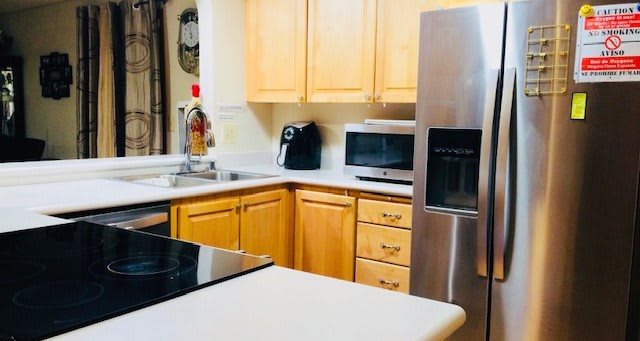
 Full kitchen
 Ground floor units
 Handicap accessible
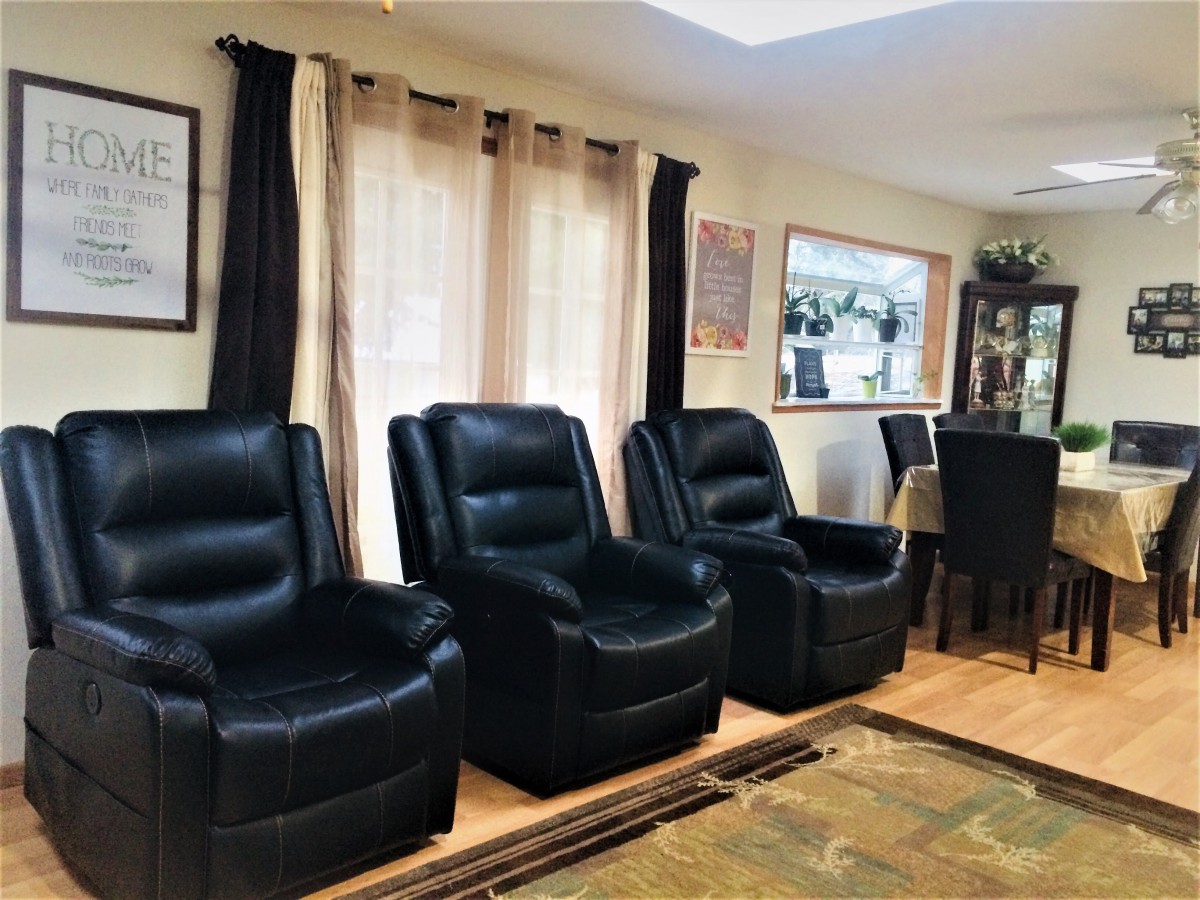
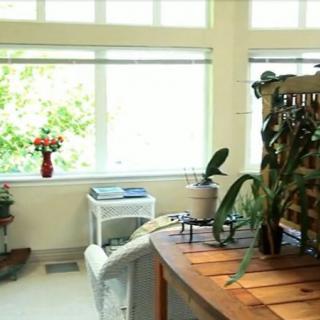
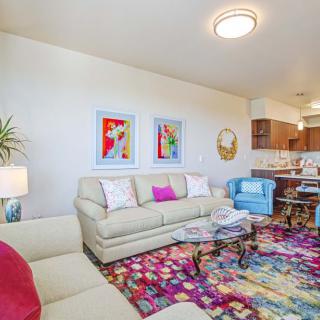
 Indoor common areas
 Outdoor common areas
 Private
 Private bathrooms
 Respite or short term stays offered
 Wheelchair accessible showers
 Wi-Fi/high-speed internet available
 Seattle-Tacoma International (7 miles away)
 Diabetic care
 High acuity care
 Incontinence care
 Medication management
 Anytime dining
 Art classes
 Bible study group
 Cooking classes
 Forever fit
 Karaoke
 Live dance or theater performances
 Live musical performances
 Live well programs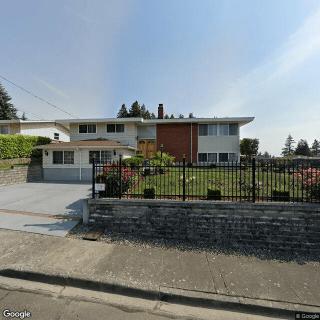
 California's Form 602A: An In-Depth Examination of Senior Care Assessment
 Comprehensive Look at Senior Blood Pressure Charts: Normal and Elevated Levels by Age
 Top Canine Companions for Older Adults