

9817 124th Ave SE, Renton, WA 98056
To contact a resident: (206) 422-7704
For more information about senior living options: (866) 208-4318
Cambridge Home Costs & Pricing
Cambridge Home offers a range of room types priced at $7,500 per month, which is notably higher than the average costs in both King County and the state of Washington. For comparison, King County's average cost for a one-bedroom unit stands at $5,127, while private rooms are approximately $5,034. Semi-private accommodations in King County are even more economical at around $4,430. When looking at the state level, one-bedroom units average $4,632 and private rooms at $4,772. This pricing structure suggests that Cambridge Home positions itself as a premium option within the local senior living market, emphasizing quality and possibly additional services that may justify the elevated rate compared to its county and state counterparts.
| Floor plans | Cambridge Home | King County | Washington |
|---|---|---|---|
| Semi-Private | $7,500 | $4,430 | $4,272 |
| 1 Bedroom | $7,500 | $5,127 | $4,634 |
| Private | $7,500 | $5,034 | $4,774 |
Memory care communities with a similar price nearby
-
from -$1000 / mo

The Promised Land
$6,500 / month18.6 miles away -
from +$400 / mo

Caring Cabin Manager, LLC
$7,900 to $9,000 / month18.6 miles away -
from -$1000 / mo

Silver Creek Adult Family Home
$6,500 to $7,000 / month23.9 miles away -
About the same

Lake Hills AFH, LLC
$7,500 / month6.7 miles away -
from -$600 / mo

Legends Living Care
$6,900 to $7,500 / month23.3 miles away
Overall Review of Cambridge Home
Pros
 Cambridge Home provides residents with comfortable, happy, and content living.
- The care at Cambridge Home is superior to care at more expensive facilities.
- The Cambridge Home staff are wonderful, attentive, and personable, and they become like friends to the residents.
- The Cambridge Home team shows compassion and makes families feel part of the Cambridge Home family.
- Sabbi and her staff are highly qualified, with a registered nurse on site almost every day, ready to address medical, behavioral, and dietary needs.
- Families highly recommend Cambridge Home and feel the residents receive the care and respect they deserve.
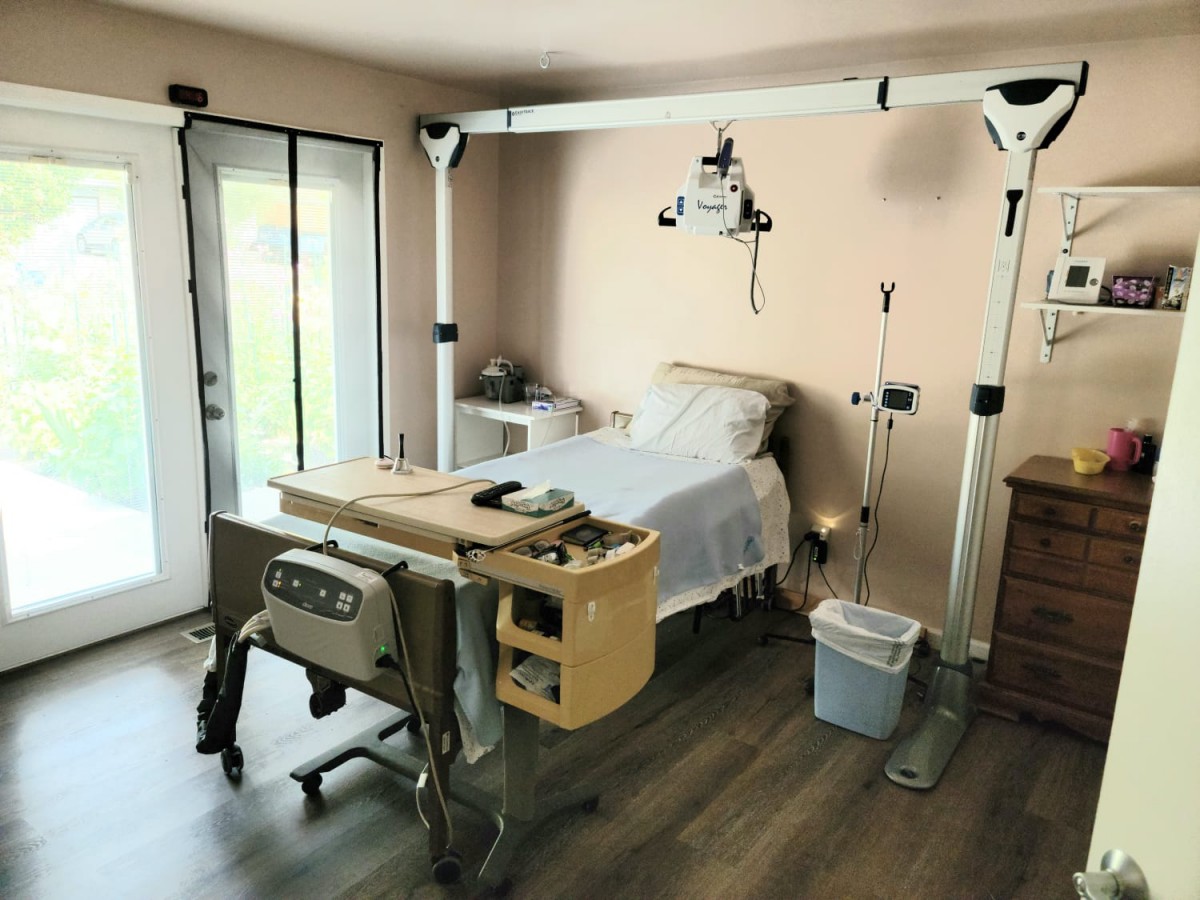
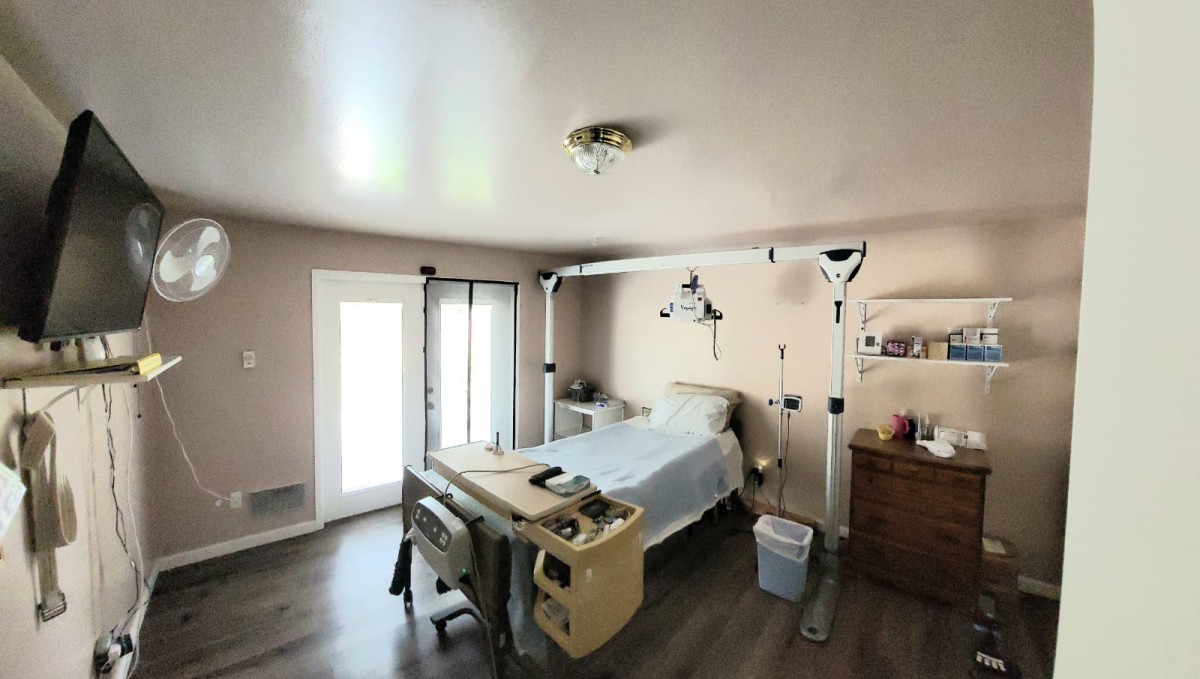
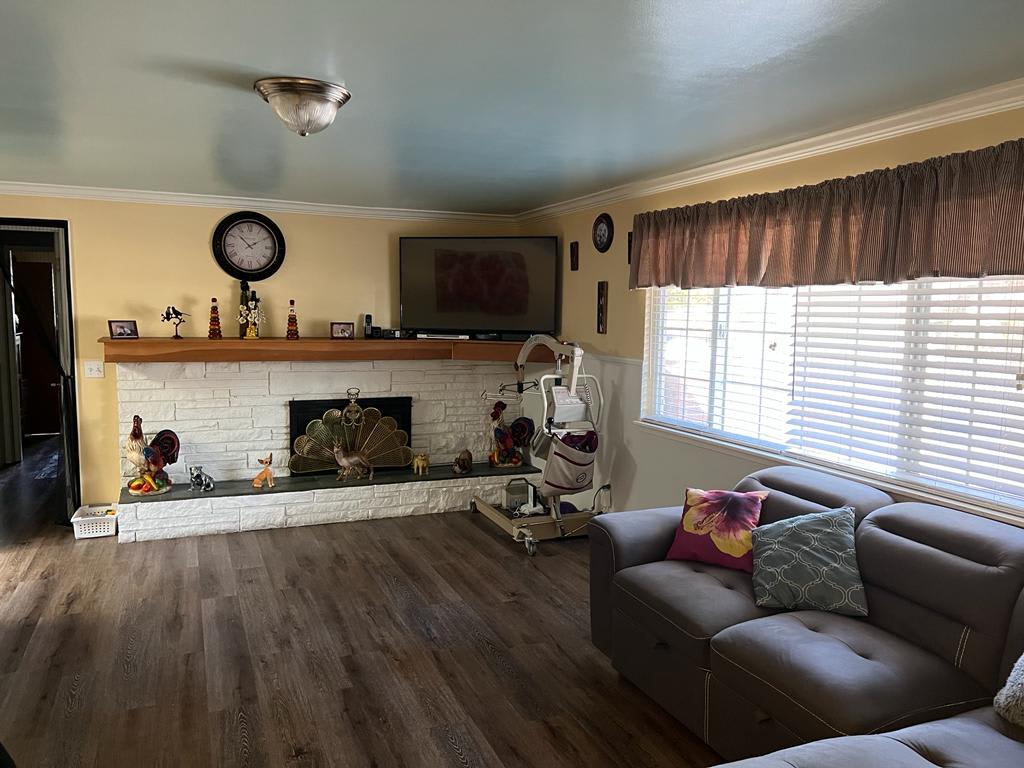
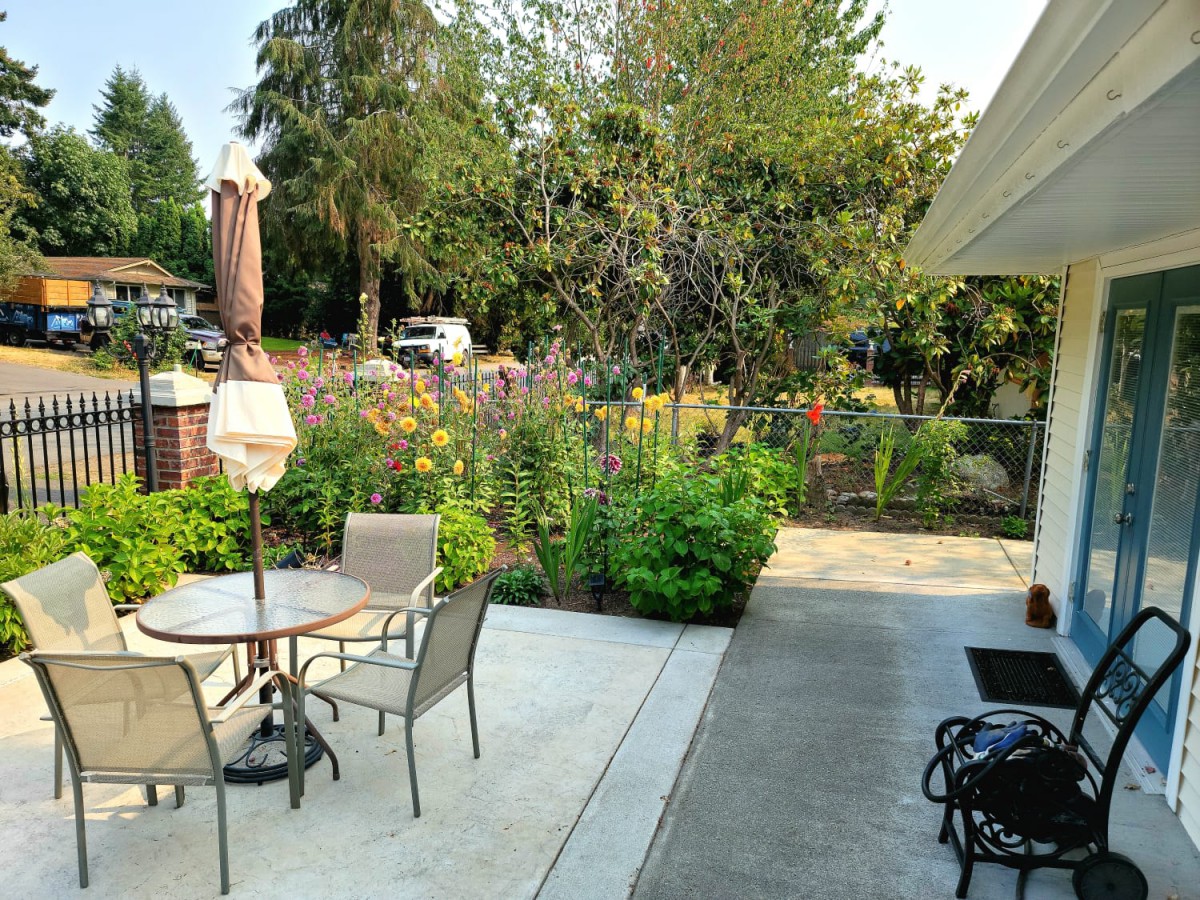
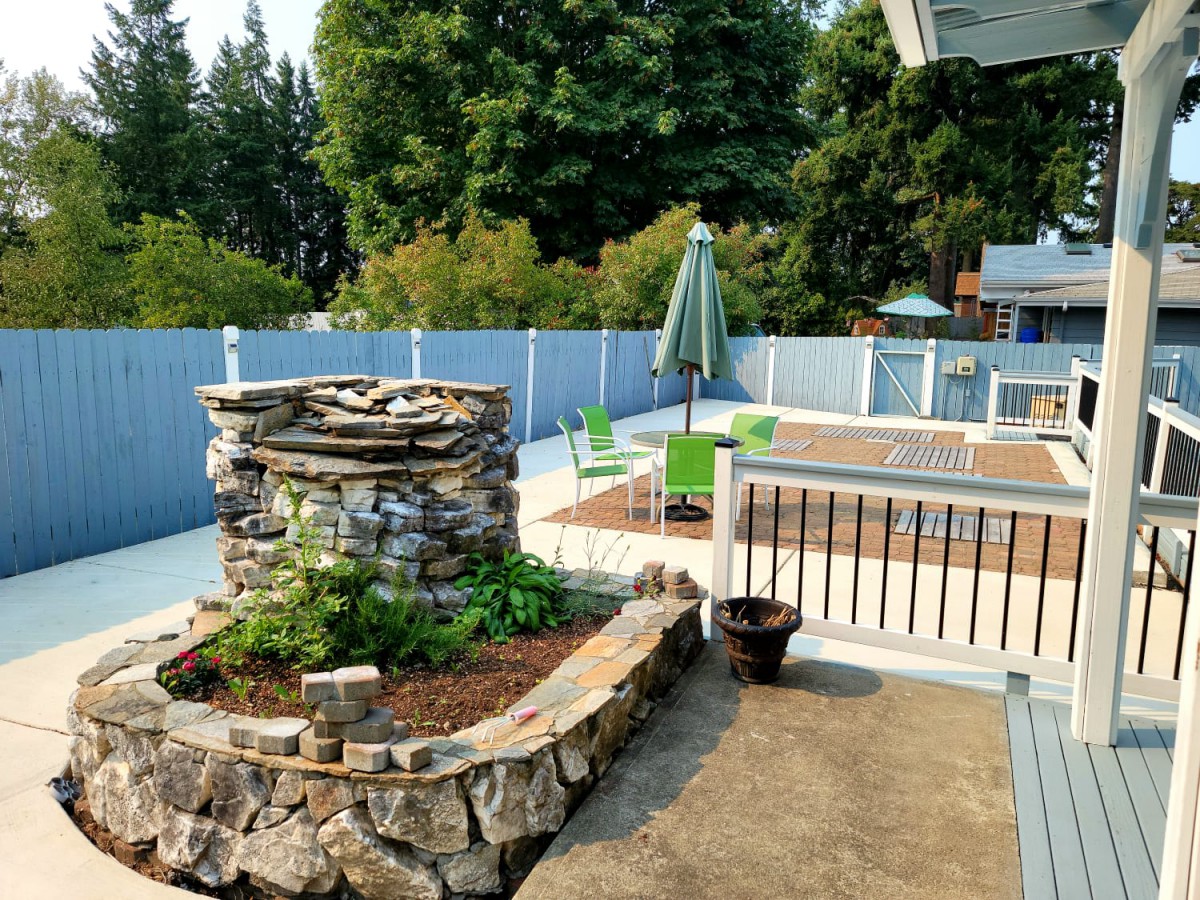
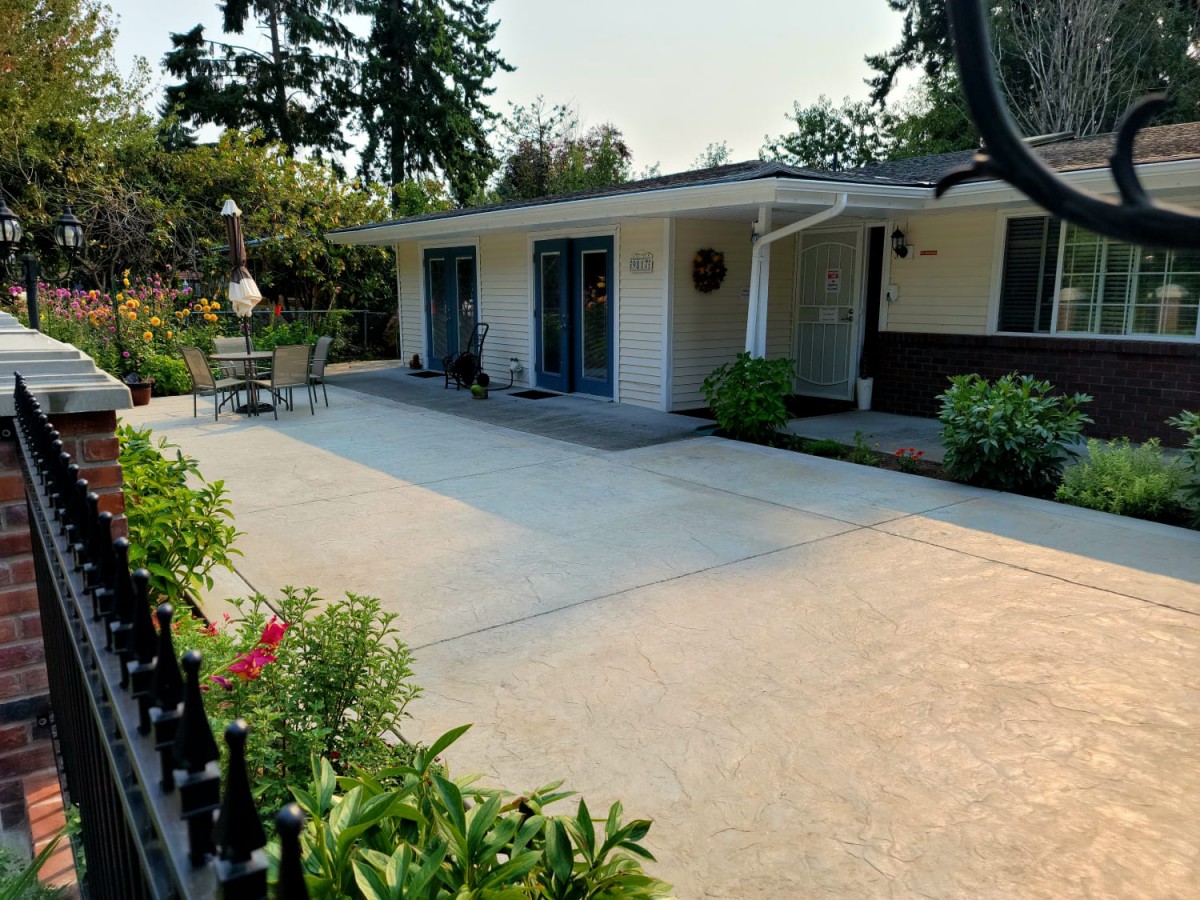
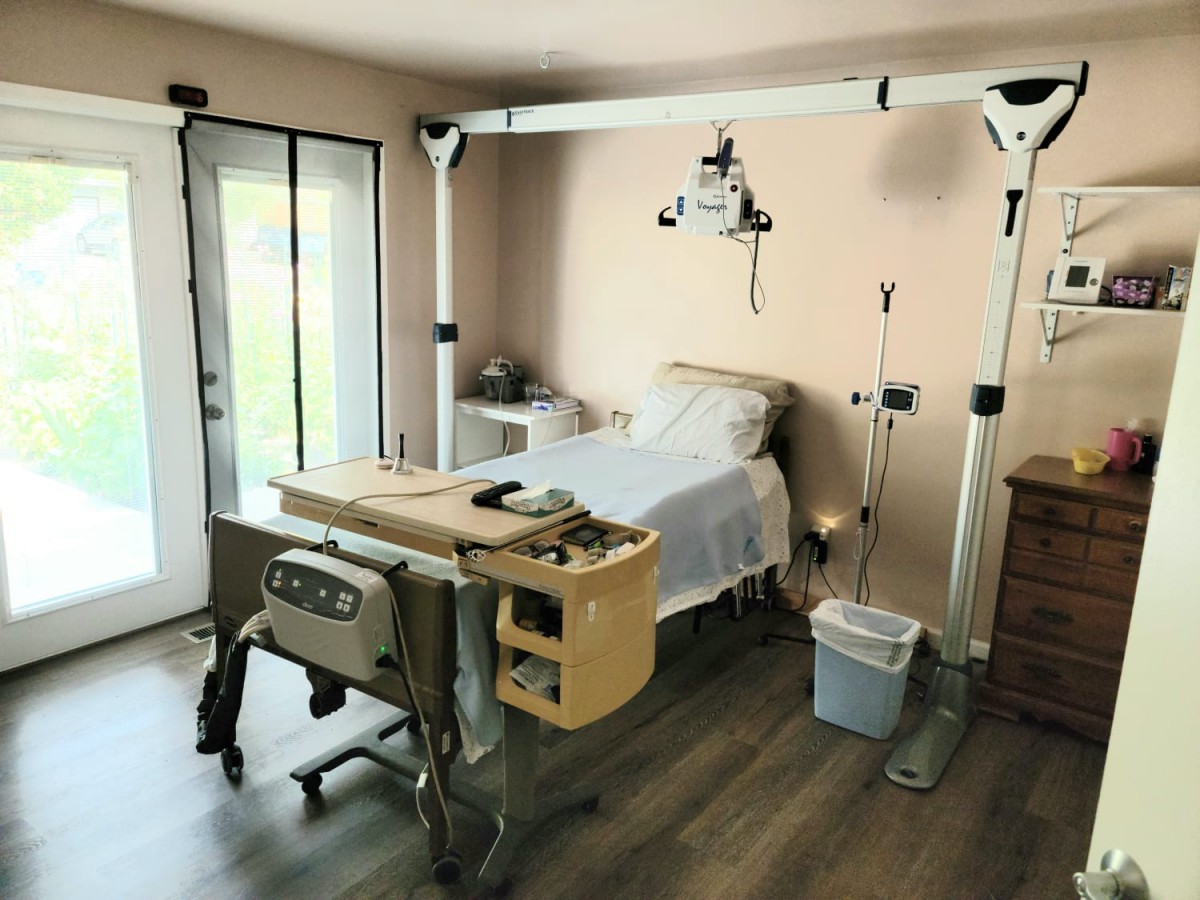
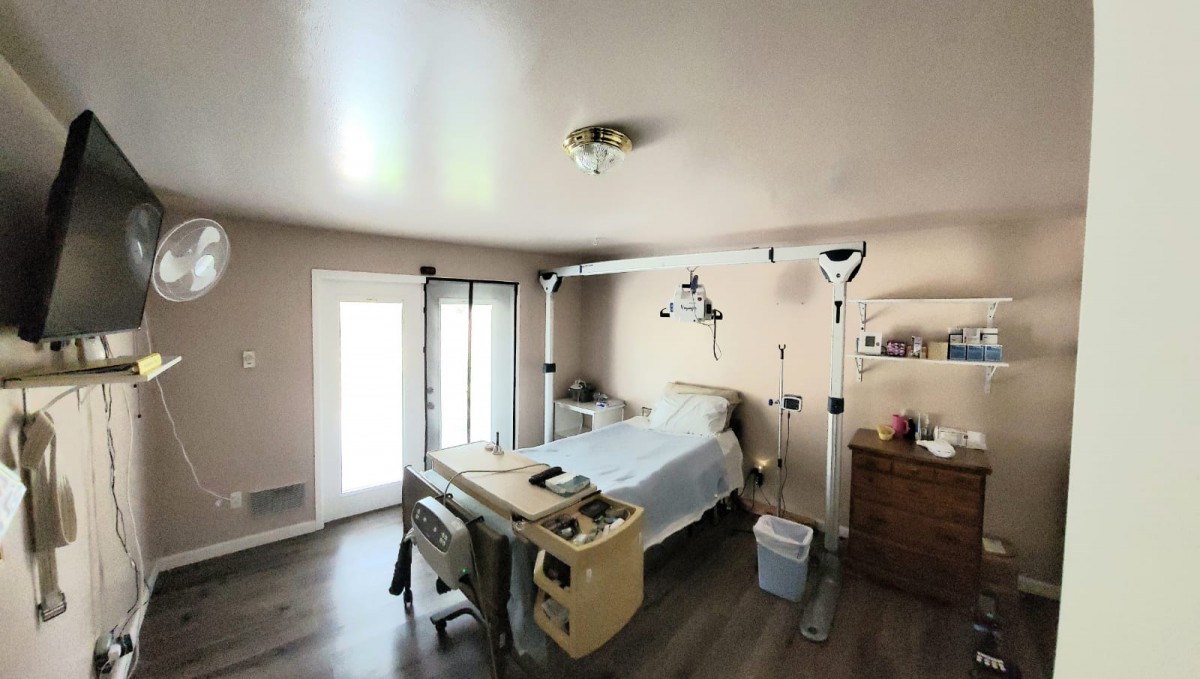
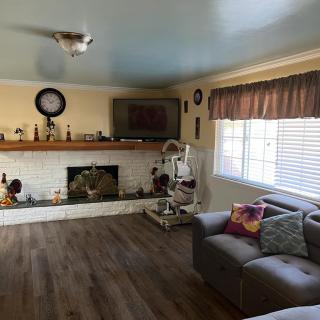
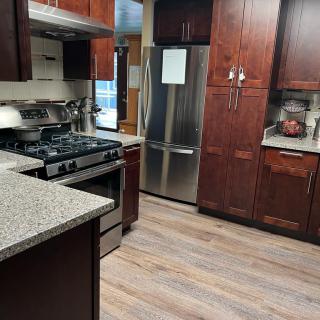
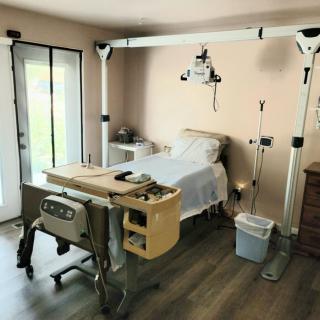
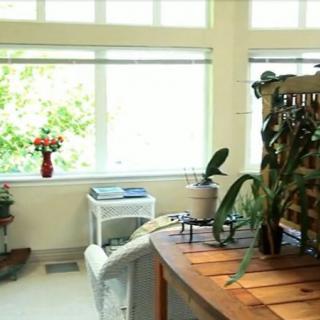
- The facility is clean, safe, welcoming, wheelchair accessible, and features large spaces for family gatherings.
Cons
 My father spent a quarter of his life in adult family homes. He pretty much experienced the worst the best and everything in between.
Review
Cambridge Home in Renton, Washington is best suited for seniors who thrive in a small, home-like setting where care comes with a personal touch. This community works well for residents who need daily assistance with mobility and medication management, plus a high level of attention for recovery from events like a stroke or ongoing memory challenges. Families report a warm, family-oriented atmosphere, where the owner and the caregiving team know residents by name and respond with genuine warmth. The environment emphasizes safety, cleanliness, and accessibility, with spacious common areas, wheelchair-friendly paths, and welcoming spaces that make family visits and gatherings comfortable. It is the kind of place where staff are described as attentive, personable, and invested in residents’ happiness and daily comfort.
Those weighing Cambridge against alternatives should consider what level of medical oversight and program breadth are essential. For residents who require 24/7 hospital-grade nursing, intensive therapy, or a wide range of structured activities and memory-care programs, a larger assisted living or specialized memory-care community may be a better fit. Families seeking a campus with a broad continuum of care, more on-site specialists, or extensive organized programming might find a bigger facility preferable. Cambridge’s intimate, home-like scale is a strength, but it inherently comes with a narrower range of on-site services and resources compared with larger operators.
The strongest advantages at Cambridge are the people and the culture. Staff are described as incredibly attentive and kind, with caregivers who listen to needs and tailor support accordingly. The owner, Sabbi, is repeatedly portrayed as deeply involved and accessible, a registered nurse who brings clinical awareness to daily care, and a consistent presence that reassures families. The arrangement creates trust: residents feel valued, families feel heard, and care plans are implemented with a sense of immediacy. Cleanliness, safety, and a welcoming ambiance reinforce the sense that this is a place where dignity is preserved and where residents can age in a familiar, low-stress setting.
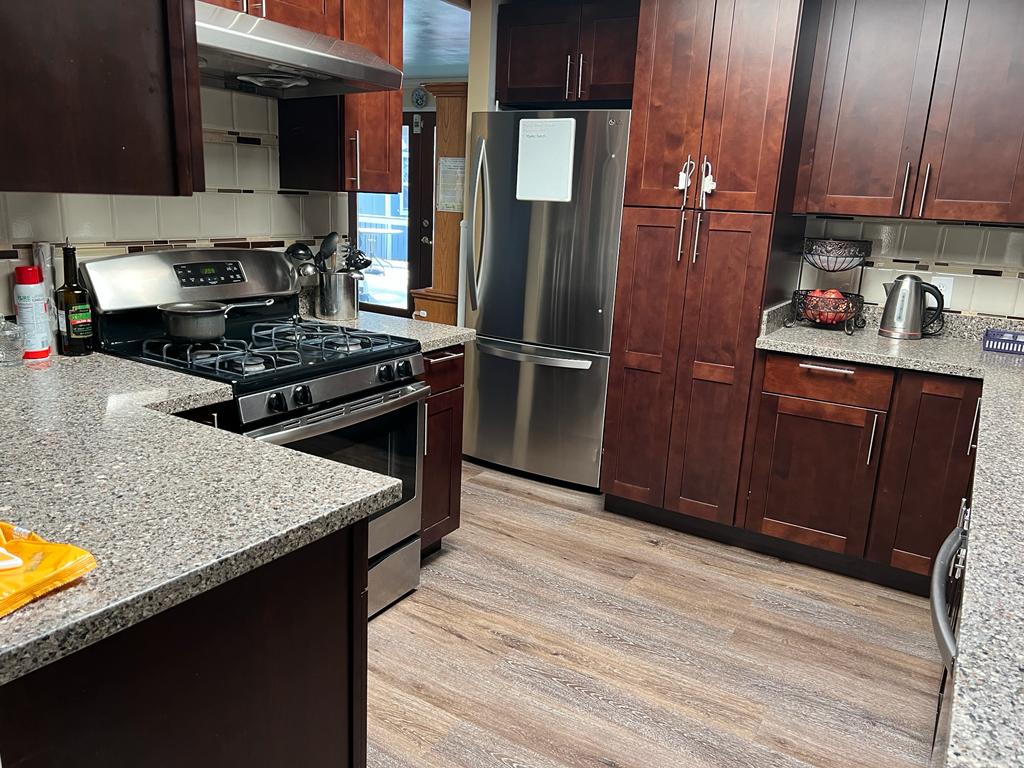
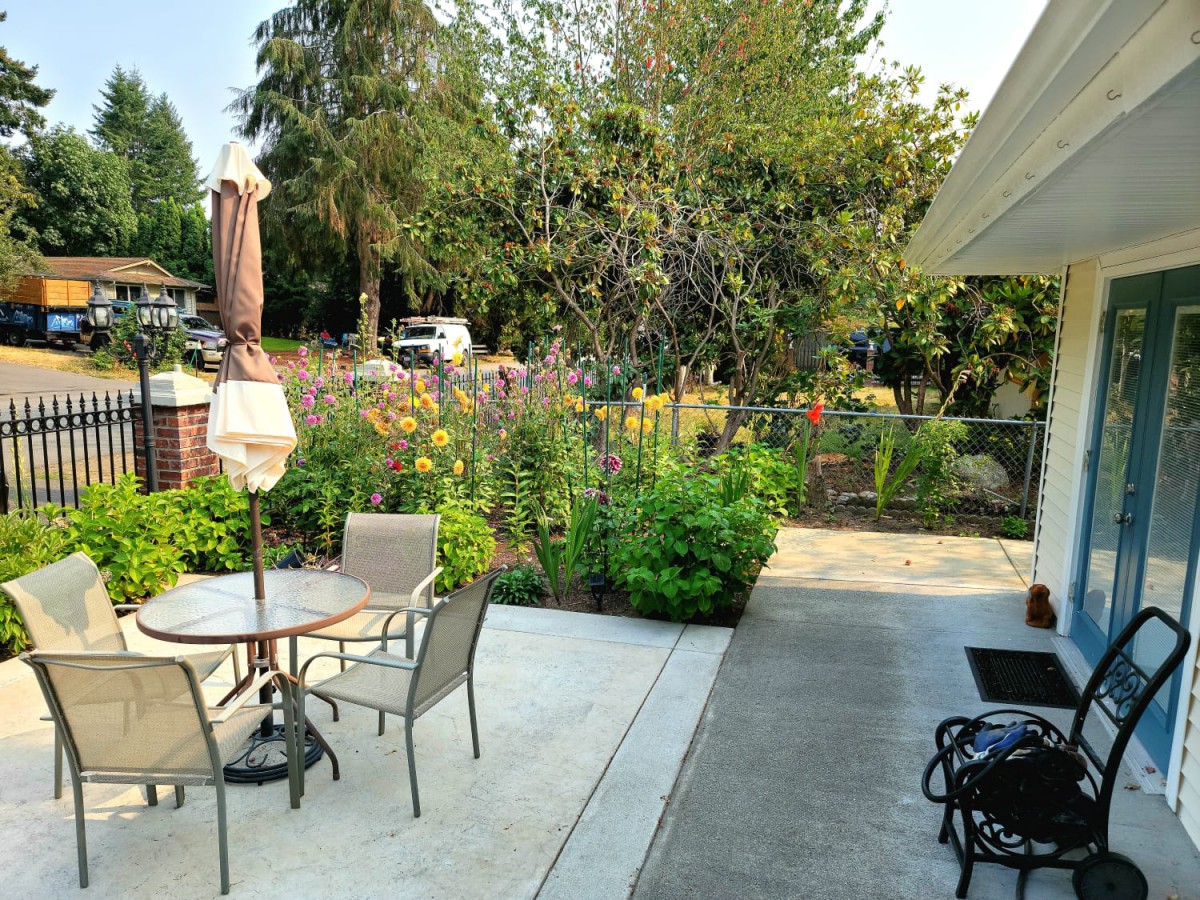
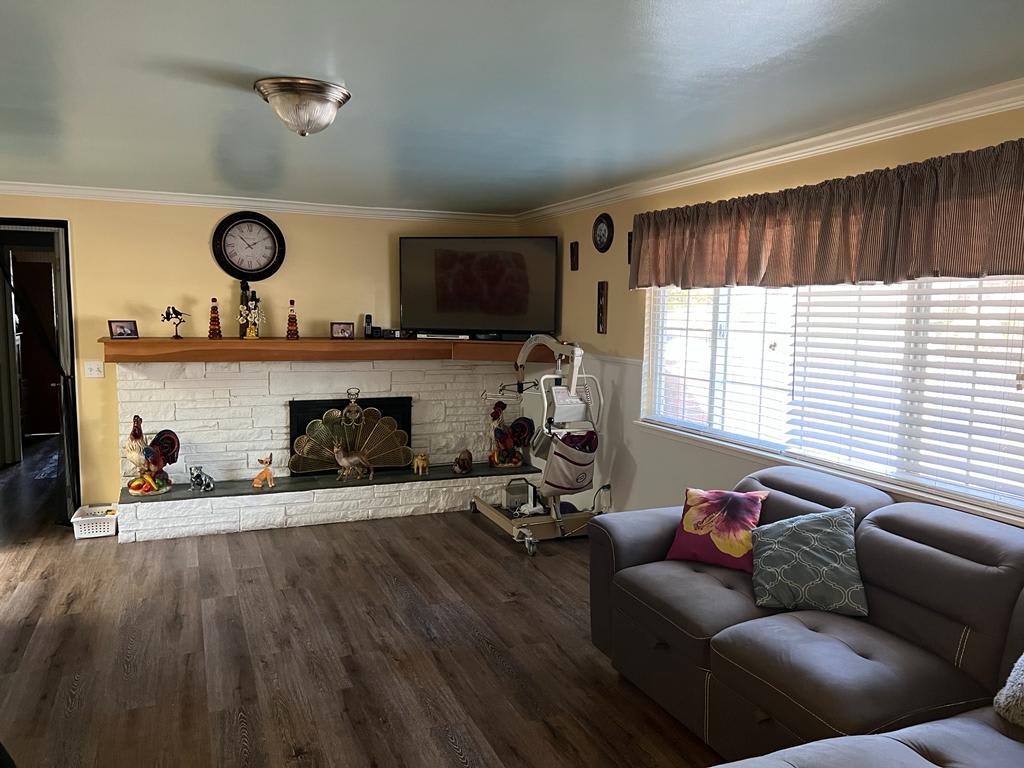
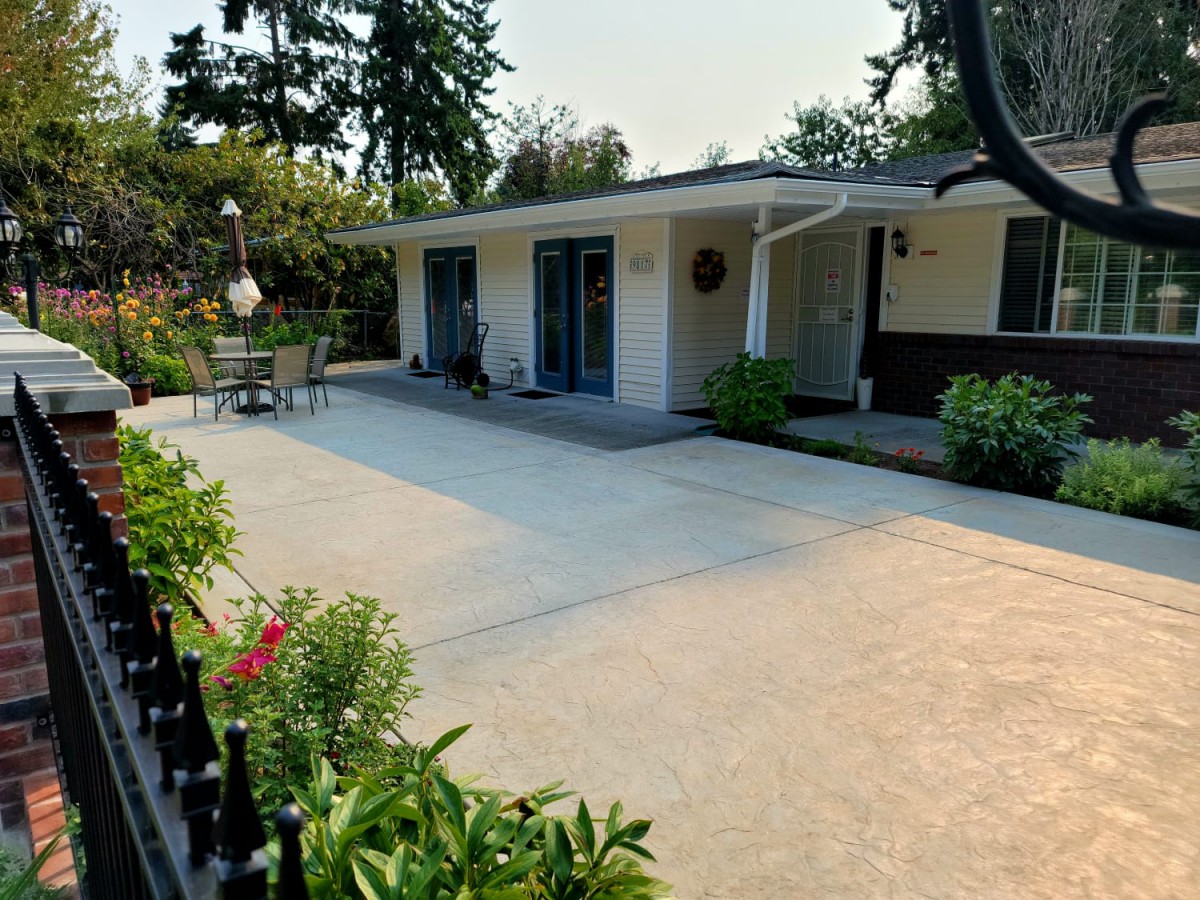
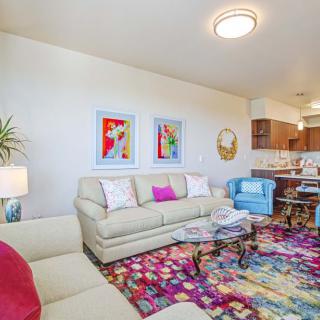
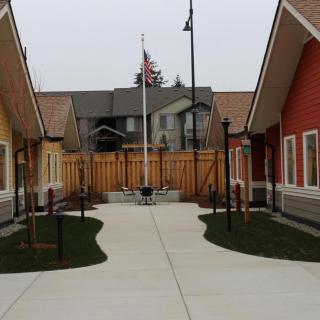
In practice, these strengths offset the main constraints typical of a smaller home. The daily access to a registered nurse, combined with a focus on hard-to-place residents, including those with dementia or complex medical needs, helps ensure that medical concerns are acknowledged and addressed promptly. The facility’s design, ample dining and gathering spaces, a front patio, and accessible layouts, supports meaningful interaction and family involvement, which can significantly reduce confusion and agitation for residents who value routine and personal connection. Yet the trade-off is that residents may not receive the same breadth of clinical services or the same volume of activity options found in larger communities. For families, the question becomes whether a high-touch, intimate setting with strong relationships outweighs the potential limitations in specialized programming.
From a decision-making standpoint, Cambridge Home is a compelling choice for families prioritizing individualized attention, softer transitions, and a home-like daily rhythm. Prospective residents who appreciate a strong moral focus on serving residents first, and who are comfortable with a smaller, more tightly knit staff ecosystem, will likely experience consistently positive day-to-day experiences. The emphasis on compassionate care, coupled with staff stability and a welcoming environment, makes it easier to maintain regular family involvement and to build trust in day-to-day routines. The question, then, is whether the resident’s needs will stay well-managed within this intimate framework or if escalating medical requirements would necessitate a larger, more medically equipped setting.
In closing, Cambridge Home serves as an excellent fit for seniors who value a personal, relationship-driven care model and who require reliable assistance with daily living in a safe, clean, and accessible home-like environment. It excels for post-stroke recovery, dementia- or behavior-related challenges, and residents who benefit from consistent caregiver relationships and family-like dynamics. Families with residents who demand more extensive medical supervision, a wider array of clinical therapies, or a bustling activity calendar may want to compare options in larger assisted living communities. For those prioritizing warmth, attentiveness, and a care-first philosophy, Cambridge Home is a trustworthy, well-regarded choice that consistently demonstrates why small, dedicated teams can outshine bigger, more impersonal settings.
 Board and Care Home
 Memory Care
 Cats allowed
 Dogs allowed
 Air-conditioning
 Cable or satellite TV
 Fireplaces
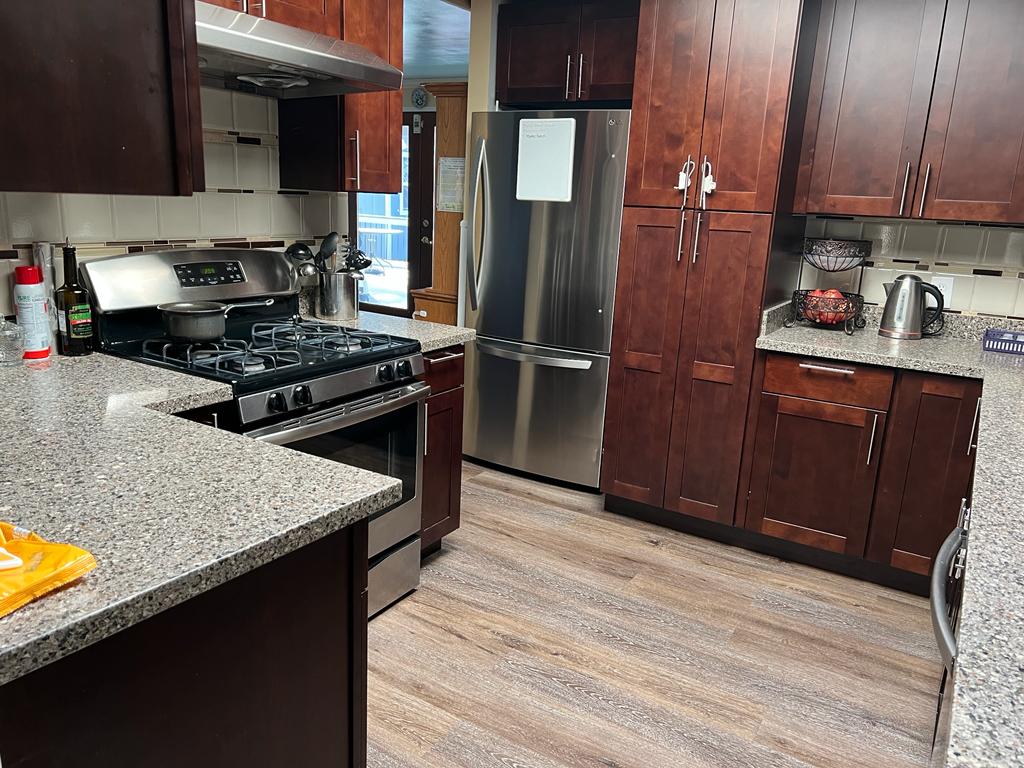
 Full kitchen
 Garden view
 Ground floor units
 Handicap accessible
 Private
 Private patio, deck, or balcony
 Respite or short term stays offered
 Wheelchair accessible showers
 Wi-Fi/high-speed internet available
 Seattle-Tacoma International (8 miles away)
 Diabetic care
 High acuity care
 Incontinence care
 Medication management
 Anytime dining
 Activities on-site
 Birthday parties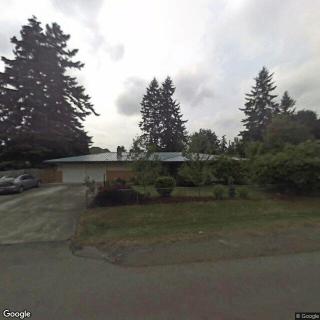





 Dementia Behaviors: In-Depth Understanding and Effective Coping Strategies
 5 Early Indicators of Dementia and What You Can Do
 8 Important Indicators That Memory Care May Be Necessary