
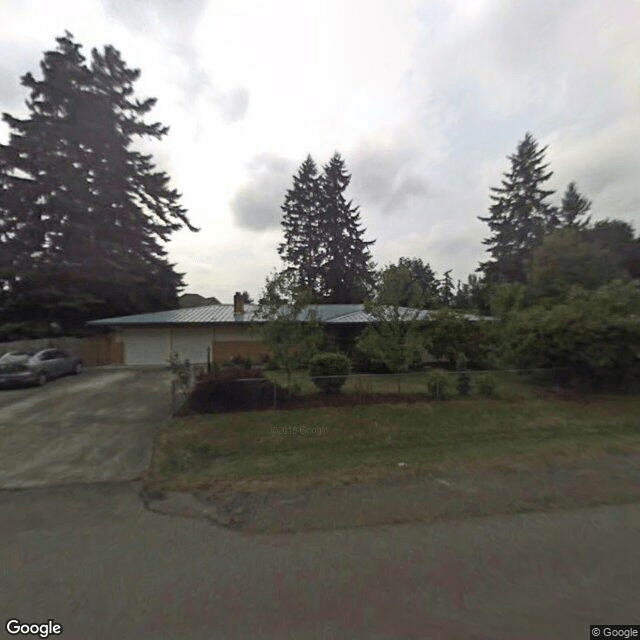
9827 124th Ave SE, Renton, WA 98056
To contact a resident: (425) 277-3235
For more information about senior living options: (866) 208-4318
Abundant Hills AFH Costs & Pricing
Abundant Hills AFH offers a range of living options that reflect its commitment to providing quality care, albeit at a higher price point compared to the broader market in King County and Washington state. The monthly cost for a semi-private room is $6,500, which significantly exceeds both the county average of $4,430 and the state average of $4,267. Similarly, their one-bedroom accommodations also come in at $6,500 - higher than King County's average of $5,127 and Washington's average of $4,632. For those seeking private rooms, Abundant Hills AFH charges $7,000 per month, once again surpassing the averages found in both King County ($5,034) and across the state ($4,772). This pricing structure suggests that while Abundant Hills AFH may offer premium services or amenities that justify its costs, potential residents should weigh these features against comparable options in the region.
| Floor plans | Abundant Hills AFH | King County | Washington |
|---|---|---|---|
| Semi-Private | $6,500 | $4,430 | $4,272 |
| 1 Bedroom | $6,500 | $5,127 | $4,634 |
| Private | $7,000 | $5,034 | $4,774 |
Memory care communities with a similar price nearby
-
About the same
The Promised Land
$6,500 / month18.6 miles away -
from -$500 / mo
Home Away From Home LLC
$6,000 to $7,000 / month24.9 miles away -
from -$500 / mo
Elderly Home Care
$6,000 to $8,000 / month15.6 miles away -
from -$750 / mo
Fieldstone Rolling Bay and Fieldstone Memory Care
$5,750 to $8,895 / month18.3 miles away -
from -$1000 / mo

Twin Lake Adult Family Home
$5,500 to $6,500 / month17.2 miles away
Overall Review of Abundant Hills AFH
Pros
 The owner and the caregivers are great.
- They care about the residents more than money.
- They cook special meals for residents.
- The home is clean and smells great.
- The lady who runs the home is nice, helpful, and knowledgeable.
- The staff make residents feel like family.
- This is the best AFH in the area and the mom is receiving the best care.
Cons
 The rooms are small; that is the only problem.
- They are not ready to place their husband yet and are unsure when it will be right.
Review
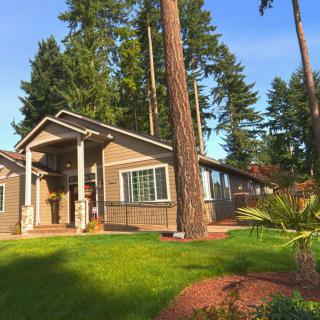
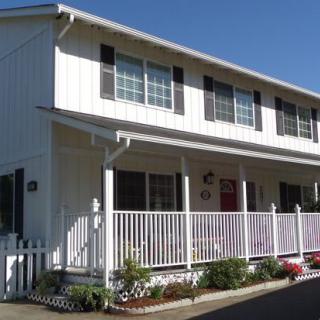
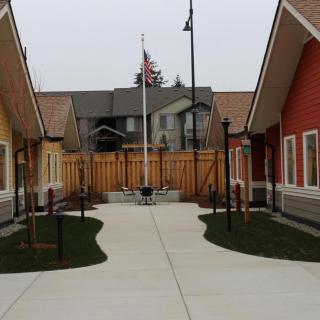
Abundant Hills AFH in Renton, Washington, is best suited for families seeking an intimate, resident-focused living option where the owner-operator and caregiving team deliver exceptional, personalized attention. It works well for older adults who prize a home-like atmosphere, direct access to the person running the house, and a daily rhythm built around warm meals, clean surroundings, and genuine companionship. The community shines when continuity of care matters: residents benefit from staff who know them by name, remember dietary preferences, and respond with immediacy to needs. This is not a sprawling campus; it is a single-home environment designed for steady routines, meaningful interaction, and the confidence that someone is truly watching out for mom or dad.
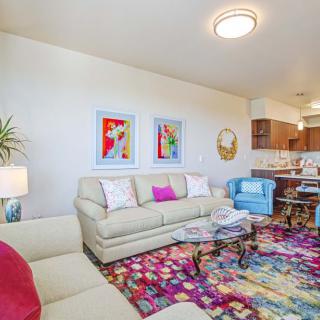
Carefully weighing alternatives is essential for residents who put space, privacy, or clinical reach at the top of their list. The strongest caveat from families is room size: some accommodations are compact, with larger rooms available only intermittently. For a resident who values roomy living areas, openness to greater privacy, or requires a higher level of medical oversight, a larger assisted living community or a dedicated memory care setting may be a better fit. Similarly, families anticipating extensive rehabilitation, complex wound care, or 24/7 nursing coverage will want to compare options elsewhere, where those needs can be met with more formalized protocols and floor plans.
On the positive side, the standout pros are concrete and meaningful. The owner and caregivers are described as going above and beyond, prioritizing residents over financial concerns and even crafting special meals for individual relatives. The home’s cleanliness and pleasant scent reinforce a sense of safety and dignity. The staff are said to treat residents like family, which translates into daily living that feels supportive rather than transactional. These elements, personal attention, culinary care, and a consistently tidy, welcoming environment, form a robust offset to the limited square footage, especially for families who care more about daily quality of life than expansive space.
Management style emerges as a decisive strength. The operator’s helpfulness and knowledge provide a clear roadmap for navigating care decisions, choosing meals, planning visits, and arranging activities. That leadership, plus a warm, family-oriented staff dynamic, reduces anxiety during transitions and helps families establish trust quickly. The question of whether to move a loved one here is rarely about cost or amenities alone; it centers on whether the daily experience will respect dignity, encourage engagement, and provide predictable routines. In that calculus, Abundant Hills AFH earns credibility through consistent caregiver interaction and a home-like cadence.
For families observing when a move makes sense, timing and needs matter most. One reviewer notes reluctance to place a husband yet, which underscores the importance of pacing and trial periods. The environment supports gradual transition, allowing a loved one to acclimate while preserving familiar routines. Those who want to delay full-time placement, or who wish to keep a spouse in a comfortable setting close to home, can use this AFH as a staged step toward broader care if and when needs evolve. The flexibility in room sizes, while not universal, can work for residents comfortable with a smaller footprint in exchange for steadier, personalized care.
In sum, Abundant Hills AFH stands out as a practical, high-trust option for families prioritizing intimate attention, a welcoming home atmosphere, and proactive, compassionate caregiving. It delivers consistently strong pros, exceptional owner-operator leadership, attentive staff, customized meals, and a clean, homelike setting, that often outweigh the main drawback of limited room size. This community is particularly well-suited for seniors who value relationships over opulence and for families seeking a trusted, family-by-family care approach. Those whose priorities include roomier accommodations, intensive clinical services, or specialized memory-care programming should explore alternatives, but for others this Renton AFH represents a sound, confident choice with clear, tangible benefits.
 Board and Care Home
 Memory Care
 Activities off-site
 Devotional services off-site
 Indoor common areas
 Outdoor common areas
 Private
 Private bathrooms
 Respite or short term stays offered
 Wheelchair accessible showers
 Seattle-Tacoma International (8 miles away)
 Ambulatory care
 Diabetic care
 High acuity care
 Incontinence care
 Medication management
 Kosher
 How and When Medicaid May Cover Assisted Living Costs
 A Detailed Exploration of Assisted Living Medicaid Waivers Across the United States
 Exploring the Contrasts Between Assisted Living and Skilled Nursing