
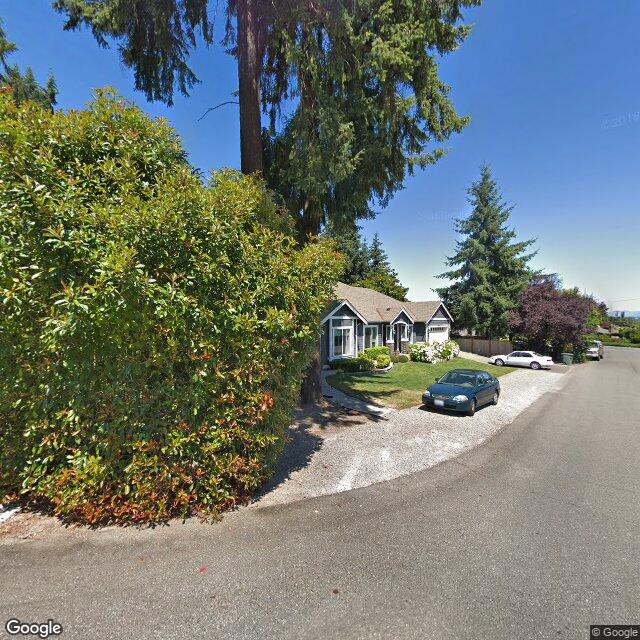
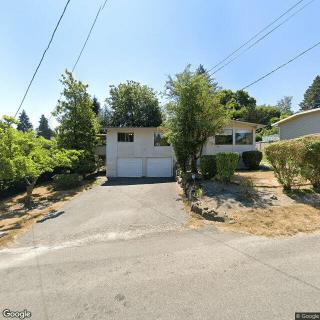
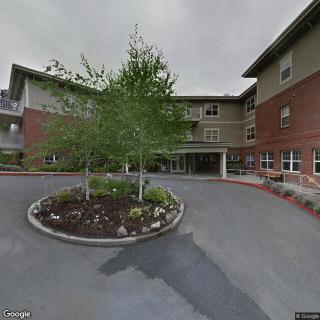
9204 SE 42nd St, Mercer Island, WA 98040
To contact a resident: (206) 946-6561
For more information about senior living options: (866) 208-4318
Nov Adult Family Home Costs & Pricing
At Nov Adult Family Home, the monthly cost for a private room stands at $8,000, which is significantly higher than both the county and state averages. In King County, the average for a private room is approximately $5,034, while across Washington State, it is even lower at about $4,772. This disparity in costs may reflect Nov Adult Family Home's unique offerings or specialized services that cater to residents' needs, positioning the facility as a premium option within the region's elder care landscape. Potential residents and their families should consider what distinct advantages may justify this higher investment in quality care and living environment.
| Floor plans | Nov Adult Family Home | King County | Washington |
|---|---|---|---|
| Private | $8,000 | $5,034 | $4,774 |
Senior living communities with a similar price nearby
-
from -$1500 / mo
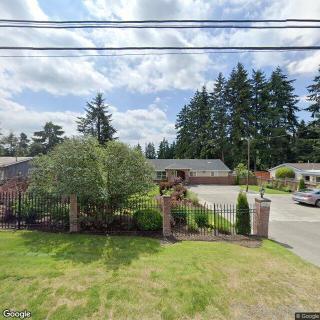
The Promised Land
$6,500 / month14.5 miles away -
About the same
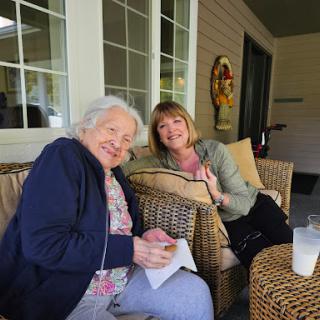
Grace Senior Care of Issaquah
$8,000 / month9.1 miles away -
About the same
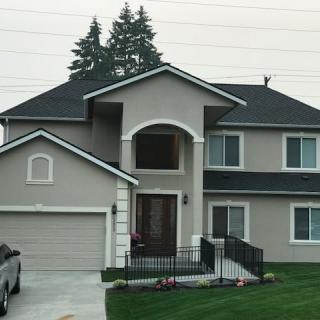
Golden Cottage AFH, Inc
$8,000 / month10.8 miles away -
About the same

Caring Cabin Manager, LLC
$7,900 to $9,000 / month14.8 miles away -
from +$500 / mo
Blue Haven
$8,500 / month10.8 miles away
Overall Review of Nov Adult Family Home
Pros
 The place is a nice place to stay.
- It is a friendly place for seniors.
- The staff are caring and nice to the residents.
- It is clean and tidy.
- The owners are doing a great job.
Review
Nov Adult Family Home on Mercer Island is best suited for seniors who want a quiet, home-like setting where staff know residents by name and care feels personal and hands-on. It works well for families seeking a small, tightly run environment with predictable routines, clear safety emphasis, and straightforward communication with caregivers. The community suits residents who thrive on close, daily contact with caregivers, steady supervision, and a family-like atmosphere rather than the bustle of a large campus. Those who prize cleanliness, warmth, and the sense that residents are treated as individuals will find this setting reassuring and dependable.
From the two documented experiences, the tone is consistently positive: the staff are described as caring and nice to residents, and the owners receive praise for hands-on leadership and governance. The environment is noted for being clean and tidy, which translates into a calm, orderly living space that reduces everyday stress for residents and families alike. This combination, friendly personnel, approachable management, and impeccable upkeep, gives families a high degree of confidence that their loved ones will be treated with respect and dignity on a daily basis.
The strengths here are tightly aligned with what a small, intimate setting can deliver. The intimate scale supports responsive caregiving, easy check-ins, and a sense of safety that comes from familiar faces. Cleanliness and order contribute to predictable routines and fewer concerns about mess or clutter interfering with daily life. Owners’ evident involvement signals a steady hand in daily operations, which often translates into reliable care practices, timely communications, and a quicker ability to address issues as they arise. For residents who value regular, low-stress days and relationships built on continuity, these pros carry meaningful weight.
Yet, potential drawbacks emerge when comparing to larger, more resource-rich options. A home this size is less likely to offer extensive on-site medical staffing, 24/7 licensed nursing, or dementia-focused programming that specialized memory care communities provide. Medical coordination with outside providers becomes essential, and families may need to participate more actively in care planning and oversight. If a resident requires complex medication management, advanced mobility supports, or structured days filled with diverse, specialized activities, those needs may not be fully met without supplementary arrangements. In short, core warmth and cleanliness do offset many concerns, but limited on-site clinical resources remain a real consideration.
For families weighing choices, alternatives are worth considering when the priority is medical intensity or highly structured programming. Nearby assisted living options or memory-care communities typically offer broader clinical services, larger staff pools, and dedicated memory care environments. If independence is paired with the expectation of a richer activity calendar or more on-site therapeutic options, exploring these routes is prudent. Mercer Island-area comparisons should emphasize staff-to-resident ratios, the availability of on-site nursing, and the breadth of daily programming to ensure alignment with expectations. If those elements are less critical, Nov Adult Family Home remains compelling.
Bottom line: Nov Adult Family Home delivers a warm, clean, and well-managed setting with genuinely caring staff and strong leadership. It suits seniors who want an intimate, home-like atmosphere and families who value clear communication and a calm, predictable routine. Those needing high-level medical oversight, dementia-specific programming, or a wide range of on-site services should pursue alternatives and plan for additional coordination. A thoughtful visit is essential, prioritize questions about staffing levels, daily schedules, care-planning processes, and how outside medical coordination would work in practice, to confirm whether this setting aligns with specific needs and expectations.
 Board and Care Home
 Private
 Seattle-Tacoma International (10 miles away)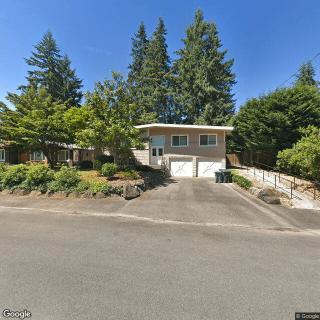
 Caring for Those Who Care: Recognizing, Understanding, and Overcoming Caregiver Burnout
 Caregiver Exhaustion: Recognizing the Signs and Restoring Your Well-Being
 Understanding Hospice Care at Home: Comprehensive Services, Key Benefits, and Eligibility