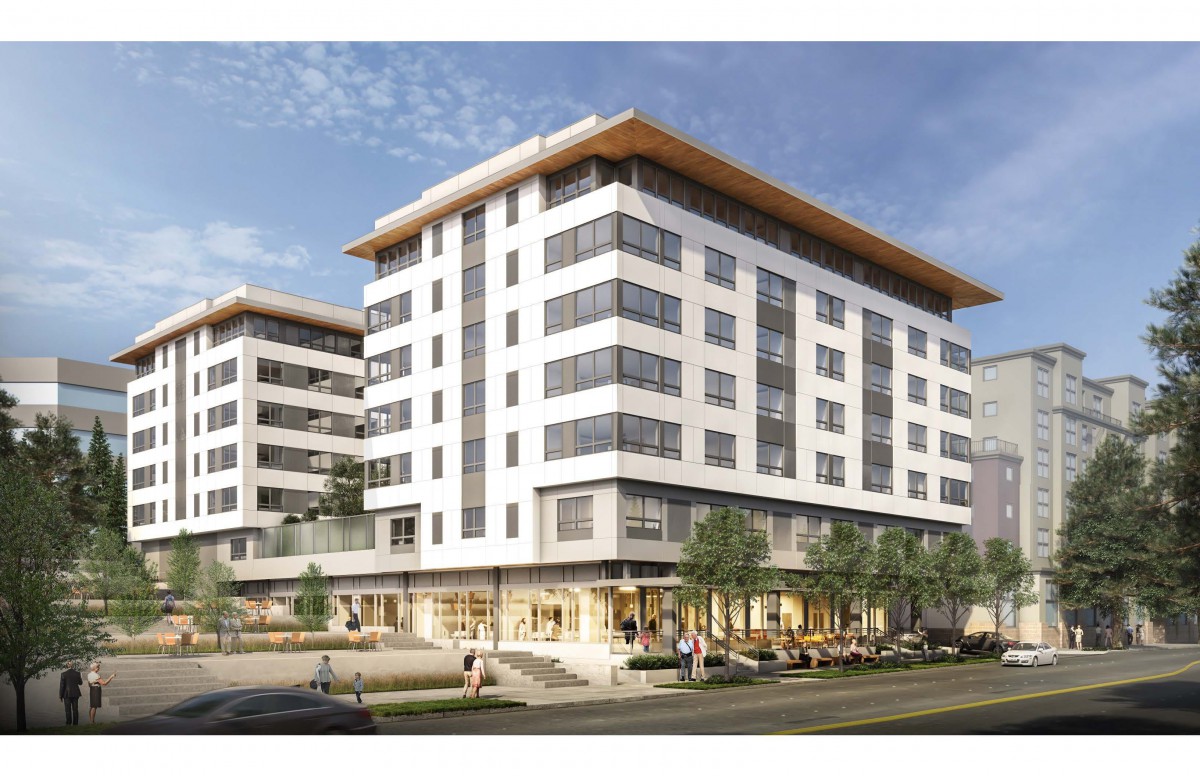
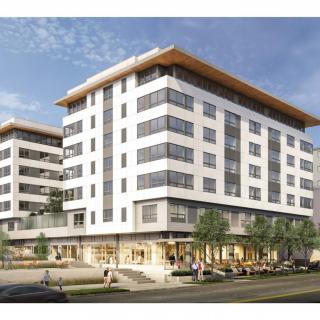
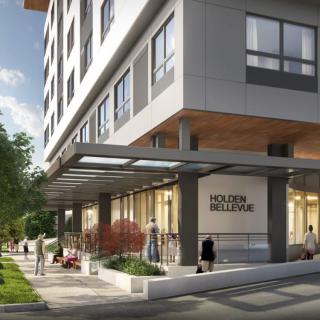
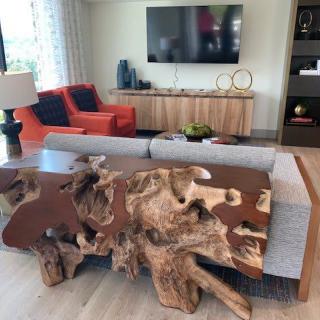
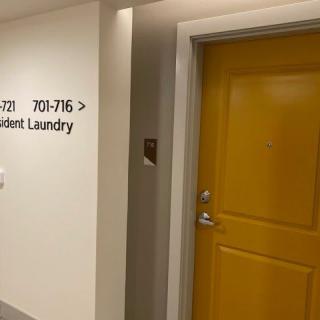

121 112th Ave NE, Bellevue, WA 98004
To contact a resident: (425) 229-5801
For more information about senior living options: (866) 208-4318
Holden of Bellevue Costs & Pricing
Holden of Bellevue offers a competitive pricing structure for its various room types when compared to the broader market in King County and the state of Washington. The monthly cost for a studio apartment at Holden is $3,995, which is notably lower than the county average of $4,464 and slightly more favorable than the state average of $4,126. For one-bedroom units, Holden's price is $5,300 - just above the King County average of $5,127 but significantly higher than the state average of $4,632. However, it is in the two-bedroom category where Holden's costs diverge sharply; priced at $8,450, it exceeds both county and state averages considerably (which are $5,111 and $4,301 respectively). Overall, while Holden of Bellevue presents an appealing option for studio living in particular, potential residents may want to weigh their choices carefully for larger accommodations.
| Floor plans | Holden of Bellevue | King County | Washington |
|---|---|---|---|
| Studio | $3,995 | $4,464 | $4,128 |
| 1 Bedroom | $5,300 | $5,127 | $4,634 |
| 2 Bedrooms | $8,450 | $5,111 | $4,301 |
Memory care communities with a similar price nearby
-
from -$495 / mo
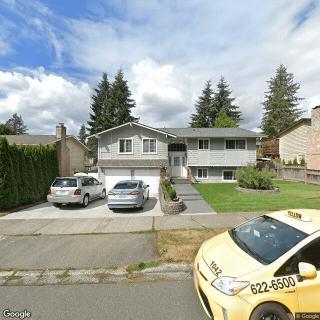
Dignity Life
$3,500 / month15.3 miles away -
from -$620 / mo
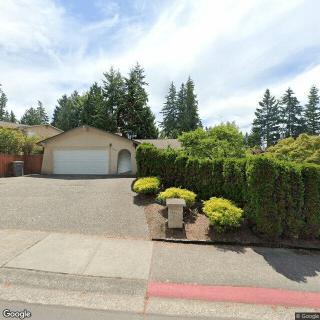
Evergreen Manor Senior Care Inc
$3,375 to $7,500 / month5.7 miles away -
About the same

Riverton Home Care
$4,000 to $5,000 / month10.5 miles away -
About the same
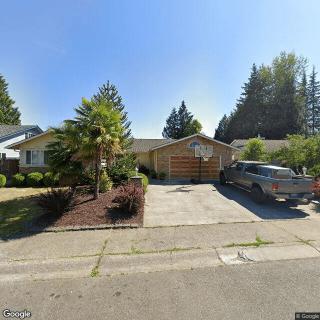
Gentle Care Home
$4,000 to $5,500 / month12.1 miles away -
from -$495 / mo

Twin Lakes Haven Adult Family Home
$3,500 to $8,000 / month21.9 miles away
Overall Review of Holden of Bellevue
Pros
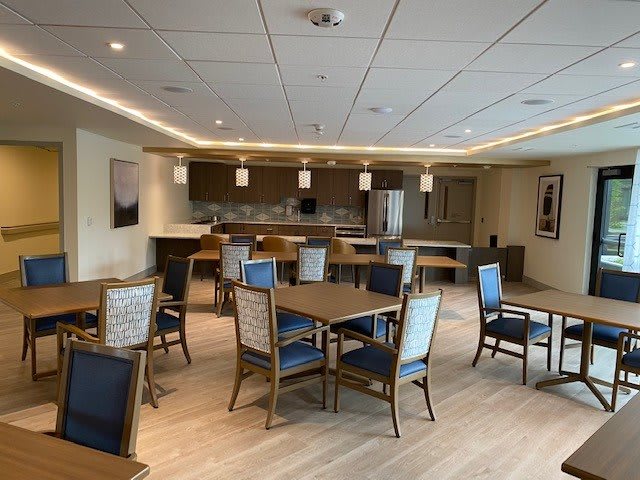
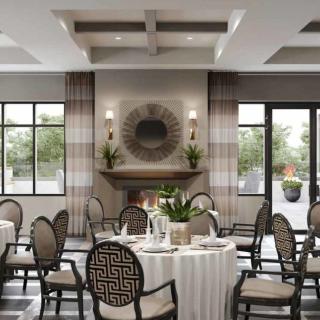
 Holden delivers a fantastic dining experience.
- The food is outstanding and the chef is awesome.
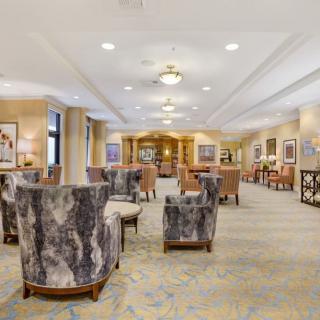
- The dining is upscale and the facility is beautiful.
Review
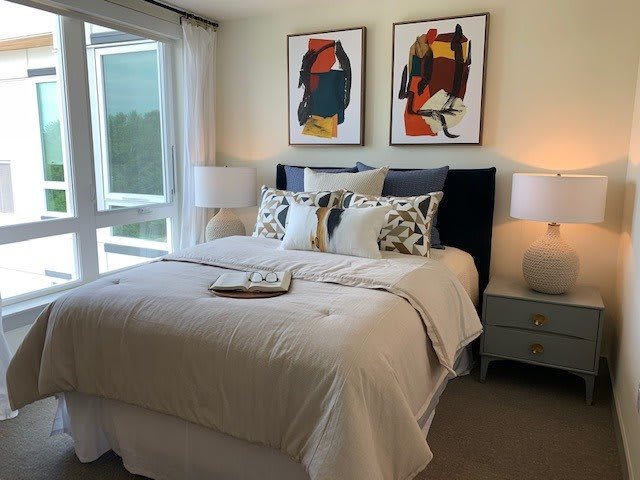
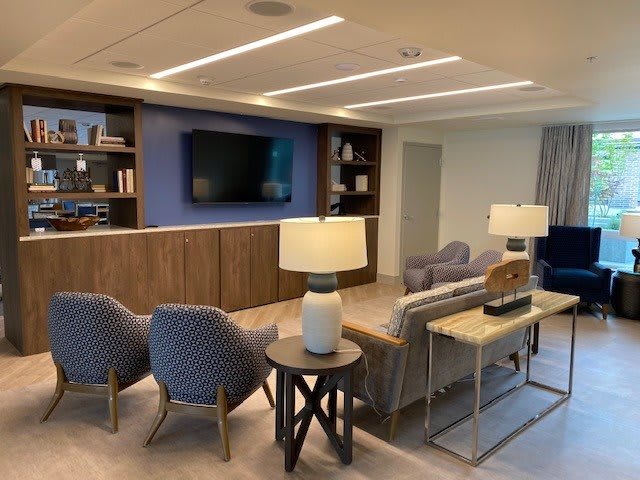
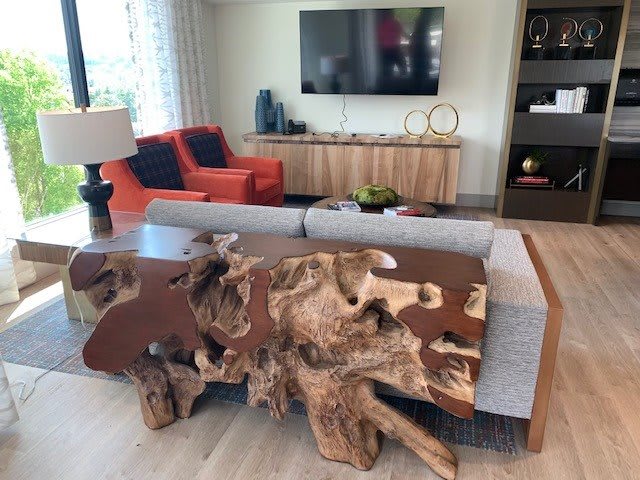
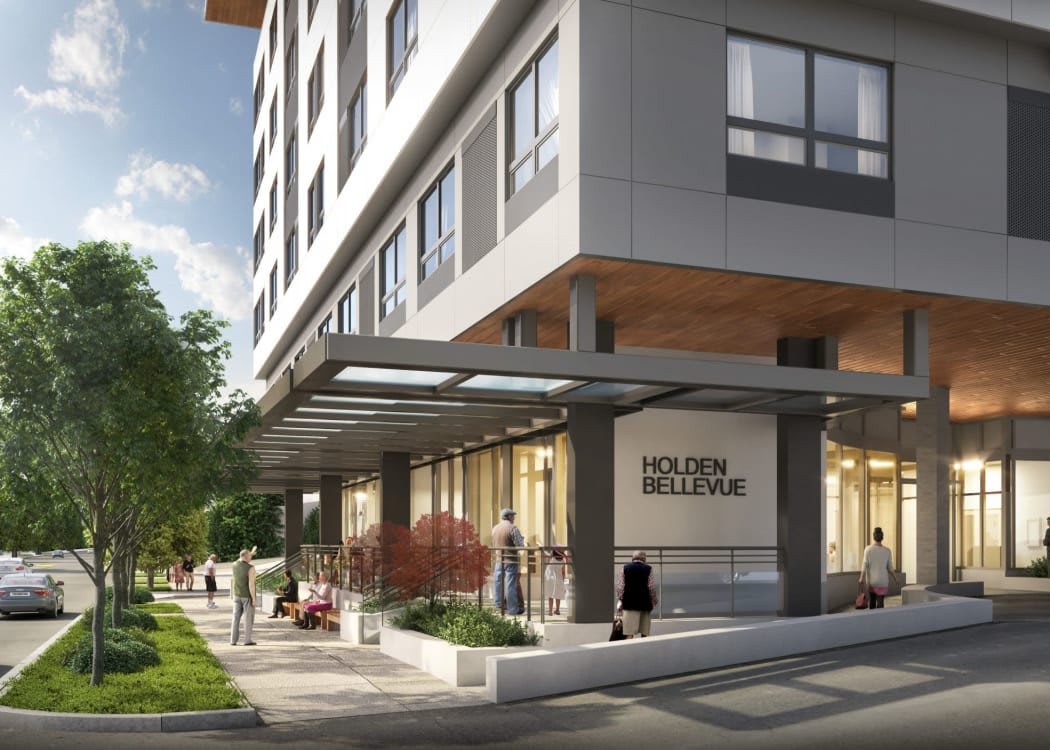
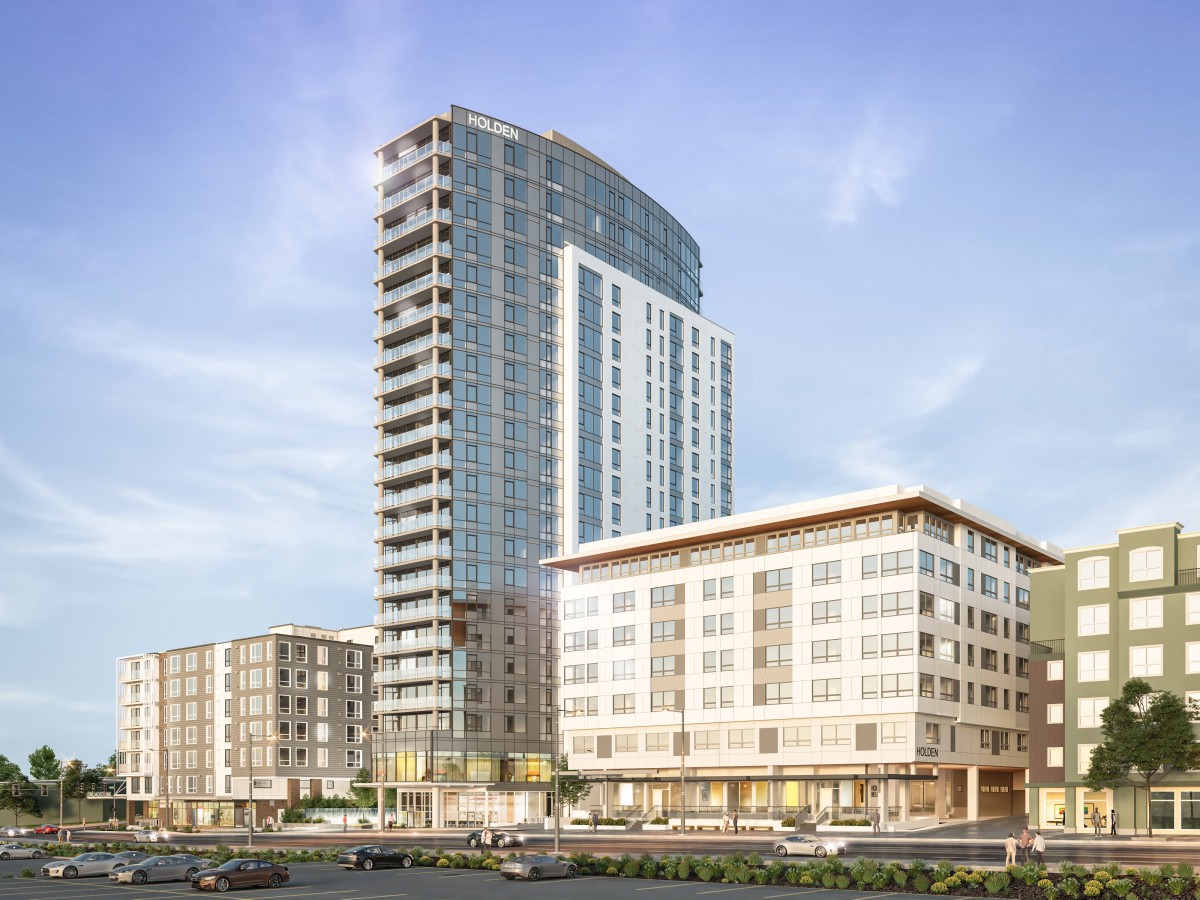
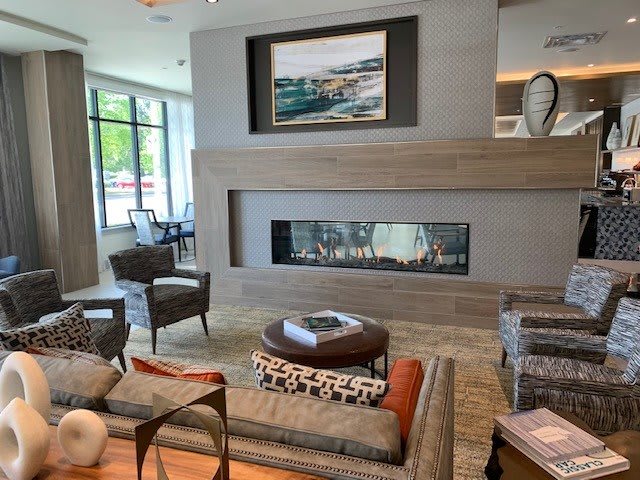
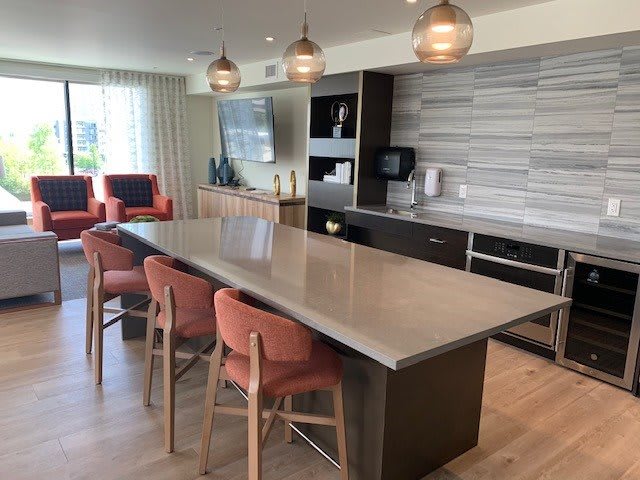
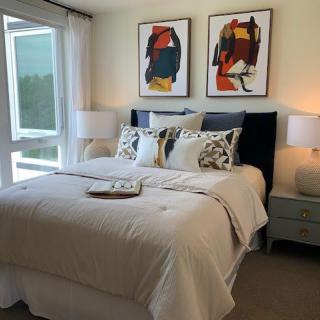
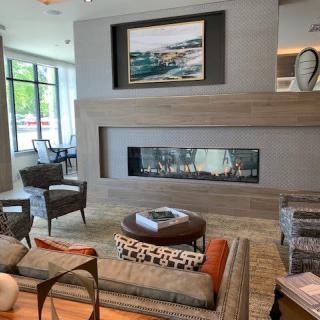
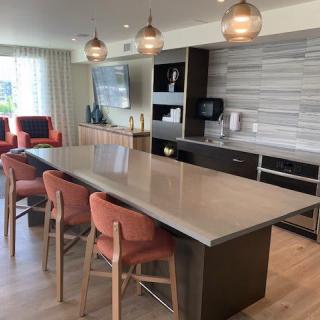
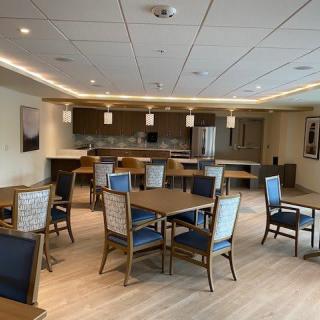
Holden of Bellevue is best suited for seniors who prize restaurant-grade dining, a polished, upscale environment, and a social, hospitality-forward daily rhythm. The two accessible reviews emphasize an outstanding culinary program and an upscale dining room paired with a beautiful, well-maintained facility. For families and residents who equate quality meals and gracious atmosphere with daily happiness and meaningful social opportunities, Holden appears to deliver a compelling living experience built around flavor, presentation, and a refined setting. In short, this community stands out as a strong pick for those who want dining and ambience to anchor their everyday life in retirement.
Those considering Holden should explicitly weigh how much weight is placed on care services beyond dining and aesthetics. The reviews focus almost exclusively on food quality and the beauty of the surroundings, with no discussion of clinical care options, staff stability, safety practices, activity breadth, or transportation. For seniors who anticipate needing robust assisted living support, memory care, or highly personalized care plans, alternatives that foreground comprehensive clinical offerings may be more appropriate. Families with moderate or low care needs, but high expectations for a superior dining experience and a prestige atmosphere, will likely find Holden a better fit than options that emphasize care programs over culinary and environmental sophistication.
The strongest pros are clear and potent: dining that rivals upscale, chef-driven experiences, a sense of culinary artistry, and an environment that feels elegant and inviting. This combination can drive resident satisfaction, encourage social interaction around meals, and create a daily routine that feels festive rather than routine. When meals are a central activity, the dining program becomes a magnet for community events, guest experiences, and even family visits. The beautiful facility reinforces the dining allure, signaling to residents that quality and care are visible in every corner. For households prioritizing lifestyle richness and culinary excellence, these advantages can meaningfully offset the absence of detailed information about other services.
However, the absence of explicit data on core assisted-living elements creates a notable gap. Without stated metrics on staffing ratios, care enhancements, medication management, safety protocols, or activity programming beyond dining, several pivotal questions remain unanswered. The potential risk is that a strong dining narrative might not translate into equally strong daily support for those requiring consistent assistance, mobility help, or memory-care design. In practice, Holden’s dining prestige and aesthetic appeal can offset some expectations if the resident’s primary objective is a vibrant social life centered around meals. Yet for families prioritizing dependable medical oversight, predictable care schedules, and transparent pricing tied to care tiers, a more care-forward option could be the prudent hedge.
To make a well-informed decision, tours should be structured to interrogate three core facets: the full scope of care services and how they are tailored to individual needs, the dining program in concrete terms (sample menus, chef background, dietary accommodations, mealtime cadence, and resident feedback), and the overall value proposition (cost, inclusions, and what happens as care needs evolve). Prospective residents ought to request a behind-the-scenes look at the kitchen and dining operations, observe the staff–resident interactions in dining and common areas, and speak with current residents about how often meals drive social activities and whether other interest areas, transportation, wellness programs, outings, match expectations. Price transparency, potential add-ons, and how the community supports changing needs over time should be clarified up front.
In the end, Holden of Bellevue serves a distinct persona: a facility where exceptional dining and a refined, beautiful setting can define the senior living experience. It is particularly well-suited for individuals who value culinary artistry and social dining as a daily anchor and who are comfortable with a care package that may not overshadow those strengths. Those whose priorities include strong, visible clinical support, broad activity offerings, or budget-driven considerations should pursue alternatives with a clearer emphasis on comprehensive care and cost structure. For families choosing based on the intimacy of dining excellence and ambiance, Holden provides a compelling, confident match, and for others, it signals the need to explore options where care depth and transparency align more closely with their critical needs.
 1-bedroom apartments
 Assisted Living
 Memory Care
 Activities off-site
 Air-conditioning
 Beautician on-site
 Cable or satellite TV
 Devotional services off-site
 Dining room
 Garden
 Handicap accessible
 Housekeeping services
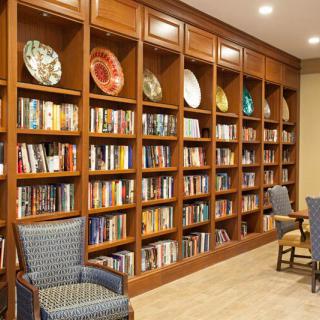
 Indoor common areas
 Kitchenette
 Outdoor common areas
 Respite or short term stays offered
 Security gate
 Wheelchair accessible showers
 Wi-Fi/high-speed internet available
 Seattle-Tacoma International (13 miles away)
 Transportation & parking
 Ambulatory care
 Diabetic care
 High acuity care
 Incontinence care
 Medication management
 Anytime dining
 Art classes
 Cooking classes
 Day trips and outings
 Educational speakers / life long learning
 Forever fit
 Happy hour
 Karaoke
 Live dance or theater performances
 Live musical performances
 Live well programs
 Wine tasting


 Delving into the Inner World of Dementia: Insights into Thoughts and Awareness
 Five Subtle Dementia Indicators to Observe: An In-Depth Guide to Understanding “Does My Mom Have Dementia?”
 Dementia, Paranoia, and Caregiver Guidance: Understanding the Connection