
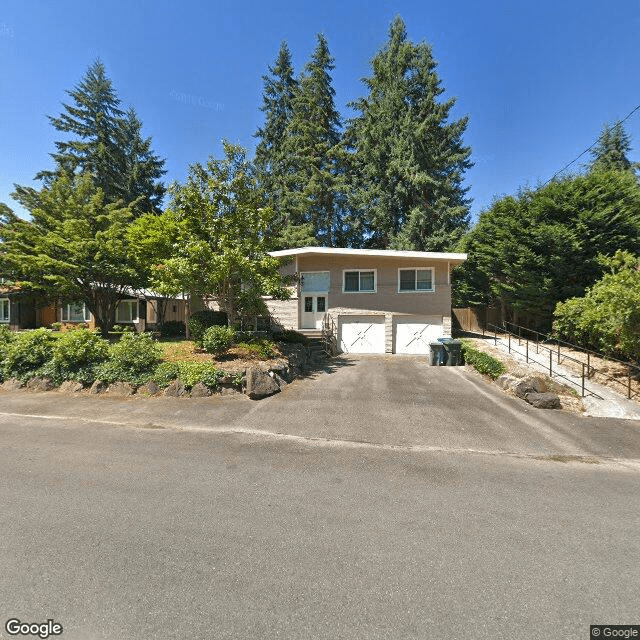
4315 90th Ave SE, Mercer Island, WA 98040
To contact a resident: (206) 599-9126
For more information about senior living options: (866) 208-4318
Mercer Island AFH Costs & Pricing
Mercer Island AFH offers competitive pricing in comparison to both King County and the broader state of Washington. For those seeking semi-private accommodations, Mercer Island AFH's monthly cost is $3,500, significantly lower than the county average of $4,430 and the state average of $4,267. Similarly, for private rooms, residents at Mercer Island AFH pay $4,500 - a more affordable option than King County's $5,034 and slightly above the state average of $4,772. These rates reflect a thoughtful approach to providing quality care while ensuring that affordability remains a priority for families exploring assisted living options in the region.
| Floor plans | Mercer Island AFH | King County | Washington |
|---|---|---|---|
| Semi-Private | $3,500 | $4,430 | $4,272 |
| Private | $4,500 | $5,034 | $4,774 |
Senior living communities with a similar price nearby
-
About the same
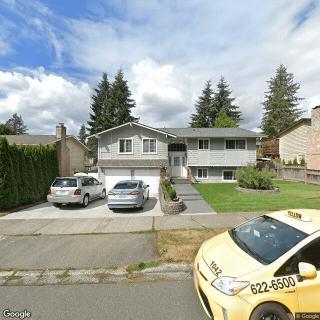
Dignity Life
$3,500 / month18.7 miles away -
from -$125 / mo

Evergreen Manor Senior Care Inc
$3,375 to $7,500 / month9.1 miles away -
from +$500 / mo
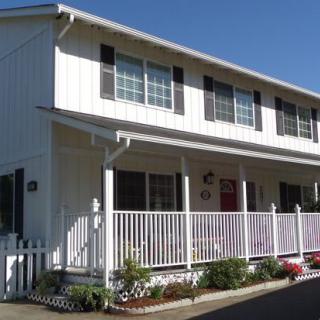
Meadow Crest Senior Home
$4,000 to $6,000 / month4.6 miles away -
from -$500 / mo
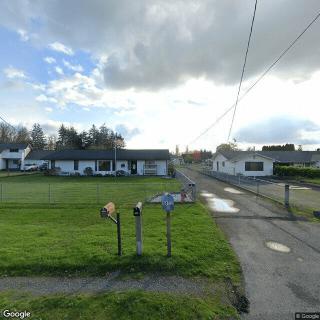
Hummingbird Homecare
$3,000 / month21.2 miles away -
from -$500 / mo
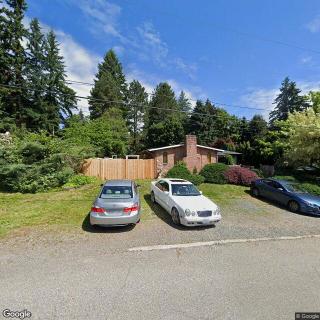
Caring Adult Family Home #1
$3,000 / month13.6 miles away
Overall Review of Mercer Island AFH
Pros
 Island Crest AFH provides outstanding care and support throughout residents’ stays.
- The environment is warm and welcoming, with staff dedication that sets the home apart.
- The staff’s dedication, compassion, attention to detail, and genuine concern are evident in everything they do.
- The facilities are well maintained, providing a comfortable and safe space.
- The meals are nutritious and delicious, accommodating diverse tastes and dietary needs.
- A strong sense of community exists where residents and staff interact like family.
- The care, including medication management, helps residents live more easily and with peace of mind.
- Families have peace of mind knowing their loved ones are in capable and caring hands.
- The staff are phenomenal and treated as family members.
Cons
 Carol is not a nice person.
- The brother of the owner was untrustworthy.
- The dad became ill from the food on several occasions and contracted E. coli.
- If the home does not have the right people looking after residents, families should move on.
- Carol did not provide good care; she spent no time socializing with the dad and was a mean person.
Review
Mercer Island AFH is best suited for families that want a warm, home-like setting on Mercer Island where staff treat residents like family and care feels personalized. The home-style pace, strong sense of community, and hands-on attention make it ideal for residents who thrive on daily routines lived with personal warmth. Families seeking meaningful interactions with caregivers, robust meds management, and daily support that feels more like a supportive family than a clinical environment will find this community a natural fit. The reviews consistently highlight a nurturing atmosphere, well-kept spaces, and meals that feel both nutritious and comforting, which matters greatly for long-term comfort and continuity of care.
Alternatives are worth considering for those with different priorities. If the decision hinges on highly structured, hospital-like oversight, large campus amenities, or all-day access to on-site medical teams, a bigger assisted living facility or a continuously staffed nursing model may be a better match. Families that require uniform demeanor and policy enforcement across all staff members, or have lower tolerance for any perceived gaps in professionalism, may also want to compare options. A note of caution from a single reviewer highlights the importance of meeting the current leadership and frontline team and evaluating kitchen practices firsthand, since experiences can vary by staff personality and daily dynamics.
The strongest pros here, genuine warmth from staff, a family-like culture, attention to detail, and a sense of community, often offset the main concerns. Instances of exceptional care, personal support during tough personal moments, and consistent med management create a reliable safety net for daily living and ongoing health needs. The well-maintained facilities and high-quality meals reinforce a daily experience that feels comfortable and secure, rather than institutional. When residents require recovery support after health setbacks, the combination of attentive caregiving and accessible therapy-adjacent assistance can accelerate adaptation and restore independence more quickly than at more impersonal settings.
Another clear strength is the way staff and residents tend to interact as a close-knit community. A reviewer described receiving strong emotional and practical support during post-stroke recovery and personal loss, underscoring the facility’s emphasis on social and emotional well-being as part of daily care. The sense of belonging, people knowing each other by name, staff anticipating needs, and residents engaging in daily activities together, translates into lower anxiety for families and greater peace of mind about ongoing supervision, medication routines, and meal planning. In short, the home-like culture can be a decisive factor for seniors who value companionship and a familiar, predictable daily rhythm.
However, one negative account is a meaningful reminder to verify current operations before making a commitment. That review raises questions about individual staff interactions and a perceived disconnect between some personnel and residents, plus a serious note about a past food-related illness. While this stands apart from the broader consensus of care, it warrants direct inquiry: who leads the kitchen now, what food-safety protocols are in place, and how does leadership monitor consistent quality across shifts? Prospective families should request recent references, tour the kitchen and dining area, and meet the current caregiving team to assess compatibility with their expectations for professionalism and food safety.
Ultimately, Mercer Island AFH offers a compelling option for families prioritizing intimate, compassionate care within a tight-knit, home-like environment. For those who place a premium on formal clinical oversight or a larger, more medicated ecosystem, it pays to compare with other providers. The best next steps are a candid tour, a direct conversation with caregivers and the administrator, and an explicit inquiry into staff turnover, dining safety practices, and the routine for therapy services. In the end, this community tends to deliver on warmth, connection, and daily reliability, qualities that often determine quality of life more than any single policy or room size.
 Board and Care Home
 Cats allowed
 Dogs allowed
 Activities on-site
 Beautician on-site
 Indoor common areas
 Outdoor common areas
 Private
 Private bathrooms
 Respite or short term stays offered
 Wheelchair accessible showers
 Seattle-Tacoma International (9 miles away)
 Diabetic care
 High acuity care
 Incontinence care
 Medication management
 Kosher

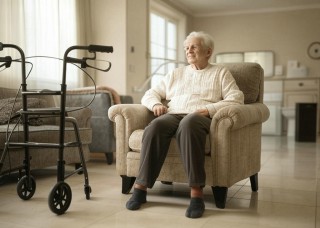 8 Essential Assistive Devices for Older Adults
 Navigating the Financial Road to Nursing Home Care: In-Depth Guidance and Resources
 Supportive Employee Benefits That Help Caregivers Attain Better Work-Life Harmony