Mercer Island's Premier AFH

Save
Mercer Island's Premier AFH

Mercer Island's Premier AFH

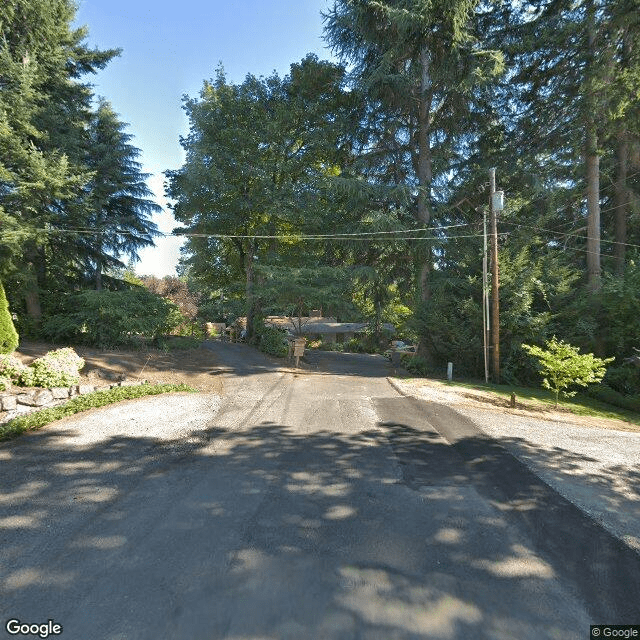
4233 83rd Avenue SE, Mercer Island, WA 98040

For more information about senior living options: (844) 490-3973

4.3 from 4 reviews
5 stars
3
4 stars
0
3 stars
0
2 stars
1
1 stars
0

Board and Care Home Memory Care

Mercer Island's Premier AFH Costs & Pricing

Mercer Island's Premier Adult Family Home offers competitive pricing for its private and studio rooms, both set at $6,000 per month. This positions it notably above the average costs in King County, where private rooms typically cost around $5,034 and studios average about $4,464. Comparatively, across Washington state, the figures are even lower at approximately $4,772 for private rooms and $4,126 for studios. While Mercer Island's rates fall on the higher end of the spectrum, the premium can often be attributed to its exceptional care quality and tailored services that enhance residents' overall experience.

Floor plansMercer Island's Premier AFHKing CountyWashington
Private$6,000$5,034$4,774
Studio$6,000$4,464$4,128

What level of care are you interested in?

Assisted Living

Memory Care

Independent Living

Skilled Nursing Facility

Continuing Care Retirement Community (CCRC)CCRC

Other


Request a tour at Mercer Island's Premier AFH

    Overall Review of Mercer Island's Premier AFH

    Pros

    • pro Island Crest AFH provides outstanding care and support to residents.
    • pro The facility is warm and welcoming, setting it apart from other homes.
    • pro The staff's dedication, compassion, and attention to detail show genuine concern for residents' well-being.
    • pro The facilities are well maintained, offering a comfortable and safe environment.
    • pro The meals are nutritious and delicious, accommodating diverse tastes and dietary needs.
    • pro The home fosters a strong sense of community where residents and staff interact like family.

    Cons

    • pro Carol is not a nice person.
    • pro The brother of the owner was not trustworthy.
    • pro The father became sick there several times from the food, including instances of E. coli.

    Review

    Island Crest AFH emerges in these reflections as a place that many families trust to provide warmth, stability, and attentive care, while a few voices also urge cautious investigation and personal discernment before making a decision. The overall tone of the majority of comments is one of gratitude and relief, with residents and families describing Island Crest as more than just a facility - it's a space where kindness, routine, and genuine concern for well-being feel woven into daily life. The praise centers on the everyday feel of the home, the dedication of the staff, and the sense that residents are treated like part of a close-knit community rather than anonymous occupants.

    One family portrays Island Crest AFH as a true source of comfort during a difficult period. Their mother spent a long time there and received "outstanding care and support" throughout her stay. The reviewers emphasize a warm and welcoming environment that stood out compared with other facilities they considered. They highlight the staff's dedication, compassion, and meticulous attention to each resident's needs, which they say manifest in every aspect of care. The facilities are described as well maintained, ensuring safety and comfort, while meals are praised not only for their nutrition but also for their flavor and adaptability to various tastes and dietary requirements. Most notably, the review underscores a strong sense of community - residents and staff interacting like family - and the reviewer expresses profound peace of mind knowing their loved one was in capable, caring hands. This family's closing sentiment is an unequivocal recommendation for anyone seeking a nurturing and supportive environment for a family member.

    Another reviewer shares a deeply personal and transformative experience tied to Island Crest AFH. Having moved there after suffering a stroke, they describe entering the home in a markedly impaired state, specifically needing physical and occupational therapy to regain independence. The narrative also includes a difficult personal loss - the sister who had been their sole family support passed away shortly after the move - and the staff's unwavering presence through that painful time is highlighted as a defining element of the care. The reviewer credits the home with meaningful support in daily life, noting that the care, meals, and medication management helped ease the burden and contribute to a smoother recovery. They express heartfelt gratitude and describe Island Crest AFH as a place they are grateful to call home, implying that the environment contributed positively to both physical rehabilitation and emotional healing.

    A third voice enters the discussion with a stance aimed at clarifying a perceived inconsistency in prior feedback and offering reassurance based on personal experience. This reviewer states that their father has been at Island Crest AFH for nearly two years and notes that during that period there have only been female residents at the home, challenging a claim made in a different review about a male resident. They suggest that the earlier review may be about a different home altogether and insist that their father's care has been exceptional across the board. According to this account, there are no outstanding concerns about the care received, and the family expresses confidence in the staff's ability to look after their loved one. The underlying message is one of advocacy for accuracy and a reminder that experiences may vary or be interpreted differently by different families.

    A more cautionary note comes from another reviewer who does not withhold criticism. This account warns readers about a particular staff member - named Carol by the reviewer - as not being pleasant to work with, and it also references the brother of the owner as someone impugned by the family's experience. The reviewer alleges that their father became ill on more than one occasion due to the food, with claimed incidents of E. coli infections, and notes that the father is no longer living at Island Crest AFH. The sentiment conveyed is a strong call to prospective families to ensure they choose reliable, attentive caregivers who will prioritize safety and social engagement. The reviewer distinguishes between the outward appearance or title of a staff member - such as Carol's reputation as a " cleaning princess" - and the actual quality of care, asserting that social interaction and genuine compassion are essential components of a good caregiving environment.

    Taken together, these reviews present a multifaceted portrait of Island Crest AFH. For many families, the home offers a nurturing, community-filled atmosphere with staff who are described as compassionate, attentive, and invested in residents' well-being. The successes highlighted - compound safety, well-kept facilities, nourishing meals, and the sense that residents are part of a family - speak to a model of care that resonates with people seeking personal attention and dignity for their loved ones. At the same time, there are cautions and caveats that readers should consider carefully: reports of discord with specific staff members, concerns about interactions with caregivers, and serious allegations regarding food safety. These elements underscore the importance of conducting thorough visits, speaking candidly with staff and administrators, and reviewing independent sources such as health inspections and family testimonials before making a decision.

    Ultimately, Island Crest AFH can be described as a place where many residents and families find comfort, continuity, and meaningful daily life, backed by supportive staff and a home-like environment. Yet the varied experiences captured in these reflections also remind prospective residents and their families that care quality can be highly individual and that perceptions of care can differ from person to person. If you are evaluating this home for a loved one, consider engaging directly with the team, requesting references, and observing interactions firsthand to determine whether the environment aligns with the specific needs and expectations of your family. The stories here together suggest that Island Crest AFH has the potential to be a very good fit for many, while also illustrating why careful due diligence remains essential.

    Features

    Types of Care

    • Board and Care Home Board and Care HomeBoard and care homes provide a smaller, more intimate setting for seniors who require assistance with daily tasks but do not need the level of care offered by a nursing home. They offer personalized care, meals, and social activities in a homelike environment, ensuring that seniors receive individualized attention and support in their golden years.
    • Memory Care Memory CareMemory care is crucial for seniors as it provides specialized support and services for individuals with dementia or Alzheimer's disease. These programs offer a safe and secure environment where residents receive personalized care, cognitive stimulation, and help with daily activities. Memory care helps seniors maintain their independence, quality of life, and dignity while also providing peace of mind for their families.

    Pets

    • Cats allowed Cats allowed"Pet friendly" senior living communities are important for seniors because pets provide companionship, reduce feelings of loneliness and depression, promote physical activity and mental stimulation, and offer a sense of purpose and responsibility. Pets can improve overall well-being and quality of life for seniors in many ways.
    • Dogs allowed Dogs allowed"Pet friendly" senior living communities are important for seniors because pets provide companionship, reduce feelings of loneliness and depression, promote physical activity and mental stimulation, and offer a sense of purpose and responsibility. Pets can improve overall well-being and quality of life for seniors in many ways.

    Amenities

    • Activities off-site Activities off-siteEngaging in off-site activities is crucial for seniors to maintain social connections, stay active, and stimulate their minds. It promotes overall well-being and helps combat feelings of isolation and loneliness.
    • Activities on-site Activities on-siteActivities on-site are important for seniors because they provide opportunities for socialization, mental stimulation, physical activity, and overall well-being. Engaging in activities can help seniors stay active, maintain their independence, and improve their quality of life.
    • Bath tubs Bath tubsBath tubs are important for seniors because they provide a safe and relaxing way to bathe, helping to prevent slips and falls while promoting independence and overall well-being.
    • Devotional services on-site Devotional services on-siteDevotional services on-site provide seniors with spiritual support and a sense of community, as well as an opportunity for reflection and guidance during their senior living experience. This can promote emotional well-being and connection to others, leading to a more fulfilling and enriching lifestyle in their later years.
    • Indoor common areas Indoor common areasIndoor common areas are crucial for seniors as they provide a space for socialization, recreation, and community engagement, promoting overall well-being and reducing feelings of isolation and loneliness.
    • Outdoor common areas Outdoor common areasOutdoor common areas are important for seniors as they provide a space for socialization, physical activity, and relaxation. Being outside in nature can improve mood and overall well-being, while also encouraging movement and engagement with others. These spaces can help combat feelings of isolation and promote a sense of community among residents.
    • Private PrivatePrivacy is important for seniors as it allows them to maintain their independence, dignity, and sense of control over their own lives. It also gives them the space and freedom to relax, reflect, and engage in activities that bring them joy and fulfillment. Creating private spaces within senior living facilities is crucial for promoting overall well-being and quality of life.
    • Private bathrooms Private bathroomsPrivate bathrooms are important for seniors in senior living communities because they provide independence, dignity, and comfort. Having a private bathroom allows seniors to maintain their personal hygiene routines without the need for assistance, promoting a sense of autonomy and privacy. Additionally, private bathrooms help prevent the spread of infections and provide a safe and clean environment for seniors to navigate safely.
    • Respite or short term stays offered Respite or short term stays offeredRespite or short term stays provide seniors with a temporary solution when their regular caregiver is unavailable, offering them the opportunity to receive additional care and support during times of need, while also giving caregivers a chance to rest and recharge.
    • Wheelchair accessible showers Wheelchair accessible showersWheelchair accessible showers are crucial for seniors as they provide a safe and independent bathing option for those with mobility challenges. These showers help prevent falls and allow seniors to maintain their dignity and autonomy while ensuring they can bathe comfortably.

    Transportation

    • Seattle-Tacoma International (9 miles away) Seattle-Tacoma International (9 miles away)

    Care Services

    • Diabetic care Diabetic careDiabetic care is crucial for seniors as they are more susceptible to developing diabetes due to aging and other health conditions. Proper management of diabetes can help prevent complications such as heart disease, vision loss, and nerve damage, improving the overall quality of life for seniors in senior living communities.
    • High acuity care High acuity careHigh acuity care is important for seniors because it provides specialized medical attention and support for individuals with complex medical needs. This level of care ensures that seniors receive the appropriate treatment and assistance to maintain their health and quality of life as they age.
    • Incontinence care Incontinence careIncontinence care is essential for seniors to maintain their dignity, hygiene, and overall quality of life. By addressing incontinence issues promptly and effectively, seniors can enjoy a sense of independence and comfort in their daily activities.
    • Medication management Medication managementMedication management is crucial for seniors to ensure they are taking the right medications at the correct dosages and times. This helps prevent adverse drug interactions, reduces the risk of medication errors, and promotes overall health and well-being. Proactive management also allows for adjustments as needed based on changing health conditions or new prescriptions.

    Dining

    • Meals provided Meals provided"Meals provided" are crucial for seniors in assisted living communities as it ensures they have access to nutritious, balanced meals without the stress of meal planning and preparation. This can help promote overall health and well-being for seniors who may have limited mobility or cognitive abilities.
    • Vegetarian VegetarianA vegetarian diet is important for seniors because it can help lower the risk of chronic diseases, maintain a healthy weight, and provide essential nutrients needed for aging bodies. Additionally, plant-based diets are often easier on digestive systems and can contribute to overall well-being in older adults.

    Activities

    • Activities off-site Activities off-siteEngaging in off-site activities is crucial for seniors to maintain social connections, stay active, and stimulate their minds. It promotes overall well-being and helps combat feelings of isolation and loneliness.
    • Activities on-site Activities on-siteActivities on-site are important for seniors because they provide opportunities for socialization, mental stimulation, physical activity, and overall well-being. Engaging in activities can help seniors stay active, maintain their independence, and improve their quality of life.
    • Devotional activities on-site Devotional activities on-siteDevotional activities on-site provide seniors with a sense of community, spiritual fulfillment, and emotional support, promoting overall well-being and a positive sense of purpose in their lives.

    Description

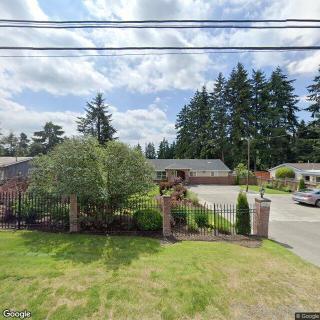
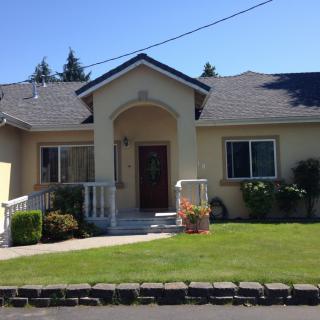
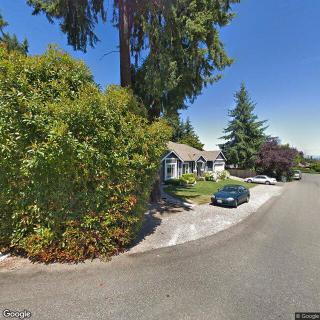
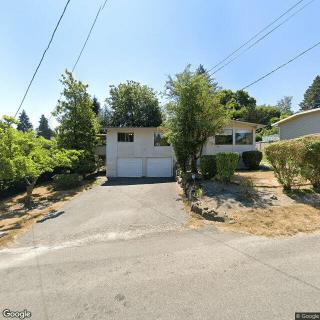
    Welcome to Mercer Island's Premier Adult Family Home (AFH), a dedicated memory care facility located in the heart of beautiful Mercer Island, WA. Our community is designed specifically for individuals living with memory impairments, providing a nurturing and safe environment that fosters dignity and quality of life.

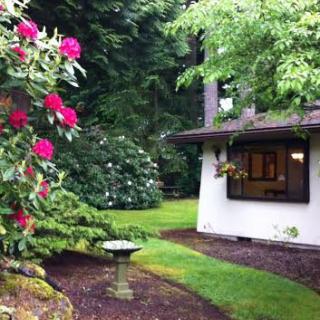
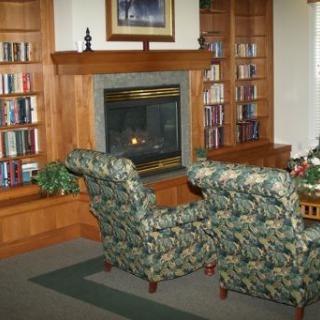
    At our AFH, we prioritize comfort and accessibility for all residents. Our amenities include spacious indoor and outdoor common areas where residents can socialize and engage in various activities. We offer private rooms featuring private bathrooms to ensure a personalized living experience. Residents can enjoy rejuvenating bath times in our accessible bathtubs or benefit from wheelchair-accessible showers tailored to their needs.

    Our dedicated staff provides high-acuity care, including specialized incontinence care and medication management, ensuring that every resident receives the individualized attention they deserve. For families seeking temporary support, we offer respite or short-term stays.

    Dining at our community is a delightful experience with a menu that accommodates vegetarian preferences while promoting health and nutrition. Residents can participate in engaging on-site activities, including devotional services that promote spiritual well-being.

    Strategically located close to essential amenities, our community is surrounded by multiple cafes, parks, pharmacies, restaurants, and healthcare providers. This proximity allows residents easy access to recreation and medical services while enjoying the serene atmosphere of Mercer Island.

    Choose Mercer Island's Premier AFH for compassionate memory care tailored to meet each individual’s needs in a vibrant yet peaceful setting. Here, we celebrate life every day through connection, care, and enriching experiences!

    Nearby Places of Interest

    This part of Mercer Island, Washington, offers a convenient and vibrant community for senior living. With several parks nearby such as Luther Burbank Park and Seward Park, residents can enjoy the outdoors and stay active. There are also plenty of cultural activities to partake in, with theaters like AMC Factoria 8 and Regal Meridian & 4DX just a short distance away. In terms of healthcare, there are several pharmacies and physician offices within a few miles, providing easy access to medical services. Additionally, transportation options are plentiful with various light rail stations nearby for easy travel around the area. Cafes like Starbucks and restaurants such as Din Tai Fung offer a variety of dining options for residents to enjoy. Lastly, the close proximity to hospitals like Overlake Hospital Medical Center and Swedish Medical Center ensures that seniors have access to quality healthcare facilities in the area.

    Parks

    • Luther Burbank Park (1.4 miles)
    • Lake Washington Boulevard Park (1.9 miles)
    • Seward Park (1.9 miles)
    • Genesee Park & Playground (2.4 miles)
    • Bellevue Downtown Park (3.2 miles)
    • Blue Dog Pond (3.5 miles)
    • Georgia Zumdieck Park (4 miles)

    Theaters

    • AMC Factoria 8 (2.8 miles)
    • Regal Meridian & 4DX (5.7 miles)
    • AMC Pacific Place 11 (5.8 miles)

    Pharmacies

    • Walgreens (2.8 miles)
    • CVS Pharmacy (3 miles)
    • Safeway Pharmacy (3.2 miles)
    • Bartell Drugs (3.5 miles)
    • Bartell Drugs (3.5 miles)
    • Bartell Drugs (3.6 miles)
    • Rite Aid (3.8 miles)

    Physicians

    • Allegro Pediatrics (2.8 miles)
    • Medical Arts Associates (4.3 miles)
    • Evergreen Speech and Hearing Clinic (4.4 miles)
    • Allegro Pediatrics (4.8 miles)
    • Seattle Reproductive Medicine (4.9 miles)
    • UW Medicine Sports Medicine Center at Eastside Specialty Center (5 miles)
    • Advanced Family Medicine (5.8 miles)

    Transportation

    • Columbia City Station (3.1 miles)
    • Mount Baker Station (3.3 miles)
    • Link Light Rail - Rainier Beach Station (4.1 miles)
    • Stadium Station (4.9 miles)
    • King Street Station (5.1 miles)
    • Renton Municipal Airport (RNT) (5.4 miles)
    • Capitol Hill LINK Station (5.5 miles)

    Cafes

    • Starbucks (3.1 miles)
    • The Flora Bakehouse (4.1 miles)
    • Squirrel Chops (4.6 miles)
    • Mercurys Coffee (5 miles)
    • Starbucks Reserve SoDo (5 miles)
    • Starbucks HQ (5.1 miles)
    • Starbucks (5.3 miles)

    Restaurants

    • Din Tai Fung (3.5 miles)
    • Kura Revolving Sushi Bar (3.5 miles)
    • Chick-Fil-A (3.8 miles)
    • Uwajimaya (3.8 miles)
    • Seattle Fish Guys (4 miles)
    • Chuck's Hop Shop (4.7 miles)
    • McDonald's (4.8 miles)

    Hospitals

    • Dengda Tang MD | Kaiser Permanente (3.9 miles)
    • Overlake Hospital Medical Center (3.9 miles)
    • Harborview Medical Center (5 miles)
    • Swedish Medical Center (5.1 miles)

    Frequently Asked Questions

    How much does it cost to live at Mercer Island's Premier AFH in Mercer Island, WA?
    Where is Mercer Island's Premier AFH?
    Does Mercer Island's Premier AFH provide care for residents with dementia or Alzheimer's disease?
    Does Mercer Island's Premier AFH allow residents to have pets?

    Nearby Communities

    Related Resources

    • dementia behaviorsDementia Behaviors: In-Depth Understanding and Effective Coping Strategies

      Dementia causes cognitive decline and challenging behaviors that caregivers must manage, necessitating an understanding of the neurological basis of these issues. Effective strategies and self-care for caregivers can enhance support for those with dementia and improve their daily lives.

    • does my mom have dementia quiz5 Early Indicators of Dementia and What You Can Do

      The content outlines five key early indicators of dementia, including significant memory loss and confusion about time and place, while emphasizing the need for professional evaluation and emotional support for both individuals showing symptoms and their caregivers. It encourages family members to monitor these signs closely and use online quizzes for initial awareness.

    • when should someone with dementia go into a care home8 Important Indicators That Memory Care May Be Necessary

      The article highlights eight indicators that a loved one with dementia may require specialized memory care, emphasizing the emotional and logistical challenges families encounter in this decision. It discusses signs such as difficulties with daily tasks, safety concerns, and caregiver burnout, suggesting that memory care facilities can provide the necessary support and structured environments for those experiencing cognitive decline.


    Get Pricing Ask A Question Schedule A Tour Contact Senior Advisor