The Arbor at Bremerton

Save

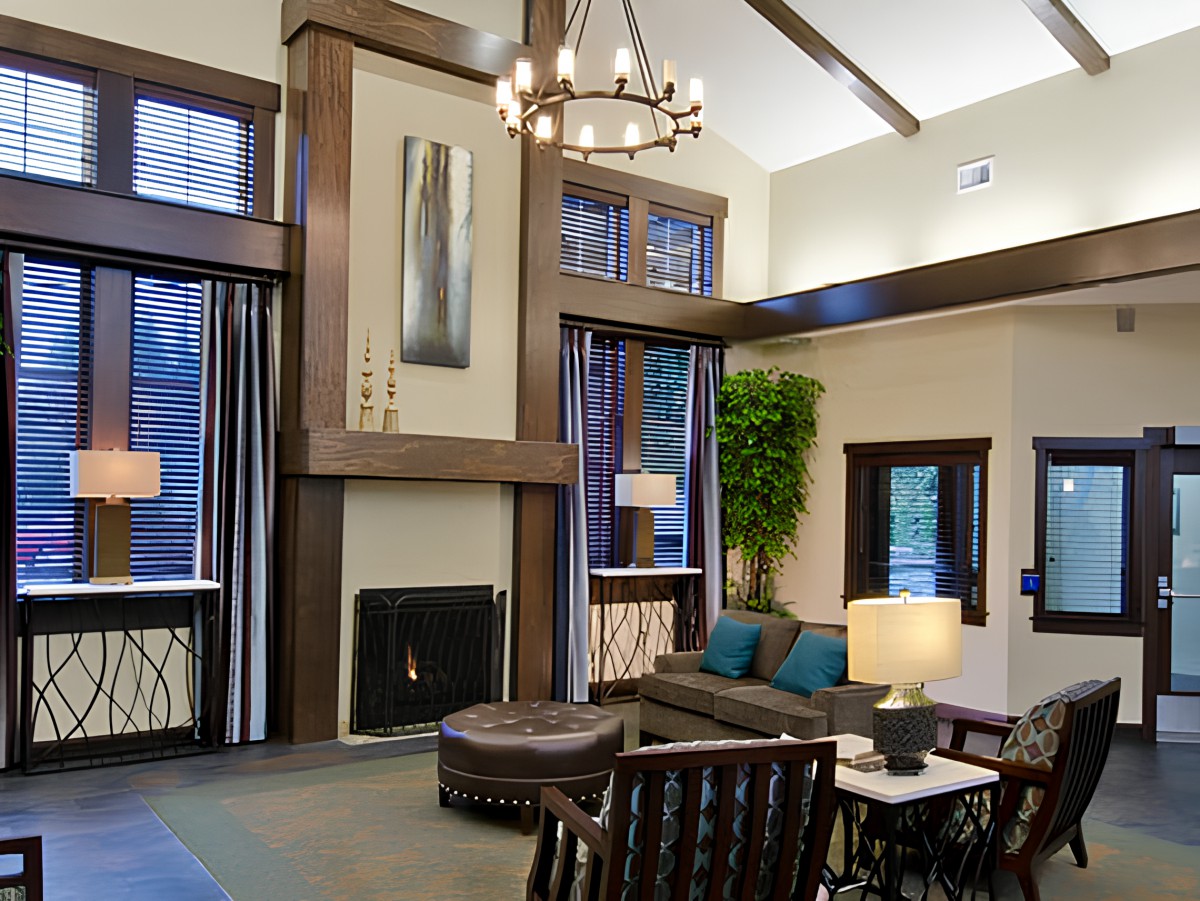
  • Interior

    A modern living room with a chandelier, large windows, and stylish furniture.
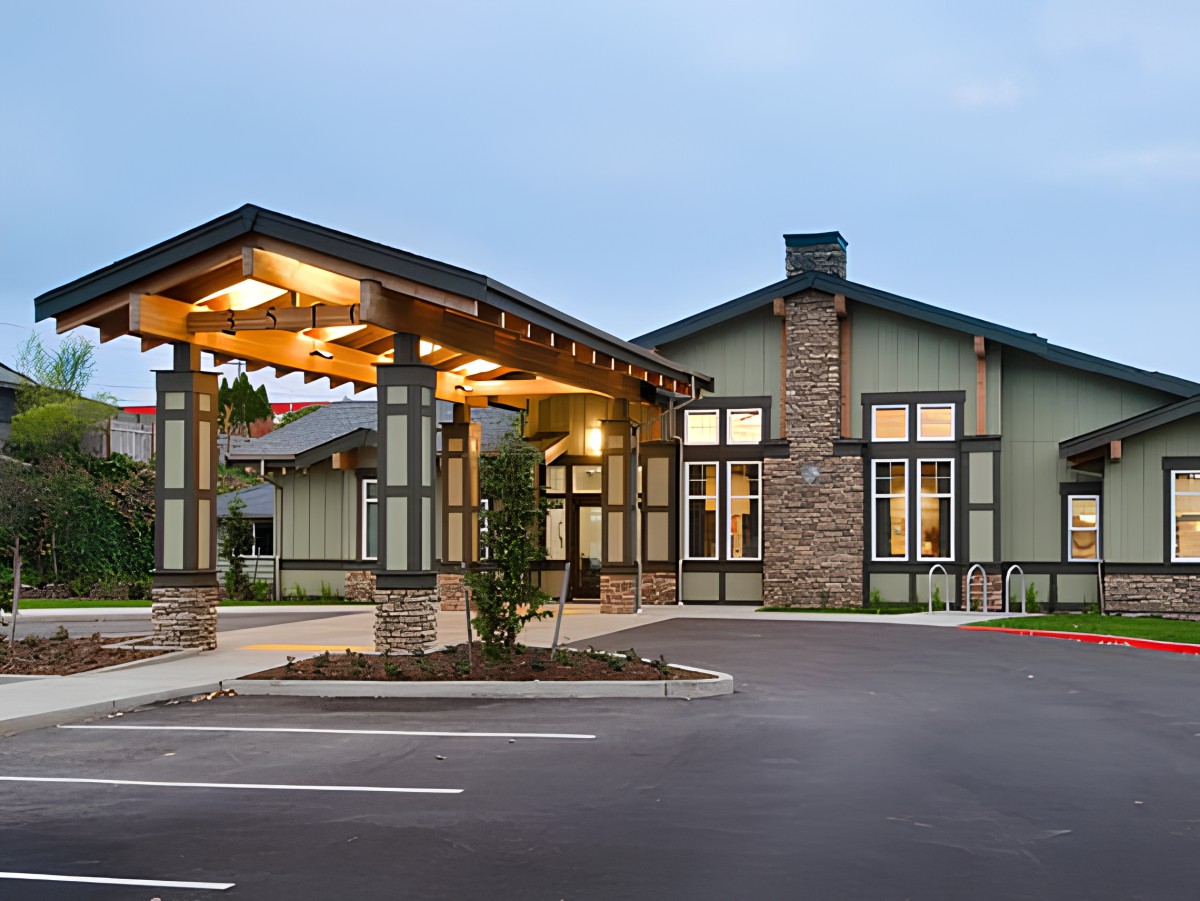
  • Building

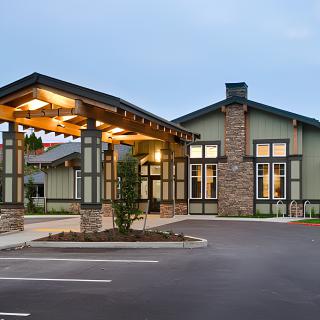
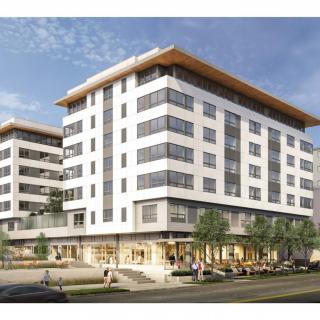
    A well-lit building entrance with a covered walkway and stone accents in the evening.
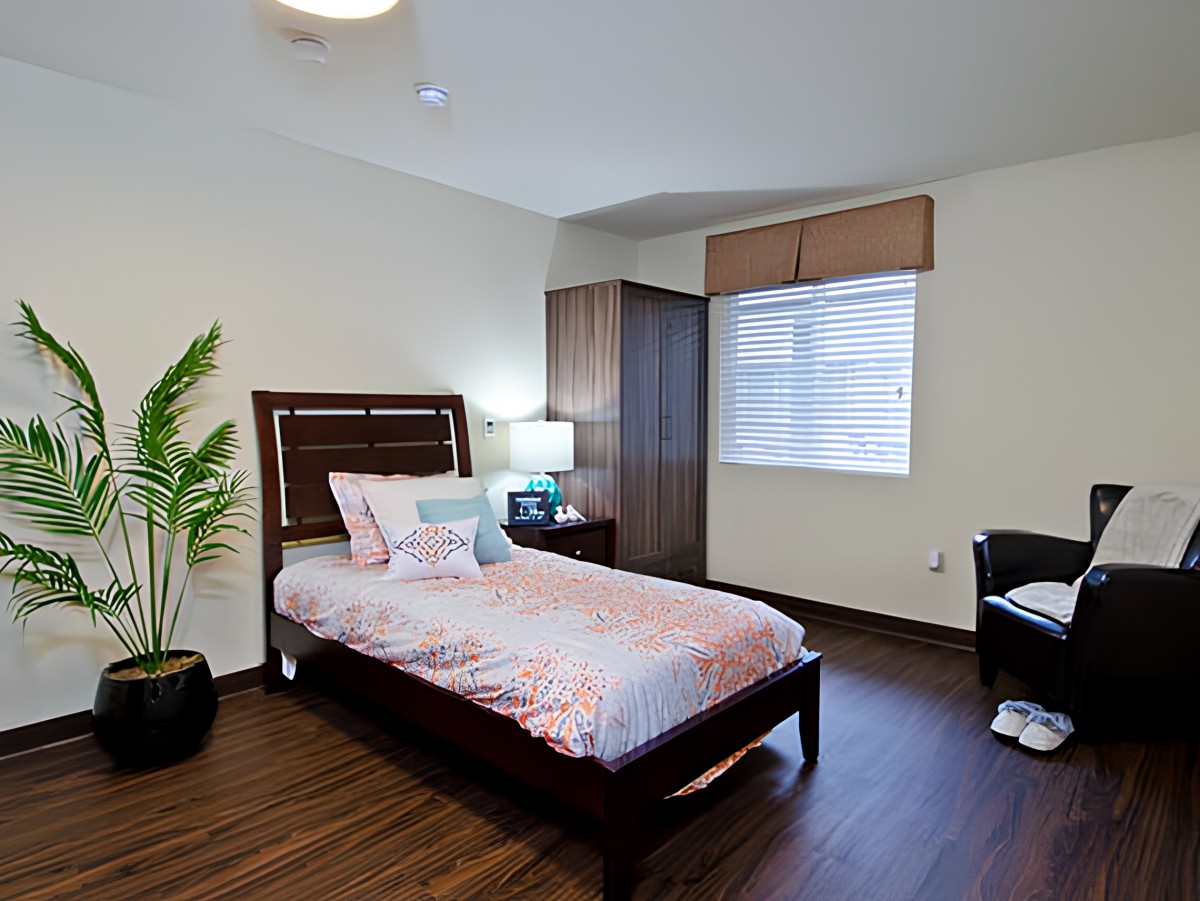
  • Bedroom

    A modern, minimalist bedroom with a single bed and a wooden floor.
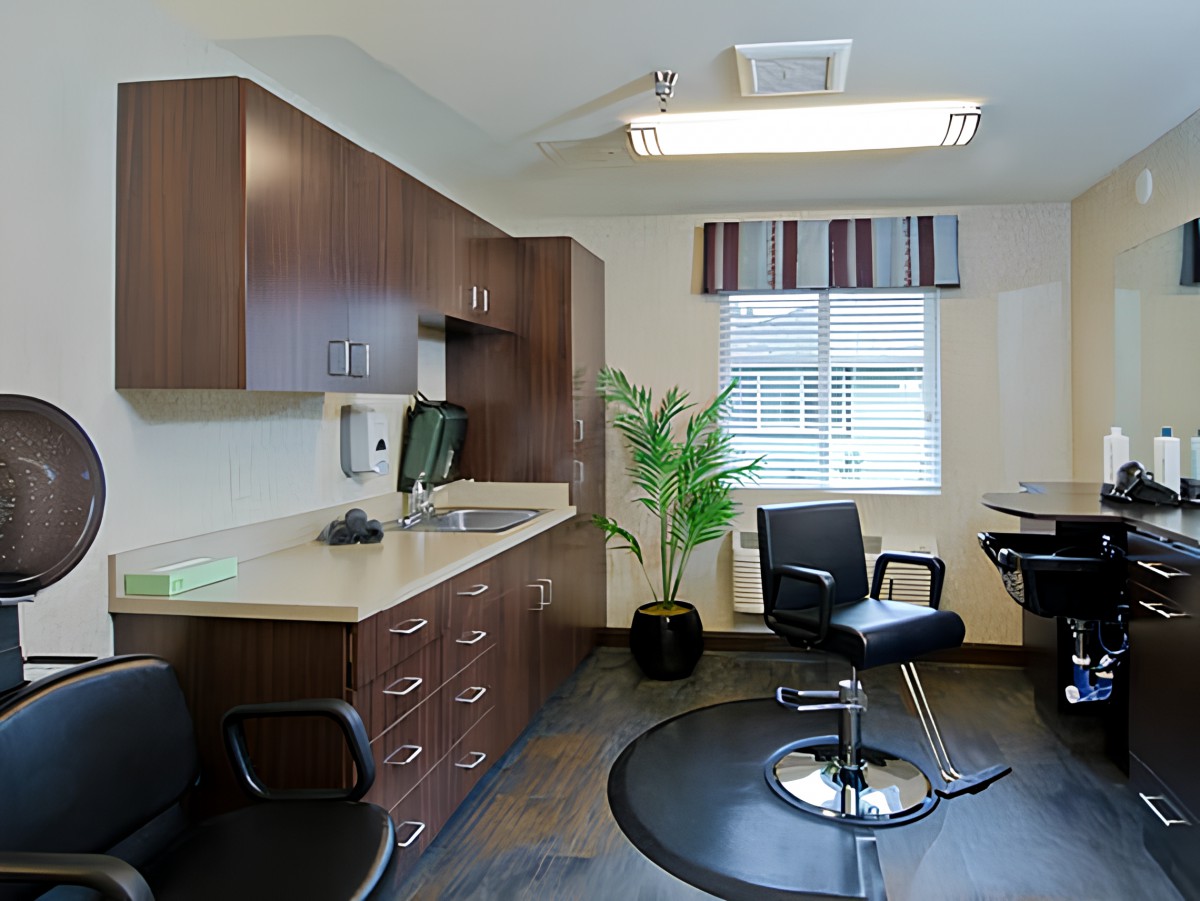
  • Windows

    A modern hair salon with a stylish chair, a large mirror, and cabinetry for storage.
  • Dining

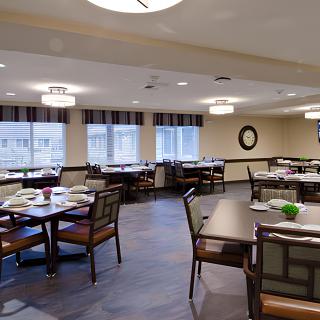
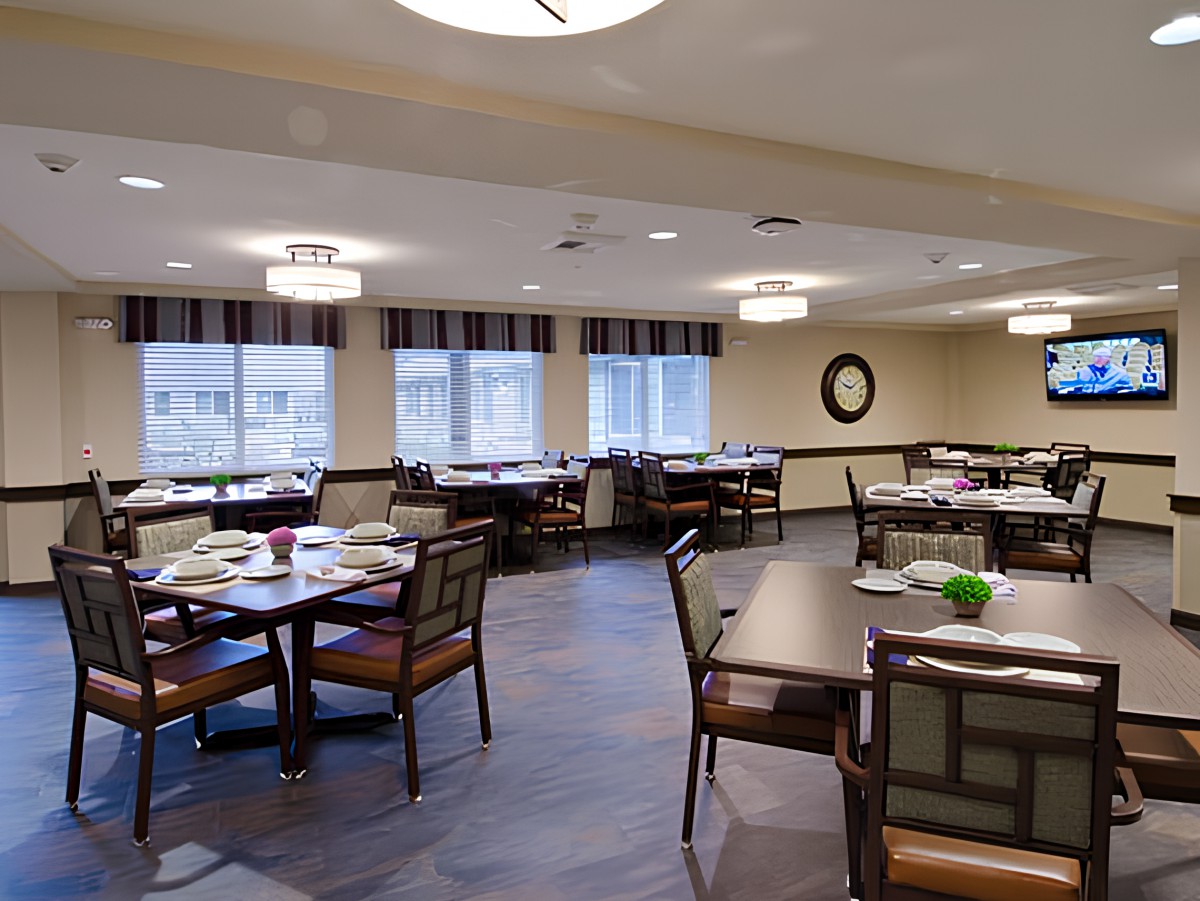
    A neatly arranged dining area with tables and chairs, featuring modern lighting and large windows.
  • Lighting

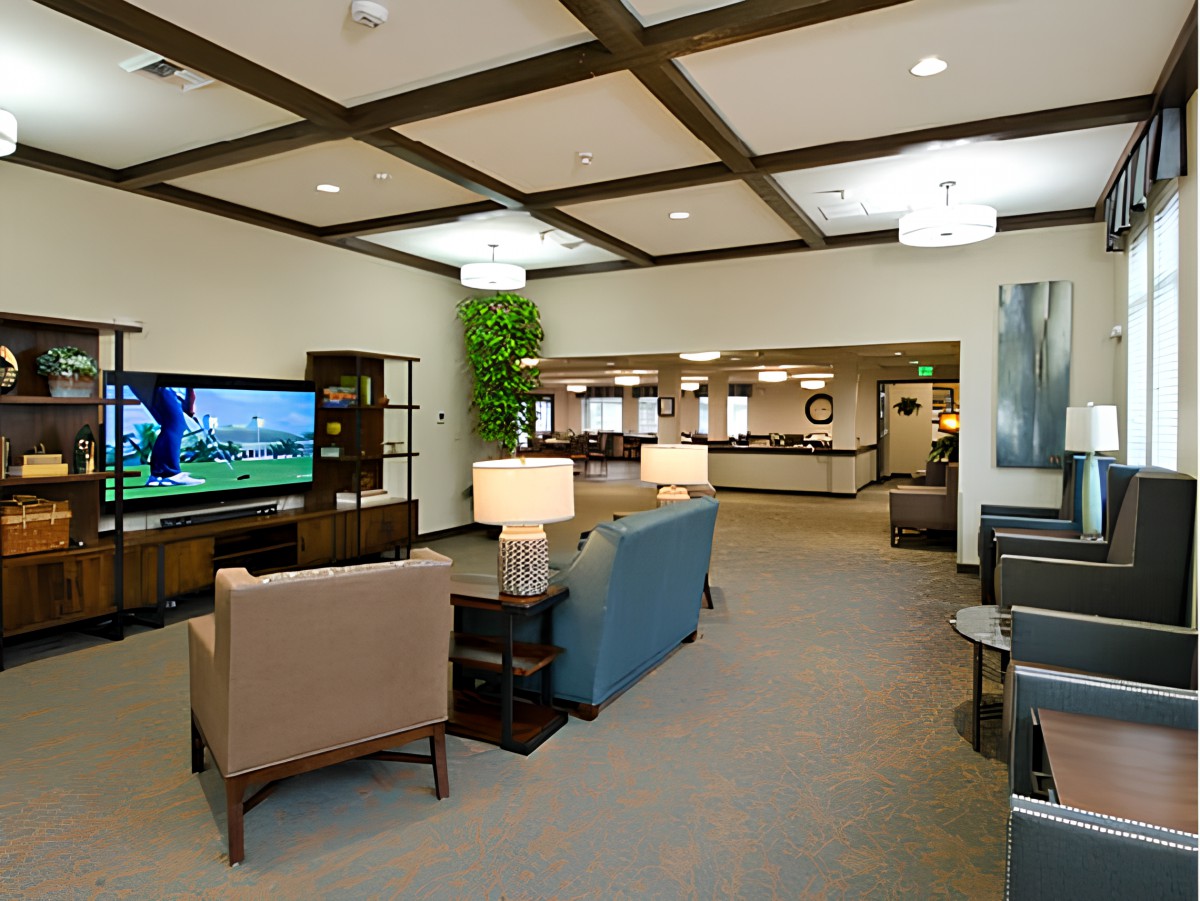
    A modern lobby area with comfortable seating and a large television.

The Arbor at Bremerton

7900 SE 28th Street, Mercer Island, WA 98040

For more information about senior living options: (844) 490-3973

3.3 from 34 reviews
5 stars
18
4 stars
2
3 stars
0
2 stars
1
1 stars
13

Assisted Living

Overall Review of The Arbor at Bremerton

Pros

  • pro The staff are warm and welcoming, making residents feel at home.
  • pro Vicki Nelson is caring and available, treating residents with kindness and respect.
  • pro Christa is a champion, helping with questions and the process of getting a room.
  • pro Katrina, the RN, is the sweetest and most helpful person on staff, responsive to concerns.
  • pro The facility is well maintained and the care feels like family.
  • pro Donna is praised for her care and patience helping families.
  • pro Maintenance staff, like Jorden, are helpful and willing to assist.
  • pro The Arbor is recognized for its committed and devoted staff, which reassures families choosing it for their loved ones.

Cons

  • pro The facility is chronically understaffed, leading to inadequate supervision and care for residents.
  • pro The corporate management appears to prioritize profit and Medicaid collections over resident well-being.
  • pro Family members report persistent harassment from corporate staff over Medicaid payments and threats of eviction.
  • pro Nursing coverage is insufficient, with a single RN serving dozens of residents.
  • pro Residents experience neglect, including meals skipped or served hours late and weeks without baths.
  • pro Basic items and care supplies disappear, including toiletries, undergarments, bedding, and inhalers.
  • pro The environment feels cold and unloving, with little staff interaction and visible supervision.
  • pro Safety concerns arise as residents can become violent or require assistance that is not readily available.
  • pro Families are not promptly informed about critical events, such as the death of a loved one.

Review

The collection of memories shared about Arbor Memory Care paints a deeply uneven portrait. On one hand, several families describe warm welcomes, thoughtful staff, and moments that felt genuinely caring in a setting designed to support people with dementia and other memory-related needs. On the other hand, a persistent thread runs through many accounts: concern about safety, communication, staffing, and the cost of care. Taken together, the anecdotes sketch a facility that can feel like two different places depending on who you encounter, when you visit, and which department you interact with.

One of the most distressing stories centers on a grandmother who was found in her bed with a broken hip, bruises, and feces, a scene that family members describe as shocking and criminal in its seeming neglect. This account triggered an Adult Protective Services report and a hospital stay that progressed to comfort care because surgery posed too high a risk. The reviewer's conclusion is stark: stay far away. Additional details show families wrestling with what they view as inadequate transparency and a lack of information that should be routine in a regulated care setting. These remarks emphasize a perception that the facility's stated standards and state qualifications were not being consistently upheld in practice.

Several posts emphasize systemic issues linked to staffing. One reviewer describes an environment where there simply aren't enough staff to meet resident needs, a sentiment echoed by others who note the heavy load carried by caregivers and even by registered nurses who can be responsible for large numbers of residents. The sense of understaffing intersects with frustrations about communication and responsiveness, with some families reporting slow, incomplete, or difficult-to-obtain information about medical conditions, medications, and daily care. The perception is that when needs aren't urgent, staff may still be stretched too thin to provide timely, attentive care. These concerns are often tied to broader criticisms of corporate structures and policies rather than to individual caregivers alone.

Financial and administrative pressures emerge as another recurring theme. Several reviewers recount encounters with corporate staff who pursued Medicaid reimbursement aggressively, including a seemingly relentless communications cycle that felt more like debt collection than resident care coordination. One particularly alarming account describes being told they would need to come up with a substantial sum to avoid legal action, with a family member reporting that a grandmother died only weeks later and that no one from the facility reached out to share the news. The combination of Medicaid billing stress, threats of eviction, and a lack of proactive hospice communication adds to a sense that money and policy churn can overshadow compassionate care in some cases.

Amid the grim details, there are also bright spots. A reviewer who recently moved a loved one into the memory care unit reports a warm welcome, a bright and home-like room, and a staff team that helps make the space feel personal. The description includes a maintenance staff member who goes out of their way to assist with room setup and a marketing director who stands out as especially compassionate and available for questions. This narrative highlights how individual staff members can transform a facility's atmosphere, making a residence feel like home for families during a stressful transition. The reviewer's overall sentiment acknowledges the value of a well-kept environment and attentive staff, even if the broader picture remains complicated.

Other families share anecdotes about the care culture they encountered day-to-day. One reviewer praises a single nurse, Katrina, who consistently provided warmth and timely medical updates, going beyond typical duties by contacting the family after hours with important information. Yet this positive note sits against a backdrop of practical concerns: one nurse for forty residents and a sense that the care team is fighting against structural constraints rather than simply performing their jobs. Among these stories, there is a conviction that the right person in the right role can make a meaningful difference, but that the overall system's limitations can undermine even the best individual efforts.

There are also reports of experiences that feel more troubling and routine in their scope - meals skipped or served hours late, baths delayed, inhalers withheld for extended periods, and personal care items disappearing. Some families describe an overall atmosphere that feels cold or impersonal, with residents wandering without visible supervision and incidents of distress among residents that go unaddressed for stretches of time. In these accounts, the day-to-day routine of care seems to be marked more by timetable pressures and logistical gaps than by the kind of steady, affectionate engagement one hopes to see in a memory care setting.

Several commenters reflect on the emotional weight of end-of-life care within the facility. One reviewer describes a last phase characterized by limited accessibility for family visits and a difficult balance between administrative schedules and the needs of a dying loved one. The portrayal is of a space where the traditional rites of connection - time with family, comfort measures, and a peaceful environment - are constrained by staffing and policy realities. The language used - describing a place of waiting rather than a place of peace - speaks to the profound emotional impact families experience when navigating care in its most fragile stages.

Interwoven with the negative and cautious voices are testimonies of genuine gratitude for Arbor from people with different perspectives. An Australian family, navigating international borders and the complexity of choosing care from afar, credits Vicki Nelson, the marketing director, with providing reassurance and consistent support. They describe Arbor as a place specializing in dementia care, where their father could be cared for with personal attention and family involvement. This family's optimism about Arbor's dementia expertise and the sense that staff treated residents with kindness stands out as a counterpoint to more critical reviews. It's a reminder that experiences can diverge sharply based on individual circumstances, staff assignments, and perhaps the specific unit a resident occupies.

Another testimonial, though fewer in number, focuses on the positive impact of dedicated staff members like Donna, who are remembered for patient and attentive care, reinforcing that the quality of interaction and the impression of a caring community can endure in memory - a valuable counterweight to the louder, more critical narratives. In this frame, Arbor is described as not just well maintained but populated by a team whose care feels nearly like family, with residents treated with patience, respect, and genuine attention.

Taken together, these accounts reveal a facility that evokes strong and conflicting emotions among families. There are stories of severe neglect and distress, of financial pressure and alarming gaps between what families expect and what is delivered, and of sensory experiences that feel cold, hurried, or impersonal. At the same time, there are vivid memories of warmth, personal connection, and effective advocacy by particular staff members that make Arbor feel like a caring home in other moments. The price tag - described as a minimum of around $5,000 per month - adds another layer of consideration, underscoring how high expectations for high-quality memory care intersect with the realities families face when navigating complex systems of funding and regulation.

For anyone considering Arbor or any memory care facility, the collection of narratives suggests a cautious approach. Prospective families are advised to seek firsthand observations of staffing levels, to meet with the care team and nurse in responsible roles, and to verify communication practices and policy transparency. Specific questions to ask might include the current staff-to-resident ratio, the process for updating families about medical changes, the handling of medications and DVR (daily living activities), the availability and proximity of hospice or palliative care, and the facility's approach to activity, bathing, meal timing, and personalized care. While some experiences point to a supportive, home-like environment with compassionate individuals, others raise serious concerns that merit careful consideration and further inquiry.

Features

Types of Care

  • Assisted Living Assisted LivingAssisted living facilities provide crucial support and care for seniors who may need help with daily tasks such as medication management, bathing, and meal preparation. These communities offer a safe and comfortable environment where seniors can maintain their independence while receiving the assistance they need to thrive in their golden years.

Amenities

  • Cable or satellite TV Cable or satellite TVCable or satellite TV is important for seniors because it provides entertainment, news, and companionship, helping to combat loneliness and boredom. It also offers a wide range of programming options tailored to different interests and preferences.
  • Dining room Dining roomDining rooms are important for seniors as they provide a space for socialization, connection, and nutritious meals. They offer opportunities for residents to bond over shared meals, foster a sense of community, and promote healthy eating habits. Dining rooms also ensure that seniors have access to well-balanced meals tailored to their dietary needs and preferences.
  • Fully furnished Fully furnishedFully furnished senior living communities are important for seniors because they provide convenience, comfort, and a hassle-free moving experience. Seniors can easily settle into their new living space without the stress of having to buy and move furniture. This allows them to focus on enjoying their new home and community.
  • Garden GardenGardens are important for seniors as they provide a peaceful and therapeutic environment for relaxation, physical activity, and socialization. Being in nature has been shown to reduce stress, improve mood, and promote overall well-being. Gardens also offer opportunities for seniors to engage in gardening activities, which can improve mobility, flexibility, and cognitive function. Additionally, gardens create a sense of community and connection with others who share a passion for plants and outdoor spaces.
  • Housekeeping services Housekeeping servicesHousekeeping services are important for seniors because they help maintain a clean and safe living environment, promote independence, and reduce the risk of accidents or illnesses. Additionally, having assistance with household chores can alleviate physical strain and allow seniors to focus on other aspects of their well-being.
  • Move-in coordination Move-in coordinationMove-in coordination is important for seniors because it helps ease the transition into their new living environment. It ensures that all logistics, such as packing, organizing movers, and setting up utilities are taken care of, allowing seniors to focus on settling in and adjusting to their new home. Having a smooth move-in process can alleviate stress and anxiety, making the transition smoother and more enjoyable for seniors.
  • Outdoor space Outdoor spaceOutdoor spaces are important for seniors as they provide opportunities for physical activity, social interaction, exposure to natural light and fresh air, and a sense of connection to nature. Having access to outdoor spaces can improve overall well-being and quality of life for older adults living in senior communities.
  • Telephone TelephoneTelephones are important for seniors as they provide a lifeline for communication with loved ones, emergency services, and healthcare providers. They offer a sense of security and independence, enabling seniors to stay connected and access assistance when needed.
  • Wi-Fi/high-speed internet available Wi-Fi/high-speed internet availableWi-Fi/high-speed internet is important for seniors to stay connected with loved ones, access online resources, and participate in virtual activities to combat feelings of loneliness and isolation. It also allows them to easily manage healthcare needs, access entertainment, and engage in lifelong learning opportunities.

Transportation

  • Seattle-Tacoma International (10 miles away) Seattle-Tacoma International (10 miles away)

Care Services

  • 24-hour supervision 24-hour supervision24-hour supervision is important for seniors to ensure their safety, well-being, and access to immediate assistance in case of emergencies or health issues. This constant support provides peace of mind for both seniors and their loved ones, allowing them to age in place with dignity and security.
  • Activities of daily living assistance Activities of daily living assistanceActivities of daily living assistance are important for seniors because they provide essential support with tasks such as eating, bathing, dressing, and mobility. This assistance helps seniors maintain their independence, dignity, and overall quality of life as they age.
  • Assistance with bathing Assistance with bathingAssistance with bathing is crucial for seniors as it helps maintain personal hygiene, prevents infections, and ensures their overall well-being and comfort. It also provides a sense of dignity and independence for seniors who may struggle with this task on their own.
  • Assistance with dressing Assistance with dressingAssistance with dressing is important for seniors because it helps maintain their independence, promotes personal hygiene, prevents accidents and injuries, and improves overall quality of life. This service ensures that seniors can continue to dress comfortably and confidently, despite any physical limitations they may have.
  • Assistance with transfers Assistance with transfersAssistance with transfers is crucial for seniors as it helps prevent falls and injuries, maintains their independence, and ensures they can safely navigate their living environment. It also provides peace of mind for both seniors and their loved ones.
  • Coordination with health care providers Coordination with health care providersCoordination with health care providers is crucial for seniors to ensure proper medical care, medication management, and overall well-being. This collaboration helps prevent overlapping treatments, track progress more effectively, and provide comprehensive support tailored to individual needs.
  • Diabetes diet Diabetes dietA diabetes diet is crucial for seniors as it helps manage blood sugar levels, reduce risks of complications, and improve overall health and well-being. By following a balanced and nutritious diet tailored to their specific needs, seniors can better control their diabetes and enhance their quality of life.
  • Meal preparation and service Meal preparation and serviceMeal preparation and service are crucial for seniors as they may have limited mobility or energy to cook nutritious meals. Having access to healthy and convenient food options can ensure they are getting the proper nutrition needed to maintain their overall health and well-being.
  • Medication management Medication managementMedication management is crucial for seniors to ensure they are taking the right medications at the correct dosages and times. This helps prevent adverse drug interactions, reduces the risk of medication errors, and promotes overall health and well-being. Proactive management also allows for adjustments as needed based on changing health conditions or new prescriptions.
  • Special dietary restrictions Special dietary restrictionsSpecial dietary restrictions are important for seniors because age-related changes in metabolism and health conditions can make it difficult for their bodies to process certain foods. By following a diet tailored to their specific needs, seniors can maintain their overall health and well-being, manage chronic conditions, and reduce the risk of complications such as malnutrition or food interactions with medications.
  • Transportation arrangement (medical) Transportation arrangement (medical)Transportation arrangements for medical purposes are essential for seniors as they may have difficulty driving themselves to appointments or accessing public transportation. Having reliable and safe transportation options ensures that seniors can receive timely medical care and maintain their health and well-being.
  • Transportation to doctors appointments Transportation to doctors appointmentsTransportation to doctors' appointments is crucial for seniors as it ensures they have access to necessary medical care and support for their health needs. Without reliable transportation, seniors may struggle to attend important appointments, leading to potential delays in treatment and health complications. Providing transportation services helps seniors maintain their overall well-being and quality of life.

Dining

  • Diabetes diet Diabetes dietA diabetes diet is crucial for seniors as it helps manage blood sugar levels, reduce risks of complications, and improve overall health and well-being. By following a balanced and nutritious diet tailored to their specific needs, seniors can better control their diabetes and enhance their quality of life.
  • Special dietary restrictions Special dietary restrictionsSpecial dietary restrictions are important for seniors because age-related changes in metabolism and health conditions can make it difficult for their bodies to process certain foods. By following a diet tailored to their specific needs, seniors can maintain their overall health and well-being, manage chronic conditions, and reduce the risk of complications such as malnutrition or food interactions with medications.

Activities

  • Community-sponsored activities Community-sponsored activitiesCommunity-sponsored activities are important for seniors as they provide opportunities for social interaction, mental stimulation, and physical activity. These activities can help improve overall well-being, combat loneliness and isolation, and promote a sense of belonging and purpose among older adults.
  • Scheduled daily activities Scheduled daily activitiesScheduled daily activities are important for seniors because they provide structure, socialization, mental stimulation, and physical activity. Engaging in regular activities can improve overall well-being and quality of life for seniors living in a community setting.

Description

The Arbor at Bremerton in Mercer Island, WA is a premier assisted living community that offers a range of amenities and care services to ensure a comfortable and fulfilling lifestyle for its residents. The community features a spacious dining room where residents can enjoy delicious meals prepared by the staff. Each apartment is fully furnished, providing residents with the convenience of moving in without any hassle.

The Arbor at Bremerton boasts beautifully manicured gardens and outdoor spaces where residents can relax and enjoy the fresh air. Housekeeping services are provided to keep their living spaces clean and tidy. Move-in coordination assistance is also available to make the transition process as smooth as possible.

Residents have access to telephone services and Wi-Fi/high-speed internet, allowing them to stay connected with their loved ones and the outside world. The community offers various care services such as assistance with activities of daily living, bathing, dressing, and transfers. The staff also coordinates with health care providers to ensure personalized care for each resident. Special dietary restrictions and diabetes diets are catered for in meal preparation and service.

Transportation arrangements for medical purposes, including transportation to doctors' appointments, are available for the convenience of residents. The community also provides scheduled daily activities to keep residents engaged and entertained.

Located in Mercer Island, there are numerous amenities within close proximity to The Arbor at Bremerton. Residents can easily access 10 cafes, 8 parks, 18 pharmacies, 6 physicians' offices, 15 restaurants, 6 transportation options, 1 theater nearby. Additionally, there are 4 hospitals available nearby for any medical needs.

The Arbor at Bremerton offers a welcoming environment with top-notch amenities and care services that prioritize the well-being and satisfaction of its residents.

Nearby Places of Interest

Parks

  • Luther Burbank Park (0.5 miles)
  • Lake Washington Boulevard Park (2.3 miles)
  • Bellevue Downtown Park (2.3 miles)
  • Genesee Park & Playground (2.6 miles)
  • Seward Park (2.7 miles)
  • Georgia Zumdieck Park (3.1 miles)
  • Blue Dog Pond (3.1 miles)

Pharmacies

  • CVS Pharmacy (2.2 miles)
  • Safeway Pharmacy (2.4 miles)
  • Bartell Drugs (2.6 miles)
  • Walgreens (3 miles)
  • Bartell Drugs (3.2 miles)
  • Bartell Drugs (3.2 miles)
  • Walgreens (3.3 miles)

Restaurants

  • Din Tai Fung (2.6 miles)
  • Kura Revolving Sushi Bar (2.8 miles)
  • Chick-Fil-A (3 miles)
  • Uwajimaya (3.1 miles)
  • Seattle Fish Guys (3.4 miles)
  • Chuck's Hop Shop (3.9 miles)
  • Burgermaster (4.2 miles)

Theaters

  • AMC Factoria 8 (2.9 miles)
  • Regal Meridian & 4DX (5.1 miles)
  • AMC Pacific Place 11 (5.2 miles)

Hospitals

  • Dengda Tang MD | Kaiser Permanente (3.1 miles)
  • Overlake Hospital Medical Center (3.2 miles)
  • Swedish Medical Center (4.5 miles)
  • Harborview Medical Center (4.5 miles)
  • Uw Medical Center Cafeteria (5.7 miles)

Physicians

  • Allegro Pediatrics (3.1 miles)
  • Medical Arts Associates (3.5 miles)
  • Evergreen Speech and Hearing Clinic (3.5 miles)
  • Allegro Pediatrics (4 miles)
  • Seattle Reproductive Medicine (4 miles)
  • UW Medicine Sports Medicine Center at Eastside Specialty Center (4.1 miles)
  • Advanced Family Medicine (5.2 miles)

Transportation

  • Mount Baker Station (3.1 miles)
  • Columbia City Station (3.3 miles)
  • Stadium Station (4.5 miles)
  • King Street Station (4.6 miles)
  • Capitol Hill LINK Station (4.7 miles)
  • Link Light Rail - Rainier Beach Station (5 miles)
  • University of Washington LINK Station (5.6 miles)

Cafes

  • Starbucks (3.7 miles)
  • Squirrel Chops (3.8 miles)
  • Mercurys Coffee (4.3 miles)
  • The Flora Bakehouse (4.4 miles)
  • Oddfellows Cafe & Bar (4.5 miles)
  • Starbucks Reserve SoDo (4.8 miles)
  • Starbucks HQ (4.8 miles)

Frequently Asked Questions

Where is The Arbor at Bremerton?
What photos are available for The Arbor at Bremerton in Mercer Island, Washington?

Nearby Communities

Related Resources

  • when to move from assisted living to memory careWhen to Transition from Assisted Living to Memory Care: Key Indicators, Steps, and Finding the Right Community

    Transitioning from assisted living to memory care is driven by an individual's cognitive decline and specific needs, requiring careful evaluation of indicators like increased confusion and wandering. The process involves consulting medical professionals, researching suitable communities, considering financial and legal aspects, and ensuring effective communication for personalized care plans.

  • assisted living vs memory careAssisted Living and Memory Care: Understanding Their Core Differences

    Assisted living provides moderate support for seniors seeking independence, while memory care offers specialized support for individuals with dementia or cognitive impairments through structured routines and trained staff. Key differences include care approaches, environment security measures, staff training levels, activity types, and cost considerations.

  • assisted living activitiesBeyond the Bingo Hall: 50+ Enriching Activities for Seniors in Assisted Living
    Assisted living communities offer diverse activities beyond traditional games to enhance seniors' physical health, cognitive well-being, emotional enrichment, and social connections, including fitness classes, creative expression, and intergenerational interactions. These enriching programs foster community bonds and support residents' independence and happiness.