
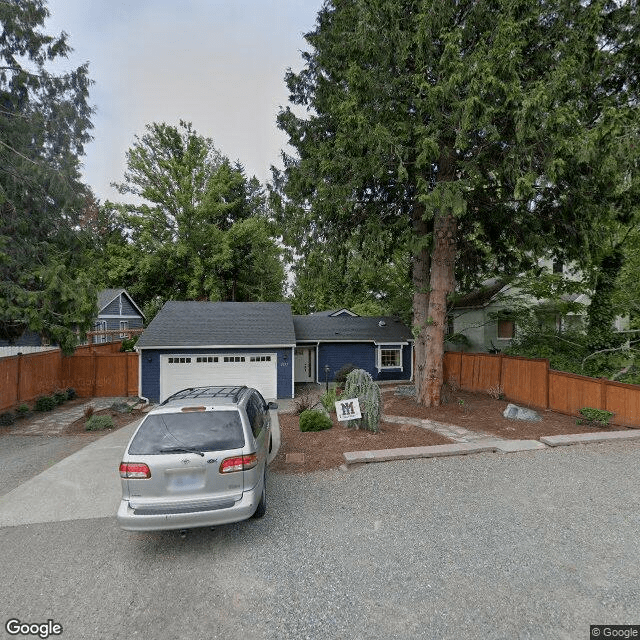
2233 80th Ave SE, Mercer Island, WA 98040
To contact a resident: (206) 948-2209
For more information about senior living options: (866) 208-4318
Nov Adult Family Homes Costs & Pricing
In November, the costs for Adult Family Homes reflect a significant investment in quality care and housing. The average monthly fee for a private room in Nov Adult Family Homes is $8,000, which notably exceeds the averages observed in both King County ($5,034) and the broader state of Washington ($4,772). This disparity underscores the premium that some facilities may charge based on location, amenities offered, or specialized services provided. Families considering adult family homes should weigh these costs against the level of personalized care and comfort that such environments can deliver.
| Floor plans | Nov Adult Family Homes | King County | Washington |
|---|---|---|---|
| Private | $8,000 | $5,034 | $4,774 |
Senior living communities with a similar price nearby
-
from -$1500 / mo
The Promised Land
$6,500 / month13.2 miles away -
About the same
Grace Senior Care of Issaquah
$8,000 / month10.1 miles away -
About the same
Golden Cottage AFH, Inc
$8,000 / month9.7 miles away -
About the same

Caring Cabin Manager, LLC
$7,900 to $9,000 / month13.6 miles away -
from +$500 / mo
Blue Haven
$8,500 / month11.7 miles away
Overall Review of Nov Adult Family Homes
Pros
 Island Crest AFH provides outstanding care and support for residents.
- The home creates a warm, welcoming environment.
- The staff’s dedication, compassion, and attention to detail are evident in everything they do.
- The facilities are well maintained, providing a comfortable and safe space.
- The meals are nutritious and delicious, accommodating diverse tastes and dietary needs.
- The home fosters a strong sense of community where residents and staff interact like family.
- Families gain peace of mind knowing their loved ones are in capable and caring hands.
Cons
 One reviewer cautions that Carol is not a nice person if she still works there.
- Another reviewer states they didn’t trust the brother of the owner.
- They report that their dad got sick there several times from the food and ended up with E-coli on a couple of occasions.
- They note that being a "cleaning princess" did not equate to good care.
- They complain that Carol spent no time socializing with their dad and was just a mean person.
Review
Nov Adult Family Homes on Mercer Island is best suited for families seeking a warm, home-like setting where care feels intimate and truly personal. The reviewed model points to a place that treats residents like family, with staff who display clear compassion, consistent daily attention, and a community mood that combats isolation. This environment suits older adults who value reliable hands-on support, steady routines, and practical help with daily activities, along with accessible medication management and meals that feel nourishing rather than institutional. For someone recovering from a health event, such as a stroke, the model shown in the reviews demonstrates how dedicated staff can support rehabilitation and daily progress in a manageable, nonclinical environment.
That said, there are clear reasons some families would want to explore alternatives. The most pertinent are higher-acuity needs, where 24/7 skilled nursing or memory-care-specific programming is essential, or settings with more formal clinical oversight and specialized safety protocols. Families who prioritize a larger campus, more diversified activity options, or a facility with a longer track record of clinical services may find other options a better fit. Additionally, the feedback includes cautionary notes about kitchen safety and some staff dynamics, suggesting that leaders and owners who demonstrate consistent, service-oriented governance are a decisive factor in whether the positives hold up over time.
On balance, the strongest positives do a lot of the heavy lifting. The core advantages, genuine warmth from caregivers, strong med management, well-kept facilities, and meals that meet diverse dietary needs, create a dependable baseline of comfort and safety. This combination often translates into meaningful peace of mind for families, especially when a resident’s health fluctuates or when there is a need for help with rehabilitation or daily tasks. In practice, the care teams appear ready to respond with empathy, and the environment tends to foster important social connections that keep residents engaged and less isolated.
The lived experiences cited by residents reinforce the practical value of a home-like atmosphere. Multiple reviews describe staff going beyond routine duties to offer encouragement, social interaction, and practical support during difficult periods, such as personal losses or medical setbacks. The sense of community, where residents and staff interact as a close-knit group, often becomes a source of comfort for families, who value knowing loved ones aren’t navigating aging alone. And for residents able to participate in meals and activities, the food quality and dining experience contribute to a sense of normalcy and daily satisfaction that larger facilities sometimes struggle to achieve.
Nevertheless, the negative feedback cannot be dismissed. One review warns that a particular staff member and ownership-related dynamics can color the experience, implying that culture and leadership have a real impact on day-to-day care. More seriously, a report about illness linked to food emphasizes the need for rigorous kitchen oversight, hazard analysis, and transparent, verifiable safety practices. These concerns are not universal, but they are specific enough to warrant direct questions during a tour: who runs the kitchen, how are dietary and sanitary standards audited, what corrective steps are in place, and how is staff turnover handled to prevent dips in continuity of care?
In the end, this Mercer Island option earns a cautious thumbs-up for families who place a premium on a warm, neighborly atmosphere and attentive, personable caregiving. It is a strong fit where the resident benefits from stable, day-to-day support, meaningful social contact, and dependable meal service, with the caveat that kitchen safety and leadership fit should be verified ahead of commitment. Prospective families should schedule a tour armed with targeted questions: current staffing levels and turnover rates, med-management workflows, kitchen safety credentials, menu options for dietary restrictions, and opportunities to meet the caregiving team in action. If those assurances align with the resident’s needs and family expectations, the home-like model on Mercer Island can offer lasting comfort and dependable daily life; if not, a search for a setting with deeper clinical capacity or stronger food-safety oversight may be the prudent path.
 Board and Care Home
 Cats allowed
 Dogs allowed
 Activities off-site
 Bath tubs
 Beautician on-site
 Devotional services off-site
 Indoor common areas
 Outdoor common areas
 Private
 Private bathrooms
 Respite or short term stays offered
 Wheelchair accessible showers
 Seattle-Tacoma International (10 miles away)
 Diabetic care
 High acuity care
 Incontinence care
 Medication management
 Meals provided



 Understanding Hospice Care at Home: Comprehensive Services, Key Benefits, and Eligibility
 Understanding the Full Cost of 24/7 In-Home Care: A Detailed Overview
 Exploring the World of Home Health Nurses: Qualifications, Roles, and Hiring Tips