

11810 N. Lakeshore Dr. Laurie 425-359-9051 cell, Lake Stevens, WA 98258
To contact a resident: (425) 397-7825
For more information about senior living options: (866) 208-4318
Lake Shore Adult Family Home Costs & Pricing
Lake Shore Adult Family Home offers a competitive pricing structure compared to the surrounding region and state. With monthly costs set at $5,000 for both private and semi-private rooms, it is slightly above the average rates in Snohomish County, which stand at $4,834 for private accommodations and $4,320 for semi-private ones. Moreover, these costs are also higher than the overall state averages of $4,772 for private rooms and $4,267 for semi-private options. While Lake Shore Adult Family Home's rates may be on the higher end, they often reflect enhanced care services and a comfortable living environment that residents can expect to receive.
| Floor plans | Lake Shore Adult Family Home | Snohomish County | Washington |
|---|---|---|---|
| Private | $5,000 | $4,834 | $4,774 |
| Semi-Private | $5,000 | $4,320 | $4,272 |
Senior living communities with a similar price nearby
-
About the same
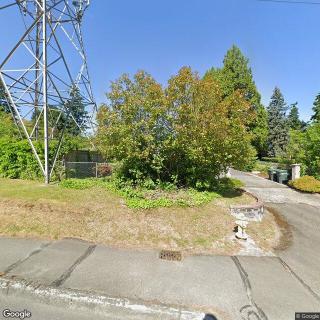
AA Residential Care
$5,000 / month19.1 miles away -
from -$500 / mo
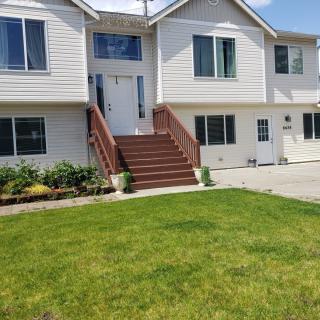
We Care Adult Family Home
$4,500 to $8,000 / month8.7 miles away -
from +$500 / mo
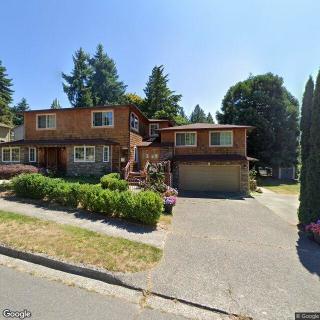
Valley Vista Adult Family Home Inc
$5,500 to $6,200 / month22.7 miles away -
About the same
Abundant Life Lynnwood
$5,000 to $6,000 / month13.5 miles away -
from -$500 / mo
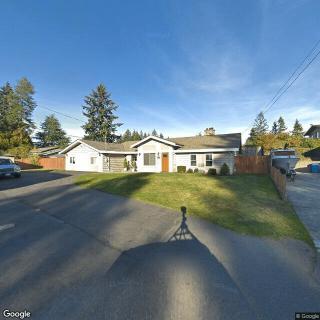
Happy Family Adult Family Home 2
$4,500 / month20.8 miles away
Overall Review of Lake Shore Adult Family Home
Pros
 The caregivers are incredibly attentive and compassionate.
- The environment is supportive and loving.
- The care for loved ones is exceptional.
- The staff are very friendly.
- The rooms are clean and well maintained.
Review
Lake Shore Adult Family Home in Lake Stevens is best suited for seniors who value an intimate, home-like setting where care feels personal and consistent. This community excels for residents who need daily assistance delivered with calm, compassionate attention, and for couples who prefer to remain together in a small, non-clinical environment. Families seeking a stable, loving caregiving team and clean, well-kept living spaces will find Lake Shore a natural fit. The atmosphere rewards routine and trust, with staff relationships that feel genuine and long-standing rather than transactional.
Those with higher medical needs or a desire for extensive on-site programming may want alternatives. If frequent medical oversight, 24/7 nursing availability, or specialized dementia care are non-negotiable, a larger facility with dedicated medical wings could be more suitable. Similarly, residents who crave a broad calendar of social activities, specialized therapy services, or robust transportation options may find a smaller home less equipped to meet those demands. In short, this option shines for daily life lived with warmth, not for complex clinical requirements.
The strongest positives are evident in caregiving quality and the living environment. Caregivers are described as incredibly attentive and compassionate, ensuring help is available promptly and with dignity. This translates into reliable assistance with activities of daily living, safer routines, and lower stress for family members. The environment itself reinforces care: a supportive, loving culture where staff genuinely care about residentsā€™ well-being. Clean, well-maintained rooms and neat common areas reinforce pride, safety, and resident comfort on a daily basis.
In practical terms, these strengths offset the main trade-offs typical of small homes. While the setting may not offer the scale of a large campus, the concentration of care makes staff accessible, predictable, and easy to monitor. Family members often report peace of mind from swift responsiveness and consistent staffing, which reduces anxiety about missed dosages, missed appointments, or overlooked needs. The result is a daily life that feels secure, with caregivers who know residents well and adapt to changing routines quickly.
Another notable advantage is the emphasis on dignity and independence within a supervised framework. Residents enjoy a homelike atmosphere, with rooms that read as personal spaces rather than shared institutional quarters. The friendly staff contributes to a warm, welcoming culture that helps residents settle in, build relationships, and participate in everyday activities. Those dynamics matter when choosing where to place a loved one, because mood, social connection, and a sense of belonging strongly influence quality of life.
The bottom line for decision-makers is clear: Lake Shore Adult Family Home is a strong match for families prioritizing warmth, attentiveness, and a tidy, compassionate environment. It is especially compelling for those who want intimate care and steady routines. For cases demanding advanced medical monitoring, dementia specialization, or a more expansive activity slate, alternatives should be explored. A thoughtful site visit, conversations with current residents and their families, and a close look at staffing patterns and meal quality will reveal whether this intimate setting meets both present and anticipated needs.
 Board and Care Home
 Cats allowed
 Dogs allowed
 Activities off-site
 Bath tubs
 Indoor common areas
 Outdoor common areas
 Private
 Respite or short term stays offered
 Diabetic care
 High acuity care
 Incontinence care
 Medication management
 Kosher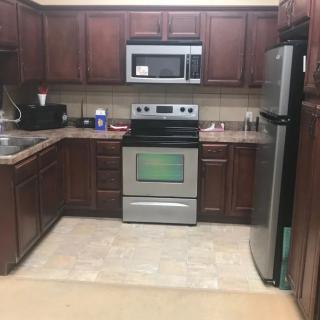




 Comprehensive Guide to Blood Pressure Charts for Older Adults: Understanding Normal and High Readings by Age
 Financing Long-Term Nursing Home Care Through Social Security: A Thorough Exploration
 Essential Knowledge on Pneumonia in Older Adults