
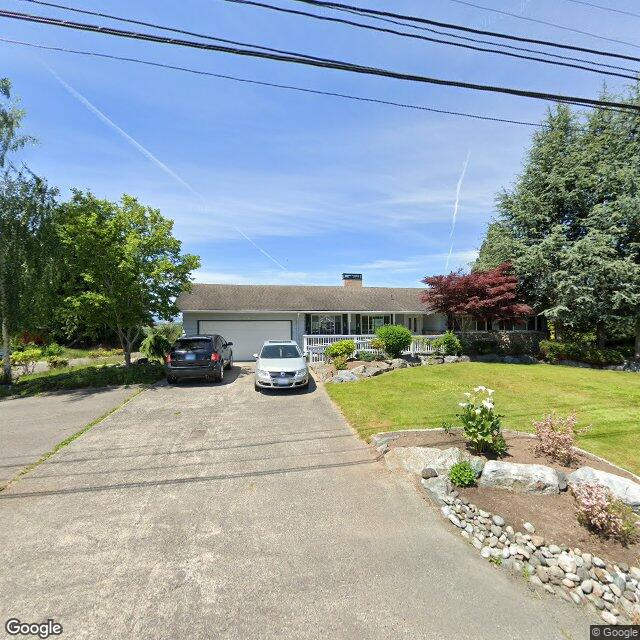
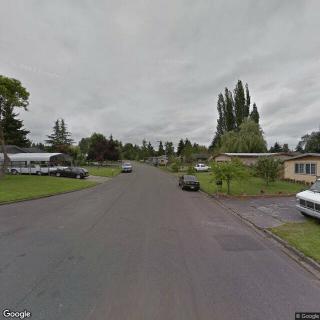
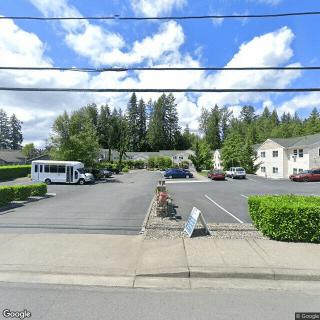
3926 Sunnyside Blvd, Marysville, WA 98270
To contact a resident: (425) 374-3244
For more information about senior living options: (866) 208-4318
Marysville Senior Care AFH Costs & Pricing
Marysville Senior Care AFH offers competitive pricing for its services compared to the wider market in Snohomish County and the state of Washington. For a semi-private room, residents can expect to pay $3,500 per month, which is significantly lower than both the county average of $4,320 and the state average of $4,267. Similarly, for a private room, Marysville provides a monthly rate of $4,000 - again more economical than the county's average of $4,834 and the state's figure of $4,772. This positioning makes Marysville Senior Care AFH an attractive option for families seeking quality senior care that is mindful of budgetary constraints while still maintaining high standards of living.
| Floor plans | Marysville Senior Care AFH | Snohomish County | Washington |
|---|---|---|---|
| Semi-Private | $3,500 | $4,320 | $4,272 |
| Private | $4,000 | $4,834 | $4,774 |
Senior living communities with a similar price nearby
-
About the same
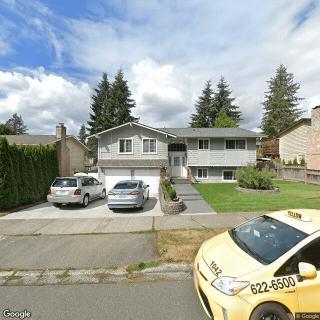
Dignity Life
$3,500 / month13.6 miles away -
from -$125 / mo
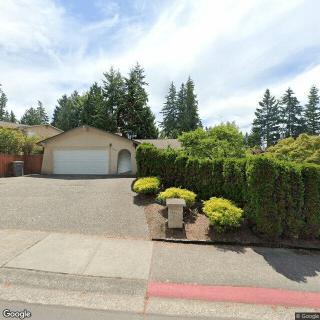
Evergreen Manor Senior Care Inc
$3,375 to $7,500 / month23.3 miles away -
from -$500 / mo
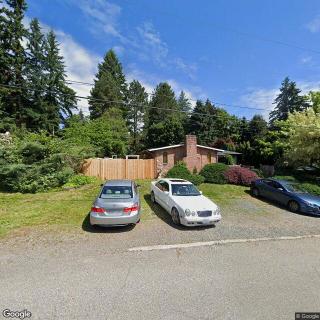
Caring Adult Family Home #1
$3,000 / month18.7 miles away -
About the same
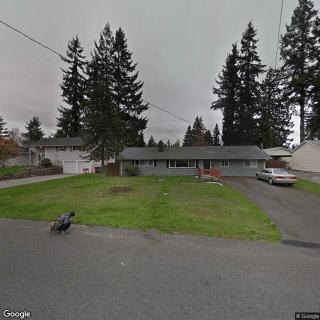
Terrace View AFH
$3,500 to $4,000 / month17.5 miles away -
About the same
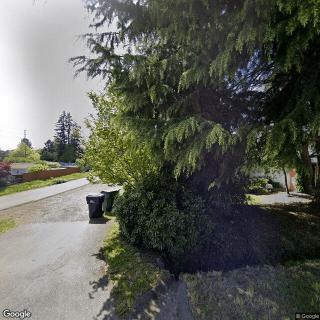
Nebisolo AFH
$3,500 to $4,000 / month19.0 miles away
Overall Review of Marysville Senior Care AFH
Pros
 The care provided to their aunt was outstanding and comforting, knowing she was in good hands.
- The staff were caring and very attentive to residents' needs.
- Residents and visitors noted how much they liked it there, signaling a great sign.
- The home is clean and welcoming.
- The service exceeded expectations, with responsive and helpful staff.
- It is highly recommended for those seeking an AFH in the Marysville area.
Review
This Marysville-based Adult Family Home is best suited for families seeking a small, home-like environment where a loved one can receive steady, person-centered attention. It excels for seniors who value warmth, accessibility, and close daily interaction with caregivers, all delivered in a clean, inviting setting. The arrangement tends to appeal to relatives who want visible, hands-on oversight without the impersonal feel of a large campus. Families prioritizing quiet familiarity over expansive programming will find the balance here works well. Those who may want to consider alternatives include caregivers and residents needing intensive medical management, extensive memory-care services, or a highly regimented daily structure that larger facilities often provide.
The strongest takeaway is the level of care described as outstanding and comforting. Caregivers are portrayed as genuinely attentive to each need, and the staff’s demeanor conveys a steady, reassuring presence for both residents and visiting families. The social signal from other residents, expressions of satisfaction and a sense of community, adds to the confidence that a loved one will be supported in a respectful, homey atmosphere. Cleanliness and a welcoming ambiance reinforce trust that daily routines will be orderly and predictable. In short, the combination of compassionate care and a tidy, friendly setting creates a foundation where families can feel their loved one is not overlooked or rushed.
Operationally, the environment supports reliable daily life. The owners themselves come across as approachable and responsive, with a track record of answering questions and providing clear reassurance. That accessibility matters deeply when families are navigating transitions, coordinating medications, meals, and activities, or aligning care with evolving needs. The reviews imply that staff oversight remains steady and that residents benefit from consistent attention, rather than episodic visits from caregivers. This combination, caring personnel, open lines of communication, and a reassuring home atmosphere, produces a daily rhythm that can ease anxiety for families stepping back from direct caregiving.
There are no explicit negatives highlighted in the accounts, but prudent families should consider who’s best served by a smaller AFH setting. For seniors with complex medical regimens, 24/7 nursing oversight, or dementia-care requiring specialized programming, a larger community with more extensive clinical infrastructure may be preferable. Prospective residents with high-acuity needs or demanding care plans should compare options that emphasize medical coordination or dedicated memory-care tracks. In contrast, for those who want intimate supervision, personalized interactions, and a sense of belonging among a tight-knit resident group, the potential trade-offs are minimal and largely offset by the strengths described.
For families touring Marysville Senior Care AFH, the practical questions matter. Inquire about staffing ratios during day and night, on-site or on-call medical support, medication management procedures, and how quickly staff respond to emergencies. Confirm meal plans, activity calendars, and opportunities for meaningful social engagement that align with the resident’s interests. Understanding how care plans are developed and updated, and how family input is incorporated, will help ensure alignment with expectations and the resident’s preferences. The aim is to confirm that cleanliness, attentiveness, and open communication translate into consistent day-to-day experiences for their loved one.
Overall, this community stands out as a strong choice for Marysville-area seniors who desire a trustworthy, home-like setting with exceptionally caring staff and a clean, welcoming environment. The positive care culture and responsive leadership effectively offset the inherent limits of a smaller, family-operated home, making it an attractive option for families prioritizing personal attention and ease of mind. Those whose loved ones require more intensive clinical services or dementia-specific programming should still compare alternatives with greater medical capacity, but for many, the verdict is clear: a warm, attentive home base in Marysville offers tangible, dependable quality of life and reassuring day-to-day stability.
 Board and Care Home
 Activities off-site
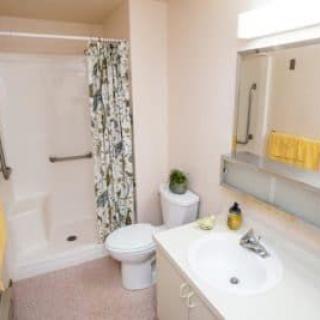
 Bath tubs
 Beautician on-site
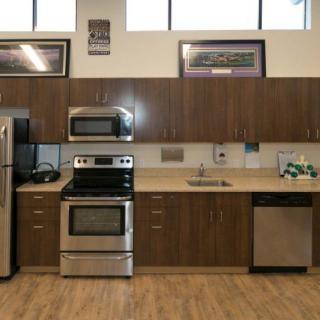
 Indoor common areas
 Outdoor common areas
 Private
 Respite or short term stays offered
 Diabetic care
 High acuity care
 Incontinence care
 Medication management
 Meals provided
 Christian services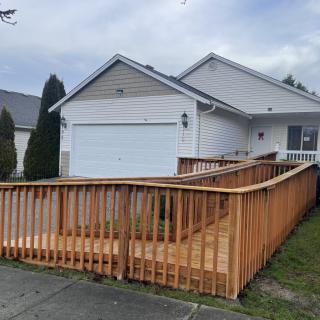


 Home Health Care Aides: Understanding Their Role and Supporting Your Family
 Urinary Tract Infections in Older Adults: Comprehensive Insights on Symptoms, Treatment, and Prevention
 California's Form 602A: An In-Depth Examination of Senior Care Assessment