
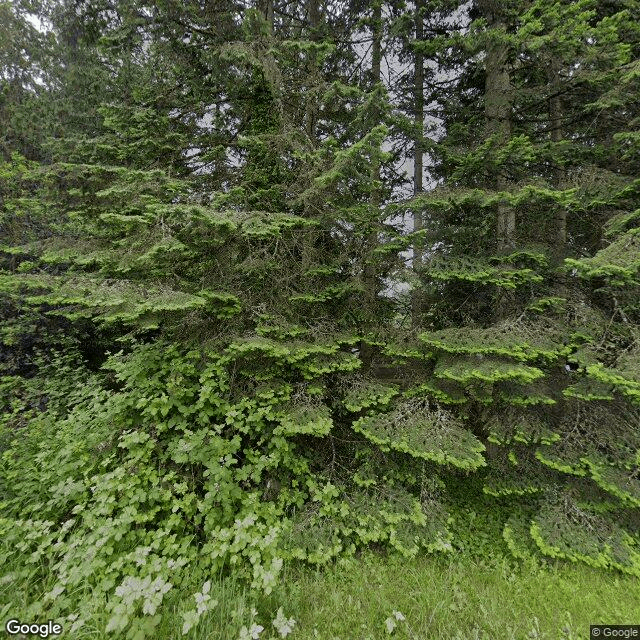
7120 61st Pl NE, Marysville, WA 98270
To contact a resident: (360) 657-2001
For more information about senior living options: (866) 208-4318
Cedarcrest Manor Costs & Pricing
Cedarcrest Manor offers competitive pricing for its residents, with monthly costs that are below the averages seen in both Snohomish County and across Washington state. For a semi-private room, Cedarcrest charges $3,800, significantly less than the county average of $4,320 and the state average of $4,267. Similarly, private room rates at Cedarcrest are set at $4,500, which is more affordable compared to the county's average of $4,834 and the state's average of $4,772. This positioning not only highlights Cedarcrest Manor's commitment to affordability but also underscores its appeal for those seeking quality care without compromising on value within a competitive market.
| Floor plans | Cedarcrest Manor | Snohomish County | Washington |
|---|---|---|---|
| Semi-Private | $3,800 | $4,320 | $4,272 |
| Private | $4,500 | $4,834 | $4,774 |
Senior living communities with a similar price nearby
-
from -$300 / mo
Dignity Life
$3,500 / month15.0 miles away -
from -$425 / mo
Evergreen Manor Senior Care Inc
$3,375 to $7,500 / month24.6 miles away -
from -$300 / mo
Terrace View AFH
$3,500 to $4,000 / month18.9 miles away -
from -$300 / mo
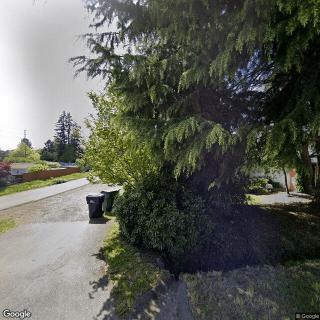
Nebisolo AFH
$3,500 to $4,000 / month20.4 miles away -
from +$700 / mo
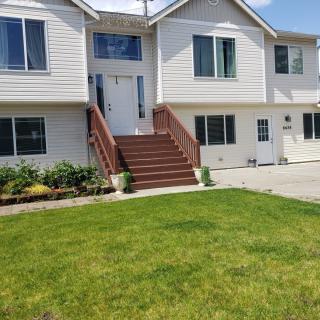
We Care Adult Family Home
$4,500 to $8,000 / month8.5 miles away
Overall Review of Cedarcrest Manor
Pros
 Prime Senior Care Adult Family Home is an absolute blessing for families and their loved ones living with dementia.
- The care and attention provided are outstanding.
- The staff are compassionate, attentive, and skilled, creating a warm and welcoming environment.
- The food is fresh and delicious, and residents love it.
- Families have peace of mind knowing their loved ones are safe and well cared for.
- The owner, his wife, and all caregivers are wonderful.
- Alex and his team at Prime Senior Care AFH are highly recommended for comprehensive care of older adults.
Review
This community is best suited for families facing dementia or advanced aging needs who crave a small, home-like setting where staff know residents well, safety is visible in daily routines, and meals are consistently fresh and satisfying. The model works exceptionally for loved ones who require constant reassurance, regular engagement, and transparent, personable communication from leadership. It’s a place where staff treat residents like family, and where family members can regain peace of mind knowing their relative is in a warm, attentive environment rather than a large institutional setting.
Those who may want to consider alternatives are families whose loved one needs more formal medical oversight, specialized nursing, or rehabilitation services on site. If an individual requires a broader spectrum of therapies, frequent skilled nursing interventions, or a calendar of large-scale social programs, a bigger assisted living community or a facility with a hospital-adjacent footprint might be a better match. Budget is another factor: if cost sensitivity gravitates toward a model with fewer personal touches or more structured activity staff, other options could deliver more value for the same spend.
From the strongest pros comes a convincing offset to most practical trade-offs. The standout strengths, compassionate, attentive caregivers; a sense of family leadership; bright, clean surroundings; and consistently good meals, together create a reliable safety net and daily quality of life that diminishes caregiver stress and provides steady reassurance to families. The care team’s perceived competence and devotion translate into tangible outcomes: residents who feel valued, routines that feel predictable, and families who sleep better at night knowing there is hands-on oversight and a warm, responsive culture.
The model is not without its potential drawbacks, which should be weighed against the evident strengths. In small, family-operated settings, formal programming can be less robust than in larger communities, and access to on-site medical specialists may be more limited. Staffing, while deeply devoted, can also fluctuate with the scale of operations, which means families should verify the cadence of daily activities, the availability of round-the-clock care, and how emergency needs are managed. The intimate size that fosters close relationships can, at times, limit social breadth; awareness of this helps in planning additional community or family-driven engagement outside the walls.
A practical decision framework makes these trade-offs manageable. Prospective residents and their families should ask about staff-to-resident ratios across shifts, dementia-specific training, and daily care routines, including medication management and incident reporting. Inquire about the dining program, the menu variety, note of dietary restrictions, and how meals are sourced and prepared. Inspect the living spaces for cleanliness, safety features (such as secure access and fall-prevention measures), and opportunities for meaningful activity or meaningful participation in daily life. Finally, confirm visit policies, family involvement opportunities in care planning, and transparency around costs.
In the end, this community is a strong fit for families prioritizing safety, individualized attention, and a home-like atmosphere where residents are treated with genuine warmth. For dementia care and constant presence of caring professionals, Cedarcrest Manor stands out as a place where peace of mind hinges on the daily interactions between residents and a tightly knit care team. If the needs skew toward larger-scale programming, ongoing skilled nursing resources, or aggressive rehabilitation services, exploring alternatives with broader medical ecosystems will yield a more suitable match. The right choice aligns with the resident’s care priorities, the family’s availability for involvement, and the budget that makes a consistent daily routine sustainable.
 Board and Care Home
 Activities off-site
 Bath tubs
 Beautician on-site
 Cable or satellite TV
 Ground floor units
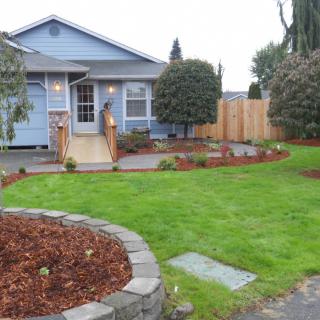
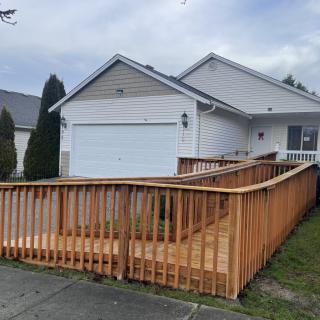
 Handicap accessible
 Indoor common areas
 Kitchenette
 Outdoor common areas
 Private
 Respite or short term stays offered
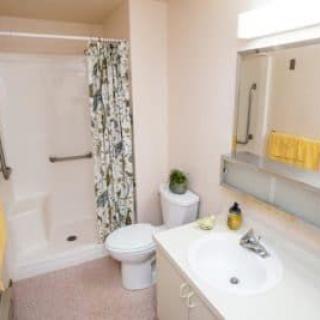
 Wheelchair accessible showers
 Wi-Fi/high-speed internet available
 Diabetic care
 High acuity care
 Incontinence care
 Medication management
 Guest meals
 BBQs or picnics
 Birthday parties
 Christian services
 Live musical performances
 Live well programs
 Resident band or musicians
 Wii bowling


 Comprehensive Approaches for Arthritis: A Detailed Guide to Symptoms, Causes, and Care
 Comprehensive Insights and Practical Strategies to Help Older Adults Avoid Falls
 6 Crucial Ways an Elder Law Attorney Assists Families