Young at Heart in Marysville, WA

Save

Young at Heart in Marysville, WA

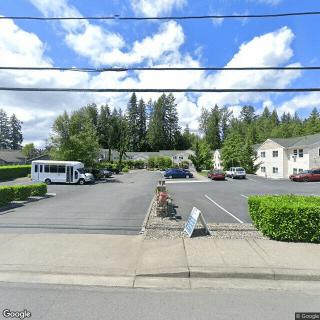
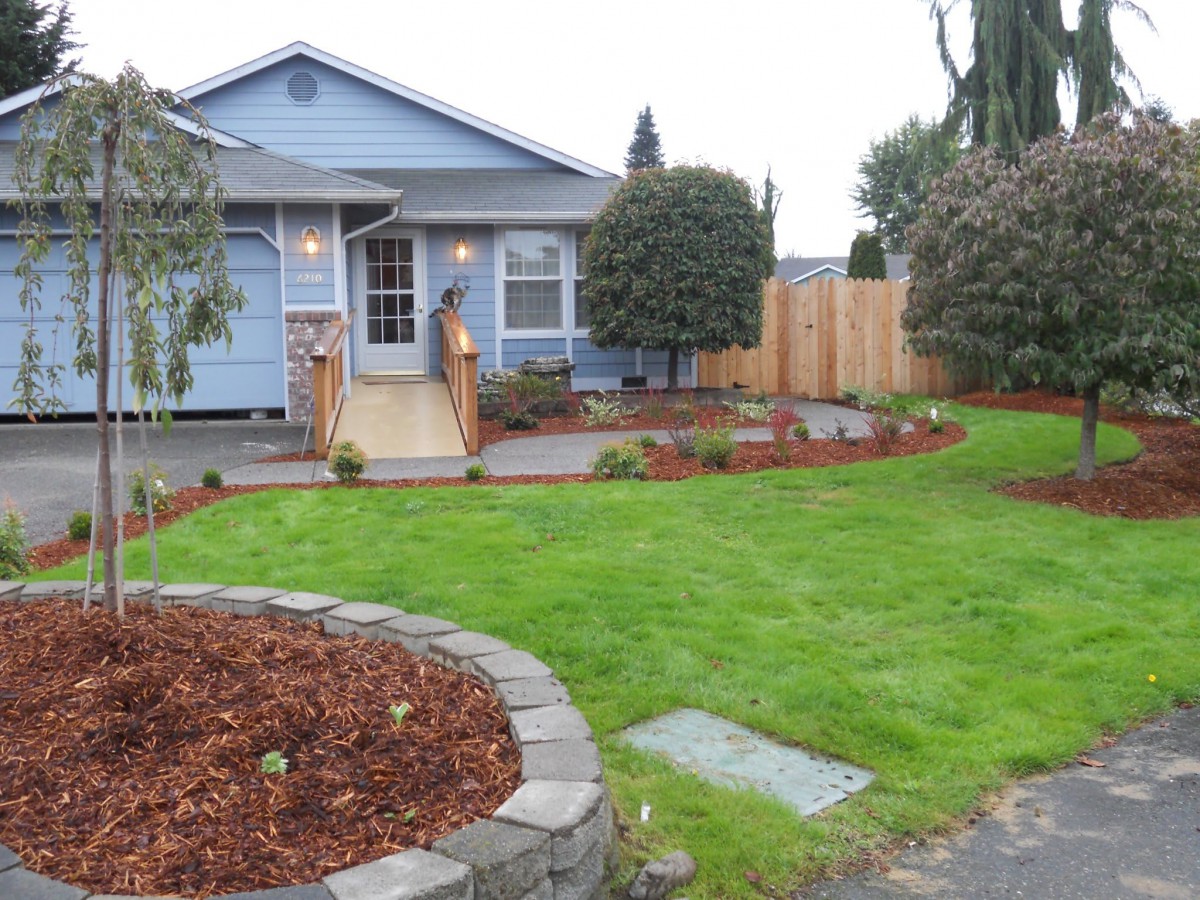
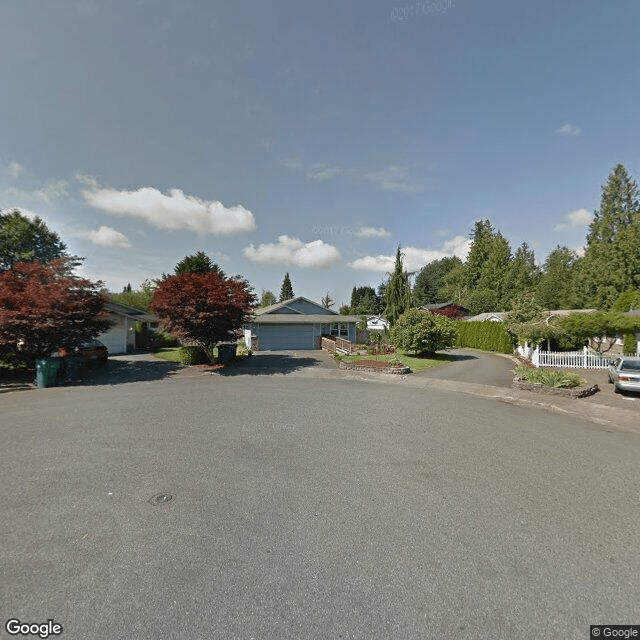
6210 72nd Street NE, Marysville, WA 98270

For more information about senior living options: (844) 490-3973

5 from 2 reviews
Board and Care Home Memory Care

Young at Heart Costs & Pricing

The Young at Heart facility offers competitive pricing for its residents, particularly when examining the costs of semi-private and private accommodations. At $3,500 per month for a semi-private room, Young at Heart not only provides a more affordable option compared to the average costs in Snohomish County, which is $4,320, and throughout Washington state at $4,267, but also positions itself as an attractive choice for families seeking quality care at a reasonable price. In terms of private rooms, Young at Heart's rate of $6,000 slightly exceeds the county's average of $4,834 and the state's average of $4,772; however, this premium may reflect additional services or amenities that enhance the living experience. Overall, Young at Heart stands out as a viable option for those looking to balance cost with care quality in a competitive market.

Floor plansYoung at HeartSnohomish CountyWashington
Semi-Private$3,500$4,320$4,272
Private$6,000$4,834$4,774

Overall Review of Young at Heart

Pros

  • pro They do a fantastic job at Young at Heart.
  • pro The couple who own it are absolutely fabulous and go out of their way to make the place feel like home to the residents.
  • pro The caregivers are friendly and loving people.
  • pro The whole community feels like a big family.
  • pro They are very accommodating and sensitive to the needs of the residents.

Cons

  • pro The loved one only got to be there a short time, which was unfortunate.

Review

Young at Heart in Marysville, Washington, is best suited for families who prize a genuinely home-like, intimate assisted living experience. The community appears built around a hands-on, owner-operated model where relationships with residents come first and staff know each person by name. The couple who run the operation go out of their way to make the setting feel like home, and that personal touch - direct administration, approachable leadership, and care that feels personalized - defines the core strength of this community. For seniors who respond well to warmth, familiarity, and a tight-knit caregiving team, this setting translates into steadier routines, quicker responsiveness, and a sense of belonging that's hard to match in larger campuses.

Families weighing alternatives should note that those seeking a larger campus, more formal programming, or heavier medical oversight may want to look elsewhere. The stories describe a small, family-owned operation where the atmosphere is intimate and care is highly relational. If a resident requires extensive memory-care specialization, robust on-site therapy options, or a broad activity calendar with structured group events, the scale and structure of Young at Heart may not check every box. In such cases, a community with more staff coverage and a bigger administrative footprint could offer the level of clinical oversight some families need. The upside here is authenticity; the caveat is the trade-off in size and formal programming.

Pros are pronounced and consistently delivered: the owners are described as fabulous and extremely attentive, and they personally curate a setting that feels like a family residence rather than a facility. Caregivers are portrayed as friendly and loving, which translates into daily interactions that emphasize warmth, patience, and genuine rapport. The sense of community - where residents mingle like relatives, neighbors help one another, and staff members remember personal histories - reduces anxiety around transition and makes daily life predictable. The accommodating stance is meaningful: needs are met with flexibility on schedules, routines, and preferences, which matters greatly for seniors who value dignity and autonomy. In short, the emotional fabric of this place is its strongest suit.

Those strengths offset the main concerns typical of smaller homes by offering visible accountability and personal investment. With the owners at the helm, care decisions and staffing often feel swift and cohesive, not suspended in bureaucratic processes. The reviews suggest a responsive team that can adapt to changing needs, a quality that matters when health or mobility shifts occur. The home-like environment and family dynamic also tend to keep residents engaged without the pressure of a heavy, impersonal program structure. Still, readers should acknowledge that the upside rests on relationship-driven care; if a resident or family prioritizes formalized protocols and expansive amenities, that is a mismatch worth avoiding.

Practical next steps for families include arranging a visit that prioritizes interactions with both owners and caregiving staff, observing how questions are answered, and noting whether residents appear relaxed and engaged. Ask about staffing ratios during different shifts, meal flexibility, and what happens when medical needs intensify. Confirm licensing, available services, and what respite or trial-stay options exist to confirm fit before long-term commitments. The purpose of these conversations is to verify that the warmth described in reviews translates into consistent, reliable care in everyday life, not merely a moment of hospitality during a tour. In this setting, trust is built through repeated demonstrations of attentiveness.

Overall, Young at Heart is a strong choice for families prioritizing a home-centered, affectionate caregiving approach. The couple-run model and the familial staff culture make residents feel seen, valued, and protected, which can ease transitions and support ongoing quality of life. For families needing extensive clinical programming, specialized memory care, or a larger, more regimented calendar of activities, alternatives should be explored where those elements are front and center. Weighing personal preference for atmosphere against the level of medical oversight required will clarify fit. When a lighter touch, high responsiveness, and genuine belonging matter most, Young at Heart stands out as a practical, reassuring option.

Features

Types of Care

  • Board and Care Home Board and Care HomeBoard and care homes provide a smaller, more intimate setting for seniors who require assistance with daily tasks but do not need the level of care offered by a nursing home. They offer personalized care, meals, and social activities in a homelike environment, ensuring that seniors receive individualized attention and support in their golden years.
  • Memory Care Memory CareMemory care is crucial for seniors as it provides specialized support and services for individuals with dementia or Alzheimer's disease. These programs offer a safe and secure environment where residents receive personalized care, cognitive stimulation, and help with daily activities. Memory care helps seniors maintain their independence, quality of life, and dignity while also providing peace of mind for their families.

Pets

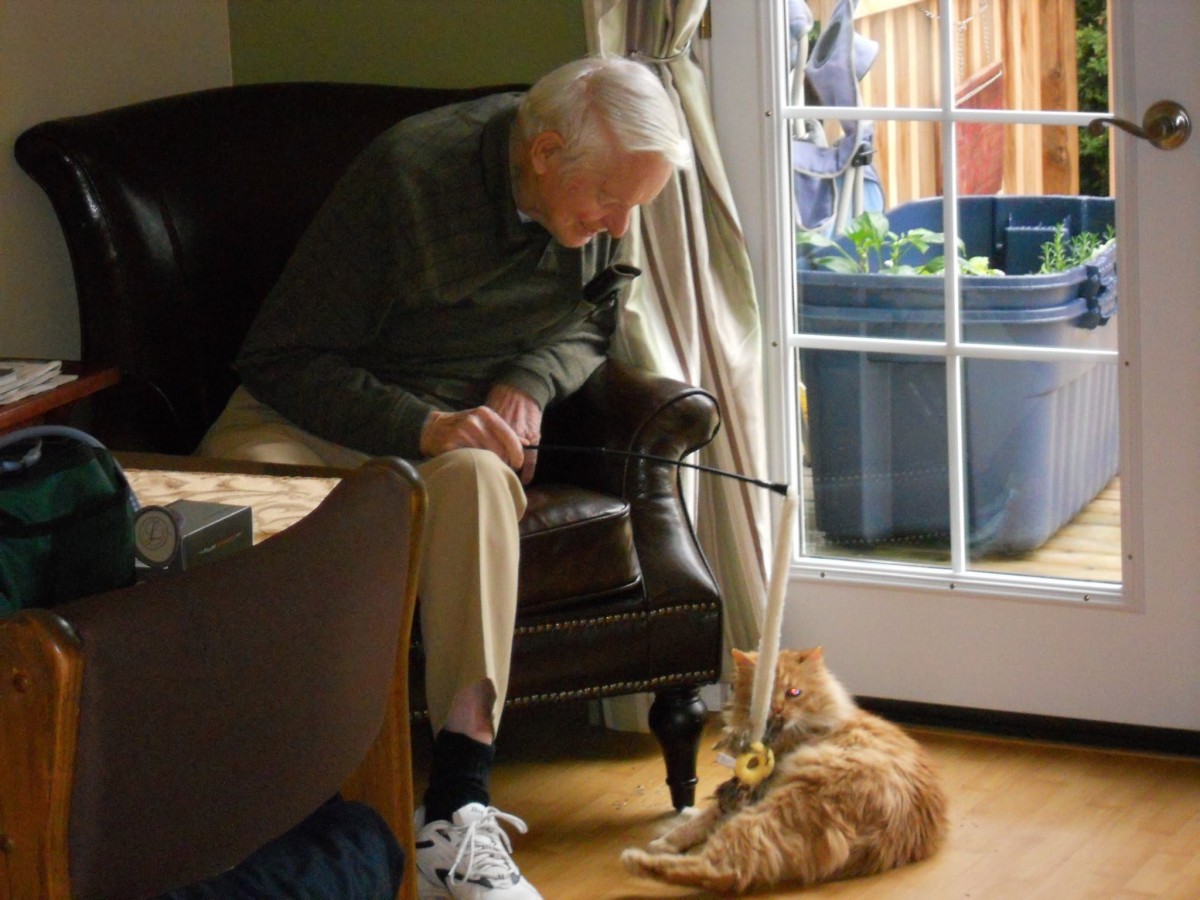
  • Cats allowed Cats allowed"Pet friendly" senior living communities are important for seniors because pets provide companionship, reduce feelings of loneliness and depression, promote physical activity and mental stimulation, and offer a sense of purpose and responsibility. Pets can improve overall well-being and quality of life for seniors in many ways.
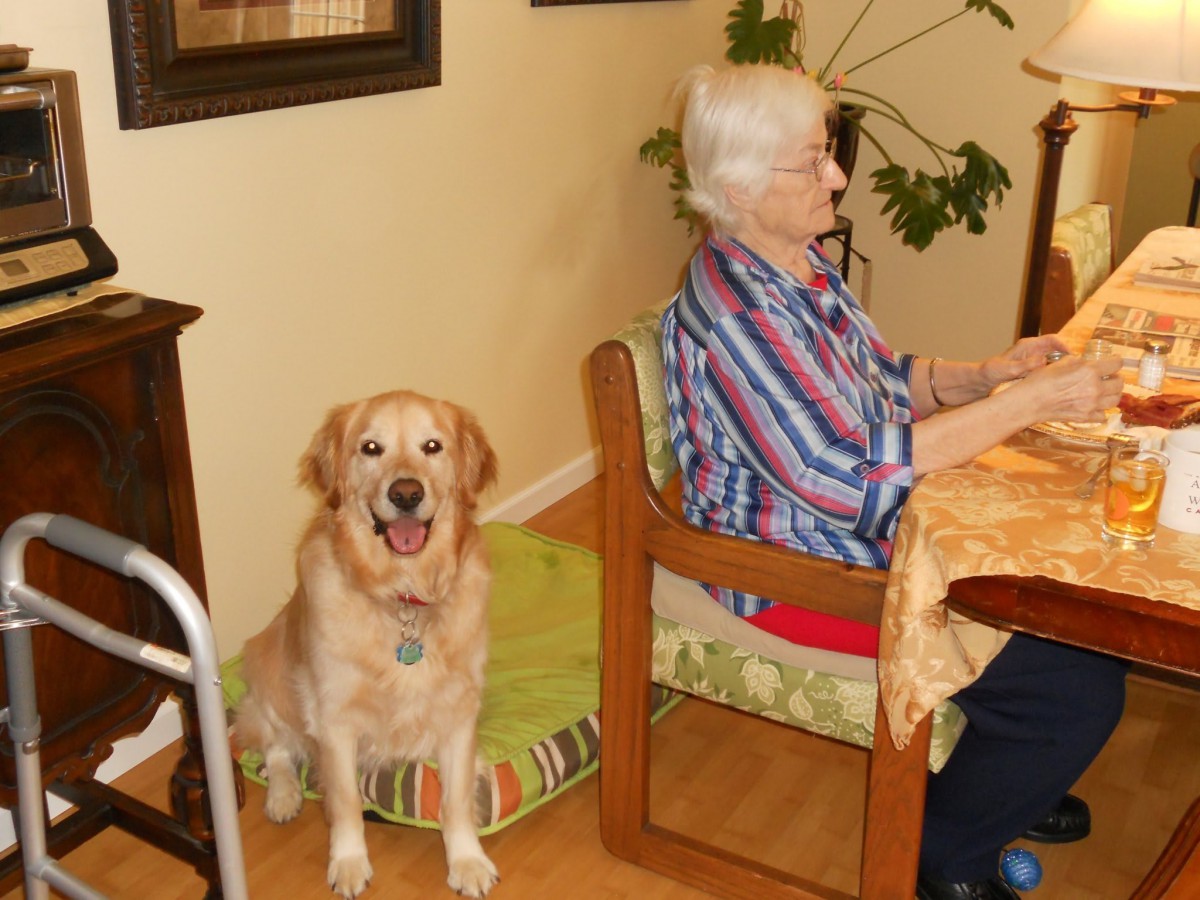
  • Dogs allowed Dogs allowed"Pet friendly" senior living communities are important for seniors because pets provide companionship, reduce feelings of loneliness and depression, promote physical activity and mental stimulation, and offer a sense of purpose and responsibility. Pets can improve overall well-being and quality of life for seniors in many ways.

Amenities

  • Activities off-site Activities off-siteEngaging in off-site activities is crucial for seniors to maintain social connections, stay active, and stimulate their minds. It promotes overall well-being and helps combat feelings of isolation and loneliness.
  • Activities on-site Activities on-siteActivities on-site are important for seniors because they provide opportunities for socialization, mental stimulation, physical activity, and overall well-being. Engaging in activities can help seniors stay active, maintain their independence, and improve their quality of life.
  • Bath tubs Bath tubsBath tubs are important for seniors because they provide a safe and relaxing way to bathe, helping to prevent slips and falls while promoting independence and overall well-being.
  • Devotional services off-site Devotional services off-siteDevotional services off-site are important for seniors as they provide spiritual nourishment, social engagement, and a sense of community outside of the senior living facility. This can enhance overall well-being and help combat feelings of isolation and loneliness often experienced by older adults.
  • Devotional services on-site Devotional services on-siteDevotional services on-site provide seniors with spiritual support and a sense of community, as well as an opportunity for reflection and guidance during their senior living experience. This can promote emotional well-being and connection to others, leading to a more fulfilling and enriching lifestyle in their later years.
  • Indoor common areas Indoor common areasIndoor common areas are crucial for seniors as they provide a space for socialization, recreation, and community engagement, promoting overall well-being and reducing feelings of isolation and loneliness.
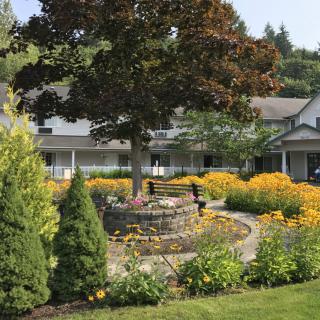
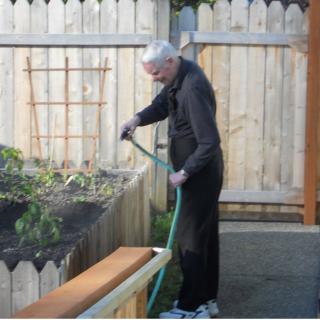
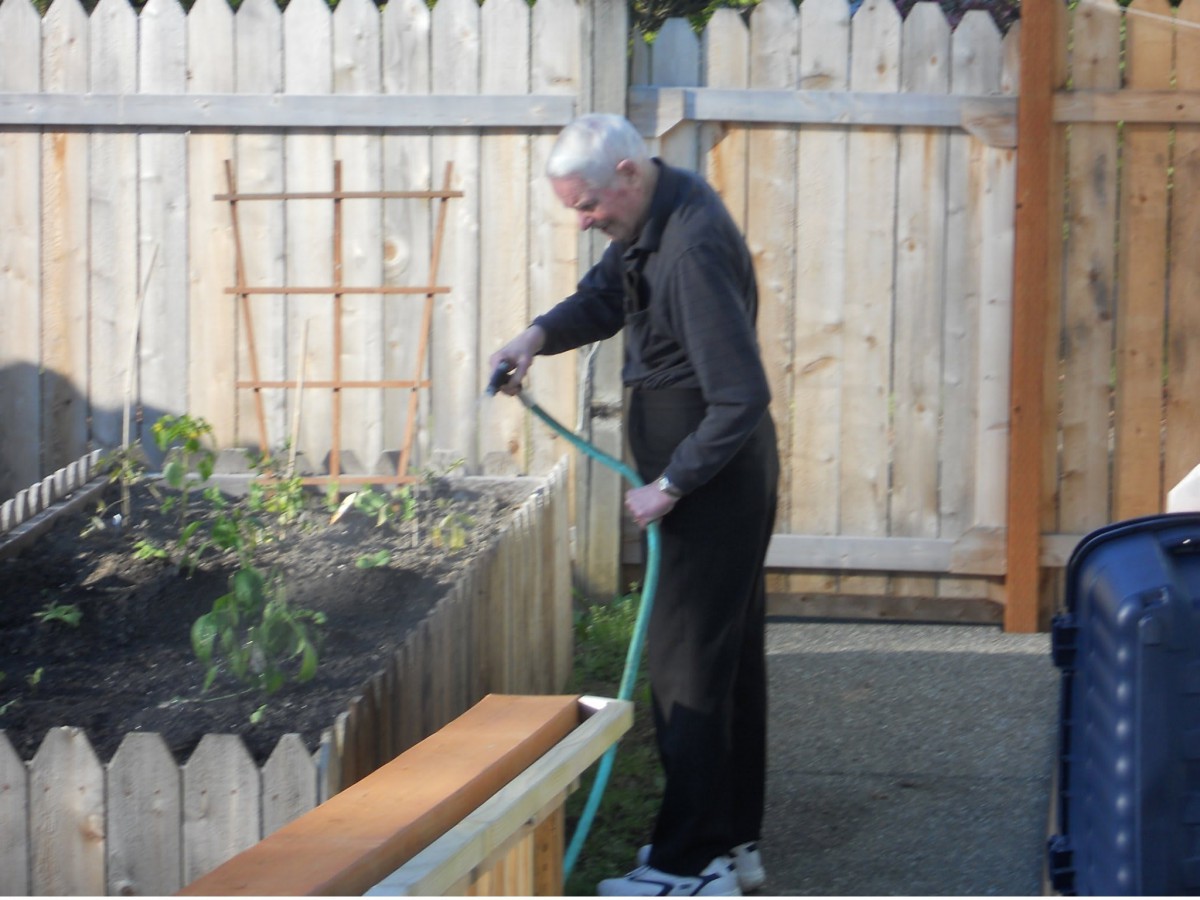
  • Outdoor common areas Outdoor common areasOutdoor common areas are important for seniors as they provide a space for socialization, physical activity, and relaxation. Being outside in nature can improve mood and overall well-being, while also encouraging movement and engagement with others. These spaces can help combat feelings of isolation and promote a sense of community among residents.
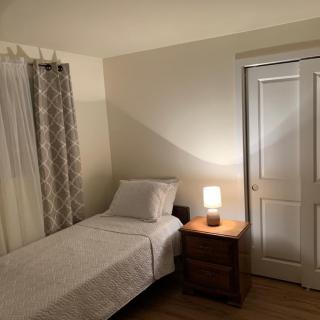
  • Private PrivatePrivacy is important for seniors as it allows them to maintain their independence, dignity, and sense of control over their own lives. It also gives them the space and freedom to relax, reflect, and engage in activities that bring them joy and fulfillment. Creating private spaces within senior living facilities is crucial for promoting overall well-being and quality of life.
  • Respite or short term stays offered Respite or short term stays offeredRespite or short term stays provide seniors with a temporary solution when their regular caregiver is unavailable, offering them the opportunity to receive additional care and support during times of need, while also giving caregivers a chance to rest and recharge.
  • Wheelchair accessible showers Wheelchair accessible showersWheelchair accessible showers are crucial for seniors as they provide a safe and independent bathing option for those with mobility challenges. These showers help prevent falls and allow seniors to maintain their dignity and autonomy while ensuring they can bathe comfortably.

Care Services

  • Ambulatory care Ambulatory care"Ambulatory care services provide essential medical support and treatment to seniors without requiring hospitalization, allowing them to maintain their independence and quality of life while managing chronic conditions or receiving routine medical care."
  • Diabetic care Diabetic careDiabetic care is crucial for seniors as they are more susceptible to developing diabetes due to aging and other health conditions. Proper management of diabetes can help prevent complications such as heart disease, vision loss, and nerve damage, improving the overall quality of life for seniors in senior living communities.
  • High acuity care High acuity careHigh acuity care is important for seniors because it provides specialized medical attention and support for individuals with complex medical needs. This level of care ensures that seniors receive the appropriate treatment and assistance to maintain their health and quality of life as they age.
  • Incontinence care Incontinence careIncontinence care is essential for seniors to maintain their dignity, hygiene, and overall quality of life. By addressing incontinence issues promptly and effectively, seniors can enjoy a sense of independence and comfort in their daily activities.
  • Medication management Medication managementMedication management is crucial for seniors to ensure they are taking the right medications at the correct dosages and times. This helps prevent adverse drug interactions, reduces the risk of medication errors, and promotes overall health and well-being. Proactive management also allows for adjustments as needed based on changing health conditions or new prescriptions.

Dining

  • Kosher KosherKosher options are important for seniors because they adhere to dietary laws that are significant to many Jewish individuals, providing them with peace of mind and an opportunity to maintain their cultural traditions and beliefs while living in a senior living community.
  • Meals provided Meals provided"Meals provided" are crucial for seniors in assisted living communities as it ensures they have access to nutritious, balanced meals without the stress of meal planning and preparation. This can help promote overall health and well-being for seniors who may have limited mobility or cognitive abilities.
  • Vegetarian VegetarianA vegetarian diet is important for seniors because it can help lower the risk of chronic diseases, maintain a healthy weight, and provide essential nutrients needed for aging bodies. Additionally, plant-based diets are often easier on digestive systems and can contribute to overall well-being in older adults.

Activities

  • Activities off-site Activities off-siteEngaging in off-site activities is crucial for seniors to maintain social connections, stay active, and stimulate their minds. It promotes overall well-being and helps combat feelings of isolation and loneliness.
  • Activities on-site Activities on-siteActivities on-site are important for seniors because they provide opportunities for socialization, mental stimulation, physical activity, and overall well-being. Engaging in activities can help seniors stay active, maintain their independence, and improve their quality of life.
  • Devotional activities offsite Devotional activities offsiteDevotional activities offsite are important for seniors because they provide social engagement, spiritual growth, and a sense of community outside of their living environment. This can improve overall well-being, mental health, and combat feelings of isolation or loneliness.
  • Devotional activities on-site Devotional activities on-siteDevotional activities on-site provide seniors with a sense of community, spiritual fulfillment, and emotional support, promoting overall well-being and a positive sense of purpose in their lives.

Description

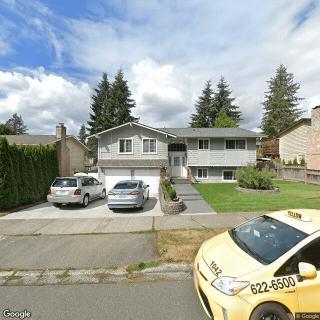
Young at Heart in Marysville, WA is a memory care assisted living community that provides exceptional care for seniors with memory impairments. Our dedicated staff is trained to meet the unique needs of individuals with Alzheimer's disease and other forms of dementia.

At Young at Heart, we offer a range of amenities to enhance the comfort and well-being of our residents. Our spacious indoor and outdoor common areas provide opportunities for socialization and engagement. Residents can enjoy participating in various activities, both on-site and off-site, including devotional services that cater to their spiritual needs. Our community is designed to be wheelchair accessible, ensuring that all residents can move around easily and safely.

We understand the importance of maintaining personal hygiene and offer amenities such as private baths and wheelchair accessible showers. For those who require specialized care, our staff provides diabetic care, high acuity care, incontinence care, and medication management.

Dining at Young at Heart is a delightful experience where meals are provided to cater to each resident's dietary preferences and restrictions. We offer vegetarian options to accommodate different lifestyles.

In addition to our excellent care services and amenities, Young at Heart benefits from its convenient location in Marysville, WA. There are numerous cafes, parks, pharmacies, physicians' offices, restaurants, places of worship, theaters nearby catering to various interests and needs. This allows our residents to easily access the services they may require or enjoy outings in the local community.

At Young at Heart in Marysville, WA we take pride in creating a warm and compassionate environment where seniors with memory impairments can live comfortably while receiving the quality care they deserve.

Nearby Places of Interest

This area of Marysville, Washington offers a variety of amenities and services that could be appealing for senior living. With several parks nearby such as Youth Peace Park and Jennings Memorial Park, there are plenty of opportunities for outdoor recreation and relaxation. In terms of healthcare, there are multiple pharmacies and physicians within a short distance, as well as hospitals like Providence Health & Services and Providence Regional Medical Center Everett located nearby for any medical needs. Additionally, there are cafes, restaurants, and theaters in close proximity for dining and entertainment options. Overall, this area provides a convenient and comfortable environment with access to essential services for seniors looking to settle down in Marysville.

Parks

  • Youth Peace Park (0.4 miles)
  • Jennings Memorial Park (0.6 miles)
  • Lundeen Park (3.9 miles)
  • Strawberry Fields Dog Park (4.6 miles)
  • Grand Avenue Park (5.5 miles)

Pharmacies

  • Bartell Drugs (0.6 miles)
  • Bartell Drugs (1.2 miles)
  • Safeway Pharmacy (1.3 miles)
  • Walgreens (1.5 miles)
  • Hilton Pharmacy (1.6 miles)
  • Rite Aid (1.7 miles)
  • Haggen Pharmacy (1.9 miles)

Cafes

  • Starbucks (1.2 miles)
  • Dutch Bros Coffee (1.4 miles)
  • 88th Street Espresso (1.7 miles)
  • Bigfoot Java (1.9 miles)
  • Starbucks (2 miles)
  • Starbucks (2 miles)
  • Panera Bread (2.3 miles)

Physicians

  • Everett walk in clinic (1.2 miles)
  • Everett Clinic (1.2 miles)
  • Marysville Family Medicine (1.3 miles)
  • Lake Stevens Ankle & Foot Clinic (4.2 miles)
  • Providence Clinic (4.6 miles)
  • Northwest Eye Care, PS (4.8 miles)
  • Providence Regional Cancer Partnership (5 miles)

Theaters

  • Regal Marysville (1.9 miles)

Restaurants

  • Applebee's (1.9 miles)
  • Playa Bonita Mexican Restaurant (1.9 miles)
  • Chick-Fil-A (2 miles)
  • Quil Ceda Creek Casino (2 miles)
  • Bob's Burger & Brew (2.2 miles)
  • Blazing Paddles (2.6 miles)
  • McDonald's (2.8 miles)

Places of Worship

  • Marysville Gospel Hall (2.7 miles)

Hospitals

  • Providence Health & Services (4.5 miles)
  • Providence Cymbaluk Tower (5 miles)
  • Diagnostic Imaging Services at Providence Regional Medical Center (5 miles)
  • Providence Regional Medical Center Everett (5.1 miles)

Transportation

  • Amtrak (6.4 miles)

Frequently Asked Questions

How much does it cost to live at Young at Heart in Marysville, WA?
Where is Young at Heart?
Does Young at Heart provide care for residents with dementia or Alzheimer's disease?
Does Young at Heart allow residents to have pets?
What photos are available for Young at Heart in Marysville, Washington?

Nearby Communities

  • Holy Land Adult Family Home

    Holy Land Adult Family Home

    Marysville, WA

     
    $4,500 to $6,000 / month

    pro Specialized memory care in a safe, home-like setting with access to many local amenities.

  • Marysville Senior Care

    Marysville Senior Care

    Marysville, WA

    5 from 1 review
    $5,000 to $6,000 / month

    pro Private suites with full kitchens and wheelchair-accessible showers, plus diverse dining options and engaging activities.

  • Solianas Adult Family Home LLC

    Solianas Adult Family Home LLC

    Marysville, WA

    5 from 5 reviews
    $5,000 / month

    pro Specialized memory care with trained staff and easy access to nearby amenities

  • Sandy's Adult Family Home

    Sandy's Adult Family Home

    Marrysville, WA

    5 from 1 review
     

    pro Warm, home-like, family-run care with personalized attention.

  • Our Country Home

    Our Country Home

    Marysville, WA


    pro Peaceful, nature-filled setting with convenient access to healthcare and local amenities.

  • Golden Star Adult Family Home Inc.

    Golden Star Adult Family Home Inc.

    Marysville, WA

     
    $3,500 / month

    pro Competitive private-room pricing ($3,500/month) below county/state averages.

  • Bethany At Pacific

    Bethany At Pacific

    Everett, WA

    3.1 from 47 reviews
     

    pro 24/7 care with restaurant-style dining and robust amenities.

  • GenCare Lifestyle at Granite Falls

    GenCare Lifestyle at Granite Falls

    Granite Falls, WA

    4.7 from 19 reviews
    $3,030 to $3,939 / month

    pro Welcoming staff in a home-like setting with engaging activities and good dining.

  • Home Instead Senior Care - Everett,  WA

    Home Instead Senior Care - Everett, WA

    Everett, WA

    4.8 from 54 reviews
     

    pro Management is taking steps to address caregiver concerns and maintain consistency.

Related Resources

  • va nursing homeComprehensive Guide to VA Nursing Homes: A Crucial Long-Term Care Resource for Veterans
    VA nursing homes, or Community Living Centers (CLCs), offer tailored long-term care for veterans, featuring medical attention and rehabilitation in a supportive environment. The guide covers facility types, eligibility criteria, financial assistance options, quality of care standards, and alternatives to full-time nursing home placement.

  • in home dementia care costsEstimating the Expenses of At-Home Dementia Care: A Detailed Exploration
    At-home dementia care expenses vary widely based on care levels, location, and caregiver expertise, with monthly costs for home health aides exceeding $4,500 and specialized care potentially surpassing $100,000 annually. While families favor in-home care for its comfort and personalized attention, they must consider financial planning and the challenges of caregiver fatigue.

  • end stage dementiaComprehensive Insights on the Late Stages of Dementia: What to Expect and How to Provide Care
    The article discusses the late stages of dementia, detailing the progression from mild to severe impairment and highlighting key characteristics such as profound cognitive decline and dependency in daily activities. It emphasizes care strategies focused on comfort and dignity, the importance of advance directives, and the emotional support needed for family caregivers facing this challenging journey.