
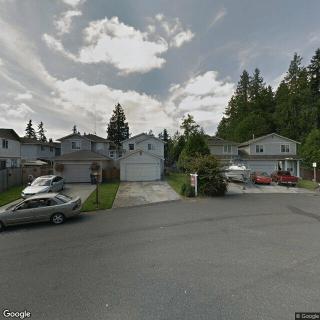
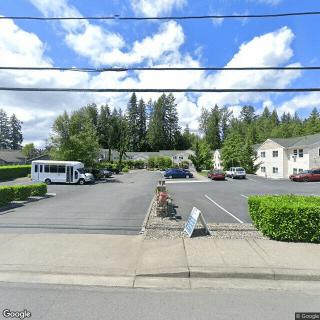
8804 78th Dr NE, Marysville, WA 98270
To contact a resident: (425) 297-3705
For more information about senior living options: (866) 208-4318
Holy Land Adult Family Home Costs & Pricing
Holy Land Adult Family Home offers competitive pricing for its residents, particularly when comparing the costs of care within Snohomish County and the broader state of Washington. For a semi-private room, Holy Land's monthly fee is $4,500, slightly above the county average of $4,320 and the state average of $4,267. In contrast, the one-bedroom option at Holy Land is priced at $6,000 per month, which also exceeds both the county rate of $5,080 and the state average of $4,632. While these costs may reflect a premium for specialized services or amenities offered by Holy Land Adult Family Home, they are positioned within a landscape that demonstrates varied pricing across the region. This information can aid potential residents and their families in making informed decisions based on their budget and care preferences.
| Floor plans | Holy Land Adult Family Home | Snohomish County | Washington |
|---|---|---|---|
| Semi-Private | $4,500 | $4,320 | $4,272 |
| 1 Bedroom | $6,000 | $5,080 | $4,634 |
Memory care communities with a similar price nearby
-
About the same
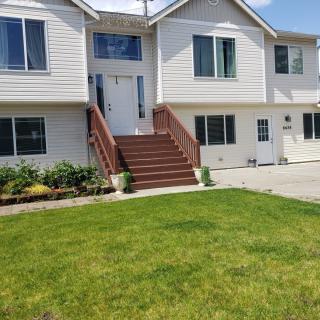
We Care Adult Family Home
$4,500 to $8,000 / month8.7 miles away -
from +$500 / mo
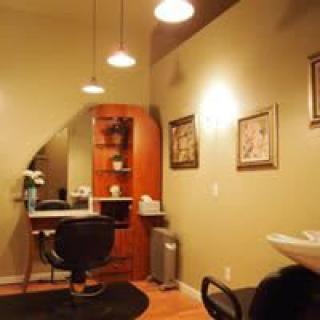
Abundant Life Lynnwood
$5,000 to $6,000 / month14.3 miles away -
About the same
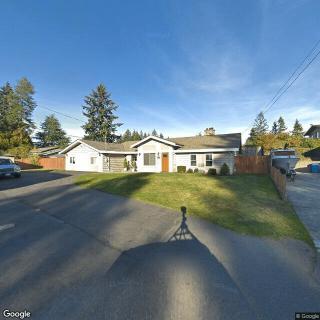
Happy Family Adult Family Home 2
$4,500 / month22.0 miles away -
About the same
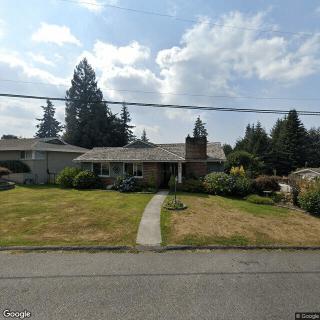
Amy's Adult Care Home
$4,500 / month7.8 miles away -
About the same
Ella Blla LLC
$4,500 to $6,500 / month17.0 miles away
Overall Review of Holy Land Adult Family Home
Pros
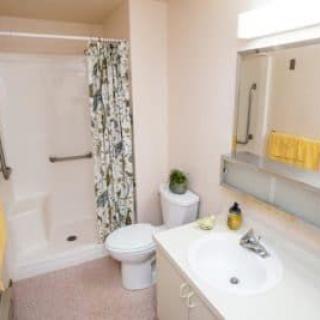
 The place is very neat and nice.
- The staff are friendly and kind.
- The owner is sincere and cares for his clients.
- He goes above and beyond to create a home-like environment for his clients.
- The service is simple and fast.
- The place feels like home.
- It is a wonderful place for loved ones.
Review
Holy Land Adult Family Home in Marysville is best suited for families and seniors who want a genuinely intimate, home-like living situation where care feels personal and the day-to-day rhythms are straightforward. The environment is simple, neat, and unpretentious, with staff who come across as friendly and kind and an owner who is clearly invested in his clients. This is the setting where residents quickly settle into a routine that feels more like family life than a formal institution, and where caregivers are accessible, attentive, and invested in comfort and consistency.
Those seeking extensive clinical services or highly structured programming should consider alternatives. The small-family home model typically means fewer on-site medical resources, fewer specialized dementia or rehab programs, and a more limited calendar of organized activities than larger assisted living communities. For residents with complex medical needs, frequent changes in care plans, or demanding memory-care protocols, a larger facility with dedicated nursing staff and more comprehensive capabilities may be a better fit.
The key strengths here, an exceptionally home-like vibe, genuine warmth from staff, and hands-on ownership, work in concert to offset the potential gaps. The environment reduces transition stress and helps residents feel secure, which is especially valuable for seniors who prize familiarity and gentle, day-to-day supervision. The owner’s sincerity and willingness to go above and beyond translate into responsive caregiving and highly personalized attention, while the staff’s friendliness supports consistent assistance with daily tasks, meals, and safety checks. In practical terms, these factors can produce better mood stability, smoother mornings, and a sense of belonging that larger campuses sometimes struggle to cultivate.
That home atmosphere also translates into tangible daily realities. Residents enjoy a neat, well-maintained space that reinforces a sense of dignity and comfort. The vibe is uncomplicated and predictable, which reduces confusion for those who thrive on routine. Caregivers appear approachable and engaged, making it easier for families to participate in care planning and to obtain quick updates. The result is a practical, low-friction experience: admissions feel straightforward, transitions are gentle, and day-to-day caregiving is clearly organized around familiar routines rather than rigid protocols.
Families weighing options should balance the upside of this intimate, hands-on model against the likelihood that medicalization, rehab services, and program breadth may be leaner than at larger facilities. If the priority is to maximize personal connection, consistent daily assistance, and a home ambiance that honors privacy and autonomy, Holy Land stands out as a compelling choice. If, instead, the decision hinges on access to robust clinical oversight, a wide array of structured activities, or extensive memory-care resources, it would be prudent to explore alternatives with bigger teams and more on-site capabilities.
In the end, Holy Land Adult Family Home serves as a thoughtful fit for seniors who value warmth, straightforward care, and the security of a small, owner-led operation. It is a strong recommendation for families seeking a genuine home environment where staff know residents well and problems are addressed quickly with a personal touch. For those who must prioritize extensive medical support or specialized programming, the prudent move is to compare options with larger communities that foreground clinical resources. A visit is the decisive next step: observe the daily flow, meet the owner and caregivers, and gauge whether the ambiance and care philosophy align with the resident’s needs and the family’s expectations.
 Board and Care Home
 Memory Care

 Understanding Dementia Through Its Seven Stages: A Comprehensive Look at Progression and Expectations
 A Holistic Dementia Care Guide: Effective Strategies for Memory Support
 Comprehensive Insights into Activities of Daily Living (ADLs) and Their Assessment