For more information about senior living options: (866) 208-4318
4.3 from 109 reviews
5 stars
84
4 stars
5
3 stars
2
2 stars
4
1 stars
14
Overall Review of Mountain View Rehabilitation
common
Skilled nursing and rehab support
Residents describe meaningful help from nursing and therapy during recovery.
Multiple reviews talk about physical and occupational therapy working with residents to support progress, alongside nursing attention for day-to-day recovery needs. A number of families and residents also mention medication handling and care coordination during a stay. While experiences vary, the overall pattern is that rehab is a central focus of what people notice first.
common
Staff warmth and responsiveness
Staff kindness and willingness to help come up repeatedly in reviews.
Many reviews describe staff as friendly, compassionate, and attentive—people taking time to explain things, check in, and make residents feel comfortable. Families also mention communication and being kept in the loop, though a few reviews raise concerns about responsiveness at certain times. Overall, the strongest reviews point to relationships with caregivers as a major part of the experience.
caveat
Dining quality is mixed
Food quality and diet support are a recurring point of disagreement.
Some reviews say meals were good, that residents never went hungry, and that there were snack options if needed. Others criticize the food as cold or processed and complain that specialized diets weren’t handled as expected. Because residents mention both positives and complaints, dining seems to vary by person and circumstance.
common
Cleanliness and maintenance
Reviews frequently mention the building feeling clean and well cared for.
Several reviews highlight a clean, well-maintained environment, including room cleanliness and the facility smelling good. A few other reviews also describe maintenance concerns or neglect-related issues, which suggests cleanliness may not be consistently experienced across visits. Still, the more positive feedback repeatedly connects cleanliness with comfort during a stay.
caveat
Care responsiveness and staffing concerns
A recurring criticism involves delays in getting help when needed.
Some reviews report slow responses to call lights or difficulties reaching staff after hours, and a few describe gaps in therapy evaluation timing. There are also complaints about how certain care tasks were handled, including medication timing and supervision needs. Taken together, the negative reviews suggest that timely assistance can be inconsistent for some residents.
How we summarize
We summarize when many written reviews mention each theme; a review can touch several themes, and only frequently mentioned themes are displayed.
Features
Housing
82 resident community capacity
Types of Care
Skilled Nursing Facility
Amenities
Air-conditioning
Beauty salon
Cable or satellite TV
Computer center
Dining room
Fitness room
Fully furnished
Gaming room
Garden
Housekeeping services
Kitchenette
Move-in coordination
Outdoor space
Private bathrooms
Restaurant-style dining
Small library
Telephone
Wellness center
Wi-Fi/high-speed internet available
Transportation
Community operated transportation
Transportation arrangement
Transportation arrangement (non-medical)
Transportation to doctors appointments
Care Services
12-16 hour nursing
24-hour call system
24-hour supervision
Activities of daily living assistance
Assistance with bathing
Assistance with dressing
Assistance with transfers
Diabetes diet
Meal preparation and service
Medication management
Mental wellness program
Special dietary restrictions
Transportation to doctors appointments
Dining
Diabetes diet
Special dietary restrictions
Activities
Community-sponsored activities
Concierge services
Fitness programs
Planned day trips
Resident-run activities
Scheduled daily activities
Nearby Places of Interest
Cafes
Starbucks (0.1 miles)
Dutch Bros Coffee (1 miles)
88th Street Espresso (1.8 miles)
Bigfoot Java (1.9 miles)
Starbucks (2 miles)
Panera Bread (2.4 miles)
Starbucks (2.4 miles)
Pharmacies
Walgreens (0.5 miles)
Hilton Pharmacy (0.5 miles)
Rite Aid (0.6 miles)
Safeway Pharmacy (0.9 miles)
Bartell Drugs (1 miles)
Bartell Drugs (1.1 miles)
Haggen Pharmacy (2 miles)
Parks
Jennings Memorial Park (0.7 miles)
Youth Peace Park (1.5 miles)
Lundeen Park (4.1 miles)
Grand Avenue Park (4.4 miles)
Strawberry Fields Dog Park (5.5 miles)
Forest Park Water Playground (6.7 miles)
Physicians
Everett walk in clinic (1 miles)
Everett Clinic (1 miles)
Marysville Family Medicine (1.2 miles)
Providence Clinic (3.5 miles)
Providence Regional Cancer Partnership (3.9 miles)
Wwmg (3.9 miles)
Hsue Ku-Yuen MD (4 miles)
Restaurants
Quil Ceda Creek Casino (1.1 miles)
Applebee's (1.9 miles)
Chick-Fil-A (1.9 miles)
Bob's Burger & Brew (2.1 miles)
Playa Bonita Mexican Restaurant (2.3 miles)
Blazing Paddles (2.8 miles)
McDonald's (3 miles)
Theaters
Regal Marysville (2.3 miles)
Places of Worship
Marysville Gospel Hall (3.4 miles)
Hospitals
Providence Health & Services (3.4 miles)
Providence Cymbaluk Tower (3.9 miles)
Diagnostic Imaging Services at Providence Regional Medical Center (3.9 miles)
Providence Regional Medical Center Everett (4 miles)
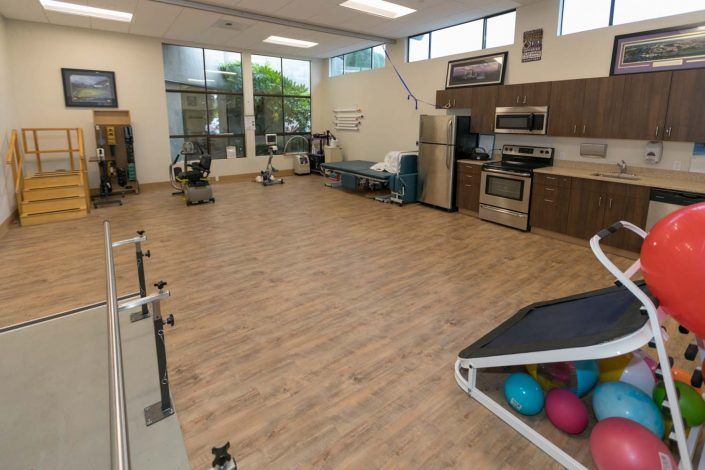
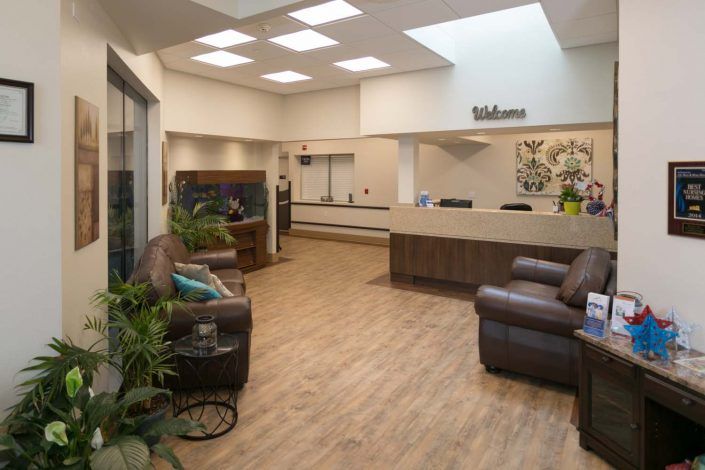
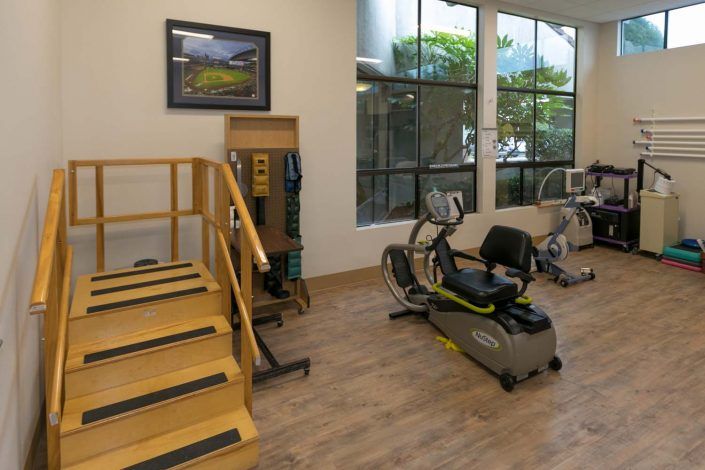
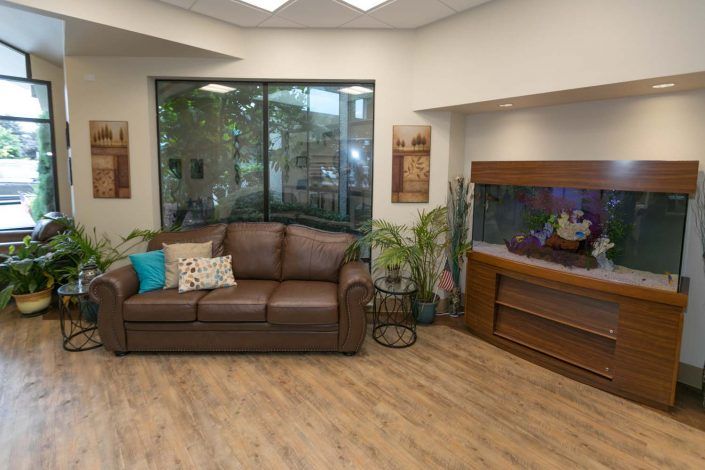
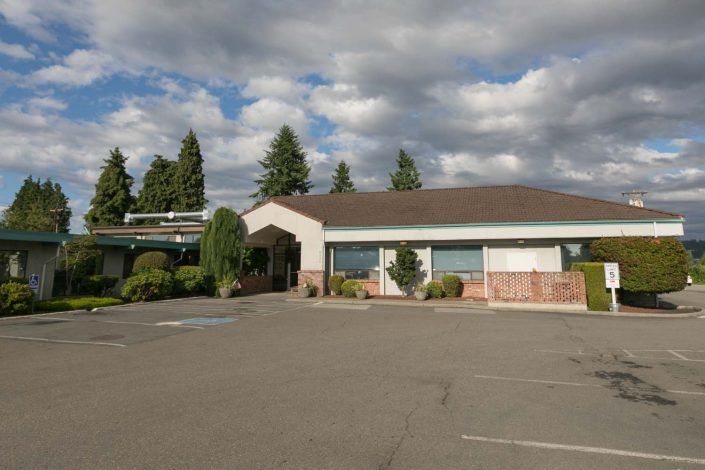
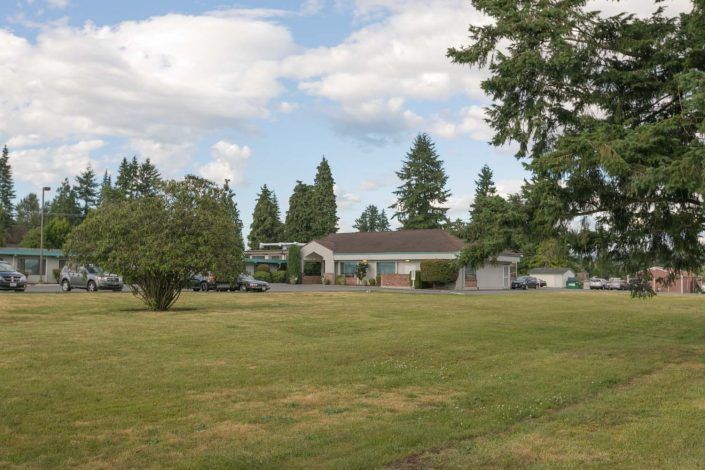
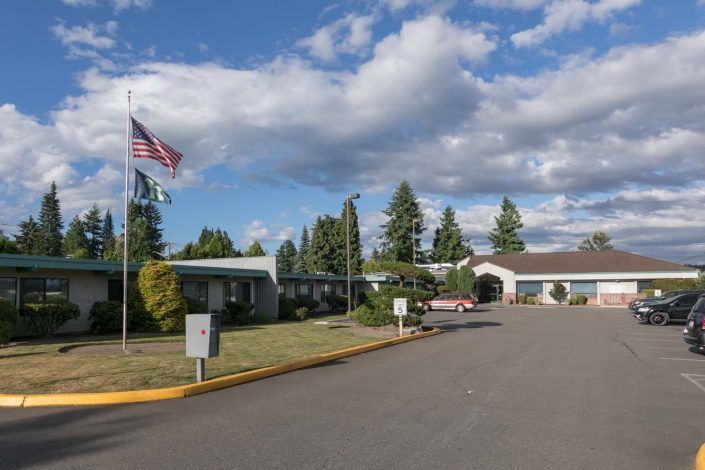
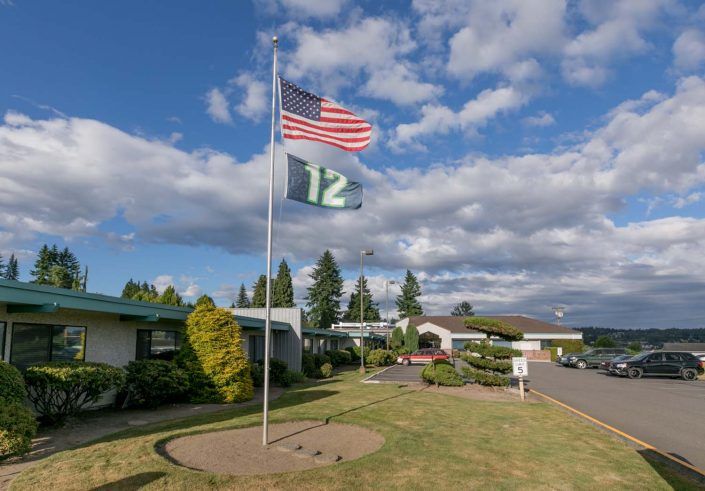
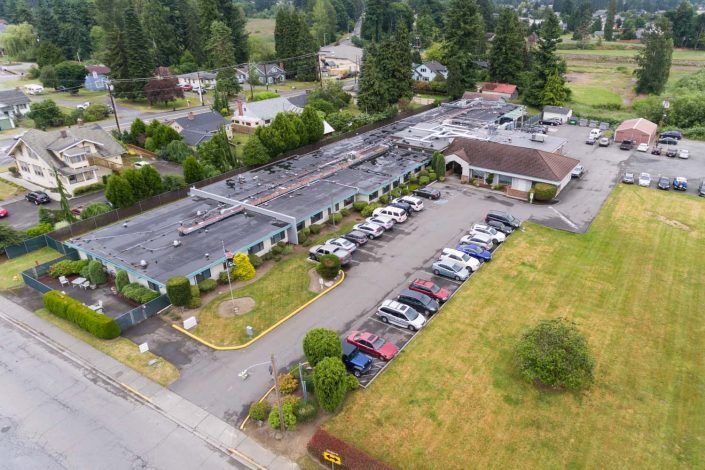
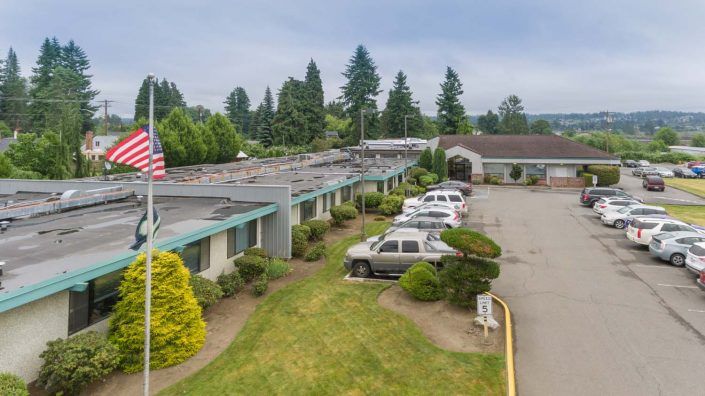
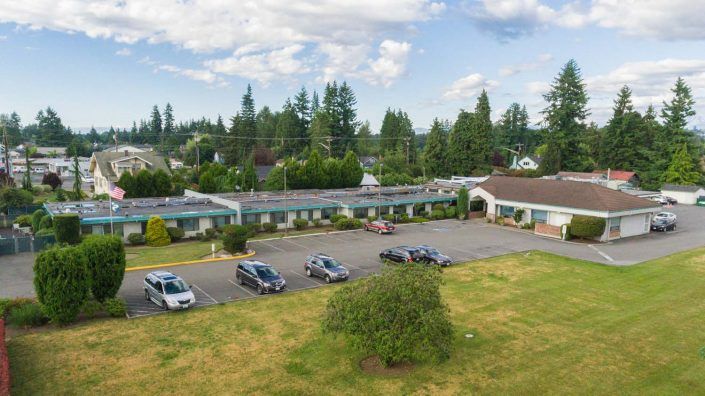
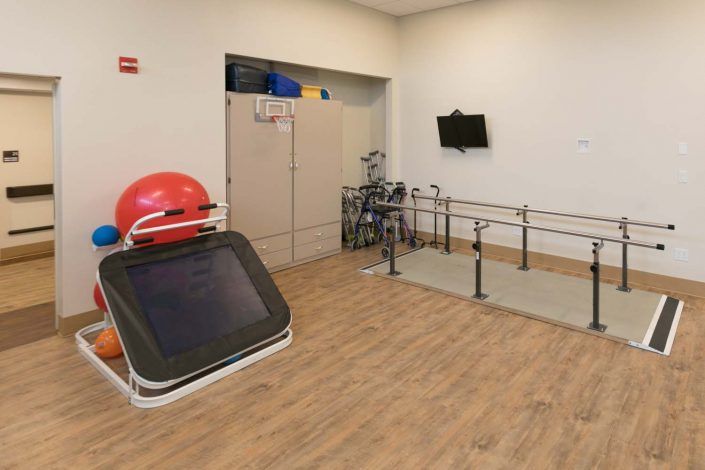
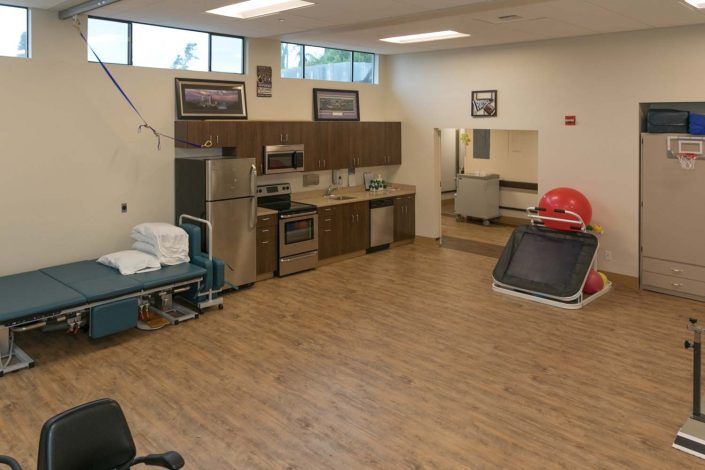
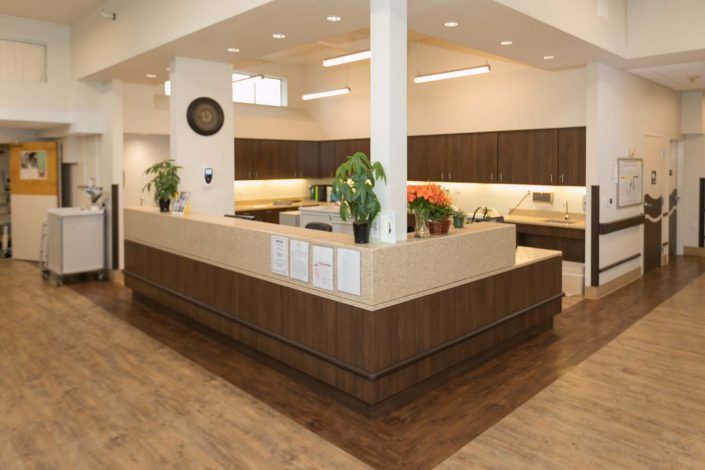
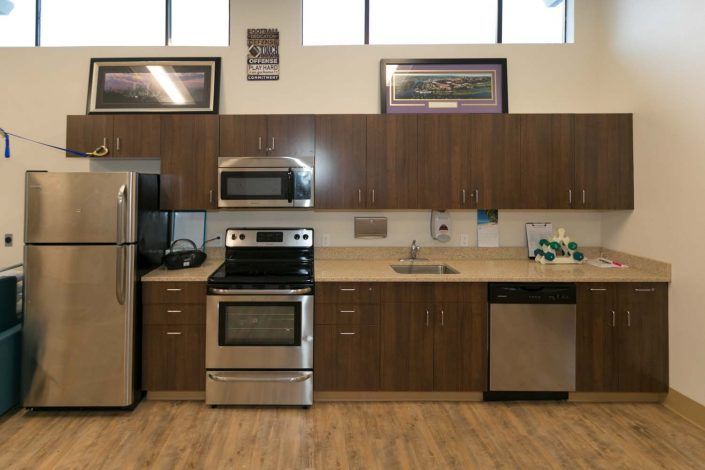
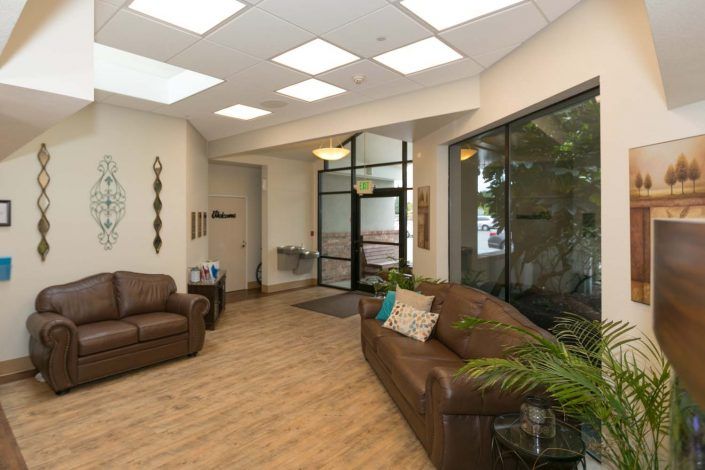
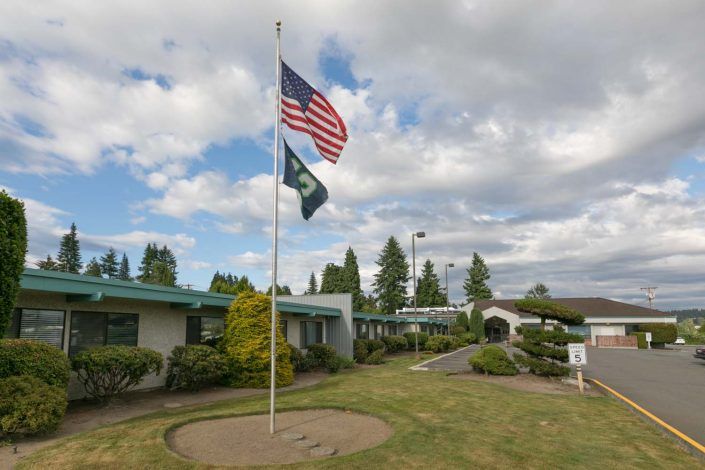
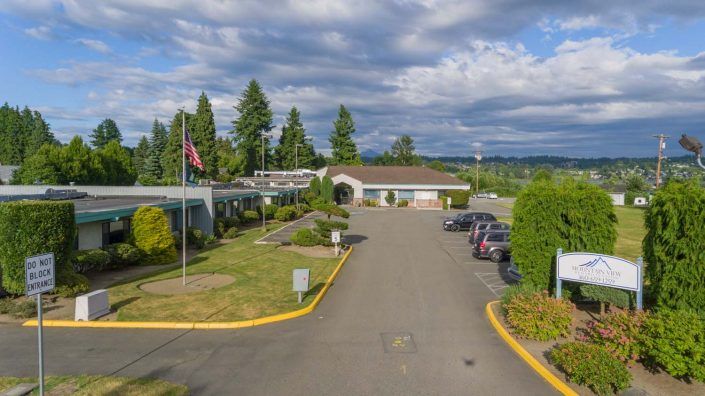
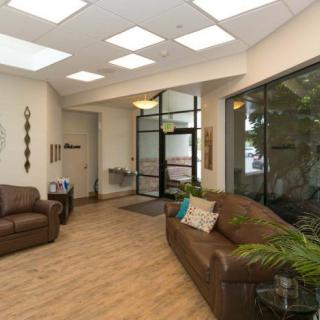
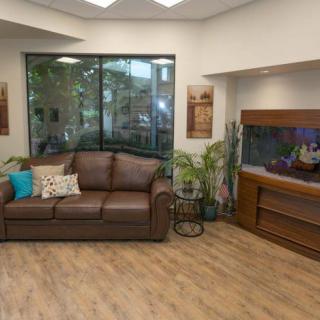
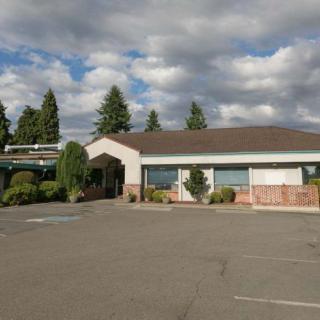
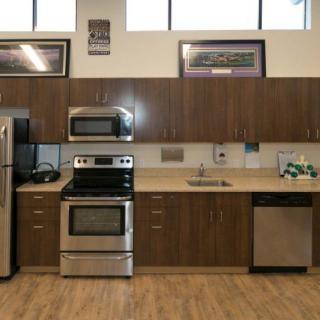
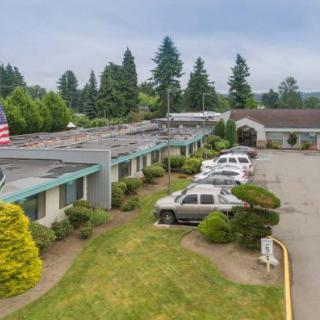
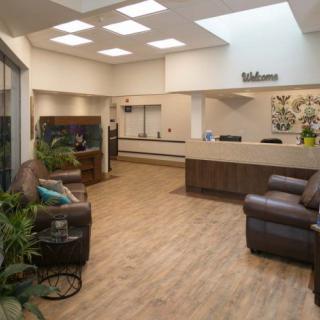
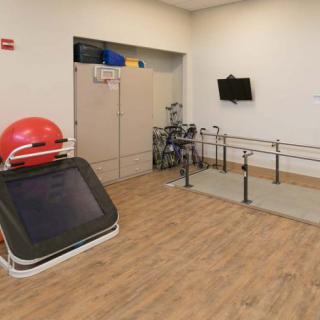
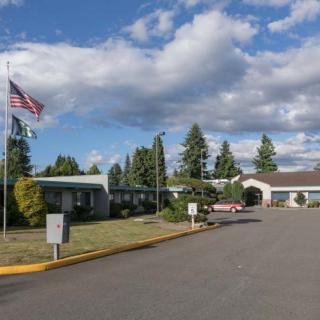
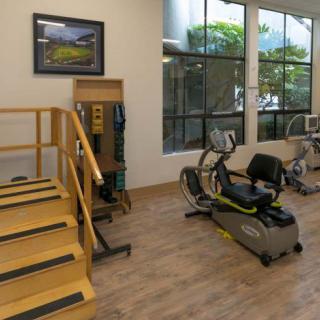
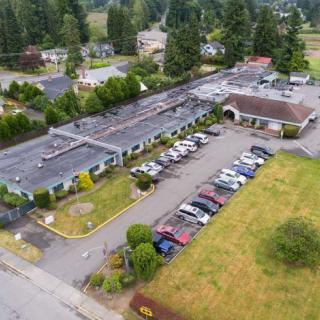
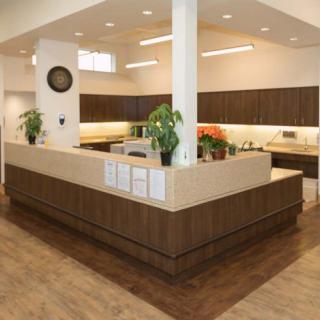
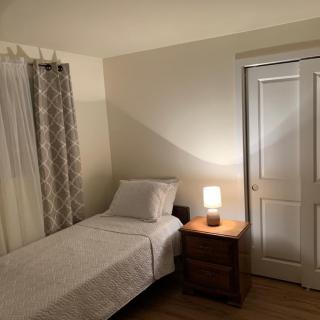
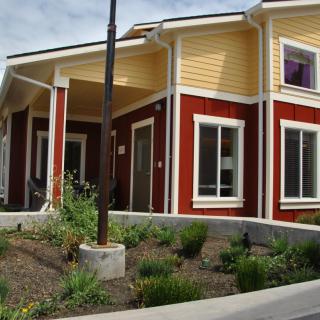
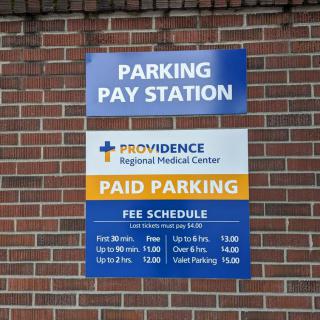
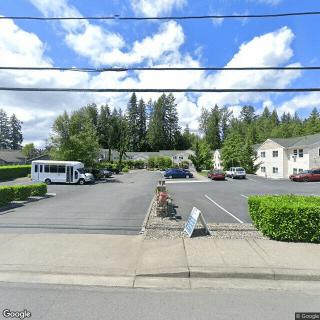
Mountain View Rehabilitation on seniors.fyi includes 20 photos including images showing trees, landscaping, building, flag, parking, interior, outdoors, exercise equipment, and more.
Nearby Communities
Grandview Village Retirement Community
Marysville, WA
4.2 from 28 reviews
Friendly staff in a clean, welcoming environment with engaging activities.
Marysville Care Center
Marysville, WA
4.5 from 129 reviews
Accommodating staff in a clean, well-maintained facility.
Holy Land Adult Family Home
Marysville, WA
5 from 5 reviews
$4,500 to $6,000 / month
Specialized memory care in a safe, home-like setting with access to many local amenities.
Marysville Senior Care
Marysville, WA
5 from 1 review
$5,000 to $6,000 / month
Private suites with full kitchens and wheelchair-accessible showers, plus diverse dining options and engaging activities.
Solianas Adult Family Home LLC
Marysville, WA
5 from 5 reviews
$5,000 / month
Specialized memory care with trained staff and easy access to nearby amenities
The Cottages at Marysville
Marysville, WA
3.8 from 34 reviews
$4,500 to $5,200 / month
Compassionate staff in a clean, welcoming, home-like setting.
Bethany At Pacific
Everett, WA
3.1 from 47 reviews
24/7 care with restaurant-style dining and robust amenities.
GenCare Lifestyle at Granite Falls
Granite Falls, WA
4.8 from 21 reviews
$3,030 to $3,939 / month
Welcoming staff in a home-like setting with engaging activities and good dining.
Home Instead Senior Care - Everett, WA
Everett, WA
4.8 from 54 reviews
Management is taking steps to address caregiver concerns and maintain consistency.
Senior drivers prioritize comfort, safety, and ease of use in vehicles due to age-related challenges, seeking features like easy entry, clear visibility, and modern driver-assistance technologies. Recommended models include the Subaru Forester, Honda CR-V, and Toyota Camry, with emphasis on test-driving for personal comfort and evaluating crash-test ratings alongside insurance considerations.
Private pay home care offers a flexible caregiving option for older adults and families who don't qualify for government programs, allowing them to directly fund in-home care services that range from daily assistance to specialized support. This model's customization potential enables aging in place while addressing financial considerations through strategic planning options, though clients must navigate marketplace challenges and ensure quality compliance.
Arthritis encompasses over 100 joint disorders affecting people of all ages, leading to symptoms like pain and stiffness that impair mobility and quality of life. Effective management involves early diagnosis, lifestyle changes, medical treatments, emotional support, and ongoing monitoring with healthcare professionals.
Kitchen, Appliances, Cabinets, Refrigerator, Oven, and Dishwasher
Garden and Nature
Outdoor
Outdoors
Lobby and Office Space
Exercise Equipment
Seating and Office
Flag
Parking
Gym, Fitness, and Stairs
Indoor Plants
Rehabilitation
Physical Therapy
Clouds
Reception Area
Aerial View
Therapy Room
Additional Photos
Get PricingAsk A QuestionSchedule A TourContact Senior Advisor
By clicking submit, you agree to our Partner's Terms of Use. You
also consent to receive calls and texts, which may be autodialed, from our Partner. Your consent is not a condition to
using our Partner's service. Please visit our Partner's Privacy Policy for information about their privacy practices.



 82 resident community capacity
 Skilled Nursing Facility
 Air-conditioning
 Beauty salon
 Cable or satellite TV
 Computer center
 Dining room
 Fitness room
 Fully furnished
 Gaming room
 Garden
 Housekeeping services
 Kitchenette
 Move-in coordination
 Outdoor space
 Private bathrooms
 Restaurant-style dining
 Small library
 Telephone
 Wellness center
 Wi-Fi/high-speed internet available
 Community operated transportation
 12-16 hour nursing
 24-hour call system
 Activities of daily living assistance
 Assistance with bathing
 Assistance with dressing
 Assistance with transfers
 Diabetes diet
 Medication management
 Mental wellness program
 Special dietary restrictions
 Concierge services
 Planned day trips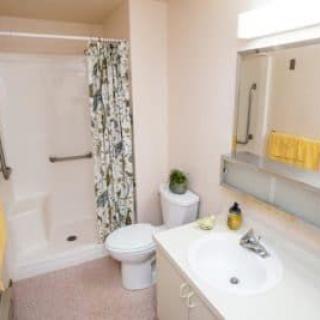
 Friendly staff in a clean, welcoming environment with engaging activities.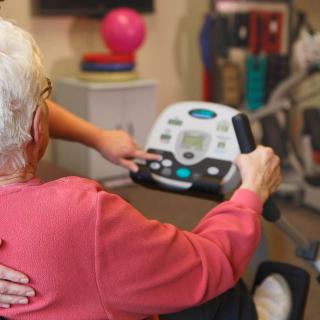

 Top Cars for Senior Drivers and Essential Safety Innovations
 A Closer Look at Private Pay Home Care
 Comprehensive Approaches for Arthritis: A Detailed Guide to Symptoms, Causes, and Care