For more information about senior living options: (866) 208-4318
3.8 from 34 reviews
5 stars
22
4 stars
2
3 stars
0
2 stars
1
1 stars
9
The Cottages at Marysville Costs & Pricing
The Cottages at Marysville offer various living accommodations that reflect both the quality of care provided and the regional market dynamics. For a semi-private room, residents can expect to pay $4,500 per month, which is slightly above the average costs in Snohomish County at $4,320 and Washington State overall at $4,267. Meanwhile, the studio option is priced at $5,200 per month, also surpassing both county and state averages of $4,443 and $4,126 respectively. These figures suggest that while The Cottages may be on the higher end of the scale for similar facilities in the area, this investment likely translates into enhanced amenities and personalized services that cater to the needs of its residents.
Floor plans
The Cottages at Marysville
Snohomish County
Washington
Semi-Private
$4,500
$4,320
$4,272
Studio
$5,200
$4,443
$4,128
Memory care communities with a similar price nearby
Residents and families frequently describe staff who are kind, attentive, and responsive to concerns.
Many reviewers say the staff approach residents with patience and kindness, and they describe consistent day-to-day support. Several specifically mention communication with families, including quick updates when issues come up. A few reviews also add that leadership and caregivers provide compassionate care that feels personal rather than routine.
common5 reviews mention this
Dining and special diets are discussed
Dining receives both compliments and concerns, especially around accommodating dietary needs.
Some reviewers praise the variety of the menu and say special diets are catered to, including diabetes-related expectations. Others describe the food as well-regarded or that residents are fed and cared for. On the negative side, a couple of diabetic-care reviews allege meals were not controlled as expected and contributed to a serious blood sugar event.
common5 reviews mention this
Activities and live music come up
Reviewers commonly mention activities and live music as part of daily life.
Several reviewers say residents have things to do, including live music and regular activities. One reviewer describes entertainment and outings that help keep residents occupied. A separate review notes a lack of activities for their family member, with days described as more passive than stimulating.
caveat3 reviews mention this
Understaffing and safety concerns
A small group of reviews report understaffing and serious safety concerns.
One review says the community was understaffed, which they felt reduced attention for high-maintenance residents and limited activities. Two other reviews describe severe incidents involving falls or medical complications and allege delayed or inadequate response. These negative experiences contrast with the many comments about attentive care and communication, but they are recurring enough to be taken seriously.
How we summarize
Counts show how many written reviews mention each theme; a review can touch several themes, and only frequently mentioned themes are displayed.
Features
Types of Care
Memory Care
Amenities
Activities on-site
Bath tubs
Beautician on-site
Devotional services on-site
Ground floor units
Handicap accessible
Indoor common areas
Outdoor common areas
Respite or short term stays offered
Wheelchair accessible showers
Wi-Fi/high-speed internet available
Care Services
Ambulatory care
Diabetic care
Medication management
Dining
Guest meals
International cuisine
Low / no sodium
Meals provided
No Sugar
Professional chef
Restaurant style dining
Room service
Special dining programs
Vegan
Vegetarian
Activities
Art classes
Catholic services
Devotional activities on-site
Educational speakers / life long learning
Jewish services
Live musical performances
Live well programs
Mormon/LDS services
Other religious services
Protestant services
Visiting Rabbi
Visiting chaplain or priest
Virtual Tour
Nearby Places of Interest
This area of Marysville, Washington offers a convenient and bustling community with easy access to essential amenities such as cafes, pharmacies, physicians, restaurants, parks, hospitals, and transportation options. With several coffee shops nearby like Dutch Bros Coffee and Starbucks, seniors can enjoy a leisurely stroll while grabbing their morning cup of coffee. Additionally, there are various dining options including Applebee's and Chick-Fil-A for those looking to dine out. The proximity to parks like Jennings Memorial Park provides opportunities for outdoor recreation and relaxation. For medical needs, there are reputable hospitals such as Providence Health & Services nearby. Overall, this neighborhood offers a mix of convenience and recreational activities suitable for senior living.
Cafes
Dutch Bros Coffee (0.2 miles)
Starbucks (0.9 miles)
Bigfoot Java (1 miles)
88th Street Espresso (1 miles)
Starbucks (1.1 miles)
Panera Bread (1.5 miles)
Starbucks (1.7 miles)
Pharmacies
Safeway Pharmacy (0.3 miles)
Bartell Drugs (0.5 miles)
Walgreens (0.6 miles)
Rite Aid (0.7 miles)
Hilton Pharmacy (0.7 miles)
Haggen Pharmacy (1.1 miles)
Tulalip Clinical Pharmacy (1.1 miles)
Physicians
Everett walk in clinic (0.5 miles)
Everett Clinic (0.5 miles)
Marysville Family Medicine (0.6 miles)
Providence Clinic (4 miles)
Wwmg (4.3 miles)
Providence Regional Cancer Partnership (4.3 miles)
Hsue Ku-Yuen MD (4.4 miles)
Restaurants
Quil Ceda Creek Casino (0.6 miles)
Applebee's (1 miles)
Chick-Fil-A (1 miles)
Bob's Burger & Brew (1.2 miles)
Playa Bonita Mexican Restaurant (1.5 miles)
Blazing Paddles (1.9 miles)
McDonald's (2.1 miles)
Parks
Jennings Memorial Park (1 miles)
Youth Peace Park (1.8 miles)
Grand Avenue Park (4.8 miles)
Strawberry Fields Dog Park (4.9 miles)
Lundeen Park (5 miles)
Theaters
Regal Marysville (1.7 miles)
Places of Worship
Marysville Gospel Hall (2.8 miles)
Hospitals
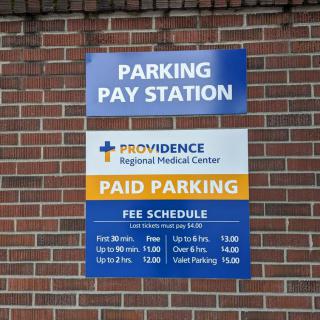
Providence Health & Services (3.9 miles)
Providence Cymbaluk Tower (4.4 miles)
Diagnostic Imaging Services at Providence Regional Medical Center (4.4 miles)
Providence Regional Medical Center Everett (4.4 miles)
The Cottages at Marysville offer various living accommodations that reflect both the quality of care provided and the regional market dynamics. For a semi-private room, residents can expect to pay $4,500 per month, which is slightly above the average costs in Snohomish County at $4,320 and Washington State overall at $4,267. Meanwhile, the studio option is priced at $5,200 per month, also surpassing both county and state averages of $4,443 and $4,126 respectively. These figures suggest that while The Cottages may be on the higher end of the scale for similar facilities in the area, this investment likely translates into enhanced amenities and personalized services that cater to the needs of its residents.
Medication management at The Cottages at Marysville plays a crucial role in supporting residents with dementia or Alzheimer's disease by ensuring that they receive the correct medications at the appropriate times. This systematic approach minimizes the risk of medication errors, which can have significant health implications for individuals with cognitive impairments. Trained staff oversee and administer medications, providing personalized care tailored to each resident's specific needs and medical history. Regular monitoring helps track side effects or changes in condition, allowing for timely adjustments and interventions. Furthermore, this service alleviates stress for both residents and their families, as they can be confident that their loved ones are receiving consistent and reliable care aimed at improving their quality of life.
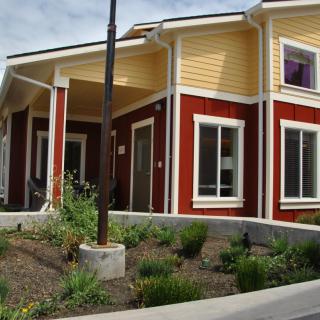
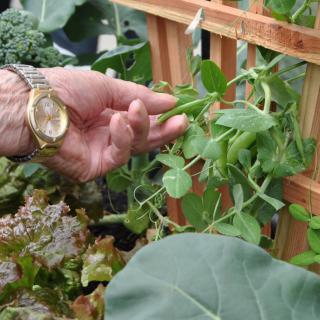
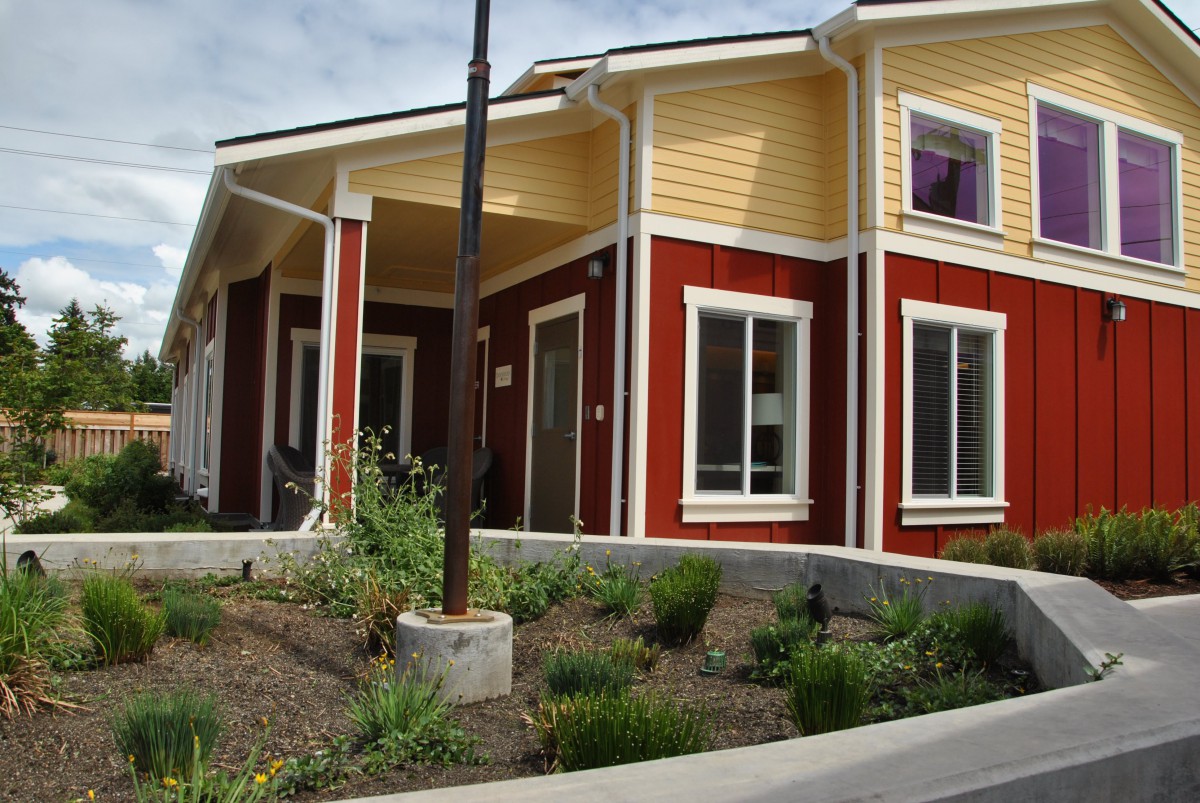
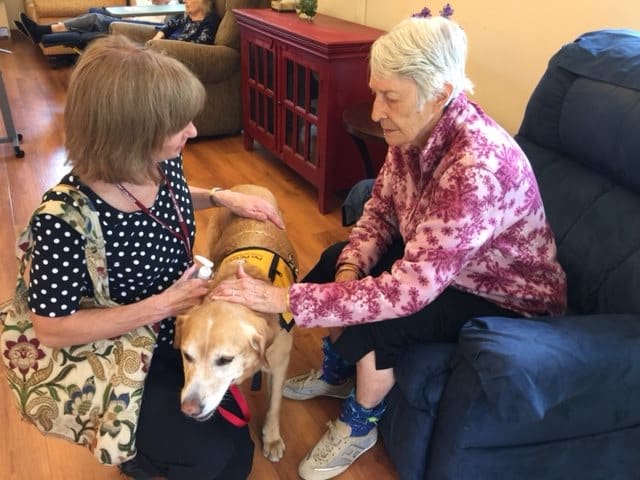
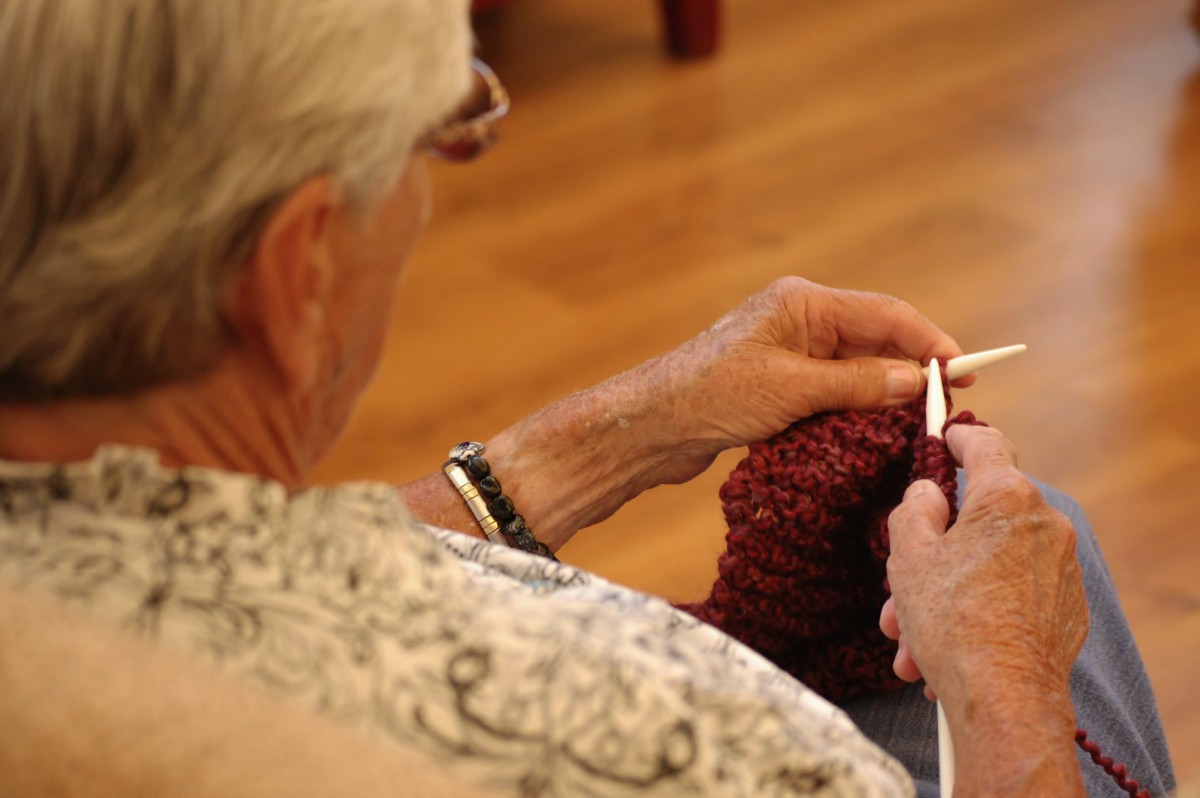
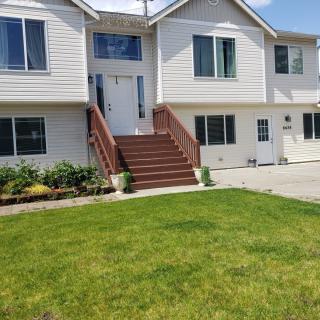
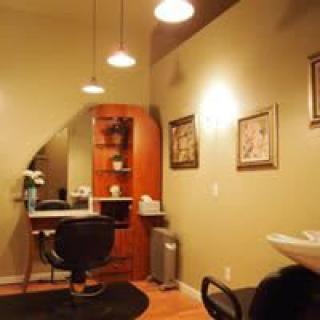
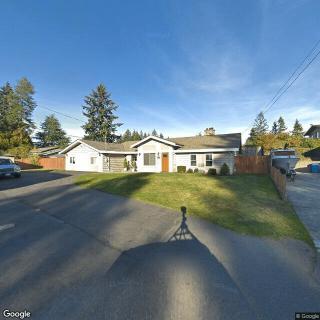
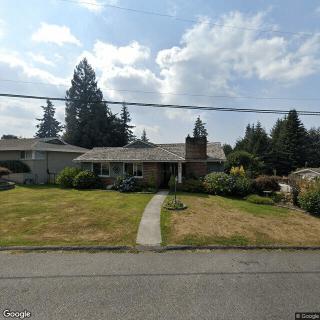
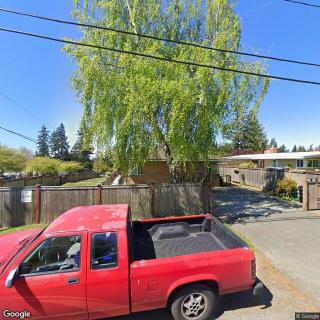
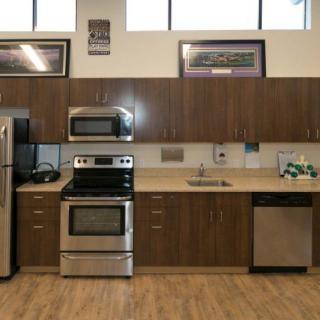
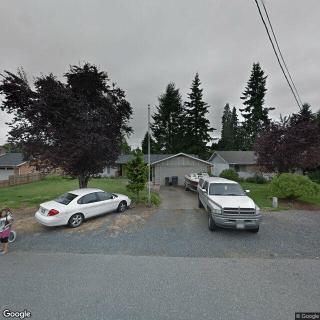
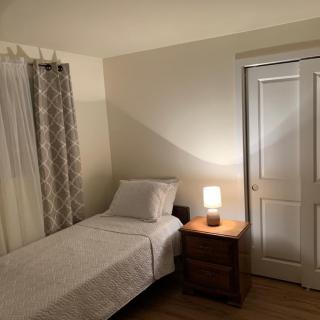
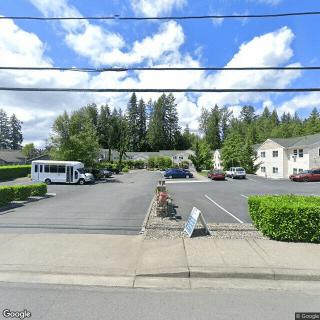
The Cottages at Marysville on seniors.fyi includes 9 photos including images showing architecture, exterior, garden, landscaping, outdoors, gardening, vegetables, and more.
Nearby Communities
Lakeview's Cedar House
Marysville, WA
4.8 from 15 reviews
$3,000 / month
Loving, attentive staff in a clean, welcoming environment.
Marysville Care Center
Marysville, WA
4.5 from 129 reviews
Accommodating staff in a clean, well-maintained facility.
Mountain View Rehabilitation
Marysville, WA
4.3 from 109 reviews
Clean, well-maintained facility with caring therapists and engaging activities.
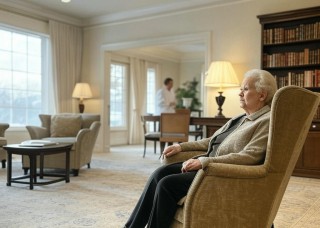
The article presents five subtle indicators of dementia, such as memory lapses and mood swings, to help families assess cognitive decline in loved ones. It emphasizes early detection, open communication, and seeking professional help while providing practical support steps.
Dementia encompasses progressive neurological disorders that impair cognitive functions and can lead to paranoia due to cognitive decline and emotional changes. The article discusses the triggers of paranoia in dementia, caregiver strategies for managing it, and the importance of distinguishing between dementia-related paranoia and other psychiatric conditions.
Memory care activities are essential for improving the quality of life of seniors with cognitive impairments, as they stimulate cognitive function, promote well-being, and encourage social interaction through tailored strategies. These activities combine structured exercises with spontaneous tasks, sensory engagement, physical workouts, creative pursuits, and intergenerational interactions to enhance emotional connection and a sense of purpose.
Get PricingAsk A QuestionSchedule A TourContact Senior Advisor
By clicking submit, you agree to our Partner's Terms of Use. You
also consent to receive calls and texts, which may be autodialed, from our Partner. Your consent is not a condition to
using our Partner's service. Please visit our Partner's Privacy Policy for information about their privacy practices.



 Memory Care
 Activities on-site
 Bath tubs
 Beautician on-site
 Devotional services on-site
 Ground floor units
 Handicap accessible
 Indoor common areas
 Outdoor common areas
 Respite or short term stays offered
 Wheelchair accessible showers
 Wi-Fi/high-speed internet available
 Ambulatory care
 Diabetic care
 Medication management
 Guest meals
 Art classes
 Catholic services
 Educational speakers / life long learning
 Jewish services
 Live musical performances
 Live well programs
 Loving, attentive staff in a clean, welcoming environment.
 Five Subtle Dementia Indicators to Observe: An In-Depth Guide to Understanding “Does My Mom Have Dementia?”
 Dementia, Paranoia, and Caregiver Guidance: Understanding the Connection
 Engaging Memory Care Activities That Enhance Quality of Life