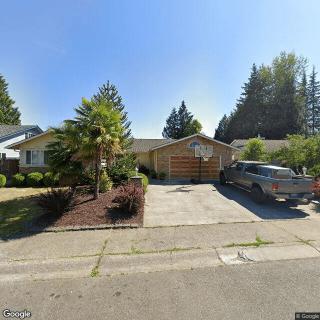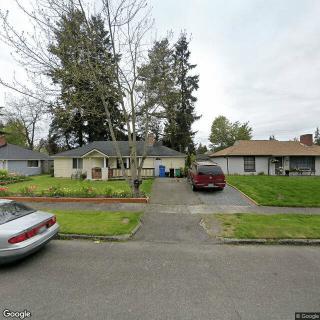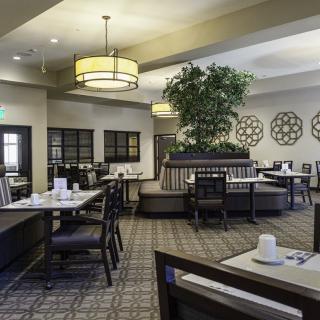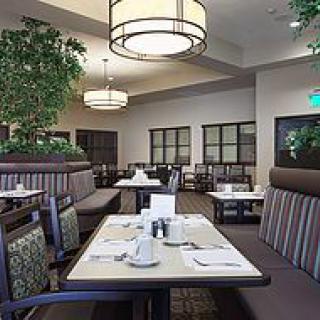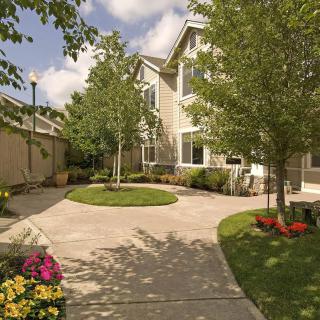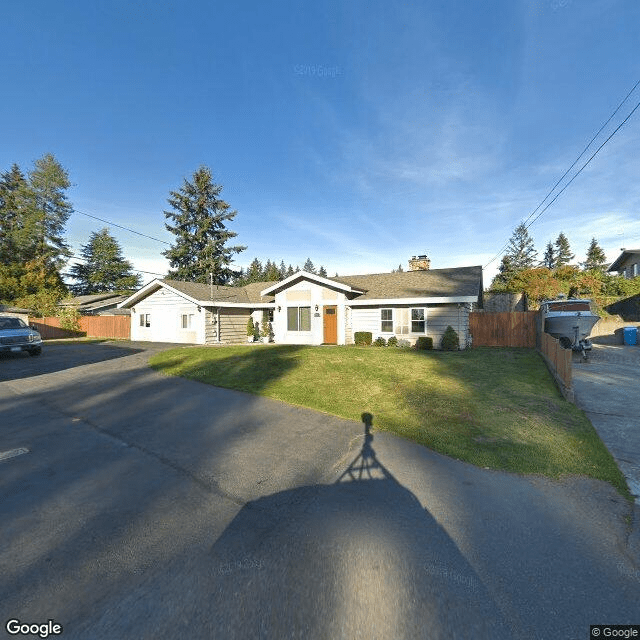
Happy Family Adult Family Home 2 in Shoreline, WA

Save
Happy Family Adult Family Home 2

Happy Family Adult Family Home 2 in Shoreline, WA

1228 NE 181st Pl, Shoreline, WA 98155

For more information about senior living options: (844) 490-3973

4.9 from 10 reviews
5 stars
9
4 stars
1
3 stars
0
2 stars
0
1 stars
0

Board and Care Home Memory Care

Happy Family Adult Family Home 2 Costs & Pricing

At Happy Family Adult Family Home 2, the monthly costs for accommodations reflect a competitive pricing structure within the broader context of King County and Washington state. For both private rooms and one-bedroom options, the rate is set at $4,500, which is notably lower than the average costs in King County - where private rooms typically reach $5,034 and one-bedroom units are priced around $5,127. Additionally, when compared to statewide averages of approximately $4,772 for private rooms and $4,632 for one-bedroom units, Happy Family Adult Family Home 2 offers an attractive alternative that balances quality care with affordability. This pricing strategy positions it as a valuable option for families seeking specialized adult care in a nurturing environment.

Floor plansHappy Family Adult Family Home 2King CountyWashington
Private$4,500$5,034$4,774
1 Bedroom$4,500$5,127$4,634

Overall Review of Happy Family Adult Family Home 2

Pros

  • pro Families feel incredibly fortunate to have found A Happy Home, a place that feels special from the moment of arrival.
  • pro The staff are highly professional, attentive, and genuinely positive, caring, and compassionate.
  • pro Residents are treated with dignity, kindness, and respect.
  • pro The home is clean and cozy, with home-cooked, nourishing meals, and the staff are responsive and inclusive of families in healthcare decisions.
  • pro It provides peace of mind to families knowing their loved ones are in capable and caring hands.
  • pro A Happy Home truly lives up to its name and is wholeheartedly recommended as a nurturing environment.
  • pro A Place For Mom is noted for providing professional and compassionate guidance that helps families make informed decisions.

Cons

  • pro The reviewer said A Place For Mom would have been a good fit if it had met all of their needs.
  • pro The reviewer noted it was not the best fit for their price, location, and availability.

Review

Happy Family Adult Family Home 2 in Shoreline is best suited for families seeking a tightly knit, home-like caregiving environment where residents are treated as members of the family and where staff deliver consistently attentive, compassionate care. This community shines for those who want daily life to be part of the care plan - home-cooked meals, a clean and cozy living space, and ongoing involvement of family in health decisions. It is especially appropriate for seniors who need help with activities of daily living but do not require intensive clinical oversight, and for relatives who prefer a smaller setting where communication feels intimate and ongoing rather than bureaucratic.

The strongest draw lies in the people. Staff members are described as highly professional yet genuinely warm, delivering care with dignity, kindness, and respect. The care philosophy comes through in mentions of residents being treated like real family members, with caregivers who go the extra mile to ensure needs are met. Families repeatedly note exemplary care and a sense that their loved ones are cherished. The home environment itself reinforces this impression: clean, cozy spaces that feel reassuring rather than clinical. Meals receive praise as home-cooked and nourishing, reinforcing comfort and a sense of normalcy in daily life. And for many families, the ability to be notified and actively included in healthcare decisions translates into real peace of mind.

Still, a few realities warrant attention. The small, home-based model inherently limits the depth of on-site medical resources and specialized programming that larger assisted living communities can offer. Residents with complex medical needs or those requiring round-the-clock nursing support may eventually outstrip the facility's capabilities, making alternatives with broader clinical staffing a better fit. Additionally, a note from a referral source points to practical hurdles: price, location, and availability may influence the decision process for some families. These aren't reflections on the quality of care, but legitimate considerations that can determine overall fit depending on budget and logistics.

Despite those caveats, the pros frequently offset the potential drawbacks because the care experience itself delivers tangible benefits that are hard to reproduce in bigger settings. The depth of caregiver attentiveness translates into timely health updates and fewer communication lapses, while the intimate environment lowers anxiety and fosters trust in the care team. Families report reduced caregiver turnover and a more collaborative relationship with staff, which in turn supports more consistent routines for residents. In short, the emotional and relational dividends - the sense of belonging, the reassurance of a genuine "home," and the confidence that physicians and families are aligned - often outweigh the limits of medical coverage for many seniors.

The community's performance shows clearly in its rating: 4.9 out of 5 from ten reviews, with nine five-star endorsements. The recurring language - being treated like family, feeling loved, and enjoying meals that taste like home - emerges as a distinctive value proposition. That track record matters, because it signals a reliable, people-centered culture where caregivers remember preferences, celebrate milestones, and respond quickly to changes in health or mood. Yet the single four-star review and the note about cost and placement remind that room for growth exists, particularly around accessibility and the breadth of on-site medical supports. Those considerations are essential for households weighing long-term trajectories.

For families weighing the choice, Happy Family Adult Family Home 2 presents a clear, compelling option for intimate, hands-on care where residents are truly valued and involved in decisions. It is not the answer for households prioritizing aggressive medical staffing, dementia-specific programming, or budget-driven planning. Where the priority is a warm, home-like atmosphere with a perceivable extension of family into care decisions, this community stands out. Prospective movers should arrange a visit, meet the caregivers - especially Traci, Maria, and Diki - and discuss care planning, meal plans, and vacancy timing. If proximity, cost alignment, and availability check out, this home offers a strong, practical fit for families seeking peace of mind and a genuinely nurturing daily life for a loved one.

Features

Types of Care

  • Board and Care Home Board and Care HomeBoard and care homes provide a smaller, more intimate setting for seniors who require assistance with daily tasks but do not need the level of care offered by a nursing home. They offer personalized care, meals, and social activities in a homelike environment, ensuring that seniors receive individualized attention and support in their golden years.
  • Memory Care Memory CareMemory care is crucial for seniors as it provides specialized support and services for individuals with dementia or Alzheimer's disease. These programs offer a safe and secure environment where residents receive personalized care, cognitive stimulation, and help with daily activities. Memory care helps seniors maintain their independence, quality of life, and dignity while also providing peace of mind for their families.

Pets

  • Cats allowed Cats allowed"Pet friendly" senior living communities are important for seniors because pets provide companionship, reduce feelings of loneliness and depression, promote physical activity and mental stimulation, and offer a sense of purpose and responsibility. Pets can improve overall well-being and quality of life for seniors in many ways.
  • Dogs allowed Dogs allowed"Pet friendly" senior living communities are important for seniors because pets provide companionship, reduce feelings of loneliness and depression, promote physical activity and mental stimulation, and offer a sense of purpose and responsibility. Pets can improve overall well-being and quality of life for seniors in many ways.

Amenities

  • Activities off-site Activities off-siteEngaging in off-site activities is crucial for seniors to maintain social connections, stay active, and stimulate their minds. It promotes overall well-being and helps combat feelings of isolation and loneliness.
  • Activities on-site Activities on-siteActivities on-site are important for seniors because they provide opportunities for socialization, mental stimulation, physical activity, and overall well-being. Engaging in activities can help seniors stay active, maintain their independence, and improve their quality of life.
  • Air-conditioning Air-conditioningAir conditioning is important for seniors as they are more vulnerable to heat-related illnesses and may have underlying health conditions that make it difficult for them to regulate their body temperature. It helps to keep them comfortable, safe, and healthy in hot weather.
  • Cable or satellite TV Cable or satellite TVCable or satellite TV is important for seniors because it provides entertainment, news, and companionship, helping to combat loneliness and boredom. It also offers a wide range of programming options tailored to different interests and preferences.
  • Devotional services off-site Devotional services off-siteDevotional services off-site are important for seniors as they provide spiritual nourishment, social engagement, and a sense of community outside of the senior living facility. This can enhance overall well-being and help combat feelings of isolation and loneliness often experienced by older adults.
  • Fireplaces FireplacesFireplaces are important for seniors as they provide warmth, comfort, and a cozy atmosphere that can help alleviate the physical discomforts of aging, such as arthritis and poor circulation. Additionally, fireplaces offer a sense of nostalgia and security, making seniors feel more at home and relaxed in their living environment.
  • Full kitchen Full kitchenHaving a full kitchen in a senior living facility is important for seniors because it allows them to maintain their independence and prepare their own meals. This promotes healthy eating habits, saves money on dining out, and provides a sense of familiarity and comfort for residents.
  • Garden view Garden viewGarden views are important for seniors as they provide natural beauty and tranquility, promoting relaxation and overall well-being. Access to green spaces can also encourage outdoor activity and socialization, enhancing physical and mental health.
  • Ground floor units Ground floor unitsGround floor units are important for seniors because they provide easy accessibility, reduced risk of falls and injuries, and convenience for those with mobility issues. Seniors can avoid climbing stairs or using elevators, making daily tasks and activities more manageable and enjoyable.
  • Handicap accessible Handicap accessible"Handicap accessible" amenities are crucial for seniors to ensure they can easily navigate and access facilities, services, and activities without barriers or limitations due to physical impairments. This promotes independence, safety, and inclusivity for seniors in senior living communities.
  • Indoor common areas Indoor common areasIndoor common areas are crucial for seniors as they provide a space for socialization, recreation, and community engagement, promoting overall well-being and reducing feelings of isolation and loneliness.
  • Outdoor common areas Outdoor common areasOutdoor common areas are important for seniors as they provide a space for socialization, physical activity, and relaxation. Being outside in nature can improve mood and overall well-being, while also encouraging movement and engagement with others. These spaces can help combat feelings of isolation and promote a sense of community among residents.
  • Private PrivatePrivacy is important for seniors as it allows them to maintain their independence, dignity, and sense of control over their own lives. It also gives them the space and freedom to relax, reflect, and engage in activities that bring them joy and fulfillment. Creating private spaces within senior living facilities is crucial for promoting overall well-being and quality of life.
  • Private bathrooms Private bathroomsPrivate bathrooms are important for seniors in senior living communities because they provide independence, dignity, and comfort. Having a private bathroom allows seniors to maintain their personal hygiene routines without the need for assistance, promoting a sense of autonomy and privacy. Additionally, private bathrooms help prevent the spread of infections and provide a safe and clean environment for seniors to navigate safely.
  • Private patio, deck, or balcony Private patio, deck, or balconyHaving a private patio, deck, or balcony is crucial for seniors living in a retirement community as it provides them with access to fresh air, natural light, and the outdoors without having to leave their home. This outdoor space can promote physical activity, mental well-being, and socialization opportunities for seniors, contributing to an overall improved quality of life.
  • Respite or short term stays offered Respite or short term stays offeredRespite or short term stays provide seniors with a temporary solution when their regular caregiver is unavailable, offering them the opportunity to receive additional care and support during times of need, while also giving caregivers a chance to rest and recharge.
  • Wheelchair accessible showers Wheelchair accessible showersWheelchair accessible showers are crucial for seniors as they provide a safe and independent bathing option for those with mobility challenges. These showers help prevent falls and allow seniors to maintain their dignity and autonomy while ensuring they can bathe comfortably.
  • Wi-Fi/high-speed internet available Wi-Fi/high-speed internet availableWi-Fi/high-speed internet is important for seniors to stay connected with loved ones, access online resources, and participate in virtual activities to combat feelings of loneliness and isolation. It also allows them to easily manage healthcare needs, access entertainment, and engage in lifelong learning opportunities.

Transportation

  • Seattle-Tacoma International (22 miles away) Seattle-Tacoma International (22 miles away)

Care Services

  • Diabetic care Diabetic careDiabetic care is crucial for seniors as they are more susceptible to developing diabetes due to aging and other health conditions. Proper management of diabetes can help prevent complications such as heart disease, vision loss, and nerve damage, improving the overall quality of life for seniors in senior living communities.
  • High acuity care High acuity careHigh acuity care is important for seniors because it provides specialized medical attention and support for individuals with complex medical needs. This level of care ensures that seniors receive the appropriate treatment and assistance to maintain their health and quality of life as they age.
  • Incontinence care Incontinence careIncontinence care is essential for seniors to maintain their dignity, hygiene, and overall quality of life. By addressing incontinence issues promptly and effectively, seniors can enjoy a sense of independence and comfort in their daily activities.
  • Medication management Medication managementMedication management is crucial for seniors to ensure they are taking the right medications at the correct dosages and times. This helps prevent adverse drug interactions, reduces the risk of medication errors, and promotes overall health and well-being. Proactive management also allows for adjustments as needed based on changing health conditions or new prescriptions.

Dining

  • Anytime dining Anytime diningAnytime dining is important for seniors because it allows them the flexibility to eat when they are hungry, rather than being restricted to set meal times. This can be especially beneficial for those with medical conditions or medications that affect their appetite, as well as those who may have difficulty adhering to a strict dining schedule. Overall, anytime dining promotes independence and overall well-being for seniors in senior living communities.
  • Gluten-free Gluten-freeGluten-free options are important for seniors as they are more prone to digestive issues and dietary sensitivities. Offering gluten-free meal choices in senior living communities can help improve their overall health and well-being.
  • Guest meals Guest mealsGuest meals are important for seniors living in senior living communities because they provide an opportunity for socialization and companionship. Sharing a meal with friends, family, or new acquaintances can help combat feelings of loneliness and isolation, promote a sense of community, and enhance overall well-being. Additionally, guest meals allow seniors to enjoy delicious food in a comfortable setting without the hassle of cooking or cleaning up, making dining a pleasurable and stress-free experience.
  • International cuisine International cuisineInternational cuisine is important for seniors because it offers a variety of flavors, ingredients, and cultural experiences that can help keep their meals interesting and enjoyable. Trying new dishes can also stimulate the senses and provide different nutrients that contribute to overall health and well-being. Additionally, exploring international cuisine can bring back fond memories of travels or childhood experiences, making mealtime more nostalgic and fulfilling for seniors.
  • Kosher KosherKosher options are important for seniors because they adhere to dietary laws that are significant to many Jewish individuals, providing them with peace of mind and an opportunity to maintain their cultural traditions and beliefs while living in a senior living community.
  • Low / no sodium Low / no sodiumLow/no sodium options are important for seniors because excessive sodium intake can lead to high blood pressure, heart disease, and other health issues commonly experienced by older adults. By choosing low/no sodium foods, seniors can better manage their health and reduce their risk of developing these conditions.
  • Meals provided Meals provided"Meals provided" are crucial for seniors in assisted living communities as it ensures they have access to nutritious, balanced meals without the stress of meal planning and preparation. This can help promote overall health and well-being for seniors who may have limited mobility or cognitive abilities.
  • No Sugar No SugarNo sugar diets are important for seniors because they can help prevent or manage chronic conditions such as diabetes, heart disease, and obesity. Sugar can also contribute to cognitive decline and inflammation in the body, so reducing sugar intake can lead to overall improved health and well-being in older adults.
  • Organic OrganicOrganic foods are important for seniors because they contain fewer chemicals and pesticides, which can be harmful to aging bodies. Additionally, organic foods often have higher nutrient levels, making them a healthier choice for maintaining overall well-being in older adults.
  • Restaurant style dining Restaurant style diningRestaurant style dining is important for seniors as it offers them a social and enjoyable dining experience, promotes healthy eating habits, and provides personalized menu options to cater to their dietary needs and preferences. This type of dining setting can enhance their overall quality of life and create a sense of community within the senior living facility.
  • Room service Room serviceRoom service is important for seniors in a senior living community because it provides convenience and allows them to have their meals delivered directly to their room. This can be especially beneficial for seniors who may have mobility issues or difficulty accessing the dining area. Room service ensures that seniors are able to receive nutritious meals without having to navigate through the facility, allowing them to maintain their independence and overall well-being.
  • Special dining programs Special dining programsSpecial dining programs are important for seniors because they provide nutritious meals tailored to their dietary needs and preferences. These programs also offer socialization opportunities, promote overall health and well-being, and can help prevent malnutrition.
  • Vegan VeganVegan diets can provide numerous health benefits for seniors, including lower risk of chronic diseases, improved digestion, and increased energy levels. Additionally, plant-based diets are often rich in essential nutrients that can support overall well-being and longevity in older adults.
  • Vegetarian VegetarianA vegetarian diet is important for seniors because it can help lower the risk of chronic diseases, maintain a healthy weight, and provide essential nutrients needed for aging bodies. Additionally, plant-based diets are often easier on digestive systems and can contribute to overall well-being in older adults.

Activities

  • Activities off-site Activities off-siteEngaging in off-site activities is crucial for seniors to maintain social connections, stay active, and stimulate their minds. It promotes overall well-being and helps combat feelings of isolation and loneliness.
  • Activities on-site Activities on-siteActivities on-site are important for seniors because they provide opportunities for socialization, mental stimulation, physical activity, and overall well-being. Engaging in activities can help seniors stay active, maintain their independence, and improve their quality of life.
  • Art classes Art classesArt classes are important for seniors because they provide a creative outlet, improve cognitive function, reduce stress and anxiety, promote socialization, and enhance overall well-being and quality of life.
  • BBQs or picnics BBQs or picnicsBBQs or picnics provide seniors with social interaction, enjoyment of the outdoors, and a sense of community, contributing to their overall well-being and quality of life.
  • Birthday parties Birthday partiesBirthday parties are important for seniors as they provide an opportunity for celebration, socialization, and joy. They allow seniors to feel special and appreciated, boosting their mood and overall well-being. Additionally, birthday parties can help combat feelings of isolation and loneliness by fostering connections with friends, family, and community members.
  • Cooking classes Cooking classesCooking classes are important for seniors as they provide opportunities for social interaction, enhance cognitive skills, promote healthy eating habits, and boost confidence in the kitchen.
  • Day trips and outings Day trips and outingsDay trips and outings are important for seniors as they provide opportunities for socialization, mental stimulation, physical activity, and a break from daily routines. These experiences can enhance overall well-being and quality of life for older adults living in senior communities.
  • Devotional activities offsite Devotional activities offsiteDevotional activities offsite are important for seniors because they provide social engagement, spiritual growth, and a sense of community outside of their living environment. This can improve overall well-being, mental health, and combat feelings of isolation or loneliness.
  • Forever fit Forever fit"Forever fit" programs are crucial for seniors as they promote physical activity, social engagement, and overall well-being. These programs help seniors maintain their independence, improve their strength and flexibility, and reduce the risk of chronic diseases. By participating in these activities, seniors can enjoy a higher quality of life and live independently for longer.
  • Holiday parties Holiday partiesHoliday parties are important for seniors because they provide opportunities for socialization, community involvement, and mental stimulation. These festive events offer a sense of belonging and connection during a time that can be lonely for many older adults. Additionally, participating in holiday celebrations can boost mood and overall well-being for seniors living in senior living communities.
  • Light therapy programs Light therapy programsLight therapy programs are important for seniors because they can help improve mood, regulate sleep patterns, and reduce symptoms of depression and anxiety. Exposure to natural light can also have positive effects on cognitive function and overall well-being in older adults.
  • Stretching classes Stretching classesStretching classes are important for seniors because they help improve flexibility, reduce the risk of injury, and promote overall health and well-being. Regular stretching can also help alleviate joint pain and stiffness, enhance balance and coordination, and increase range of motion.

Description

Happy Family Adult Family Home 2 is an exceptional assisted living community located in Shoreline, WA. This community specializes in providing top-notch memory care for seniors. The facility is fully equipped with various amenities and care services to ensure that residents lead a comfortable and fulfilling life.

Residents at Happy Family Adult Family Home 2 can engage in a wide range of stimulating activities conveniently available on-site. Whether it be art classes, cooking classes, or stretching classes, there is something for everyone to enjoy. Day trips and outings are also organized, allowing residents to explore the surrounding area and create lasting memories.

The community boasts spacious and well-appointed living accommodations that are designed with the needs of seniors in mind. Each unit is equipped with air-conditioning, cable or satellite TV, private bathrooms, and a private patio, deck, or balcony that offers picturesque garden views. All areas of the facility are easily accessible for individuals with mobility challenges.

The care services provided at Happy Family Adult Family Home 2 are comprehensive and tailored to meet the unique needs of each resident. Highly trained staff members provide high acuity care as well as assistance with medication management and incontinence care. With a focus on maintaining residents' overall well-being, the community offers delicious meals prepared by experienced chefs using organic ingredients. Special dietary requirements such as gluten-free, kosher, vegetarian, vegan options are all catered for.

Surrounded by beautiful parks and conveniently located near cafes, pharmacies, restaurants, transportation options, theaters, and hospitals; residents have easy access to various amenities outside the community.

At Happy Family Adult Family Home 2 in Shoreline, WA seniors receive exceptional memory care within a warm and nurturing environment where their individual needs are prioritized.

Nearby Places of Interest

Located in Shoreline, Washington, this area offers a convenient and bustling suburban environment with plenty of amenities for seniors. With multiple pharmacies such as Rite Aid and Walgreens nearby, accessing medication and healthcare services is easy. There are also several cafes like Starbucks and Walnut Street Coffee for socializing or enjoying a cup of coffee. For outdoor recreation, parks like Echo Lake Park and Lake Ballinger Park provide opportunities for leisurely walks or picnics. Nearby hospitals like Swedish Medical Center and Northwest Hospital ensure quick access to medical care if needed. Public transportation options like Northgate Transit Center offer convenience for getting around the area. Overall, this neighborhood provides a mix of healthcare facilities, dining options, recreational areas, and transportation services making it a great choice for senior living.

Pharmacies

  • Rite Aid (1.1 miles)
  • Bartell Drugs (1.4 miles)
  • Walgreens (1.4 miles)
  • Fred Meyer Pharmacy (1.5 miles)
  • Walgreens (2.2 miles)
  • Walgreens (2.3 miles)
  • QFC Pharmacy (2.3 miles)

Cafes

  • Starbucks (1.4 miles)
  • Woods Coffee (2.7 miles)
  • Starbucks (3.2 miles)
  • Starbucks (3.7 miles)
  • Diva Espresso (4.2 miles)
  • Walnut Street Coffee (4.4 miles)
  • Crystal Creek Cafe (5.1 miles)

Parks

  • Echo Lake Park (1.5 miles)
  • Lake Ballinger Park (2 miles)
  • Log Boom Park (2.4 miles)
  • Richmond Beach Saltwater Park (3.2 miles)
  • Saint Edward State Park (3.3 miles)
  • Carkeek Park (4.2 miles)
  • O.O. Denny Park (4.4 miles)

Restaurants

  • The Habit Burger Grill (1.7 miles)
  • McDonald's (2.1 miles)
  • Dick's Drive-In (2.9 miles)
  • Seaplane Kitchen & Bar (3 miles)
  • Chick-Fil-A (3 miles)
  • Dick's Drive-In (3.1 miles)
  • The Guest House (3.4 miles)

Hospitals

  • Swedish Medical Center (3.1 miles)
  • Northwest Hospital (3.4 miles)

Transportation

  • Northgate Transit Center (4.1 miles)
  • Northgate Station Seattle (4.1 miles)
  • Roosevelt Station Seattle (5.9 miles)

Theaters

  • AMC Alderwood Mall 16 (5 miles)

Physicians

  • Lakeshore Clinic (5 miles)
  • Ballard Pediatric Clinic PS (6 miles)
  • Warby Parker (6.8 miles)

Frequently Asked Questions

How much does it cost to live at Happy Family Adult Family Home 2 in Shoreline, WA?
Where is Happy Family Adult Family Home 2?
Does Happy Family Adult Family Home 2 provide care for residents with dementia or Alzheimer's disease?
Does Happy Family Adult Family Home 2 allow residents to have pets?

Nearby Communities

  • Shekina Place Care Home

    Shekina Place Care Home

    Shoreline, WA


    pro Warm assisted living with strong access to nearby amenities (parks, cafes, pharmacies, hospitals, restaurants) and diabetic care.

  • Golden Pond Health AFH

    Golden Pond Health AFH

    Shoreline, WA

     
    $3,500 / month

    pro Competitive price for memory care with high-acuity support and private rooms.

  • Provail

    Provail

    Seattle, WA


    pro Comprehensive care with 24-hour supervision, medication management, diabetes-friendly meals, transportation to appointments, and a homelike, furnished setting.

  • Laurel Cove

    Laurel Cove

    Shoreline, WA

    4.3 from 77 reviews
    $3,595 to $4,575 / month

    pro Clean, homelike atmosphere with attentive staff and good meals.

  • Laurel Cove Community

    Laurel Cove Community

    Shoreline, WA

    4.2 from 54 reviews
     

    pro Welcoming atmosphere with personalized, attentive care and clean, well-maintained facilities.

  • Anderson House Asst Living &  Nursing

    Anderson House Asst Living & Nursing

    Seattle, WA


    pro Warm, caring environment with skilled nursing and on-site dining.

  • Aegis Living Callahan House

    Aegis Living Callahan House

    Shoreline, WA

    4 from 16 reviews
     

    pro Private rooms with personalized activities in a bright, clean environment.

  • Vineyard Park at Mountlake Terrace

    Vineyard Park at Mountlake Terrace

    Mountlake Terrace, WA

    3.8 from 16 reviews
    $2,850 to $4,600 / month

  • Shoreline Health and Rehab Center

    Shoreline Health and Rehab Center

    Seattle, WA


    pro Strong nearby dining, parks, pharmacies, and healthcare options.

Related Resources

  • does medicaid pay for assisted livingHow and When Medicaid May Cover Assisted Living Costs

    Medicaid coverage for assisted living varies by state and is primarily available to low-income individuals, with eligibility dependent on strict income and asset limits. Some states offer HCBS waivers for specific services in assisted living, but families must generally cover room and board costs, and should verify facility acceptance of Medicaid while considering potential waiting lists.

  • assisted living waiver programA Detailed Exploration of Assisted Living Medicaid Waivers Across the United States

    Medicaid waivers for assisted living services provide vital support for seniors and individuals with disabilities in need of long-term care, with varying state-specific eligibility criteria and benefits. These waivers cover personal care and case management but often do not fully cover room and board, leading to waiting lists for many applicants.

  • assisted living vs skilled nursingExploring the Contrasts Between Assisted Living and Skilled Nursing

    The article compares assisted living and skilled nursing facilities, detailing their differing levels of assistance, medical support, cost structures, and day-to-day experiences. It emphasizes that assisted living is for those needing help with daily activities while maintaining independence, whereas skilled nursing facilities provide intensive medical care with 24-hour staff supervision.