
22918 NE 169th St, Brush Prairie, WA 98606
To contact a resident: (360) 907-1161
For more information about senior living options: (866) 208-4318
Canyon Creek AFH Costs & Pricing
Canyon Creek AFH offers a competitive pricing structure for its private rooms at $3,000 per month, which is significantly lower than the average costs in Clark County ($3,992) and the broader state of Washington ($4,772). This makes Canyon Creek an attractive option for individuals seeking quality care without compromising their financial stability. In comparison to the state and county averages, Canyon Creek AFH provides residents with an opportunity to receive supportive services in a comfortable environment while benefitting from substantial cost savings. The facility's pricing reflects its commitment to accessibility and community-focused care, ensuring that more families can afford the support they need.
| Floor plans | Canyon Creek AFH | Clark County | Washington |
|---|---|---|---|
| Private | $3,000 | $3,992 | $4,774 |
Senior living communities with a similar price nearby
-
About the same
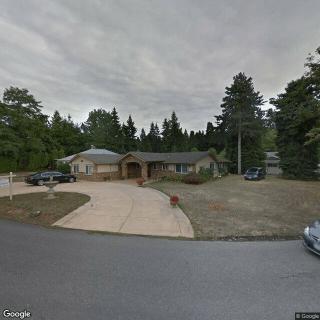
A Piece of Heaven
$3,000 / month23.5 miles away -
from -$500 / mo
Mapleview Manor, LLC
$2,500 / month23.5 miles away -
About the same
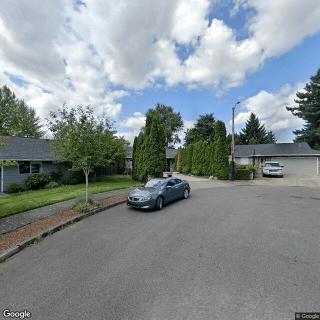
Yamhill Senior Care Home
$3,000 / month16.2 miles away -
About the same
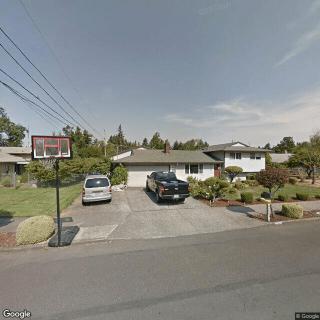
Peaceful Lighthouse Adult Care Home
$3,000 / month14.7 miles away -
from +$500 / mo
Family and Company NW
$3,500 to $3,800 / month3.1 miles away
Overall Review of Canyon Creek AFH
Pros
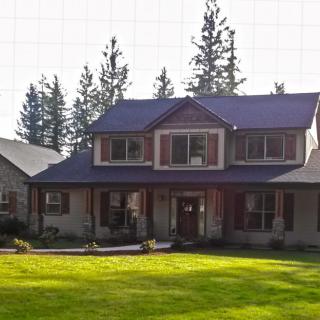
 Canyon Creek is a beautiful, clean, and well-maintained home.
- Darren and the Canyon Creek staff greatly enriched Dustin's life with amazing care for his complicated medical challenges.
- Dustin loved craft time at Canyon Creek.
- The facility provides a nurturing home for loved ones.
- Canyon Creek AFH is a peaceful, beautiful country home with wonderful staff.
- The owner and staff are wonderful to residents' needs and handle medical emergencies with care.
- The caregivers always have a smile and treat residents with respect.
- The place feels like a second home and is a safe, clean environment for loved ones.
Cons
 They would advise others to run away from this place.
- They report staff turnover is very high.
- They say the facility is not a clean place.
- They note that at times only CNAs are in the house and no nurse is present.
Review
Canyon Creek AFH is best suited for families seeking a deeply personal, homelike setting that can accommodate complex medical needs, including tracheostomy and ventilation, while preserving daily life rhythms and family involvement. The model hinges on close, ongoing relationships with caregivers and an engaged owner who is a registered nurse; Darren is frequently on site and takes an active role in daily care. The home environment feels peaceful and country-like, with attention to cleanliness and beauty that makes the space feel like a true residence rather than a sterile facility. For families facing long-term caregiving or end-of-life transitions, Canyon Creek offers continuity, home-cooked meals when possible, and the sense that a loved one is cared for with dignity rather than shuffled between departments.
Those needing a more formal, larger-scale setting with strict nurse-to-resident ratios and standardized audits across shifts may want to consider alternatives. Several reviewers flag concerns about staffing stability and cleanliness variability, including a report of high turnover and times when only CNAs were present without a nurse on site. In such cases, the predictability of medical oversight can feel weaker, and the daily routine may reflect the schedule of a smaller operation more than a regulated facility. For families prioritizing a pristine, consistently staffed environment with clear institutional accountability, Canyon Creek may pose questions that deserve careful verification.
Where Canyon Creek shines is in the human touch and medical competence that frequently accompany a small, home-based setting. Caregivers communicate frequently, staff have shown patience with patients facing complex medical challenges, and the owner/RN remains an active, listening resource for families. The ability to manage ventilators and tracheostomies, handle medical emergencies, and tailor routines, down to simple pleasures like crafts or nature views, provides real peace of mind. The on-site senior caregiver model fosters continuity: relatives can visit without bureaucratic hurdles, and residents often describe feeling like part of an extended family.
Yet the strongest caveat rests with staffing stability and facility-wide consistency. The mixed feedback points to a risk that staffing can vary by shift and that nurse presence may not be guaranteed at all times. This creates potential gaps in oversight that families should mitigate through upfront conversations and solid expectations. Cleanliness and daily housekeeping, cited variably, can also become a concern if turnover spikes or if the home transitions between staff cohorts. These elements do not erase the undeniable warmth and expertise on display in most stories, but they do frame Canyon Creek as a small operation where the quality of care is closely tied to who is on duty.
Prospective families should evaluate with concrete questions: what is the typical on-site nursing coverage, and who steps in when a nurse is not present? how is medical oversight structured across day and night shifts? what is the current staff turnover rate, and how does the facility maintain cleanliness with a smaller team? how flexible is the care plan for ventilator or hospice needs, and how often are medical updates provided to families? what are the infection-control practices and daily routines? and finally, how does the pricing model work, what is included, and are pet visits permitted? Answers to these queries will clarify whether Canyon Creek’s intimate model aligns with the expectations and needs of the loved one.
In sum, Canyon Creek AFH stands as a compelling option for families seeking a nurturing, home-like environment that can accommodate complex medical care under the hands-on leadership of an owner/RN. It is less suitable for those who require the assurances of a large, highly regulated facility with uniform staffing across all shifts and a spotless performance record on every metric. When choosing, schedule visits, gather current staff rosters, request recent inspection data, and talk with families who recently used the service to gauge consistency. With diligent vetting, Canyon Creek can deliver the dignity, connection, and daily life continuity that many families value in the care of a loved one with serious needs.
 Board and Care Home
 Private
 Portland International (13 miles away)





 Comprehensive Insights into Palliative Home Care: What It Is and What to Expect
 Skilled Nursing Facilities vs. Nursing Homes: Making Sense of the Differences
 A Detailed Examination of Nursing Home Costs Across the U.S.