22113 NE 233rd St, Battle Ground, WA 98604
To contact a resident: (360) 666-0921
For more information about senior living options: (866) 208-4318
Family and Company NW Costs & Pricing
Family and Company NW offers competitive pricing for its services, particularly when compared to both Clark County and the broader state of Washington. For a semi-private room, the cost stands at $3,500, which is significantly lower than the county average of $3,897 and the state average of $4,267. Similarly, for a private room, Family and Company NW's price of $3,800 remains more affordable than both the county rate of $3,992 and the state figure of $4,772. These comparisons highlight Family and Company NW's commitment to providing quality care at a value-driven price point, making it an attractive option for families seeking care solutions in the region.
| Floor plans | Family and Company NW | Clark County | Washington |
|---|---|---|---|
| Semi-Private | $3,500 | $3,897 | $4,272 |
| Private | $3,800 | $3,992 | $4,774 |
Senior living communities with a similar price nearby
-
from +$300 / mo
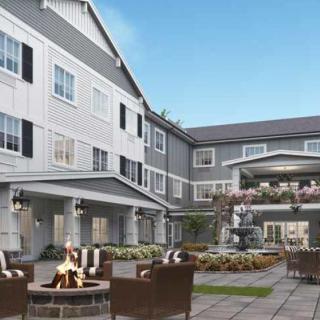
The Inn at University Village
$3,800 to $7,500 / month10.8 miles away -
from -$500 / mo
Yamhill Senior Care Home
$3,000 / month19.1 miles away -
from -$500 / mo
Peaceful Lighthouse Adult Care Home
$3,000 / month17.8 miles away -
About the same
American Living Adult Family Home LLC
$3,500 / month9.0 miles away -
from -$500 / mo
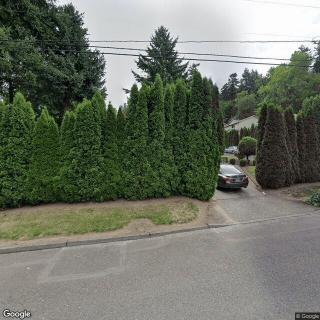
Hillside Adult Care Home
$3,000 / month20.7 miles away
Overall Review of Family and Company NW
Pros
 The staff and owners are attentive and kind to residents and their families.
- The Elders Nest delivers excellent, personalized care that includes engaging activities.
- Families are welcomed and encouraged to participate, making it feel like part of a family.
- The setting is peaceful and beautiful, with wildlife to enjoy from the property.
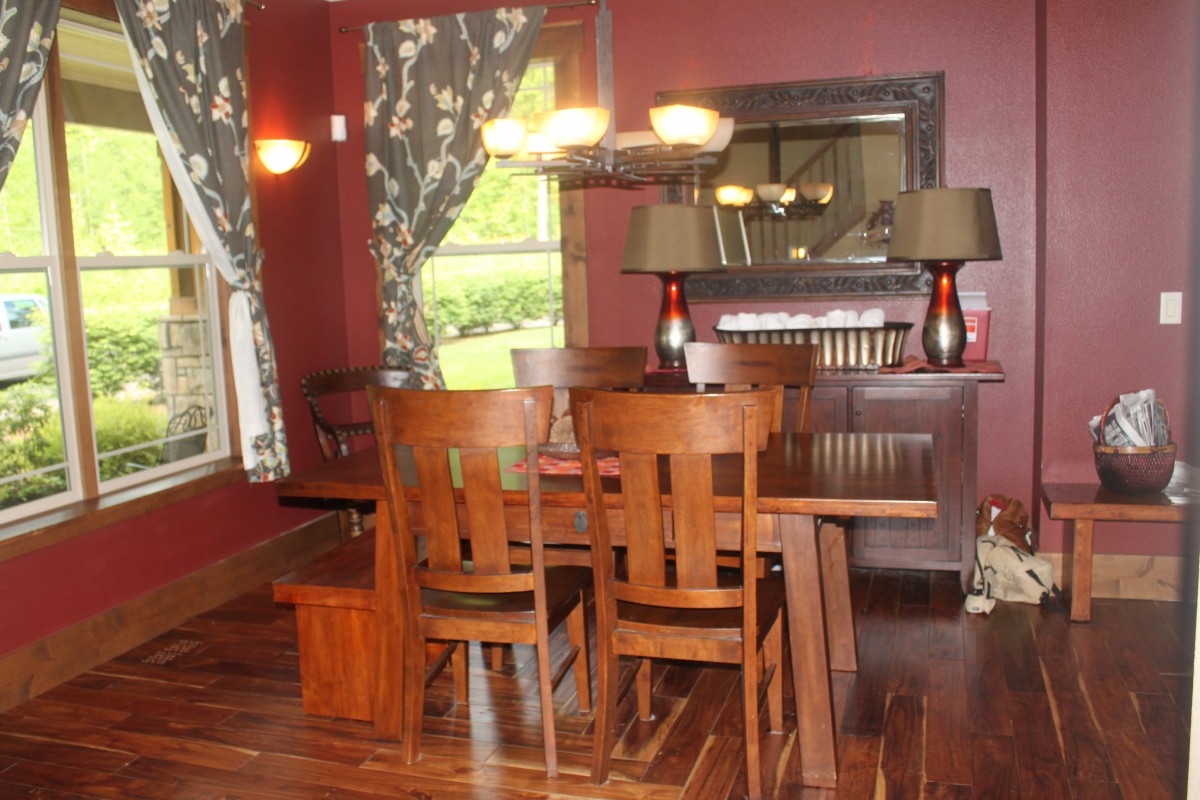
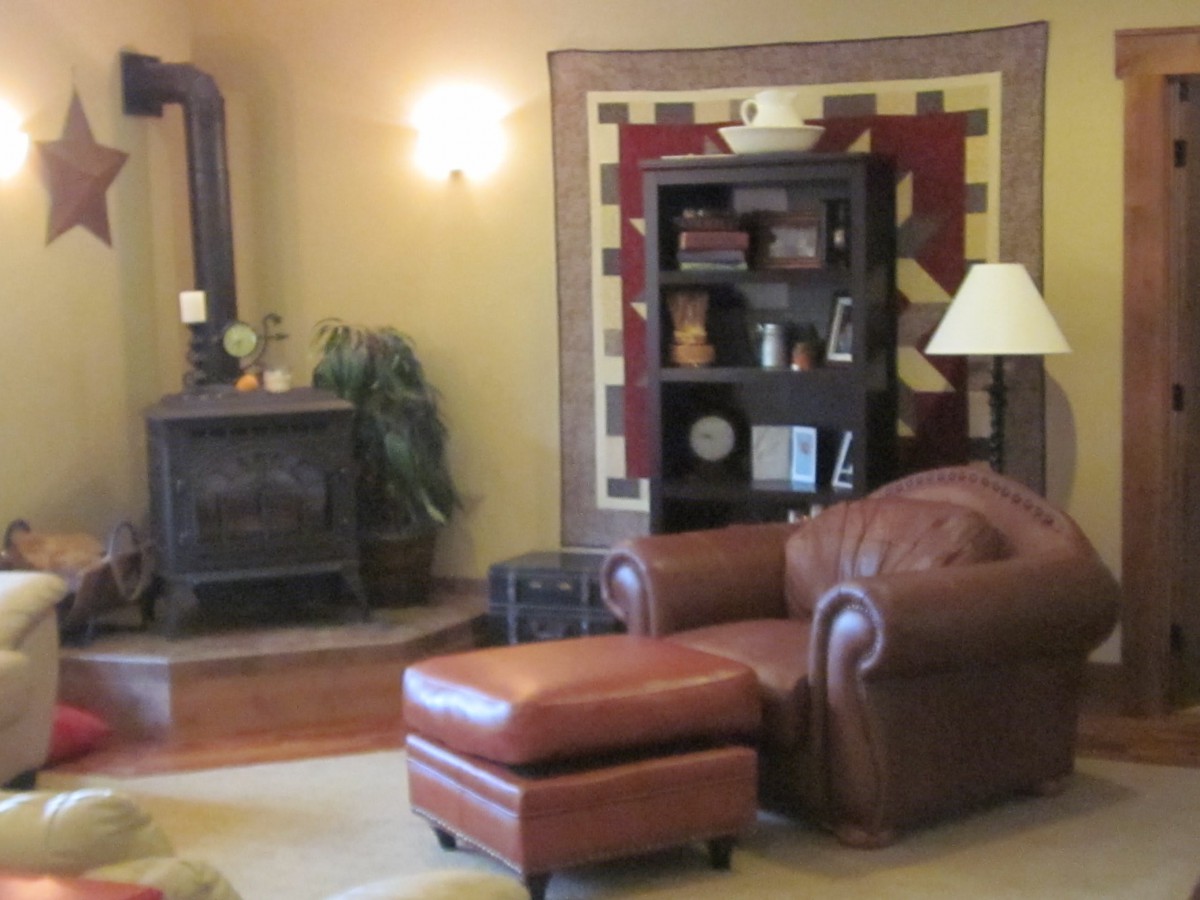
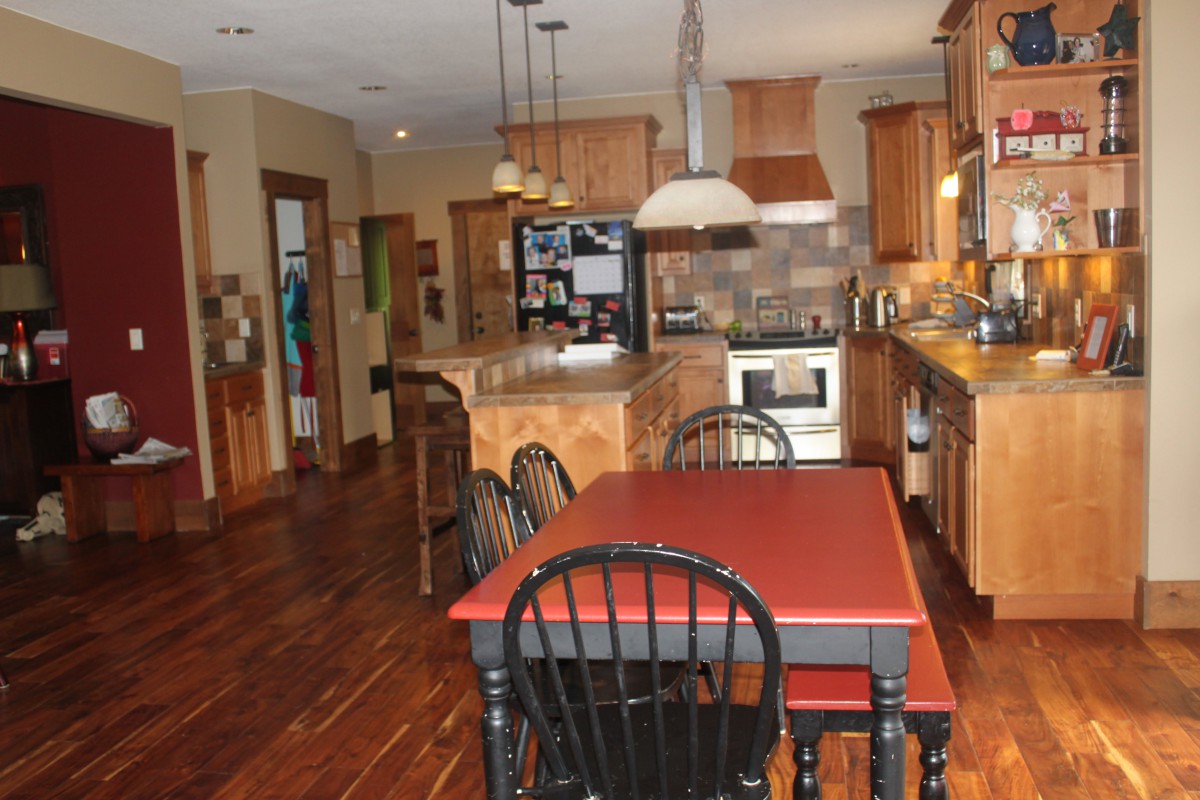
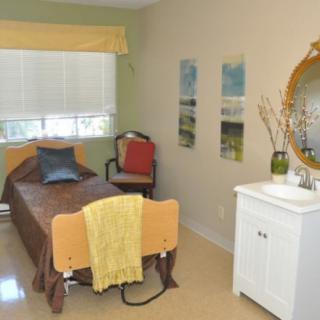
- The home is spacious, clean, well maintained, and warmly decorated.
- Residents feel safe, loved, and well cared for even as health challenges progress.
- The staff accommodate individual medical and dietary needs with care and professionalism.
- The environment fosters companionship and regular family visits.
- The care team is patient, compassionate, and respectful, creating a true sense of home.
- The Elders Nest is highly recommended by families who trusted it with their loved ones.
Review
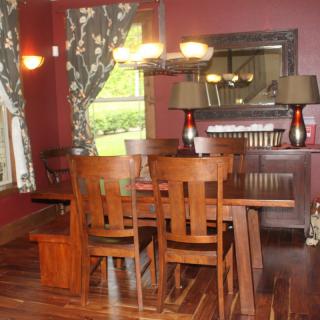
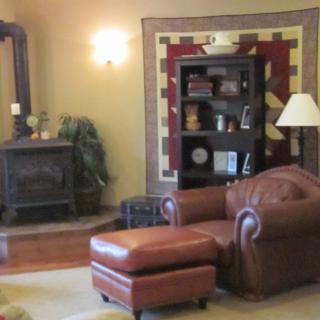
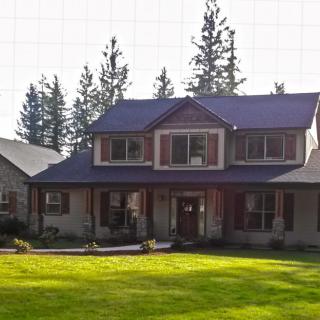
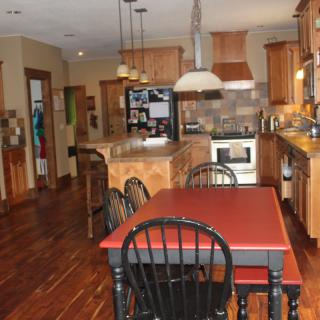
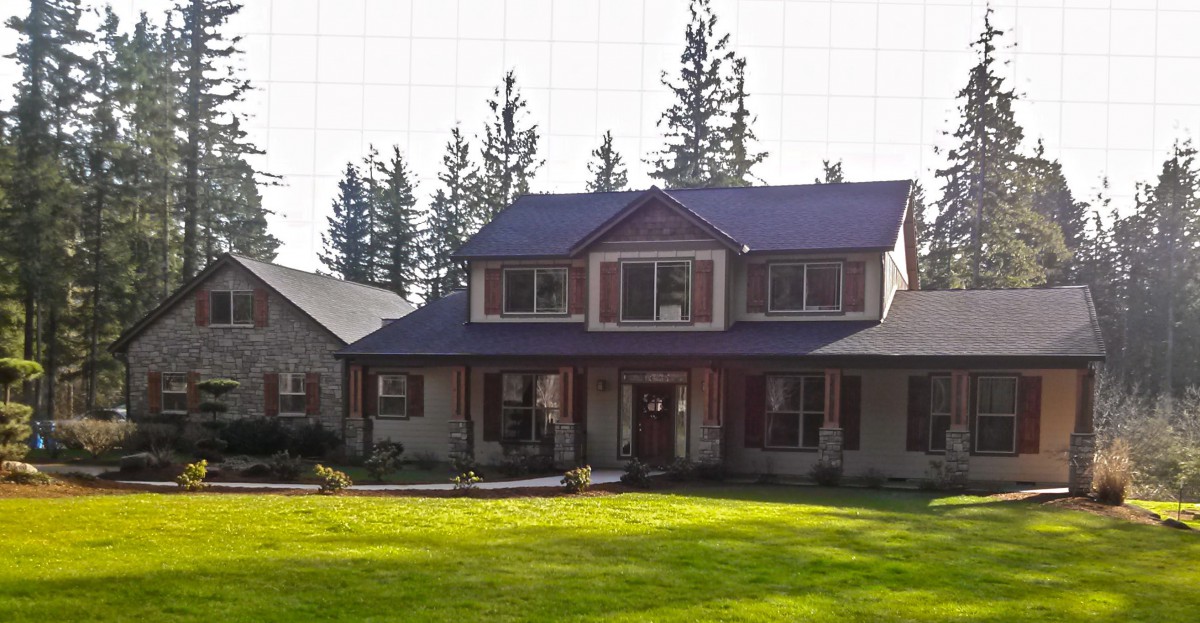
Family and Company NW’s Elders Nest in Battle Ground, WA is best suited for families seeking a warm, intimate, country-style home where an elderly loved one, especially someone facing dementia, receives attentive, everyday care as part of a true family atmosphere. The setting itself reinforces the value: a spacious, well-kept house in a wooded, peaceful locale where residents can watch deer, rabbits, and hummingbirds from the back deck or a wide front yard. The caregivers and owners operate with a hands-on, small-house approach, leaning into personal relationships and consistent, person-centered routines. This is not a sterile facility; it is a homelike environment designed to make residents feel known, valued, and included in daily life.
Those who may want to consider alternatives are precisely families whose priorities lean toward robust clinical oversight and larger-scale programming. If a loved one requires 24/7 nursing coverage, hospital-level care, or highly structured memory-care protocols that go beyond what a small family home typically provides, a bigger assisted living campus or dedicated memory-care community could be a better fit. Likewise, families needing a broad array of on-site therapies, more formal programming, or easier access to multiple specialists may find options elsewhere more aligned with medical needs. The Elders Nest excels on personal touch, but that same intimate scale can limit the depth of clinical resources available on-site.
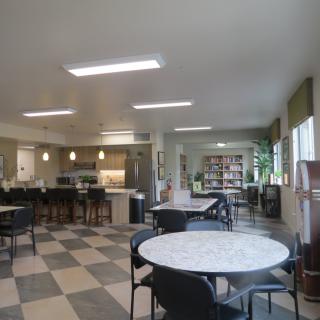
The strongest pros here offset potential concerns by delivering unwavering warmth, involvement, and personalized attention. Owners Cherene Beatty and the caregiving team treat residents, and the families who visit them, as part of a close-knit circle. Day-to-day life is highly integrated with family participation: visits are welcomed, birthday celebrations are hosted, and occasional family dinners bring everyone together. Residents enjoy engaging routines, reading a morning paper, working a jig saw puzzle, gathering in a communal room, or simply enjoying the TV room, set in a clean, well-maintained home that feels quintessentially homely. The combination of a safe, tranquil setting and highly attentive caregiving creates a sense of security that fewer, larger facilities struggle to match.
Beyond the atmosphere, the care quality stands out in dementia and general elderly needs. Stories repeatedly praise responsive, compassionate treatment of memory challenges, personalized diet accommodations, and the practical support needed for oxygen or wheelchair use. Families repeatedly describe feeling “part of the family” and never worried about a loved one’s day-to-day well-being when they were away. The staff’s genuine warmth translates into consistent familiarity, predictable routines, and meaningful social interaction, elements that are especially valuable for seniors who thrive on connection and daily engagement. The setting’s natural beauty complements this approach, often reducing agitation and supporting meaningful, calm days for residents.
A practical reader will recognize the trade-offs inherent in a smaller home, even one as beloved as Elders Nest. The intimate scale means fewer on-site medical professionals and fewer formalized layers of care than a large campus. It is reasonable to plan around this by coordinating external services through trusted providers and leveraging the family’s involvement to fill gaps. However, the offset is clear: residents receive deeply personalized attention, staff who know their histories and preferences, and a care culture that prioritizes dignity, respect, and family involvement. For families who value continuity of relationships, consistent routines, and a welcoming, non-institutional feel, these factors not only offset potential gaps but often outperform expectations for a setting in which a loved one can truly feel “at home.”
In the end, Elders Nest is a standout choice for Battle Ground-area families who want a loving, home-like environment where dementia care is practiced with heart, and where family members are welcomed as partners in care. It is not the pick for those requiring extensive medical management within the walls of a large facility or for families seeking a broad menu of institutional amenities. When visiting, prospective families should observe how staff interact with residents, ask about daily schedules, and verify the scope of on-site medical capabilities. Assess how well the pace, tone, and activities align with the loved one’s personality, and confirm how readily family involvement can be maintained over time. The answer often lands clearly: for personalized, compassionate care in a peaceful, family-centered setting, Elders Nest delivers decisively.
 Board and Care Home
 Activities off-site
 Bath tubs
 Indoor common areas
 Outdoor common areas
 Private
 Private bathrooms
 Wheelchair accessible showers
 Portland International (16 miles away)
 Diabetic care
 High acuity care
 Incontinence care
 Medication management
 Meals provided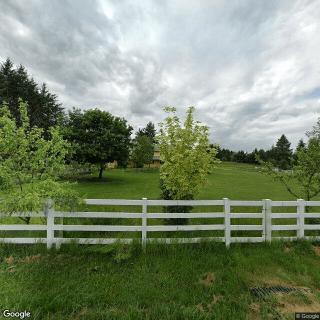


 Exploring the World of Home Health Nurses: Qualifications, Roles, and Hiring Tips
 Navigating Medicare Coverage for In-Home Care Services
 In-Home Care Costs in 2025: A Detailed State-by-State Exploration