Fields Senior Living at Smokey Point Costs & Pricing
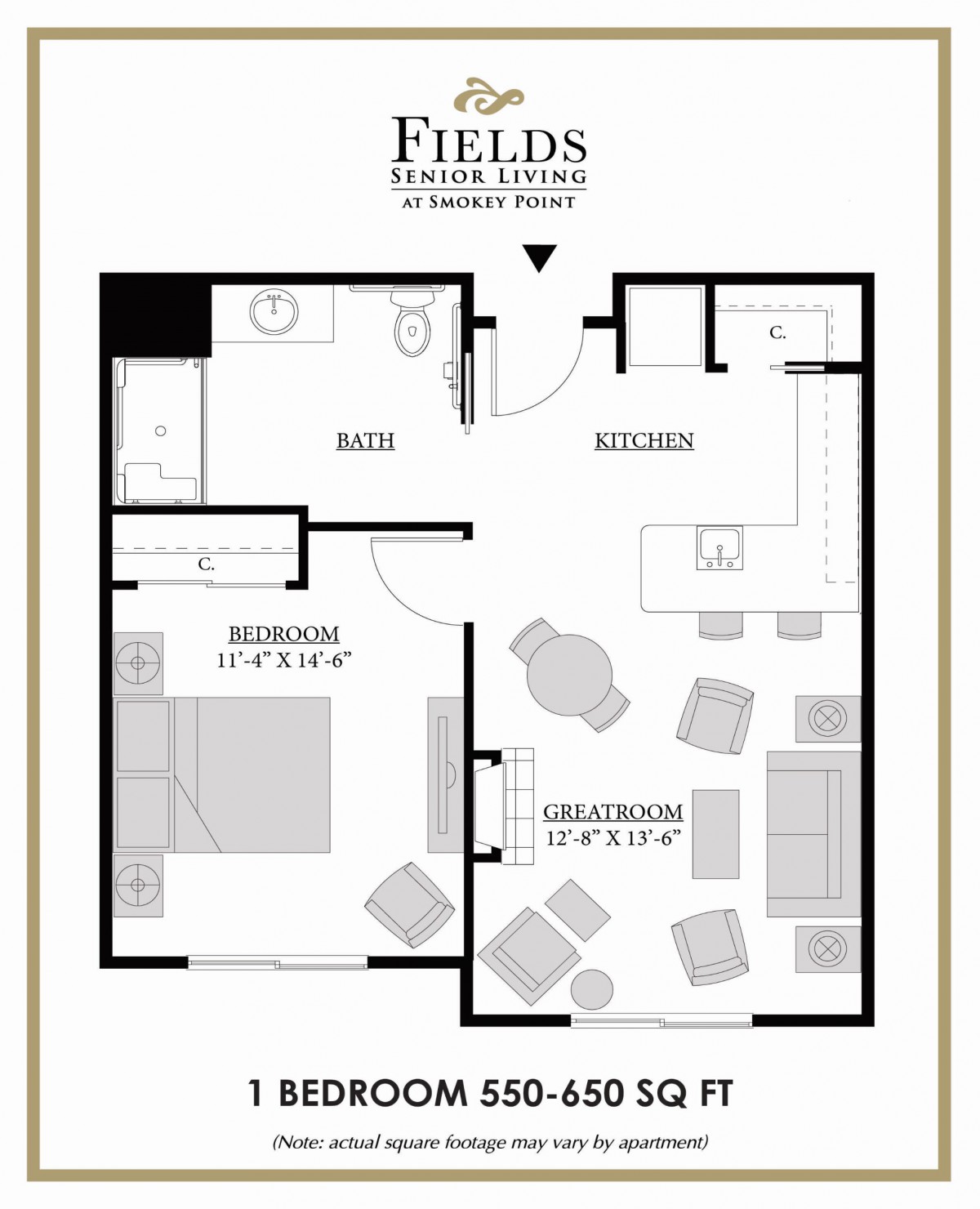
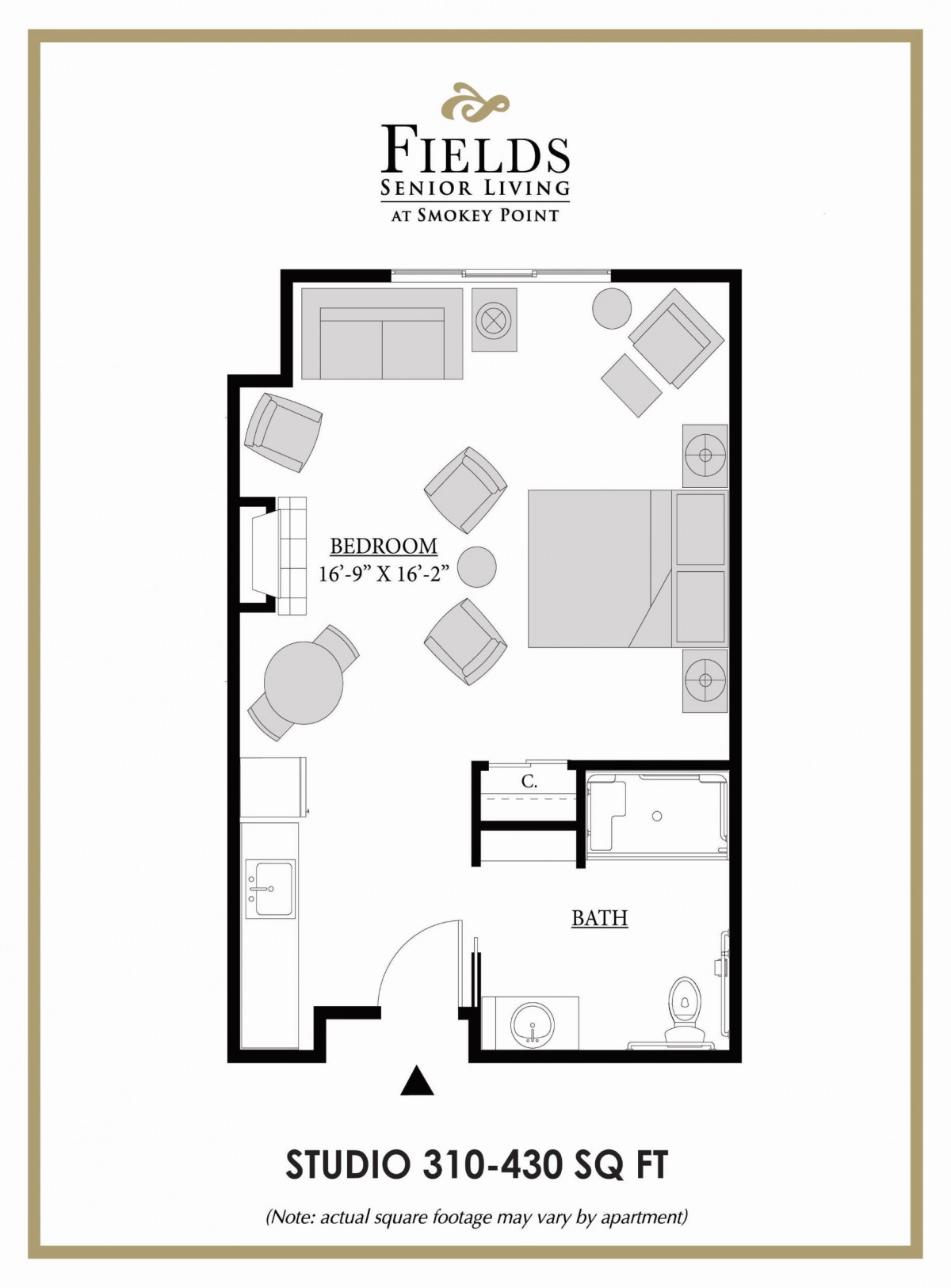
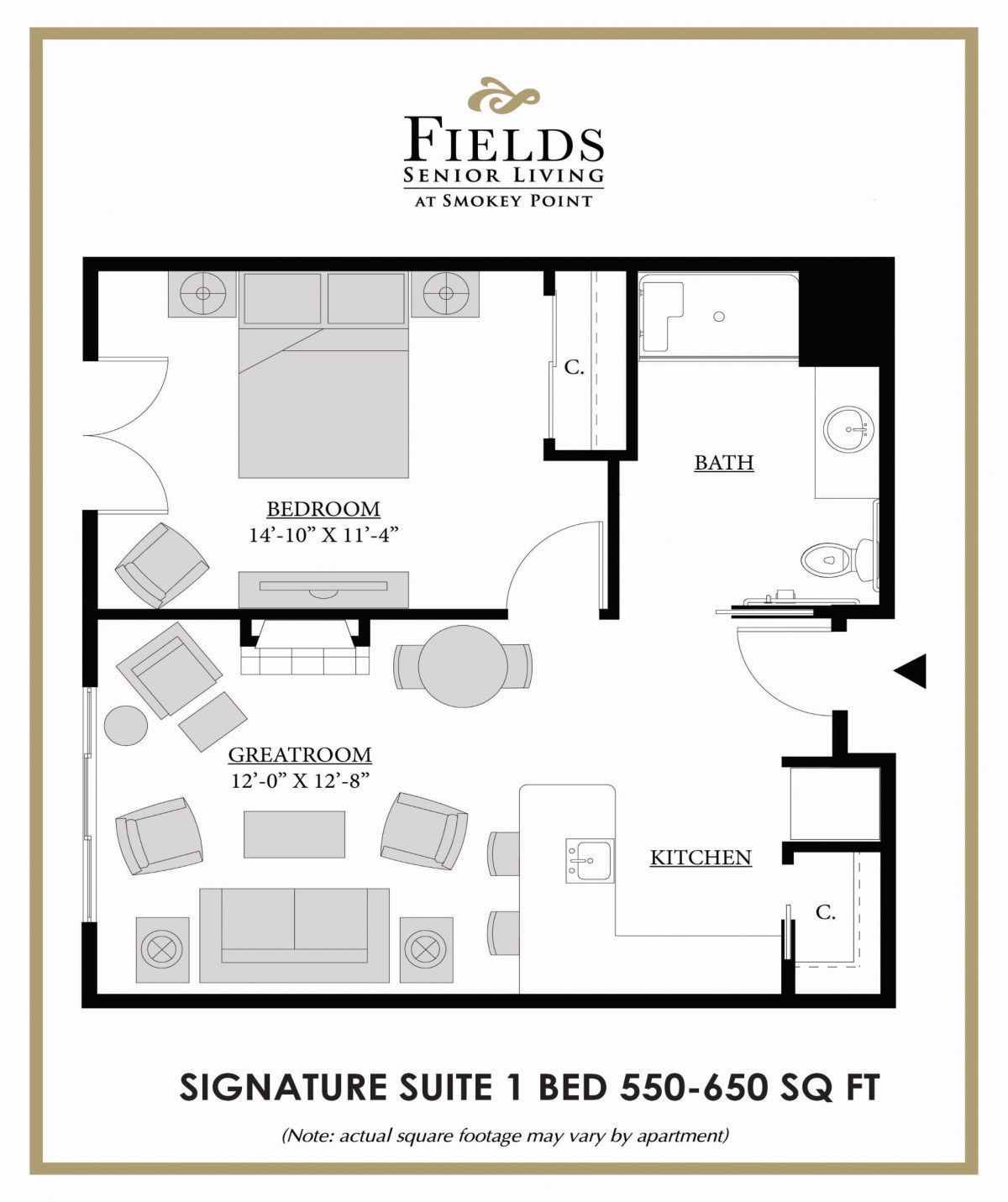
Fields Senior Living at Smokey Point offers competitive pricing for assisted living accommodations compared to both Snohomish County and the broader Washington state averages. The monthly cost for a studio apartment is $3,400, significantly lower than the county average of $4,443 and the state average of $4,126. Similarly, the one-bedroom units are priced at $3,900, which not only undercuts Snohomish County's average of $5,080 but also remains below Washington state's average of $4,632. However, the semi-private rooms are priced at $5,400, exceeding both the county's cost of $4,320 and the state's average of $4,267. Overall, Fields Senior Living at Smokey Point presents an attractive option for residents seeking quality care and affordability in their living arrangements.
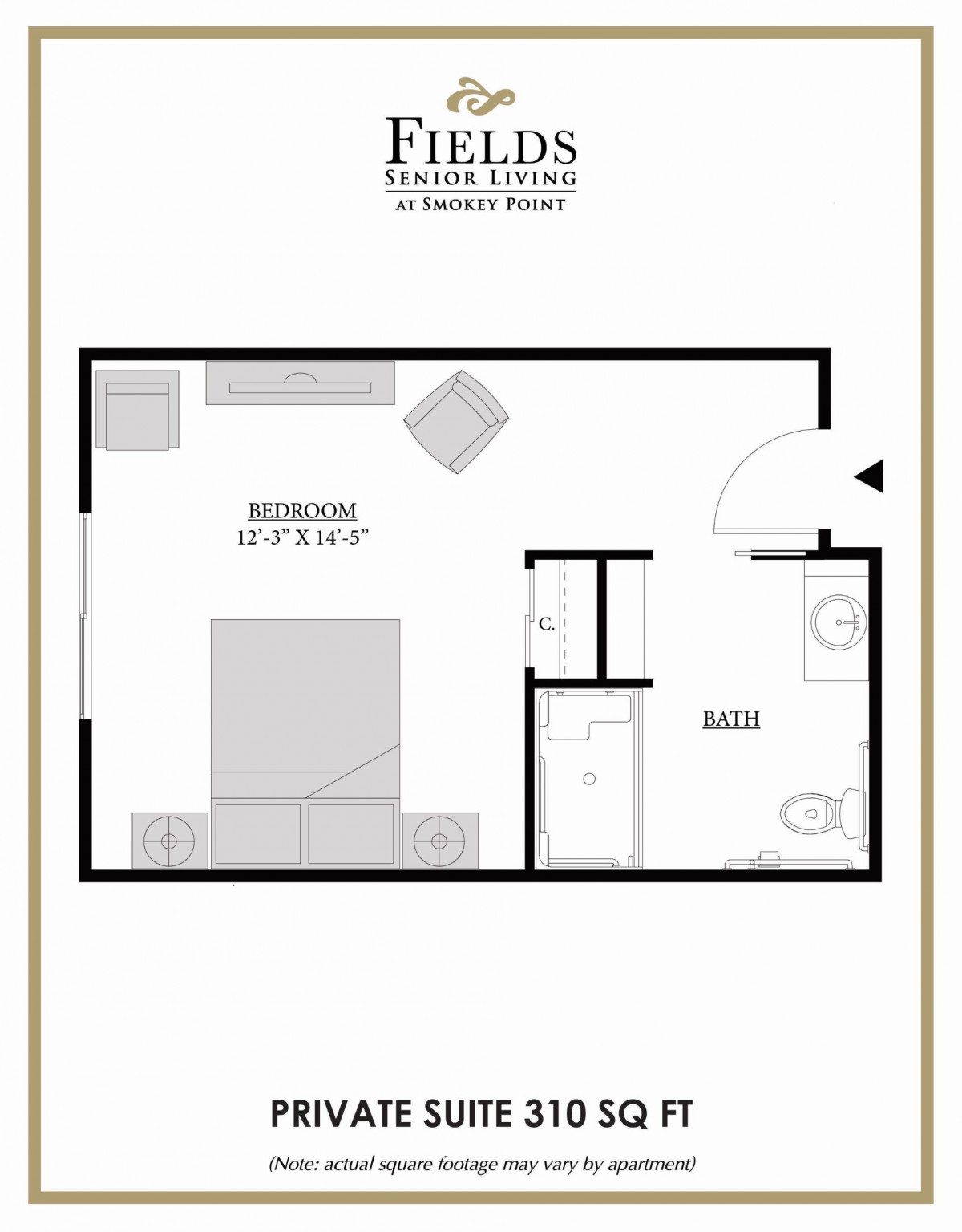
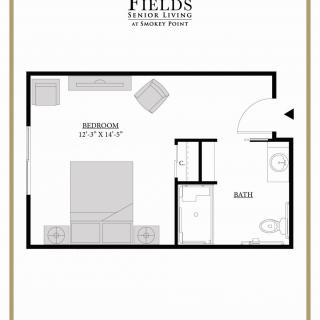
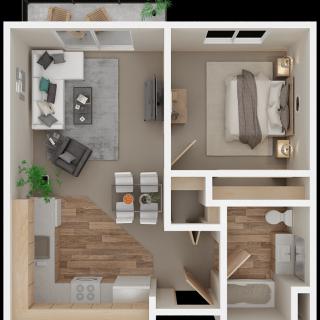
Floor plans
Fields Senior Living at Smokey Point
Snohomish County
Washington
Studio
$3,400
$4,443
$4,128
1 Bedroom
$3,900
$5,080
$4,634
Semi-Private
$5,400
$4,320
$4,272
Memory care communities with a similar price nearby
Overall Review of Fields Senior Living at Smokey Point
common28 reviews mention this
Staff care and responsiveness stand out
Residents describe staff members who are consistently friendly and attentive.
Across many reviews, residents and families talk about staff who are welcoming, patient, and responsive—whether it is helping with personal needs, adjusting to special situations, or simply making visits feel comfortable. Several reviewers also mention specific support around higher-needs care, describing staff who go out of their way to ensure help is provided. Even some mixed reviews still note strong care from the frontline team, while criticism focuses more on management or operations.
common22 reviews mention this
Clean, bright, well-kept setting
Residents consistently describe a clean, well-maintained community with inviting common spaces.
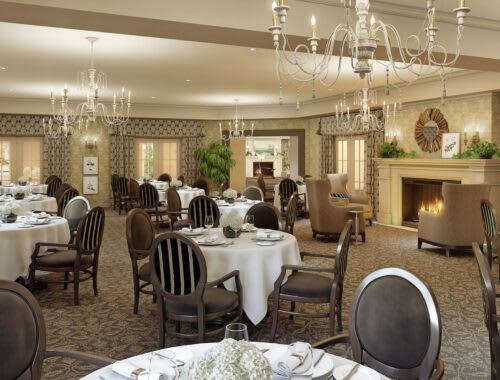
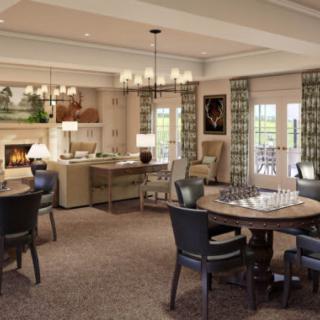
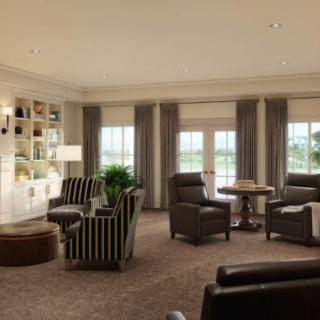
Multiple reviews emphasize the facility’s appearance—clean, modern, and cared for—along with bright common areas and well-kept rooms. Families also mention the overall atmosphere feels comfortable and welcoming, with seating areas and gathering spaces that make it easier to visit and socialize. A few reviewers contrast that strong look with moments that felt empty or poorly organized during their tour, but the majority of comments return to cleanliness and presentation.
common12 reviews mention this
Restaurant-style dining and variety
Dining is often described as varied and satisfying, with restaurant-style service for residents.
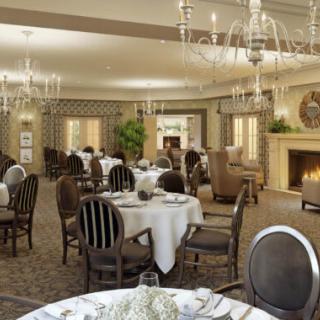
Many reviews describe the meals as a strength, calling out variety and good taste, and some describe hot, well-prepared food. At least one reviewer specifically describes restaurant-style dining with a menu and order check. A minority of reviews raise concerns about food consistency—such as meals served poorly, running out mid-meal, or food quality being low—which is the main drawback to factor in.
common10 reviews mention this
Activities keep residents engaged
Residents describe frequent activities and events that offer daily options.
Reviews frequently mention an activities calendar with games, fitness classes, and planned events that residents can choose to participate in. Families also describe holiday gatherings and special community events that help relatives spend time together. Some mixed feedback points out gaps—like fewer activities on weekends or limited programming—but overall reviews suggest engagement is a regular part of life here.
differentiator7 reviews mention this
Care support includes nursing coverage
Residents describe nursing availability designed to support changing needs.
Several reviewers talk about care coverage for residents who need assistance beyond day-to-day routines, including help after a stroke and ongoing support for people with health challenges. One tour-focused review mentions RN/LPN availability during business hours and being on call 24/7, which aligns with the community’s listed diabetic and ambulatory care services. While the care orientation is widely praised, a few critical reviews raise concerns about staffing stability and continuity that may affect the experience.
caveat6 reviews mention this
Concerns about cost, food, and consistency
Some reviews call out problems with value, food consistency, and day-to-day operations.
A few reviewers describe the community as expensive and note that the experience does not always match expectations for value. Food is also a recurring point in negative feedback, including accounts of meals served poorly or not being available as expected. There are additional concerns about communication—such as families feeling unable to raise issues—and staffing turnover, which shows up as a stability concern in some reviews.
How we summarize
Counts show how many written reviews mention each theme; a review can touch several themes, and only frequently mentioned themes are displayed.
Features
Housing
1-bedroom apartments
Studio apartments
Types of Care
Assisted Living
Memory Care
Amenities
Activities on-site
Devotional services off-site
Indoor common areas
Respite or short term stays offered
Care Services
Ambulatory care
Diabetic care
Dining
Meals provided
Activities
Activities on-site
Devotional activities offsite
Nearby Places of Interest
Located in Arlington, Washington, this area offers a variety of healthcare options including Skagit Regional Health - Arlington Pediatrics, Harman Eye Clinic, and Cascade Ear Nose and Throat. Pharmacies such as Arlington Pharmacy and Safeway Pharmacy are conveniently located nearby for easy access to medications. The community also features several parks like Twin Rivers Park and Jennings Memorial Park for outdoor recreational activities. Places of worship like Tsubaki Kanagara Shrine cater to spiritual needs, while restaurants like Nutty's Junkyard Grill and cafes like Starbucks provide dining options. The Regal Marysville theater is close by for entertainment, and nearby hospitals include Providence Health & Services and Providence Regional Medical Center Everett for medical care. This area offers a mix of healthcare services, recreational opportunities, and amenities suitable for senior living.
Physicians
Skagit Regional Health - Arlington Pediatrics (6.3 miles)
Harman Eye Clinic (6.3 miles)
Whitehorse Family Medicine (6.3 miles)
Cascade Regional Eye Center PS (6.4 miles)
Lice Clinics of America Arlington (6.8 miles)
Cascade Ear Nose and Throat (6.8 miles)
Gary K Johnson MD (6.8 miles)
Pharmacies
Arlington Pharmacy (6.4 miles)
Cascade Medical Center Pharmacy (6.4 miles)
Safeway Pharmacy (6.8 miles)
Rite Aid (6.9 miles)
Walmart Pharmacy (9.3 miles)
Rite Aid (9.6 miles)
Target Pharmacy (10 miles)
Parks
Twin Rivers Park (6.6 miles)
Haller Bridge Park (7 miles)
Strawberry Fields Dog Park (8.6 miles)
Youth Peace Park (11 miles)
Jennings Memorial Park (11.9 miles)
Lundeen Park (12.6 miles)
Wenberg County Park (14.5 miles)
Places of Worship
Tsubaki Kanagara Shrine (7.1 miles)
Marysville Gospel Hall (10.1 miles)
Restaurants
Nutty's Junkyard Grill (7.4 miles)
Angel Of The Winds Casino Resort (9.7 miles)
Boston's Restaurant & Sports Bar (9.9 miles)
Denny's (10.2 miles)
Chan Thai Restaurant (10.6 miles)
Popeyes Louisiana Kitchen (10.8 miles)
Carl's Jr. (10.9 miles)
Cafes
Starbucks (10.9 miles)
Starbucks (11 miles)
88th Street Espresso (11.7 miles)
Panera Bread (11.8 miles)
Starbucks (11.9 miles)
Bigfoot Java (11.9 miles)
Dutch Bros Coffee (12.3 miles)
Theaters
Regal Marysville (11 miles)
Hospitals
Providence Health & Services (15.8 miles)
Providence Cymbaluk Tower (16.3 miles)
Diagnostic Imaging Services at Providence Regional Medical Center (16.3 miles)
Providence Regional Medical Center Everett (16.4 miles)
Fields Senior Living at Smokey Point offers competitive pricing for assisted living accommodations compared to both Snohomish County and the broader Washington state averages. The monthly cost for a studio apartment is $3,400, significantly lower than the county average of $4,443 and the state average of $4,126. Similarly, the one-bedroom units are priced at $3,900, which not only undercuts Snohomish County's average of $5,080 but also remains below Washington state's average of $4,632. However, the semi-private rooms are priced at $5,400, exceeding both the county's cost of $4,320 and the state's average of $4,267. Overall, Fields Senior Living at Smokey Point presents an attractive option for residents seeking quality care and affordability in their living arrangements.
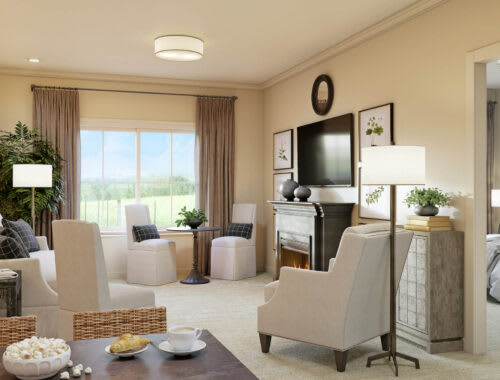
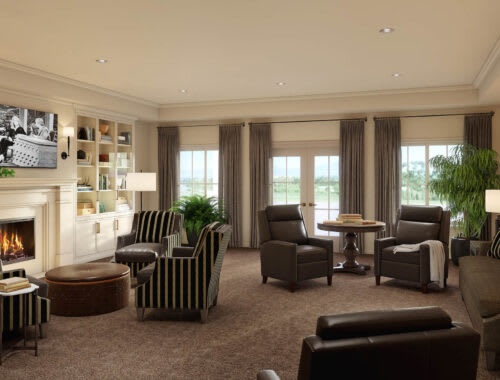
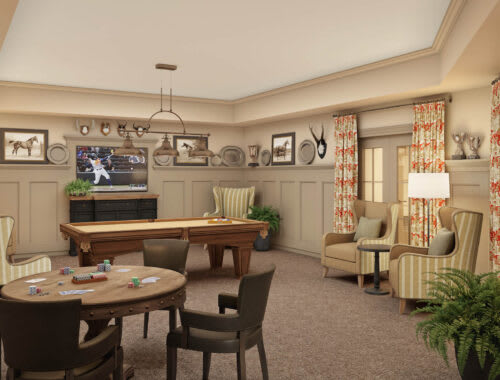
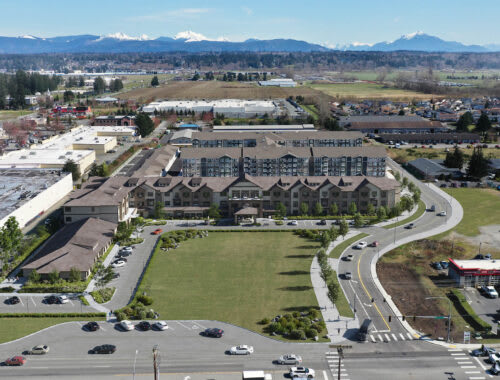
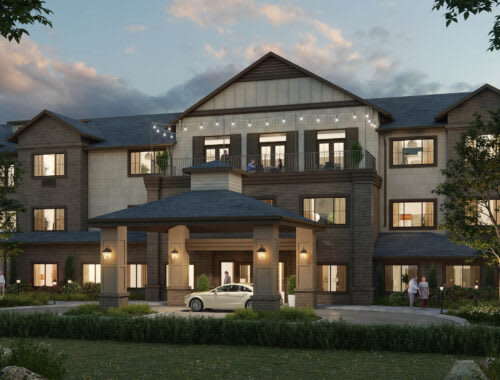
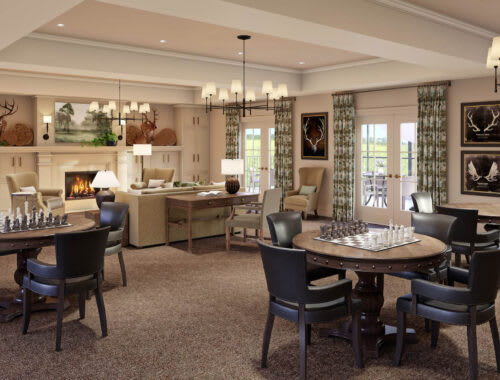
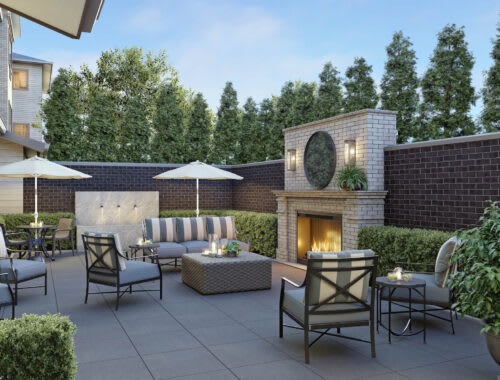
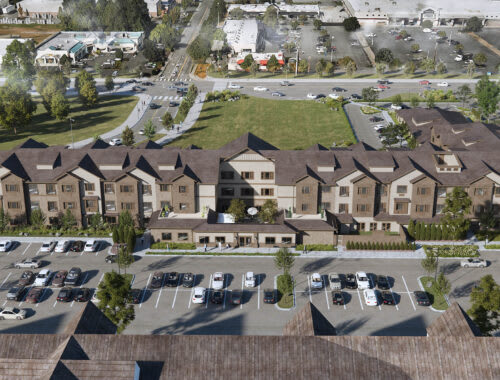
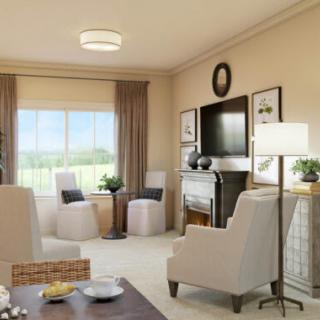
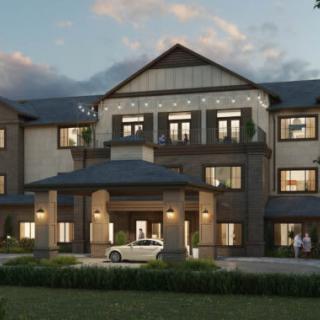
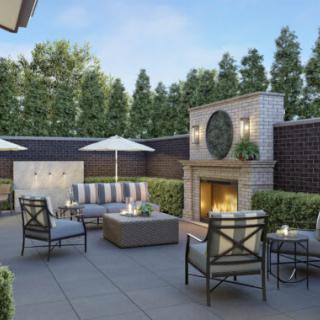
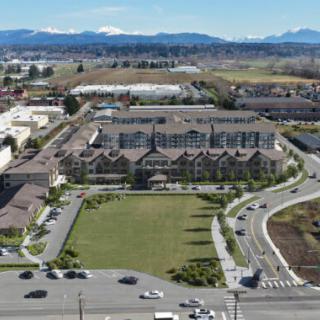
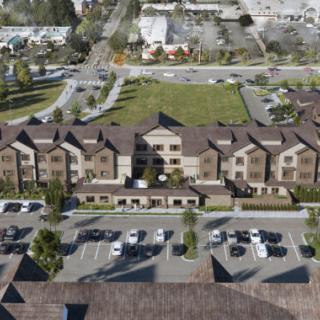
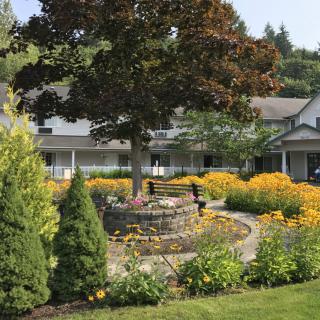
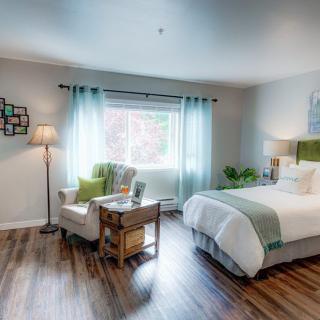
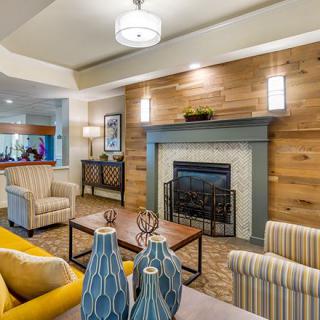
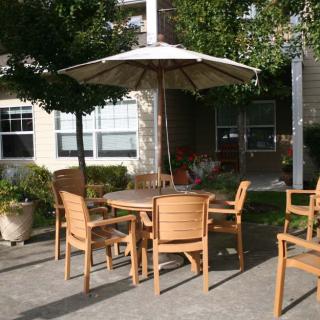
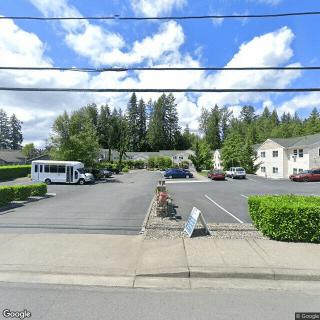
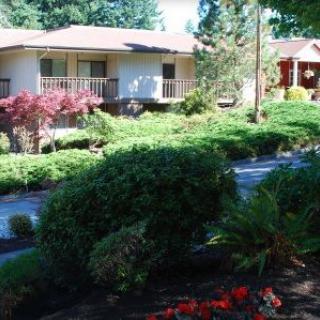
Fields Senior Living at Smokey Point on seniors.fyi includes 17 photos including images showing interior, floor plan, dining, living room, fireplace, landscaping, chandelier, bedroom, and more.
Nearby Communities
Cedar Pointe
Arlington, WA
4 from 48 reviews
$1,199 to $1,430 / month
Friendly, responsive staff with clean, modern apartments.
Monique Adult Family LLC
Arlington, WA
5 from 6 reviews
$6,500 to $7,500 / month
Specialized memory care with high-acuity support and medication management, plus organic dining and engaging activities.
Affinity at Arlington
Arlington, WA
4.8 from 80 reviews
$1,720 to $2,293 / month
Friendly, respectful staff and a well-maintained, amenity-rich community.
The Vintage at Arlington
Arlington, WA
3.9 from 75 reviews
$1,408 to $1,681 / month
Friendly staff and a quiet, scenic location.
Cascade Valley
Arlington, WA
4.4 from 106 reviews
$3,900 to $5,810 / month
Friendly staff in a small, intimate community that enables personalized care.
Olympic Place By Bonaventure
Arlington, WA
4 from 51 reviews
Friendly, attentive staff in a well-maintained, activity-rich community.
GenCare Lifestyle at Granite Falls
Granite Falls, WA
4.8 from 21 reviews
$3,030 to $3,939 / month
Welcoming staff in a home-like setting with engaging activities and good dining.
Warm Beach Senior Community
Stanwood, WA
4.5 from 121 reviews
$1,360 to $2,480 / month
Caring staff, beautiful grounds, and multiple care options.
Bethany At Pacific
Everett, WA
3.1 from 47 reviews
24/7 care with restaurant-style dining and robust amenities.
The article emphasizes the significance of establishing a power of attorney for elderly parents to enable an agent to make decisions on their behalf regarding health and finances, especially during cognitive or physical decline. It outlines various types of power of attorney, the importance of consulting legal professionals, and the responsibilities and challenges faced by agents, while also discussing alternatives and common misconceptions.
Caregiver support groups are crucial for providing emotional and practical assistance to those caring for loved ones, offering resources, coping strategies, and a sense of community through various organizations and platforms. These groups help alleviate isolation and burnout while addressing the unique challenges faced by caregivers of individuals with specific conditions.
The guide outlines the complexities of Medicaid coverage for assisted living, highlighting significant state-to-state variations, limited coverage often restricted to personal care services, and the existence of specialized waivers for certain needs like memory care. It advises families to consult local Medicaid offices for options while emphasizing the importance of understanding state-specific regulations and facility policies.
Get PricingAsk A QuestionSchedule A TourContact Senior Advisor
By clicking submit, you agree to our Partner's Terms of Use. You
also consent to receive calls and texts, which may be autodialed, from our Partner. Your consent is not a condition to
using our Partner's service. Please visit our Partner's Privacy Policy for information about their privacy practices.







 1-bedroom apartments
 Assisted Living
 Memory Care
 Activities on-site
 Devotional services off-site
 Indoor common areas
 Respite or short term stays offered
 Ambulatory care
 Diabetic care
 Meals provided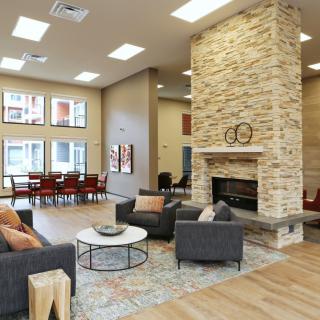
 Friendly, responsive staff with clean, modern apartments.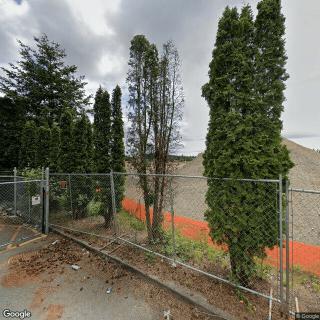
 Guiding Your Journey: Understanding Power of Attorney for Elderly Parents
 22 Remarkable Caregiver Support Groups Available Online and In-Person
 Understanding Medicaid Coverage for Assisted Living: A Comprehensive Guide