
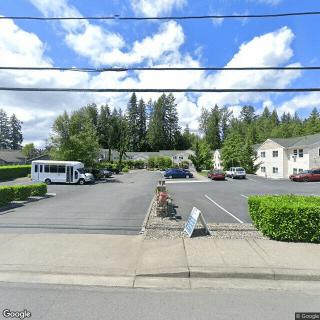
521 E 5th St, Arlington, WA 98223
To contact a resident: (360) 386-8930
For more information about senior living options: (866) 208-4318
Monique Adult Family LLC Costs & Pricing
Monique Adult Family LLC offers a range of accommodations that reflect a higher price point compared to both Snohomish County and the broader state of Washington. For instance, their semi-private rooms are priced at $6,500 per month, significantly exceeding the county's average of $4,320 and the state's figure of $4,267. Similarly, the one-bedroom options at Monique Adult Family LLC are available for $7,000 monthly, which is notably higher than Snohomish County's average of $5,080 and Washington's overall rate of $4,632. Lastly, their private rooms command a fee of $7,500 per month - again surpassing local and state averages of $4,834 and $4,772 respectively. This pricing indicates that Monique Adult Family LLC may offer enhanced services or amenities that justify the increased costs in comparison to other facilities within the region.
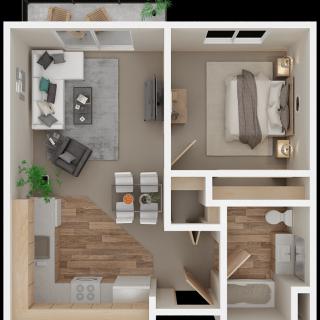
| Floor plans | Monique Adult Family LLC | Snohomish County | Washington |
|---|---|---|---|
| Semi-Private | $6,500 | $4,320 | $4,272 |
| 1 Bedroom | $7,000 | $5,080 | $4,634 |
| Private | $7,500 | $4,834 | $4,774 |
Memory care communities with a similar price nearby
-
from -$500 / mo
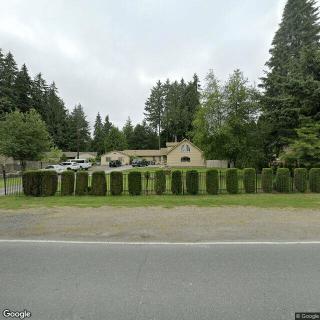
Sunny Side Adult Family Home
$6,000 / month24.0 miles away -
from +$295 / mo
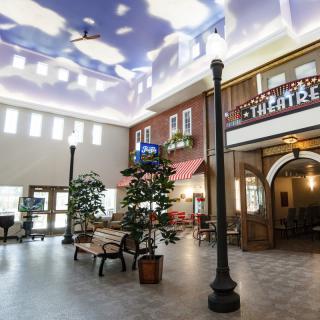
Fieldstone of Marysville
$6,795 to $8,995 / month13.2 miles away -
from +$500 / mo

Comfort Care AFH
$7,000 to $8,000 / month23.0 miles away -
from -$1000 / mo
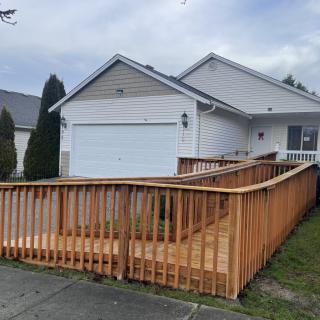
Ariel Adult Home
$5,500 to $6,500 / month12.4 miles away -
from -$500 / mo
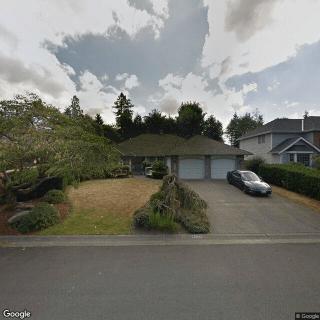
Premier Care Living AFH
$6,000 to $7,000 / month22.4 miles away
Overall Review of Monique Adult Family LLC
Pros
 The staff at Kim’s Care are wonderful and treat residents as family.
- The home is impeccably clean and well maintained.
- Pauline designs personalized care plans tailored to each resident’s needs.
- The care team is knowledgeable, compassionate, and family-oriented.
- Meals are home-cooked, healthy, and well balanced.
- There are engaging activities and social opportunities, including games, music, reading, and exercise.
- The environment is warm, cozy, and welcoming, with a clean, odor-free setting.
- Staffing is stable, allowing residents to build familiar relationships with caregivers.
Review
This Arlington home, known in practice as Kim’s Care and operating as Monique Adult Family LLC, is best suited for families seeking an intimate, home-like setting where a loved one receives highly personalized attention from a nurse-led team. It excels for seniors who need dementia-capable routines, steady supervision, and a warm, familial atmosphere that reduces stress for both residents and families. The core appeal is a small, spotless environment with consistent, caring staff and deeply individualized care plans designed by Pauline, a registered nurse who leads the home and shapes daily living around each resident’s needs. For families who prize dignity, routine, and meaningful engagement over a large, impersonal campus, this is a compelling match.
Those weighing alternatives should consider options if medical complexity exceeds what a small adult family home can sustain, or if a broader social calendar and more expansive on-site services are priorities. For residents requiring around-the-clock medical management with a larger staff, or a setting that offers extensive therapy and high-end amenities, a bigger assisted living community could feel more comfortable. Similarly, families seeking robust memory-care programs with a wide array of specialized activities and off-site excursions may find a larger facility preferable. In short, for highly medicalized needs or expansive social programming, there are viable competitors to review.
The strongest pros revolve around exceptional staff dedication, clinical leadership, and a truly family-centric culture. Reviews repeatedly highlight compassionate, knowledgeable caregiving and a staff that treats residents with respect, warmth, and familiarity. The owner’s nursing background translates into tailored care plans and a proactive approach to daily living activities, mobility support, and well-balanced nutrition. The home environment itself is consistently described as clean, odor-free, and cozy, with meals that are home-cooked, low in sodium and sugar, and thoughtfully portioned. Activities exist, games, music, reading, light exercise, and residents have the option to participate, balance, and socialize at their own pace.
These strengths offset the core trade-offs inherent in a smaller home setting. A modest, intimate footprint means residents can enjoy highly individualized attention, stable caregiver relationships, and predictable routines, factors that often translate into reduced confusion, better mood, and more meaningful engagement for dementia-affected residents. The combination of clinical oversight and a familiar, homey ambiance makes it possible to deliver precise care without sacrificing warmth. The stability of staff, with minimal turnover, reinforces trust and helps residents settle into daily life quickly. The practical downshift from large-campus amenities is thus more than compensated by the depth of personalization and the quality of daily living.
Nevertheless, certain realities warrant consideration. Prospective families should recognize that a small home may not replicate every service a larger facility offers, such as around-the-clock nursing coverage, a broad continuum of therapies, or a widely varied activity calendar. In practice, this means confirming the level of medical support available on-site, what therapies can be arranged, and how timelines for rehabilitation or ADL improvements align with expectations. If a resident requires frequent medical interventions, or if the full breadth of social programming is essential, these are legitimate reasons to compare alternative communities. The absence of large-dessert options or expansive dining venues is another trade-off that some families may note, even as the meals themselves emphasize nutrition and balance.
Bottom line: for families prioritizing a warm, low-stress, highly personalized care environment with strong clinical leadership and a dementia-capable framework, Monique Adult Family LLC delivers exceptional value. The care model, nurse-led planning, stable, compassionate staff, spotless and inviting surroundings, and nourishing, thoughtfully prepared meals, creates a compelling case for choosing this home for a loved one who thrives on routine, predictability, and human connection. If that aligns with the resident’s needs, scheduling a visit is strongly recommended to see firsthand the daily rhythm, meet Pauline and the team, and review a sample care plan. If, however, heavy medical oversight, a large social network, or extensive on-site therapies are non-negotiable, the search should continue with larger facilities that can more fully meet those expectations.
 Board and Care Home
 Memory Care
 Air-conditioning
 Cable or satellite TV
 Fireplaces
 Full kitchen
 Handicap accessible
 Private
 Wheelchair accessible showers
 Ambulatory care
 High acuity care
 Incontinence care
 Medication management
 Meals provided
 Birthday parties
 Catholic services
 Happy hour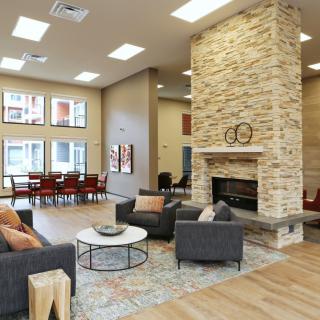



 How to Communicate with a Loved One Living with Dementia: 10 Supportive Strategies
 Comprehensive Guide to VA Nursing Homes: A Crucial Long-Term Care Resource for Veterans
 Estimating the Expenses of At-Home Dementia Care: A Detailed Exploration