Cascade Valley in Arlington, WA

Save

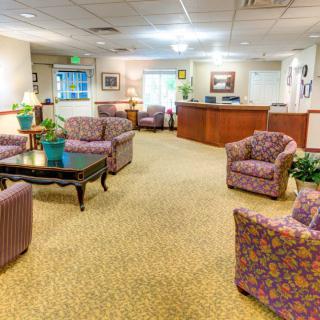
  • Interior

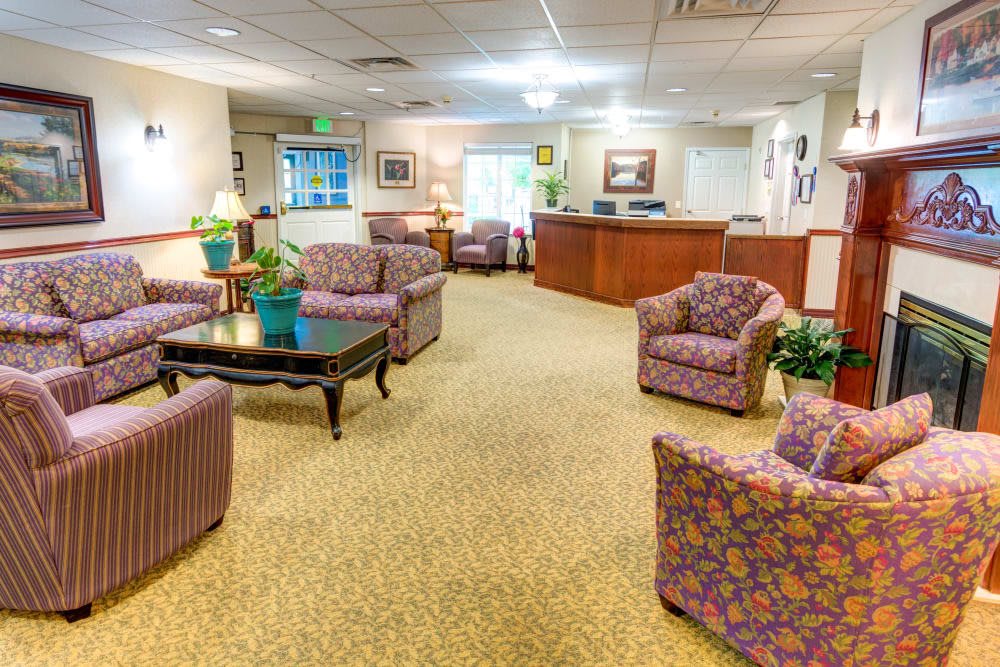
    A cozy lobby area with patterned chairs and a reception desk in the background.
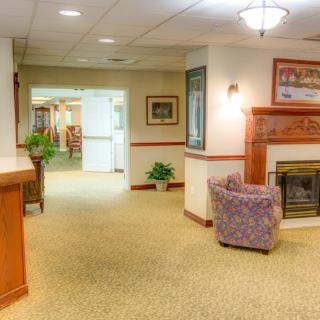
  • Decor

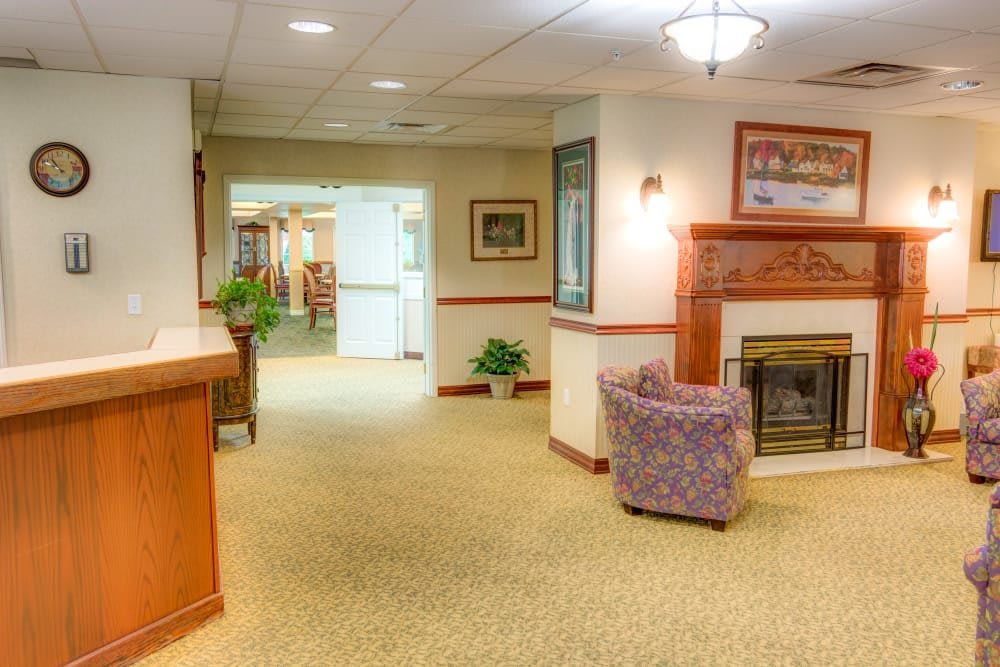
    A cozy lobby area with a fireplace and comfortable seating leading into a hallway.
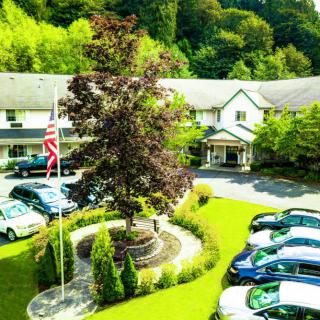
  • Building

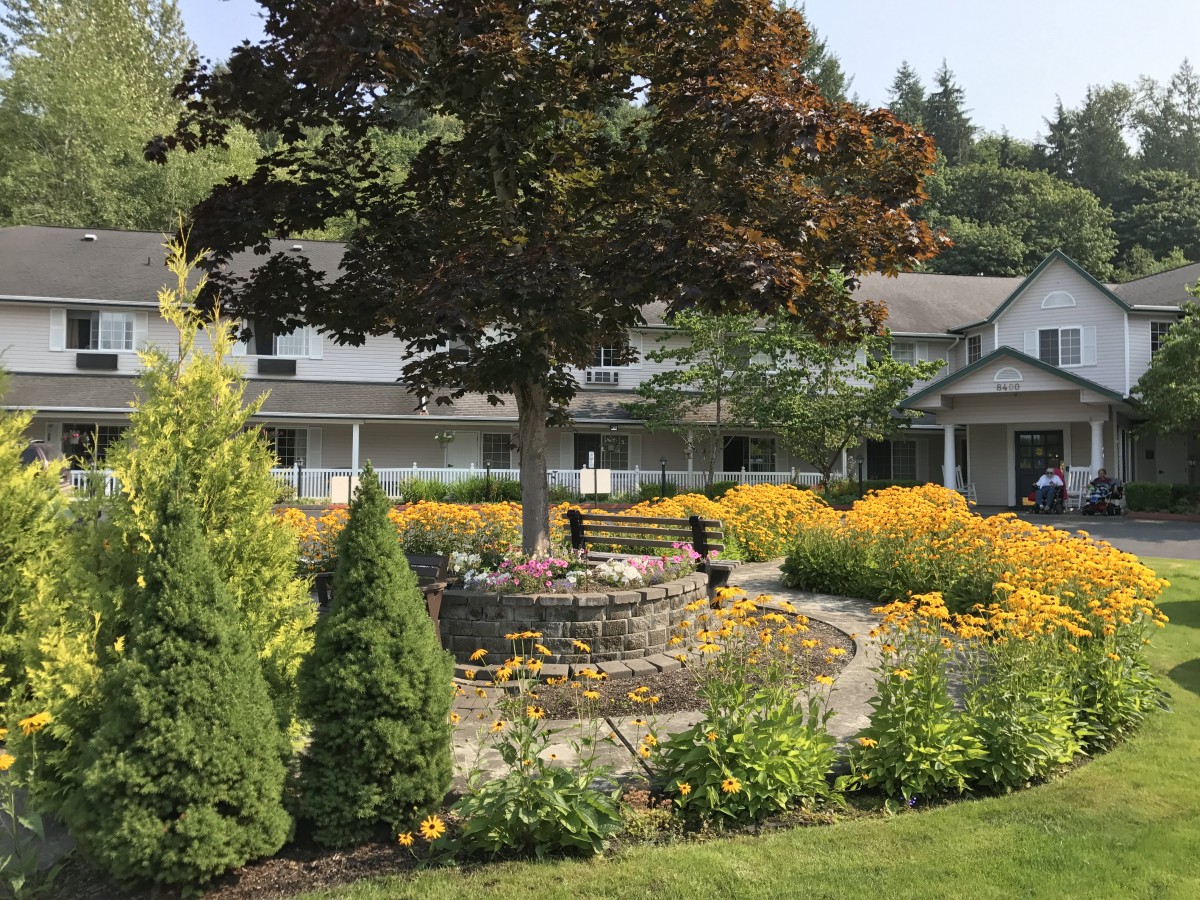
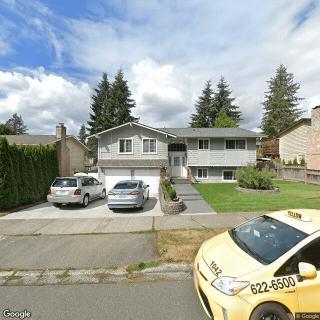
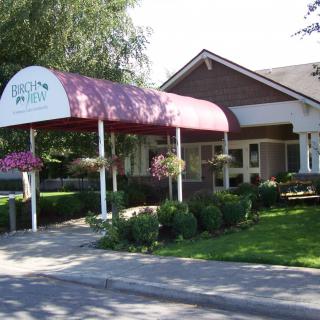
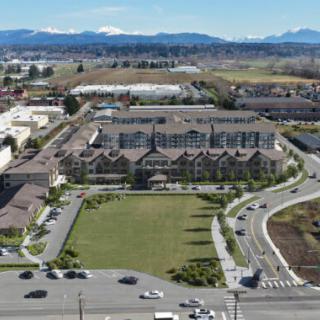
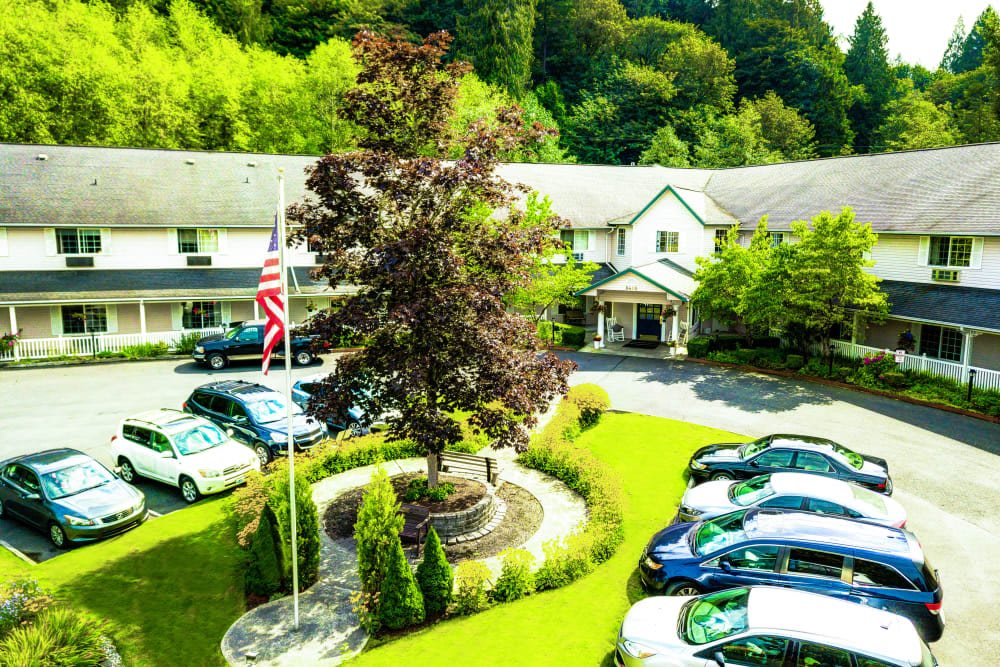
    A scenic view of a building with well-maintained landscaping, surrounded by parked cars and lush greenery.
  • Trees

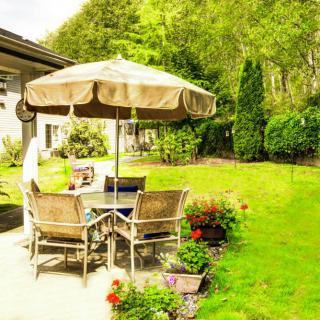
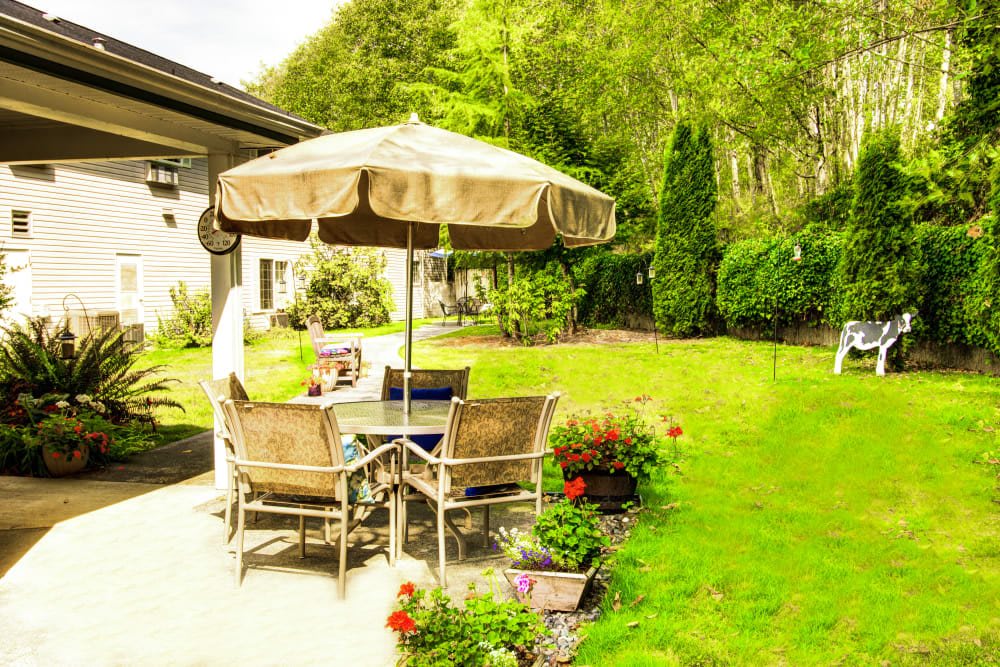
    A sunny backyard patio with an umbrella and outdoor dining set surrounded by a lush green garden.
  • Windows

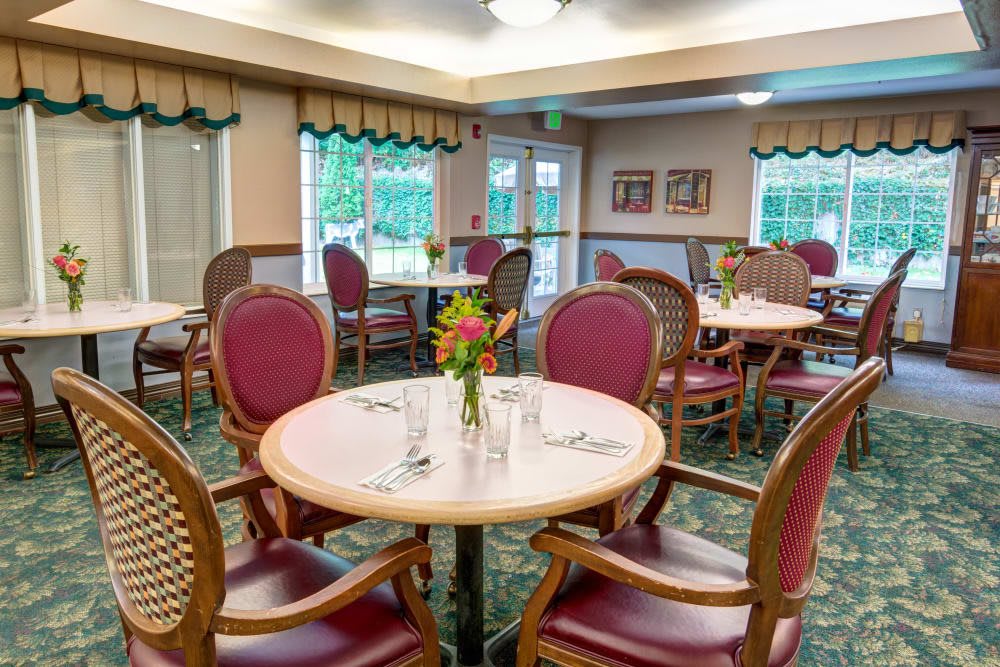
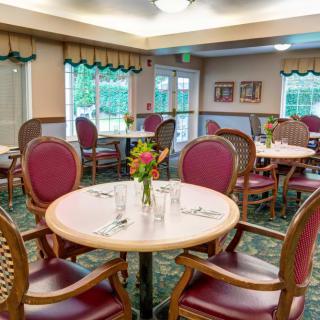
    A cozy dining room with elegantly set tables and chairs, adorned with flowers.
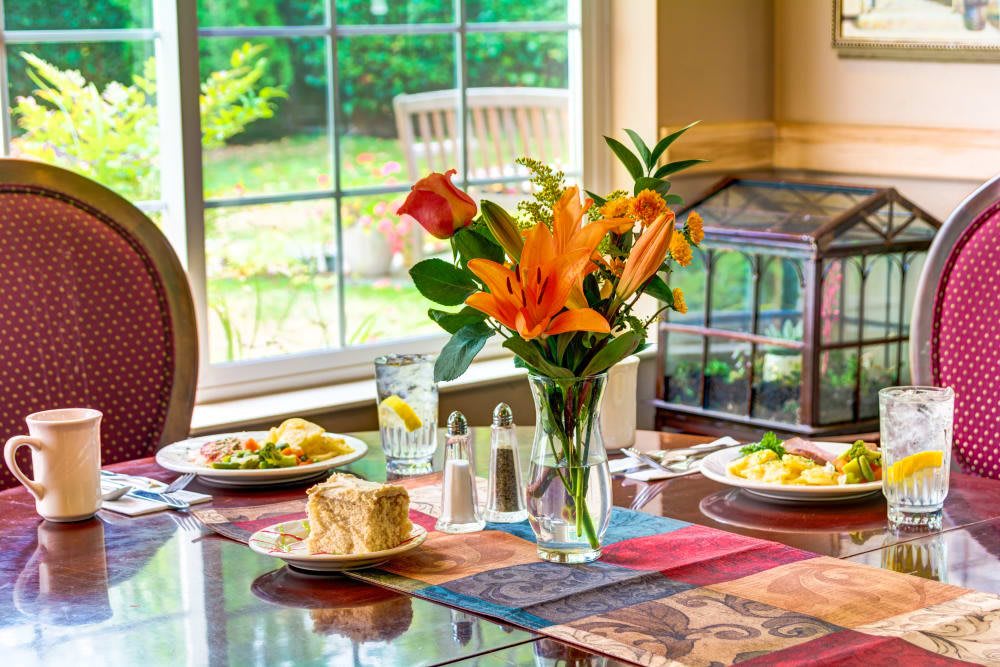
  • Dining

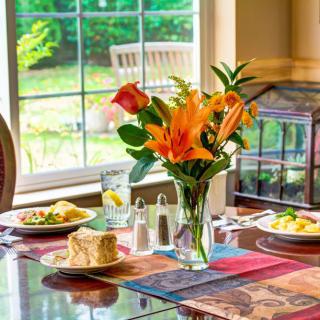
    A beautifully set dining table with vibrant flowers and a meal, illuminated by natural daylight from the window.
  • Landscaping

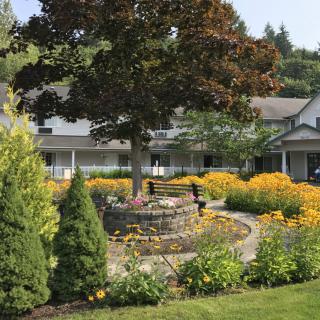
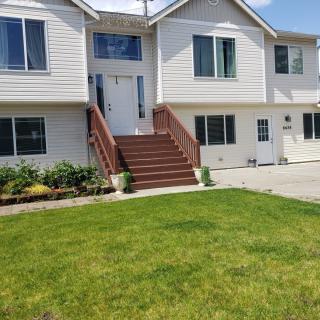
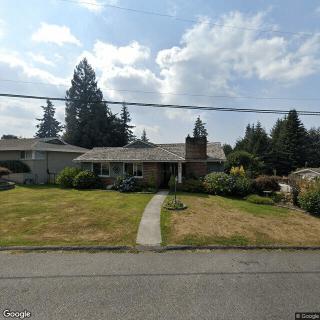
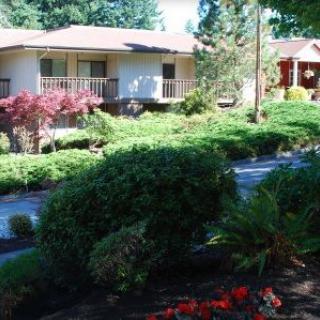
    A beautifully landscaped garden with vibrant flowers and a tree in front of a house.
  • Garden

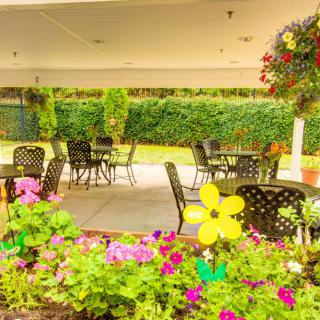
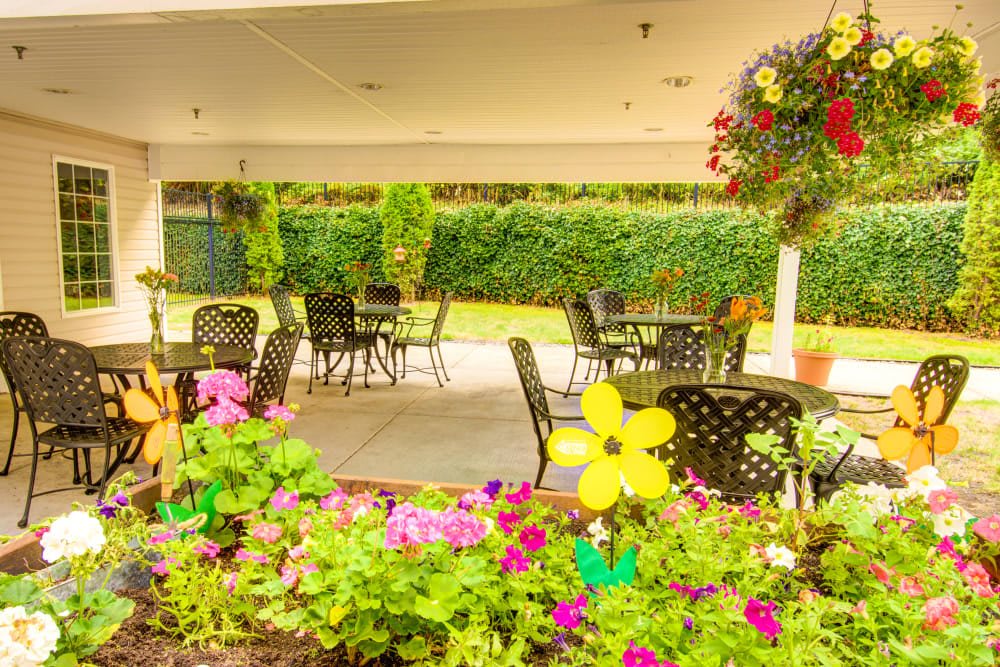
    A charming outdoor patio area with tables and chairs surrounded by vibrant flowers and greenery.
  • Artwork

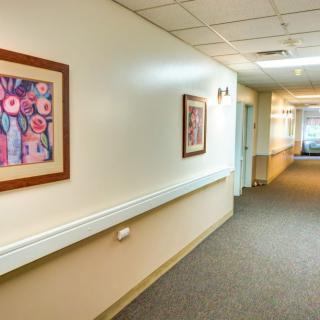
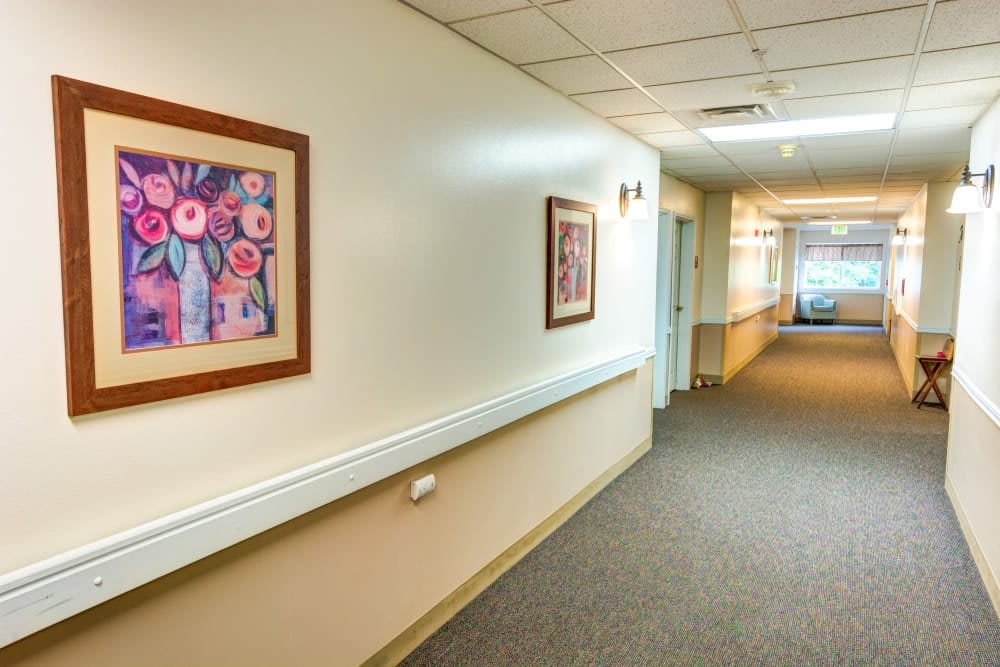
    A hospital hallway with artwork adorning the walls and ceiling lights illuminating the corridor.
  • Television

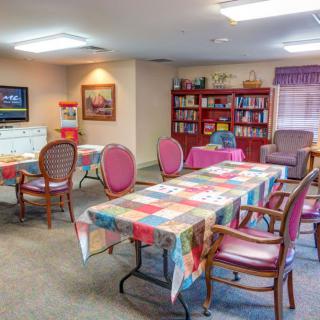
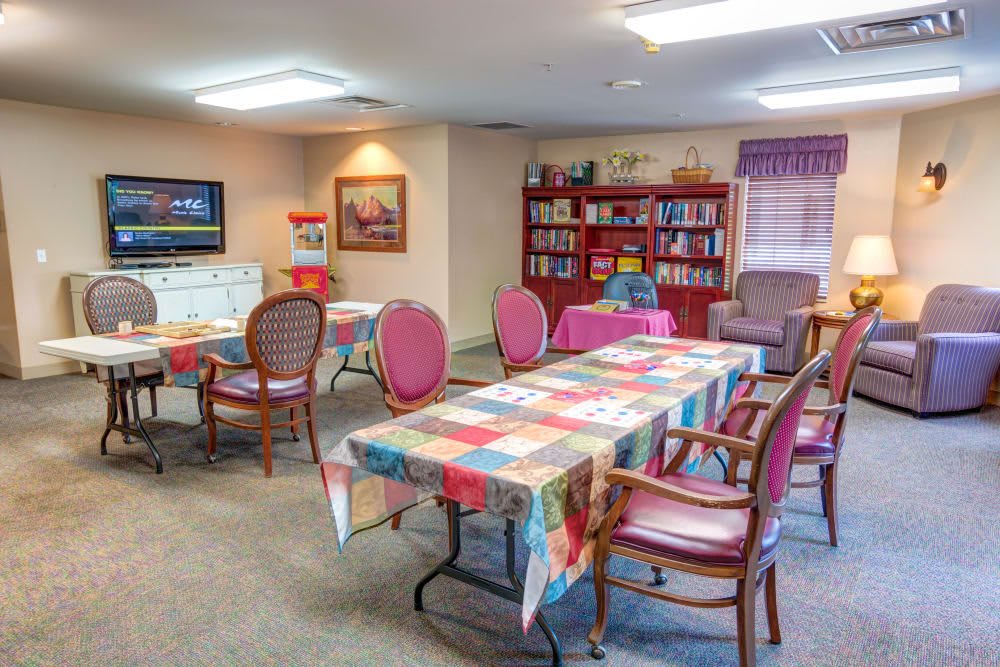
    A cozy community room with tables covered in colorful tablecloths, surrounded by chairs. A bookshelf and a television are visible in the background.

Cascade Valley in Arlington, WA

8400 207th Place NE, Arlington, WA 98223

For more information about senior living options: (844) 490-3973

4.4 from 102 reviews
5 stars
63
4 stars
27
3 stars
4
2 stars
3
1 stars
5

Assisted Living Memory Care

Cascade Valley Costs & Pricing

Cascade Valley offers competitive pricing compared to both Snohomish County and the broader state of Washington. For a studio apartment, residents at Cascade Valley pay $3,900 per month, which is notably more affordable than the county average of $4,443 and the statewide figure of $4,126. When it comes to one-bedroom units, prices are on par with Snohomish County at $5,080 but remain slightly higher than the state's average of $4,632. However, for those considering semi-private accommodations, Cascade Valley's monthly cost of $5,810 exceeds both county and state averages of $4,320 and $4,267 respectively. Overall, while Cascade Valley presents attractive options for studios and one-bedrooms, its semi-private offerings reflect a premium pricing structure in comparison to its peers.

Floor plansCascade ValleySnohomish CountyWashington
Studio$3,900$4,443$4,128
1 Bedroom$5,080$5,080$4,634
Semi-Private$5,810$4,320$4,272

Overall Review of Cascade Valley

Pros

  • pro The community is wonderful, caring, and feels like home.
  • pro The facility is clean, well maintained, and its residents are engaged in activities.
  • pro The staff are friendly, kind, and attentive to residents' needs.
  • pro The meals are nutritious and restaurant-quality, enjoyed by residents.
  • pro Memory care is delivered with dignity and personalization, with staff who know residents by name.
  • pro Molly Clark consistently goes above and beyond, improving daily activities and care for memory-support residents.
  • pro Executive Director Heidi Hutton leads with experience and compassion, setting a positive tone for the community.
  • pro Memory care director Jennifer Dybdahl is described as an angel and exceptionally caring.
  • pro The community is full of love, joy, and laughter, with strong connections between staff and residents.
  • pro The facility offers a full calendar of activities and outings that keep residents busy and engaged.

Cons

  • pro The care was not adequate for the price paid.
  • pro They appeared to be constantly short-staffed, and some staff were undertrained.
  • pro They had lost a considerable amount of talented staff.
  • pro The front desk staff were not always friendly and sometimes rude.
  • pro The building showed its age and was undergoing remodeling.
  • pro The common area was small and cluttered.
  • pro There was an overwhelming odor throughout the building.
  • pro One reviewer described the care as horrible and the worst ever.

Review

Cascade Valley Senior Living in Arlington is best suited for families seeking a small, home-like community where staff develop genuine, long-term relationships with residents, and where memory care is integrated with a strong emphasis on humane, person-centered care. It works particularly well for seniors who value a cheerful, family atmosphere, consistent daily routines, and access to a robust calendar of social and recreational activities without the feel of a large, impersonal campus. The place shines for relatives who want to stay closely involved, because staff are often described as friendly, attentive, and available for questions, with leaders who lead by example. For couples or individuals who want a quieter, less drama-filled setting that still offers meaningful engagement, Cascade Valley hits the mark.

That said, some families should consider alternatives. Staffing stability and consistency appear to ebb and flow, with several reviews noting turnover and periods of being short-staffed. Residents and families with higher clinical needs or demanding supervision may worry about response times or the ability to maintain service levels during busy shifts. The building itself is smaller and aging, with ongoing remodeling that can temporarily affect space for activities and the sense of ambiance. For families prioritizing a broader array of high-end amenities, a larger campus with more structured, around-the-clock oversight, or more specialized programming for men, other communities may deliver a closer fit.

The strongest positives at Cascade Valley anchor the overall experience: a clearly caring workforce, a palpable sense of warmth, clean and well-kept surroundings, and food described by many as quite good. Staff members are repeatedly credited with kindness, patience, and a talent for making residents feel seen and valued. The memory care program benefits from dedicated leadership, with voices like Molly Clark and Jennifer Dybdahl singled out for going above and beyond in daily activities and personalized care. Leadership led by Heidi Hutton is also highlighted as hands-on and resident-focused. These elements collectively offset some operational weaknesses by creating trust and a sense of safety and belonging for families.

These strengths translate into meaningful realities on the floor. Residents tend to be engaged rather than institutionalized, with a calendar that includes crafts, outings, live music, and even scenic drives, which helps mitigate the risk of boredom in a smaller community. The memory care unit, in particular, is often praised for its intimate, attentive atmosphere where staff know residents by name, help with daily routines, and respond with warmth and dignity. Transportation for outings and the option to personalize space and activities introduce a level of autonomy that many families find comforting. When care plans are dialed in - especially for memory care - families report better peace of mind and a clearer path for ongoing support.

However, it is essential to weigh layout and operational realities. The physical footprint - smaller common areas and compact room options - may feel limiting for some residents or visiting family members who expect more expansive facilities. Several reviews flag occasional odor and layout concerns, and a handful of families report frustrating experiences where concerns were not addressed promptly. The likely implication is that while the core team can deliver exceptional, compassionate care, the capacity to scale quickly or consistently across all shifts may vary. Prospective residents should verify staffing levels during the times they expect to visit or require care, and ask for concrete routines around safety, supervision, and response times.

In making a decision, visit with intent: tour during a typical day, meet the memory care director and the most active caregivers, and ask to observe meal periods, activity programming, and the way concerns are handled. For families balancing cost and care needs, Cascade Valley offers real value, particularly for Medicaid-eligible memory care, a smaller, intimate setting, and a staff culture that frequently earns heartfelt loyalty from families. It is a compelling choice for those who want a nurturing, connected home where staff genuinely invest in residents' happiness and daily dignity, while recognizing that ongoing remodeling, staffing ebbs and flows, and limited space may tilt the scale toward alternatives for those requiring more robust capacity and larger-scale services.

Features

Housing

  • 1-bedroom apartments 1-bedroom apartments1-bedroom apartments are important for seniors because they provide a sense of independence, privacy, and autonomy while still offering the necessary space for comfortable living. These apartments allow seniors to maintain their own personal space and lifestyle preferences in a supportive community setting.
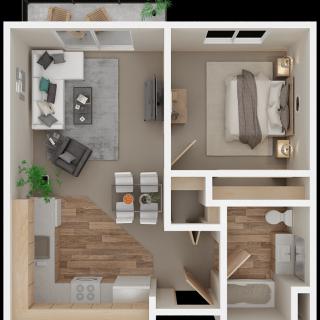
  • Studio apartments Studio apartmentsStudio apartments are important for seniors because they offer a smaller, more manageable living space that is easier to navigate and maintain as physical abilities decline. Additionally, studio apartments provide seniors with independence and privacy while still being part of a community that offers support and social opportunities.

Types of Care

  • Assisted Living Assisted LivingAssisted living facilities provide crucial support and care for seniors who may need help with daily tasks such as medication management, bathing, and meal preparation. These communities offer a safe and comfortable environment where seniors can maintain their independence while receiving the assistance they need to thrive in their golden years.
  • Memory Care Memory CareMemory care is crucial for seniors as it provides specialized support and services for individuals with dementia or Alzheimer's disease. These programs offer a safe and secure environment where residents receive personalized care, cognitive stimulation, and help with daily activities. Memory care helps seniors maintain their independence, quality of life, and dignity while also providing peace of mind for their families.

Pets

  • Cats allowed Cats allowed"Pet friendly" senior living communities are important for seniors because pets provide companionship, reduce feelings of loneliness and depression, promote physical activity and mental stimulation, and offer a sense of purpose and responsibility. Pets can improve overall well-being and quality of life for seniors in many ways.
  • Dogs allowed Dogs allowed"Pet friendly" senior living communities are important for seniors because pets provide companionship, reduce feelings of loneliness and depression, promote physical activity and mental stimulation, and offer a sense of purpose and responsibility. Pets can improve overall well-being and quality of life for seniors in many ways.

Amenities

  • Activities off-site Activities off-siteEngaging in off-site activities is crucial for seniors to maintain social connections, stay active, and stimulate their minds. It promotes overall well-being and helps combat feelings of isolation and loneliness.
  • Activities on-site Activities on-siteActivities on-site are important for seniors because they provide opportunities for socialization, mental stimulation, physical activity, and overall well-being. Engaging in activities can help seniors stay active, maintain their independence, and improve their quality of life.
  • Air-conditioning Air-conditioningAir conditioning is important for seniors as they are more vulnerable to heat-related illnesses and may have underlying health conditions that make it difficult for them to regulate their body temperature. It helps to keep them comfortable, safe, and healthy in hot weather.
  • Beautician on-site Beautician on-siteHaving a beautician on-site at a senior living community is important for seniors as it allows them to easily access grooming and personal care services, boosting their self-esteem and overall well-being. It also provides convenience and helps seniors maintain their sense of independence and personal style.
  • Cable or satellite TV Cable or satellite TVCable or satellite TV is important for seniors because it provides entertainment, news, and companionship, helping to combat loneliness and boredom. It also offers a wide range of programming options tailored to different interests and preferences.
  • Devotional services off-site Devotional services off-siteDevotional services off-site are important for seniors as they provide spiritual nourishment, social engagement, and a sense of community outside of the senior living facility. This can enhance overall well-being and help combat feelings of isolation and loneliness often experienced by older adults.
  • Devotional services on-site Devotional services on-siteDevotional services on-site provide seniors with spiritual support and a sense of community, as well as an opportunity for reflection and guidance during their senior living experience. This can promote emotional well-being and connection to others, leading to a more fulfilling and enriching lifestyle in their later years.
  • Garden view Garden viewGarden views are important for seniors as they provide natural beauty and tranquility, promoting relaxation and overall well-being. Access to green spaces can also encourage outdoor activity and socialization, enhancing physical and mental health.
  • Ground floor units Ground floor unitsGround floor units are important for seniors because they provide easy accessibility, reduced risk of falls and injuries, and convenience for those with mobility issues. Seniors can avoid climbing stairs or using elevators, making daily tasks and activities more manageable and enjoyable.
  • Handicap accessible Handicap accessible"Handicap accessible" amenities are crucial for seniors to ensure they can easily navigate and access facilities, services, and activities without barriers or limitations due to physical impairments. This promotes independence, safety, and inclusivity for seniors in senior living communities.
  • Indoor common areas Indoor common areasIndoor common areas are crucial for seniors as they provide a space for socialization, recreation, and community engagement, promoting overall well-being and reducing feelings of isolation and loneliness.
  • Kitchenette KitchenetteKitchenettes are important for seniors living in senior living communities because they provide the convenience and independence of being able to prepare simple meals and snacks in the comfort of their own living space. This can help promote a sense of autonomy and well-being for seniors, allowing them to maintain some level of control over their dietary choices and daily routines.
  • Outdoor common areas Outdoor common areasOutdoor common areas are important for seniors as they provide a space for socialization, physical activity, and relaxation. Being outside in nature can improve mood and overall well-being, while also encouraging movement and engagement with others. These spaces can help combat feelings of isolation and promote a sense of community among residents.
  • Respite or short term stays offered Respite or short term stays offeredRespite or short term stays provide seniors with a temporary solution when their regular caregiver is unavailable, offering them the opportunity to receive additional care and support during times of need, while also giving caregivers a chance to rest and recharge.
  • Wheelchair accessible showers Wheelchair accessible showersWheelchair accessible showers are crucial for seniors as they provide a safe and independent bathing option for those with mobility challenges. These showers help prevent falls and allow seniors to maintain their dignity and autonomy while ensuring they can bathe comfortably.
  • Wi-Fi/high-speed internet available Wi-Fi/high-speed internet availableWi-Fi/high-speed internet is important for seniors to stay connected with loved ones, access online resources, and participate in virtual activities to combat feelings of loneliness and isolation. It also allows them to easily manage healthcare needs, access entertainment, and engage in lifelong learning opportunities.

Care Services

  • Ambulatory care Ambulatory care"Ambulatory care services provide essential medical support and treatment to seniors without requiring hospitalization, allowing them to maintain their independence and quality of life while managing chronic conditions or receiving routine medical care."
  • Diabetic care Diabetic careDiabetic care is crucial for seniors as they are more susceptible to developing diabetes due to aging and other health conditions. Proper management of diabetes can help prevent complications such as heart disease, vision loss, and nerve damage, improving the overall quality of life for seniors in senior living communities.
  • High acuity care High acuity careHigh acuity care is important for seniors because it provides specialized medical attention and support for individuals with complex medical needs. This level of care ensures that seniors receive the appropriate treatment and assistance to maintain their health and quality of life as they age.
  • Incontinence care Incontinence careIncontinence care is essential for seniors to maintain their dignity, hygiene, and overall quality of life. By addressing incontinence issues promptly and effectively, seniors can enjoy a sense of independence and comfort in their daily activities.
  • Medication management Medication managementMedication management is crucial for seniors to ensure they are taking the right medications at the correct dosages and times. This helps prevent adverse drug interactions, reduces the risk of medication errors, and promotes overall health and well-being. Proactive management also allows for adjustments as needed based on changing health conditions or new prescriptions.

Dining

  • Gluten-free Gluten-freeGluten-free options are important for seniors as they are more prone to digestive issues and dietary sensitivities. Offering gluten-free meal choices in senior living communities can help improve their overall health and well-being.
  • Guest meals Guest mealsGuest meals are important for seniors living in senior living communities because they provide an opportunity for socialization and companionship. Sharing a meal with friends, family, or new acquaintances can help combat feelings of loneliness and isolation, promote a sense of community, and enhance overall well-being. Additionally, guest meals allow seniors to enjoy delicious food in a comfortable setting without the hassle of cooking or cleaning up, making dining a pleasurable and stress-free experience.
  • International cuisine International cuisineInternational cuisine is important for seniors because it offers a variety of flavors, ingredients, and cultural experiences that can help keep their meals interesting and enjoyable. Trying new dishes can also stimulate the senses and provide different nutrients that contribute to overall health and well-being. Additionally, exploring international cuisine can bring back fond memories of travels or childhood experiences, making mealtime more nostalgic and fulfilling for seniors.
  • Low / no sodium Low / no sodiumLow/no sodium options are important for seniors because excessive sodium intake can lead to high blood pressure, heart disease, and other health issues commonly experienced by older adults. By choosing low/no sodium foods, seniors can better manage their health and reduce their risk of developing these conditions.
  • Meals provided Meals provided"Meals provided" are crucial for seniors in assisted living communities as it ensures they have access to nutritious, balanced meals without the stress of meal planning and preparation. This can help promote overall health and well-being for seniors who may have limited mobility or cognitive abilities.
  • No Sugar No SugarNo sugar diets are important for seniors because they can help prevent or manage chronic conditions such as diabetes, heart disease, and obesity. Sugar can also contribute to cognitive decline and inflammation in the body, so reducing sugar intake can lead to overall improved health and well-being in older adults.
  • Restaurant style dining Restaurant style diningRestaurant style dining is important for seniors as it offers them a social and enjoyable dining experience, promotes healthy eating habits, and provides personalized menu options to cater to their dietary needs and preferences. This type of dining setting can enhance their overall quality of life and create a sense of community within the senior living facility.
  • Room service Room serviceRoom service is important for seniors in a senior living community because it provides convenience and allows them to have their meals delivered directly to their room. This can be especially beneficial for seniors who may have mobility issues or difficulty accessing the dining area. Room service ensures that seniors are able to receive nutritious meals without having to navigate through the facility, allowing them to maintain their independence and overall well-being.
  • Special dining programs Special dining programsSpecial dining programs are important for seniors because they provide nutritious meals tailored to their dietary needs and preferences. These programs also offer socialization opportunities, promote overall health and well-being, and can help prevent malnutrition.
  • Vegetarian VegetarianA vegetarian diet is important for seniors because it can help lower the risk of chronic diseases, maintain a healthy weight, and provide essential nutrients needed for aging bodies. Additionally, plant-based diets are often easier on digestive systems and can contribute to overall well-being in older adults.

Activities

  • Art classes Art classesArt classes are important for seniors because they provide a creative outlet, improve cognitive function, reduce stress and anxiety, promote socialization, and enhance overall well-being and quality of life.
  • Bible study group Bible study groupBible study groups provide seniors with a sense of community, spiritual growth, and support during their later years. It helps them stay connected to their faith, find comfort in difficult times, and build meaningful relationships with others.
  • Cooking classes Cooking classesCooking classes are important for seniors as they provide opportunities for social interaction, enhance cognitive skills, promote healthy eating habits, and boost confidence in the kitchen.
  • Day trips and outings Day trips and outingsDay trips and outings are important for seniors as they provide opportunities for socialization, mental stimulation, physical activity, and a break from daily routines. These experiences can enhance overall well-being and quality of life for older adults living in senior communities.
  • Devotional activities offsite Devotional activities offsiteDevotional activities offsite are important for seniors because they provide social engagement, spiritual growth, and a sense of community outside of their living environment. This can improve overall well-being, mental health, and combat feelings of isolation or loneliness.
  • Devotional activities on-site Devotional activities on-siteDevotional activities on-site provide seniors with a sense of community, spiritual fulfillment, and emotional support, promoting overall well-being and a positive sense of purpose in their lives.
  • Educational speakers / life long learning Educational speakers / life long learningEducational speakers and lifelong learning opportunities are crucial for seniors as they provide mental stimulation, promote social engagement, and contribute to overall well-being. Continuous learning helps seniors stay mentally sharp, build new skills, and maintain a sense of purpose and fulfillment in their lives. It also allows them to stay connected to the world around them and fosters a sense of community within senior living facilities.
  • Happy hour Happy hourHappy hour is important for seniors as it provides a social activity that promotes camaraderie and reduces feelings of loneliness or isolation. It also offers an opportunity for older adults to relax, unwind, and enjoy some drinks or snacks in a fun and welcoming atmosphere.
  • Karaoke KaraokeKaraoke provides seniors with a fun and social activity that can boost mood, confidence, and cognitive function. It encourages social interaction, physical movement, and creative expression, making it an important form of entertainment for senior living communities.
  • Live musical performances Live musical performancesLive musical performances can provide seniors with a sense of joy, nostalgia, and connection. Music has the power to evoke emotions and memories, improve mood and cognitive function, and foster social interaction among seniors. It can also serve as a form of therapy and stress relief for older adults, making it an important activity to include in senior living communities.
  • Other religious services Other religious servicesOther religious services are important for seniors as they provide a sense of community, spiritual comfort, and opportunities for socializing. These services can help seniors feel connected to their faith and maintain a sense of purpose and belonging in their later years.
  • Visiting chaplain or priest Visiting chaplain or priestHaving a visiting chaplain or priest at a senior living community is important for seniors because it provides spiritual support, comfort, and guidance during a time of life that can be challenging and uncertain. Their presence can help seniors feel connected to their faith, find peace of mind, and cope with the emotional and mental struggles they may face in their later years.

Description

The assisted living community at Cascade Valley in Arlington, WA offers studio apartments for seniors in need of memory care. Our community provides a comfortable and secure environment for individuals with dementia or Alzheimer's disease.

Residents can enjoy a range of amenities, including various activities on-site to keep them engaged and entertained. Each apartment is equipped with air-conditioning, and our beautician is available on-site to provide grooming services. Residents can also enjoy cable or satellite TV in their units.

We understand the importance of spiritual well-being, which is why we offer both devotional services on-site and off-site. Those who prefer a garden view can opt for ground floor units, and our community is designed to be handicap accessible.

Our indoor common areas provide a space for residents to socialize and participate in organized activities. Each apartment features a kitchenette, allowing residents to prepare simple meals if desired. Additionally, we have spacious outdoor common areas for residents to enjoy fresh air and outdoor activities.

For those in need of short-term stays or respite care, we offer flexible accommodations. All bathrooms are equipped with wheelchair accessible showers, ensuring safety for all residents. Wi-Fi/high-speed internet is also available throughout the community.

Our dedicated staff provides specialized care services such as diabetic care, high acuity care, incontinence care, and medication management. We also take pride in offering delicious and nutritious meals with options for low/no sodium, no sugar added, international cuisine, vegetarian choices, and special dining programs.

In terms of activities, residents have the opportunity to engage in bible study groups, cooking classes, day trips and outings. Devotional activities are available both on-site and off-site along with educational speakers/life-long learning opportunities. Happy hour gatherings are arranged regularly along with karaoke sessions and live musical performances for entertainment purposes.

We also accommodate various religious preferences by arranging other religious services on site along with visits from chaplains or priests upon request.

Cascade Valley is conveniently located near three parks, six pharmacies, 17 physicians, and four restaurants. This ensures easy access to outdoor recreational areas, necessary medical services, and dining options for residents.

Overall, our assisted living community at Cascade Valley provides a supportive and enriching environment for seniors with memory care needs. We strive to meet each resident's individual preferences while promoting a high quality of life.

Nearby Places of Interest

This area of Arlington, Washington offers a variety of medical services including family medicine, pediatric care, eye clinics, and ear nose and throat specialists all within close proximity. There are several pharmacies nearby for easy access to medications. Additionally, there are plenty of dining options ranging from casual to upscale restaurants. For those who enjoy outdoor activities, there are several parks in the area where one can enjoy nature and stay active. Places of worship are also readily available for spiritual needs. Overall, this part of Arlington provides convenient access to essential services and amenities for seniors looking to settle in a welcoming community with diverse offerings.

Physicians

  • Whitehorse Family Medicine (0.3 miles)
  • Skagit Regional Health - Arlington Pediatrics (0.3 miles)
  • Harman Eye Clinic (0.4 miles)
  • Cascade Ear Nose and Throat (0.5 miles)
  • Cascade Regional Eye Center PS (0.5 miles)
  • Gary K Johnson MD (0.5 miles)
  • Arlington Family Medicine (0.5 miles)

Pharmacies

  • Cascade Medical Center Pharmacy (0.4 miles)
  • Safeway Pharmacy (0.5 miles)
  • Arlington Pharmacy (0.7 miles)
  • Walmart Pharmacy (3.5 miles)
  • Rite Aid (3.7 miles)
  • Target Pharmacy (4.2 miles)
  • Quilceda Pharmacy (7.5 miles)

Restaurants

  • Nutty's Junkyard Grill (1 miles)
  • Angel Of The Winds Casino Resort (3.7 miles)
  • Denny's (3.8 miles)
  • Boston's Restaurant & Sports Bar (4.1 miles)
  • Chan Thai Restaurant (6.3 miles)
  • Popeyes Louisiana Kitchen (6.4 miles)
  • Carl's Jr. (6.5 miles)

Parks

  • Twin Rivers Park (1.3 miles)
  • Haller Bridge Park (1.4 miles)
  • Strawberry Fields Dog Park (4.1 miles)
  • Youth Peace Park (8.2 miles)
  • Wenberg County Park (8.4 miles)
  • Lake Goodwin Community Park (8.4 miles)
  • Jennings Memorial Park (8.8 miles)

Places of Worship

  • Marysville Gospel Hall (6.2 miles)
  • Tsubaki Kanagara Shrine (9.3 miles)
  • Warm Beach Fall Retreats (10.7 miles)

Cafes

  • Starbucks (6.5 miles)
  • Starbucks (7.2 miles)
  • Panera Bread (7.7 miles)
  • 88th Street Espresso (7.9 miles)
  • Starbucks (8 miles)
  • Bigfoot Java (8 miles)
  • Dutch Bros Coffee (8.8 miles)

Theaters

  • Regal Marysville (7.3 miles)

Hospitals

  • Providence Health & Services (12.9 miles)
  • Providence Cymbaluk Tower (13.3 miles)
  • Diagnostic Imaging Services at Providence Regional Medical Center (13.3 miles)
  • Providence Regional Medical Center Everett (13.4 miles)

Frequently Asked Questions

How much does it cost to live at Cascade Valley in Arlington, WA?
What floor plans and room types does Cascade Valley offer?
Where is Cascade Valley?
Does Cascade Valley provide care for residents with dementia or Alzheimer's disease?
Does Cascade Valley allow residents to have pets?
What photos are available for Cascade Valley in Arlington, Washington?

Nearby Communities

  • The Vintage at Arlington

    The Vintage at Arlington

    Arlington, WA

    3.8 from 70 reviews
    $1,408 to $1,681 / month

    pro Friendly staff and a quiet, scenic location.
  • Olympic Place By Bonaventure

    Olympic Place By Bonaventure

    Arlington, WA

    4 from 51 reviews
     

    pro Friendly, attentive staff in a well-maintained, activity-rich community.

  • Olympic Place Retirement and Assisted Living

    Olympic Place Retirement and Assisted Living

    Arlington, WA

    3.9 from 68 reviews
    $3,680 to $4,625 / month

    pro Friendly, attentive staff in a clean, well-maintained setting with engaging activities.

  • Arlington Health And Rehabilitation

    Arlington Health And Rehabilitation

    Arlington, WA

    3.3 from 21 reviews
     

    pro Extensive on-site care and amenities (24/7 supervision, meals, transport, activities).

  • Cascade Companion Care

    Cascade Companion Care

    Arlington, WA

    4 from 3 reviews
     

    pro Serene setting with convenient access to parks, pharmacies, physicians, and nearby dining.

  • Emerald Cottage Adult Family Home

    Emerald Cottage Adult Family Home

    Arlington, WA

     
    $5,000 / month

    pro Specialized memory care with high-acuity support and comprehensive services.

  • GenCare Lifestyle at Granite Falls

    GenCare Lifestyle at Granite Falls

    Granite Falls, WA

    4.7 from 19 reviews
    $3,030 to $3,939 / month

    pro Welcoming staff in a home-like setting with engaging activities and good dining.

  • Warm Beach Senior Community

    Warm Beach Senior Community

    Stanwood, WA

    4.5 from 121 reviews
    $1,360 to $2,480 / month

    pro Caring staff, beautiful grounds, and multiple care options.

  • Bethany At Pacific

    Bethany At Pacific

    Everett, WA

    3.1 from 47 reviews
     

    pro 24/7 care with restaurant-style dining and robust amenities.

Related Resources

  • dementia behaviorsDementia Behaviors: In-Depth Understanding and Effective Coping Strategies

    Dementia causes cognitive decline and challenging behaviors that caregivers must manage, necessitating an understanding of the neurological basis of these issues. Effective strategies and self-care for caregivers can enhance support for those with dementia and improve their daily lives.

  • does my mom have dementia quiz5 Early Indicators of Dementia and What You Can Do

    The content outlines five key early indicators of dementia, including significant memory loss and confusion about time and place, while emphasizing the need for professional evaluation and emotional support for both individuals showing symptoms and their caregivers. It encourages family members to monitor these signs closely and use online quizzes for initial awareness.

  • when should someone with dementia go into a care home8 Important Indicators That Memory Care May Be Necessary
    The article highlights eight indicators that a loved one with dementia may require specialized memory care, emphasizing the emotional and logistical challenges families encounter in this decision. It discusses signs such as difficulties with daily tasks, safety concerns, and caregiver burnout, suggesting that memory care facilities can provide the necessary support and structured environments for those experiencing cognitive decline.