
620 South Hazel Street, Arlington, WA 98223
For more information about senior living options: (866) 208-4318
Overall Review of Arlington Health And Rehabilitation
Pros
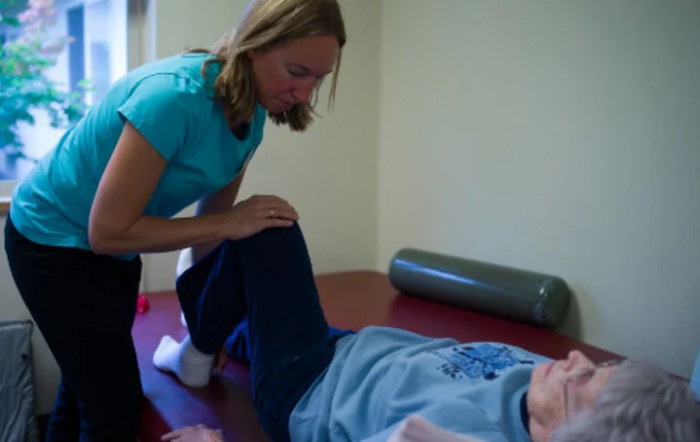
 The PT department is outstanding and works hard to compensate for the rest of the departments.
- Some of the nurses are dedicated.
- There are great people delivering excellent care, along with good food.
- The staff are generally more engaging than in other places.
- They would recommend it, especially for short-term care.
- The hospice care team coordinated with hospice and kept the patient clean and comfortable.
- The nurses were amazing, and the staff were kind, understanding, and hardworking.
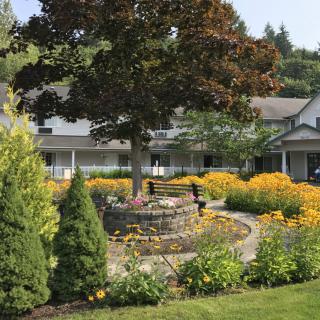
- The facility has been recently remodeled with nice updates.
Cons
 The overall experience was very poor.
- The facility frequently runs out of essential medications.
- The CNAs are immature and unprofessional, and not generally pleasant.
- Staff often scream at residents.
- There is a perception that many residents may die there due to age.
- The food was incredibly awful and sometimes inedible.
- Residents had to spend personal money on food to obtain adequate nourishment, totaling over $1,100 in two months.
- The facility has no surveillance cameras, creating privacy and safety concerns.
- There is a shortage of nurses and frequent medication shortages.
- Night nurses did not respond to call lights for extended periods.
Review
Arlington Health and Rehabilitation is best suited for families that prize genuine, person-centered care and strong hospice coordination, especially during short-term rehab episodes or end-of-life support. The community can be a good match when the emphasis is on kindness, regular engagement, and a responsive social-work and nursing presence. In practice, the most consistent praise is reserved for staff members who demonstrate warmth and attentiveness, along with a facility that has undergone recent remodeling to feel fresher and cleaner. For families who want hands-on involvement and a facility that prioritizes comfort and dignity, Arlington often delivers tangible value.
However, alternatives should be on the radar for those who cannot tolerate medication gaps, uneven night coverage, or encounters with staff who are abrupt or overwhelmed. Multiple reviews flag chronic medication shortages and delayed responses to call lights, particularly at night. The risk of unsatisfying experiences grows when the care team’s mood or professionalism shifts, with some aides and nurses described as high-strung or unkind. These dynamics matter deeply for residents who require reliable, calm supervision, strict adherence to med schedules, or environments free from disruptive noise and turnover. Families should compare this facility to others that demonstrate consistently dependable nursing responsiveness and medication management.
On the positive side, the strongest offset to these concerns is a demonstrably compassionate core of caregivers. The PT department is repeatedly highlighted as outstanding and instrumental in helping residents maintain mobility and independence. Hospice coordination, when involved, is frequently described as thoughtful and thorough, with staff checking in regularly and attending to comfort, cleanliness, and dignity. The overall atmosphere can be pleasant when staffing is balanced and attentive, and the recent remodeling contributes to a sense of renewed facility quality. For residents whose primary needs are meaningful personal interactions, purposeful activities, and steady rehab guidance, Arlington’s strengths can outperform its weaknesses.
The long view shows a mixed track record: several families report sustained, positive experiences over months or years, including good communication from social services and consistent kindness from caregivers. Yet other accounts focus on intense nightly noise, roommate challenges, or situations where assistance was not promptly available. The facility’s willingness to facilitate hospice and family involvement stands out as a real asset, but it must be weighed against the variability in day-to-day nursing responsiveness and the occasional sense of safety protocol gaps, such as concerns about room security and monitoring. This duality matters for those weighing longer stays where routine reliability becomes non-negotiable.
For decision-making, this is a facility that rewards diligence and clear expectations. Prospective families should tour at different times, ask pointed questions about med administration processes, and request data on call-light response times. It’s crucial to meet with a unit supervisor and the social services team to gauge how concerns are escalated and resolved. In addition, verify the existence of robust medication provisioning procedures, inquire about any security measures on site, and confirm that hospice partners have well-defined pathways for care planning. If these elements align with family priorities, Arlington can be a compelling option; if not, continued comparison is strongly advised.
The bottom line is practical and decisive: Arlington Health and Rehabilitation delivers genuine warmth and effective rehab-oriented care in a setting that has been refreshed and maintained, but it carries notable risks around medication reliability, night-time responsiveness, and some staff behaviors. For families prioritizing hospice-aligned compassion and rehab progress, Arlington often checks meaningful boxes, provided vigilance and proactive communication are in place. For those whose non-negotiables include flawless med administration, consistently quiet nights, and uniformly professional staff across all shifts, exploring other qualified communities is prudent. A careful, shift-by-shift evaluation will reveal whether Arlington’s human-centered strengths can consistently outweigh its operational gaps in the residents’ daily lives.
 76 resident community capacity
 Skilled Nursing Facility
 Air-conditioning
 Beauty salon
 Cable or satellite TV
 Computer center
 Dining room
 Fitness room
 Fully furnished
 Gaming room
 Garden
 Housekeeping services
 Kitchenette
 Move-in coordination
 Outdoor space
 Private bathrooms
 Restaurant-style dining
 Small library
 Telephone
 Wellness center
 Wi-Fi/high-speed internet available
 Community operated transportation
 12-16 hour nursing
 24-hour call system
 Activities of daily living assistance
 Assistance with bathing
 Assistance with dressing
 Assistance with transfers
 Diabetes diet
 Medication management
 Mental wellness program
 Special dietary restrictions
 Concierge services
 Planned day trips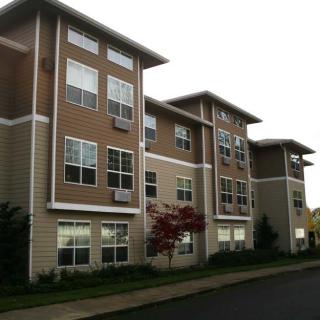





 Weight Training for Seniors: Building Strength and Vitality
 Understanding the Sandwich Generation: Stress and Responsibilities for Multigenerational Caregivers
 8 Essential Assistive Devices for Older Adults