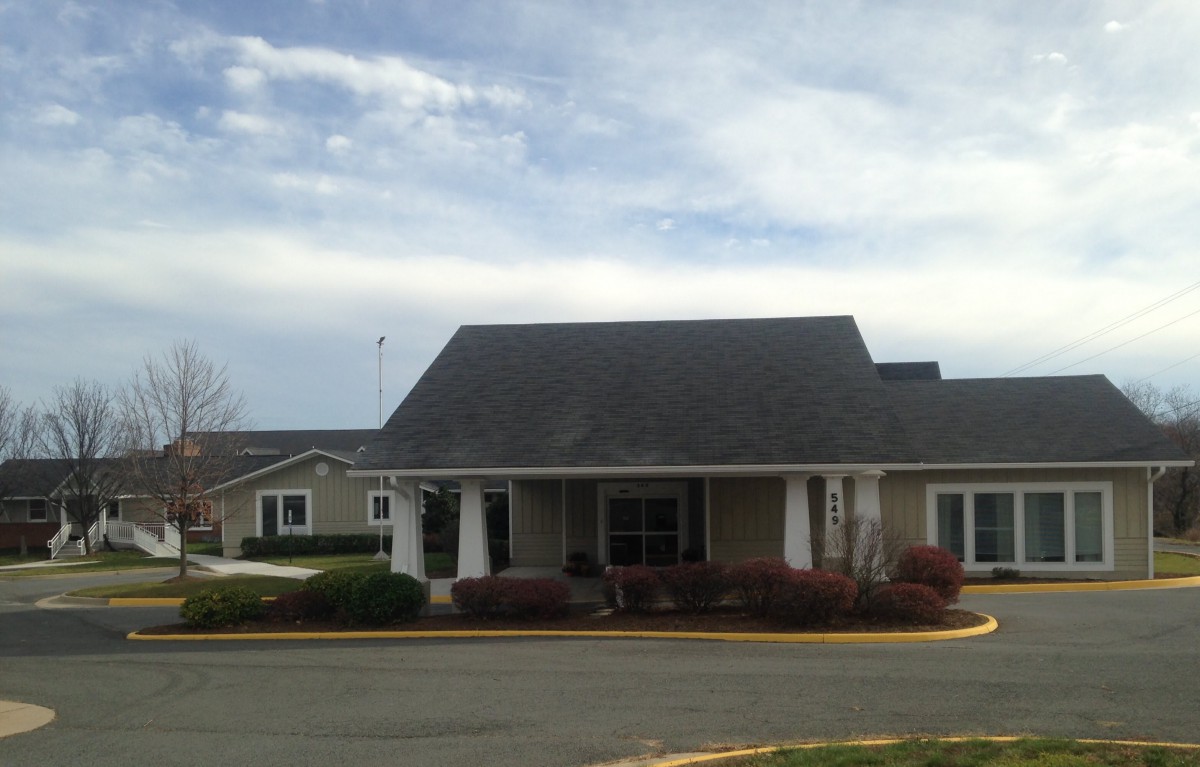
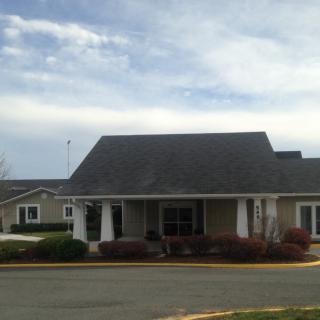
549 Valley Mill Road, Winchester, VA 22602
For more information about senior living options: (866) 208-4318

Green Valley Commons Costs & Pricing
Green Valley Commons offers competitive pricing for its semi-private and studio accommodations, with monthly rates of $3,500 and $4,500, respectively. When compared to Winchester city, where semi-private rooms are priced at $2,950 and studios at $4,198, Green Valley Commons stands out as a more premium option. However, it remains more affordable than the broader Virginia state averages of $3,991 for semi-private rooms and $4,436 for studios. This positioning highlights Green Valley Commons as a balanced choice for those seeking quality care in a welcoming environment without straining their budget excessively.
| Floor plans | Green Valley Commons | Winchester city | Virginia |
|---|---|---|---|
| Semi-Private | $3,500 | $2,950 | $3,991 |
| Studio | $4,500 | $4,198 | $4,436 |
Assisted Living communities with a similar price nearby
-
from +$134 / mo
Hidden Springs Senior Living
$3,634 to $5,842 / month24.1 miles away -
About the same
Greenfield Senior Living Of Strasburg
$3,425 to $4,335 / month18.2 miles away -
About the same
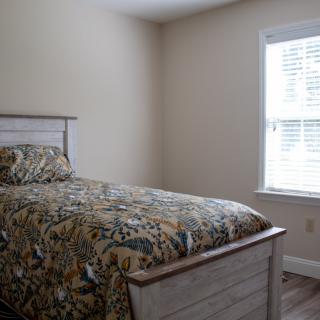
Greenfield Reflections Of Strasburg
$3,425 to $4,560 / month17.9 miles away -
About the same
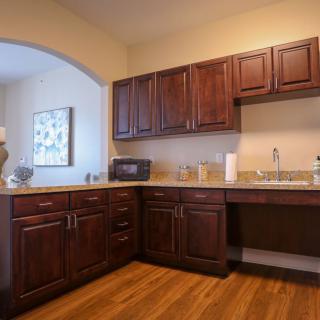
Harmony At Martinsburg
$3,500 / month19.0 miles away -
from +$195 / mo
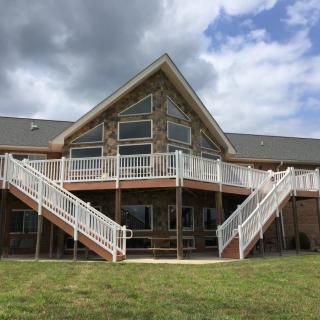
Shenandoah Senior Living
$3,695 to $4,995 / month20.5 miles away
Overall Review of Green Valley Commons
Pros
 They take care of their people.
- The place is great.
- The administrator is good.
- The staff on the floors are dedicated to taking care of residents.
- The care given to residents is nothing short of amazing.
- The facility is clean and the value is wonderful.
- The place could not be any better.
- The staff maintain residents' dignity and comfort during difficult times.
Cons
 The facility is a horrible place to work.
- They are so cheap and overwork their staff, causing resident suffering.
- The state doesn’t do anything when they visit, leaving problems unresolved.
- This place needs to be shut down.
- Green Valley Commons was awful and very depressing.
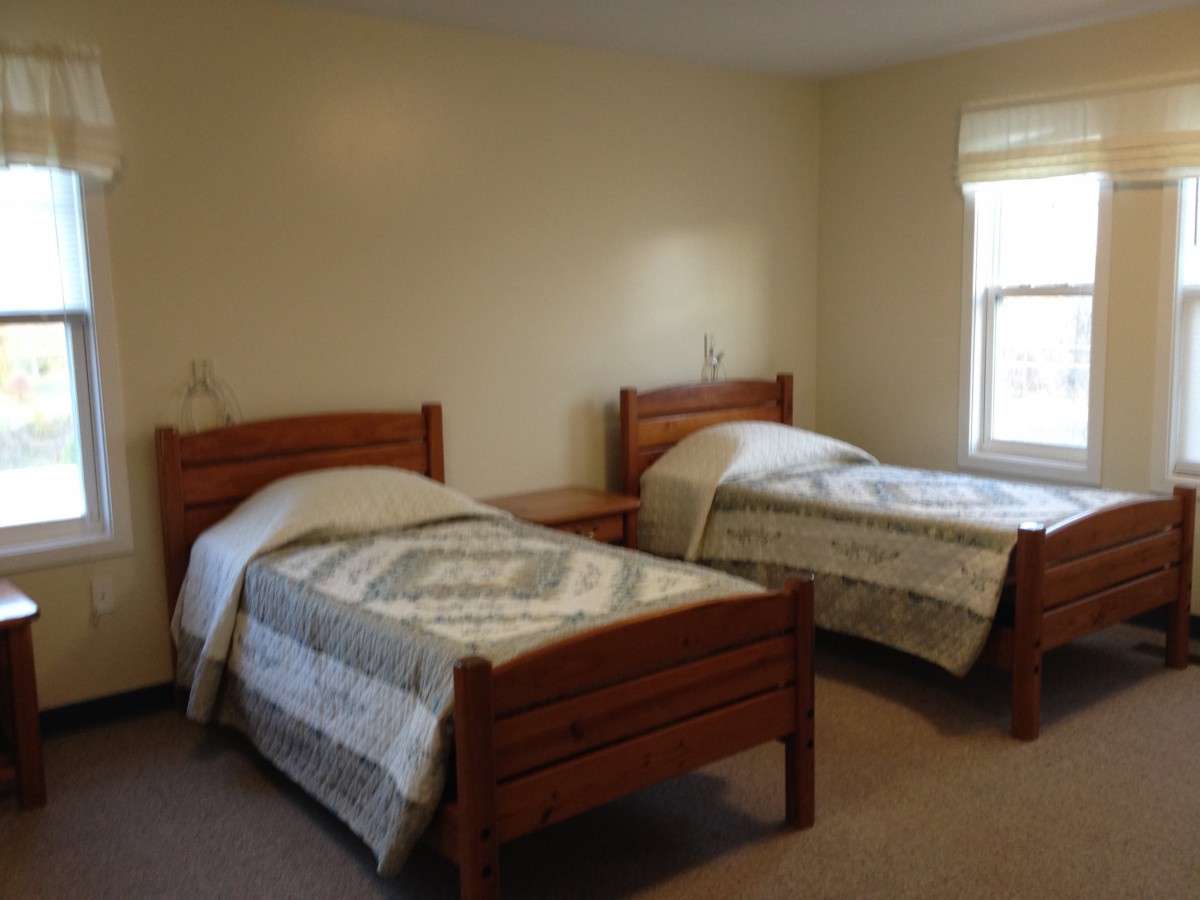
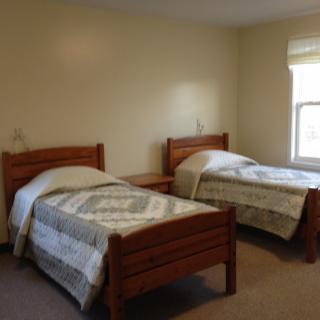
- The room setup is unacceptable, with shared double rooms and four-person bathrooms invading privacy.
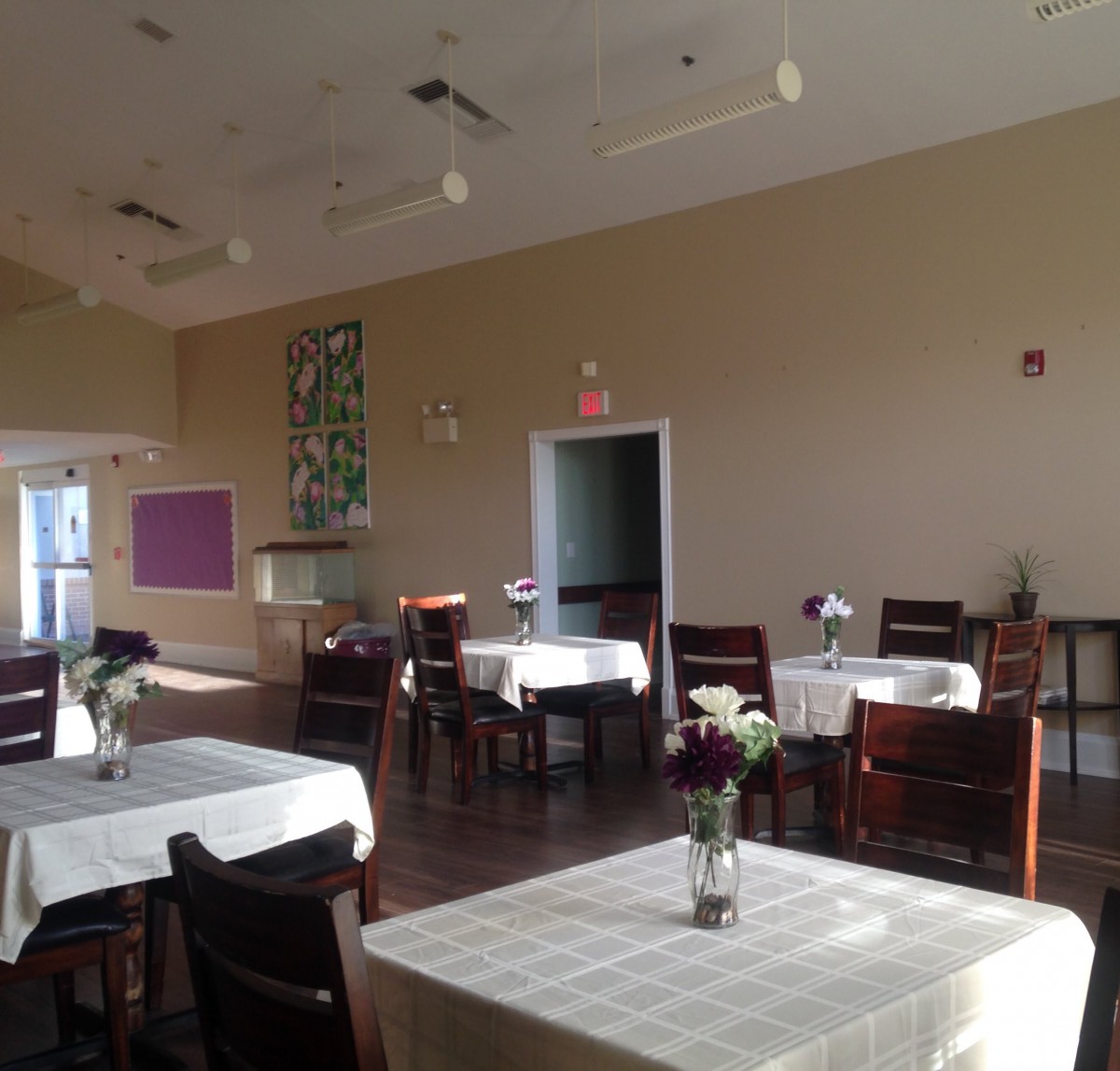
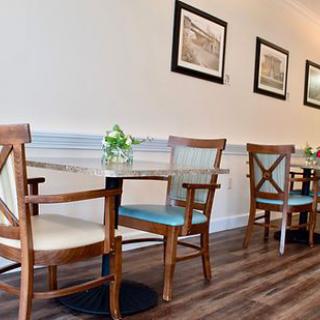
- The dining area is depressing, with smoke from the nearby smoking area spoiling the space.
- The lack of a resident shuttle is a major issue, forcing families to transport residents themselves.
Review
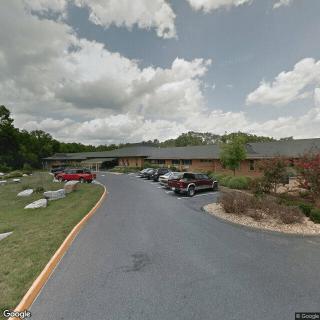
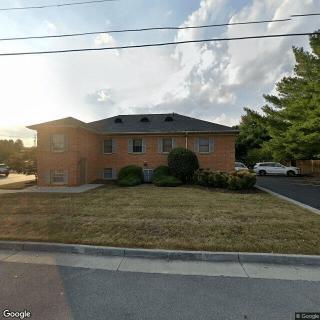
Green Valley Commons in Winchester is best suited for families who prize a warm, resident-centered caregiving culture and are willing to trade private comfort for a budget-friendly, socially rich environment. The community appears to shine where staff connect with residents, create a sense of belonging, and deliver daily acts of care with genuine compassion. For households that can embrace shared living arrangements and tolerate a more modest atmosphere in exchange for attentive, affectionate staffing, Green Valley Commons can feel like a welcome, affordable option. It is not the right fit for families seeking private rooms, en-suite bathrooms, and a setting that reads as polished or upscale.
The strongest value, and the clearest draw, comes from the caregiving team. Multiple accounts describe staff who are genuinely engaged, positive, and devoted to residents’ dignity, even in difficult moments. Families recount moments of personal touch that matter deeply, like daily sponge baths, dressing residents in their own clothes, and comforting interactions that lift spirits during challenging days. The sentiment is that, when the day ends, residents feel known and cared for, and administrators and floor staff can be seen as accessible and collaborative. Cleanliness and overall value of the facility are repeatedly noted as strengths, reinforcing that the caregiving trade-off is not for nothing. In short, the human connection is the core asset.
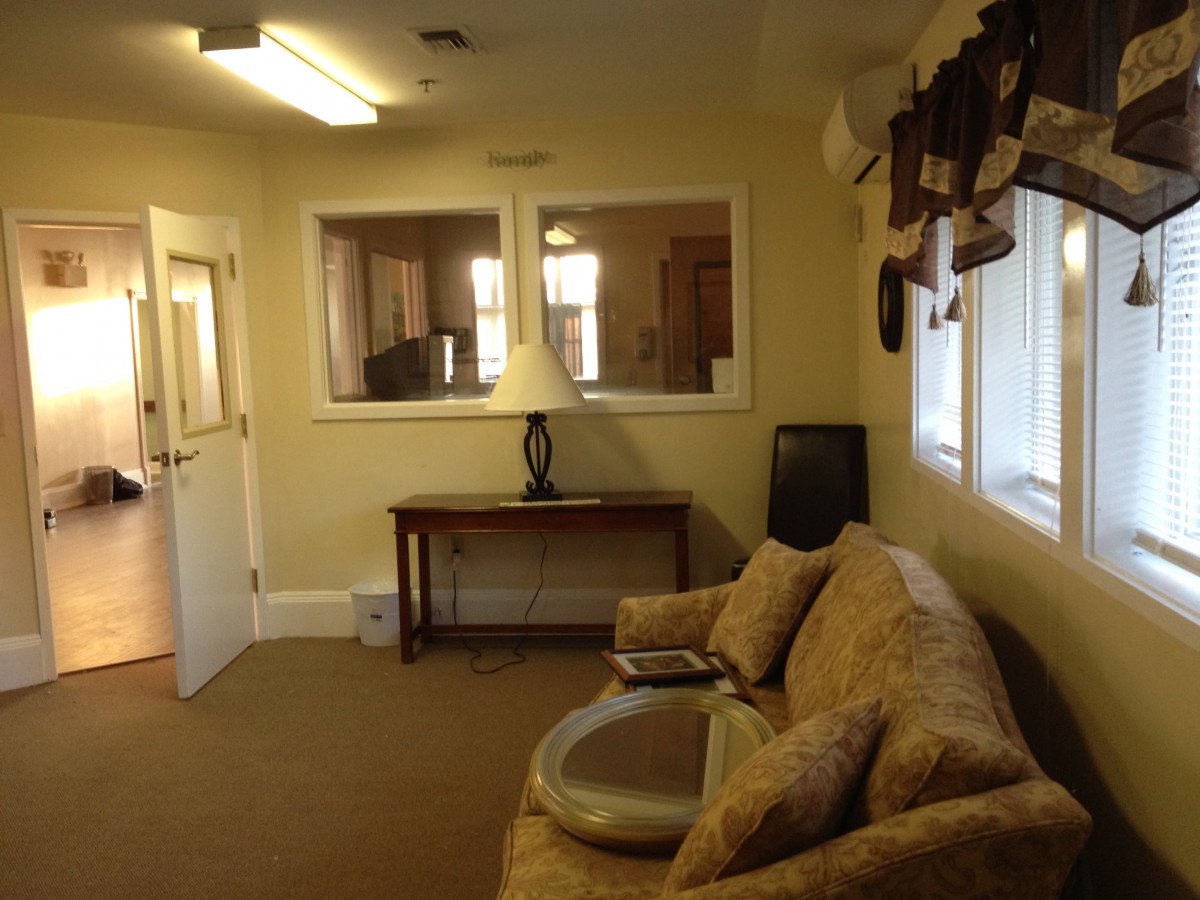
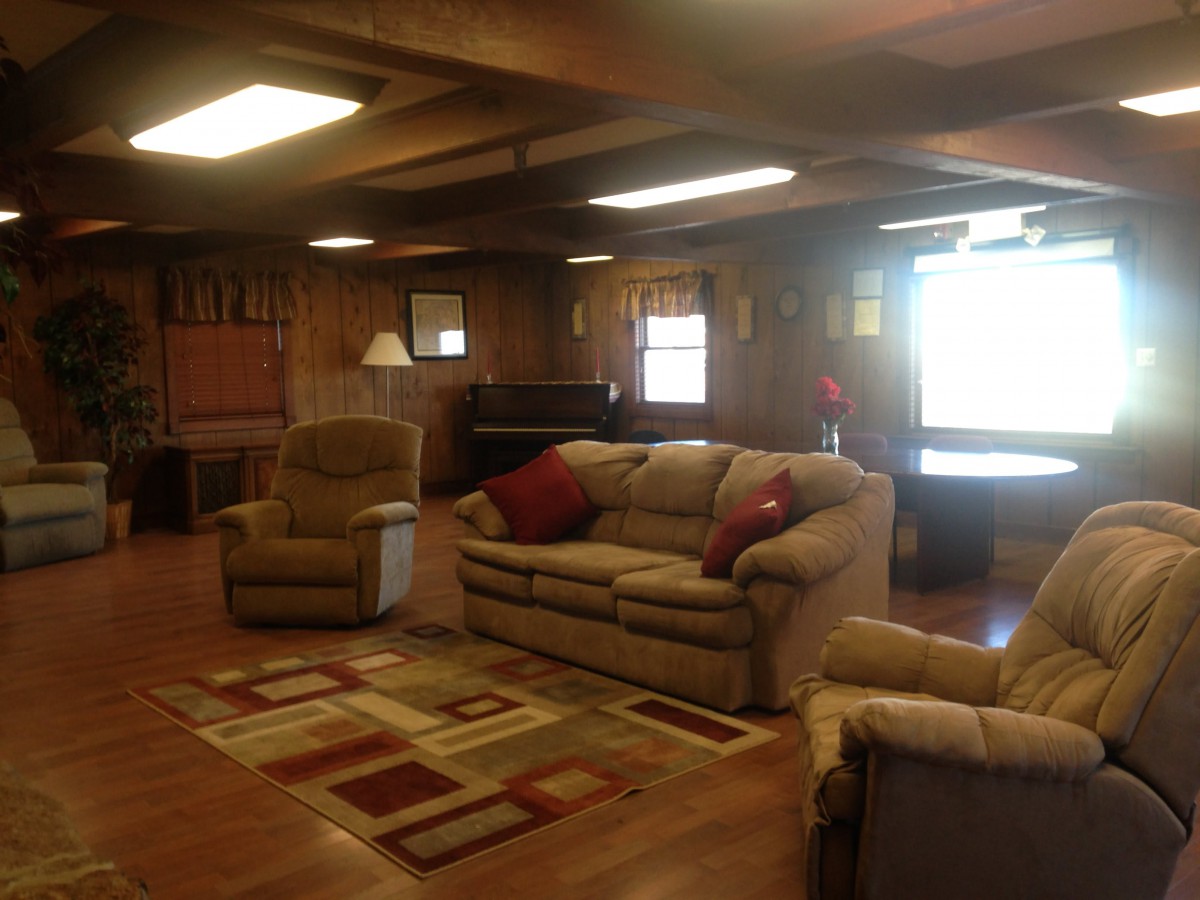
Yet the cons highlighted in the reviews are not minor details; they touch on fundamental experience. The layout relies on shared rooms and shared bathrooms, four residents per bathroom, and privacy suffers as a result. For families prioritizing independence and personal space, this configuration can feel invasive and difficult to reconcile with dignity during more intimate moments. The dining area and common spaces are described as less inviting, with practical drawbacks like a smoking area nearby that can carry into the dining space. These environmental realities frame a setting that, while affordable, does not deliver the privacy or ambiance some families require for long-term comfort.
A second significant operational constraint is transportation. The community does not offer a resident shuttle to hospitals, so family members must coordinate and execute medical transport themselves. This creates a practical hurdle for working families or those with tight schedules, effectively shifting the burden of critical appointments and urgent needs onto relatives. While some facilities compensate with transportation services, Green Valley’s approach requires a more hands-on, logistical commitment from family, which can erode the convenience typically expected in assisted living and increase strain on caregivers.
In weighing the pros against the cons, the care quality and emotional warmth become a meaningful offset for households where cost, companionship, and daily acts of kindness hold substantial weight. However, the privacy limitations and required family transportation present real trade-offs that may overwhelm those with higher needs for autonomy or those who must balance work and caregiving responsibilities. Prospective residents should measure the value of a compassionate, respectful crew against the realities of shared spaces and the absence of an in-house transport option. The decision hinges on what matters most: a resident’s relational well-being and perceived dignity, versus the privacy and convenience that come with a more traditional, higher-budget setting.
For families considering a closer look, come prepared with targeted questions. Inquire about any private-room options or upcoming renovations that might improve privacy; confirm current staff-to-resident ratios and how shifts are staffed to mitigate burnout; ask for a realistic tour of how meals, quiet time, and social activities unfold in the shared spaces; and verify the policy and feasibility of hospital transport, whether there are preferred arrangements or partnerships that could lessen the burden on working relatives. If these aspects align with priorities, deep caregiver engagement, strong daily morale, and clear cost value, Green Valley Commons deserves serious consideration. If privacy, in-room autonomy, or built-in transportation support are non-negotiables, alternatives should be pursued with equal vigor.
 43 resident community capacity
 Assisted Living
 Activities off-site
 Air-conditioning
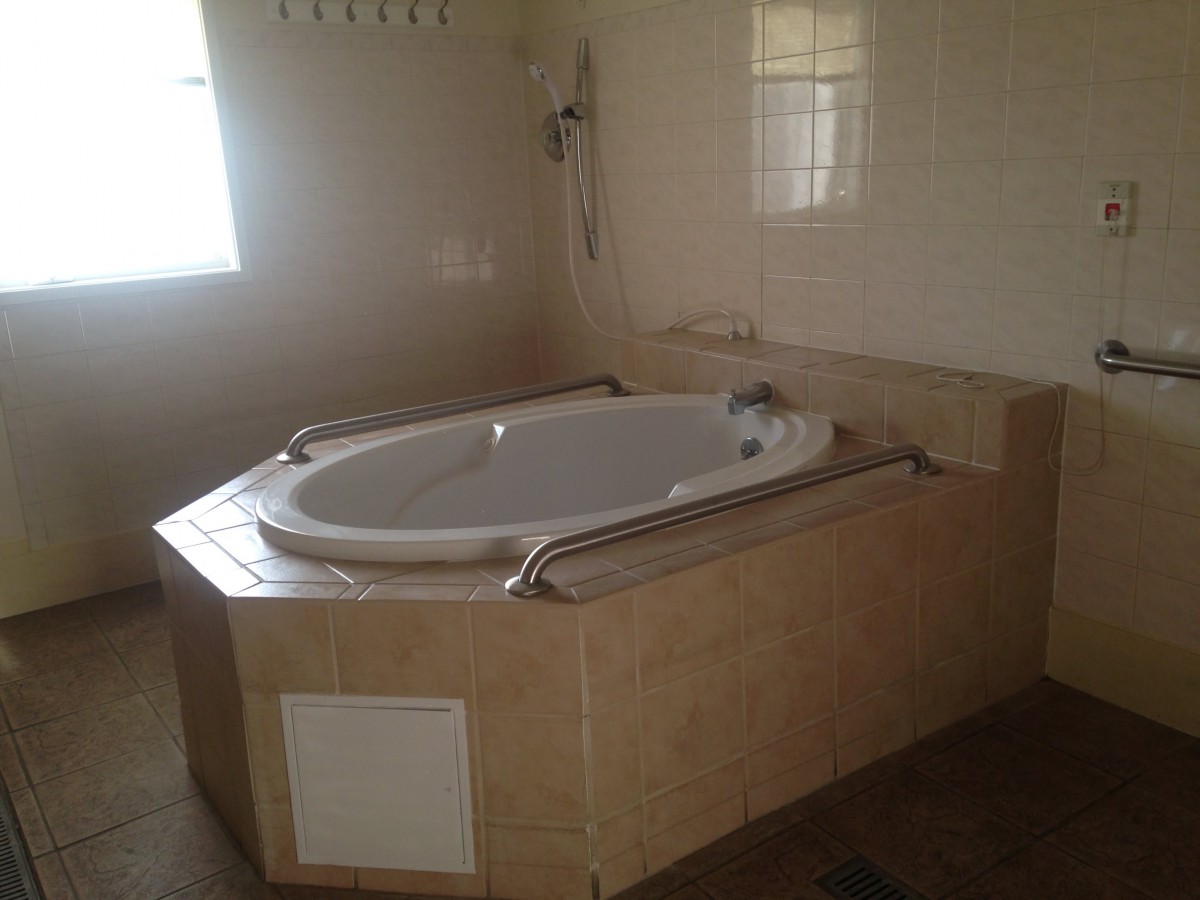
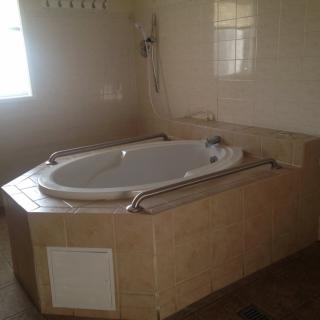
 Bath tubs
 Beauty salon
 Cable or satellite TV
 Devotional services on-site
 Dining room
 Fully furnished
 Garden
 Ground floor units
 Handicap accessible
 Housekeeping services
 Indoor common areas
 Kitchenette
 Move-in coordination
 Outdoor common areas
 Respite or short term stays offered
 Restaurant-style dining
 Small library
 Telephone
 Wheelchair accessible showers
 Wi-Fi/high-speed internet available
 24-hour call system
 Ambulatory care
 Assistance with bathing
 Assistance with dressing
 Assistance with transfers
 Diabetes diet
 Diabetic care
 High acuity care
 Incontinence care
 Medication management
 Mental wellness program
 Special dietary restrictions
 Art classes
 Bible study group
 Day trips and outings
 Educational speakers / life long learning
 Live dance or theater performances
 Live musical performances
 Stretching classes
 Visiting Rabbi



 Comprehensive Insights into Activities of Daily Living (ADLs) and Their Assessment
 Medicare Coverage for Assisted Living: An In-Depth Exploration
 Choosing the Right Senior Care: A Detailed Exploration of Assisted Living and Nursing Homes