First Colonial Inn

Save

  • Interior

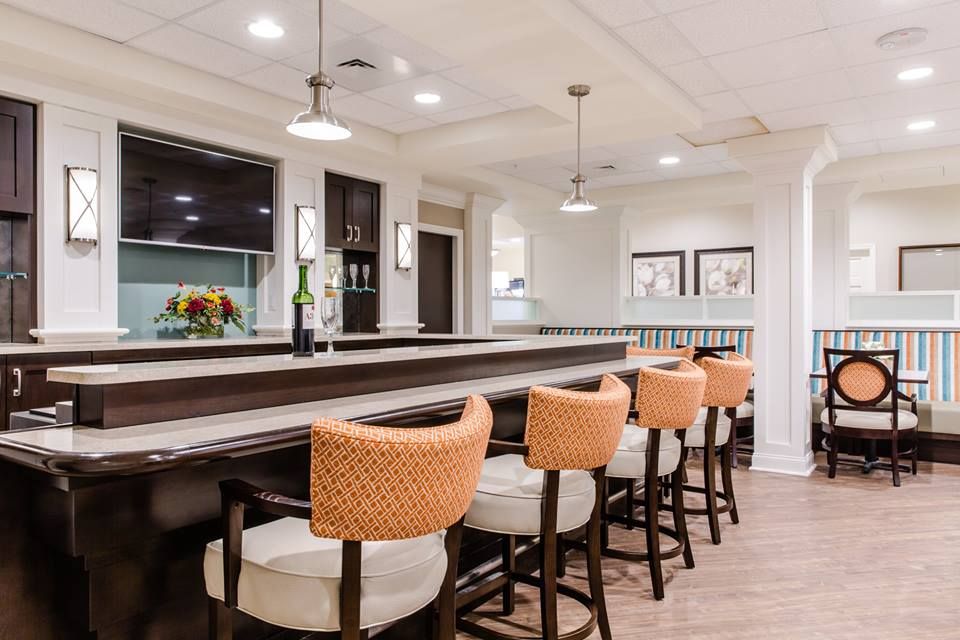
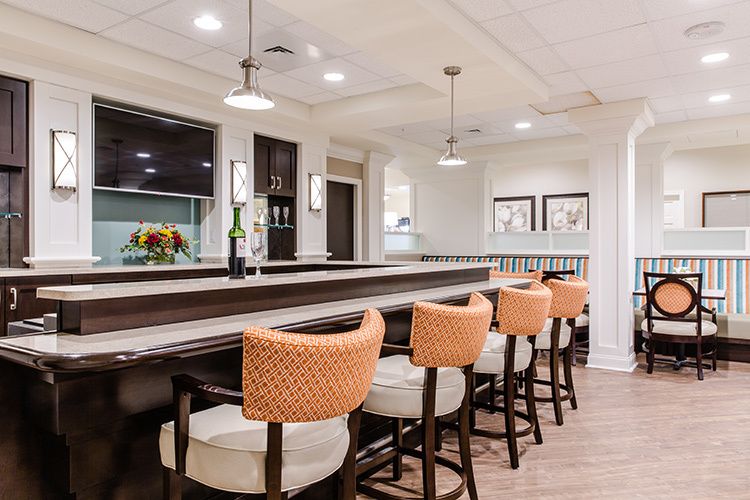
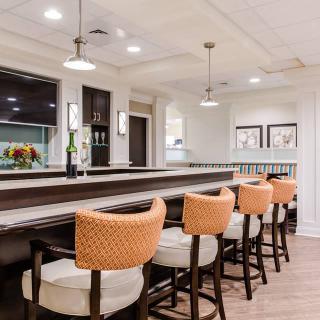
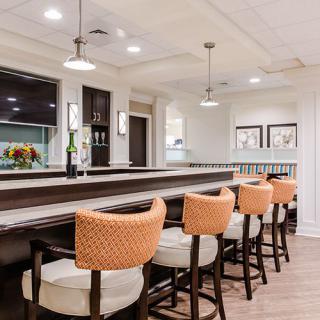
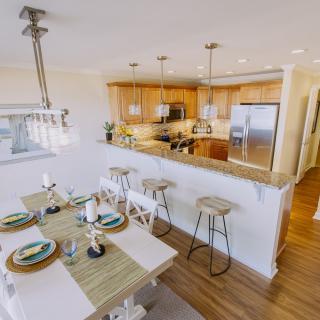
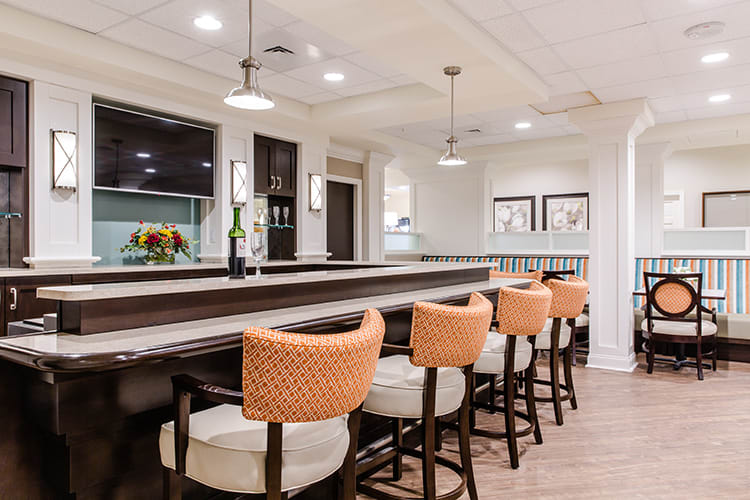
    A modern bar area with high chairs and pendant lighting.
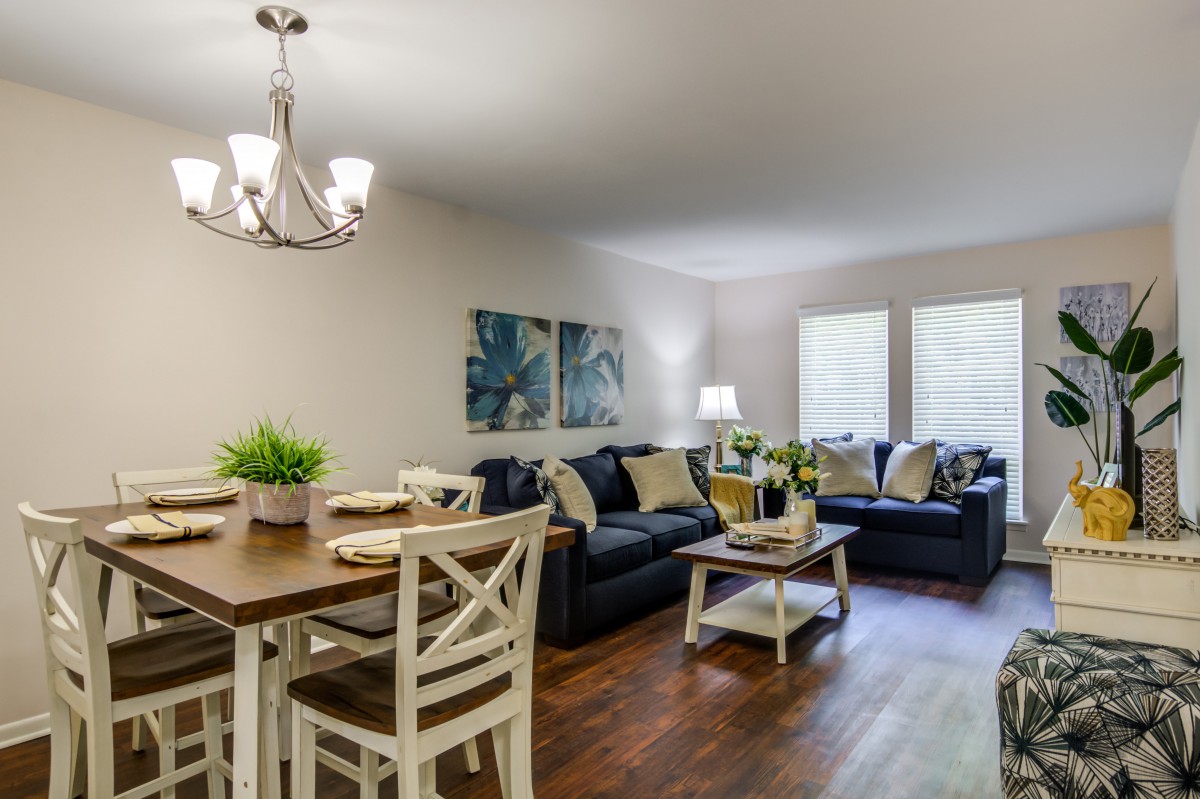
  • Decor

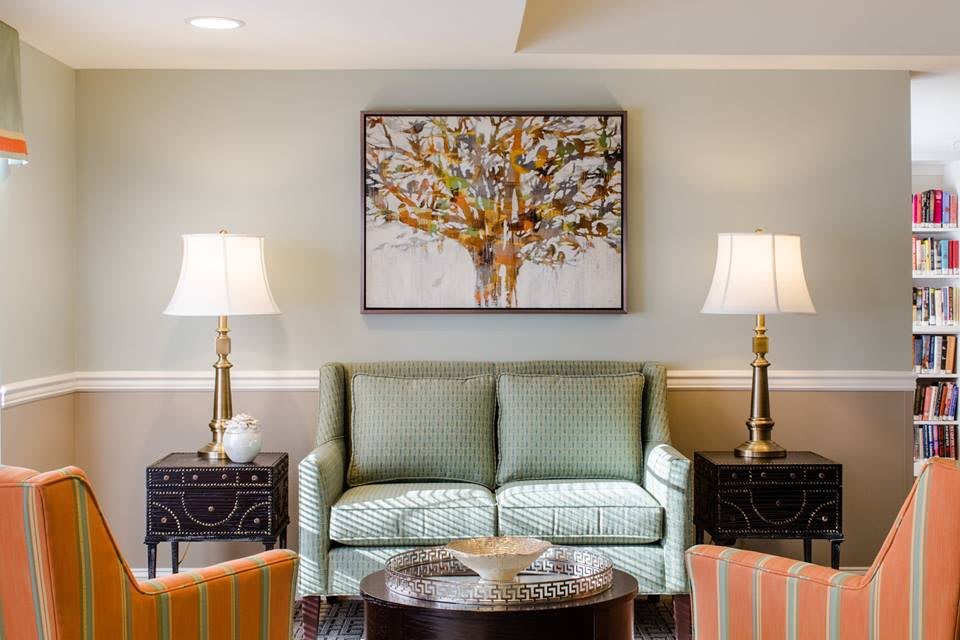
    A cozy living room with comfortable seating and natural lighting.
  • Living Room

    A cozy living room with a green sofa, framed artwork of a tree, and elegant lamps on side tables.
  • Building

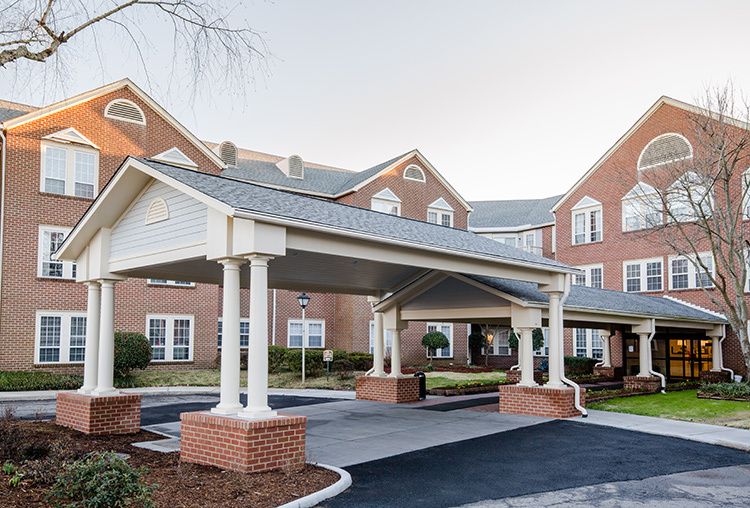
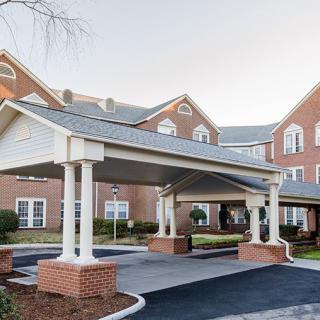
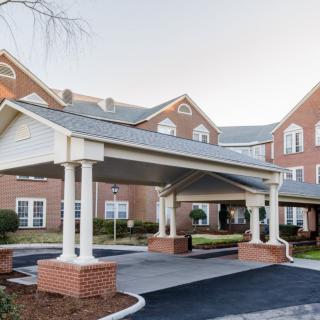
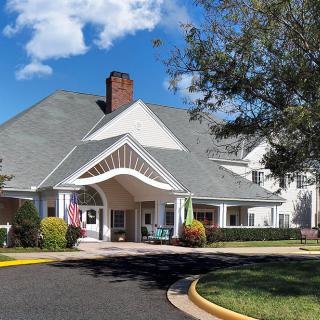
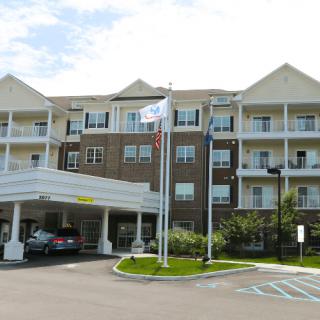
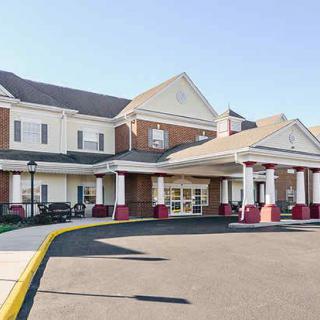
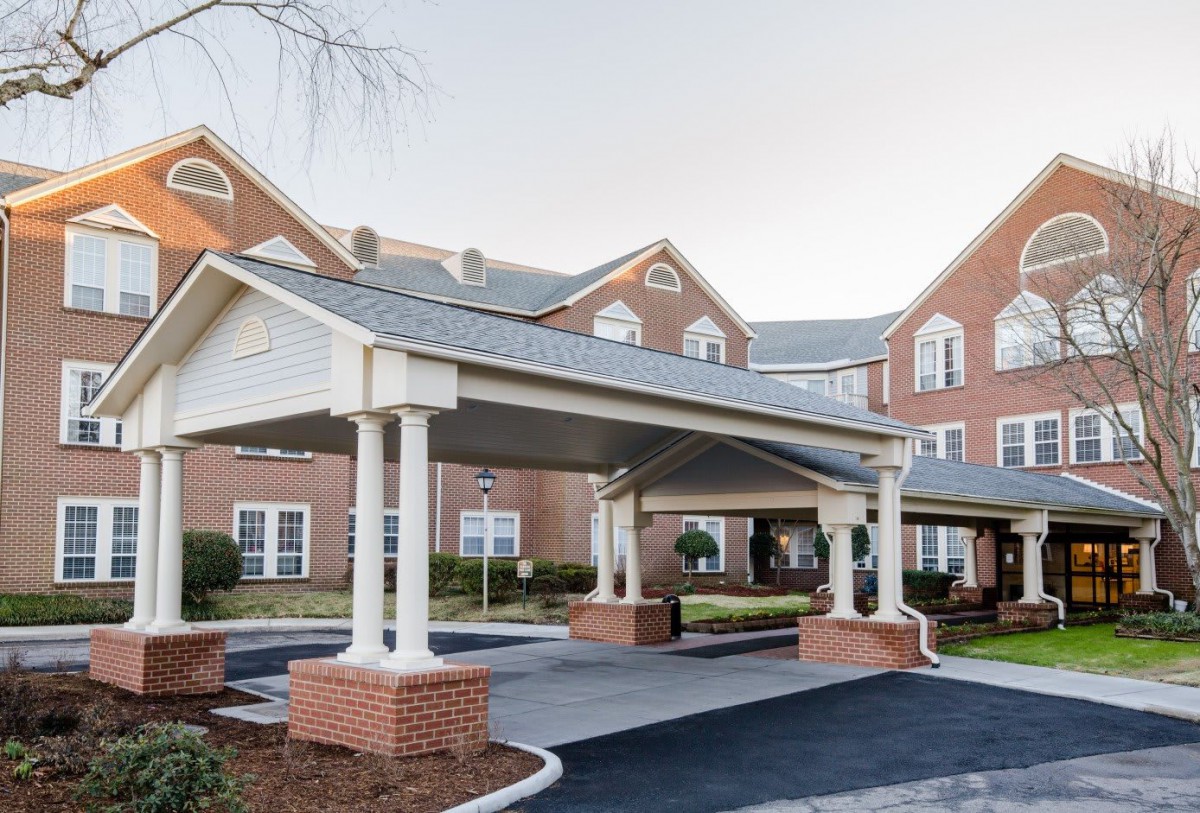
    A brick residential building with a covered entrance and driveway.
  • Architecture

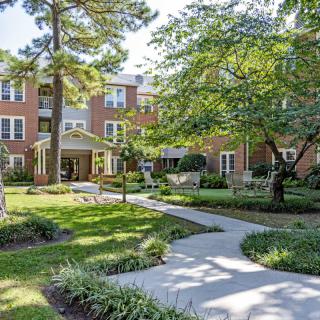
    A brick building with a covered entrance and multiple windows, showcasing residential architecture.
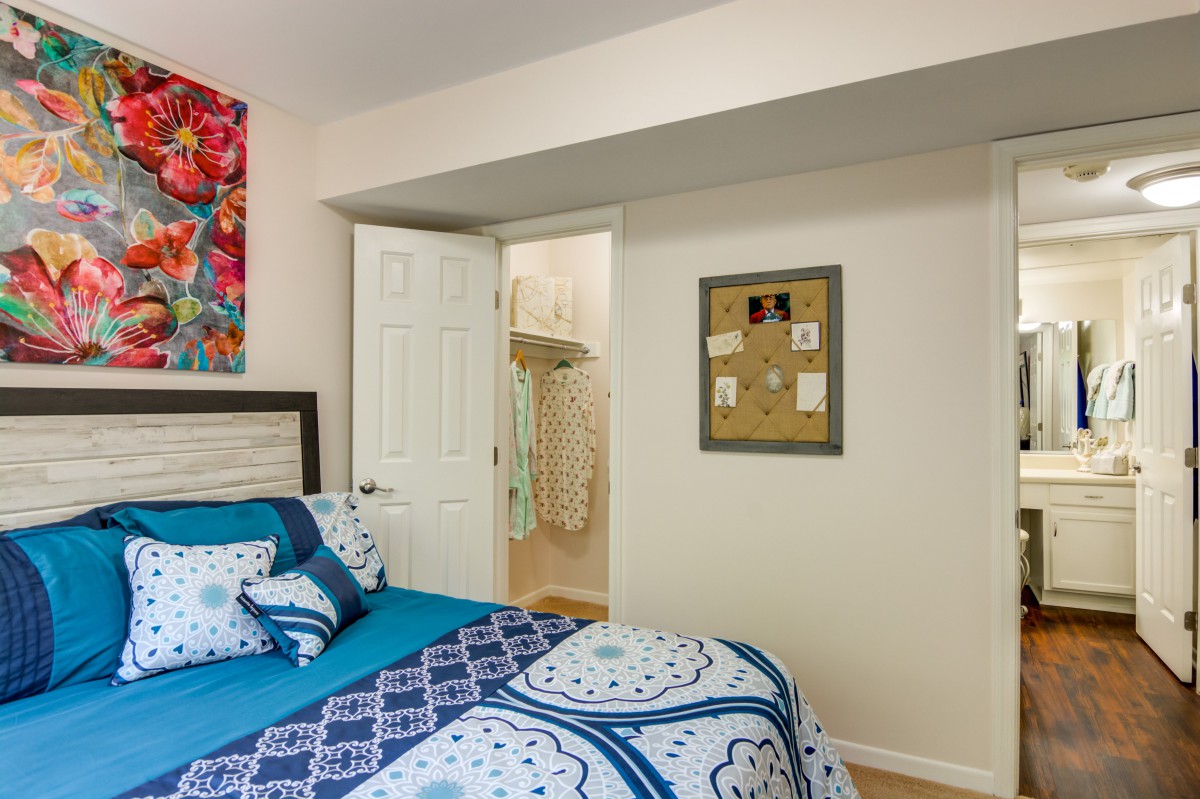
  • Bedroom

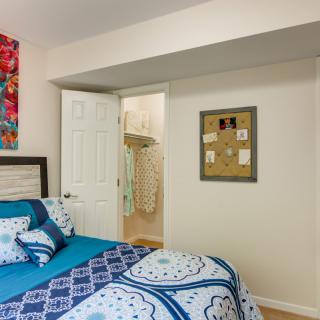
    A cozy bedroom featuring blue patterned bedding, vibrant artwork on the wall, and a glimpse into an adjacent closet through an open door.
  • Trees

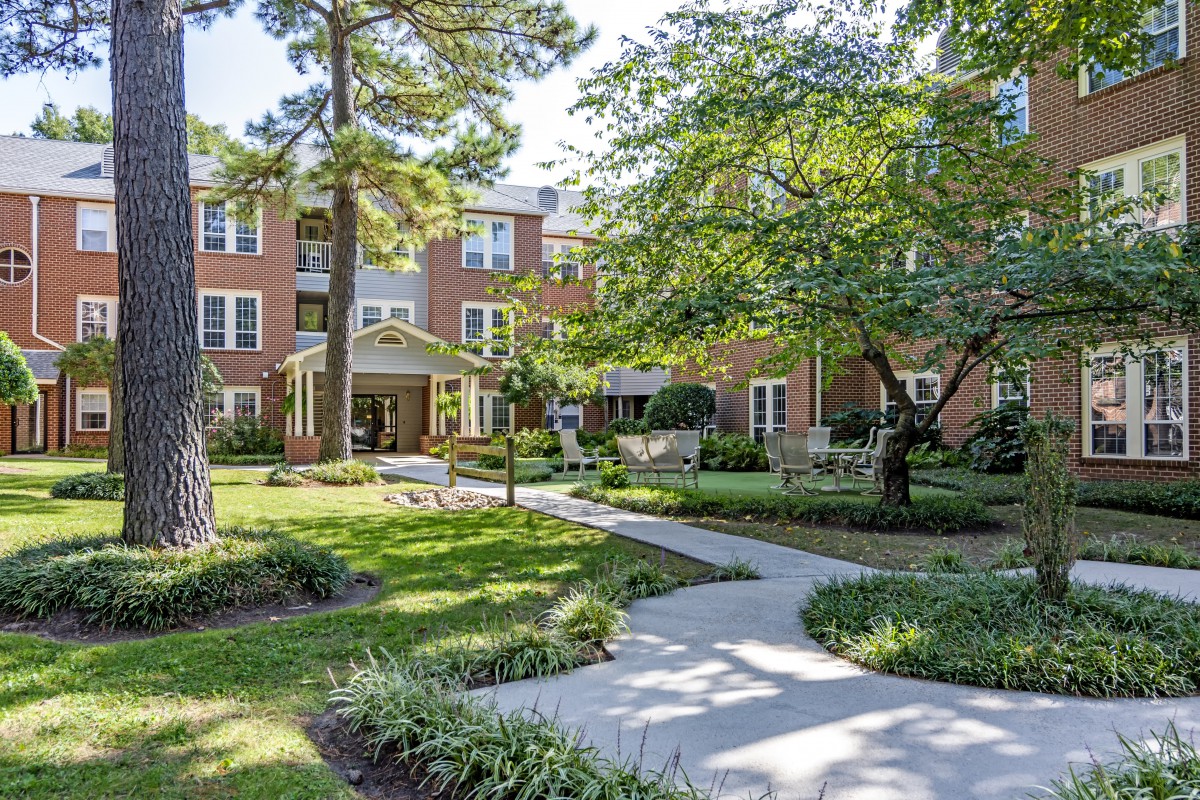
    A scenic view of a brick residential building surrounded by lush greenery and a paved pathway.
  • Dining

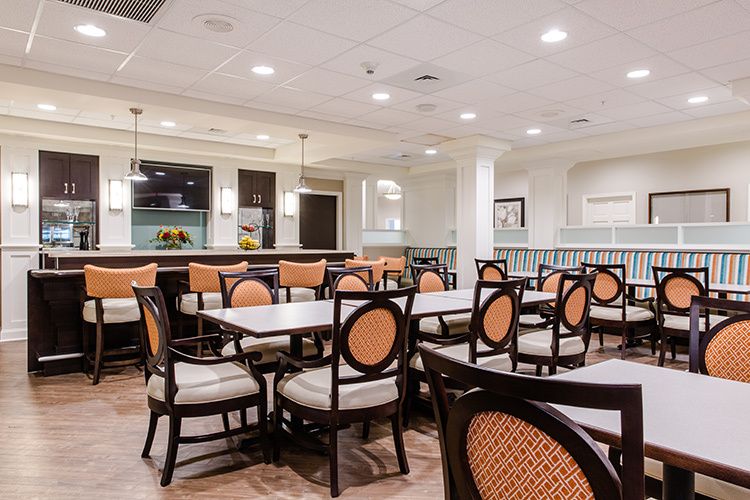
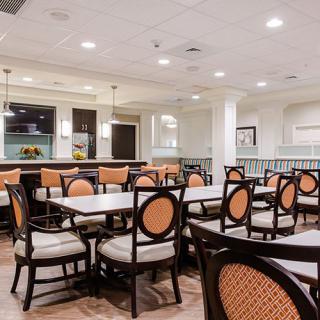
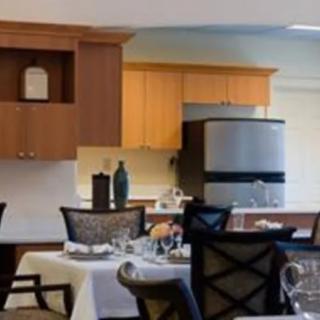
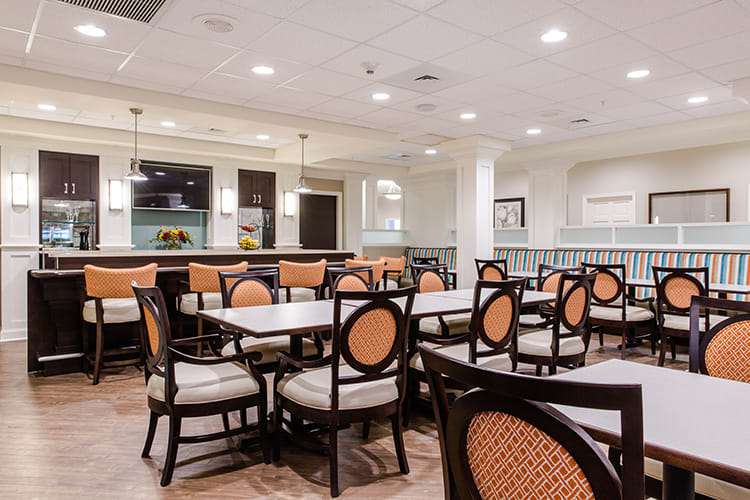
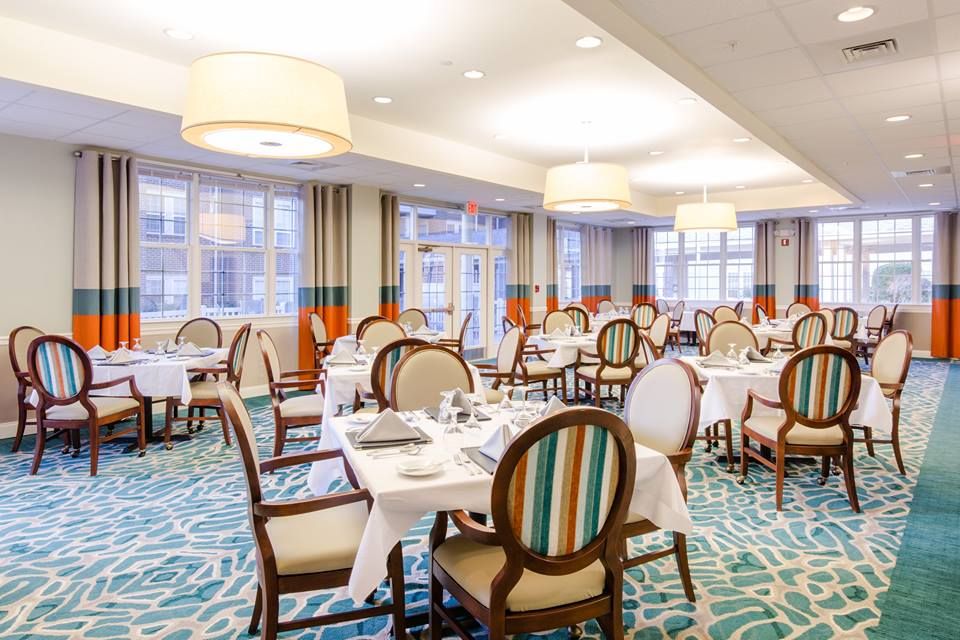
    A well-lit dining area with neatly arranged tables and chairs, featuring a modern interior design.
  • Landscaping

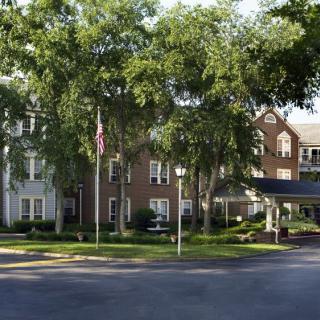
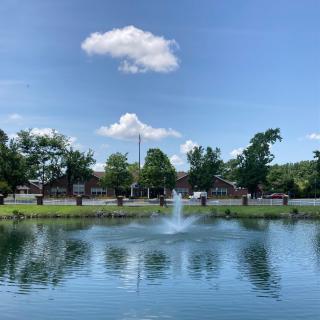
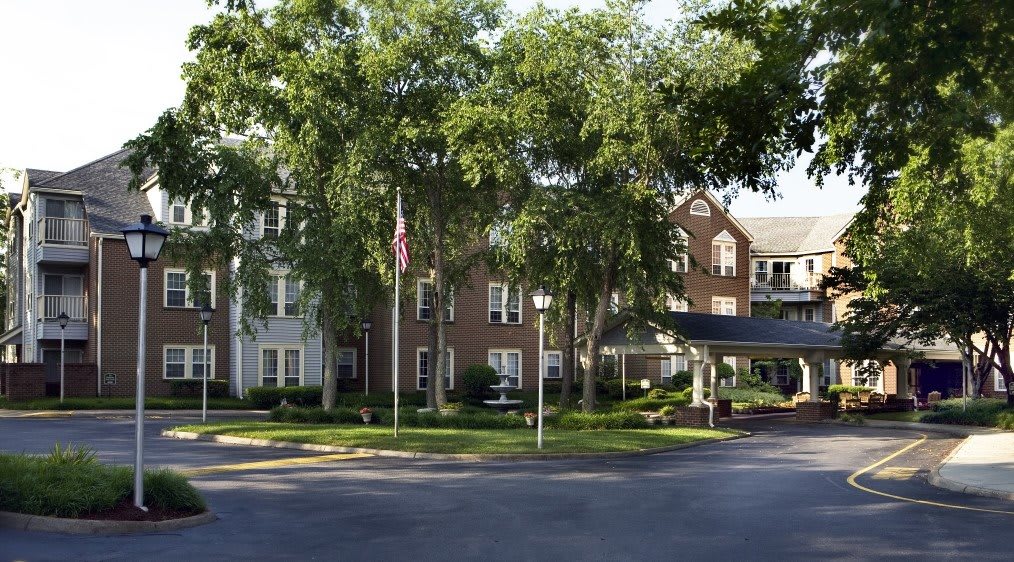
    A large brick building surrounded by trees, featuring a driveway with a flagpole at the entrance.
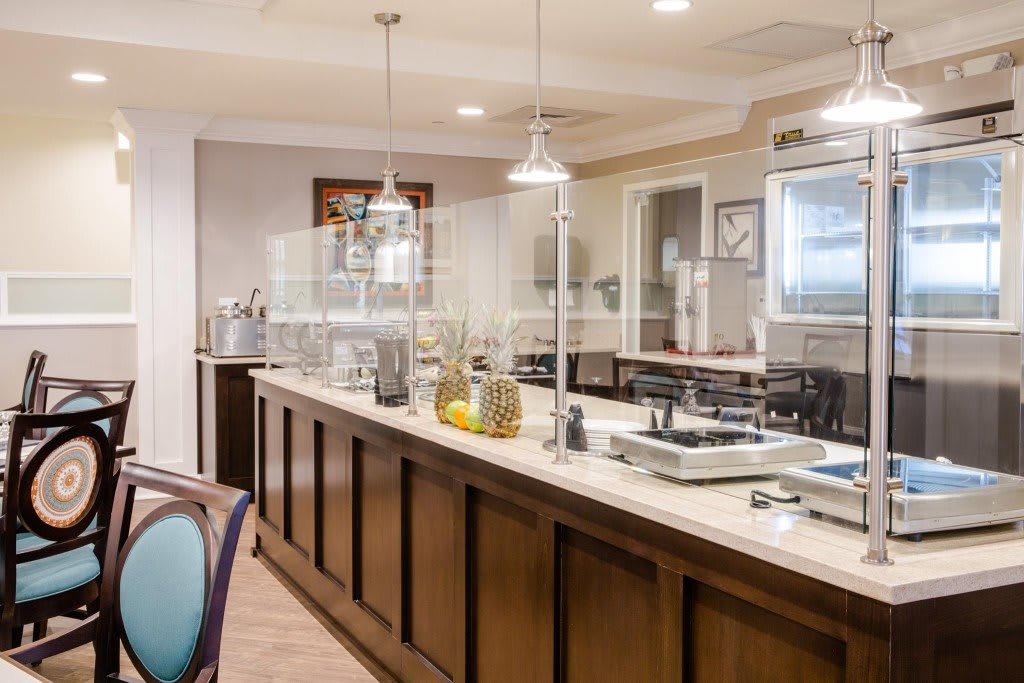
  • Kitchen

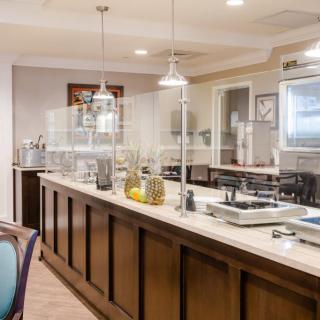
    A buffet-style restaurant interior with serving stations and kitchen counters.
  • Lighting

    A modern bar interior with stylish seating and elegant lighting.
  • Entrance

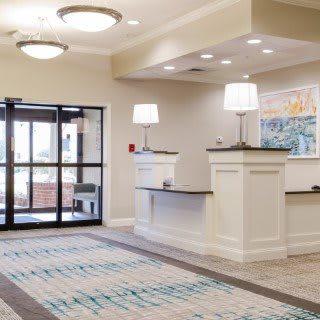
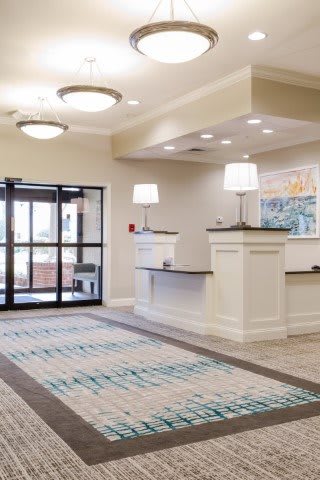
    A modern hotel lobby with a reception desk and stylish lighting.
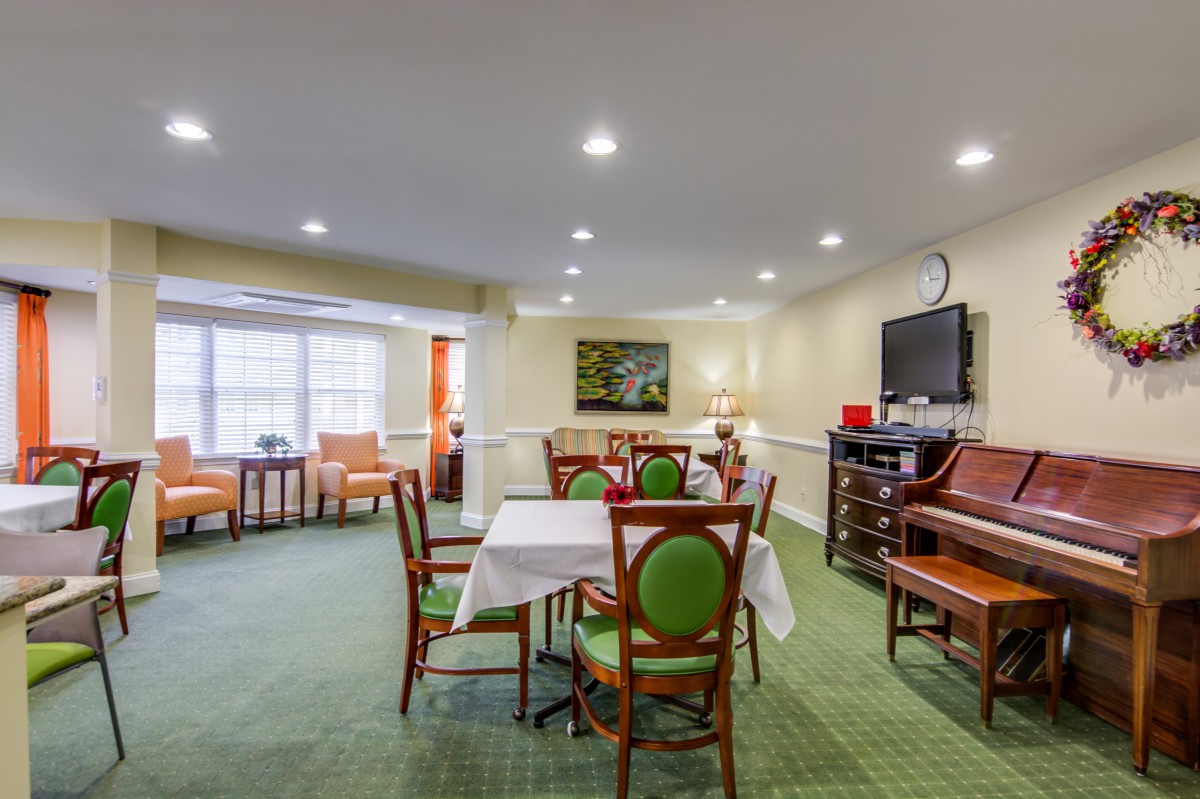
  • Artwork

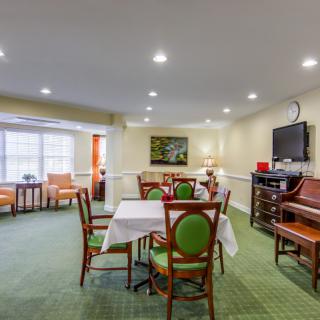
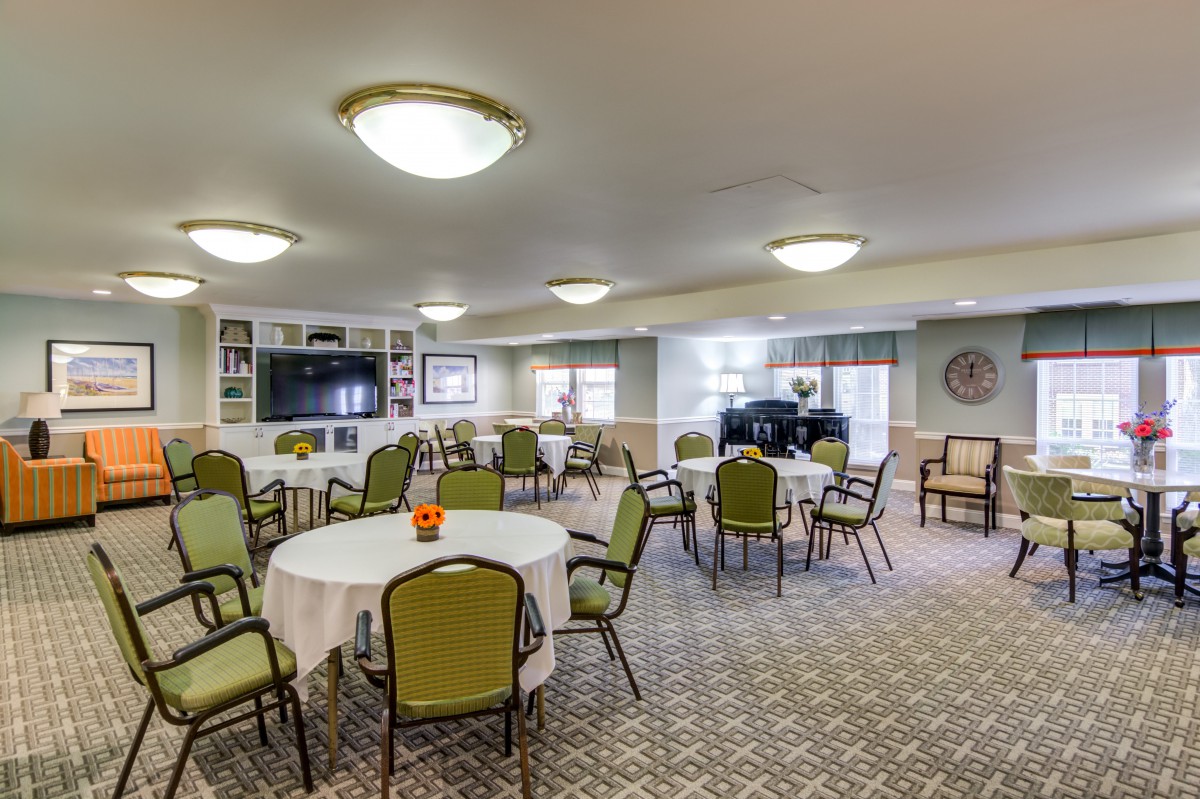
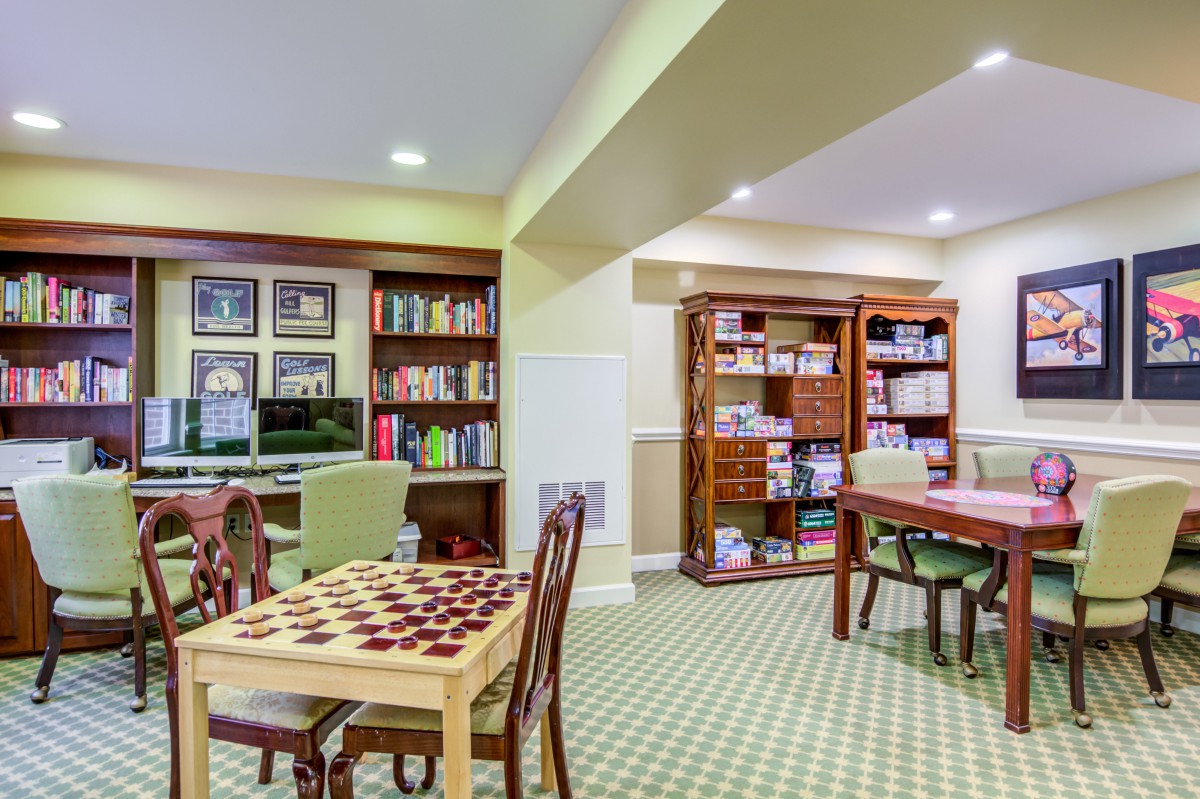
    A cozy dining area with tables, chairs, a piano, and a television.
  • Seating Area

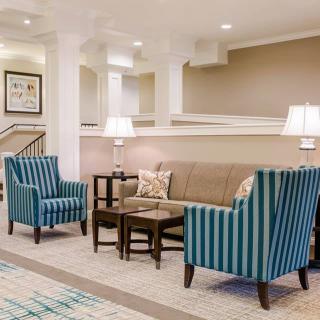
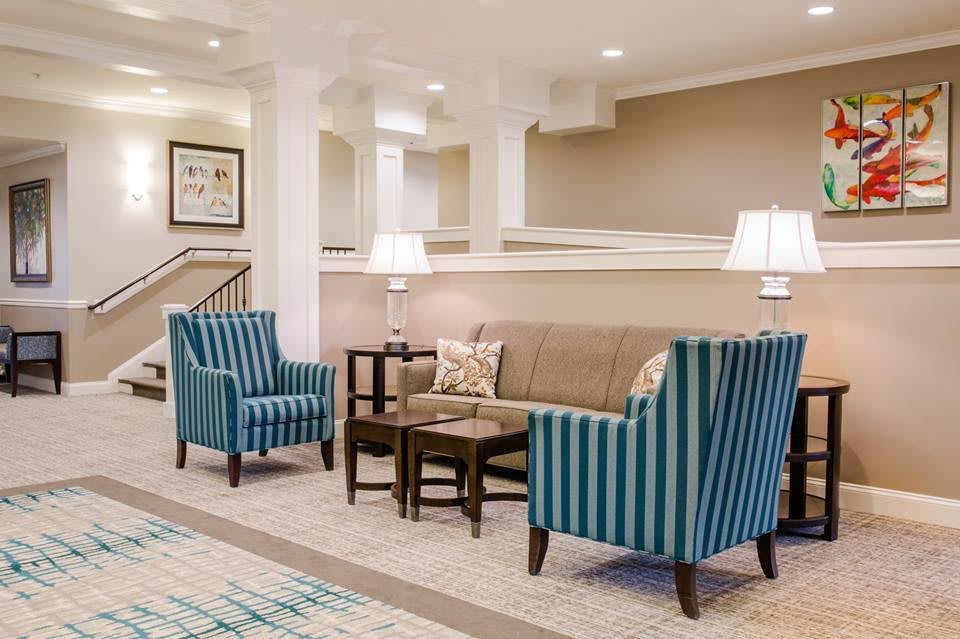
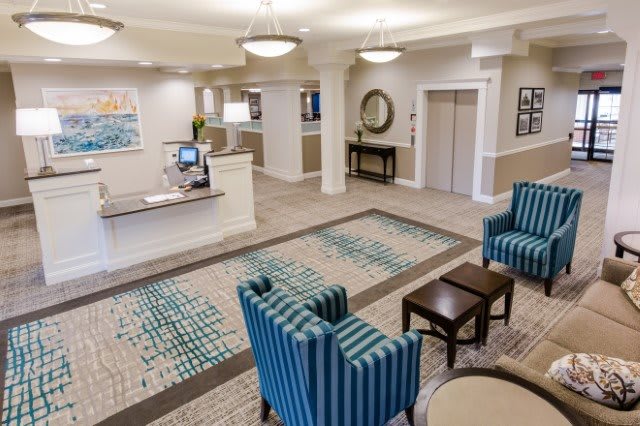
    A cozy lobby area with comfortable seating and elegant decor.

First Colonial Inn

845 First Colonial Road, Virginia Beach, VA 23451

For more information about senior living options: (844) 490-3973

4.7 from 133 reviews
5 stars
111
4 stars
14
3 stars
1
2 stars
2
1 stars
5

Assisted Living Independent Living

First Colonial Inn Costs & Pricing

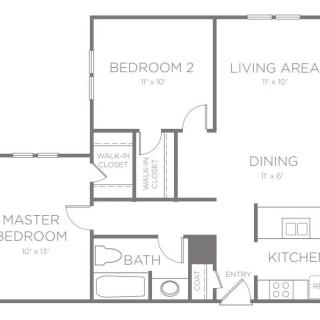
First Colonial Inn offers competitive monthly rates that reflect the quality and services provided, making it a notable option in the Virginia Beach area. For studio apartments, residents can expect costs ranging from $3,250 to $5,518, which is relatively lower than the city's average of $3,962 and the state average of $4,436. The one-bedroom units are priced between $3,500 and $4,900, again falling below both local and state benchmarks - $4,190 and $4,257 respectively. Similarly, two-bedroom accommodations range from $5,350 to $8,718; these prices exceed those in Virginia Beach city at an average of $4,187 but remain competitive with the state average of $4,602. Overall, First Colonial Inn positions itself as an attractive choice for individuals seeking comfortable living arrangements while offering flexibility in pricing across different unit types.

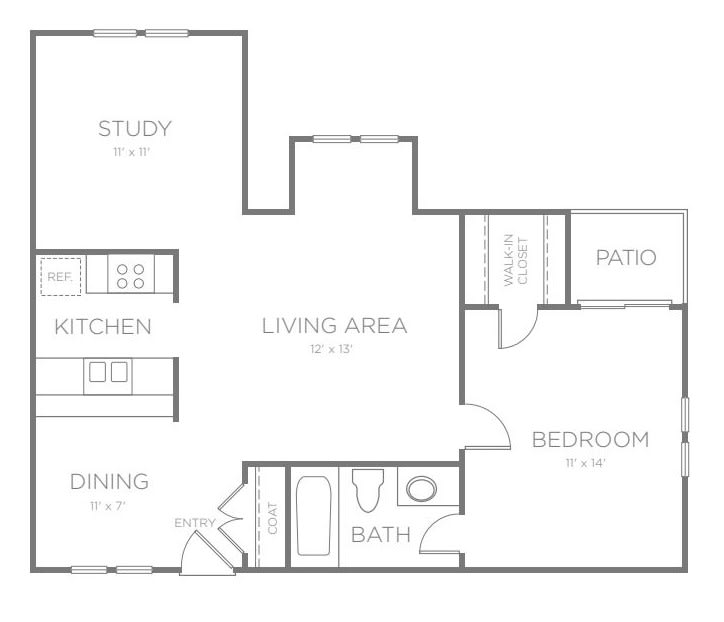
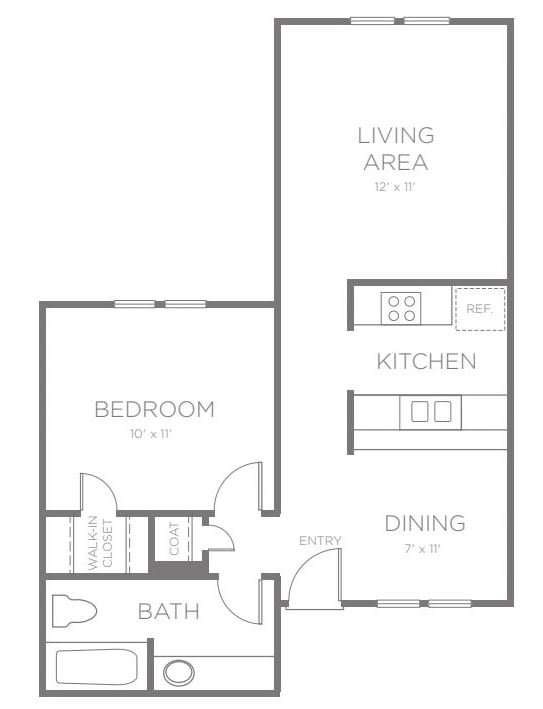
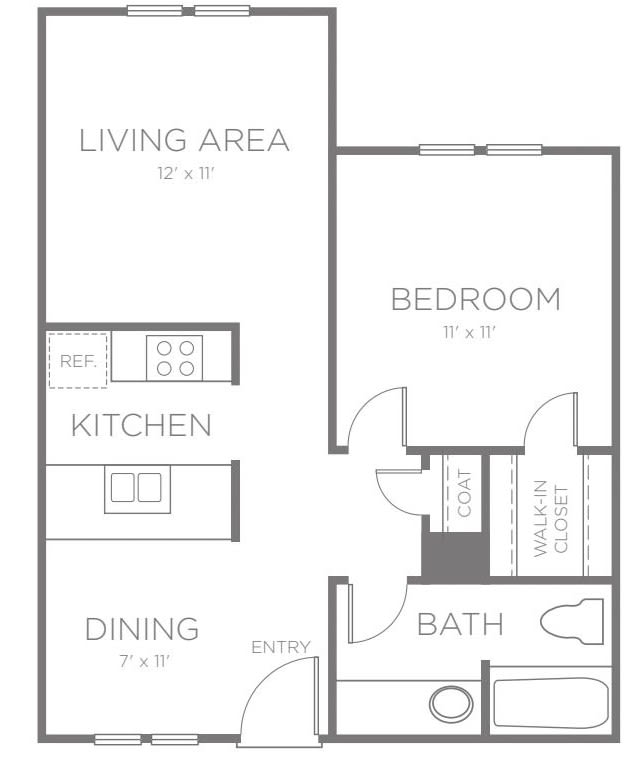
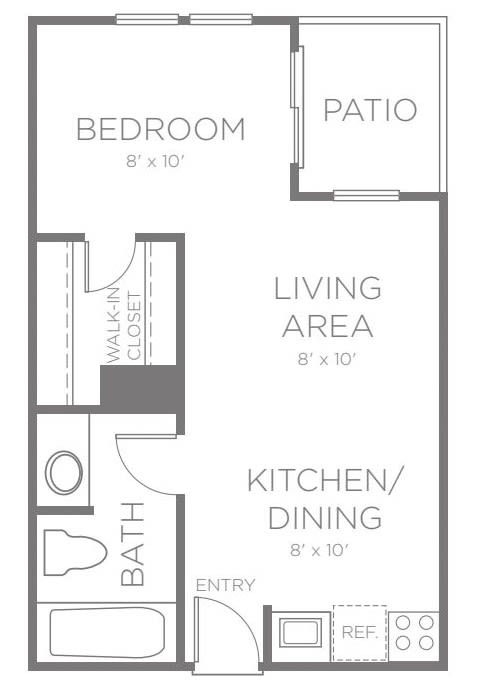
Floor plansFirst Colonial InnVirginia Beach cityVirginia
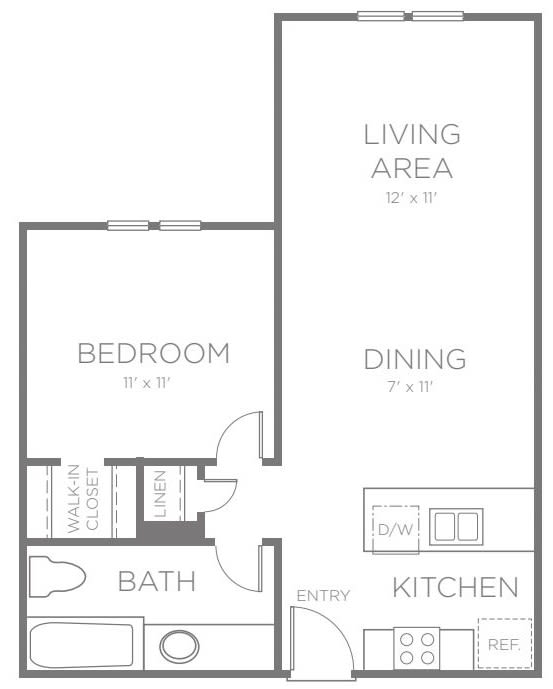
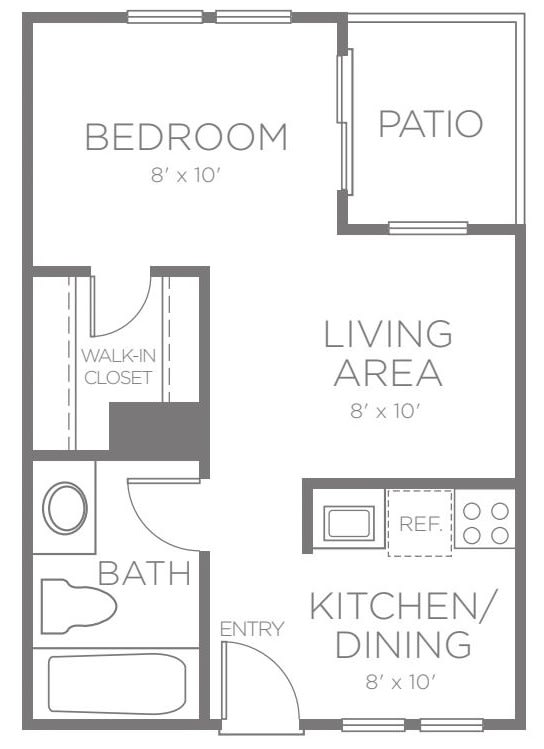
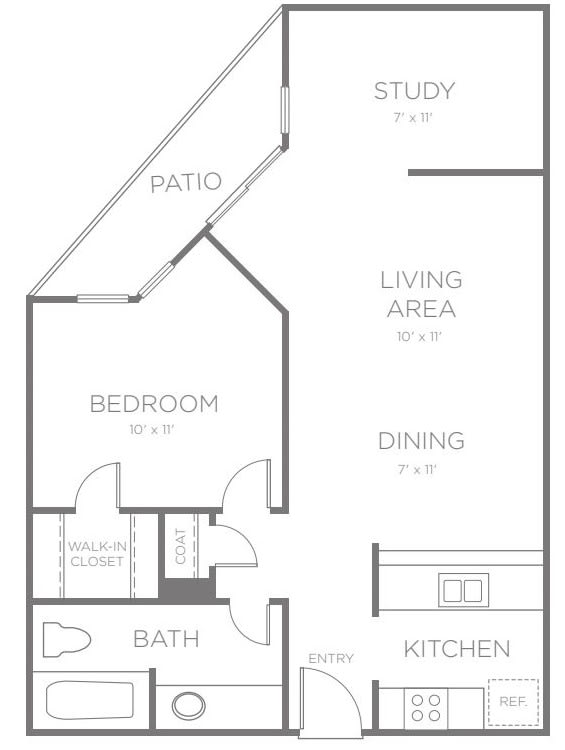
Studio$3,250 to $5,518$3,962$4,436
1 Bedroom$3,500 to $4,900$4,190$4,257
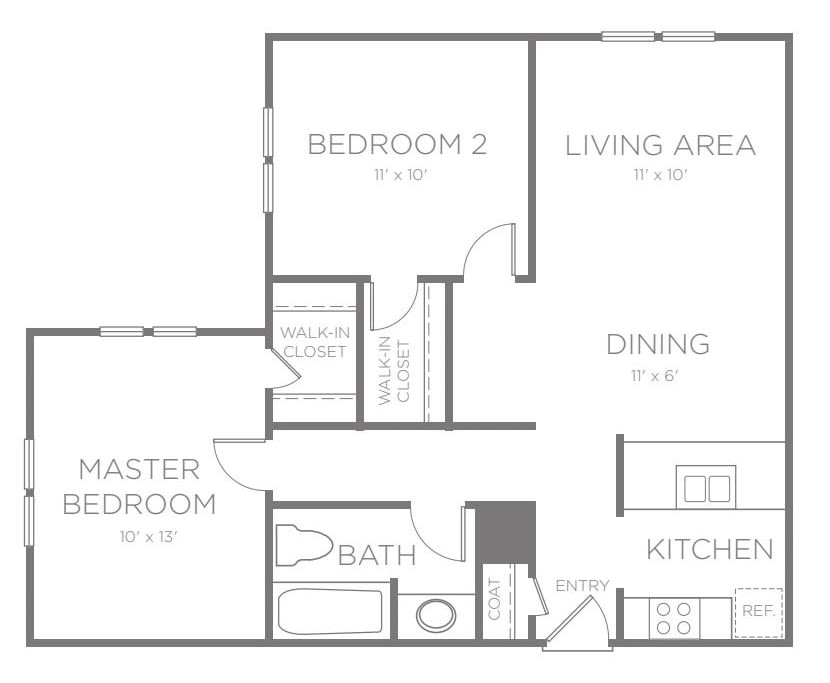
2 Bedrooms$5,350 to $8,718$4,187$4,602

Overall Review of First Colonial Inn

Pros

  • pro The facility is aesthetically pleasing, beautiful, and homey.
  • pro The staff are attentive, caring, and responsive to residents' needs.
  • pro Inna is described as a shining star throughout the process.
  • pro The meals are scratch-made and restaurant-quality.
  • pro Activities are engaging, plentiful, and varied beyond bingo.
  • pro The environment is pet-friendly, with residents' dogs and cats welcomed and well cared for.
  • pro The wellness program is exceptional and goes above and beyond.
  • pro Front desk staff (e.g., Kimberly) greet residents with warmth, contributing to a positive atmosphere.

Cons

  • pro One reviewer states that the facility's "days are over," implying a decline in quality from its past excellence.
  • pro A reviewer accuses the management of spending residents' money on frivolous projects, such as an expensive video game room.
  • pro It is claimed that resident input is largely ignored by the leadership.
  • pro A reviewer reports chronic understaffing of med techs and aides, affecting care.
  • pro The housekeeping supervisor is described as treating residents abysmally, causing distress.
  • pro A staff member named Abby is described as rude and unprofessional, leading to a negative experience.
  • pro Maintenance issues, like a balcony door replacement, can take weeks to address.
  • pro The facility's high monthly costs (up to $10,000) are noted without clear justification of corresponding quality.

Review

The collection of impressions about First Colonial Inn paints a picture of a place that has many strengths and a few notable storm clouds, depending on who you ask and when you visit. For many, the atmosphere is immediately welcoming: a clean, aesthetically pleasing interior, comfortable common areas, and a vibe that feels both homey and purposeful. Several visitors remarked on the overall beauty of the facility and the people who work there, noting that the team presents itself with warmth and a readiness to help. The grounds and interiors invite lingering conversations, and there's a sense of quiet pride in the place that residents and visitors alike can feel as they walk through.

A standout theme across several accounts is the community's pet-friendly culture. One reviewer highlighted that the aunt they were helping had a dog and was pleasantly surprised to learn that the community welcomes pets, with residents stopping to greet the animals and name every pet in view. This emphasis on four-legged (and furry) companions helps create a lively, social atmosphere where residents and families feel connected to each other and to the lives of the people around them. The same reviewer mentioned staff like Inna as a guiding light through the process, underscoring how attentive and transparent the team can be during the sometimes overwhelming transition to a senior community.

The activity program at First Colonial Inn receives considerable praise as well. Far from the stereotype of senior communities being limited to bingo and passive routines, visitors described a robust slate of activities, classes, and speakers that "fill the activity calendar daily." Book clubs, environmental topics, art, honeybee education, and other engaging offerings create a sense of ongoing opportunity for stimulation and socialization. The staff and leadership appear to put effort into diversifying experiences so residents can pursue varied interests - from crafts and lectures to wellness-focused events - without feeling boxed in. This vitality is often paired with a sense of personal attention from the activities team, which contributes to the overall impression of a well-run, dynamic environment.

Food, in particular, stands out as a bright point in many reviews. One guest contrasted the facility with a coworker's NC residence that served "really lousy" meals and found First Colonial Inn's dining program to be a revelation. Dishes described as "scratch-made" and thoughtfully prepared ranged from Eggs Benedict to halibut with lemon cream sauce over pasta, painting a picture of menus that emphasize quality and care rather than convenience. The meals are presented as something residents and guests would be proud to serve, a contrast to the canned or mass-produced options some facilities default to. The kitchen staff's role in shaping a positive daily experience is repeatedly noted, even when other aspects of management or operations draw scrutiny.

Several reviews celebrate the leadership and front-line staff as a core strength. Inna is repeatedly acknowledged as a shining star who walks with families through the process, while Dana (the executive director) and Kimberly (the front desk team) are praised for their warmth and responsiveness. The housekeeping team and maintenance staff also receive frequent nods for their professionalism and willingness to address resident concerns quickly. A wellness program is singled out as particularly strong - staff go "above and beyond" to keep residents occupied and content, an attribute that many residents and families describe as the heart of the community's daily life. In short, when things run smoothly, the culture at First Colonial Inn comes through as caring, capable, and communal.

But the experiences are not uniform. A section of reviewers offer a more cautious or critical view, noting that what once felt like an absolutely fabulous place has, in their eyes, declined in certain respects. They describe management as preoccupied with spending resident money on initiatives that don't necessarily serve the older population most effectively - citing a video game room as an example of funds invested in projects that see little use. The same voices claim residents' input is not actively sought or valued, and that raising concerns can lead to friction or discomfort, even to the point of residents feeling pressured. Staffing concerns - specifically, shortages of med techs and aides - are highlighted as ongoing problems that can affect daily life and safety.

Cost is another recurring theme in the more critical feedback. Several reviewers note that monthly costs can be substantial, with estimates ranging widely and placing First Colonial Inn in a tier where "$5,000 to $10,000 a month" becomes a significant consideration. In this context, the emphasis on the wellness program and the quality of the kitchen staff stands in tension with concerns about how funds are allocated and how residents' voices shape decisions. The positive elements - kitchen excellence, an active wellness program, and a lively activity calendar - are appreciated, but critics argue that the overall experience could be improved with greater resident engagement and stronger staffing stability.

Maintenance and service issues also surface in the negative accounts. One reviewer pointed to concrete operational concerns: a long-standing repair request for balcony glass doors due to a seal problem, and a separate request to replace and repaint balcony rails for safety reasons, both left unresolved for weeks. This kind of feedback - along with a separate anecdote about a rude frontline staff member and a long, frustrating search for a supervisor during a visit - highlights how essential responsive, respectful customer service is to shaping overall impressions. A subsequent report of a caregiver-like incident where a supervisor's communication was described as abrasive further underscores the impact of interpersonal dynamics on residents and families.

Finally, individual anecdotes illustrate the real-world texture of life at the community. A single reviewer described a mixed experience: even as several staff members demonstrated kindness and competence, the encounter with a rude employee during a routine administrative task and the subsequent live sharing of that event with supervisors highlighted how quickly a negative interaction can color a visitor's overall impression. Yet, in the same breath, the reviewer acknowledged colleagues who provided supportive, effective assistance, suggesting that internal differences - between departments, between personalities, and between intentions - play a significant role in shaping daily outcomes.

Overall, First Colonial Inn emerges as a place with undeniable strengths: a bright, welcoming interior; a dog-friendly, lively social scene; robust, diverse activities; and a dining program that emphasizes scratch-made meals and culinary care. The staff, especially those like Inna, Dana, and Kimberly, often rise to meet visitors' and residents' needs with warmth and professionalism. Yet the experience is not uniform: concerns about management choices, resident input, staffing levels, and some maintenance and customer-service issues remind us that even strong facilities rely on continuous alignment between leadership, staff, and the people they serve. For someone evaluating this community, it would be prudent to weigh the high-quality amenities, engaging programming, and compassionate staff against the realities of cost, maintenance responsiveness, and the degree to which resident voices are integrated into day-to-day decisions.

Features

Housing

  • 85 resident community capacity 85 resident community capacity
  • 1-bedroom apartments 1-bedroom apartments1-bedroom apartments are important for seniors because they provide a sense of independence, privacy, and autonomy while still offering the necessary space for comfortable living. These apartments allow seniors to maintain their own personal space and lifestyle preferences in a supportive community setting.
  • 2-bedroom apartments 2-bedroom apartments2-bedroom apartments are important for seniors because they provide extra space for guests, hobbies, and caregivers, as well as potential for additional income through roommates or rental.
  • Studio apartments Studio apartmentsStudio apartments are important for seniors because they offer a smaller, more manageable living space that is easier to navigate and maintain as physical abilities decline. Additionally, studio apartments provide seniors with independence and privacy while still being part of a community that offers support and social opportunities.

Types of Care

  • Assisted Living Assisted LivingAssisted living facilities provide crucial support and care for seniors who may need help with daily tasks such as medication management, bathing, and meal preparation. These communities offer a safe and comfortable environment where seniors can maintain their independence while receiving the assistance they need to thrive in their golden years.
  • Independent Living Independent LivingIndependent living communities are important for seniors because they offer a safe and supportive environment where older adults can live independently while still having access to amenities and services that enhance their quality of life. These communities provide social opportunities, recreational activities, and assistance with daily tasks, promoting overall well-being and allowing seniors to maintain their independence for as long as possible.

Pets

  • Cats allowed Cats allowed"Pet friendly" senior living communities are important for seniors because pets provide companionship, reduce feelings of loneliness and depression, promote physical activity and mental stimulation, and offer a sense of purpose and responsibility. Pets can improve overall well-being and quality of life for seniors in many ways.
  • Dogs allowed Dogs allowed"Pet friendly" senior living communities are important for seniors because pets provide companionship, reduce feelings of loneliness and depression, promote physical activity and mental stimulation, and offer a sense of purpose and responsibility. Pets can improve overall well-being and quality of life for seniors in many ways.

Amenities

  • Activities off-site Activities off-siteEngaging in off-site activities is crucial for seniors to maintain social connections, stay active, and stimulate their minds. It promotes overall well-being and helps combat feelings of isolation and loneliness.
  • Activities on-site Activities on-siteActivities on-site are important for seniors because they provide opportunities for socialization, mental stimulation, physical activity, and overall well-being. Engaging in activities can help seniors stay active, maintain their independence, and improve their quality of life.
  • Air-conditioning Air-conditioningAir conditioning is important for seniors as they are more vulnerable to heat-related illnesses and may have underlying health conditions that make it difficult for them to regulate their body temperature. It helps to keep them comfortable, safe, and healthy in hot weather.
  • Bath tubs Bath tubsBath tubs are important for seniors because they provide a safe and relaxing way to bathe, helping to prevent slips and falls while promoting independence and overall well-being.
  • Beautician on-site Beautician on-siteHaving a beautician on-site at a senior living community is important for seniors as it allows them to easily access grooming and personal care services, boosting their self-esteem and overall well-being. It also provides convenience and helps seniors maintain their sense of independence and personal style.
  • Beauty salon Beauty salonBeauty salons are important for seniors because they provide a space for them to feel pampered, socialize, and maintain their personal grooming and hygiene. Regular visits to a beauty salon can help boost seniors' self-esteem and overall well-being.
  • Cable or satellite TV Cable or satellite TVCable or satellite TV is important for seniors because it provides entertainment, news, and companionship, helping to combat loneliness and boredom. It also offers a wide range of programming options tailored to different interests and preferences.
  • Computer center Computer centerA computer center is essential for seniors as it provides access to technology, communication tools, and resources that can enhance their daily lives. It allows them to stay connected with loved ones, engage in online activities, and learn new skills, ultimately promoting socialization and mental stimulation.
  • Devotional services off-site Devotional services off-siteDevotional services off-site are important for seniors as they provide spiritual nourishment, social engagement, and a sense of community outside of the senior living facility. This can enhance overall well-being and help combat feelings of isolation and loneliness often experienced by older adults.
  • Devotional services on-site Devotional services on-siteDevotional services on-site provide seniors with spiritual support and a sense of community, as well as an opportunity for reflection and guidance during their senior living experience. This can promote emotional well-being and connection to others, leading to a more fulfilling and enriching lifestyle in their later years.
  • Dining room Dining roomDining rooms are important for seniors as they provide a space for socialization, connection, and nutritious meals. They offer opportunities for residents to bond over shared meals, foster a sense of community, and promote healthy eating habits. Dining rooms also ensure that seniors have access to well-balanced meals tailored to their dietary needs and preferences.
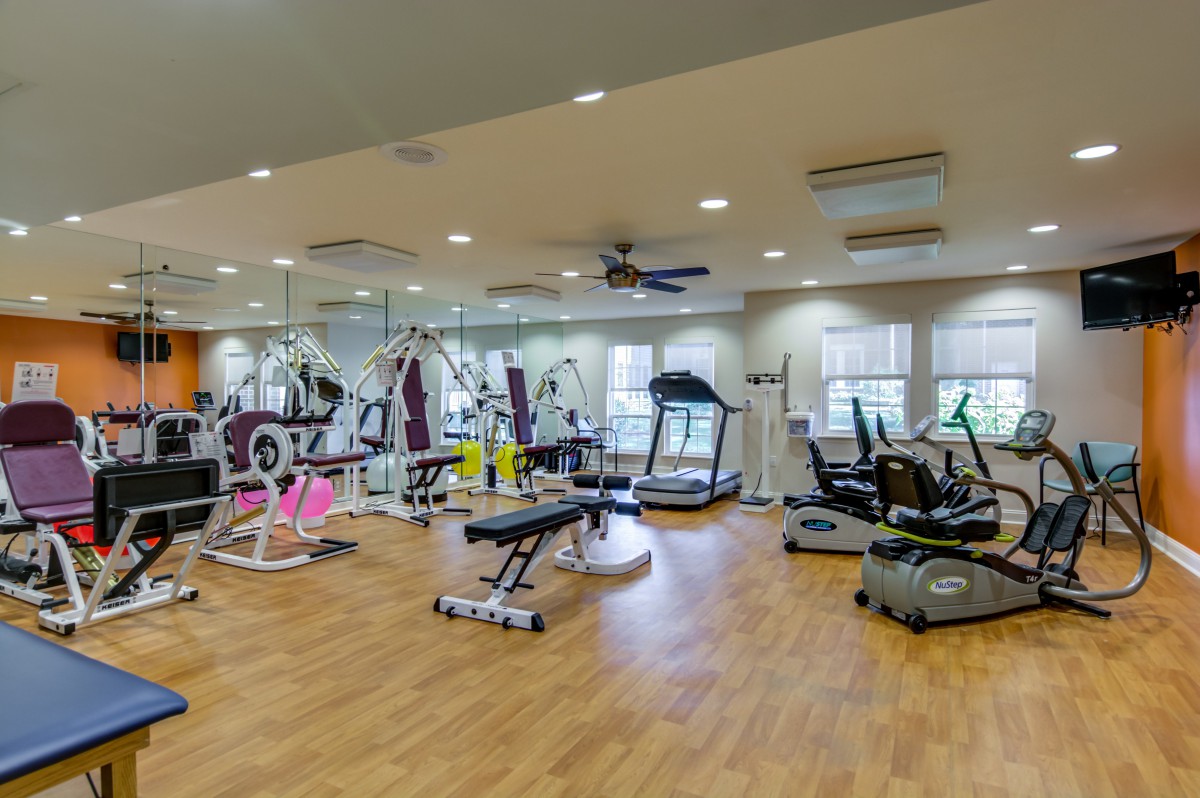
  • Fitness room Fitness roomHaving a fitness room in a senior living community is essential for seniors to stay active, maintain their physical health, and improve their overall well-being. Regular exercise can help prevent falls, reduce the risk of chronic diseases, and promote mental sharpness. It also provides social opportunities for residents to connect with others and enjoy a sense of community.
  • Full kitchen Full kitchenHaving a full kitchen in a senior living facility is important for seniors because it allows them to maintain their independence and prepare their own meals. This promotes healthy eating habits, saves money on dining out, and provides a sense of familiarity and comfort for residents.
  • Fully furnished Fully furnishedFully furnished senior living communities are important for seniors because they provide convenience, comfort, and a hassle-free moving experience. Seniors can easily settle into their new living space without the stress of having to buy and move furniture. This allows them to focus on enjoying their new home and community.
  • Gaming room Gaming roomGaming rooms are important for seniors as they provide a fun and engaging environment for socializing, cognitive stimulation, and physical activity. Games can improve memory, problem-solving skills, and overall mental well-being while fostering friendships and reducing feelings of isolation.
  • Garden GardenGardens are important for seniors as they provide a peaceful and therapeutic environment for relaxation, physical activity, and socialization. Being in nature has been shown to reduce stress, improve mood, and promote overall well-being. Gardens also offer opportunities for seniors to engage in gardening activities, which can improve mobility, flexibility, and cognitive function. Additionally, gardens create a sense of community and connection with others who share a passion for plants and outdoor spaces.
  • Ground floor units Ground floor unitsGround floor units are important for seniors because they provide easy accessibility, reduced risk of falls and injuries, and convenience for those with mobility issues. Seniors can avoid climbing stairs or using elevators, making daily tasks and activities more manageable and enjoyable.
  • Handicap accessible Handicap accessible"Handicap accessible" amenities are crucial for seniors to ensure they can easily navigate and access facilities, services, and activities without barriers or limitations due to physical impairments. This promotes independence, safety, and inclusivity for seniors in senior living communities.
  • Housekeeping services Housekeeping servicesHousekeeping services are important for seniors because they help maintain a clean and safe living environment, promote independence, and reduce the risk of accidents or illnesses. Additionally, having assistance with household chores can alleviate physical strain and allow seniors to focus on other aspects of their well-being.
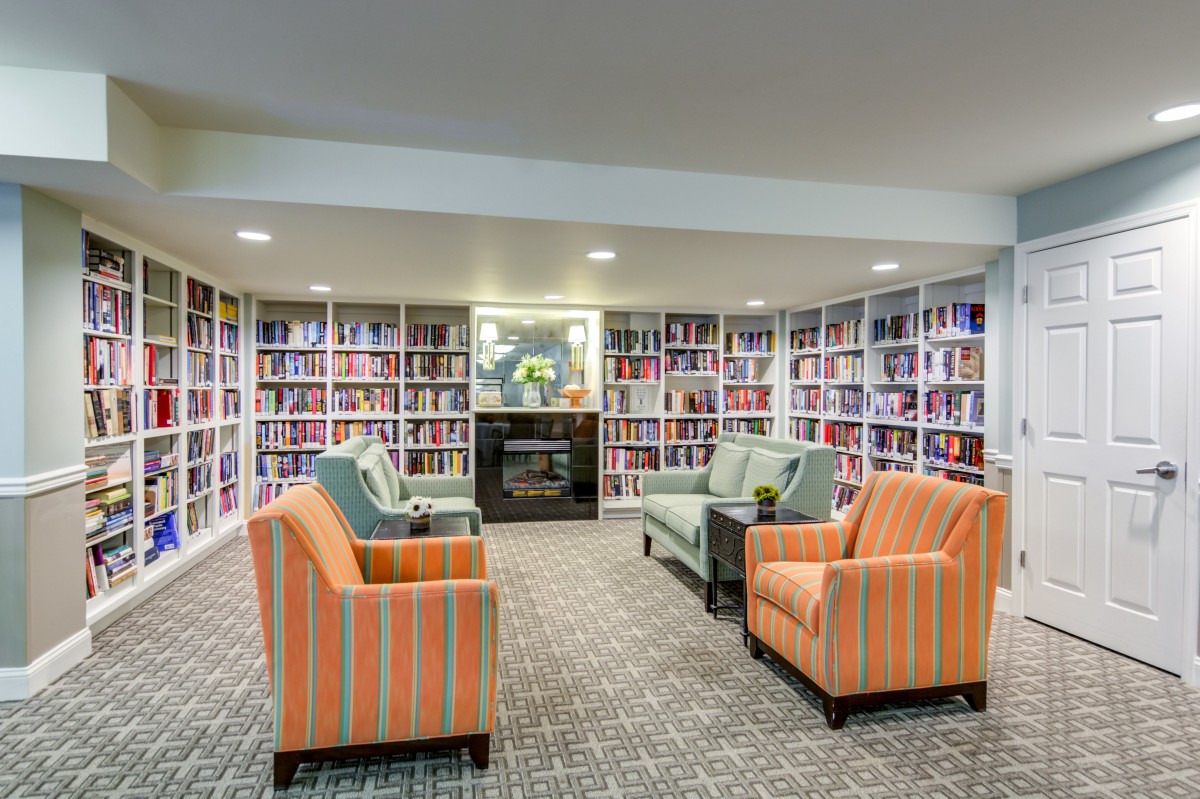
  • Indoor common areas Indoor common areasIndoor common areas are crucial for seniors as they provide a space for socialization, recreation, and community engagement, promoting overall well-being and reducing feelings of isolation and loneliness.
  • Kitchenette KitchenetteKitchenettes are important for seniors living in senior living communities because they provide the convenience and independence of being able to prepare simple meals and snacks in the comfort of their own living space. This can help promote a sense of autonomy and well-being for seniors, allowing them to maintain some level of control over their dietary choices and daily routines.
  • Move-in coordination Move-in coordinationMove-in coordination is important for seniors because it helps ease the transition into their new living environment. It ensures that all logistics, such as packing, organizing movers, and setting up utilities are taken care of, allowing seniors to focus on settling in and adjusting to their new home. Having a smooth move-in process can alleviate stress and anxiety, making the transition smoother and more enjoyable for seniors.
  • Outdoor common areas Outdoor common areasOutdoor common areas are important for seniors as they provide a space for socialization, physical activity, and relaxation. Being outside in nature can improve mood and overall well-being, while also encouraging movement and engagement with others. These spaces can help combat feelings of isolation and promote a sense of community among residents.
  • Outdoor space Outdoor spaceOutdoor spaces are important for seniors as they provide opportunities for physical activity, social interaction, exposure to natural light and fresh air, and a sense of connection to nature. Having access to outdoor spaces can improve overall well-being and quality of life for older adults living in senior communities.
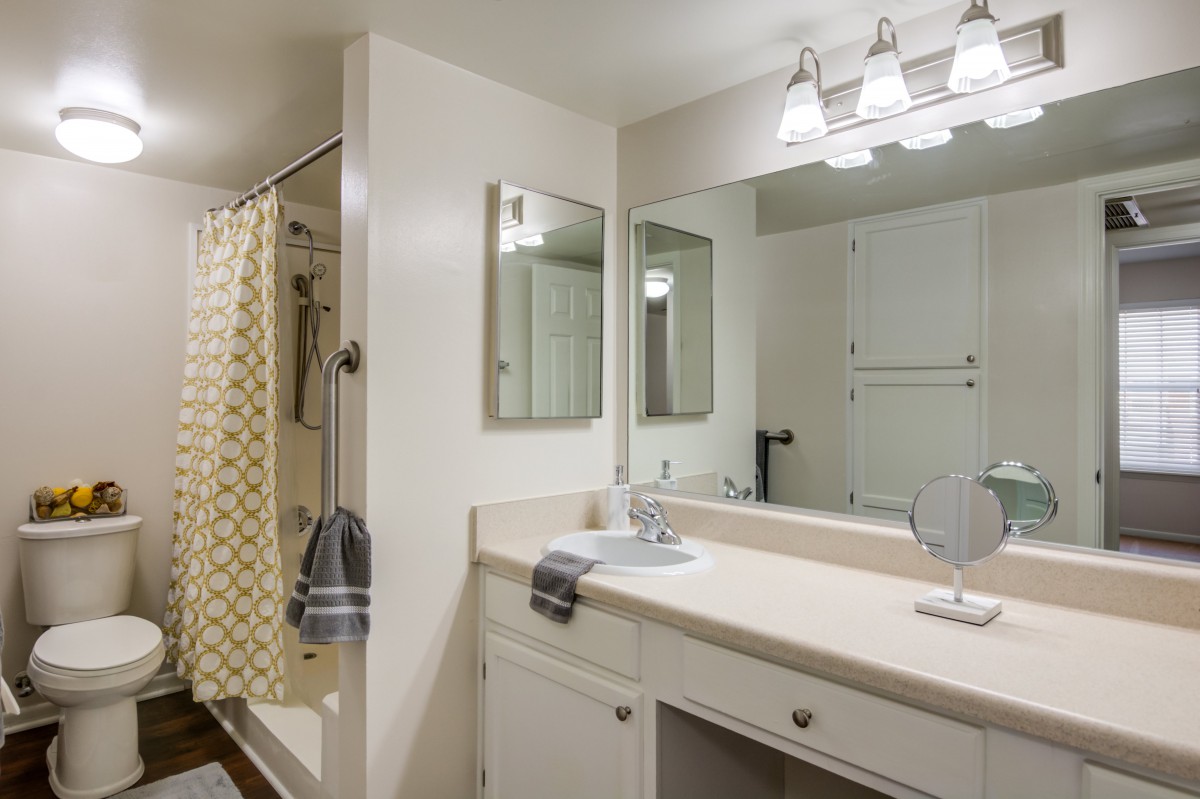
  • Private bathrooms Private bathroomsPrivate bathrooms are important for seniors in senior living communities because they provide independence, dignity, and comfort. Having a private bathroom allows seniors to maintain their personal hygiene routines without the need for assistance, promoting a sense of autonomy and privacy. Additionally, private bathrooms help prevent the spread of infections and provide a safe and clean environment for seniors to navigate safely.
  • Respite or short term stays offered Respite or short term stays offeredRespite or short term stays provide seniors with a temporary solution when their regular caregiver is unavailable, offering them the opportunity to receive additional care and support during times of need, while also giving caregivers a chance to rest and recharge.
  • Restaurant-style dining Restaurant-style diningRestaurant-style dining is important for seniors because it allows them to enjoy delicious, nutritious meals in a social and upscale setting. This enhances their dining experience, promotes healthy eating habits, and fosters socialization with fellow residents, ultimately contributing to their overall well-being and quality of life.
  • Small library Small librarySmall libraries are important for seniors as they provide access to a variety of reading materials, including books, newspapers, and magazines. This can help stimulate their minds, keep them engaged, and provide a sense of community through book clubs and other social activities. Additionally, reading has been shown to improve cognitive function and overall mental well-being in older adults.
  • Telephone TelephoneTelephones are important for seniors as they provide a lifeline for communication with loved ones, emergency services, and healthcare providers. They offer a sense of security and independence, enabling seniors to stay connected and access assistance when needed.
  • Wellness center Wellness centerWellness centers are important for seniors because they offer a variety of programs and services that promote physical, mental, and emotional well-being. These centers provide opportunities for exercise, socialization, education, and relaxation, helping seniors maintain their overall health and quality of life.
  • Wheelchair accessible showers Wheelchair accessible showersWheelchair accessible showers are crucial for seniors as they provide a safe and independent bathing option for those with mobility challenges. These showers help prevent falls and allow seniors to maintain their dignity and autonomy while ensuring they can bathe comfortably.
  • Wi-Fi/high-speed internet available Wi-Fi/high-speed internet availableWi-Fi/high-speed internet is important for seniors to stay connected with loved ones, access online resources, and participate in virtual activities to combat feelings of loneliness and isolation. It also allows them to easily manage healthcare needs, access entertainment, and engage in lifelong learning opportunities.

Transportation

  • Norfolk International (10 miles away) Norfolk International (10 miles away)
  • Community operated transportation Community operated transportationCommunity operated transportation is crucial for seniors as it provides them with the means to access essential services, social activities, and medical appointments. It allows seniors to maintain their independence and quality of life by ensuring they can participate in activities outside of their homes. Additionally, community-operated transportation services offer a safe and reliable way for seniors to travel without having to rely on family or friends for assistance.
  • Transportation arrangement Transportation arrangementTransportation arrangements are crucial for seniors as they may face challenges with driving, mobility, or access to public transportation. Having reliable transportation services ensures that seniors can easily attend appointments, social activities, and maintain their independence and quality of life.
  • Transportation arrangement (non-medical) Transportation arrangement (non-medical)Transportation arrangements are essential for seniors as they provide access to essential services, activities, and social interactions outside the home. This service helps maintain independence, mobility, and overall well-being for seniors who may have limited transportation options.
  • Transportation to doctors appointments Transportation to doctors appointmentsTransportation to doctors appointments is crucial for seniors as it ensures they have access to necessary medical care and support, promoting their health and well-being. It allows them to receive timely treatment, monitor existing conditions, and address any new health concerns efficiently. Additionally, transportation services can help seniors maintain their independence and quality of life by enabling them to stay connected with their healthcare providers.

Care Services

  • 12-16 hour nursing 12-16 hour nursing12-16 hour nursing care is crucial for seniors in order to ensure around-the-clock monitoring, timely medication administration, and prompt response to any health concerns or emergencies. This level of care helps to promote the overall well-being and safety of seniors living in senior living communities.
  • 24-hour call system 24-hour call system24-hour call systems are important for seniors because they provide peace of mind and immediate assistance in case of emergencies. This technology ensures that help is always available, promoting safety and security for elderly individuals living alone or in assisted living facilities.
  • 24-hour supervision 24-hour supervision24-hour supervision is important for seniors to ensure their safety, well-being, and access to immediate assistance in case of emergencies or health issues. This constant support provides peace of mind for both seniors and their loved ones, allowing them to age in place with dignity and security.
  • Activities of daily living assistance Activities of daily living assistanceActivities of daily living assistance are important for seniors because they provide essential support with tasks such as eating, bathing, dressing, and mobility. This assistance helps seniors maintain their independence, dignity, and overall quality of life as they age.
  • Ambulatory care Ambulatory care"Ambulatory care services provide essential medical support and treatment to seniors without requiring hospitalization, allowing them to maintain their independence and quality of life while managing chronic conditions or receiving routine medical care."
  • Assistance with bathing Assistance with bathingAssistance with bathing is crucial for seniors as it helps maintain personal hygiene, prevents infections, and ensures their overall well-being and comfort. It also provides a sense of dignity and independence for seniors who may struggle with this task on their own.
  • Assistance with dressing Assistance with dressingAssistance with dressing is important for seniors because it helps maintain their independence, promotes personal hygiene, prevents accidents and injuries, and improves overall quality of life. This service ensures that seniors can continue to dress comfortably and confidently, despite any physical limitations they may have.
  • Assistance with transfers Assistance with transfersAssistance with transfers is crucial for seniors as it helps prevent falls and injuries, maintains their independence, and ensures they can safely navigate their living environment. It also provides peace of mind for both seniors and their loved ones.
  • Coordination with health care providers Coordination with health care providersCoordination with health care providers is crucial for seniors to ensure proper medical care, medication management, and overall well-being. This collaboration helps prevent overlapping treatments, track progress more effectively, and provide comprehensive support tailored to individual needs.
  • Diabetes diet Diabetes dietA diabetes diet is crucial for seniors as it helps manage blood sugar levels, reduce risks of complications, and improve overall health and well-being. By following a balanced and nutritious diet tailored to their specific needs, seniors can better control their diabetes and enhance their quality of life.
  • Diabetic care Diabetic careDiabetic care is crucial for seniors as they are more susceptible to developing diabetes due to aging and other health conditions. Proper management of diabetes can help prevent complications such as heart disease, vision loss, and nerve damage, improving the overall quality of life for seniors in senior living communities.
  • Hospice waiver Hospice waiverHospice waivers are important for seniors because they allow individuals to receive specialized end-of-life care and support at home or in a hospice facility. This waiver ensures that seniors can access the necessary resources and services to maintain comfort and dignity during their final days.
  • Incontinence care Incontinence careIncontinence care is essential for seniors to maintain their dignity, hygiene, and overall quality of life. By addressing incontinence issues promptly and effectively, seniors can enjoy a sense of independence and comfort in their daily activities.
  • Meal preparation and service Meal preparation and serviceMeal preparation and service are crucial for seniors as they may have limited mobility or energy to cook nutritious meals. Having access to healthy and convenient food options can ensure they are getting the proper nutrition needed to maintain their overall health and well-being.
  • Medication management Medication managementMedication management is crucial for seniors to ensure they are taking the right medications at the correct dosages and times. This helps prevent adverse drug interactions, reduces the risk of medication errors, and promotes overall health and well-being. Proactive management also allows for adjustments as needed based on changing health conditions or new prescriptions.
  • Mental wellness program Mental wellness programMental wellness programs are essential for seniors as they promote cognitive stimulation, emotional support, and social engagement. These programs help prevent isolation, depression, and cognitive decline, ultimately enhancing the overall quality of life for older adults.
  • Special dietary restrictions Special dietary restrictionsSpecial dietary restrictions are important for seniors because age-related changes in metabolism and health conditions can make it difficult for their bodies to process certain foods. By following a diet tailored to their specific needs, seniors can maintain their overall health and well-being, manage chronic conditions, and reduce the risk of complications such as malnutrition or food interactions with medications.
  • Transportation arrangement (medical) Transportation arrangement (medical)Transportation arrangements for medical purposes are essential for seniors as they may have difficulty driving themselves to appointments or accessing public transportation. Having reliable and safe transportation options ensures that seniors can receive timely medical care and maintain their health and well-being.
  • Transportation to doctors appointments Transportation to doctors appointmentsTransportation to doctors appointments is crucial for seniors as it ensures they have access to necessary medical care and support, promoting their health and well-being. It allows them to receive timely treatment, monitor existing conditions, and address any new health concerns efficiently. Additionally, transportation services can help seniors maintain their independence and quality of life by enabling them to stay connected with their healthcare providers.

Dining

  • Anytime dining Anytime diningAnytime dining is important for seniors because it allows them the flexibility to eat when they are hungry, rather than being restricted to set meal times. This can be especially beneficial for those with medical conditions or medications that affect their appetite, as well as those who may have difficulty adhering to a strict dining schedule. Overall, anytime dining promotes independence and overall well-being for seniors in senior living communities.
  • Diabetes diet Diabetes dietA diabetes diet is crucial for seniors as it helps manage blood sugar levels, reduce risks of complications, and improve overall health and well-being. By following a balanced and nutritious diet tailored to their specific needs, seniors can better control their diabetes and enhance their quality of life.
  • Gluten-free Gluten-freeGluten-free options are important for seniors as they are more prone to digestive issues and dietary sensitivities. Offering gluten-free meal choices in senior living communities can help improve their overall health and well-being.
  • Guest meals Guest mealsGuest meals are important for seniors living in senior living communities because they provide an opportunity for socialization and companionship. Sharing a meal with friends, family, or new acquaintances can help combat feelings of loneliness and isolation, promote a sense of community, and enhance overall well-being. Additionally, guest meals allow seniors to enjoy delicious food in a comfortable setting without the hassle of cooking or cleaning up, making dining a pleasurable and stress-free experience.
  • International cuisine International cuisineInternational cuisine is important for seniors because it offers a variety of flavors, ingredients, and cultural experiences that can help keep their meals interesting and enjoyable. Trying new dishes can also stimulate the senses and provide different nutrients that contribute to overall health and well-being. Additionally, exploring international cuisine can bring back fond memories of travels or childhood experiences, making mealtime more nostalgic and fulfilling for seniors.
  • Low / no sodium Low / no sodiumLow/no sodium options are important for seniors because excessive sodium intake can lead to high blood pressure, heart disease, and other health issues commonly experienced by older adults. By choosing low/no sodium foods, seniors can better manage their health and reduce their risk of developing these conditions.
  • Meals provided Meals provided"Meals provided" are crucial for seniors in assisted living communities as it ensures they have access to nutritious, balanced meals without the stress of meal planning and preparation. This can help promote overall health and well-being for seniors who may have limited mobility or cognitive abilities.
  • No Sugar No SugarNo sugar diets are important for seniors because they can help prevent or manage chronic conditions such as diabetes, heart disease, and obesity. Sugar can also contribute to cognitive decline and inflammation in the body, so reducing sugar intake can lead to overall improved health and well-being in older adults.
  • Professional chef Professional chefProfessional chefs are important for seniors living in senior living communities because they provide nutritious and delicious meals that cater to their dietary needs and preferences. A professional chef can ensure that seniors are receiving balanced, flavorful meals that support their overall health and well-being.
  • Restaurant style dining Restaurant style diningRestaurant style dining is important for seniors as it offers them a social and enjoyable dining experience, promotes healthy eating habits, and provides personalized menu options to cater to their dietary needs and preferences. This type of dining setting can enhance their overall quality of life and create a sense of community within the senior living facility.
  • Room service Room serviceRoom service is important for seniors in a senior living community because it provides convenience and allows them to have their meals delivered directly to their room. This can be especially beneficial for seniors who may have mobility issues or difficulty accessing the dining area. Room service ensures that seniors are able to receive nutritious meals without having to navigate through the facility, allowing them to maintain their independence and overall well-being.
  • Special dietary restrictions Special dietary restrictionsSpecial dietary restrictions are important for seniors because age-related changes in metabolism and health conditions can make it difficult for their bodies to process certain foods. By following a diet tailored to their specific needs, seniors can maintain their overall health and well-being, manage chronic conditions, and reduce the risk of complications such as malnutrition or food interactions with medications.
  • Vegan VeganVegan diets can provide numerous health benefits for seniors, including lower risk of chronic diseases, improved digestion, and increased energy levels. Additionally, plant-based diets are often rich in essential nutrients that can support overall well-being and longevity in older adults.
  • Vegetarian VegetarianA vegetarian diet is important for seniors because it can help lower the risk of chronic diseases, maintain a healthy weight, and provide essential nutrients needed for aging bodies. Additionally, plant-based diets are often easier on digestive systems and can contribute to overall well-being in older adults.

Activities

  • Art classes Art classesArt classes are important for seniors because they provide a creative outlet, improve cognitive function, reduce stress and anxiety, promote socialization, and enhance overall well-being and quality of life.
  • Catholic services Catholic servicesCatholic services are important for seniors because they provide spiritual support, a sense of community, and opportunities for social interaction that can enhance overall well-being and quality of life in their later years.
  • Community-sponsored activities Community-sponsored activitiesCommunity-sponsored activities are important for seniors as they provide opportunities for social interaction, mental stimulation, and physical activity. These activities can help improve overall well-being, combat loneliness and isolation, and promote a sense of belonging and purpose among older adults.
  • Concierge services Concierge servicesConcierge services are essential for seniors as they provide assistance with daily tasks and errands, enhance their quality of life by offering convenience and personalized care, and promote a sense of safety and security.
  • Cooking classes Cooking classesCooking classes are important for seniors as they provide opportunities for social interaction, enhance cognitive skills, promote healthy eating habits, and boost confidence in the kitchen.
  • Devotional activities offsite Devotional activities offsiteDevotional activities offsite are important for seniors because they provide social engagement, spiritual growth, and a sense of community outside of their living environment. This can improve overall well-being, mental health, and combat feelings of isolation or loneliness.
  • Devotional activities on-site Devotional activities on-siteDevotional activities on-site provide seniors with a sense of community, spiritual fulfillment, and emotional support, promoting overall well-being and a positive sense of purpose in their lives.
  • Educational speakers / life long learning Educational speakers / life long learningEducational speakers and lifelong learning opportunities are crucial for seniors as they provide mental stimulation, promote social engagement, and contribute to overall well-being. Continuous learning helps seniors stay mentally sharp, build new skills, and maintain a sense of purpose and fulfillment in their lives. It also allows them to stay connected to the world around them and fosters a sense of community within senior living facilities.
  • Fitness programs Fitness programsFitness programs are crucial for seniors as they help improve strength, flexibility, balance, and overall well-being. Staying active can reduce the risk of chronic diseases, improve mental health, and enhance quality of life in older adults.
  • Jewish services Jewish servicesJewish services are important for seniors as they provide a sense of community, spiritual support, and connection to their heritage and traditions. These services help enhance overall well-being and quality of life for older adults in senior living settings.
  • Other religious services Other religious servicesOther religious services are important for seniors as they provide a sense of community, spiritual comfort, and opportunities for socializing. These services can help seniors feel connected to their faith and maintain a sense of purpose and belonging in their later years.
  • Planned day trips Planned day tripsPlanned day trips are important for seniors because they offer opportunities for socialization, mental stimulation, and physical activity. They provide a change of scenery and help seniors stay engaged and connected to their community, promoting overall well-being and quality of life.
  • Protestant services Protestant servicesProtestant services are important for seniors because they provide spiritual nourishment, community support, and a sense of belonging. These services can help seniors connect with others who share their faith, find comfort and guidance in times of need, and maintain a sense of purpose and fulfillment in their later years.
  • Resident-run activities Resident-run activitiesResident-run activities are important for seniors as they encourage social interaction, creativity, and a sense of autonomy. These activities empower seniors to stay engaged and active in their community while fostering meaningful connections with their peers.
  • Scheduled daily activities Scheduled daily activitiesScheduled daily activities are important for seniors because they provide structure, socialization, mental stimulation, and physical activity. Engaging in regular activities can improve overall well-being and quality of life for seniors living in a community setting.
  • Visiting Rabbi Visiting Rabbi"Visiting rabbis provide spiritual and emotional support to seniors in assisted living communities, helping them connect with their faith, find comfort in times of need, and maintain a sense of community and belonging."
  • Visiting chaplain or priest Visiting chaplain or priestHaving a visiting chaplain or priest at a senior living community is important for seniors because it provides spiritual support, comfort, and guidance during a time of life that can be challenging and uncertain. Their presence can help seniors feel connected to their faith, find peace of mind, and cope with the emotional and mental struggles they may face in their later years.

Description

The First Colonial Inn in Virginia Beach, VA is a vibrant and welcoming community offering a variety of housing options for seniors. With 2-bedroom apartments and studio apartments available, residents can choose the living space that suits their needs and preferences.

This community is focused on providing independent living services, allowing seniors to maintain their freedom while receiving necessary assistance. The dedicated staff is available 24/7 to provide support with activities of daily living, such as bathing, dressing, and transfers. Medication management, diabetic care, and special dietary restrictions are also catered to in order to ensure residents' health and well-being.

First Colonial Inn offers an array of amenities to enhance residents' quality of life. The community boasts beautiful indoor and outdoor common areas where seniors can socialize or relax. Engaging activities are organized regularly, including educational speakers, fitness programs, cooking classes, and various religious services to cater to different spiritual needs. Residents also have access to a fully equipped fitness room and can enjoy the beautiful garden on-site.

The dining experience at First Colonial Inn is exceptional with professional chefs preparing delicious meals served restaurant-style in the dining room. Residents can enjoy a wide range of options with different dietary restrictions accommodated for, including diabetes diet, gluten-free options, vegan and vegetarian choices.

Conveniently located near cafes, parks, pharmacies, physicians' offices, restaurants, places of worship, theaters, and hospitals - residents have easy access to nearby amenities and healthcare facilities.

Overall, First Colonial Inn provides a comfortable and welcoming home for seniors seeking an independent living community where they can live life to the fullest while receiving necessary support from experienced staff members.

Videos

Nearby Places of Interest

This part of Virginia Beach, Virginia offers a variety of amenities and services that may be appealing to seniors looking to relocate. With several physicians, pharmacies, and hospitals located within close proximity, residents can easily access medical care when needed. Additionally, there are restaurants offering diverse dining options, cafes for socializing with friends, places of worship for spiritual fulfillment, and parks for outdoor recreation. The area also boasts a couple of theaters for entertainment purposes. Overall, this neighborhood provides a convenient and well-rounded environment for seniors seeking a comfortable and vibrant community to call home.

Physicians

  • Dr. Susan E. Ring, MD (0.1 miles)
  • First Colonial Eye Center (0.1 miles)
  • Advanced Pain Management & Rehabilitation PC (0.1 miles)
  • Arthritis Consultants of Tidewater (0.2 miles)
  • Coastal Ear Nose & Throat (0.4 miles)
  • Pulmonary Medicine of Virginia Beach (0.6 miles)
  • Virginia Beach Family Practice (0.6 miles)

Restaurants

  • Baladi Mediterranean Cafe (0.3 miles)
  • Wasserhund Brewing Company (0.4 miles)
  • No Frill Bar And Grill (0.4 miles)
  • Taco Bell (0.5 miles)
  • Taste Unlimited (0.5 miles)
  • Yukai Japanese Buffet (0.7 miles)
  • Captain Georges Seafood Restaurant (0.7 miles)

Pharmacies

  • CVS Pharmacy (0.3 miles)
  • Walgreens (0.3 miles)
  • CVS Pharmacy (2.6 miles)
  • Walgreens (2.7 miles)
  • Rite Aid (2.8 miles)
  • Good Neighbor Pharmacy (2.9 miles)
  • Walgreens (3.7 miles)

Hospitals

  • Virginia Beach Ambulatory Surgery Center (0.7 miles)
  • Sentara Virginia Beach General Hospital (0.8 miles)
  • Sentara Health Care (3 miles)

Cafes

  • Rick's Cafe (0.9 miles)
  • Starbucks (1.6 miles)
  • Bad Ass Coffee (2.4 miles)
  • Starbucks (2.6 miles)
  • The Green Cat (2.6 miles)
  • Kahiau's Bakery & Cafe (4.5 miles)
  • Starbucks (6.2 miles)

Places of Worship

  • Virginia Beach Community Chapel (1.3 miles)
  • Spring Branch Community Church (2.2 miles)

Parks

  • Broad Bay Estates Park (3.1 miles)
  • Kings Grant Park (4.3 miles)
  • Red Wing Park (4.8 miles)
  • Mount Trashmore Park (5.8 miles)

Theaters

  • AMC Lynnhaven 18 (3.7 miles)
  • Regal Entertainment Group (5.8 miles)

Frequently Asked Questions

How much does it cost to live at First Colonial Inn in Virginia Beach, VA?
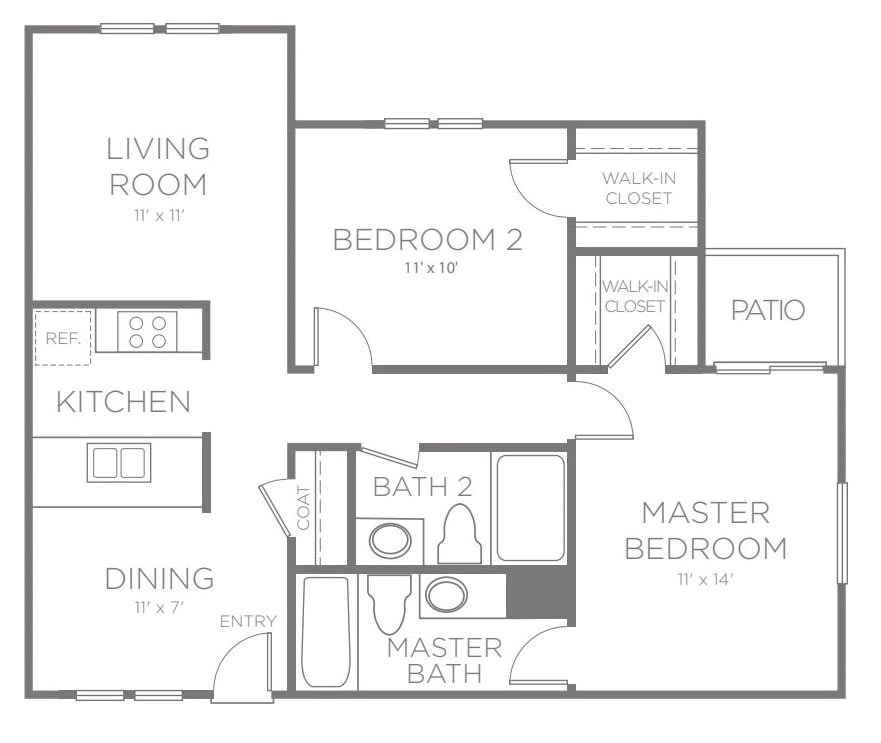
What floor plans and room types does First Colonial Inn offer?
Where is First Colonial Inn?
Does First Colonial Inn allow residents to have pets?
What photos are available for First Colonial Inn in Virginia Beach, Virginia?

Nearby Communities

Assisted Living in Nearby Cities

Related Resources

  • assisted living activitiesBeyond the Bingo Hall: 50+ Enriching Activities for Seniors in Assisted Living

    Assisted living communities offer diverse activities beyond traditional games to enhance seniors' physical health, cognitive well-being, emotional enrichment, and social connections, including fitness classes, creative expression, and intergenerational interactions. These enriching programs foster community bonds and support residents' independence and happiness.

  • assisted living vs memory careUnderstanding the Distinctions: Assisted Living and Memory Care Explained

    The article differentiates between assisted living and memory care, explaining that assisted living supports seniors with daily activities while promoting independence, whereas memory care provides specialized services for individuals with dementia, focusing on secure environments and cognitive support. It also addresses staff training, safety considerations, costs, family involvement, and transition strategies for families navigating these care options.

  • elderly parent refuses assisted livingGuiding Elderly Parents Who Refuse Assisted Living: 6 Practical Steps
    Family caregivers face emotional, legal, and practical challenges when elderly parents refuse assisted living, often due to fears of losing autonomy. Open conversations and professional assessments can help address these concerns while exploring alternatives and ensuring safety, potentially leading to legal guardianship if necessary.